For more information about senior living options: (866) 208-4318
4.1 from 67 reviews
5 stars
48
4 stars
5
3 stars
1
2 stars
1
1 stars
12
Columbia Landing of Issaquah Costs & Pricing
Columbia Landing of Issaquah presents a distinctive pricing structure that reflects its premium services and amenities compared to the broader market in King County and the state of Washington. For a semi-private room, residents can expect to pay $7,350 per month, significantly higher than the county's average of $4,430 and the state average of $4,267. Similarly, the studio option is priced at $8,995, again surpassing both regional averages - $4,464 for King County and $4,126 for Washington as a whole. These elevated rates indicate Columbia Landing's commitment to offering an enhanced living experience tailored to those seeking a higher standard of care and community engagement in their senior living environment.
Floor plans
Columbia Landing of Issaquah
King County
Washington
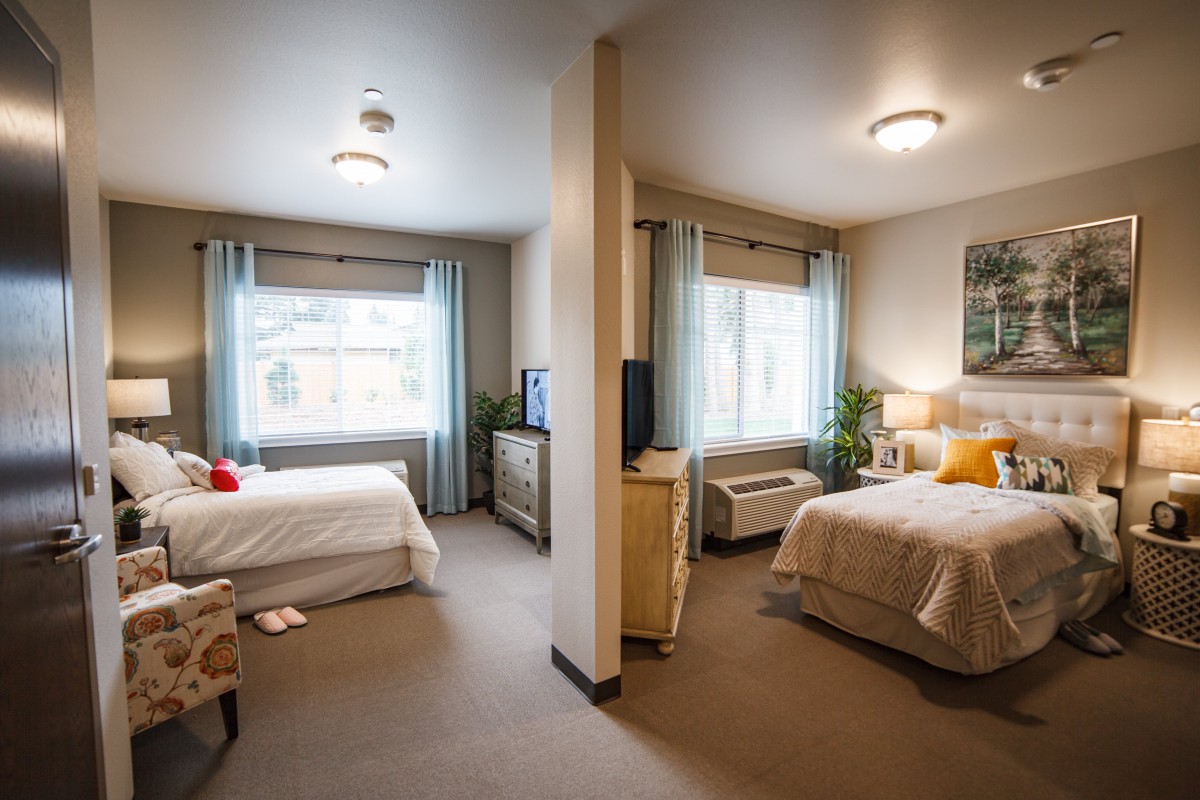
Semi-Private
$7,350
$4,430
$4,272
Studio
$8,995
$4,464
$4,128
Memory care communities with a similar price nearby
Residents and families repeatedly describe staff as caring and responsive.
Many reviews emphasize how frequently staff show kindness, invest time in residents, and help families through difficult decisions. Several reviewers also mention communication and follow-through when concerns are raised, including keeping loved ones informed about what is happening. At the same time, a smaller set of reviews describes breakdowns in care routines and medication or personal care follow-up, which directly affects confidence in day-to-day support.
common10 reviews mention this
Food is consistently praised
Food stands out as tasty, consistent, and restaurant-style for many families.
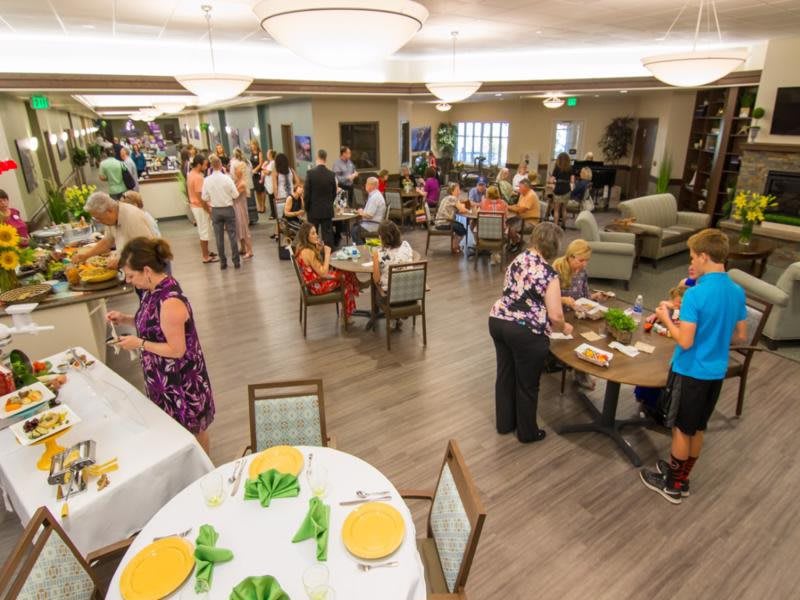
Reviews frequently connect the community’s meals with day-to-day satisfaction, often calling the food tasty, consistent, and something residents enjoy. Families also describe meal enjoyment alongside an overall pleasant dining setting. This aligns with the community offering restaurant-style dining, room service, and multiple special-diet options.
common12 reviews mention this
Activities keep residents engaged
Residents are kept busy with regular activities and outings.
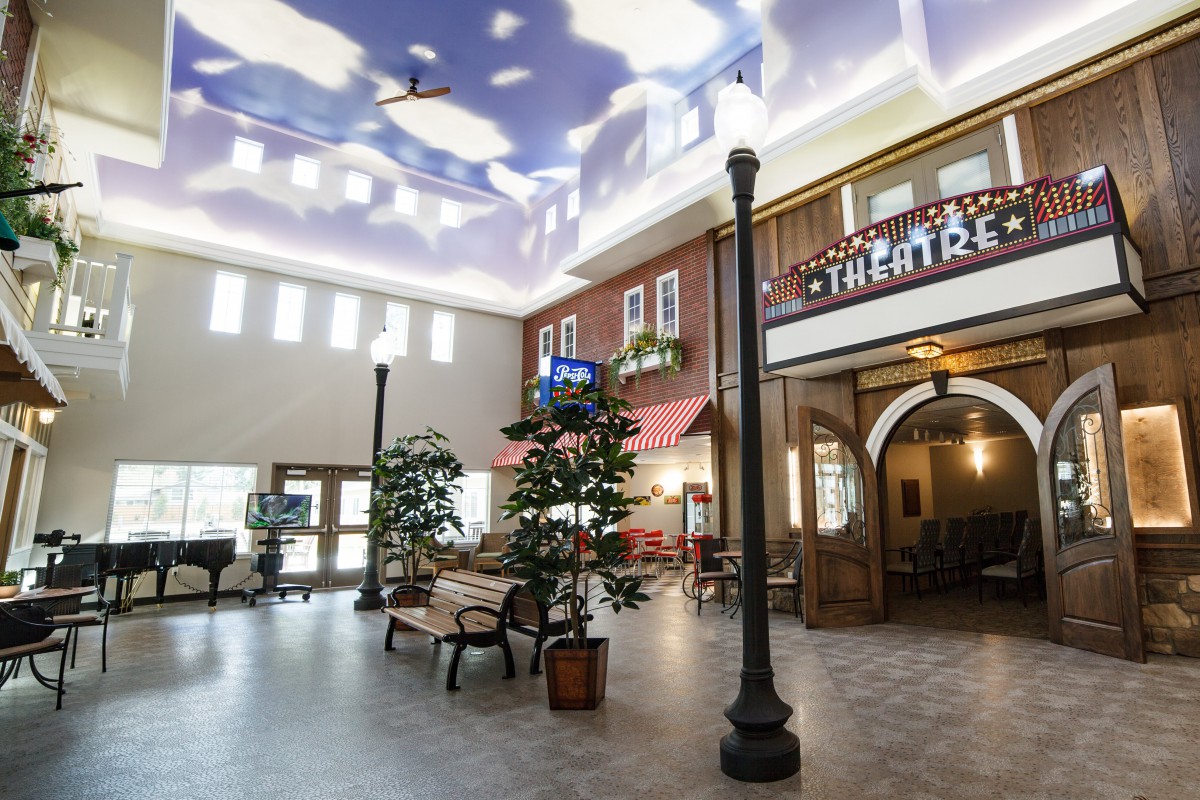
A recurring theme is engagement: reviewers describe schedules running from morning into the evening, along with activities that help residents stay involved. Multiple reviews mention outings and hands-on group programming, including music and a theater space. This matches the community’s broad activity programming, including on-site and off-site devotional services and classes.
differentiator8 reviews mention this
Memory care focus is clear
The community is positioned specifically for memory care needs.
Several reviews say the setting is built around memory-care needs and that the community focuses on residents with memory issues. Reviewers also describe the environment and staffing approach as tailored to those needs, rather than being a general-purpose senior setting. The property’s care type is memory care, and it also lists care services such as diabetic care, medication management, and incontinence care.
caveat7 reviews mention this
Cleanliness is a mixed bag
Cleanliness shows up as both improved and concerning depending on reviewers.
Some residents and families describe the campus as clean, well-kept, and comfortable, including improvements noticed after ownership changes. Other reviews, however, describe hygiene and personal-care issues like missed bathing, cleanliness problems in resident areas, and inadequate attention to daily routines. Those conflicting accounts make it important to ask detailed questions about current staffing, care routines, and how care plans are tracked.
caveat5 reviews mention this
Care reliability is questioned
A subset of reviews reports medication and care-plan follow-through problems.
A group of reviews raises serious concerns about not following promised care levels, including medication management problems and delays in responding to health needs. Some reviewers also describe gaps in personal care tasks and monitoring that they believe contributed to worsening conditions. While many other reviews express strong confidence in day-to-day care, these critical reports point to variability in execution that families may want to verify during the intake process.
common2 reviews mention this
Location near everyday essentials
Nearby dining, pharmacies, and clinics can make visits easier.
Some reviewers mention liking the community’s convenience, and the area includes multiple everyday destinations within about a mile. That can help with errands and easier access to common services while residents or families are nearby. Nearby options include restaurants, pharmacies, and medical clinics at short distances.
How we summarize
Counts show how many written reviews mention each theme; a review can touch several themes, and only frequently mentioned themes are displayed.
Features
Housing
1-bedroom apartments
Studio apartments
Types of Care
Memory Care
Amenities
Activities off-site
Activities on-site
Air-conditioning
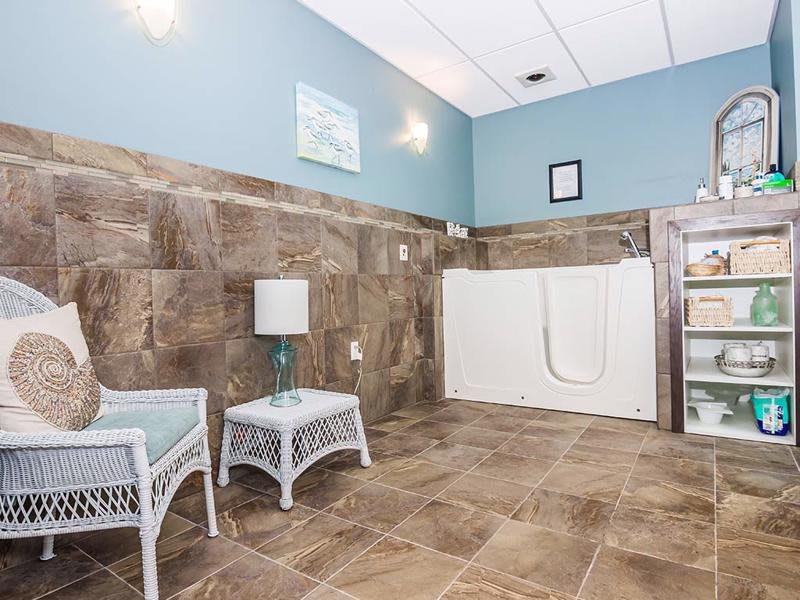
Bath tubs
Beautician on-site
Cable or satellite TV
Devotional services off-site
Devotional services on-site
Garden view
Ground floor units
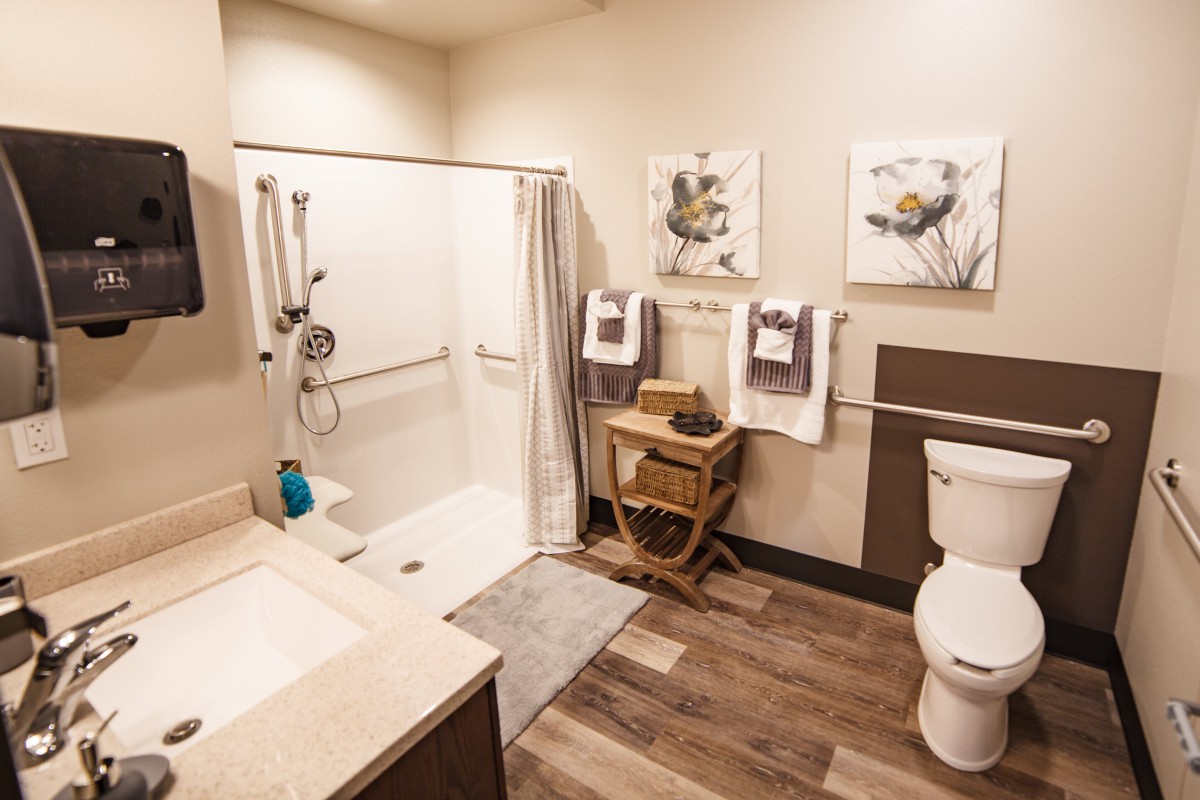
Handicap accessible
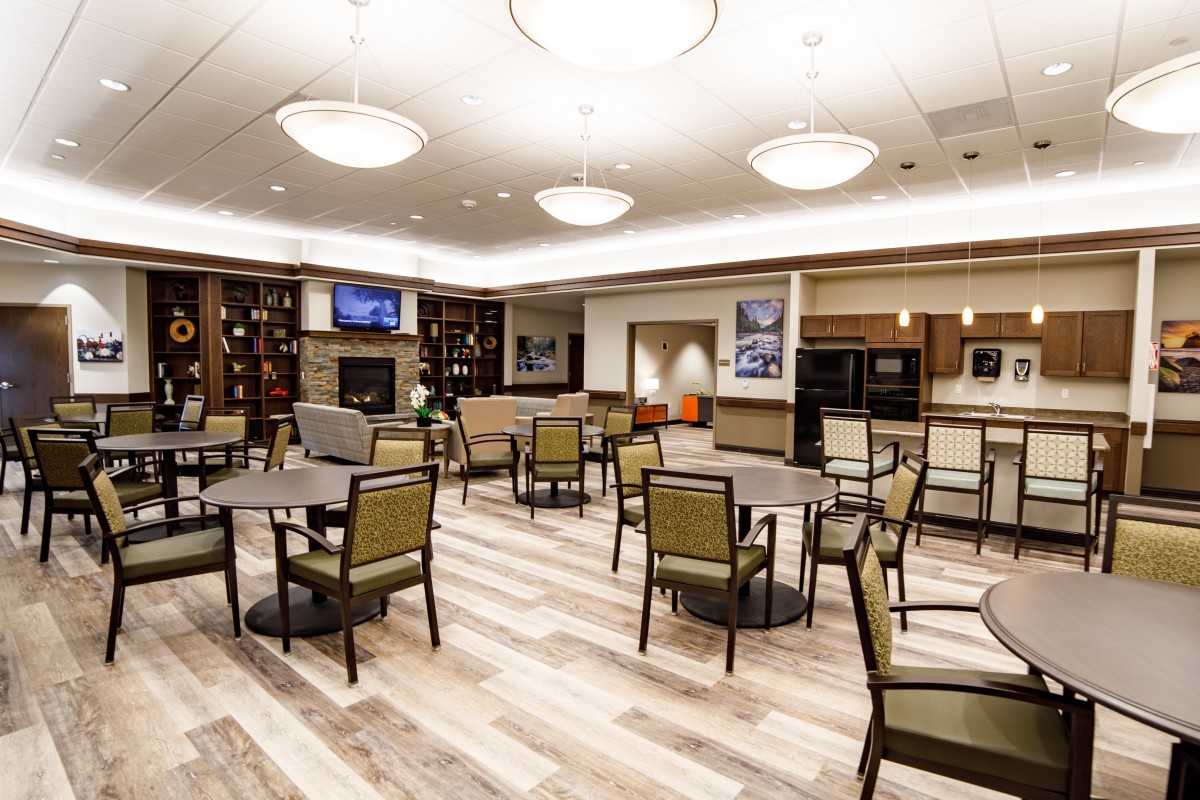
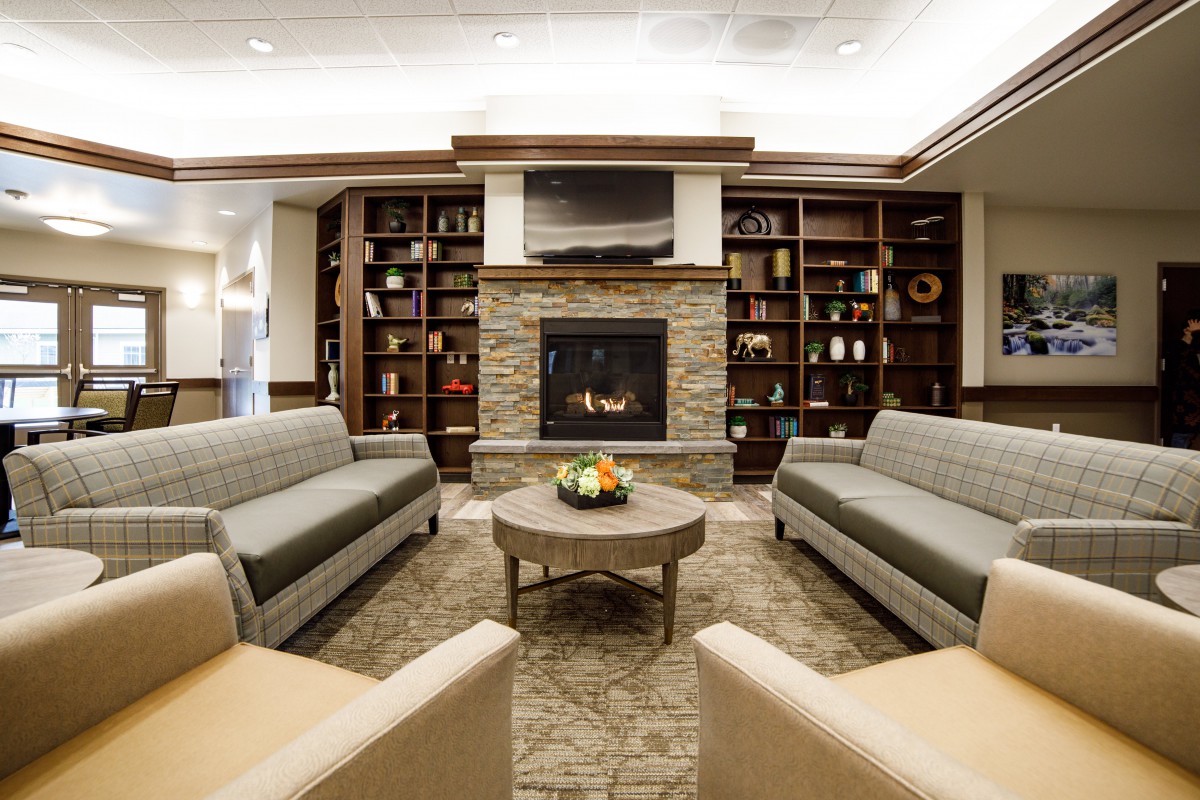
Indoor common areas
Outdoor common areas
Respite or short term stays offered
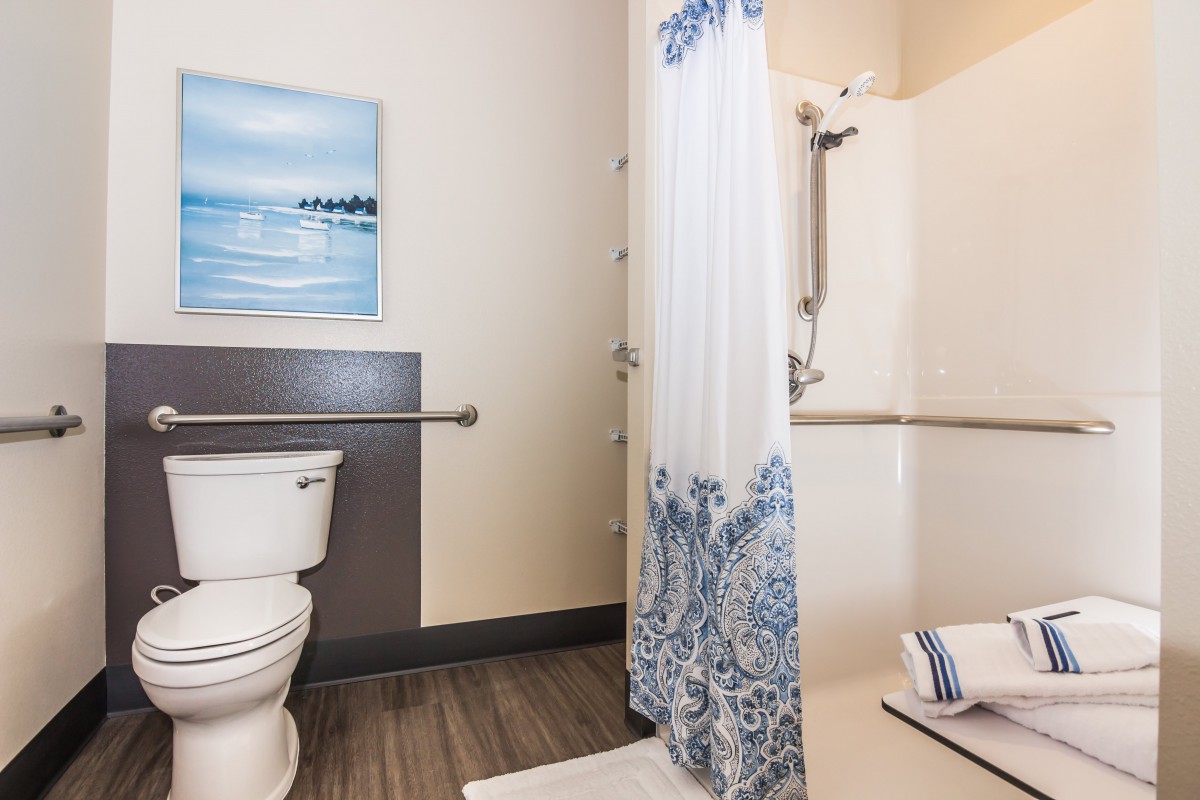
Wheelchair accessible showers
Wi-Fi/high-speed internet available
Transportation
Seattle-Tacoma International (15 miles away)
Care Services
Diabetic care
High acuity care
Incontinence care
Medication management
Dining
Anytime dining
Gluten-free
Guest meals
International cuisine
Kosher
Low / no sodium
Meals provided
No Sugar
Organic
Professional chef
Restaurant style dining
Room service
Special dining programs
Vegan
Vegetarian
Activities
Art classes
Bible study group
Catholic services
Cooking classes
Devotional activities offsite
Devotional activities on-site
Jewish services
Mormon/LDS services
Other religious services
Protestant services
Visiting Rabbi
Visiting chaplain or priest
Nearby Places of Interest
This part of Issaquah, Washington, offers a convenient and diverse range of amenities for senior living. With multiple restaurants within close proximity, including fast-food options like McDonald's and healthier choices such as The Habit Burger Grill and Bai Tong Thai Restaurant, seniors will have plenty of dining options to choose from. Additionally, there are several theaters nearby for entertainment, pharmacies for easy access to medications, cafes for socializing over coffee, physicians' offices for healthcare needs, parks for outdoor recreation, and hospitals for medical emergencies. Overall, this area provides a well-rounded environment with the necessary resources for seniors to lead a comfortable and fulfilling lifestyle.
Restaurants
The Habit Burger Grill (0.7 miles)
Bai Tong Thai Restaurant - Issaquah (0.8 miles)
Fatburger (0.9 miles)
Panda Express (0.9 miles)
Coho Cafe Issaquah (0.9 miles)
McDonald's (0.9 miles)
Orenji Sushi & Noodles (1.1 miles)
Theaters
Regal Issaquah Highlands IMAX & RPX (0.7 miles)
AMC Factoria 8 (7.1 miles)
Pharmacies
Fred Meyer Pharmacy (0.8 miles)
Walgreens (0.9 miles)
Bartell Drugs (0.9 miles)
QFC Pharmacy (1.2 miles)
Rite Aid (1.6 miles)
Rite Aid (2 miles)
Bartell Drugs (4.2 miles)
Cafes
Starbucks (0.8 miles)
Issaquah Coffee Company (1.3 miles)
Starbucks (1.4 miles)
Umi Cafe (1.8 miles)
Mercurys Madness (6.1 miles)
Mercurys Coffee (8.4 miles)
Starbucks (9 miles)
Physicians
Overlake Medical Clinic (0.9 miles)
Jonah B Hulst, MD (1.2 miles)
Proliance Orthopaedics & Sports Medicine (1.2 miles)
Columbia Landing of Issaquah presents a distinctive pricing structure that reflects its premium services and amenities compared to the broader market in King County and the state of Washington. For a semi-private room, residents can expect to pay $7,350 per month, significantly higher than the county's average of $4,430 and the state average of $4,267. Similarly, the studio option is priced at $8,995, again surpassing both regional averages - $4,464 for King County and $4,126 for Washington as a whole. These elevated rates indicate Columbia Landing's commitment to offering an enhanced living experience tailored to those seeking a higher standard of care and community engagement in their senior living environment.
Columbia Landing of Issaquah enhances the quality of life for residents with dementia and Alzheimer's disease through its dedicated medication management and incontinence care services. Medication management ensures that residents receive their prescriptions accurately and on time, minimizing confusion and potential medication errors, which are crucial for maintaining cognitive stability and overall health. Additionally, incontinence care offers compassionate support tailored to each individual's needs, promoting dignity and comfort while alleviating anxiety associated with this common issue among people with memory impairments. Together, these features create a secure environment that addresses both medical requirements and personal well-being, allowing residents to focus on their daily activities without unnecessary stress.
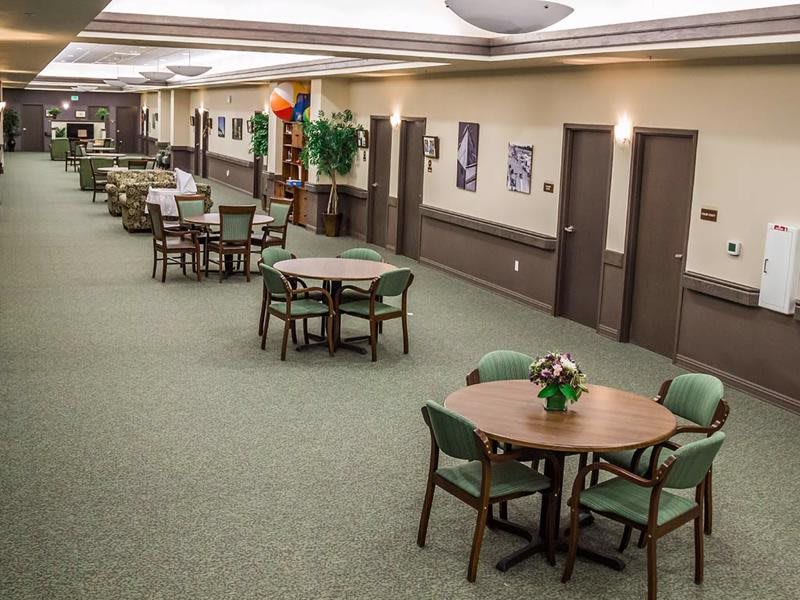
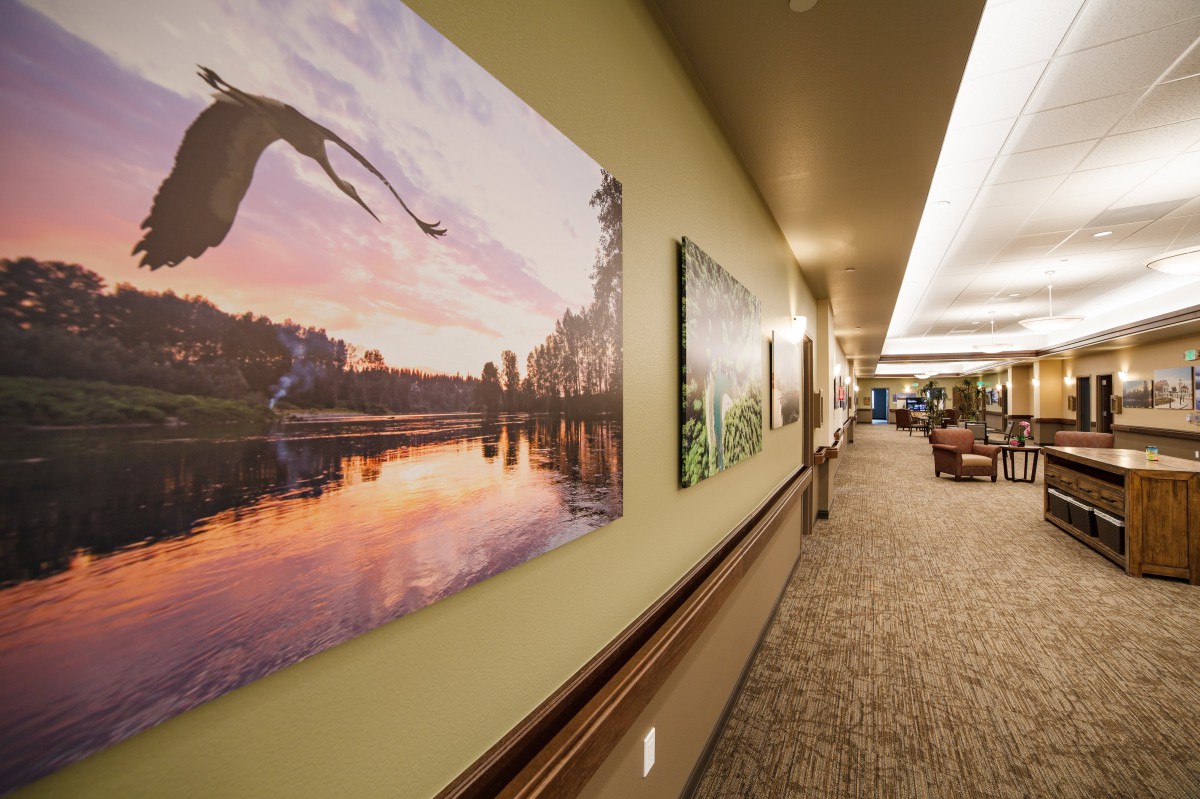
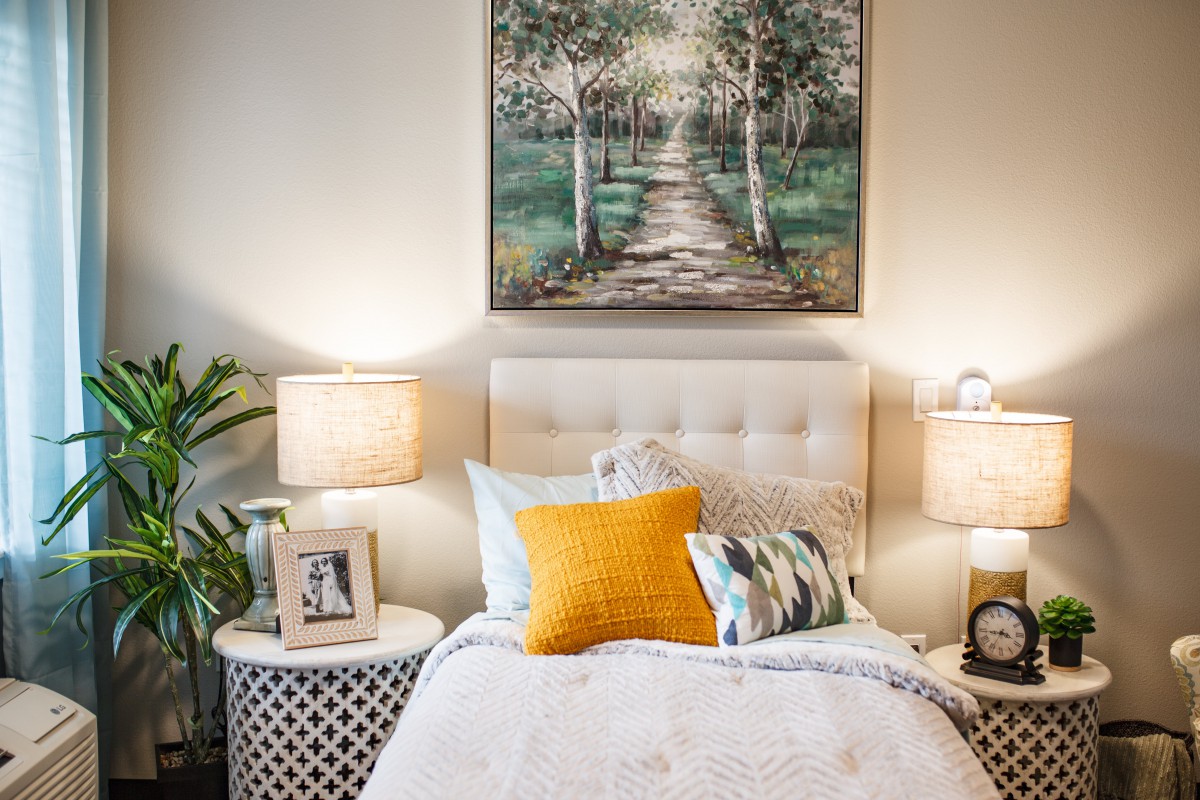
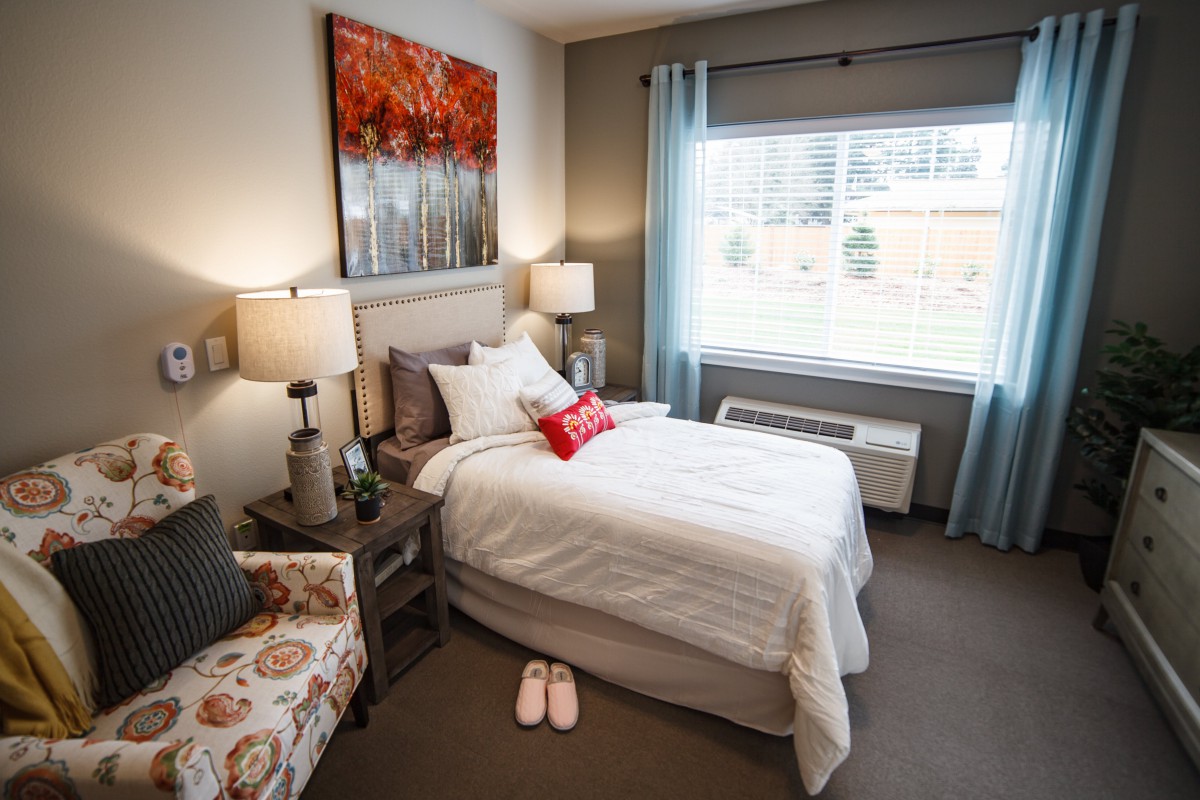
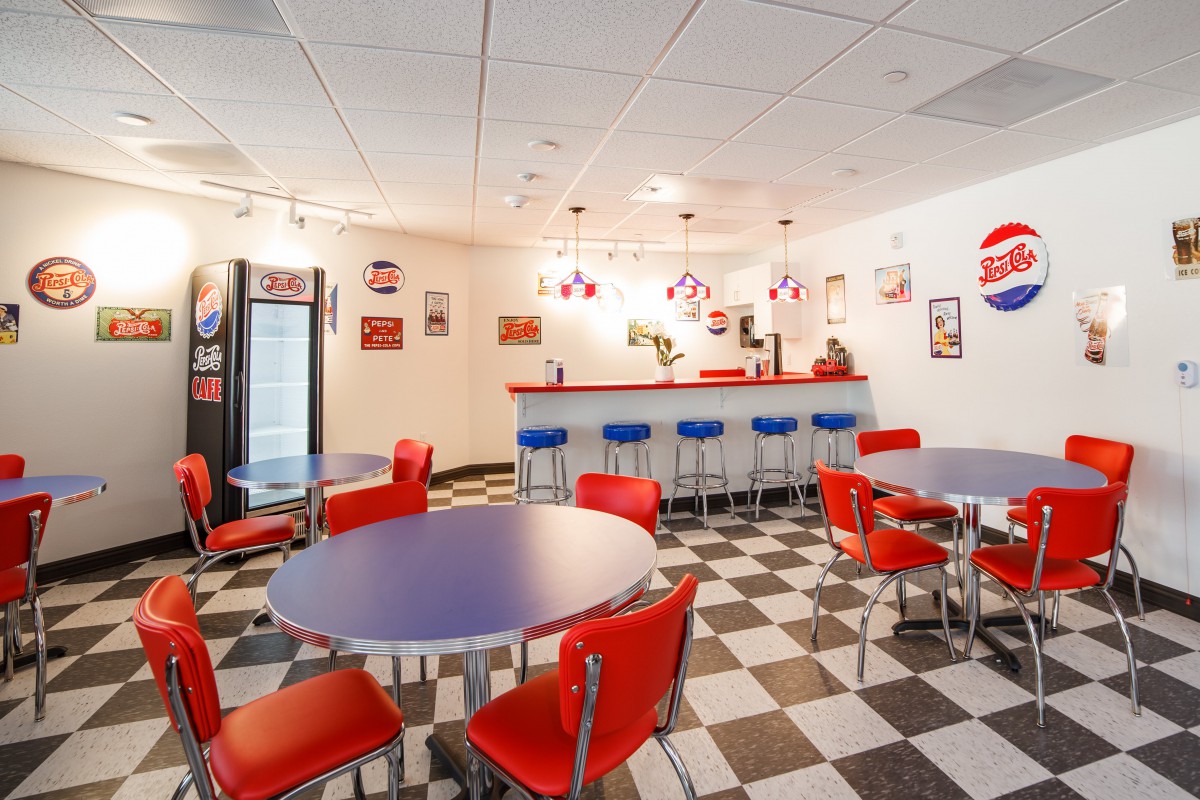
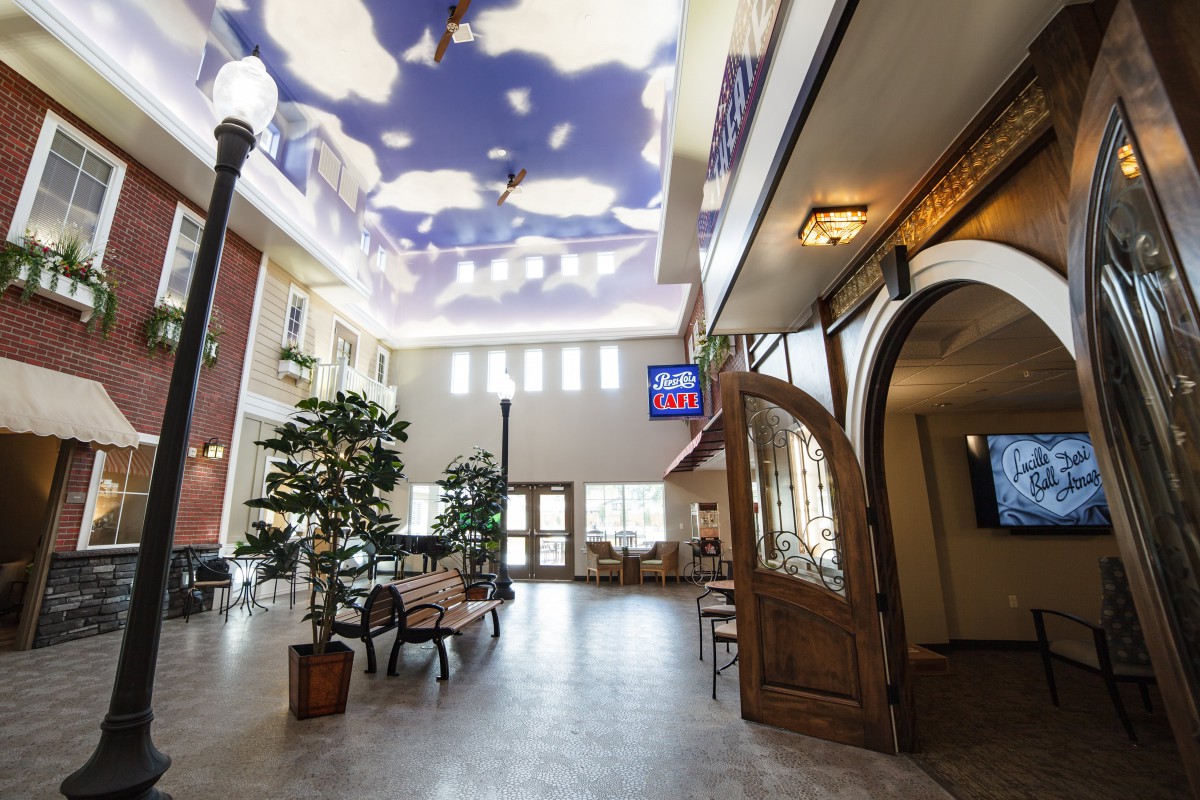
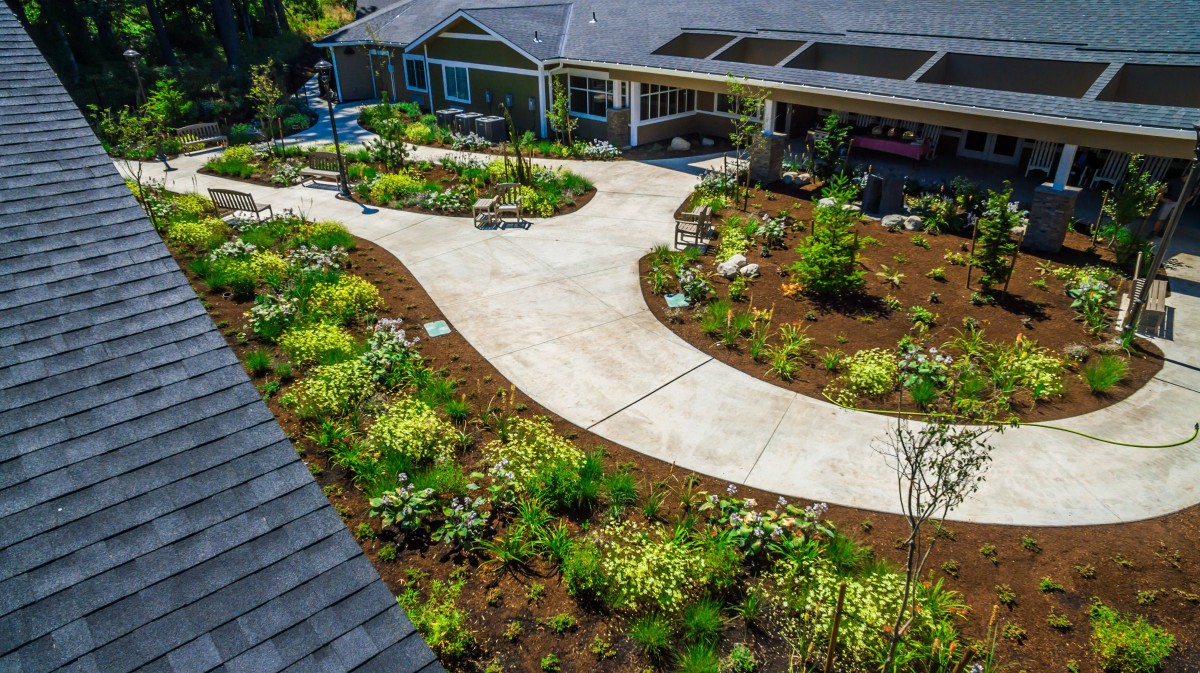
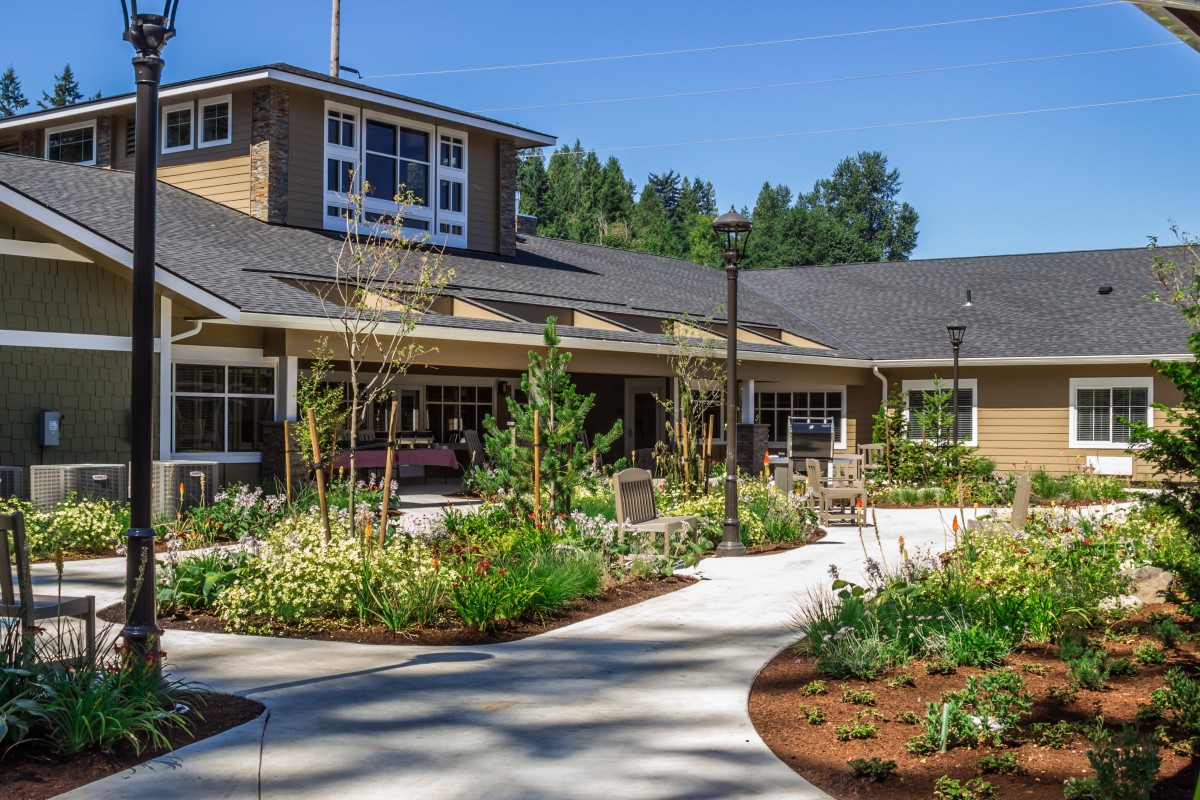
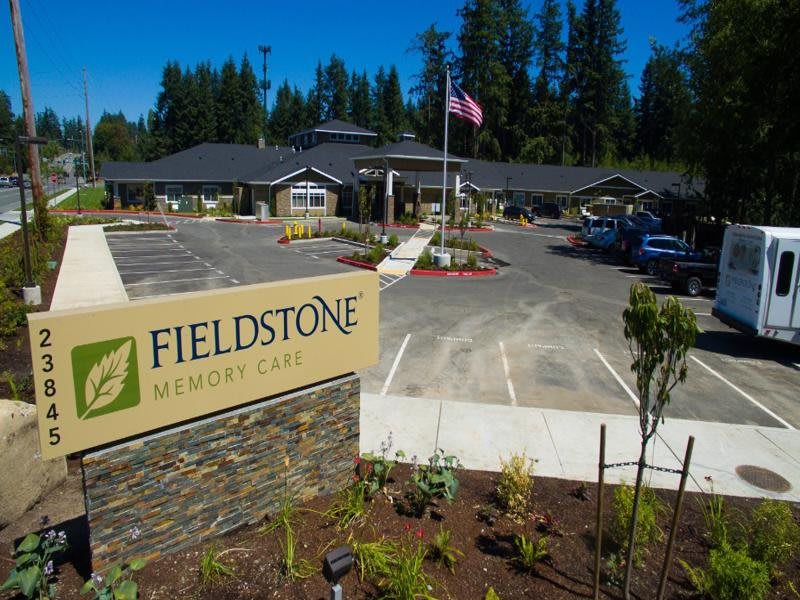
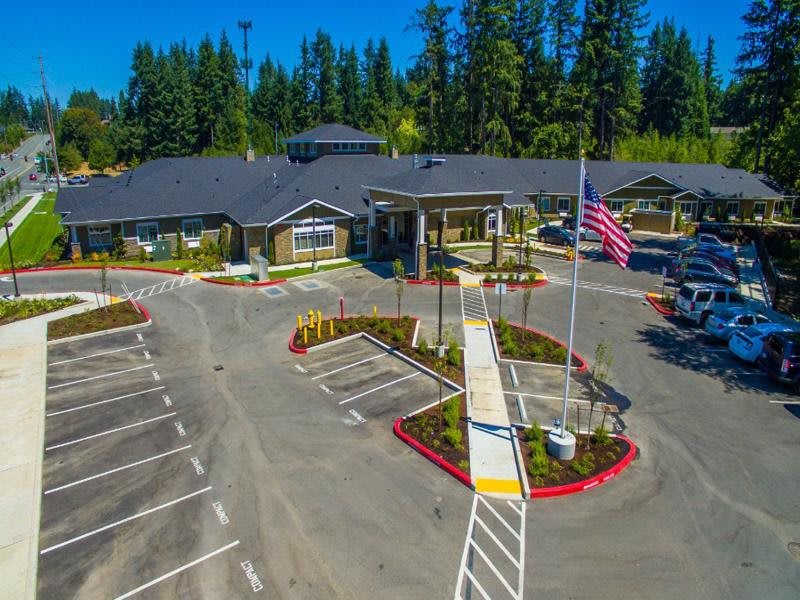
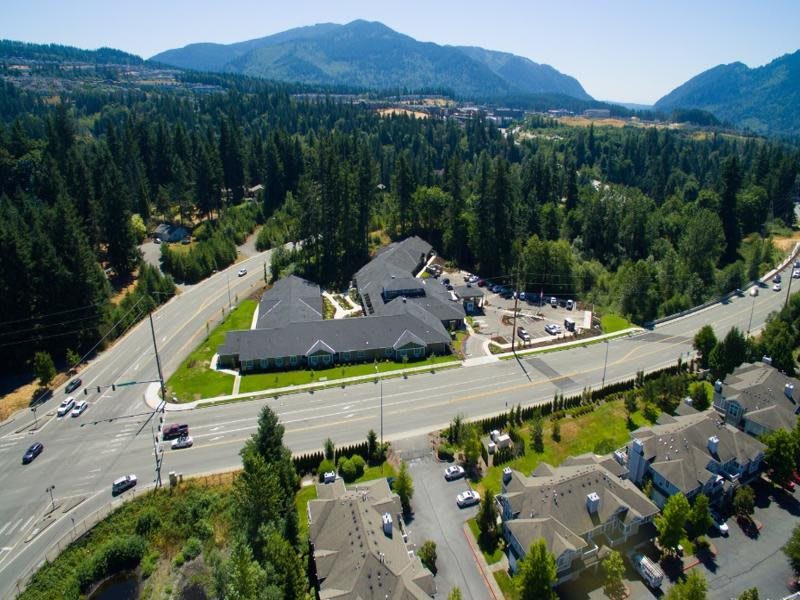
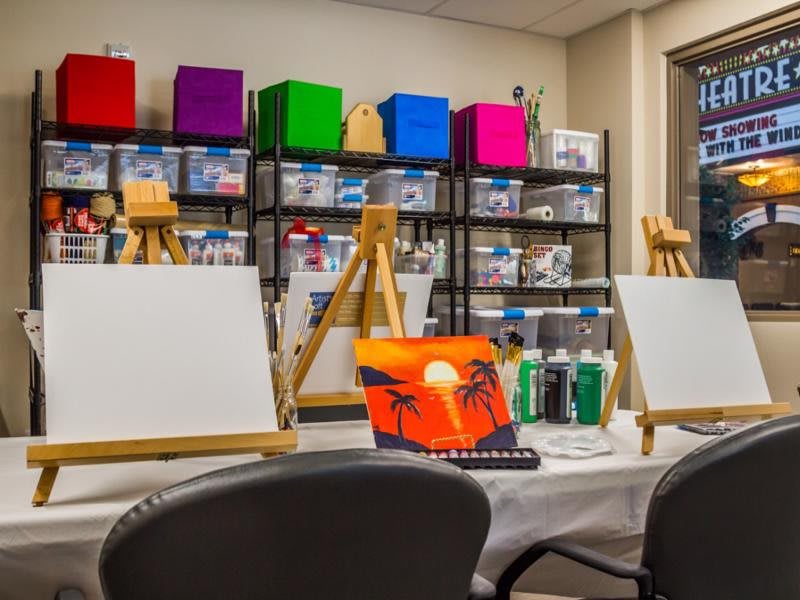
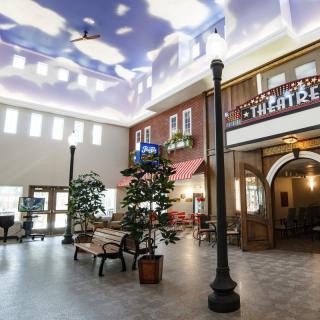
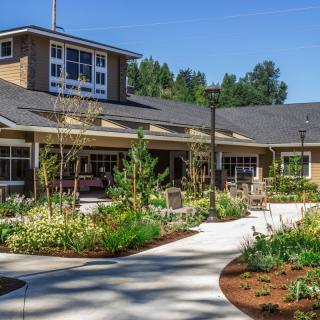
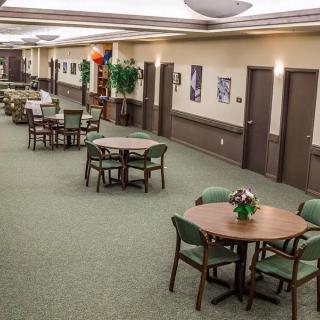
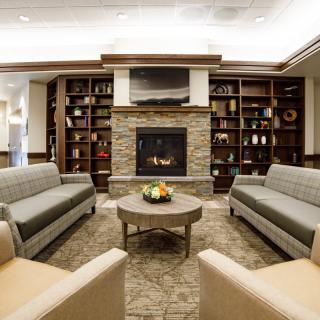
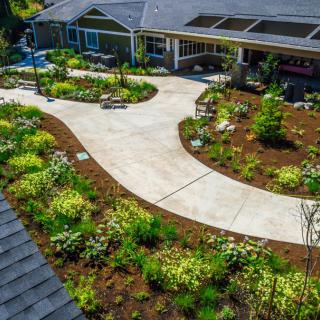
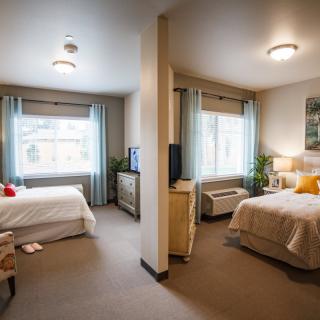
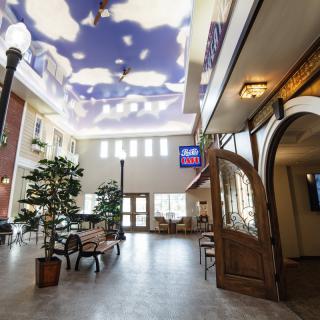
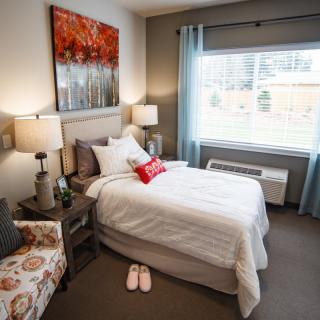
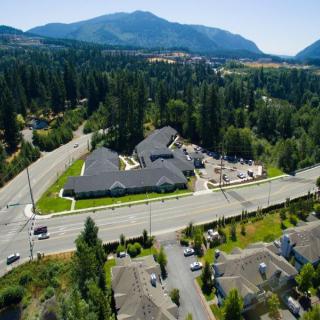
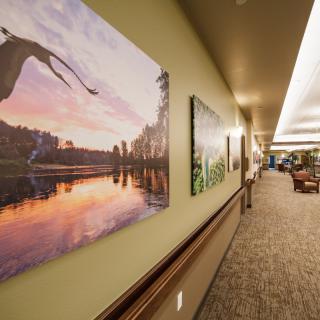
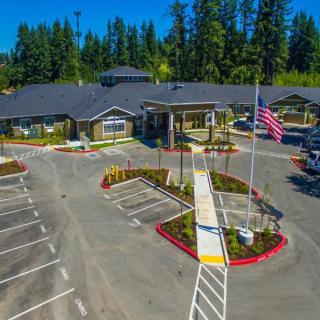
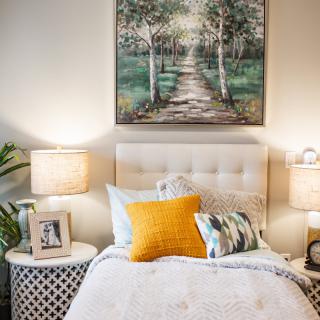
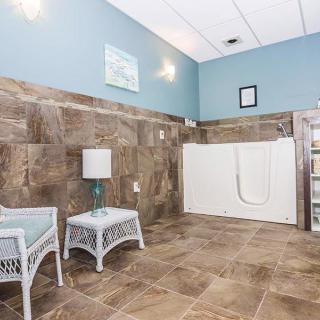
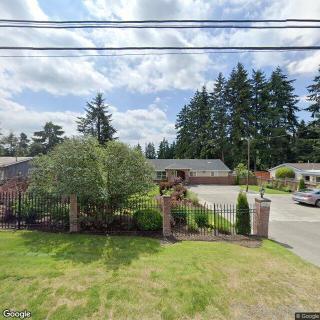
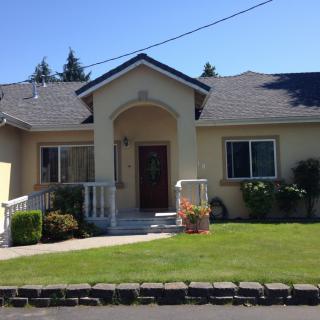
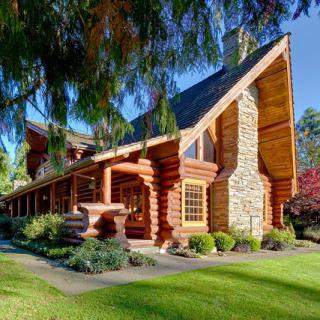
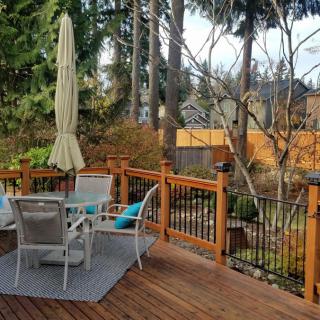
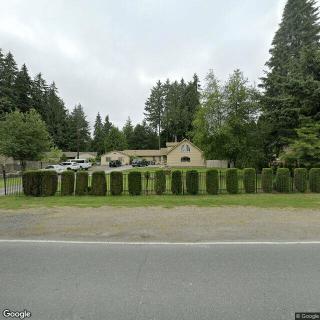
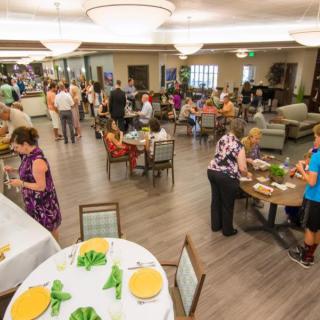
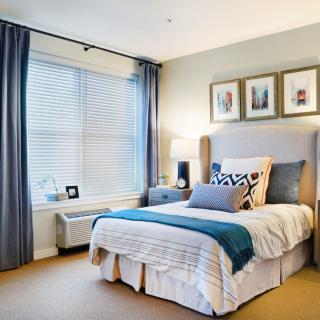
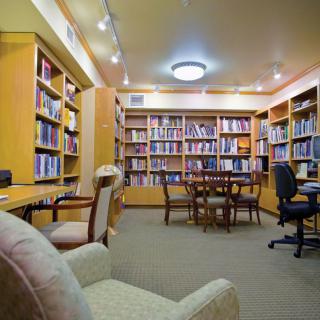
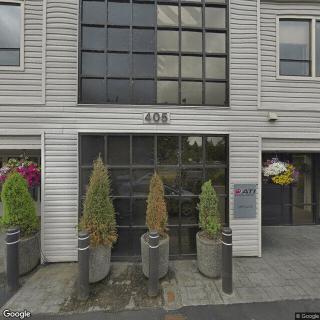
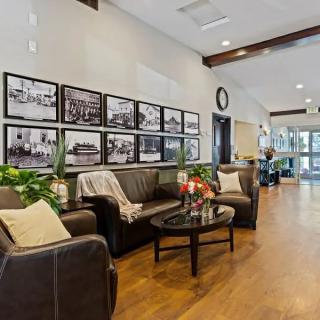
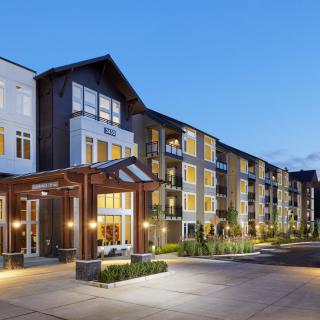
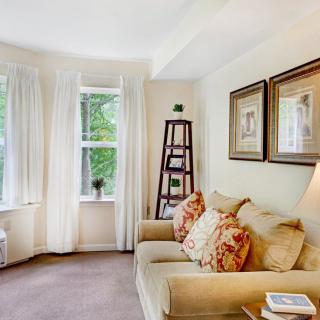
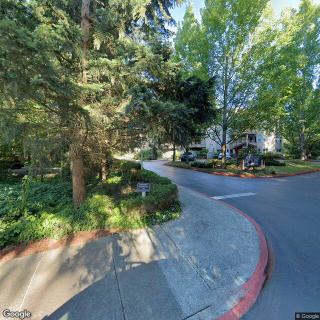
Columbia Landing of Issaquah on seniors.fyi includes 22 photos including images showing interior, landscaping, bathroom, dining, trees, decor, building, bedroom, and more.
Nearby Communities
Fieldstone Memory Care Issaquah
Issaquah, WA
3.8 from 34 reviews
Specialized memory care with 24/7 supervision and structured activities.
Grace Senior Care of Issaquah
Issaquah, WA
5 from 30 reviews
$8,000 / month
Loving, attentive caregivers with excellent family communication and a clean, well-maintained environment.
Sunrise of Issaquah
Issaquah, WA
4.7 from 63 reviews
$7,980 to $11,340 / month
Compassionate, personalized care from a dedicated staff in a welcoming, clean environment.
University House Issaquah
Issaquah, WA
4.5 from 130 reviews
$4,180 to $6,490 / month
Welcoming, attentive staff with varied activities in a clean, attractive setting.
Regency Pacific Inc
Issaquah, WA
Vibrant community with easy access to amenities (cafes, parks, pharmacies, doctors, restaurants, theater).
Aegis Living Issaquah
Issaquah, WA
4.1 from 36 reviews
$5,520 to $9,000 / month
Warm, friendly staff and a well-maintained setting with engaging activities and garden spaces.
Revel Issaquah
Issaquah, WA
4.8 from 116 reviews
$4,395 to $5,995 / month
Luxurious independent living with abundant amenities.
Sunrise of Bellevue
Bellevue, WA
4.6 from 66 reviews
$6,570 to $8,910 / month
Caring, attentive staff that builds personal relationships with residents in a warm, social, home-like setting.
Silver Glen-Co-Op
Bellevue, WA
4.5 from 22 reviews
Active resident governance with strong community engagement and extensive on-site amenities.
Dementia encompasses a range of cognitive impairments characterized by types such as Alzheimer's and vascular dementia, and follows a seven-stage progression model known as the Global Deterioration Scale (GDS), highlighting varying symptoms and decline timelines. Early detection allows for lifestyle adjustments to potentially slow progression, while caregivers need support and resources to manage the challenges involved in caring for affected individuals.
The guide on holistic dementia care outlines the complexity of dementia and stresses the need for individualized caregiver strategies that include medical treatment, psychological support, and environmental adaptations, while emphasizing early detection, various therapeutic options, and caregiver support to enhance quality of life and maintain dignity.
Activities of Daily Living (ADLs) are fundamental tasks vital for an individual's independence, particularly in older adults over 85, and include functions like bathing and dressing; assessing ADLs alongside Instrumental Activities of Daily Living (IADLs) helps determine the level of required assistance due to age-related health challenges. Tailored support plans, involving family and community resources, are essential for maintaining dignity and autonomy in assisted living environments.
Living Room, Fireplace, Seating Area, and Bookshelves
Landscaping
Windows
Building
Bathroom
Trees
Lighting, Hallway, Paintings, and Art
Garden and Pathway
Artwork
Outdoor
Entrance
Outdoors
Lobby and Clouds
Flag and Parking
Painting
Shower
Aerial View and Mountains
Vegetables
Modern Lighting
Get PricingAsk A QuestionSchedule A TourContact Senior Advisor
By clicking submit, you agree to our Partner's Terms of Use. You
also consent to receive calls and texts, which may be autodialed, from our Partner. Your consent is not a condition to
using our Partner's service. Please visit our Partner's Privacy Policy for information about their privacy practices.



 1-bedroom apartments
 Memory Care
 Activities off-site
 Air-conditioning
 Bath tubs
 Beautician on-site
 Cable or satellite TV
 Devotional services off-site
 Garden view
 Ground floor units
 Handicap accessible
 Indoor common areas
 Outdoor common areas
 Respite or short term stays offered
 Wheelchair accessible showers
 Wi-Fi/high-speed internet available
 Seattle-Tacoma International (15 miles away)
 Diabetic care
 High acuity care
 Incontinence care
 Medication management
 Anytime dining
 Art classes
 Bible study group
 Cooking classes
 Jewish services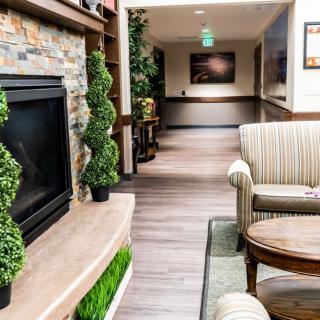
 Specialized memory care with 24/7 supervision and structured activities.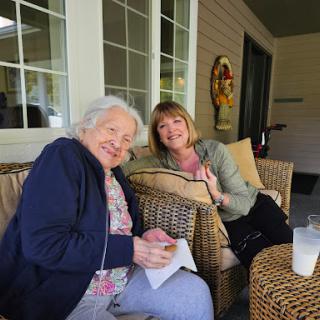
 Understanding Dementia Through Its Seven Stages: A Comprehensive Look at Progression and Expectations
 A Holistic Dementia Care Guide: Effective Strategies for Memory Support
 Comprehensive Insights into Activities of Daily Living (ADLs) and Their Assessment