
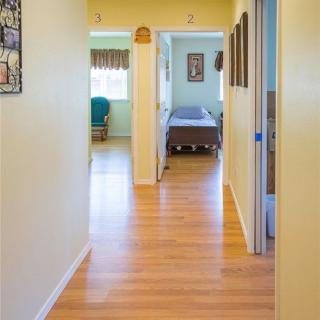
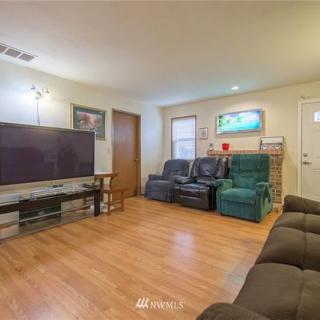
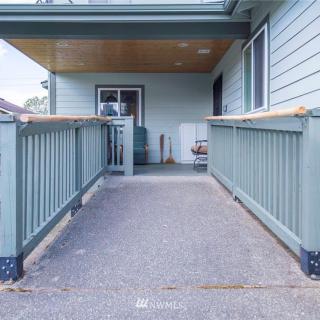
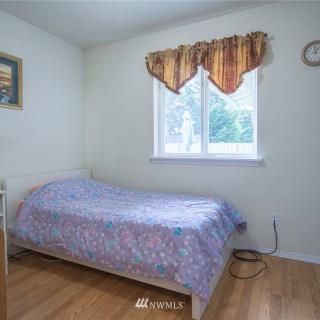
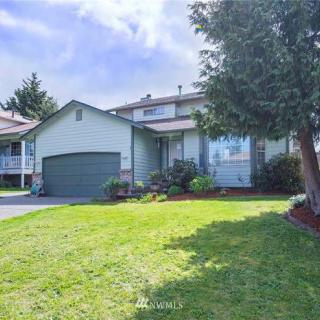
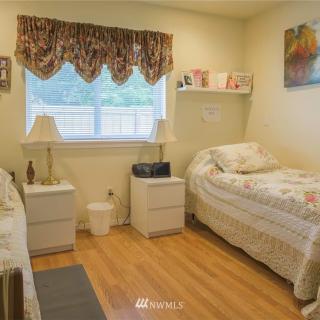
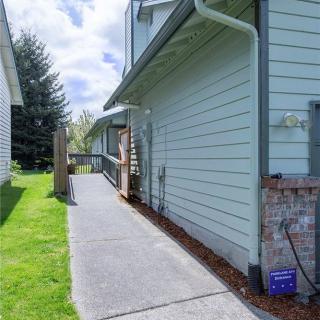
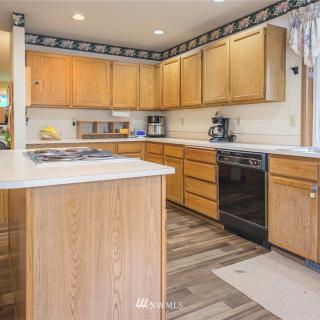
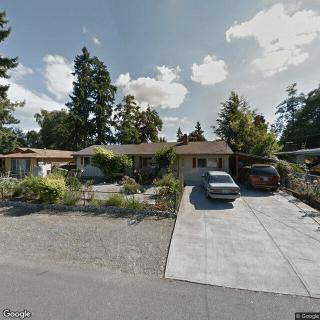
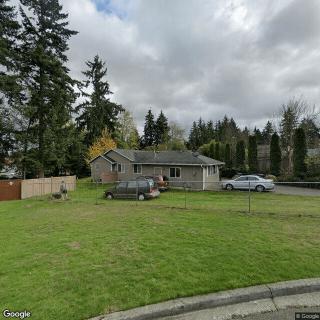
34628 14th Pl SW, Federal Way, WA 98023
To contact a resident: (763) 221-6964
For more information about senior living options: (866) 208-4318
Golden Parklane Adult Family Home Costs & Pricing
Golden Parklane Adult Family Home offers competitive pricing for its services, particularly when compared to the broader market in Pierce County and across Washington State. For a semi-private room, residents can expect to pay $4,000 per month, which is notably lower than the county average of $4,264 and the state average of $4,267. In terms of private accommodations and one-bedroom options, however, the costs align more closely with regional trends; both are priced at $6,000 per month compared to Pierce County's average of $4,623 for private rooms and $4,456 for one-bedroom units. Overall, while Golden Parklane provides a cost-effective solution for shared living arrangements, it positions itself at a premium rate for those seeking greater privacy or space.
| Floor plans | Golden Parklane Adult Family Home | Pierce County | Washington |
|---|---|---|---|
| Semi-Private | $4,000 | $4,264 | $4,272 |
| 1 Bedroom | $6,000 | $4,456 | $4,634 |
| Private | $6,000 | $4,623 | $4,774 |
Memory care communities with a similar price nearby
-
About the same

Riverton Home Care
$4,000 to $5,000 / month13.1 miles away -
About the same
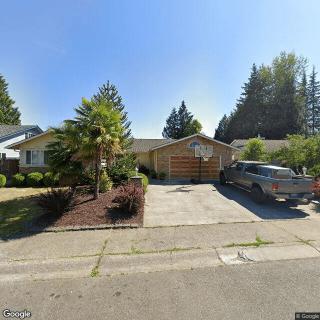
Gentle Care Home
$4,000 to $5,500 / month15.2 miles away -
from -$500 / mo

Twin Lakes Haven Adult Family Home
$3,500 to $8,000 / month1.9 miles away -
from -$500 / mo
Ahadi Care Adult Family Home
$3,500 to $4,000 / month11.1 miles away -
from +$305 / mo
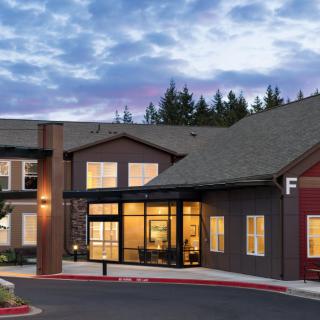
Penrose Harbor at Heron's Key
$4,305 to $7,332 / month11.7 miles away
Overall Review of Golden Parklane Adult Family Home
Pros
 The staff treat residents like family.
- They engage residents in meaningful daily activities that help them stay active and social.
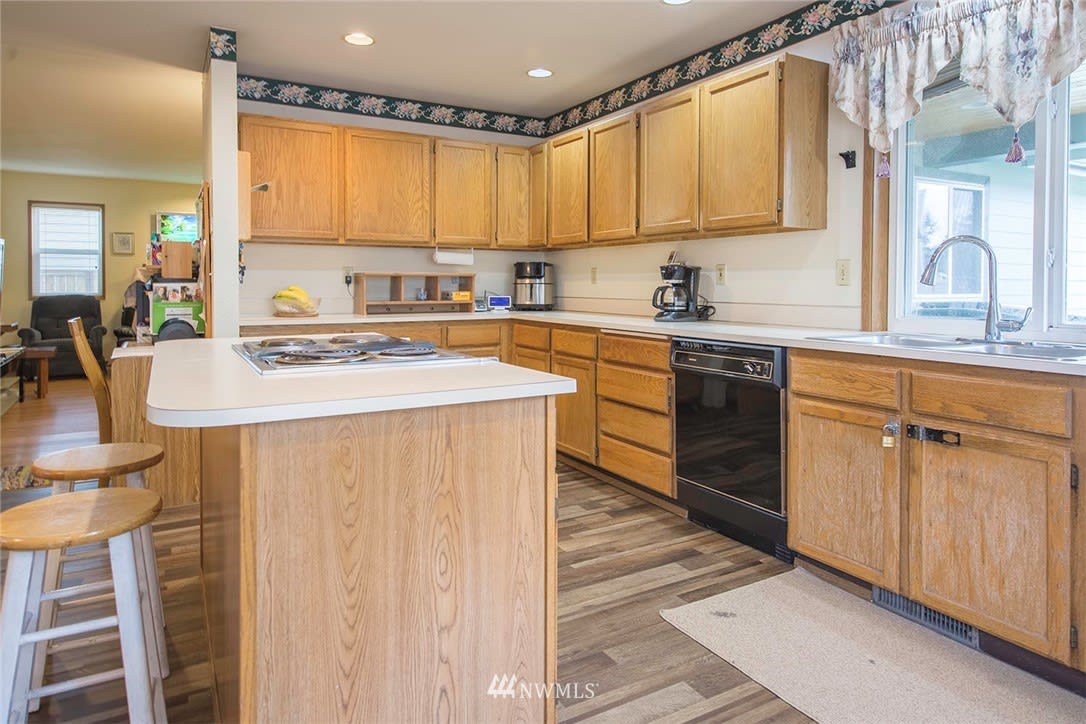
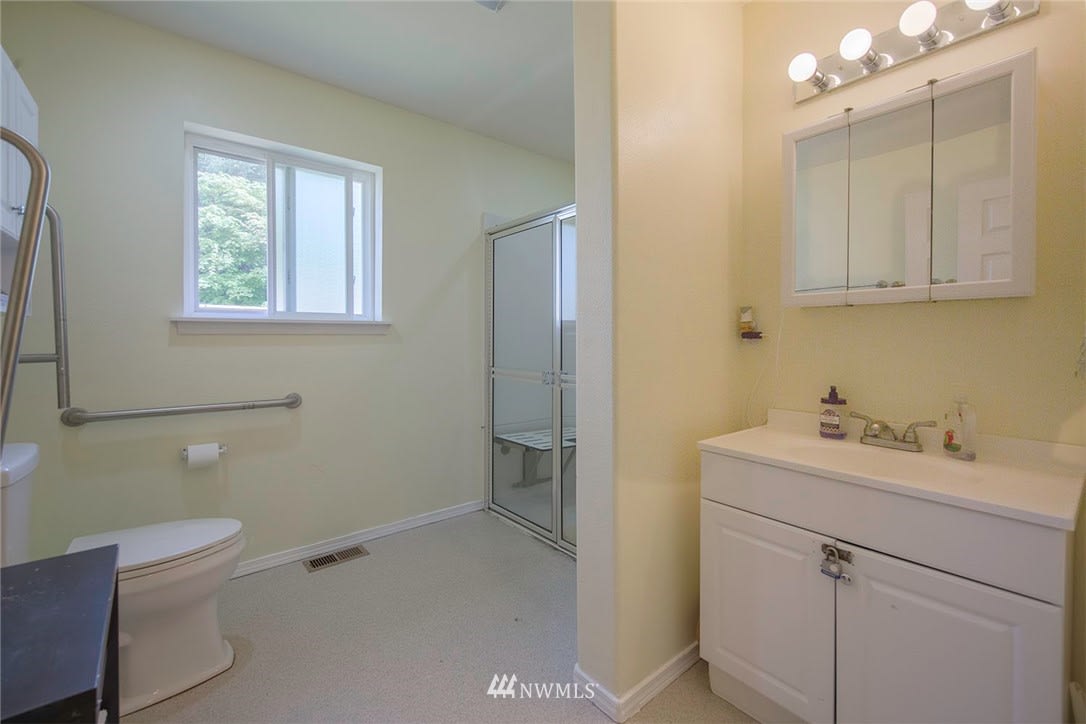
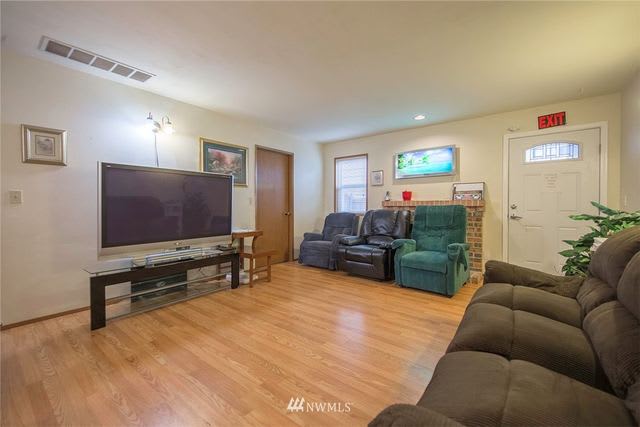
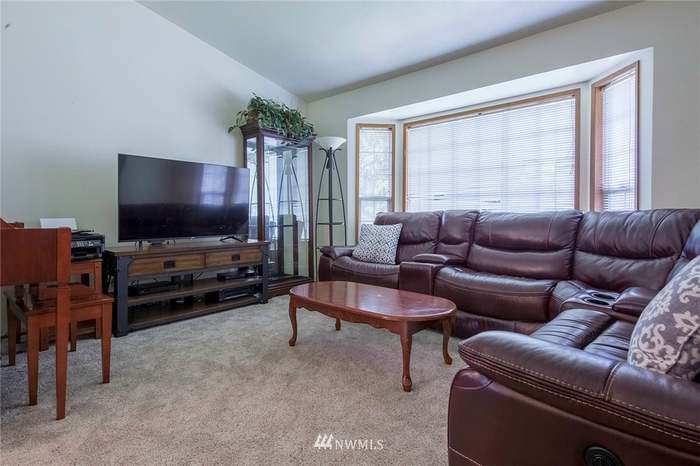
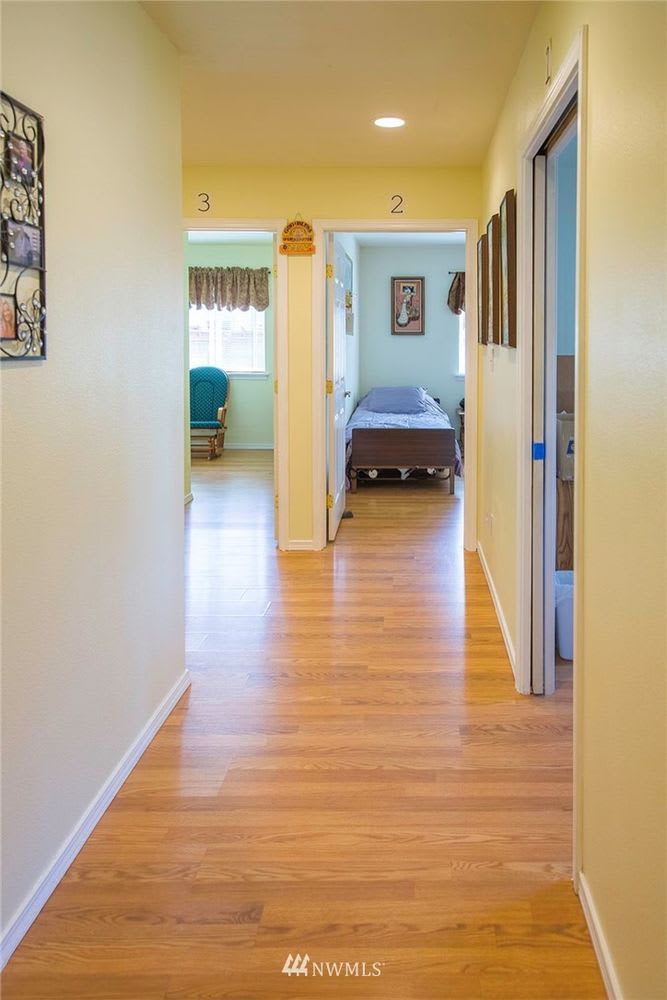
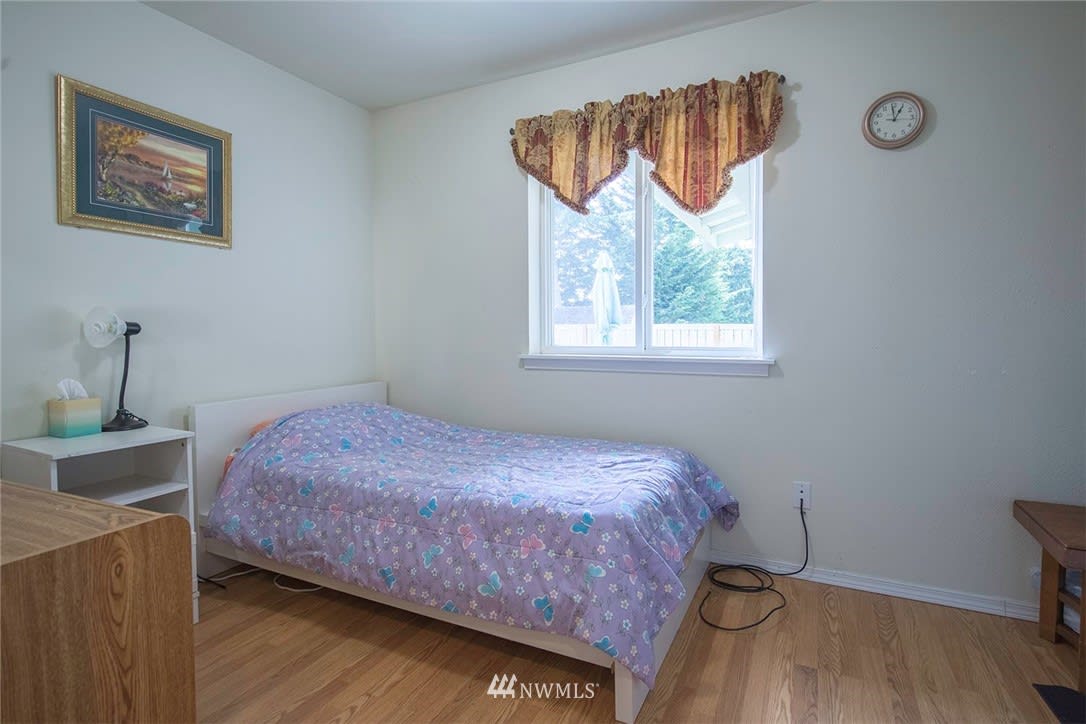
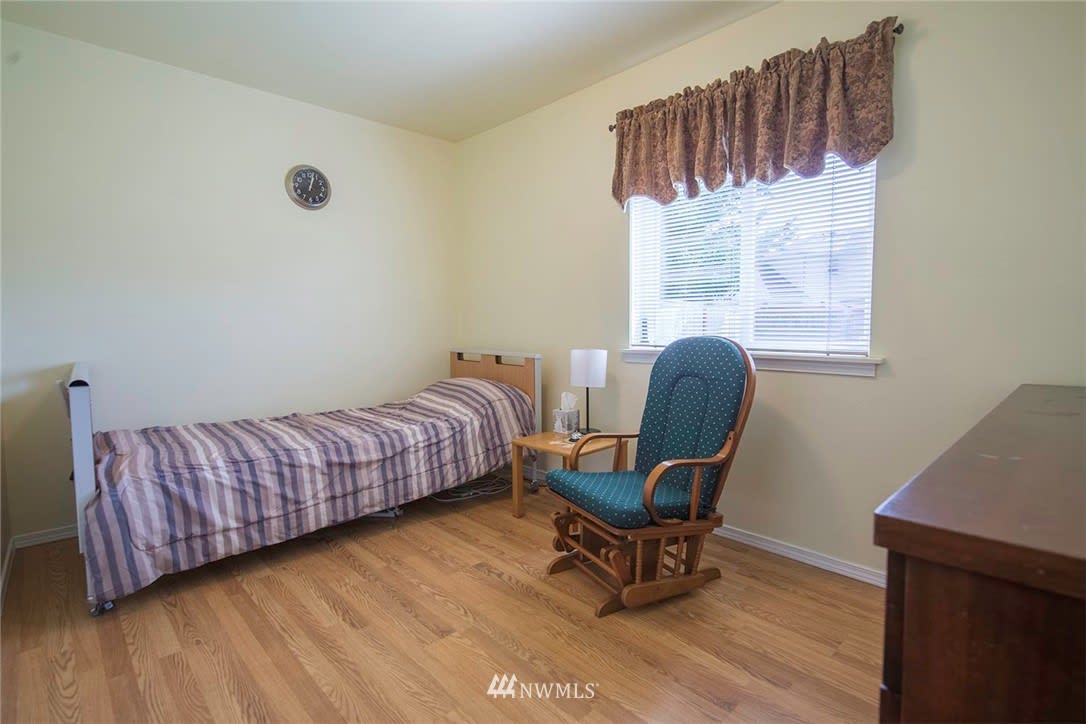
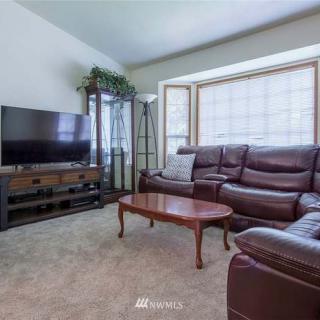
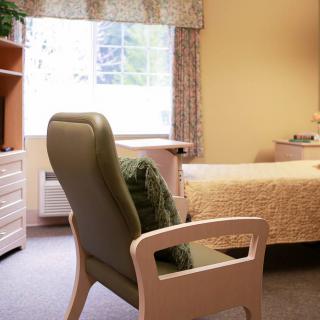
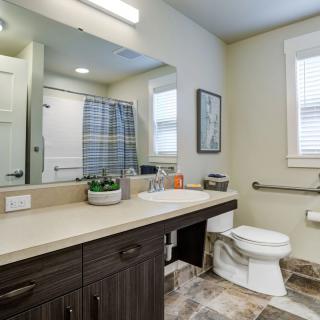
- The facility is immaculately clean, bright, and thoughtfully designed to support independence and safety.
- The staff are top notch and genuinely care about the residents.
- The facility is consistently clean with a fresh, bright, and cheery environment.
- It was clean and staffed by nurses, which stood out as a positive factor.
Cons
 The loved one was not active with the activities.
Review
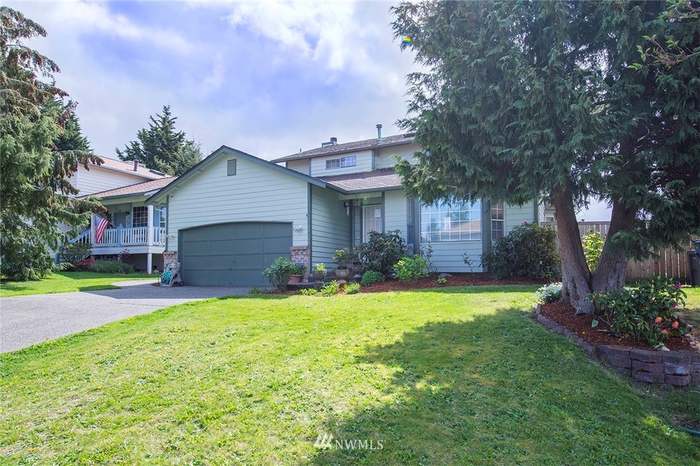
Golden Parklane Adult Family Home in Federal Way is best suited for families seeking a warm, family-style caregiving environment where staff consistently treat residents with genuine care, and safety and independence are designed into daily life. The community earns its strong standing from a stable, long-tenured team and a small-home atmosphere that prioritizes personal attention. Residents benefit from a clean, bright setting that supports mobility and dignity, with a design that encourages independence while mitigating risk. In short, this is the kind of place where care feels personal, predictable, and reliable, exactly what many families need when choosing among assisted living options for a loved one who values continuity and a home-like vibe.
Those who may want to consider alternatives are families whose loved one requires a more dynamic or highly structured activities calendar, or who are seeking dementia-focused programming and specialized clinical oversight. The placement appears well-rounded, but one review notes that not every resident participates in activities, which can signal a mismatch for individuals who crave a bustling, highly engaging schedule or who need targeted therapeutic interventions. For residents with complex medical needs or memory-care requirements, it’s prudent to compare with facilities that offer more intensive clinical services or dementia-specific design features. In short, this community shines for many, but not every care plan will align perfectly with its programming.
The strongest positives, caring, family-like staff, consistent positivity from residents, and a spotless, cheerful environment, tend to offset the potential drawbacks. Families repeatedly describe staff as top-notch and genuinely invested in each person, with long tenure that translates into trust and continuity. Cleanliness and bright, cheery surroundings reduce stress for residents and give visiting families confidence about daily life. Importantly, the safety-forward design complements independence, allowing residents to move about with confidence while receiving supervision as needed. When a care team feels devoted and dependable, the risk of turnover or impersonal treatment is minimized, which is a meaningful offset to any potential gaps in activity programming.
Another clear strength is the on-site care approach, with at least one review explicitly noting that caregivers are nurses. This detail matters for families seeking reassurance that medical oversight is accessible and professional without requiring frequent off-site transport or emergency calls. The combination of nurse caregivers and a home-like setting creates a practical balance: medical transparency and supportive care on demand, paired with the comfort and dignity of a small environment. Long-term stability, another recurring theme, helps families feel confident that their loved one is cared for by familiar faces who understand personal history, preferences, and routines.
Activity programming is meaningful when it’s available, even as one review signals that not all residents engage equally. The community describes a calendar that includes art classes and gentle exercise, designed to keep residents active and socially connected. This aligns well with the goals of many families who want meaningful daily engagement without aggressive scheduling that can feel overwhelming. For residents who thrive on social interaction, these offerings can be a powerful driver of well-being and happiness. For others who are less inclined to participate, the surrounding environment, bright spaces, fresh smells, and a generally upbeat atmosphere, still contributes to a positive daily experience.
In sum, Golden Parklane Adult Family Home represents a practical, experienced choice for families prioritizing a compassionate, consistent care team, a clean and safe home-like setting, and a governance of daily life that keeps independence intact. It is well-suited for seniors who value stability, a nurturing staff approach, and a modest but meaningful activity program. Those who require more intensive activity schedules, dementia-specific care, or broader clinical services should assess alternatives with stronger memory-care protocols or larger facilities. For best results, schedule a visit with questions focused on personal preferences, observe how staff interact with residents, and request a firsthand look at daily routines and safety features to confirm alignment with the loved one’s care goals.
 Board and Care Home
 Memory Care
 Cable or satellite TV
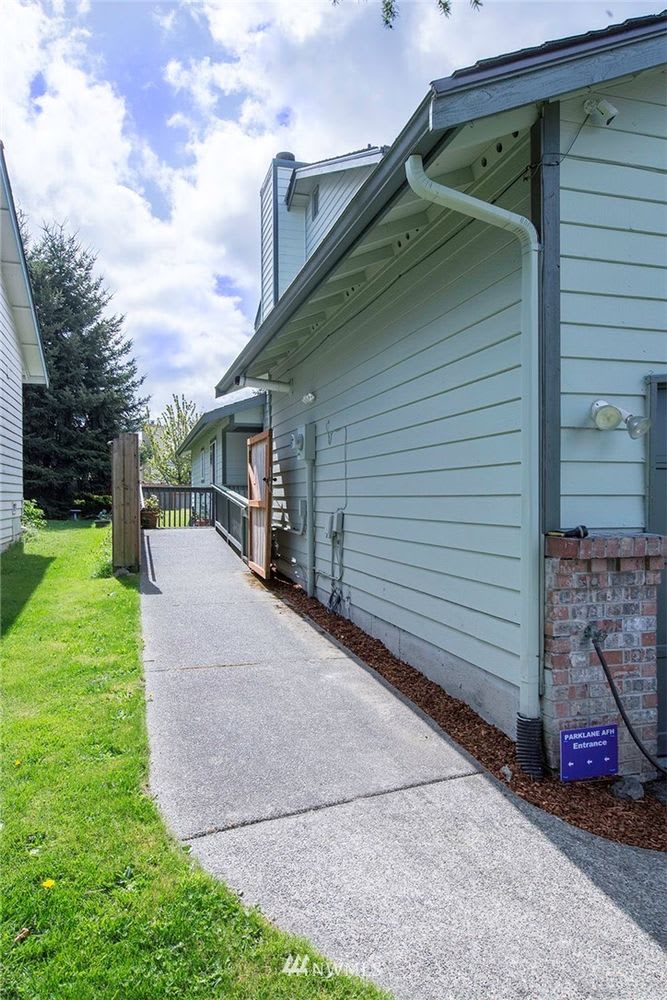
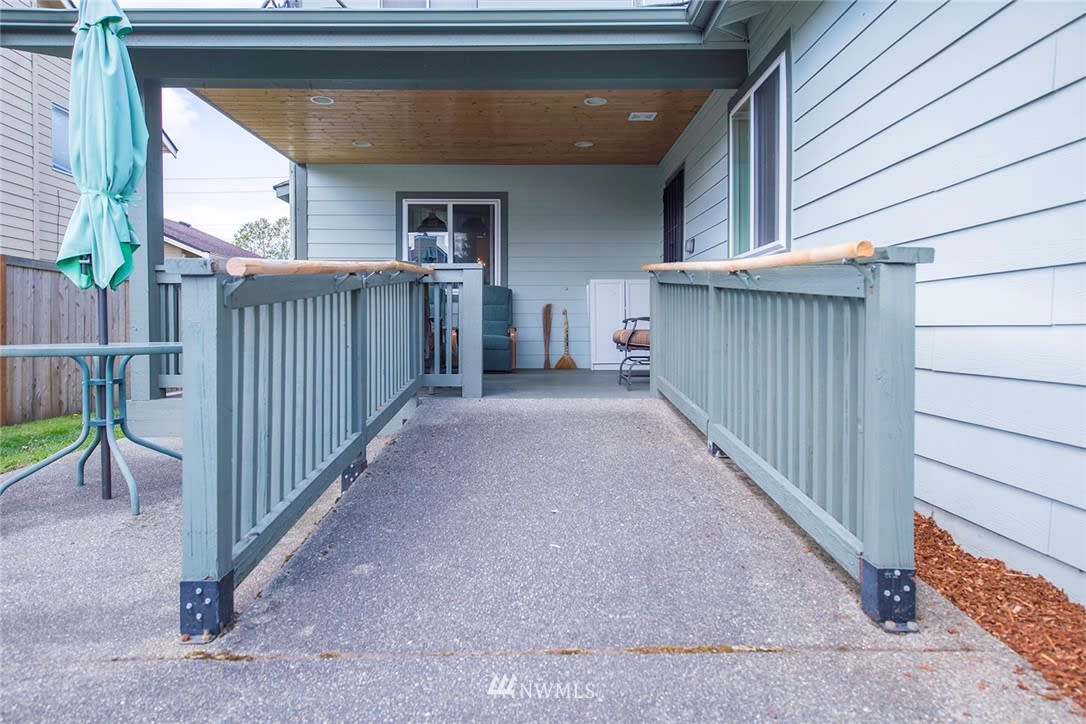
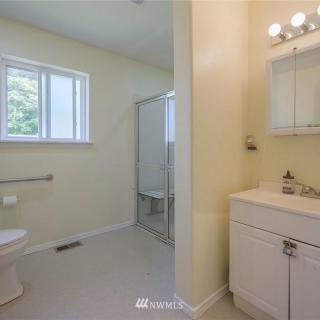
 Handicap accessible
 Private
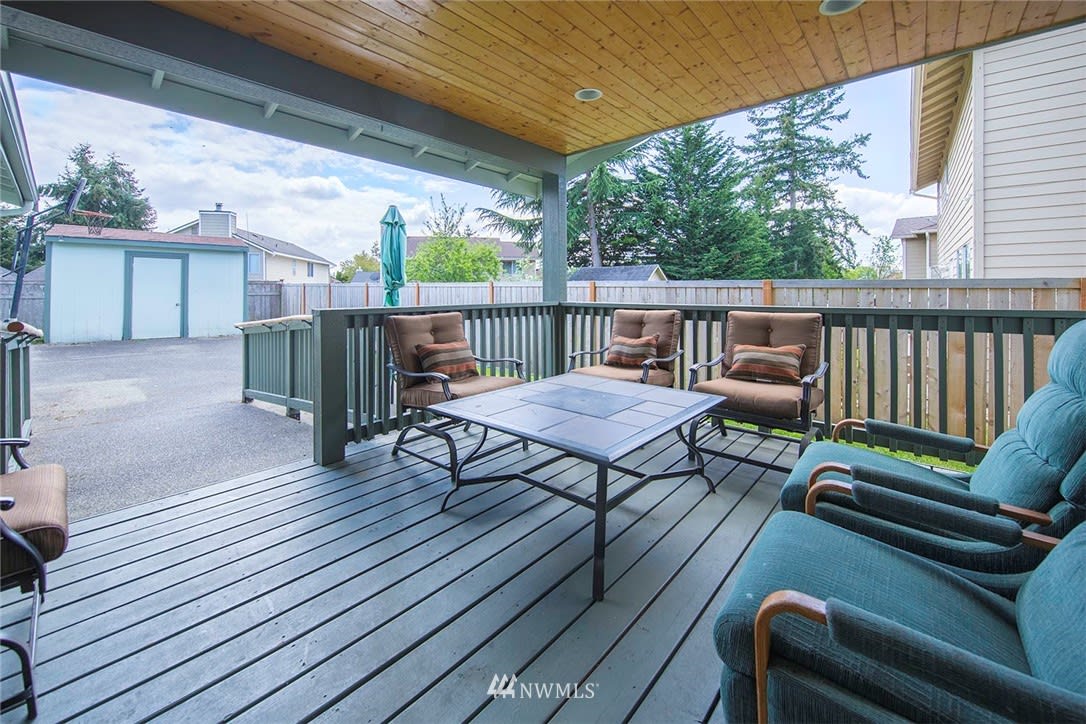
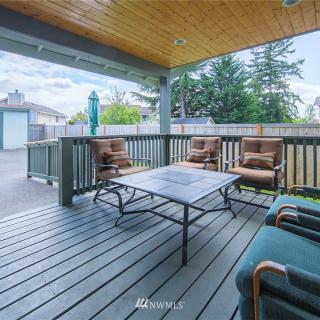
 Private patio, deck, or balcony
 Respite or short term stays offered
 Wheelchair accessible showers
 Wi-Fi/high-speed internet available
 Seattle-Tacoma International (11 miles away)
 Ambulatory care
 Diabetic care
 High acuity care
 Incontinence care
 Medication management
 Low / no sodium
 Art classes
 Birthday parties
 Stretching classes
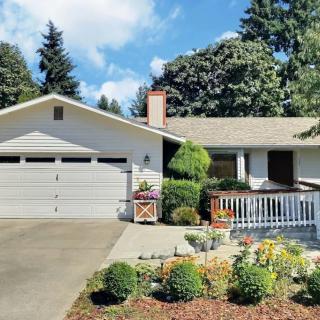

 Comprehending Evening Confusion in Dementia: Causes, Manifestations, and Support
 Delirium and Dementia: Unraveling the Key Differences
 Are Dementia and Alzheimer's Disease Lethal? A Comprehensive Exploration