For more information about senior living options: (866) 208-4318
4.5 from 28 reviews
5 stars
23
4 stars
1
3 stars
1
2 stars
1
1 stars
2
Rosewood Courte Memory Care Community Costs & Pricing
Rosewood Courte Memory Care Community offers specialized memory care services at a monthly cost that reflects the quality and level of care provided. For a semi-private room, residents can expect to pay $5,340, which is notably higher than the average costs in Snohomish County at $4,320 and statewide in Washington at $4,267. Those opting for a studio will see an even greater difference, with a monthly fee of $7,520 compared to local and state averages of $4,443 and $4,126 respectively. While these figures may be above the regional norms, they are indicative of Rosewood Courte's commitment to providing comprehensive support and enrichment tailored to individuals with memory care needs.
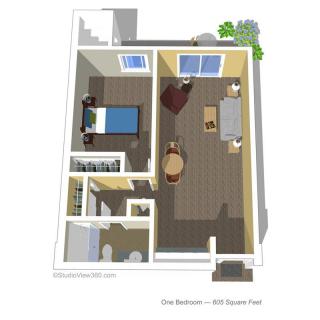
Floor plans
Rosewood Courte Memory Care Community
Snohomish County
Washington
Semi-Private
$5,340
$4,320
$4,272
Studio
$7,520
$4,443
$4,128
Skilled Nursing Facilities with a similar price nearby
Overall Review of Rosewood Courte Memory Care Community
common15 reviews mention this
Staff care is a consistent theme
Residents and families repeatedly describe a compassionate, attentive care team.
Many reviews emphasize that staff members are caring, supportive, and present with residents, including getting to know personal preferences and encouraging engagement. Multiple families also highlight leadership involvement and day-to-day responsiveness, such as caregivers and nurses stepping in quickly and treating residents with dignity. A small number of reviews raise concerns about management or consistency, including complaints about unorganized care and staff handling at specific times.
differentiator4 reviews mention this
Specialized for Alzheimer’s needs
The community focuses on Alzheimer’s and supports residents who may wander.
Several reviews describe Rosewood Courte as specifically suited to Alzheimer’s disease and more serious memory care needs, rather than being designed for everyone. Families mention design and routines aimed at keeping residents occupied and safe, including support for residents who like to wander. Reviews also connect the programming to dementia-focused care, with activities and engagement presented as part of the daily approach.
common6 reviews mention this
Meals are often praised, sometimes mixed
Dining quality stands out, with residents and families mentioning food satisfaction.
Multiple reviews say the meals are healthy and enjoyable, with families noting specific favorites and that residents are well fed. Others describe dining as inconsistent, including chaotic mealtimes and not enough one-on-one support during meals. Overall, the dining experience seems to depend on timing and staffing, but the most positive reviews describe strong attention to preferences.
common6 reviews mention this
Activities and outdoor access matter
Reviews frequently mention varied activities and meaningful daily engagement.
Families describe a full activity calendar with structured options throughout the day, including events and sessions that help residents stay engaged. Some reviews specifically point to outdoor access and spaces as important for residents’ comfort and mobility. Even when overall experiences vary, the activities program is repeatedly brought up as a key part of daily life.
caveat2 reviews mention this
Cost is a recurring concern
Pricing comes up as a drawback compared with expectations.
Some reviews directly mention that the cost feels high, including concerns about overall affordability over time. Other reviewers describe the community as a fit for serious Alzheimer’s needs, so the higher price may be judged against how well it matches individual care requirements. Still, for certain families, the price point is stated as a reason they did not select or did not fully recommend the community.
How we summarize
Counts show how many written reviews mention each theme; a review can touch several themes, and only frequently mentioned themes are displayed.
Features
Housing
45 resident community capacity
Studio apartments
Types of Care
Memory Care
Respite Care
Skilled Nursing Facility
Pets
Cats allowed
Amenities
Activities off-site
Activities on-site
Beautician on-site
Beauty salon
Cable or satellite TV
Devotional services off-site
Devotional services on-site
Dining room
Fully furnished
Garden
Garden view
Golf
Ground floor units
Guasts at mealtime
Handicap accessible
Hiking trails
Housekeeping services
Indoor common areas
Kitchenette
Move-in coordination
Outdoor common areas
Outdoor space
Private bathrooms
Respite or short term stays offered
Restaurant-style dining
Security gate
Small library
Telephone
Wheelchair accessible showers
Wi-Fi/high-speed internet available
Transportation
Seattle-Tacoma International (24 miles away)
Transportation & parking
Care Services
24-hour call system
24-hour supervision
Activities of daily living assistance
Assistance with bathing
Assistance with dressing
Assistance with transfers
Diabetes diet
Diabetic care
High acuity care
Hospice care
Incontinence care
Meal preparation and service
Medication management
Mental wellness program
Mild cognitive impairment
Special dietary restrictions
Specialized memory care programming
Dining
Diabetes diet
Guest meals
Low / no sodium
Meals provided
No Sugar
Room service
Special dietary restrictions
Special dining programs
Vegetarian
Activities
Activities off-site
Art classes
Arts and crafts
Bible study group
Community-sponsored activities
Cooking classes
Cooking club
Day trips and outings
Devotional activities offsite
Devotional activities on-site
Educational speakers / life long learning
Fitness programs
Games
Gardening club
Happy hour
Karaoke
Live musical performances
Live well programs
Other religious services
Religious services
Resident-run activities
Scheduled daily activities
Stories
Yoga / chair yoga
Languages Spoken
English
Nearby Places of Interest
Located in the beautiful city of Edmonds, Washington, this area offers a convenient and bustling community for senior living. With several pharmacies nearby such as QFC Pharmacy and Bartell Drugs, accessing medication and healthcare services is easily accessible. There are also plenty of cafes and restaurants like Starbucks and The Habit Burger Grill where you can enjoy a meal or socialize with friends. In case of emergencies, Swedish Medical Center is just a short distance away. Additionally, parks like Echo Lake Park and Lake Ballinger Park provide scenic spots for relaxation and outdoor activities. The proximity to transportation options like Northgate Transit Center ensures ease of mobility within the city. For medical needs, there are reputable physicians such as Lakeshore Clinic and Everett Clinic in the vicinity. This area offers a balanced mix of amenities and services for seniors looking to settle down in a vibrant community in Edmonds.
Rosewood Courte Memory Care Community offers specialized memory care services at a monthly cost that reflects the quality and level of care provided. For a semi-private room, residents can expect to pay $5,340, which is notably higher than the average costs in Snohomish County at $4,320 and statewide in Washington at $4,267. Those opting for a studio will see an even greater difference, with a monthly fee of $7,520 compared to local and state averages of $4,443 and $4,126 respectively. While these figures may be above the regional norms, they are indicative of Rosewood Courte's commitment to providing comprehensive support and enrichment tailored to individuals with memory care needs.
Rosewood Courte Memory Care Community's features are meticulously designed to cater to the unique needs of residents with dementia and Alzheimer's disease, ensuring their safety and comfort. The 24-hour supervision provides a secure environment where trained staff can promptly address any concerns or emergencies. Assistance with activities of daily living, including bathing, dressing, transfers, and incontinence care, promotes dignity and maintains personal hygiene while reducing caregiver burden. The provision of nutritious meal preparation and service supports physical health and encourages social interaction during mealtimes. Medication management ensures that residents adhere to prescribed therapies, fostering overall well-being. The mental wellness program and specialized memory care programming engage residents cognitively and emotionally, offering tailored activities that promote brain health and foster connections within the community. This holistic approach not only supports those with mild cognitive impairment but also enhances their quality of life by creating a nurturing environment dedicated to their specific challenges.
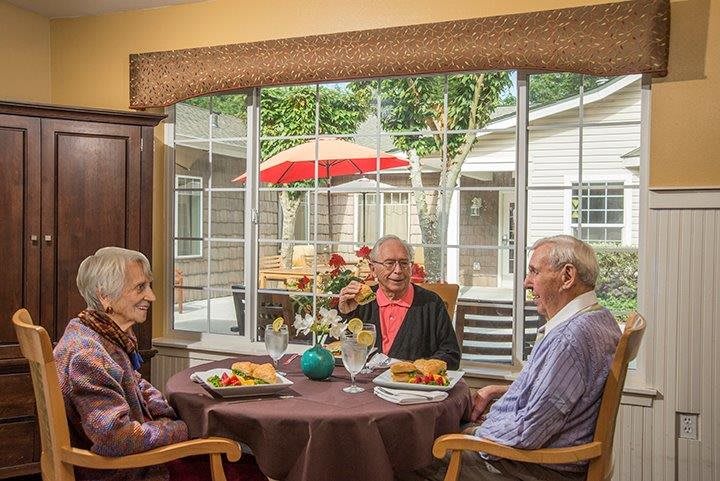
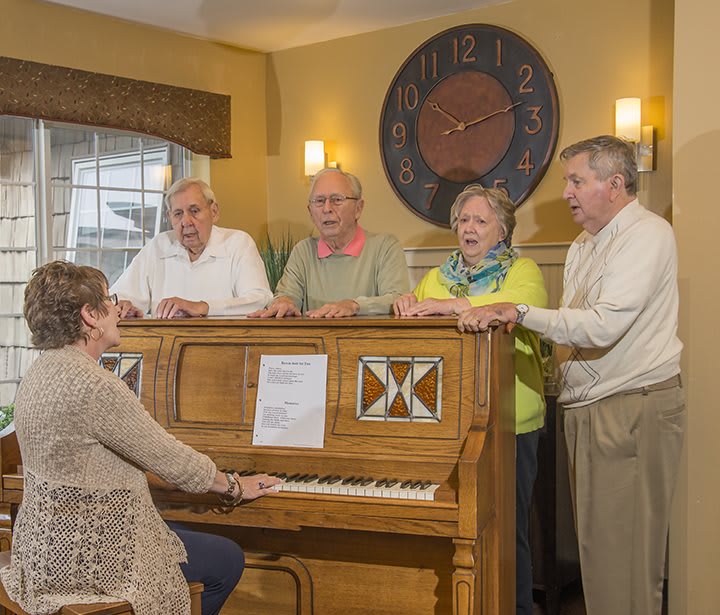
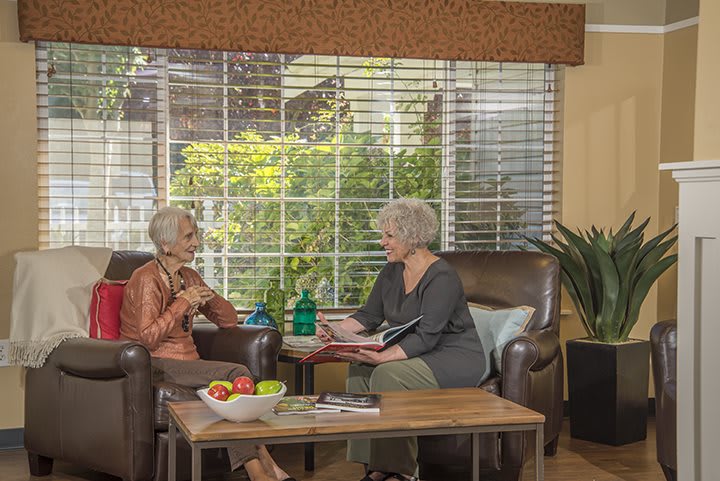
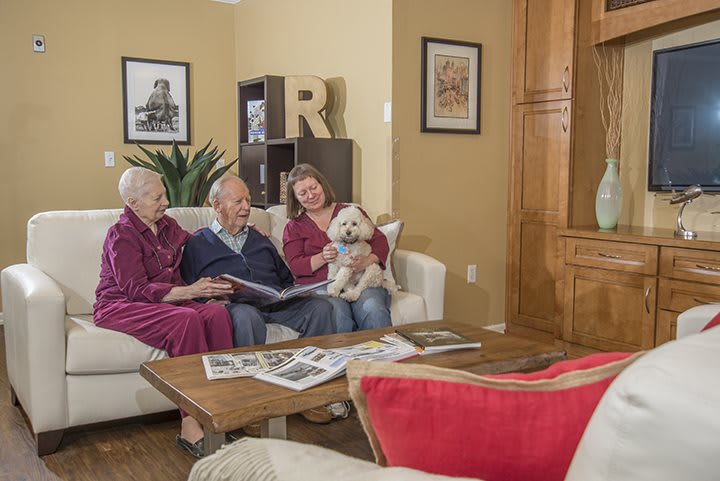
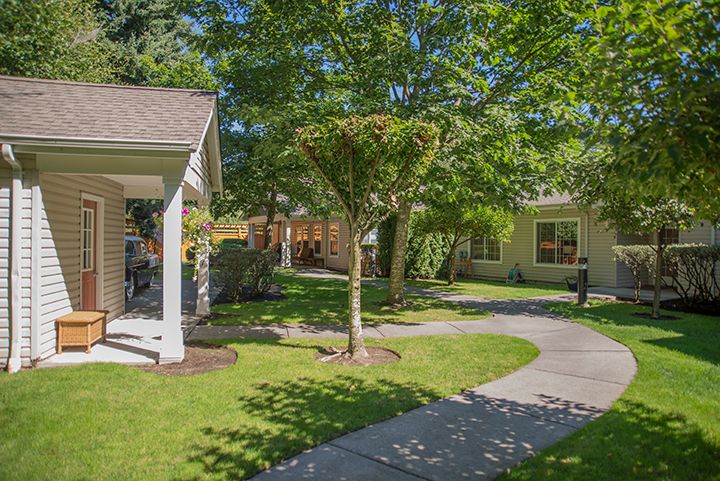
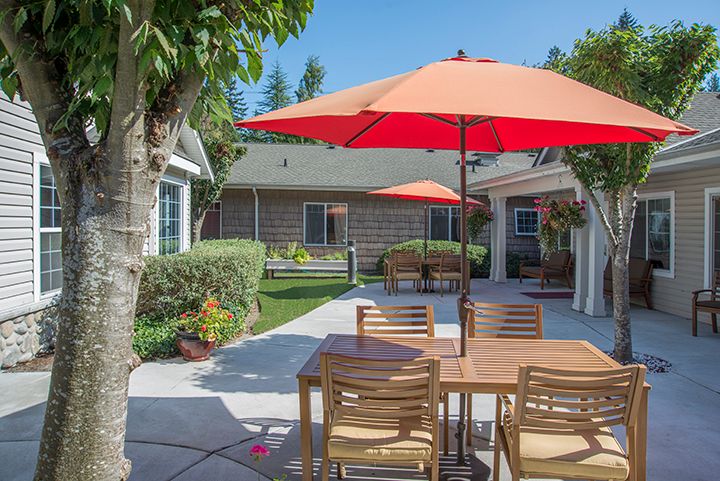
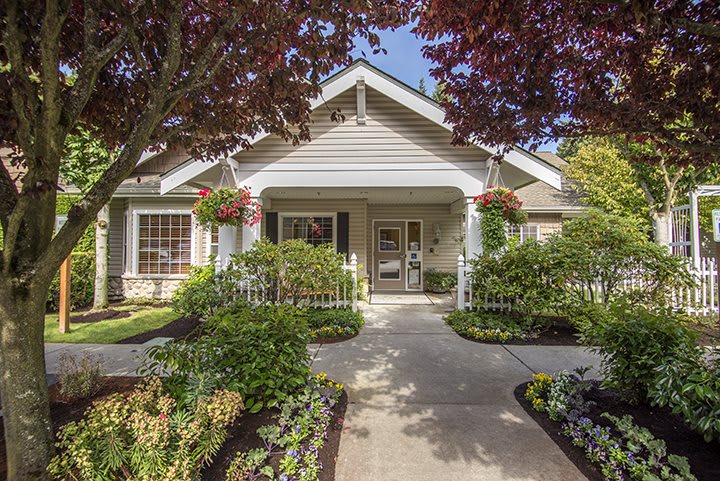
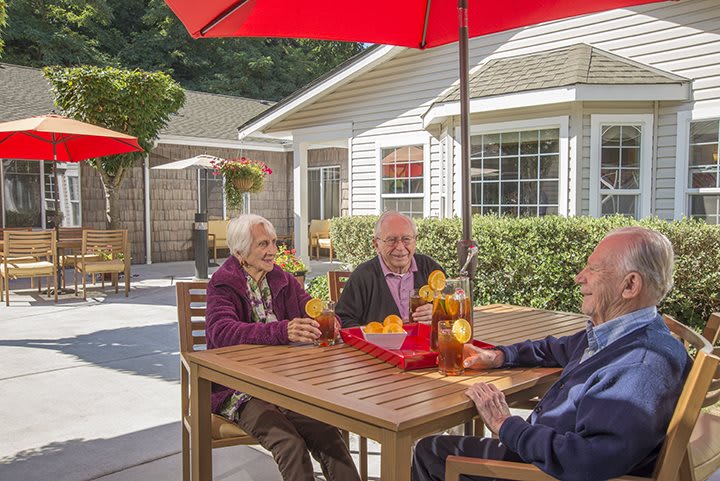
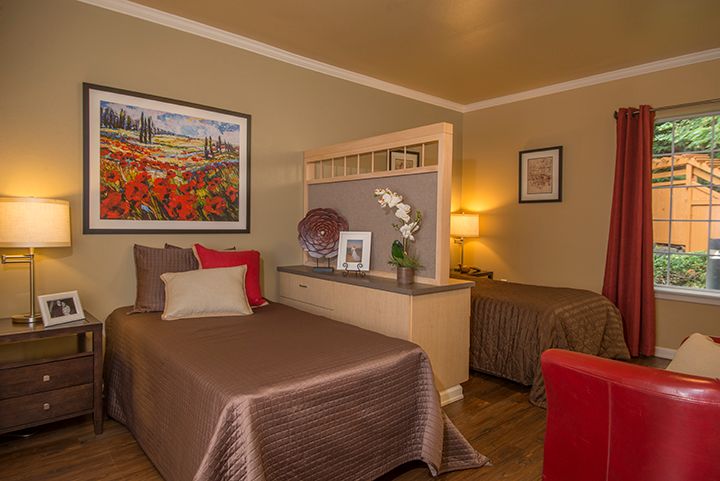
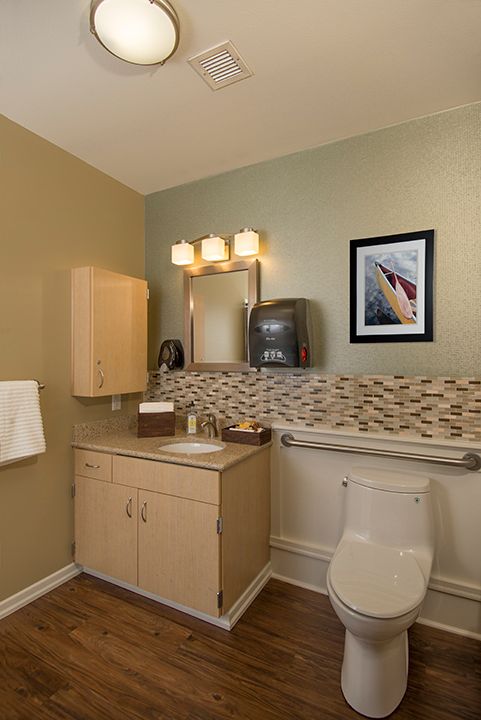
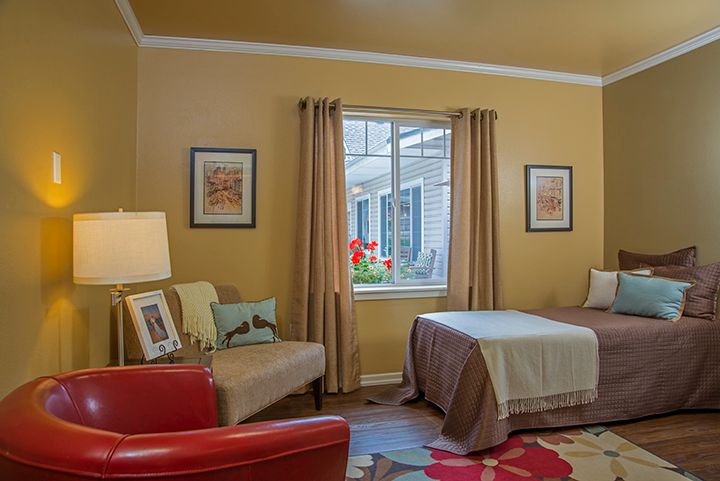
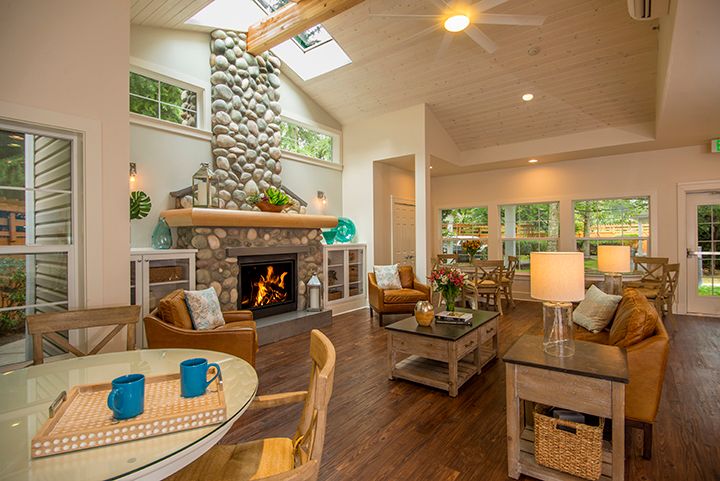
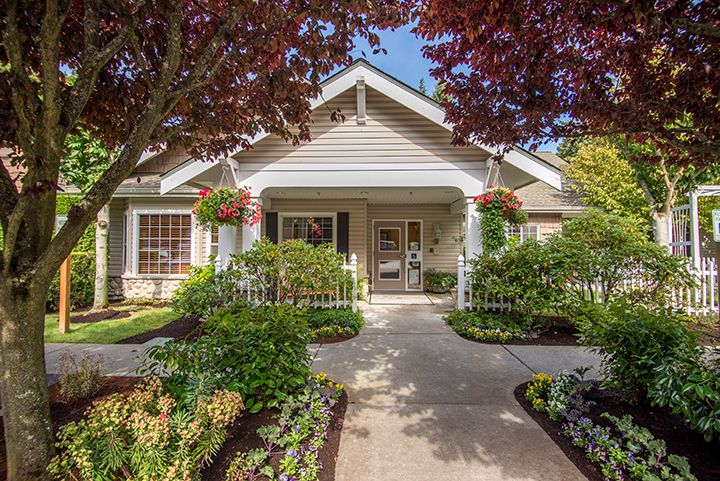
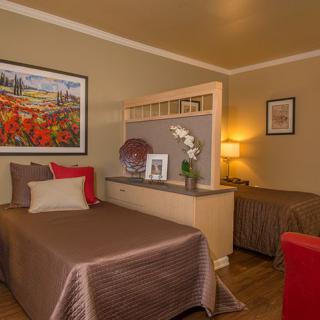
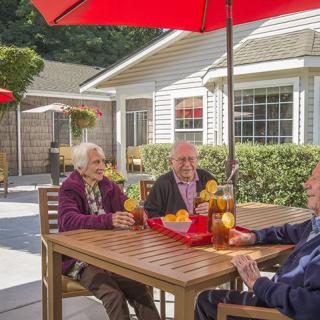
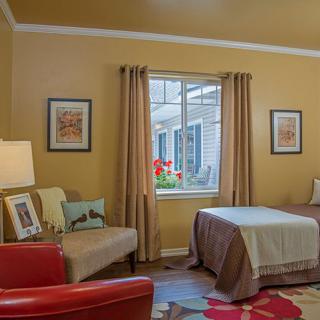
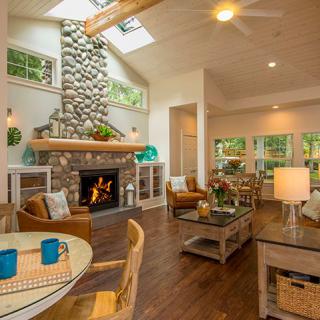
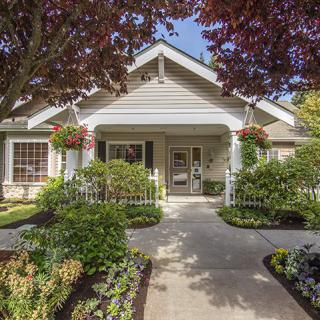
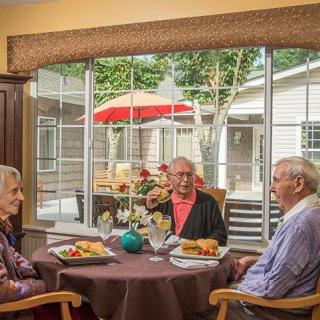
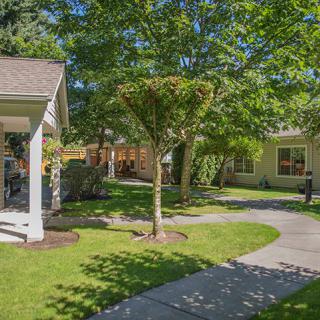
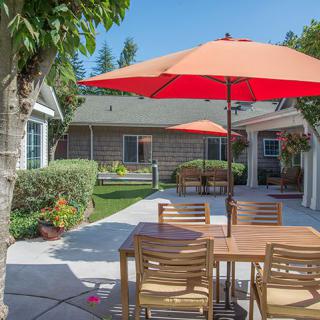
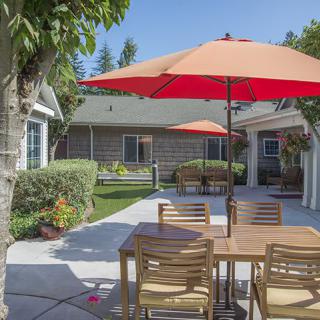
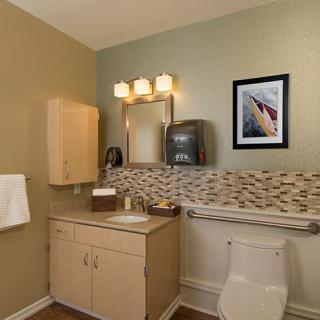
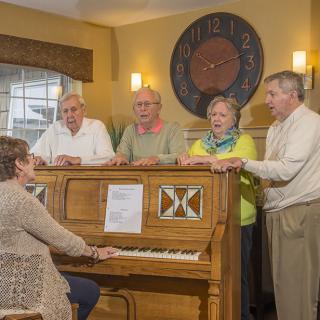
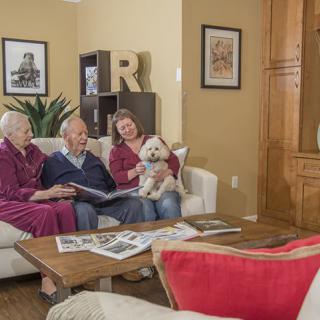
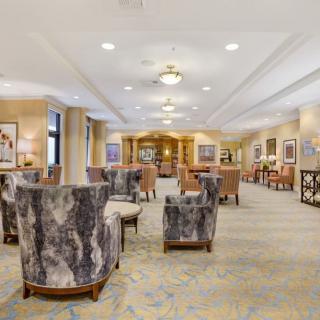
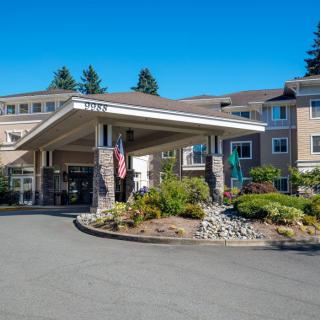
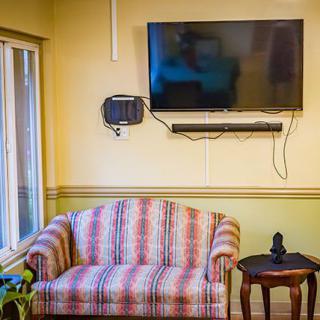
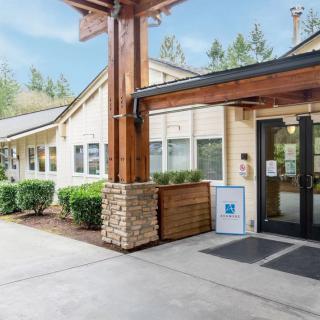
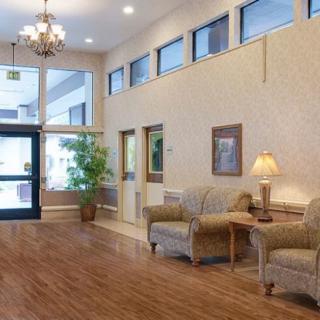
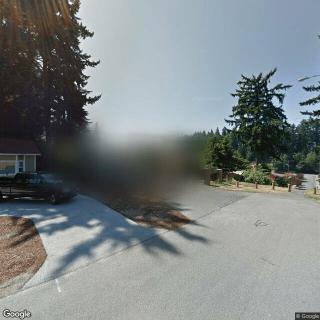
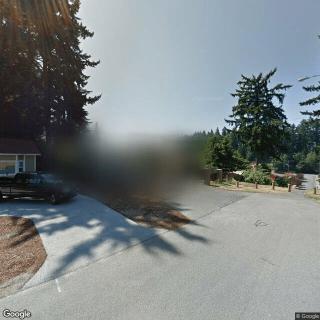
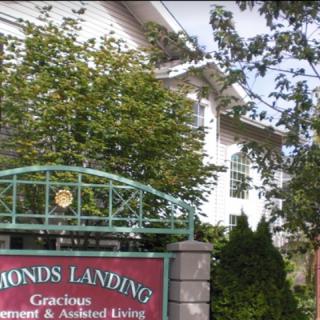
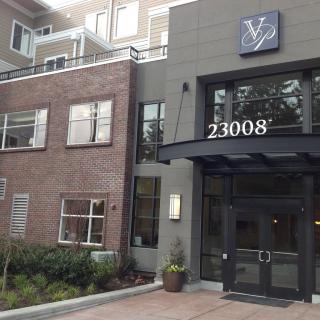
Rosewood Courte Memory Care Community on seniors.fyi includes 15 photos including images showing landscaping, interior, garden, bedroom, decor, trees, living room, patio, and more.
Nearby Communities
Sunrise Of Edmonds
Edmonds, WA
4.7 from 107 reviews
$6,360 to $8,910 / month
Friendly, attentive staff in a clean, welcoming environment with engaging activities.
Abiezer Adult Family Home
Edmonds, WA
4 from 9 reviews
$3,000 to $7,000 / month
Clean, well-maintained facility with friendly, compassionate staff.
Rewards Homecare - Edmonds, WA
Edmonds, WA
4.9 from 107 reviews
Personalized caregiver matching based on clearly communicated needs.
Liberty AFH
Edmonds, WA
5 from 11 reviews
$4,000 / month
Affordable private rooms (lower than county/state averages).
Better Living Resort
Edmonds, WA
5 from 2 reviews
$3,000 / month
Affordable semi-private option with a highly convenient location and abundant nearby amenities (cafes, parks, pharmacies, restaurants, theater, hospital).
Murillo Manor
Edmonds, WA
$3,500 / month
Specialized memory care with private rooms (private bathrooms) and comprehensive medication management.
Edmonds Landing Retirement Community
Edmonds, WA
4.8 from 58 reviews
$4,855 to $5,575 / month
Friendly staff, welcoming atmosphere, and engaging activities with quality dining.
Cogir of Edmonds Assisted Living and Memory Care
Edmonds, WA
4.5 from 64 reviews
Warm, attentive staff in a small, welcoming community with engaging activities and quality dining.
At-home dementia care expenses vary widely based on care levels, location, and caregiver expertise, with monthly costs for home health aides exceeding $4,500 and specialized care potentially surpassing $100,000 annually. While families favor in-home care for its comfort and personalized attention, they must consider financial planning and the challenges of caregiver fatigue.
The article discusses the late stages of dementia, detailing the progression from mild to severe impairment and highlighting key characteristics such as profound cognitive decline and dependency in daily activities. It emphasizes care strategies focused on comfort and dignity, the importance of advance directives, and the emotional support needed for family caregivers facing this challenging journey.
The article examines the link between certain medications and increased dementia risk, particularly in older adults, emphasizing that long-term or high-dose use of anticholinergics, benzodiazepines, and other drug classes can exacerbate cognitive impairment. It calls for careful medication evaluation and shared decision-making to mitigate these risks while managing treatment efficacy.
Get PricingAsk A QuestionSchedule A TourContact Senior Advisor
By clicking submit, you agree to our Partner's Terms of Use. You
also consent to receive calls and texts, which may be autodialed, from our Partner. Your consent is not a condition to
using our Partner's service. Please visit our Partner's Privacy Policy for information about their privacy practices.

 45 resident community capacity
 Studio apartments
 Memory Care
 Respite Care
 Skilled Nursing Facility
 Cats allowed
 Activities off-site
 Beautician on-site
 Cable or satellite TV
 Devotional services off-site
 Dining room
 Fully furnished
 Garden
 Golf
Golf Ground floor units
 Handicap accessible
 Hiking trails
 Housekeeping services
 Indoor common areas
 Kitchenette
 Move-in coordination
 Outdoor common areas
 Private bathrooms
 Restaurant-style dining
 Security gate
 Small library
 Telephone
 Wheelchair accessible showers
 Wi-Fi/high-speed internet available
 Seattle-Tacoma International (24 miles away)
 Transportation & parking
 24-hour call system
 Assistance with bathing
 Assistance with dressing
 Assistance with transfers
 Diabetes diet
 Diabetic care
 High acuity care
 Hospice care
 Incontinence care
 Medication management
 Mental wellness program
 Special dietary restrictions
 Art classes
 Bible study group
 Cooking classes
 Day trips and outings
 Educational speakers / life long learning
 Fitness programs
 Games
Games Happy hour
 Karaoke
 Live musical performances
 Live well programs
 Stories
 English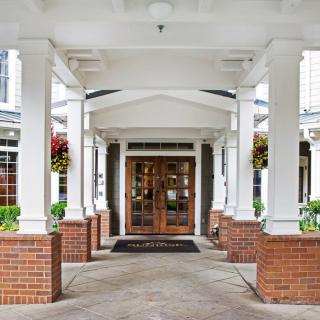
 Friendly, attentive staff in a clean, welcoming environment with engaging activities.
 Estimating the Expenses of At-Home Dementia Care: A Detailed Exploration
 Comprehensive Insights on the Late Stages of Dementia: What to Expect and How to Provide Care
 Medications Associated with Dementia Risk: A Comprehensive Overview