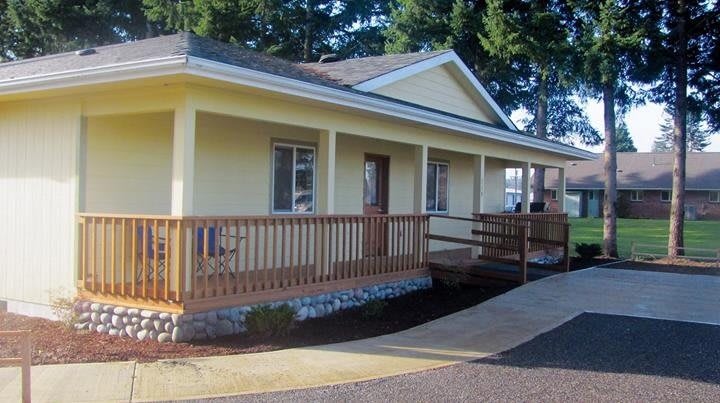
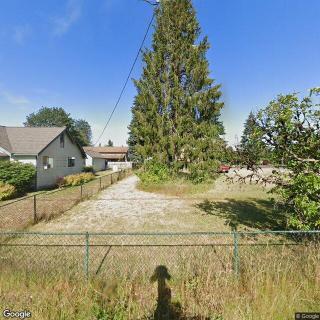
214 Washington Way, Centralia, WA 98531
To contact a resident: (360) 807-2113
For more information about senior living options: (866) 208-4318
A Adult Family Home at Park Place Costs & Pricing
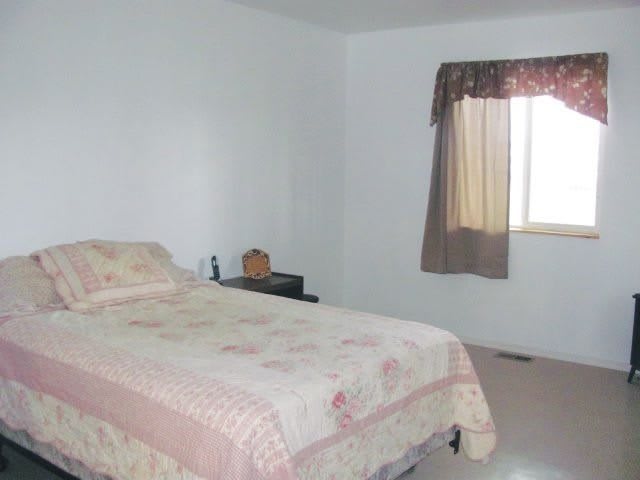
At A Adult Family Home at Park Place, the monthly costs for accommodations are competitively positioned within both Thurston County and the broader Washington state landscape. For a one-bedroom option, residents can expect to pay $4,000, which is slightly below the county average of $4,085 and significantly lower than the state average of $4,632. Similarly, for those seeking private room accommodations, the rate remains at $4,000 - again more affordable than both Thurston County's average of $4,532 and Washington state's average of $4,772. This pricing structure not only highlights A Adult Family Home at Park Place as a financially attractive option but also reflects its commitment to providing quality care in a welcoming environment.
| Floor plans | A Adult Family Home at Park Place | Thurston County | Washington |
|---|---|---|---|
| 1 Bedroom | $4,000 | $4,085 | $4,634 |
| Private | $4,000 | $4,532 | $4,774 |
Memory care communities with a similar price nearby
-
About the same

Canterwoods Estate AFH
$4,000 to $5,500 / month19.3 miles away -
from -$500 / mo

Brooks Blessings Adult Family Home
$3,500 to $5,500 / month10.7 miles away -
About the same
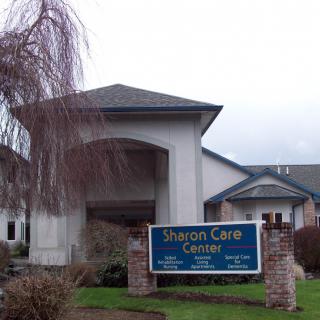
Sharon Care Center
$4,077 to $5,384 / month0.4 miles away -
from +$630 / mo

Garden Courte Memory Care
$4,630 to $6,065 / month23.1 miles away -
from -$350 / mo

Easthaven Villa
$3,650 / month23.2 miles away
Overall Review of A Adult Family Home at Park Place
Pros
 The family was very pleased with the care and service provided by Asante Adult Family Home.
- The staff at Asante Adult Family Home were very caring.
- The staff created a healthy and wholesome family atmosphere at their home facility.
- They would readily and highly recommend Asante Adult Family Home.
Review
This community is best suited for seniors who want a small, home-like setting where daily care feels personal and unhurried, and for families who prize a warm, family atmosphere over a large, institutional feel. In Centralia, Washington, the focus here is on attentive, hands-on care delivered in a residence-style environment. The available feedback portrays residents who respond well to consistent, compassionate service, with a clear emphasis on warmth and everyday kindness. For families seeking clear, steady communication and a setting that feels like an extension of home, this AFH stands out as a well-matched option.
At the same time, a practical review lens reveals who may want to consider alternatives. For seniors with complex medical needs requiring regular on-site nursing, advanced wound care, or immediate access to a full medical team, larger assisted living communities or nursing facilities may offer more comprehensive coverage. Facilities with robust memory care programs or extensive structured activity calendars can also be preferable for families prioritizing highly specialized routines and built-in clinical oversight. In short, when medical intensity or diverse therapeutic options become the priority, this smaller home may not suffice.
The strongest pro is unmistakably the care quality delivered in a home setting. The feedback highlights a caring staff and a healthy, wholesome family atmosphere, with care and service described in terms that feel personal and dependable. That level of warmth translates into frequent, clear communication and a pace that allows staff to notice subtle shifts in a resident’s condition or mood. For families who value trust, transparency, and the sense that staff treat residents as kin, the pros effectively offset the absence of a larger, more impersonal operation. The result is not just basic safety but a sense of belonging and everyday reassurance.
Where potential drawbacks could surface, the natural limits of a small, home-based operation come into view. The single review does not enumerate cons, but practical readers know that smaller homes can face constraints around staffing caps during peak hours, fewer on-site specialists, and fewer structured, campus-like amenities. There may be fewer formal programs or transportation options compared with larger communities, and residents with escalating medical needs could require a transition to a more medicalized setting. These are not revealed as explicit failings here, but they are the kinds of trade-offs that merit upfront inquiry during visits and planning conversations.
Nevertheless, the positive elements can be leveraged to counterbalance these typical limitations. A family-like culture and direct access to caregivers often translate into quicker responsiveness, more individualized care plans, and better alignment with a resident’s daily routines and preferences. The ability to tailor meals, activities, and wake times without navigating a maze of protocols can reduce stress and confusion for both resident and family. In practice, this means decisions feel collaborative, with care decisions explained in plain terms and adjustments made in real time to accommodate changing needs.
For families evaluating options, the recommended path is decisively practical: schedule a thorough tour, request to meet the caregiver team, inspect the facility’s safety measures, and ask concrete questions about staff ratios, medication management, emergency protocols, and the availability of specialty services. Confirm how visits are handled, how meals are planned, and what happens when a resident’s needs exceed the home’s capacity. If warmth, familiarity, and a tight-knit care team align with priorities, this Park Place AFH offers a compelling, well-supported choice. If the priority is expansive medical coverage or advanced memory care, pursue alternatives with broader clinical resources.
 Board and Care Home
 Memory Care
 Cats allowed
 Dogs allowed
 Activities off-site
 Devotional services off-site
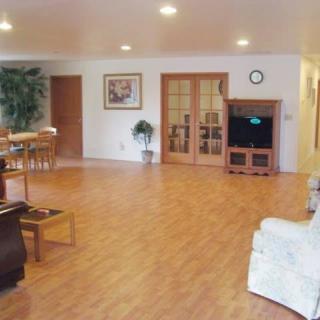
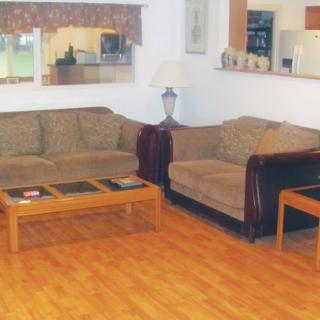
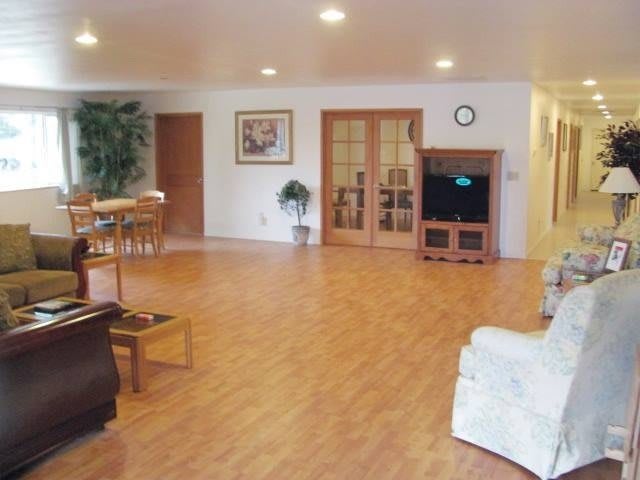
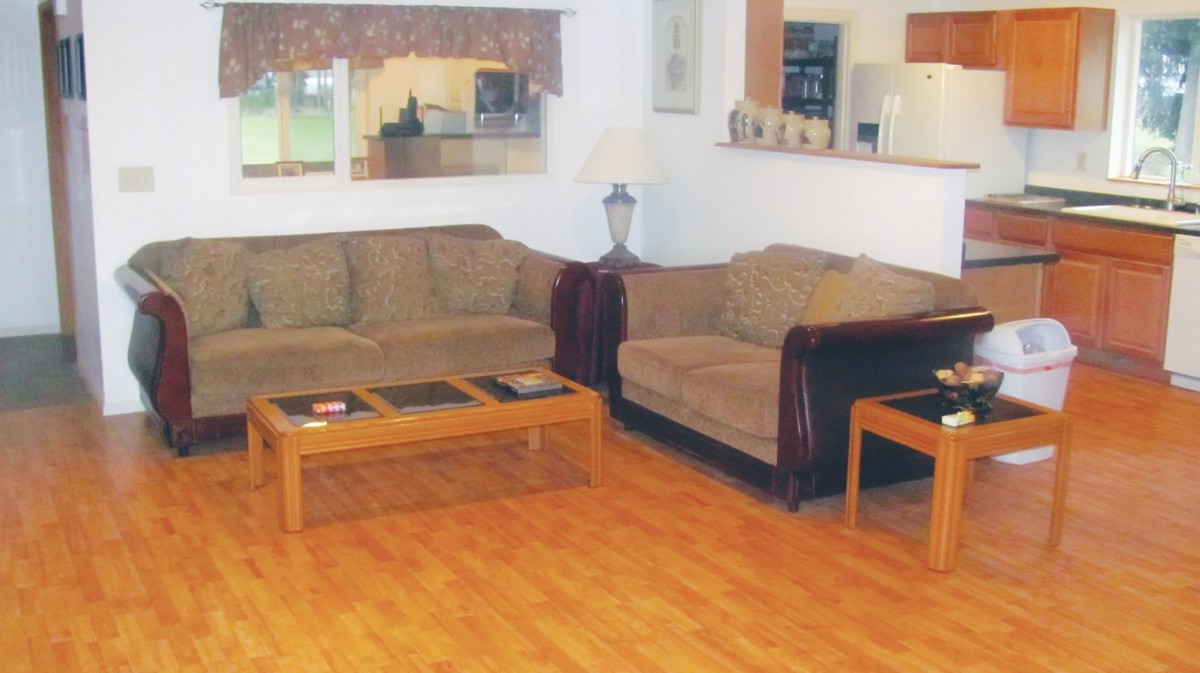
 Indoor common areas
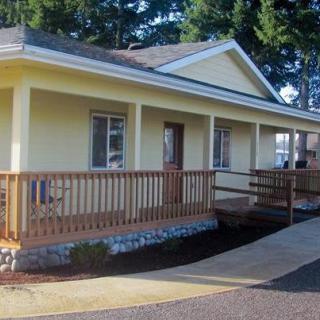
 Outdoor common areas
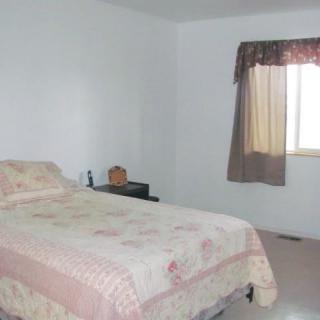
 Private
 Private bathrooms
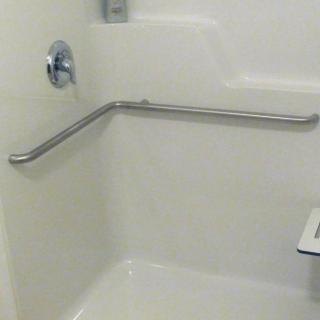
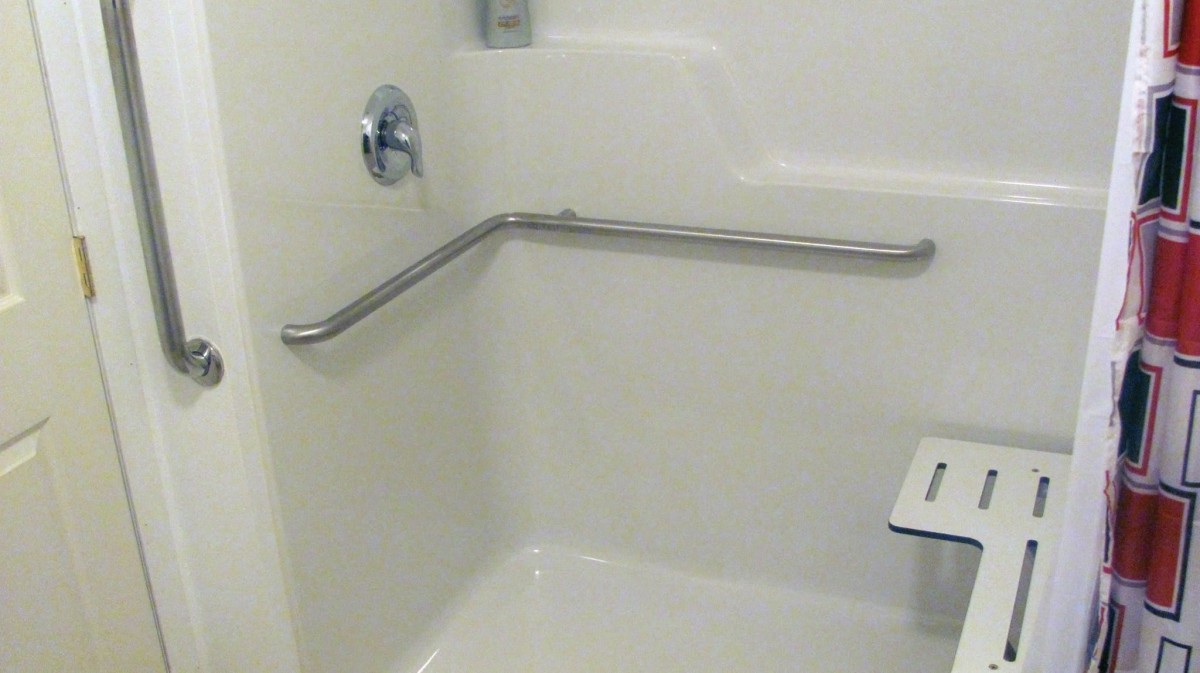
 Wheelchair accessible showers
 Ambulatory care
 Diabetic care
 High acuity care
 Incontinence care
 Medication management
 Kosher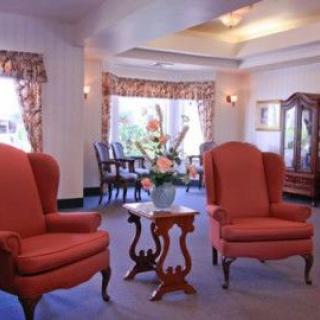
 8 Key Indicators That Suggest It May Be Time to Transition from Assisted Living to Skilled Nursing Care
 Nourishing the Mind: Essential Dietary Approaches for Dementia
 Understanding Dementia Behaviors: Practical Insights and Strategies for Caregivers