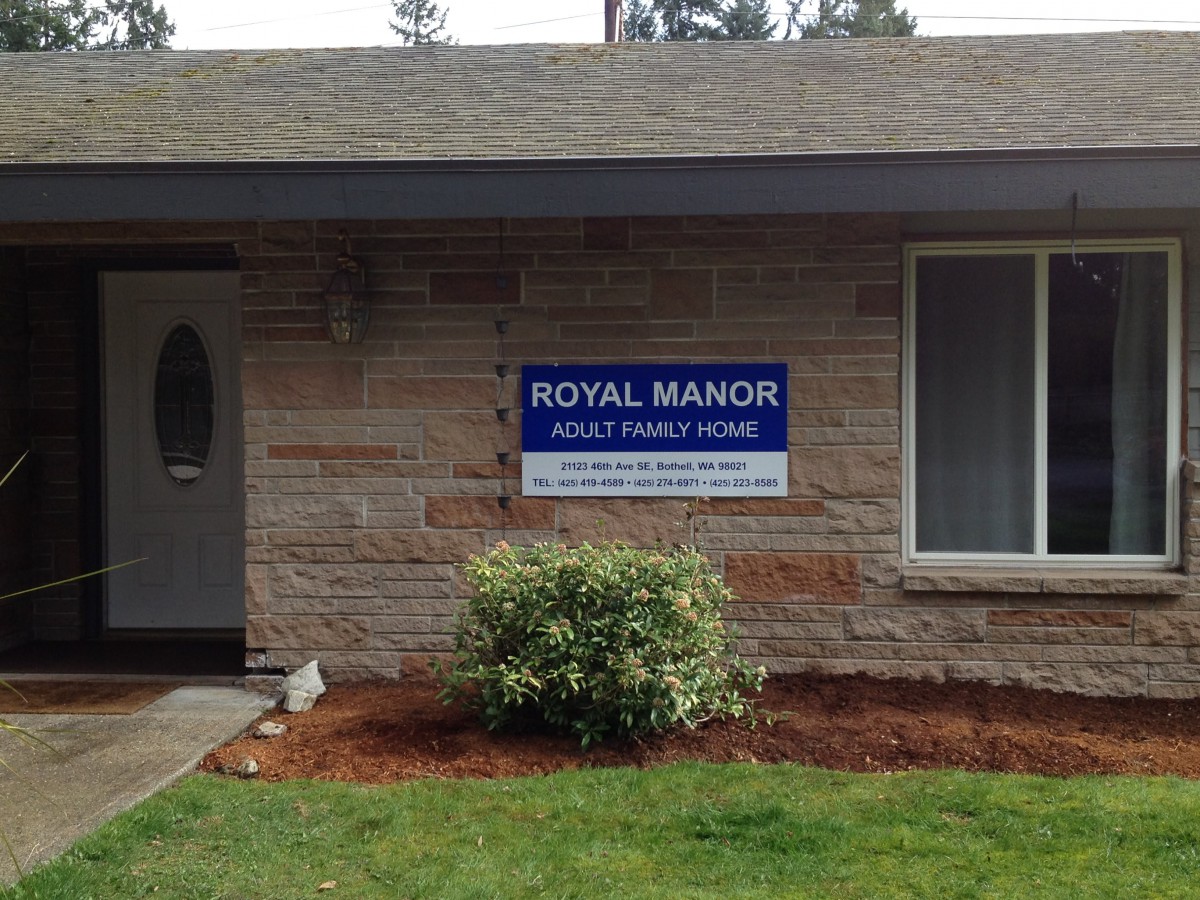

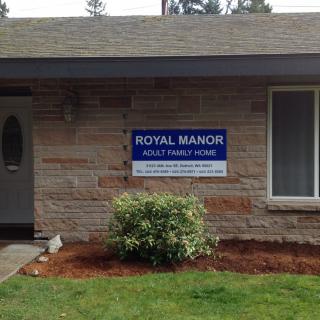




21123 46th SE, Bothell, WA 98021
To contact a resident: (425) 419-4589
For more information about senior living options: (866) 208-4318
Royal Manor AFH Costs & Pricing
Royal Manor Adult Family Home offers a competitive monthly rate for private rooms at $3,000, significantly lower than the average costs in Snohomish County, which stands at $4,834, as well as the state average of $4,772. This pricing not only positions Royal Manor AFH as an accessible option for families seeking quality care but also reflects its commitment to providing a supportive and comfortable living environment. By offering services at a more affordable price point than both local and state averages, Royal Manor AFH makes it possible for residents to receive personalized care without compromising on quality or comfort.
| Floor plans | Royal Manor AFH | Snohomish County | Washington |
|---|---|---|---|
| Private | $3,000 | $4,834 | $4,774 |
Memory care communities with a similar price nearby
-
from +$500 / mo
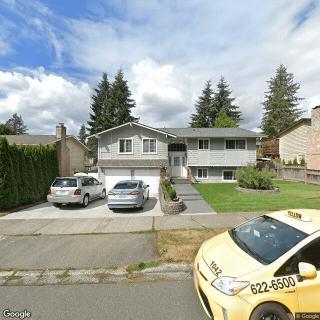
Dignity Life
$3,500 / month2.7 miles away -
from +$375 / mo

Evergreen Manor Senior Care Inc
$3,375 to $7,500 / month7.6 miles away -
About the same

Caring Adult Family Home #1
$3,000 / month3.1 miles away -
from -$500 / mo
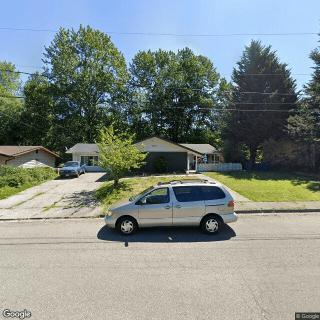
Freedom Care
$2,500 to $3,000 / month24.8 miles away -
from -$500 / mo

Silver Pond AFH
$2,500 to $3,500 / month7.0 miles away
Overall Review of Royal Manor AFH
Pros
 The staff at Royal Manor AFH is extremely competent.
- The owner is a nurse and very knowledgeable about residents' medical needs.
- The food is really great.
- The individual care residents receive is wonderful.
- Having two on-site RN owners is a huge plus.
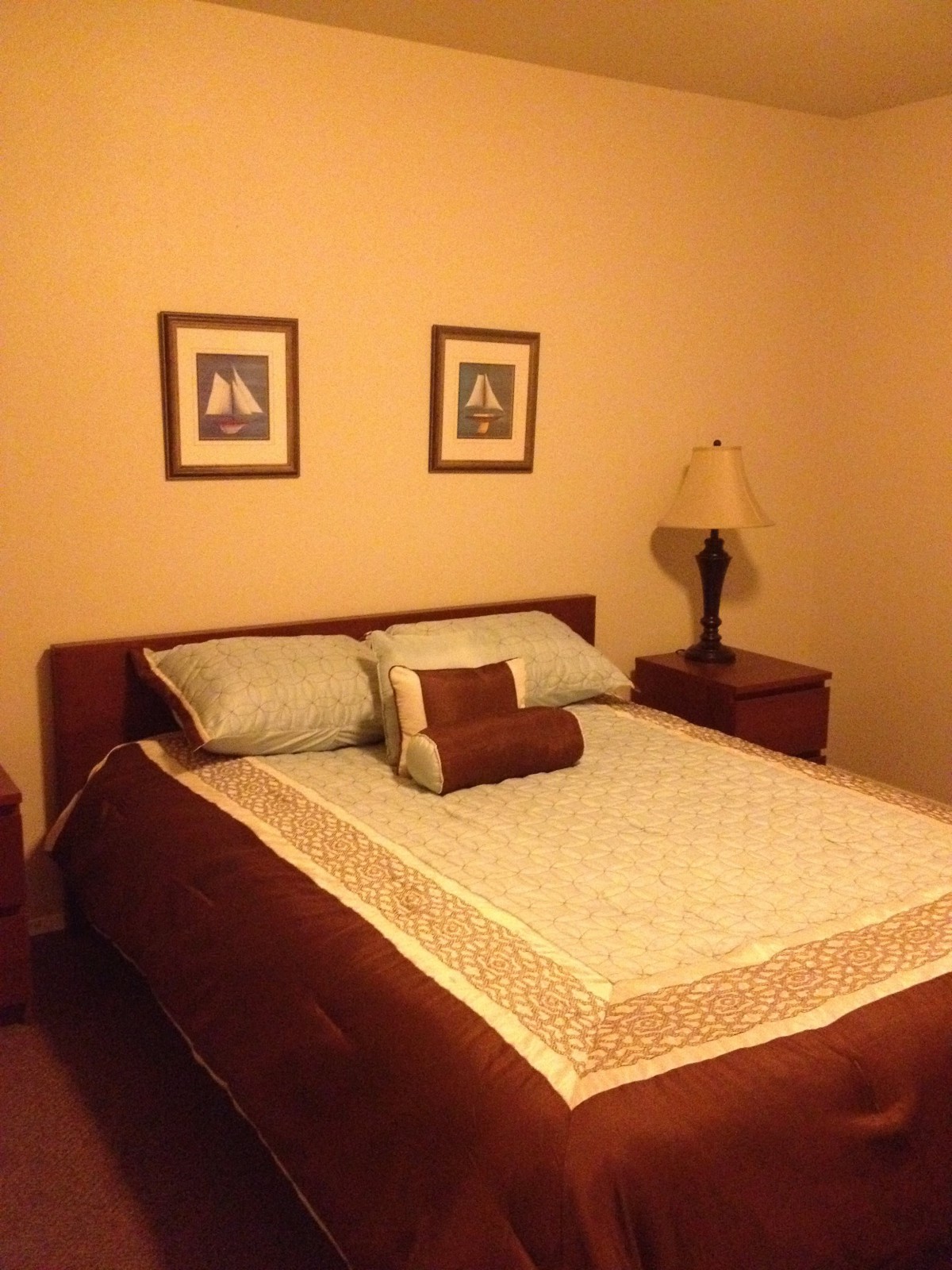
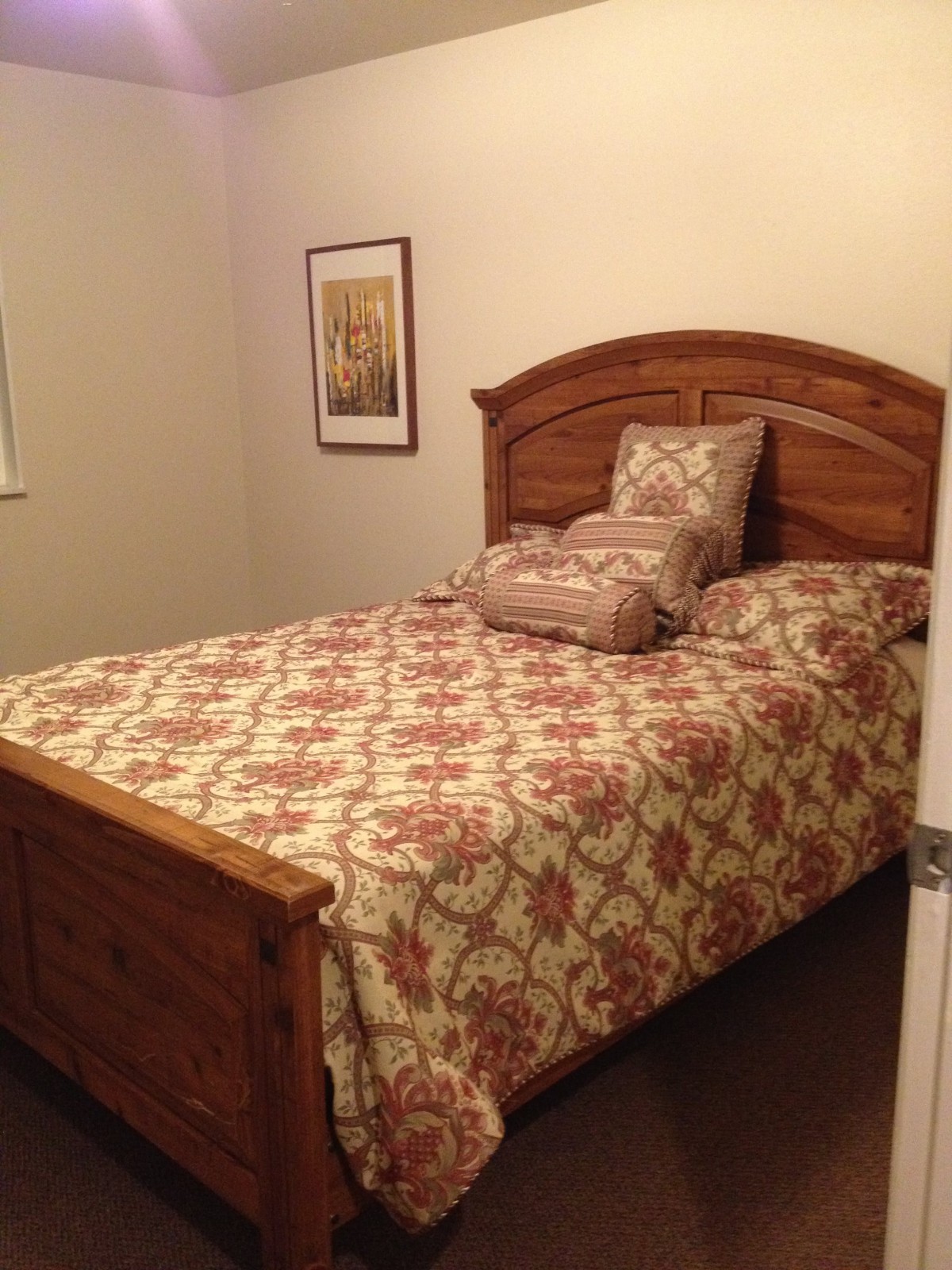
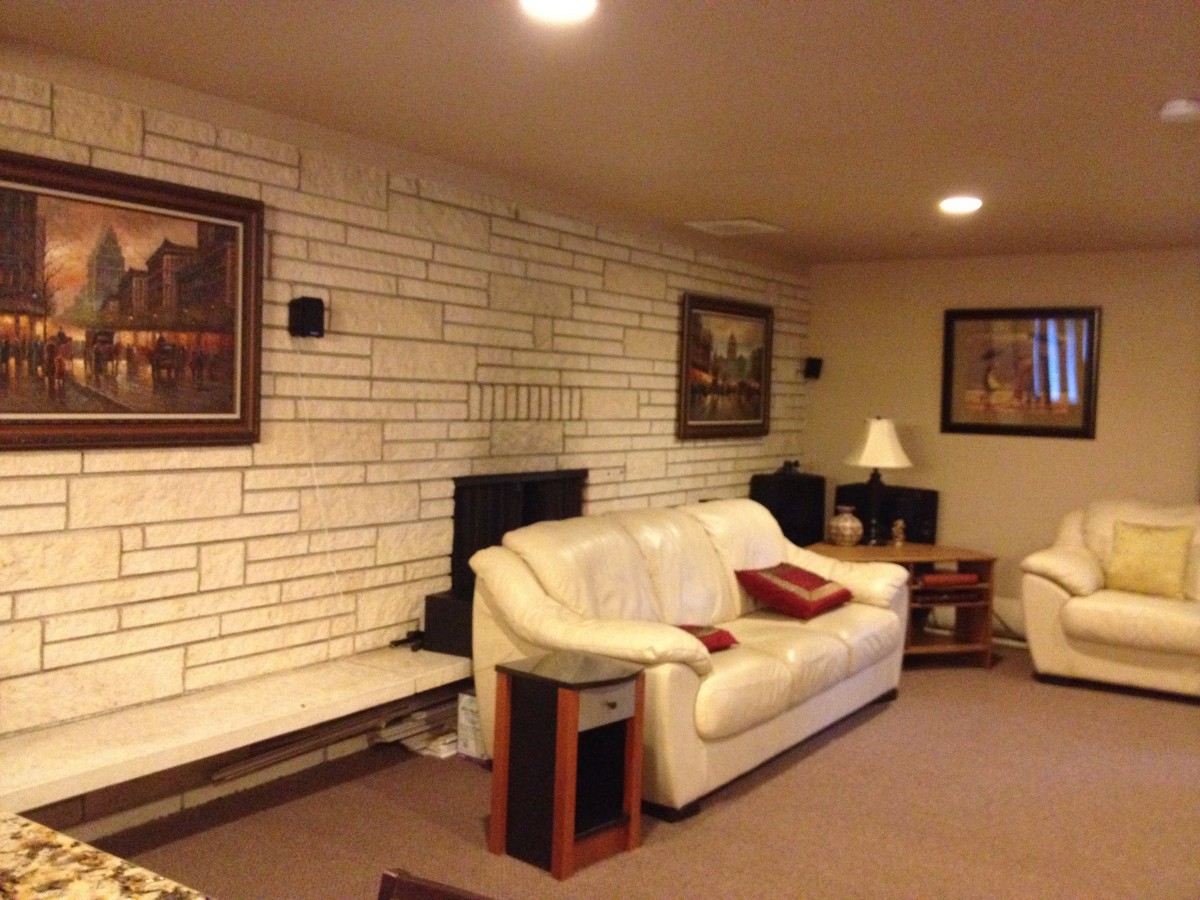
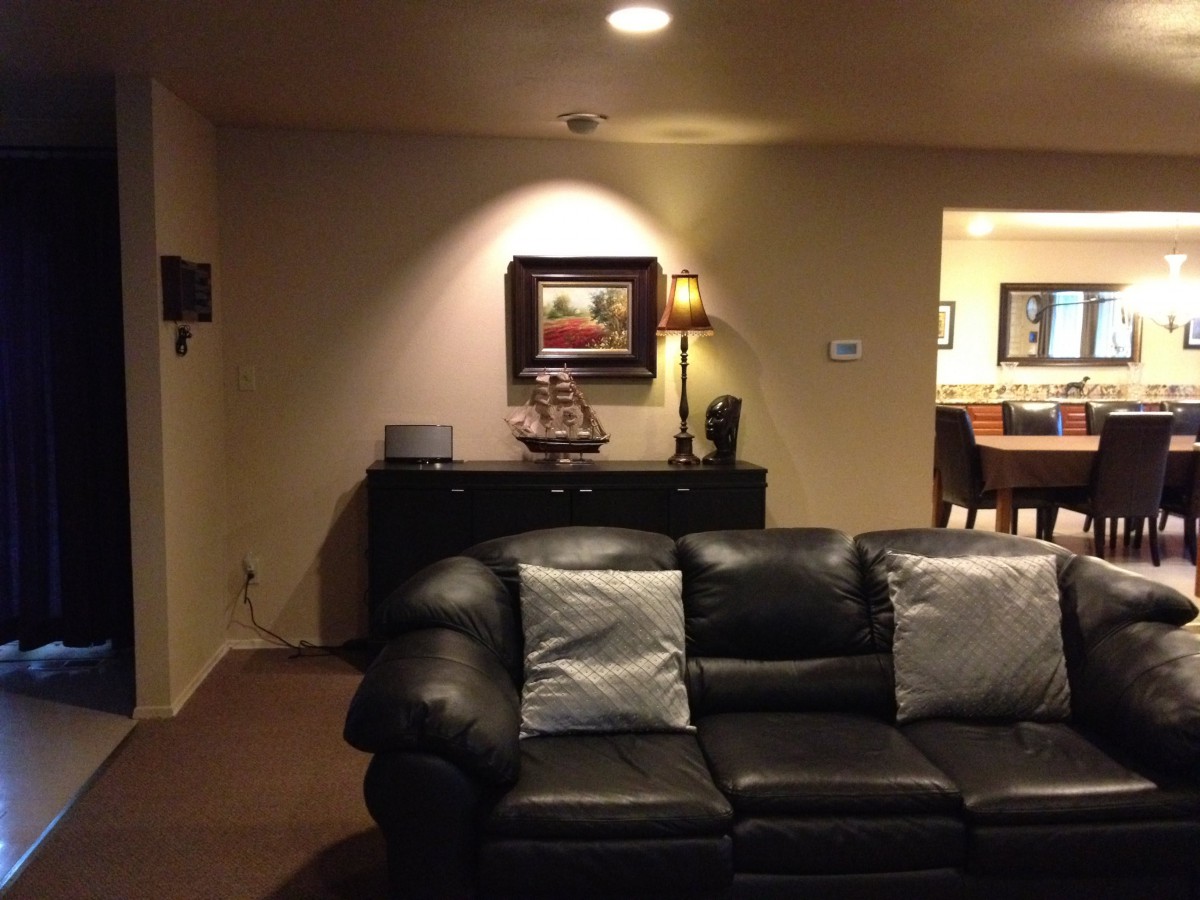
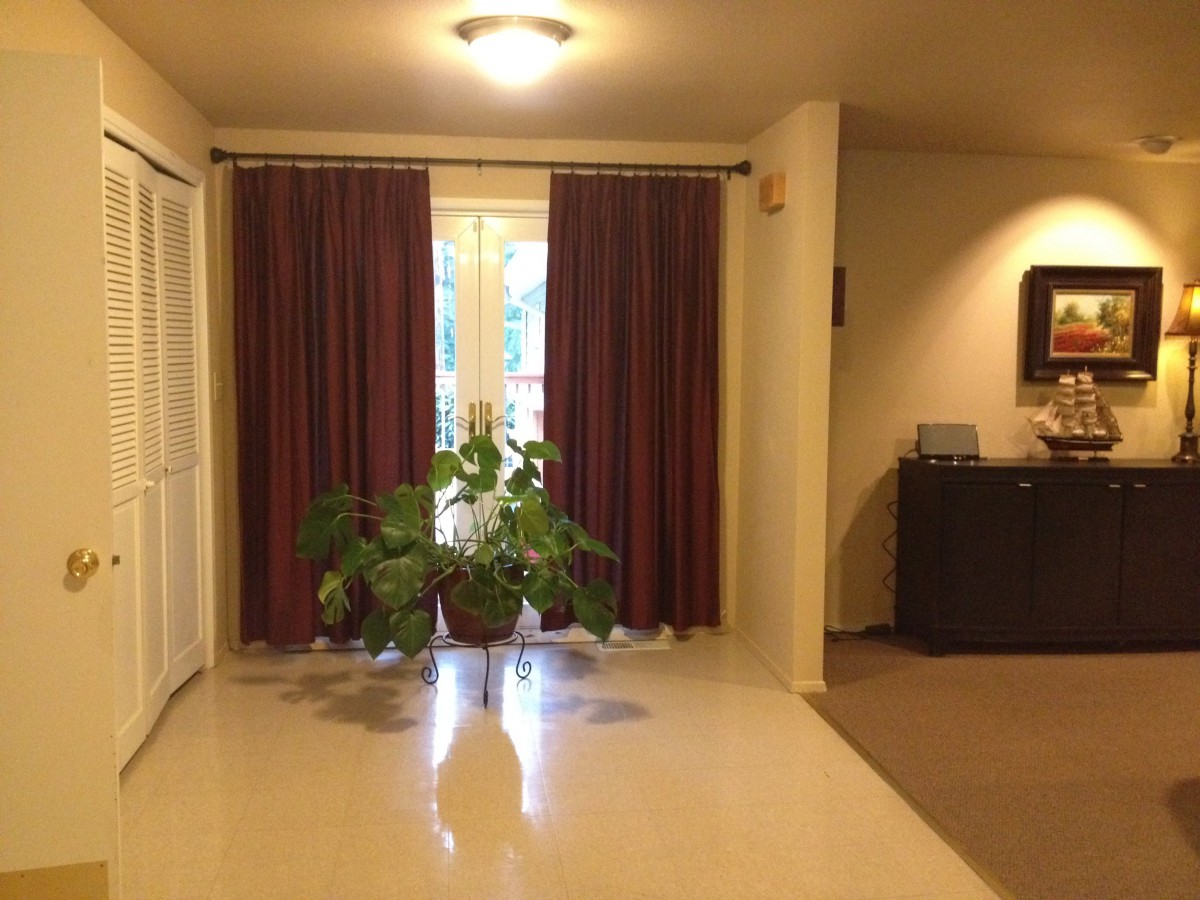
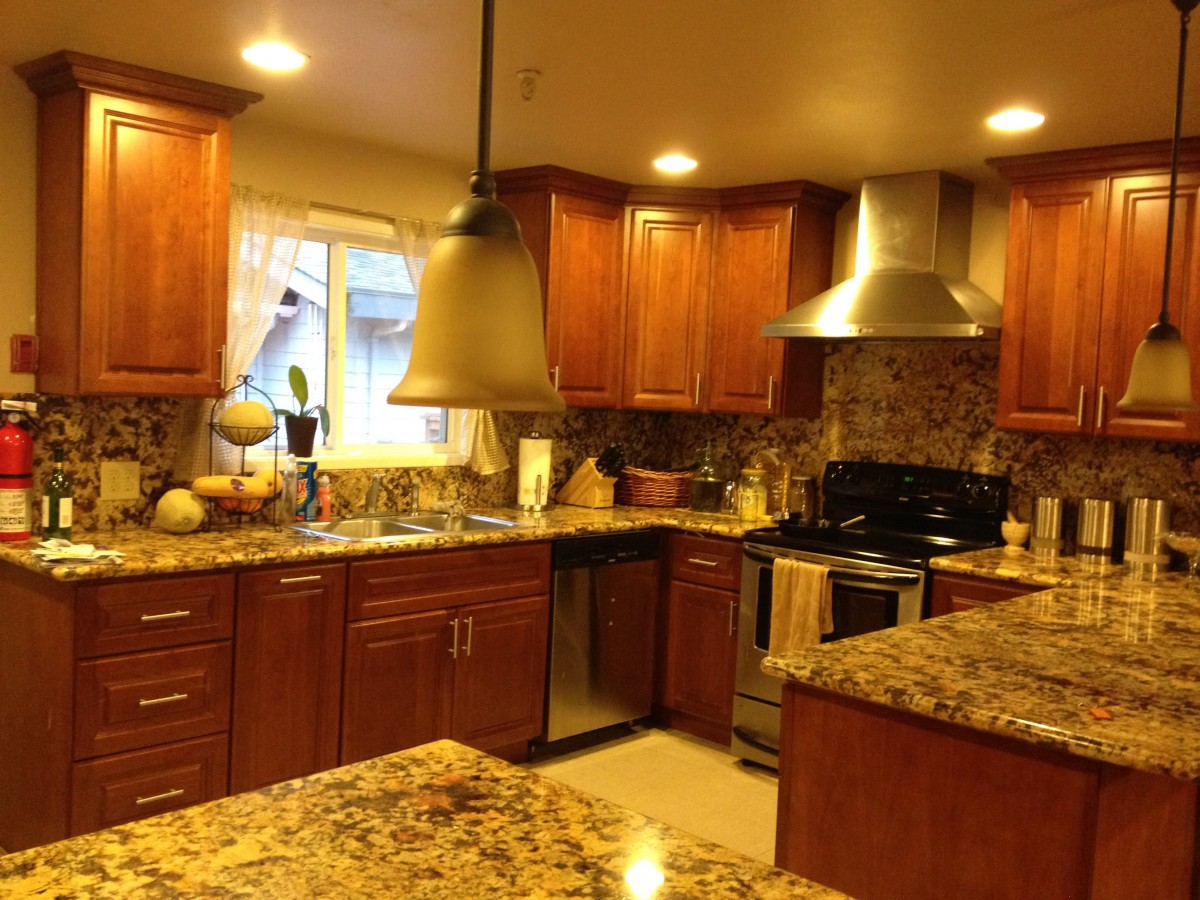
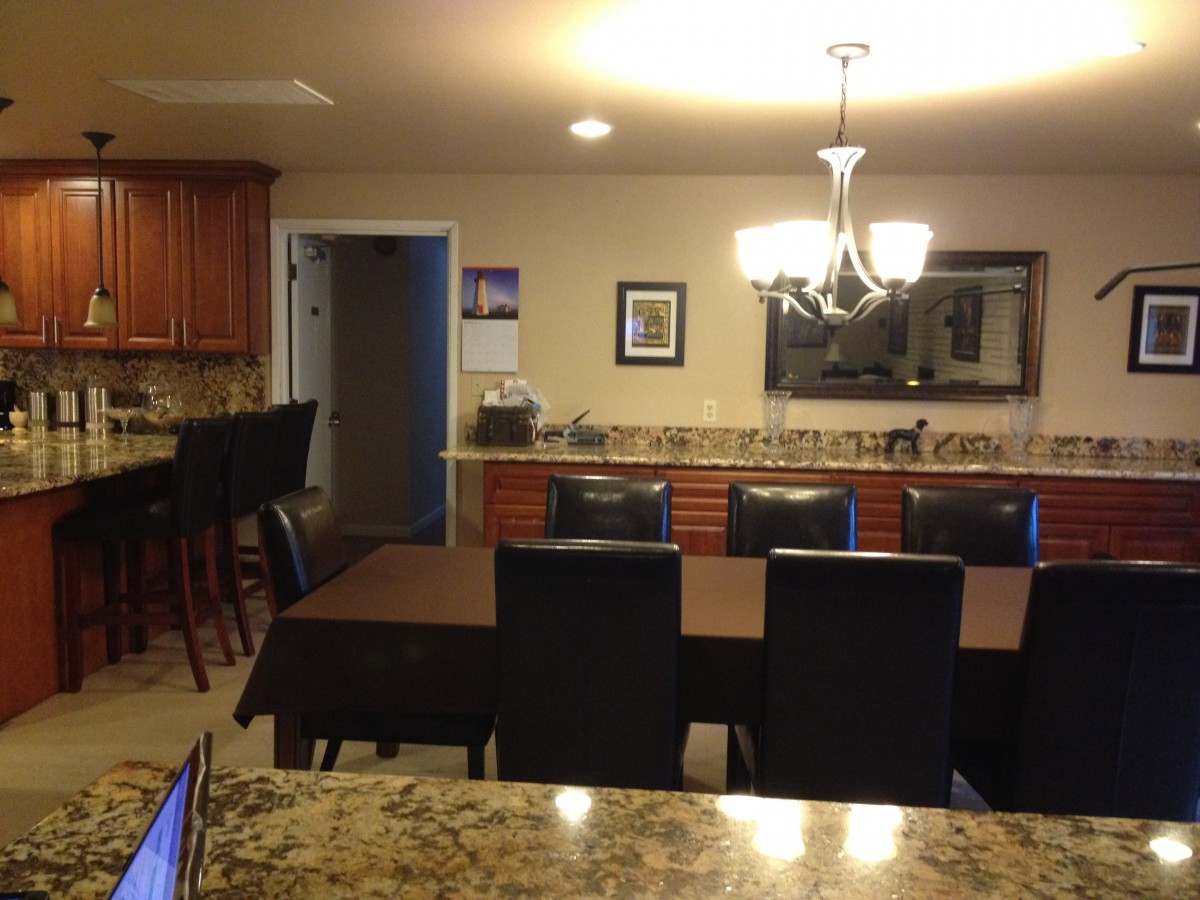
- The home is clean and comfortable.
- The owners are warm, personable, and run the home like family, engaging residents in meals, movies, and activities.
Cons
 They would not recommend this place to anyone.
- The mom fell out of her wheelchair and no one was watching.
- The owner did not call an ambulance and became angry because the mom couldn't help in her care.
- The mom's ankle was broken, leading to a hospital stay.
- There were no phone calls or visits during that time, and she was kicked out.
- The owner/RN tries to do it all alone or with very little help.
Review
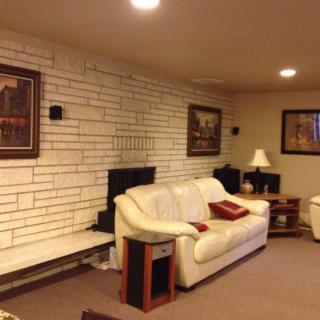
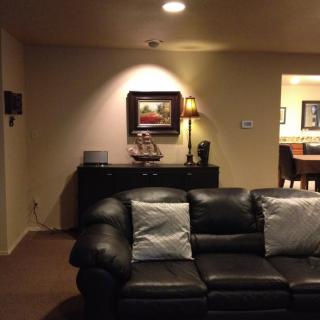
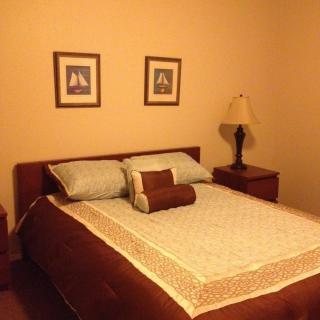
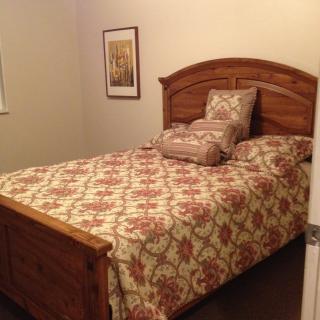
Royal Manor AFH is best suited for families seeking a nurse-led, homelike setting where medical oversight, nutrition, and social engagement are prioritized in equal measure. The on-site ownership by two registered nurses, along with a clearly nutrition-focused background, signals a commitment to medical supervision embedded in daily life. The environment is warm and intimate, with a dining-and-activities rhythm that invites residents to participate, dine with families, and move through a day that blends care with real companionship. For seniors who want a strong medical eye on their needs without surrendering the comforts of a true family-style home, this community presents a compelling option.
However, those who require ironclad, always-on safety protocols and consistently proactive crisis management may want to explore alternatives. The most serious criticisms center on safety and responsiveness during emergencies, paired with communications gaps about a resident’s condition. Reviewers describe a moment when a fall occurred and a rapid ambulance response did not happen, followed by a period of limited contact with the family and, in one account, a discharge that felt abrupt. These incidents underscore a risk profile that some families will not tolerate, especially when they place emphasis on transparent incident reporting and predictable, prompt reaction to medical needs.
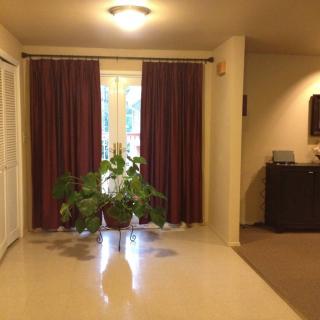
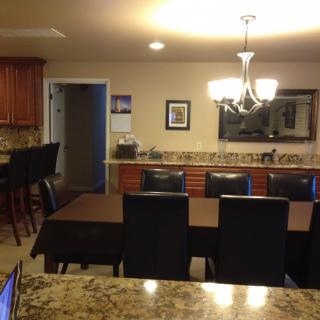
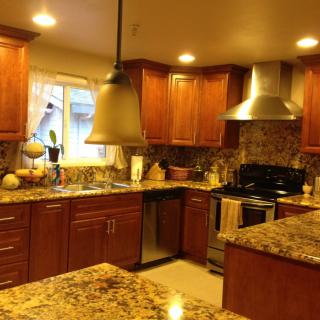
The strong points, competent staff, hands-on owners who operate the home with clinical confidence, and a genuine focus on nutrition and social vitality, do not vanish in the face of these concerns. The two RN owners on site are repeatedly cited as a major upsell, bringing medical knowledge, dietary planning, and a sense that residents are treated like family. The home-like layout, with multiple bathrooms, accessible design, personal sinks in rooms, and large shared spaces, supports daily activity and fosters regular interaction. The presence of a bus for outings and the opportunity for families to join meals or attend activities further enhances social connectedness, which is a meaningful counterbalance to medical risk for many seniors.
Yet the best-fit resident is someone who can thrive with high personal attention from a small team and who can tolerate the possibility that crisis response may hinge on the owner’s capacity. The critiques reflect real tensions between a close-knit, RN-led operation and the operational reality of limited staff resources. When a medical incident arises, the impression is that the response quality may depend on which staff member is available and how quickly the issue is escalated. For families prioritizing absolute consistency in emergency handling and 24/7 formal supervision, these trade-offs matter and can tip the decision toward a larger, more traditional facility with a steadier incident-management track record.
Alternatives to consider include other small AFHs or larger assisted-living communities that emphasize standardized safety protocols, transparent incident reporting, and predictable staffing patterns. If memory or higher-level clinical needs are a concern, or if social programming must be sustained without the risk of abrupt changes in care plans, exploring facilities with formal on-call doctors, dedicated crisis staff, or clearly published response times can offer peace of mind. For families seeking vigorous daily structure and a more nurse-led but less intimate setting, a facility with a more defined hierarchy and routine may be the better fit.
In the end, Royal Manor AFH stands out for those who want a warm, nutrition-forward, medically aware home where staff know residents by name and life stories and where family involvement is welcomed as part of daily life. The on-site RN leadership and engaging programming are strong magnets for health-conscious, socially oriented seniors. That said, rigorous due diligence is essential: verify current staffing levels, request concrete details on emergency protocols and response times, and speak directly with residents and families about how concerns are handled. For some, the benefits of on-site medical savvy and homey atmosphere outweigh the risks; for others, the safety and transparency requirements point toward a more traditional, larger-setting alternative.
 Board and Care Home
 Memory Care
 Cats allowed
 Dogs allowed
 Activities off-site
 Beautician on-site
 Indoor common areas
 Outdoor common areas
 Private
 Respite or short term stays offered
 Wheelchair accessible showers
 Diabetic care
 High acuity care
 Incontinence care
 Medication management
 Meals provided




 8 Key Indicators That Suggest It May Be Time to Transition from Assisted Living to Skilled Nursing Care
 Nourishing the Mind: Essential Dietary Approaches for Dementia
 Understanding Dementia Behaviors: Practical Insights and Strategies for Caregivers