
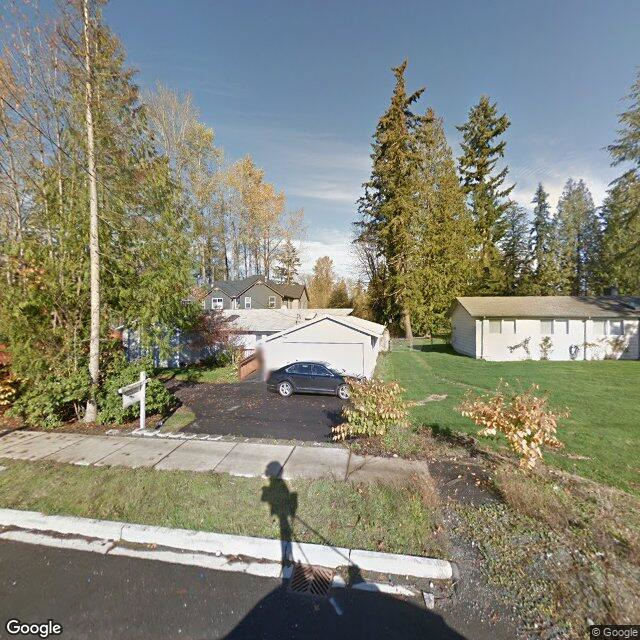
4105 212th Street SE, Bothell, WA 98021
To contact a resident: (425) 471-4519
For more information about senior living options: (866) 208-4318
Bothell Care Costs & Pricing
Bothell Care offers an appealing pricing structure for its residents, with monthly costs for both private rooms and one-bedroom accommodations set at $4,000. This pricing is notably competitive when compared to the average costs in Snohomish County, which are $4,834 for private rooms and $5,080 for one-bedroom units. Even on a broader scale, when considering the state averages in Washington - $4,772 for private rooms and $4,632 for one-bedroom options - Bothell Care demonstrates a commitment to affordability while maintaining quality care. This makes it an attractive choice for individuals seeking a supportive living environment without the burden of excessive costs.
| Floor plans | Bothell Care | Snohomish County | Washington |
|---|---|---|---|
| Private | $4,000 | $4,834 | $4,774 |
| 1 Bedroom | $4,000 | $5,080 | $4,634 |
Memory care communities with a similar price nearby
-
from -$500 / mo
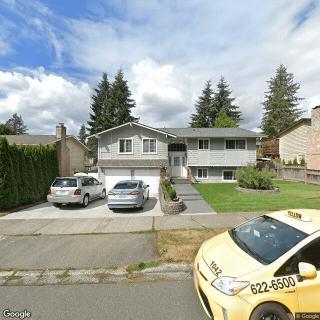
Dignity Life
$3,500 / month2.6 miles away -
from -$625 / mo

Evergreen Manor Senior Care Inc
$3,375 to $7,500 / month7.6 miles away -
About the same

Riverton Home Care
$4,000 to $5,000 / month23.4 miles away -
About the same
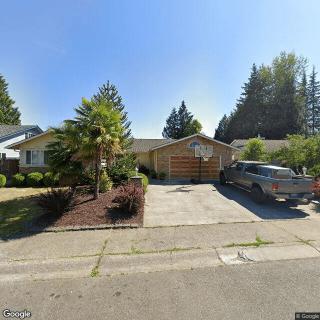
Gentle Care Home
$4,000 to $5,500 / month24.6 miles away -
from +$500 / mo

We Care Adult Family Home
$4,500 to $8,000 / month10.0 miles away
Overall Review of Bothell Care
Pros
 The nursing and therapy staff are amazing.
- The food is wonderful.
- Anna, an occupational therapist, enjoyed preparing meals with the patient.
- The staff were thoroughly impressive, even when short-handed.
- Mikel McKinnon was flexible and proactive in honoring requests for my mom’s well-being.
- Mom went from miserable to peppy and optimistic.
- Mom felt encouraged to engage with others and build relationships at Bothell Healthcare.
- Cameron Smith pushed mom to her limits and helped prepare her to return home.
- Bothell Health Care provides exceptional care with top-notch physical and occupational therapy, and a well-equipped gym.
- The nursing staff is wonderful and caring.
Cons
 The food is atrocious and portions are tiny.
- The therapy director is extremely rude and talks over family members when concerns about discharge are raised.
- Communication among staff is sorely lacking, with things forgotten between shifts and medications often not correct.
- The service is poor, with staff taking forever to respond to call lights and many nurses being unbelievably rude.
- The facility smells awful from the front door, and the meals have an old, expired taste.
- Showers are infrequent (only one shower in 3.5 weeks) and sponge baths are not provided, which is disturbing and unsanitary.
- There are reports of clothes being lost and not returned for over a week, and medicines sometimes given in the wrong amount.
- The reviewer suggests looking elsewhere and not to choose this facility.
Review
Bothell Care in Bothell, Washington is best suited for seniors who need skilled post-acute rehabilitation and value a hands-on, outcomes-oriented therapy program over resort-style amenities. The community shines when the goal is to restore independence through physical and occupational therapy, with a clear path back home after a hospital stay or a mini-stroke recovery. Families will find the staff relentlessly proactive, and the environment developed to encourage engagement and social connection rather than isolation. It is particularly appropriate for residents who respond well to structured therapy, consistent accountability, and a culture that treats progress as a shared mission. Those whose priority is robust rehab services near familiar community anchors will tend to see strong alignment here.
Altogether, Bothell Care may not be the best fit for residents who expect flawless daily operations and gourmet dining in equal measure. Those who cannot tolerate inconsistent meal quality, limited dietary variety, or signs of sanitation lapses may want to consider alternatives. Caregivers seeking pristine communication across shifts should probe whether the staff handoff and medication management routines have improved since past concerns were raised. Families who require a consistently quiet, orderly dining room and a facility with uniformly responsive front-line staff may find the experience uneven. In short, the community remains capable, but it is not ideal for those with rigid expectations in food, daily oversight, and frictionless service.
On the positive side, the standout strength lies in therapy and the dedicated providers who guide recovery. Physical and occupational therapy teams are repeatedly described as competent, motivated, and able to push residents toward meaningful gains, with seven-day-a-week therapy at times and a gym that supports intensive work. Discharges home after ambitious rehab goals, sometimes after 40 days, underscore real, trackable progress. Remarks highlight clinicians who go beyond the call of duty: staff members who advocate for the patient, adapt plans quickly, and foster social reintegration into the community. The ownership and frontline personnel often convey genuine care, and the facility’s culture emphasizes camaraderie, resilience, and real-world recovery rather than mere residence.
However, serious caveats appear in several reviews. Food quality emerges as a frequent sore point, with accounts of bland menus, small portions, restricted diets not always respected, and occasional dairy gaps that worsen nutritional intake. Communication gaps across shifts and occasional delays in assistance or response to call lights create a sense of fragility in daily operations. A handful of patients report rough edges in management, with at least one therapy director described as difficult, and others recount incorrect medication handling or unsanitary lapses like limited personal care before showers. The reality of staffing pressures, common in Medicaid-funded facilities, appears in these critiques as a headwind to consistently flawless service and smooth daily routines.
Yet these cons do not erase the tangible benefits from the core mission. The strong therapy program and compassionate front-line staff often translate into measurable gains and a sense of progress that families can trust. The ability to coordinate discharge planning toward home, even when insurance hurdles arise, and the willingness of certain staff to stay engaged with families during the transition are meaningful offset factors. When meals and daily housekeeping fall short, the positive impact of skilled rehab and the personal investment of caregivers can still drive a favorable outcome. For families with flexible expectations and a priority on rehab triumphs, Bothell Care offers a credible, practical path back to independence.
Decision-makers should approach Bothell Care with a clear plan: evaluate rehab goals, tour the facility, and speak with the therapy team about weekly progress benchmarks and discharge timelines. Probe the current state of dining services and menu options, request transparent communication protocols across shifts, and ask how medication safety is monitored day-to-day. If recovery potential and social engagement are the top criteria, this community often delivers results that justify a stay, complemented by a leadership ethos that genuinely cares for residents as if they were family. However, for families prioritizing dining quality, rigid daily routines, or consistently flawless operations without gaps, exploring alternatives remains prudent. Careful, comparative due diligence will reveal whether Bothell Care aligns with the specific trajectory and values of the elder and the household.
 Board and Care Home
 Memory Care
 Cats allowed
 Dogs allowed
 Activities off-site
 Indoor common areas
 Outdoor common areas
 Private
 Private bathrooms
 Respite or short term stays offered
 Wheelchair accessible showers
 Ambulatory care
 Diabetic care
 High acuity care
 Incontinence care
 Medication management
 Kosher
 Christian services







 8 Important Indicators That Memory Care May Be Necessary
 Delving into the Inner World of Dementia: Insights into Thoughts and Awareness
 Five Subtle Dementia Indicators to Observe: An In-Depth Guide to Understanding “Does My Mom Have Dementia?”