
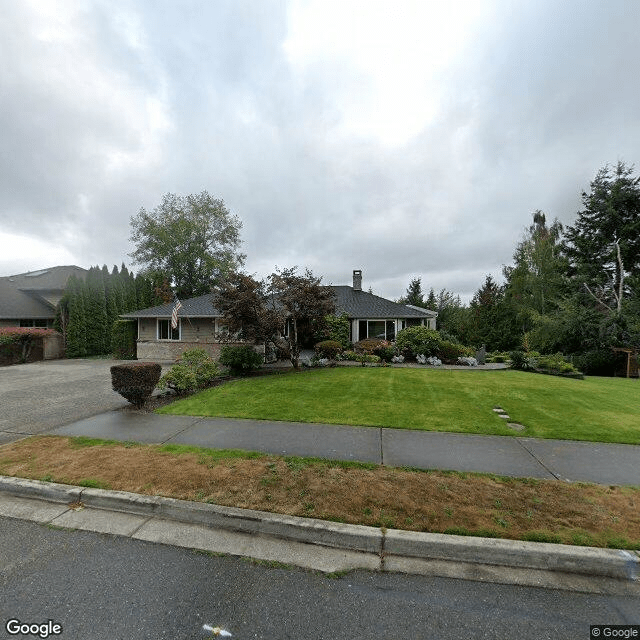
19710 24th Dr. SE, Bothell, WA 98012
To contact a resident: (425) 415-7184
For more information about senior living options: (866) 208-4318
Bothell Park Manor Costs & Pricing
At Bothell Park Manor, the monthly costs for private and one-bedroom accommodations are set at $6,900. This rate significantly exceeds both the average costs in Snohomish County, which stands at $4,834 for a private room and $5,080 for a one-bedroom unit, as well as the overall averages across Washington state, where the figures are $4,772 and $4,632 respectively. While Bothell Park Manor offers premium services and amenities that may justify its higher price point, it is important for potential residents to carefully consider their options in relation to local market rates.
| Floor plans | Bothell Park Manor | Snohomish County | Washington |
|---|---|---|---|
| Private | $6,900 | $4,834 | $4,774 |
| 1 Bedroom | $6,900 | $5,080 | $4,634 |
Memory care communities with a similar price nearby
-
from -$400 / mo
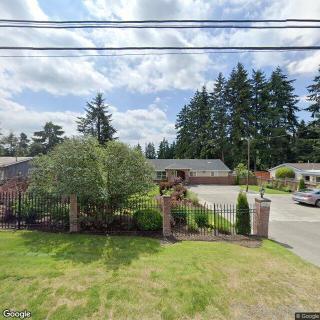
The Promised Land
$6,500 / month3.2 miles away -
from -$900 / mo
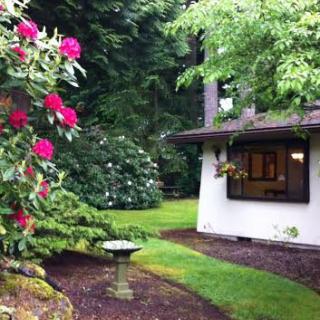
Home Away From Home LLC
$6,000 to $7,000 / month6.2 miles away -
from -$900 / mo
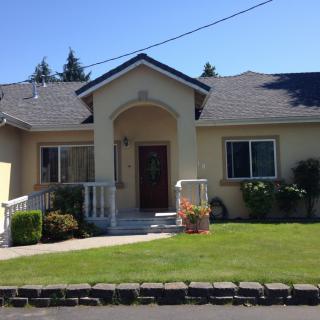
Elderly Home Care
$6,000 to $8,000 / month5.7 miles away -
from -$1150 / mo

Fieldstone Rolling Bay and Fieldstone Memory Care
$5,750 to $8,895 / month17.7 miles away -
from +$1000 / mo
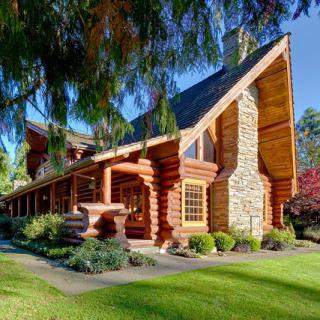
Caring Cabin Manager, LLC
$7,900 to $9,000 / month2.5 miles away
Overall Review of Bothell Park Manor
Pros
 The staff at Bothell Park Manor clearly care for residents and help them form meaningful friendships.
- Bothell Park Manor provides excellent care for residents with dementia, including attentive skin care and regular turning to prevent pressure sores.
- Meals are home-cooked and enjoyed by residents, with social dining in the dining room.
- The caregiver-to-resident ratio is excellent, enabling attentive, one-on-one care.
- The facility is quiet, clean, well-lit, with attractive landscaping and a pleasant atmosphere.
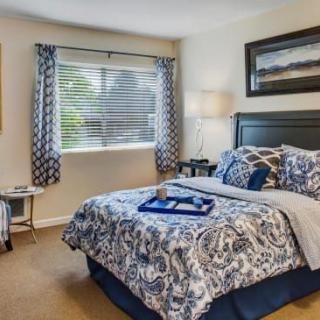
- Each resident has a private room and can personalize it, contributing to a homey, open environment.
Cons
 The only activity provided is TV.
- Sometimes the food is overcooked.
Review
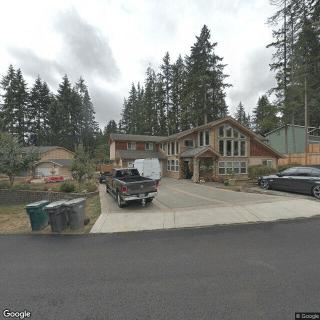
Bothell Park Manor in Bothell, Washington is best suited for families seeking an intimate, compassionate setting where a loved one can receive attentive, hands-on care without the structure of a large campus. The community shines for residents facing dementia or mobility limitations who profit from steady caregiver contact, a home-like atmosphere, and regular opportunities for family involvement. Private rooms, straightforward routines, and a quiet, clean environment create a sense of security that helps families breathe easier. Proximity to family matters here, with frequent visits and easy caregiver drop-ins, making it a practical, low-friction option for long-term care that prioritizes human connection over a hospital-like feel.
Those seeking a broader menu of daily activities, a more structured activity calendar, or higher levels of skilled medical oversight may want to consider alternatives. Several reviewers note that programming centers on residential life and mealtime socializing rather than on a full slate of rehab classes or enrichment outings. If a loved one requires intensive therapy, specialized memory-care programming, or 24/7 on-site nursing oversight, Bothell Park Manor is unlikely to replace a larger assisted living or dedicated memory-care facility. Families aiming for frequent excursions, diverse art or music programming, or hospital-style oversight should look at other options.
Yet the core strengths are substantial and frequently decisive in real-world care. Staffing ratios, often two or three caregivers for six residents, translate into meaningful one-on-one attention, quick responsiveness, and a sense of safety during transfers and routine tasks. Dementia care is described as compassionate and consistent, with skin checks and turning schedules that fit heavy dependence. Meals are cooked in-house and served in the dining room, supporting social interaction and a sense of normalcy at mealtimes. Private rooms that residents can decorate preserve dignity and identity, while the house’s open, light-filled design and outdoor space reduce the sense of confinement. Even as dependence increases and costs rise, families often feel the value remains reasonable.
Mobility and recovery trajectories show up in several accounts. One resident moved from bed-bound status to standing with a walker thanks to attentive staff and targeted physical therapy. Another reflects a rehab approach that emphasizes real-time coaching with ample staff support, reinforcing progress. While a few meals are occasionally overcooked, the overall kitchen quality remains strong and dependable. The environment, private rooms, a home-like floor plan, and a covered back porch, supports a calm, predictable routine that benefits residents who thrive on consistency and familiarity.
For families deciding whether this community is the right match, the decision is clear. Bothell Park Manor stands up well for those prioritizing proximity to loved ones, a calm domestic setting, and dependable caregiver attention that can adapt to dementia or post-acute recovery. It is less well-suited for those seeking a rigorously programmed day, intensive medical monitoring, or highly specialized clinical therapies on-site. To gauge fit, focus on the current staffing model, the availability of physical therapy, meal flexibility, and how private rooms can be customized to reflect personal history and preferences.
The practical next steps involve a focused visit to observe caregiving dynamics, speaking with staff about care plans for dementia and mobility goals, and confirming how costs may evolve as needs change. If choosing Bothell Park Manor, request a clear escalation plan, review daily routines, and verify family involvement opportunities during meals and activities. For families still weighing options, compare nearby communities that offer broader activity programs or dedicated memory-care tracks. Across all considerations, the demonstrated warmth and consistent, attentive care in a home-like setting provide a solid foundation for an informed, confident choice.
 Board and Care Home
 Memory Care
 Diabetic care
 How and When Medicaid May Cover Assisted Living Costs
 A Detailed Exploration of Assisted Living Medicaid Waivers Across the United States
 Exploring the Contrasts Between Assisted Living and Skilled Nursing