
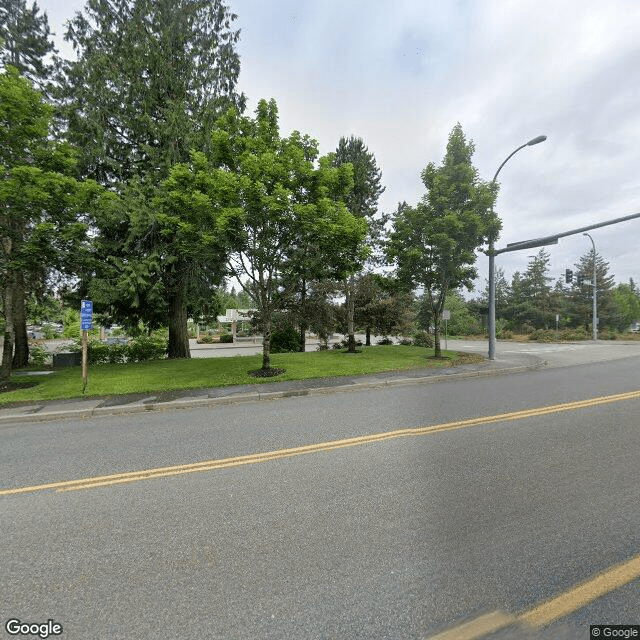
PO BOX 7863, Bonney Lake, WA 98391
To contact a resident: (253) 826-6070
For more information about senior living options: (866) 208-4318
Bonney Lake Adult Family Home LLC Costs & Pricing
Bonney Lake Adult Family Home LLC offers competitive pricing for its services, particularly when compared to the prevailing costs in Pierce County and the broader Washington state market. For semi-private accommodations, residents pay $3,000 per month, significantly lower than the county average of $4,264 and the state average of $4,267. In terms of private rooms, Bonney Lake maintains a cost-effective rate of $4,000, which is more affordable than both Pierce County's average of $4,623 and Washington's state average of $4,772. Additionally, their one-bedroom units are available at $5,000 per month - a figure that remains reasonable against the county's average of $4,456 and the state's average pricing of $4,632. Overall, Bonney Lake Adult Family Home LLC provides valuable options that can help families find quality care while managing their budgets effectively.
| Floor plans | Bonney Lake Adult Family Home LLC | Pierce County | Washington |
|---|---|---|---|
| Semi-Private | $3,000 | $4,264 | $4,272 |
| Private | $4,000 | $4,623 | $4,774 |
| 1 Bedroom | $5,000 | $4,456 | $4,634 |
Memory care communities with a similar price nearby
-
About the same
Hummingbird Homecare
$3,000 / month6.4 miles away -
About the same
Home Care in Kent Inc.
$3,000 to $3,500 / month14.6 miles away -
from +$500 / mo

Twin Lakes Haven Adult Family Home
$3,500 to $8,000 / month12.8 miles away -
from -$500 / mo
Freedom Care
$2,500 to $3,000 / month18.8 miles away -
from +$500 / mo
Ahadi Care Adult Family Home
$3,500 to $4,000 / month4.5 miles away
Overall Review of Bonney Lake Adult Family Home LLC
Pros
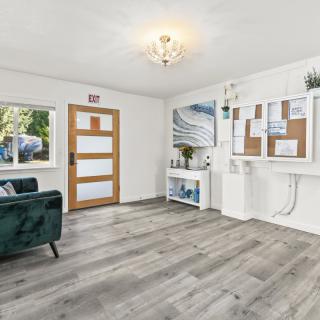
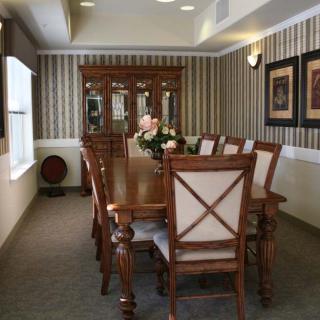
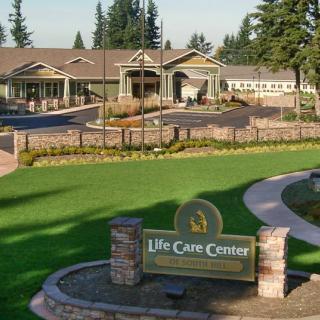
 The facility is crazy beautiful and nicely decorated.
- It was initially one of the loved one's top choices.
- It is very close to family and provides everything she needs.
- She felt very comfortable and believed it would be a great fit.
Cons
 The loved one decided it wasn't a good fit.
Review
Bonney Lake Adult Family Home LLC is best suited for seniors who want a small, residential, home‑like setting with a careful eye for comfort and personal attention. The property leans into warmth and charm, with tasteful decor that can make a resident feel settled quickly. It works well for families who need frequent proximity to loved ones, since the home’s footprint and routine are naturally oriented toward close contact and ongoing involvement. In practice, this setting rewards residents who flourish with routine, meaningful caregiver relationships, and a low‑noise, intimate environment. The key caveat is that beauty and coziness must be matched by adequate care resources to fit the individual medical and daily living needs.
Those who require robust clinical oversight, specialized memory care, or a broad menu of on‑site activities in a larger, more structured community may want to consider alternatives. This type of home typically delivers strong, personal attention but with a smaller team and fewer high‑demand services. For residents who rely on 24/7 skilled nursing, complex medication management, or highly scheduled programming, the scale and resources of a larger facility may prove more reliable. Prospective families should also account for personal preferences around privacy, pace, and social exposure; if the plan is constant, continuous engagement across a wider calendar, a bigger community could be preferable.
On the upside, the strongest draws are the instant warmth of the setting and the way decorating and homelike details translate into emotional comfort. The space has the feel of a carefully curated home, not a sterile institution, and that tone helps reduce stress for residents and families alike. Proximity to family is a practical upside: visits can be frequent, routines can be synchronized with loved ones, and caregivers tend to know the resident’s preferences well. First impressions from tours suggested potential as a top choice, signaling strong alignment with aesthetic expectations and personal comfort. A resident who prioritizes direct, personal contact with staff and a peaceful, conventional daily rhythm will likely settle quickly here.
Yet the experience may not suit everyone, and the main risk is fit rather than facility quality. One reviewer started with high enthusiasm about the ambiance but ultimately concluded the setting was not the right match for her loved one’s care needs or personality. That caveat matters: beauty and calm cannot substitute for the specific daily living supports required. The compact, resource‑lean structure can limit scheduling breadth, specialized programming, or immediate access to more intensive medical care. Families should weigh how long a resident can stay within the home's service envelope before transitions or escalations become necessary. The takeaway is clear: a strong first impression must be tested against real‑world care demands during extended, varied visits.
Decision‑making should center on a structured evaluation rather than a single tour. Prospective families are advised to arrange multiple visits, observe how staff interact with residents, and ask detailed questions about medication management, emergency response, and daily routines. Verifying licensing, staffing patterns, and the ability to accommodate memory care or mobility limits matters greatly. Clarify meal options, housekeeping, transportation, and opportunities for social engagement to see whether the calendar aligns with the resident’s interests. In addition, assess how closely care plans can be customized, how family can participate in care decisions, and what happens if needs intensify. The more precise the plan, the less risk of a mismatch at the wrong moment.
Bottom line: for families prioritizing a home‑like atmosphere, close family involvement, and a calm, personalized caregiving dynamic, Bonney Lake Adult Family Home LLC can be an excellent match, provided the resident’s needs stay within the home’s care envelope and the match on personality and daily rhythm remains strong. For seniors who require significant clinical oversight, specialized memory care, or a busier social calendar, alternatives with larger staffs and broader services are worth exploring. The decisive factor is whether the resident's daily living expectations align with what the home routinely delivers. When that alignment exists, the setting offers comfort, consistency, and a meaningful sense of belonging that can translate into better wellbeing and steadier routines.
 Board and Care Home
 Memory Care
 Cats allowed
 Dogs allowed
 Activities off-site
 Bath tubs
 Devotional services off-site
 Indoor common areas
 Outdoor common areas
 Private
 Respite or short term stays offered
 Seattle-Tacoma International (20 miles away)
 Diabetic care
 High acuity care
 Incontinence care
 Medication management
 Meals provided
 Christian services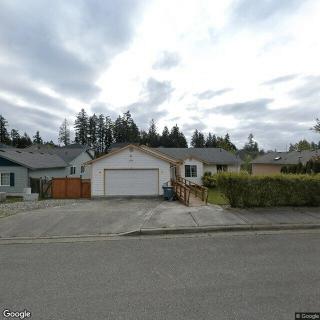

 A Detailed Exploration of Assisted Living Medicaid Waivers Across the United States
 Exploring the Contrasts Between Assisted Living and Skilled Nursing
 Vibrant Senior Living: A Comprehensive Guide for Active Older Adults