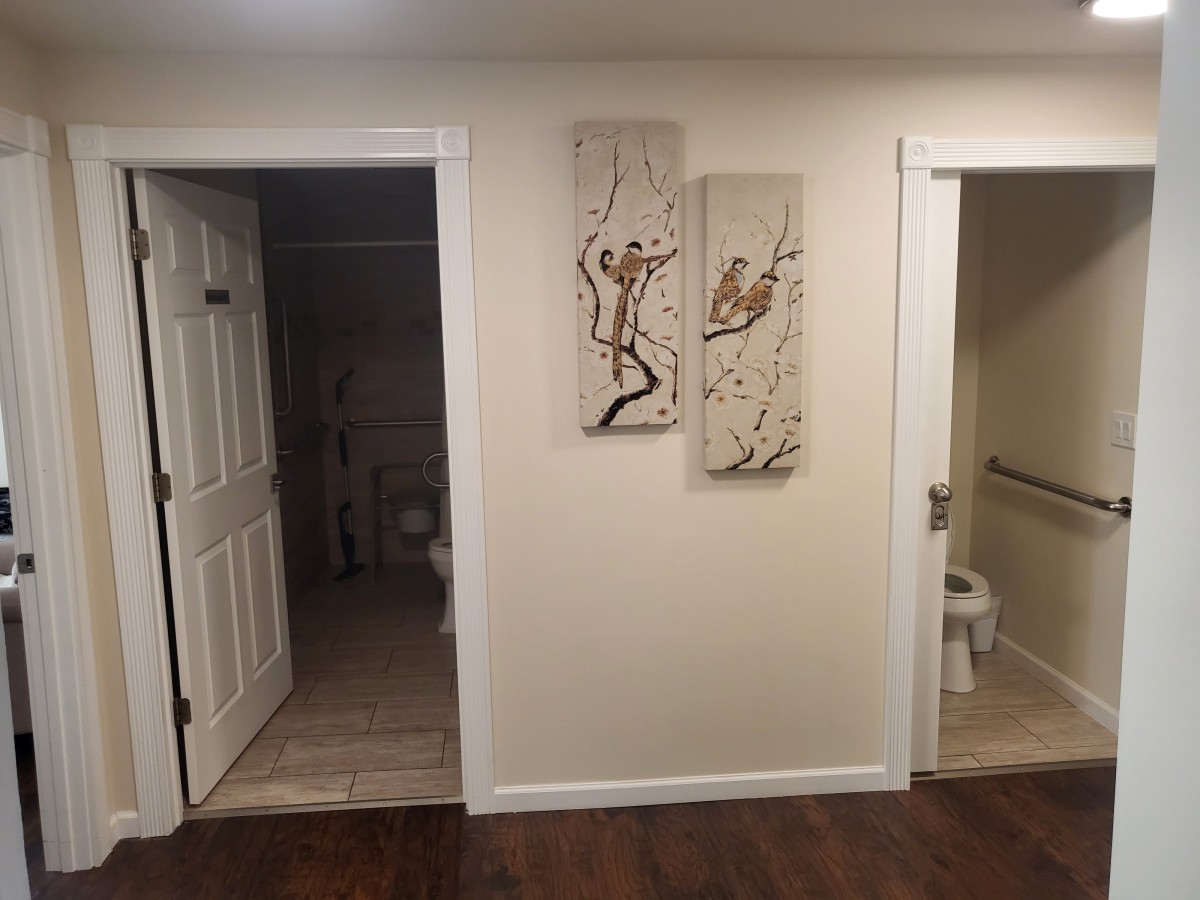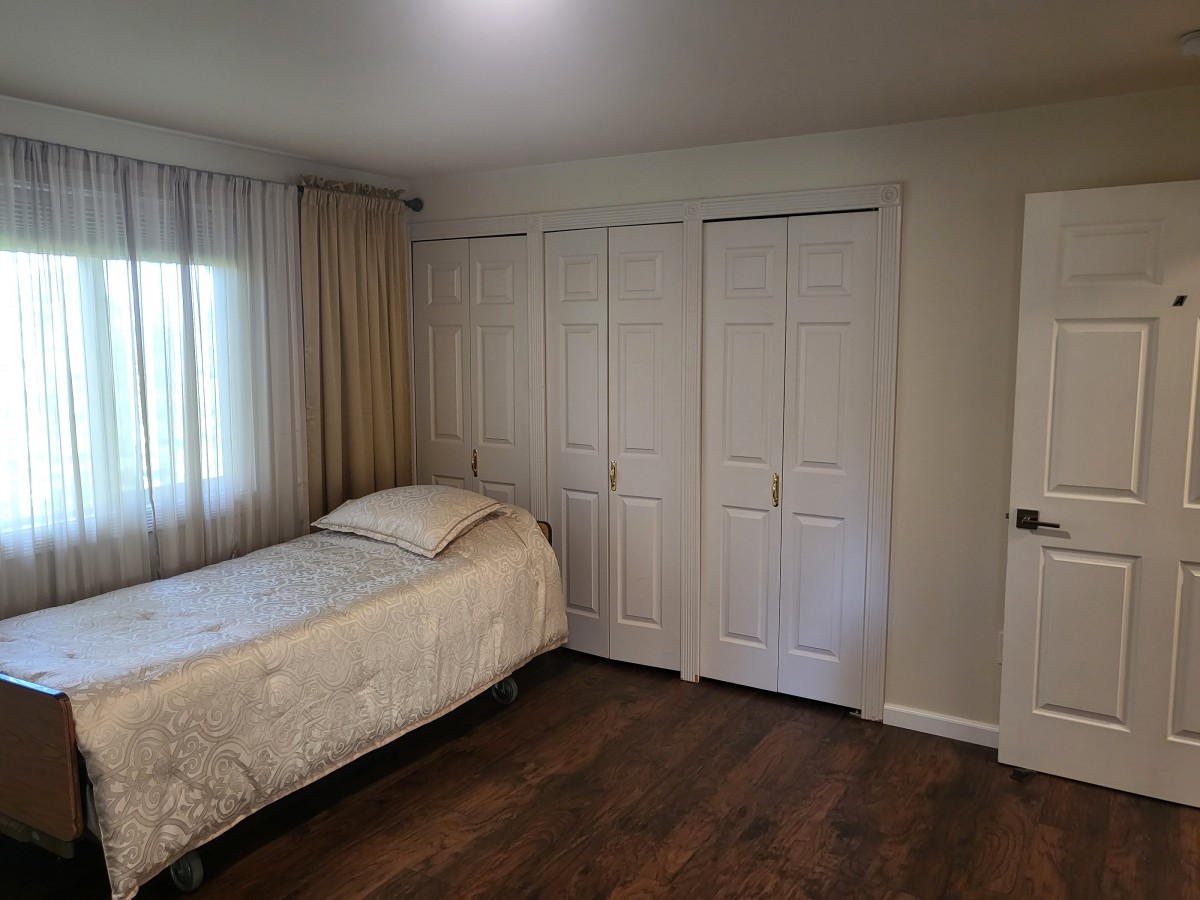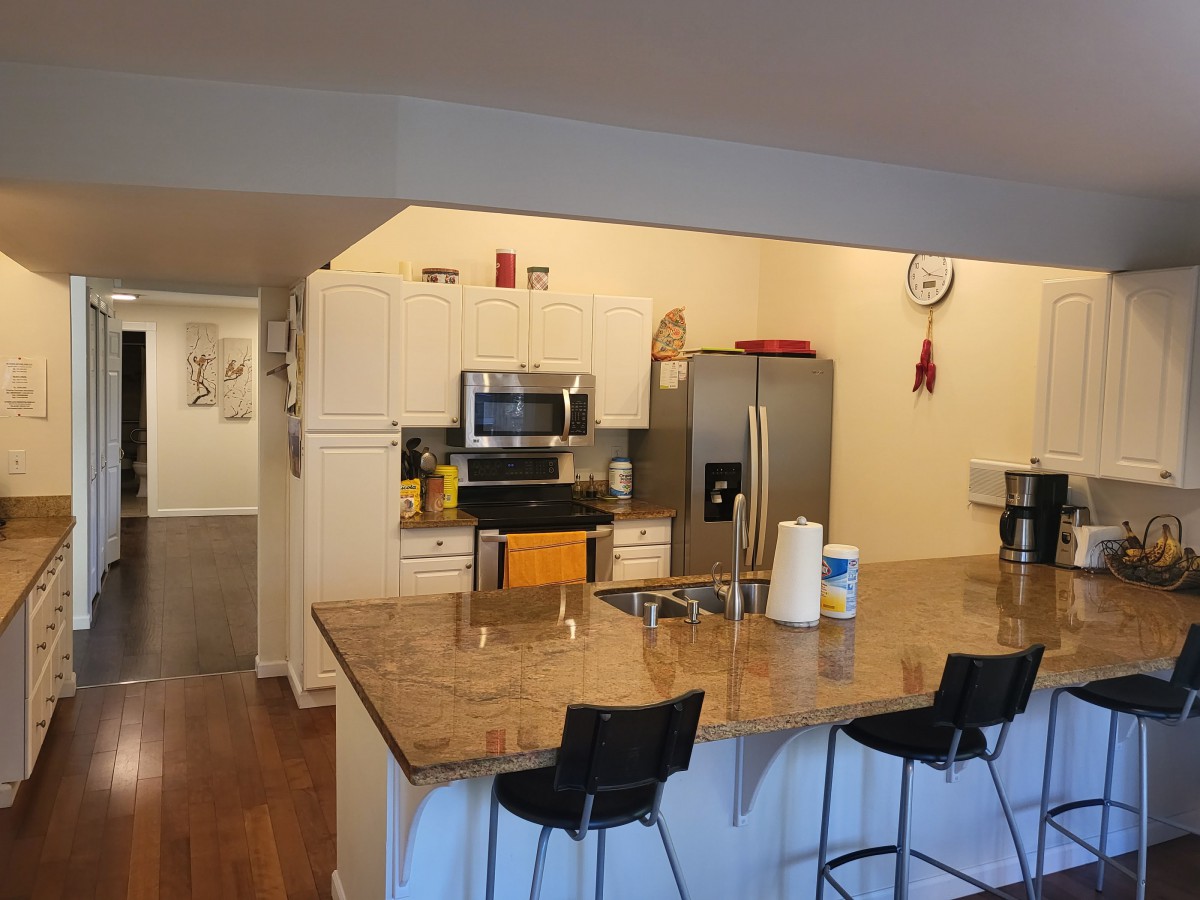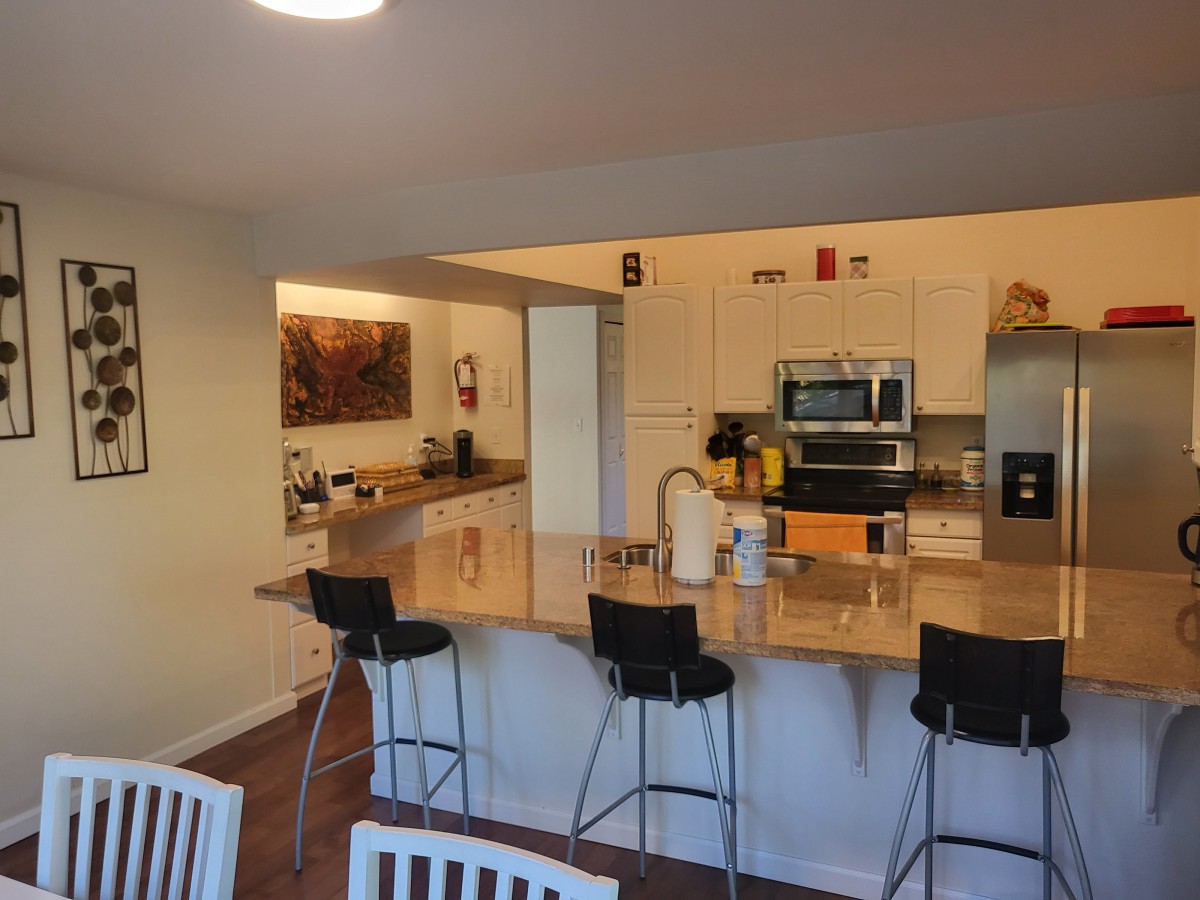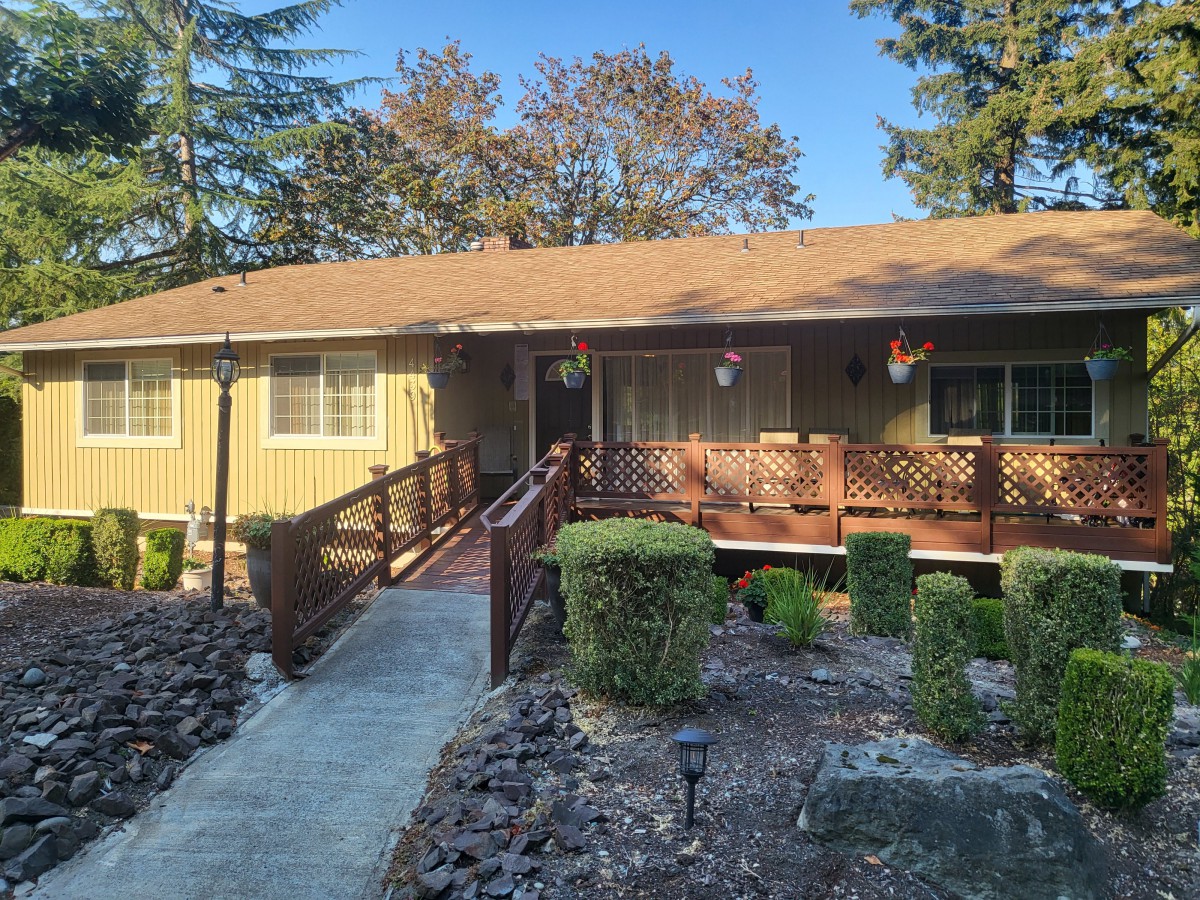
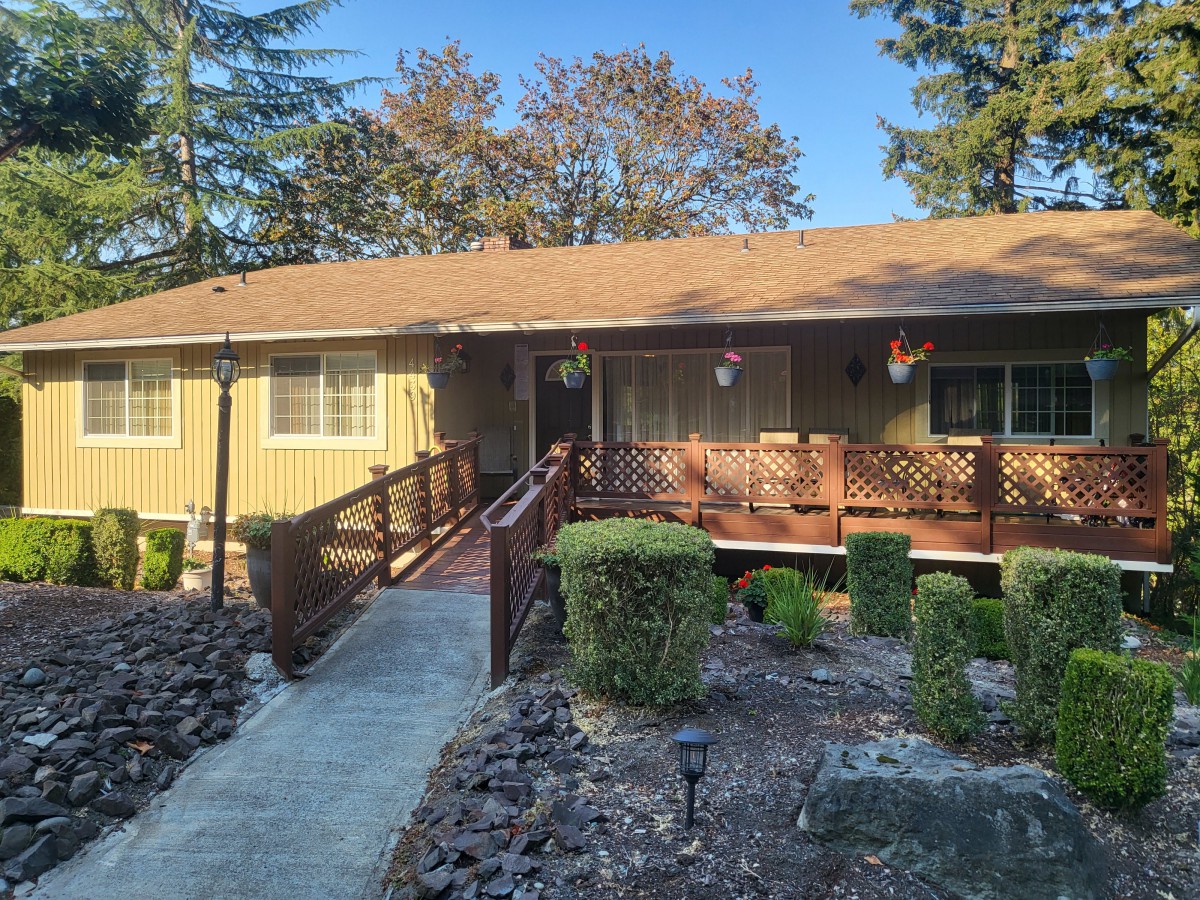
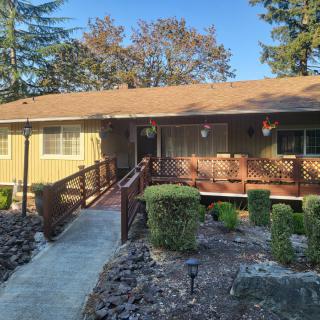
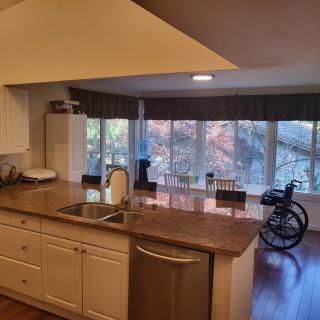
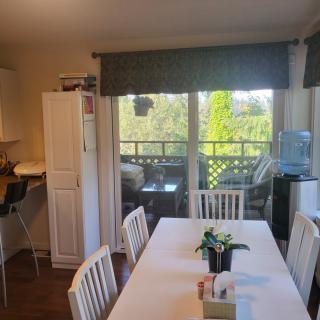
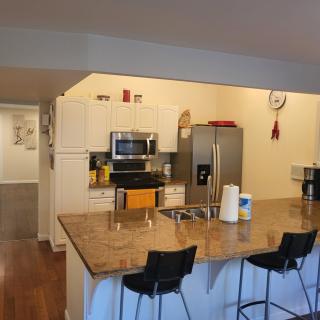
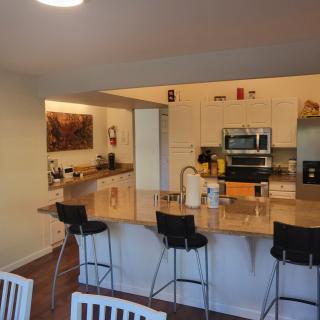
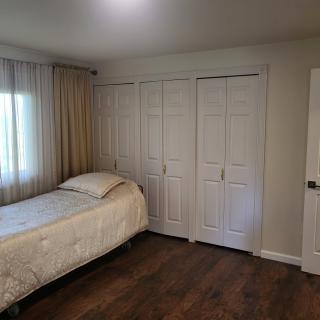
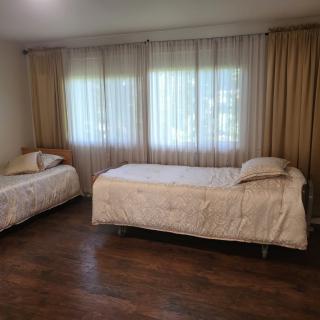
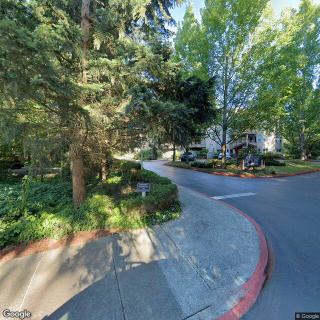
4439 153rd Ave SE, Bellevue, WA 98006
To contact a resident: (425) 562-2672
For more information about senior living options: (866) 208-4318
In Home Loving Care LLC Costs & Pricing
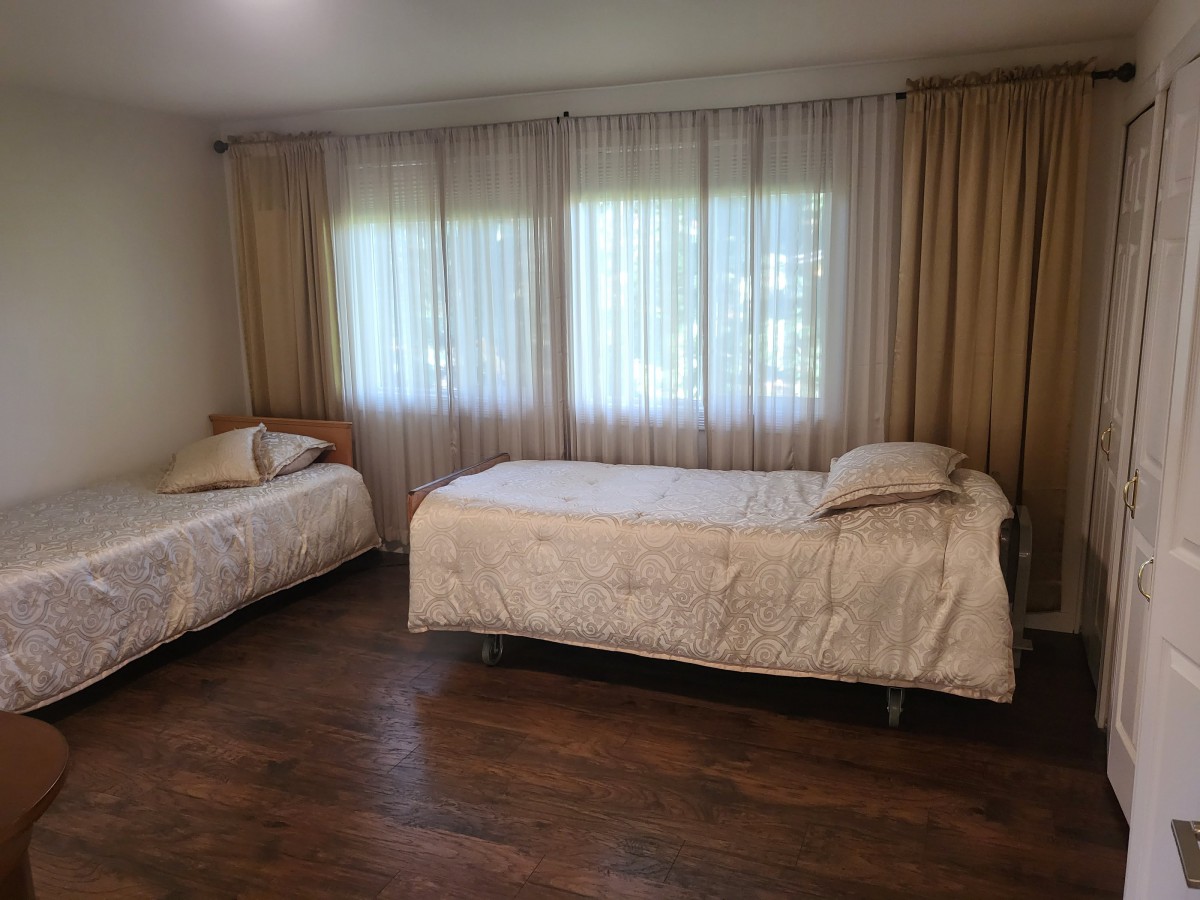
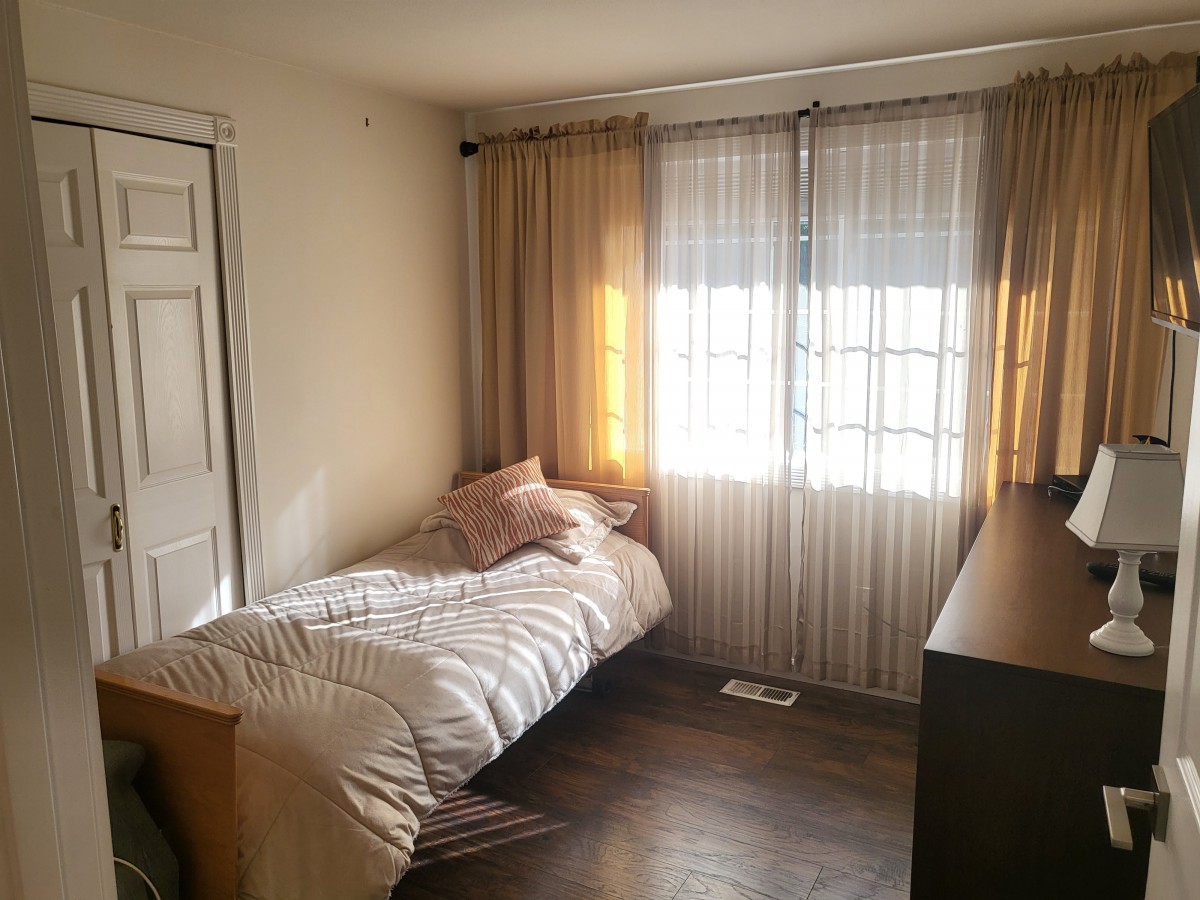
In Home Loving Care LLC offers competitive pricing for its services across various room types, reflecting a commitment to quality care tailored to individual needs. For a one-bedroom setup, the cost stands at $6,000 per month, which is notably higher than both King County's average of $5,127 and Washington state's average of $4,632. The same monthly fee applies for private accommodations, where it also surpasses local and state averages - $5,034 in King County and $4,772 statewide. Even in semi-private settings, In Home Loving Care LLC maintains a consistent rate of $6,000 compared to King County's $4,430 and Washington's overall average of $4,267. This pricing structure reflects not only the premium experience offered but also positions In Home Loving Care LLC as an option for families seeking dedicated in-home assistance in an increasingly competitive market.
| Floor plans | In Home Loving Care LLC | King County | Washington |
|---|---|---|---|
| 1 Bedroom | $6,000 | $5,127 | $4,634 |
| Private | $6,000 | $5,034 | $4,774 |
| Semi-Private | $6,000 | $4,430 | $4,272 |
Memory care communities with a similar price nearby
-
from +$500 / mo
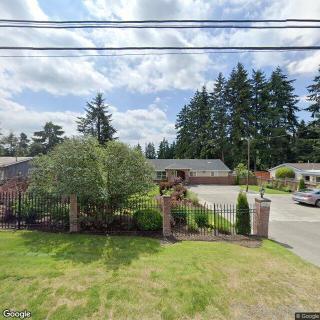
The Promised Land
$6,500 / month15.6 miles away -
About the same
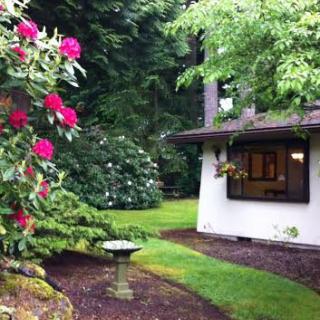
Home Away From Home LLC
$6,000 to $7,000 / month22.1 miles away -
About the same
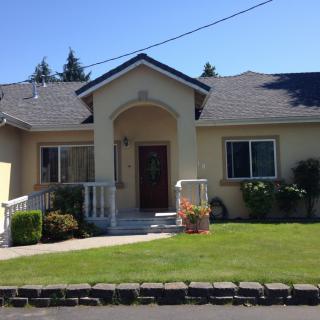
Elderly Home Care
$6,000 to $8,000 / month12.5 miles away -
from -$250 / mo
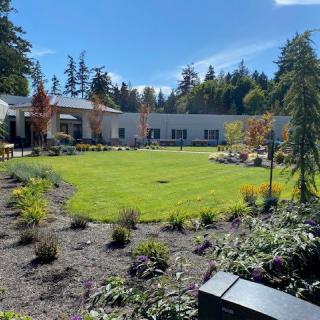
Fieldstone Rolling Bay and Fieldstone Memory Care
$5,750 to $8,895 / month18.3 miles away -
from -$500 / mo

Twin Lake Adult Family Home
$5,500 to $6,500 / month21.2 miles away
Overall Review of In Home Loving Care LLC
Pros
 The owners of this beautiful home are very good at their job.
- Raluca is a Registered Nurse, which provides residents with added peace of mind.
- Raluca provides high-quality care for her residents, reflecting well on all AFHs.
- Raluca is willing to share her knowledge and help other Adult Family Homes to improve care.
- Raluca is a positive example in the long-term care community; keep up the good work.
Cons
 There are no negative statements in the reviews.
Review
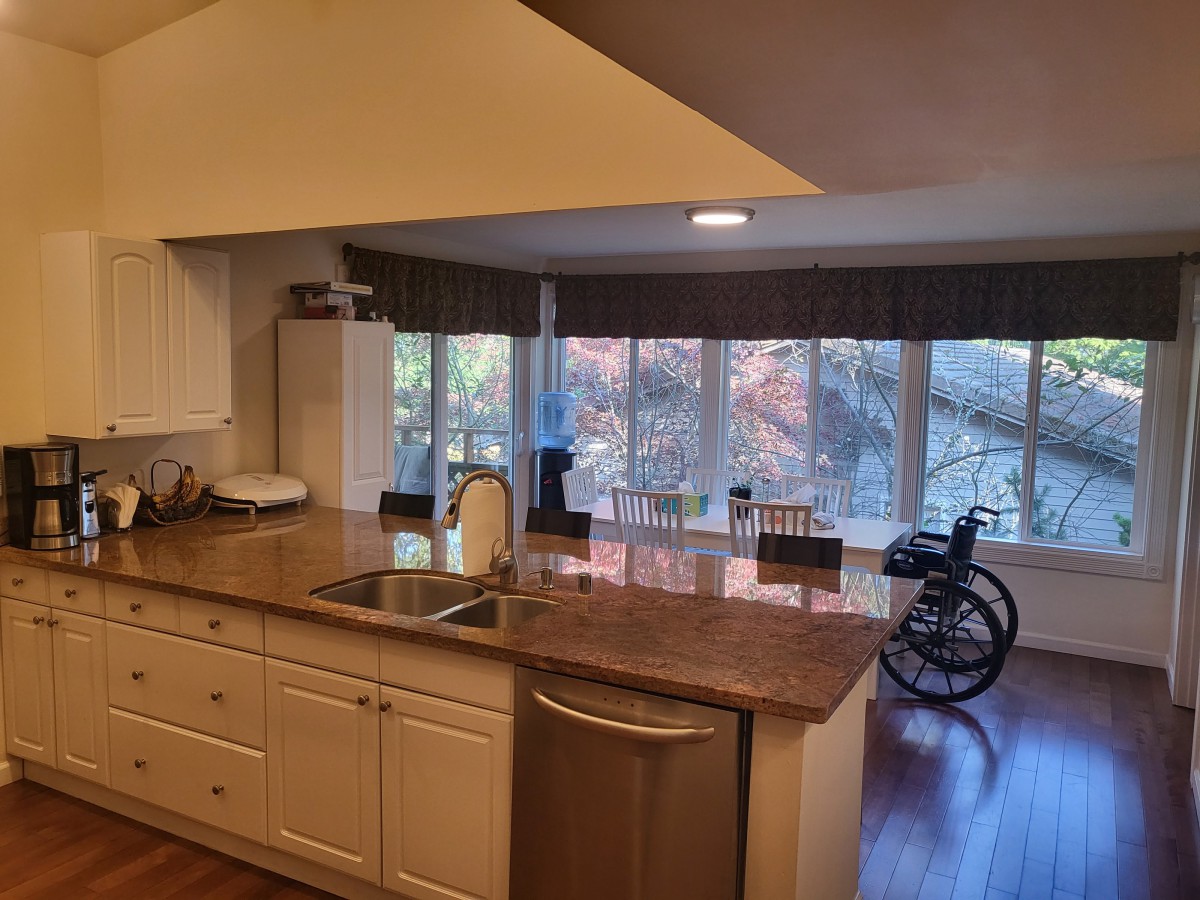
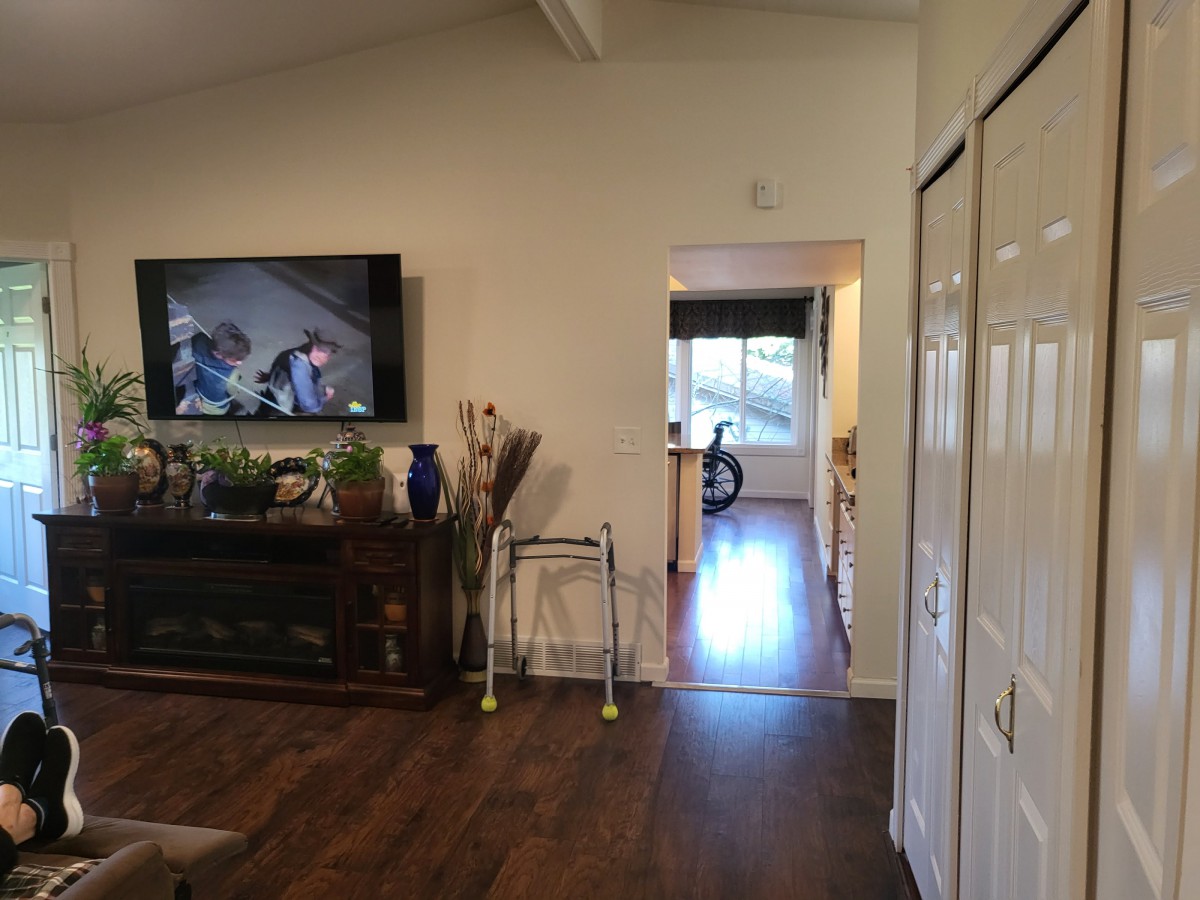
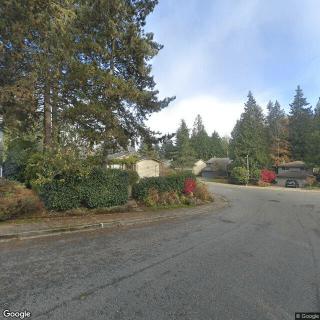
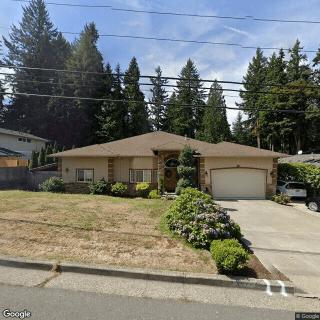
This Bellevue community is best suited for families seeking an intimate, home-like setting where care is guided by a registered nurse and the owner is actively involved. It works well for residents who value consistent routines, highly personalized attention, and a caregiver-led culture rather than a large institutional feel. The environment is small, hands-on, and directly connected to leadership, which translates into dependable day-to-day care and a sense of community that is often hard to find in bigger facilities.
The strongest advantages revolve around medical vigilance and leadership. Raluca’s nursing background provides clear clinical oversight, giving families confidence that health issues will be recognized and addressed promptly. The owners’ hands-on involvement signals stability and accountability, and the level of care is described as high and attentive. There is a notable willingness to share knowledge and mentor other adult-family-home operators, which reflects a commitment to raising care standards locally. This leadership creates a culture where staff and residents develop meaningful, lasting relationships, and where accountability is visible in daily operations.
These pros offset the natural trade-offs of a smaller AFH model. A home-based setting tends to offer less breadth in staff, fewer on-site amenities, and a narrower slate of organized activities than larger communities. Yet the direct medical oversight and intimate staff-to-resident contact mitigate these gaps in a way that matters most to families: reliable supervision, transparent communication, and rapid adaptation to changing health needs. In practice, those elements reduce the uncertainty that often accompanies senior care, because decisions hinge on a stable, nurse-led framework rather than on rotating, larger-team dynamics.
Still, prospective residents should consider who might want alternatives. Families seeking extensive on-site medical services, a broad menu of specialized therapies, or a campus with dozens of daily activities may find a larger facility better aligned with those expectations. The positive counterpoint is that personal attention tends to be more concentrated here, which often translates into consistent routines and a felt sense of "home." The potential limitation is simply that there are fewer moving parts to manage, which may leave some families feeling the environment is too small or too focused for their broader social or medical programming desires.
For those evaluating this option, approach visits with a focused, practical checklist. Confirm the nurse’s exact role, hours, and on-call coverage to understand how medical issues are managed after hours. Review how care plans are developed, updated, and shared with families, and ask about staffing ratios and contingency plans for caregiver absences. Seek transparency on pricing, meal plans, and activity opportunities, and inquire how the home coordinates with outside medical providers when health needs evolve. Meeting potential direct caregivers can reveal how resident preferences are honored day to day, and observing how daily routines unfold offers a live sense of the home’s warmth and responsiveness.
In the end, this Bellevue community stands out for families who prize an intimate, nurse-led care environment inside a true home setting. The combination of proactive ownership and clinical oversight yields a reliability quotient that is hard to match in larger operations. Those who must have expansive programming or high-volume medical resources should cautiously compare alternatives; but for residents who value consistency, quick access to medical insight, and deeply personal attention, the path here is clear: prioritize the human touch, and the medical confidence follows naturally.
 Board and Care Home
 Memory Care
 Cats allowed
 Dogs allowed
 Private
 Seattle-Tacoma International (11 miles away)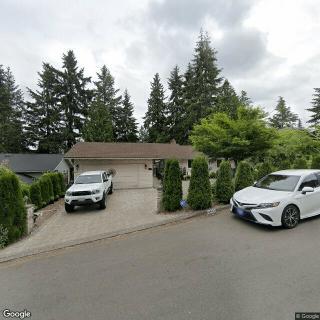
 Understanding Dementia Through Its Seven Stages: A Comprehensive Look at Progression and Expectations
 Safeguarding Your Memory Through the Golden Years: Eight Ways to Preserve Cognitive Health
 Comprehensive Insights into Activities of Daily Living (ADLs) and Their Assessment