
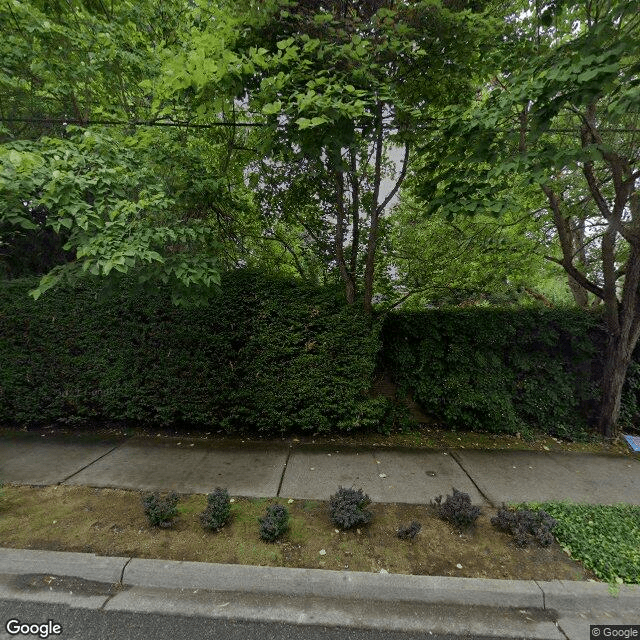
505 140th Avenue Southeast, Bellevue, WA 98005
To contact a resident: (206) 920-0505
For more information about senior living options: (866) 208-4318
Bellevue Heights Adult Family Home Costs & Pricing
Bellevue Heights Adult Family Home offers competitive pricing for its residents, especially when compared to the broader market in King County and the state of Washington. For both studio and private rooms, Bellevue Heights maintains a monthly cost of $3,500, which is significantly lower than the average rates in King County, where studio accommodations typically run at $4,464 and private rooms reach up to $5,034. In comparison to statewide averages of $4,126 for studios and $4,772 for private rooms, Bellevue Heights provides an attractive option for those seeking quality care without compromising on comfort. This pricing structure not only reflects a commitment to affordability but also positions Bellevue Heights as a compelling choice within the region's adult family home landscape.
| Floor plans | Bellevue Heights Adult Family Home | King County | Washington |
|---|---|---|---|
| Studio | $3,500 | $4,464 | $4,128 |
| Private | $3,500 | $5,034 | $4,774 |
Memory care communities with a similar price nearby
-
About the same
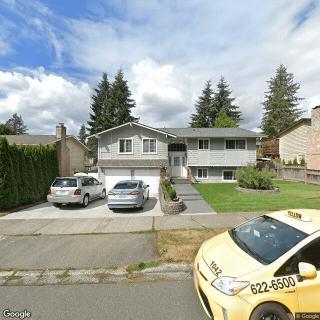
Dignity Life
$3,500 / month16.3 miles away -
from -$125 / mo
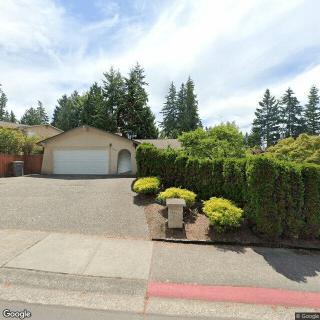
Evergreen Manor Senior Care Inc
$3,375 to $7,500 / month6.3 miles away -
from -$500 / mo
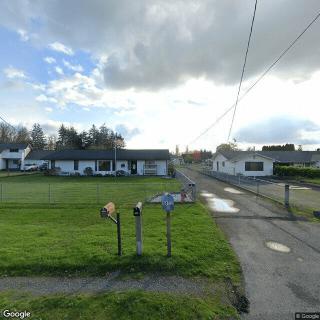
Hummingbird Homecare
$3,000 / month24.1 miles away -
from -$500 / mo
Caring Adult Family Home #1
$3,000 / month11.2 miles away -
from +$500 / mo

Riverton Home Care
$4,000 to $5,000 / month11.0 miles away
Overall Review of Bellevue Heights Adult Family Home
Pros
 Bellevue Heights is described as genuinely caring and friendly.
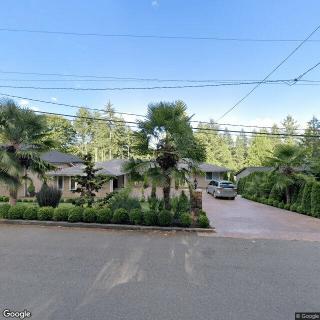
- The home is clean, with a lovely garden.
- The team at Bellevue Heights is genuinely caring and warm.
- The care provided to residents is wonderful, and the grounds are beautiful.
- Nurses visiting Bellevue Heights AFH report feeling a sense of peace and tranquility upon entering.
Cons
 The place is very rude and abusive.
- The staff beat the mom constantly.
- The home is abusive, with owners who speak Romanian, making understanding difficult.
- After family visits, the staff verbally yell, scream, threaten, bully, and mock the mom, leaving her terrified and in fear for her life.
Review
Bellevue Heights Adult Family Home is best suited for families seeking a small, home-like setting where residents receive highly personal attention from a tight-knit care team. The layout and daily rhythms favor a quieter, more intimate environment than larger facilities, with a clean house, a pleasant garden, and staff who build recognizable relationships with the residents. This option tends to appeal to families that value visible warmth, regular caregiver contact, and the comfort of knowing staff are familiar with the resident’s routines and preferences. It works well for someone who does not need a large activity calendar or on-site medical services and whose priority is a peaceful, homelike atmosphere.
That said, serious red flags emerge in several reviews, and those flags demand hard consideration before committing. Prospective residents who require the highest assurance of safety, consistent respectful communication, and openly accountable management should be cautious. The strongest warning signs are reports of abusive behavior by staff and managers, including yelling, threats, bullying, and, in one account, physical harm. Language barriers, owners reportedly speaking another language in front of residents, can also impede clear, timely communication about concerns or changes in care. Families with demanding safety expectations or a history of needing rapid escalation of issues may find alternatives more trustworthy.
On the flip side, multiple voices describe Bellevue Heights as a place where genuine care and a compassionate tone are the norm. Several reviewers emphasize that residents feel safe and attended to, and they praise the cleanliness of the home as well as the beauty of the outdoor space. The sentiment from caregivers who visit, describing peace, tranquility, and a warm, supportive team, suggests that when the environment is managed well, residents can thrive in a calm, attentive setting. In other words, the strengths lie in relationship-centered care and a homelike ambiance that can translate into meaningful moments of comfort for residents who respond well to personal attention and consistent routines.
The core tension is clear: can the positive, heartening elements overcome the gravity of the abuse allegations and the communication barriers? The answer depends on verifiable, ongoing safety and transparent governance. If a family can observe consistent, respectful interactions, see clear procedures for reporting concerns, and confirm that problems are addressed promptly with accountability, the favorable aspects, cleanliness, a serene atmosphere, and staff who genuinely appear to care, become significant. If not, the risks escalate quickly and undermine confidence in day-to-day care. In practical terms, prospective residents should demand firsthand observations: a direct, unfiltered conversation with owners and key staff, detailed written policies on safeguarding residents, and a clear, trackable process for complaints that results in timely corrective action.
For families weighing next steps, the decision hinges on risk tolerance and the ability to perform diligent oversight. If safety, respectful communication, and consistent governance are non-negotiable, these concerns may steer families toward alternatives with stronger regulatory oversight, larger staff teams, and guaranteed escalation paths. Conversely, for those who can verify stable, compassionate care in a small setting and who plan to remain actively involved, regular visits, ongoing conversations with staff, and formal reviews of care plans, the home’s warmth and quiet environment can offer meaningful quality of life for an aging parent.
In the end, Bellevue Heights AFH presents a practical choice: a nurturing, home-like environment with undeniable strengths in cleanliness, atmosphere, and personal caregiver attention, tempered by grave concerns about safety and governance raised in the reviews. Families should enter with a clear checklist: observe interactions during multiple visits, question the owners about staff conduct and response to incidents, request current licensing and any disciplinary actions, and insist on a transparent path for raising issues. If those assurances hold and ongoing oversight is feasible, this community can be a sensitive, respectful place for a loved one. If not, it is prudent to explore alternatives that prioritize demonstrable safety, accountability, and open communication above all.
 Board and Care Home
 Memory Care
 Dogs allowed
 Activities on-site
 Bath tubs
 Indoor common areas
 Outdoor common areas
 Private
 Respite or short term stays offered
 Seattle-Tacoma International (13 miles away)
 Ambulatory care
 Diabetic care
 High acuity care
 Incontinence care
 Medication management
 Kosher
 Christian services

 Why Do Dementia Patients Sleep So Much? Understanding Oversleeping, Stages, and Care Approaches
 8 Key Indicators That Suggest It May Be Time to Transition from Assisted Living to Skilled Nursing Care
 Nourishing the Mind: Essential Dietary Approaches for Dementia