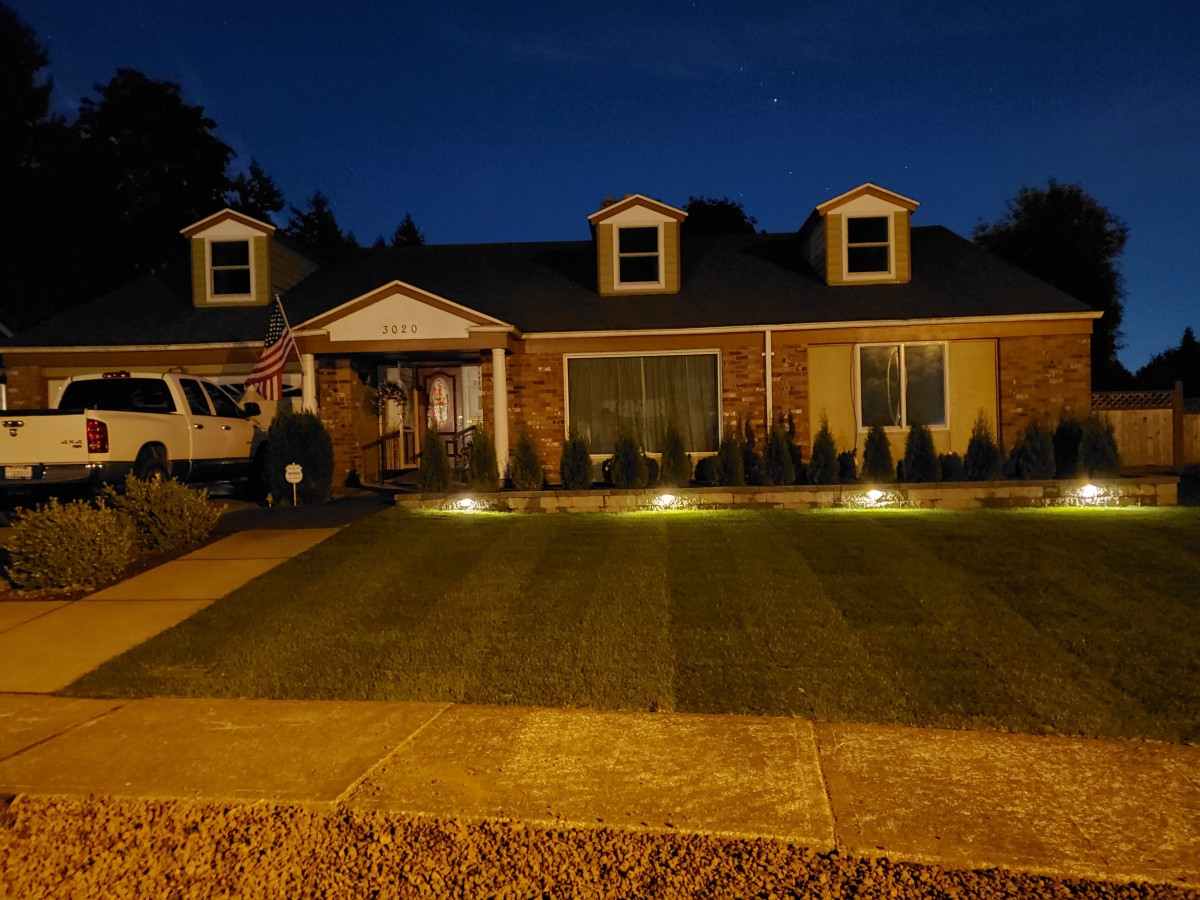
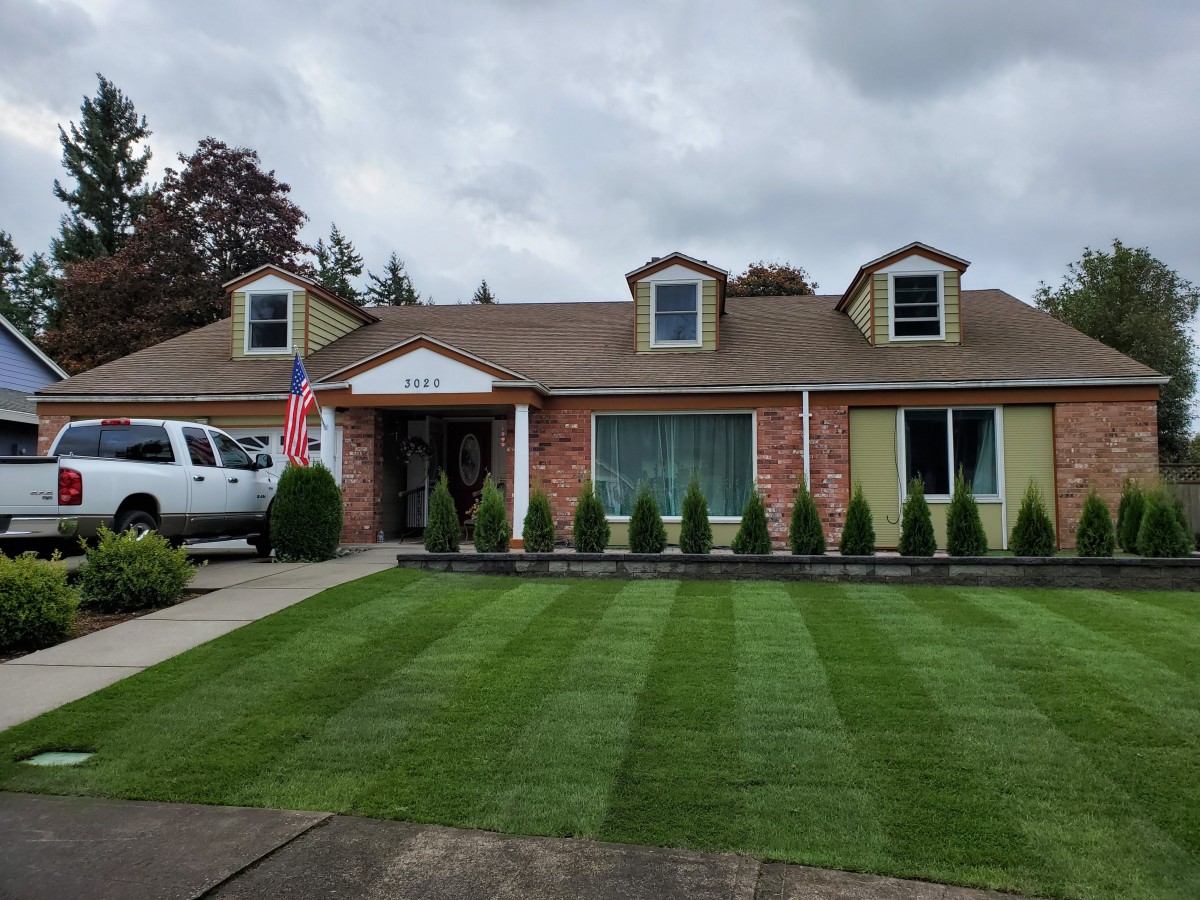
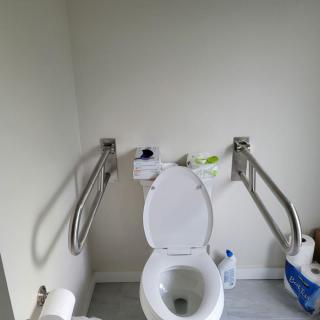
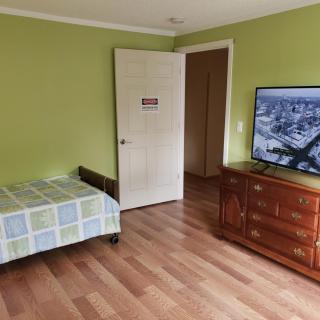
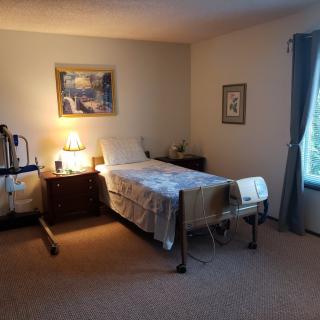
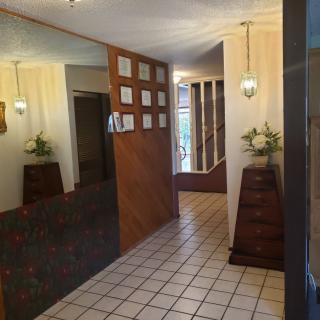
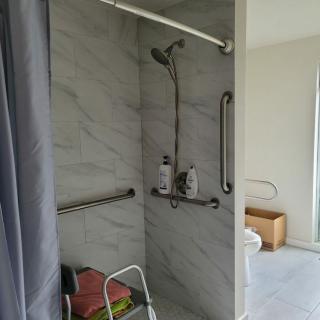
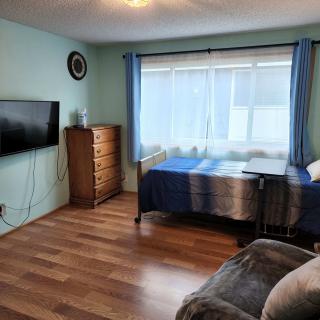
3020 14th Street SE, Auburn, WA 98092
To contact a resident: (253) 931-5119
For more information about senior living options: (866) 208-4318
A Serenity AFH Costs & Pricing
A Serenity AFH offers competitive pricing for its accommodations compared to the broader market in Pierce County and the state of Washington. For a semi-private room, A Serenity AFH charges $4,500 per month, which is slightly above the county's average of $4,264 and the state's average of $4,267. When it comes to private and one-bedroom options, both types are priced at $6,000 monthly, significantly higher than the county's averages of $4,623 and $4,456 respectively, as well as the state's averages of $4,772 and $4,632. While A Serenity AFH positions itself at a premium price point for private accommodations, this may reflect enhanced services or amenities that they provide to foster a serene living environment for their residents.
| Floor plans | A Serenity AFH | Pierce County | Washington |
|---|---|---|---|
| Semi-Private | $4,500 | $4,264 | $4,272 |
| Private | $6,000 | $4,623 | $4,774 |
| 1 Bedroom | $6,000 | $4,456 | $4,634 |
Memory care communities with a similar price nearby
-
from -$500 / mo

Riverton Home Care
$4,000 to $5,000 / month13.4 miles away -
from -$500 / mo
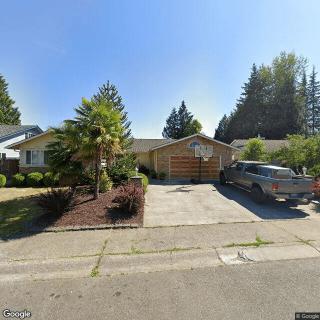
Gentle Care Home
$4,000 to $5,500 / month11.1 miles away -
from +$500 / mo

Peace and Pleasant Care Adult Family Home II
$5,000 to $6,000 / month7.5 miles away -
from -$195 / mo
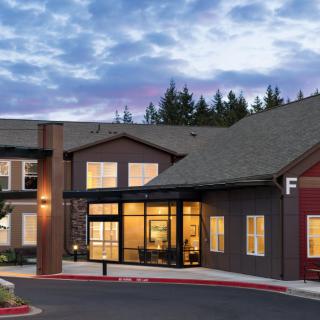
Penrose Harbor at Heron's Key
$4,305 to $7,332 / month19.1 miles away -
from -$500 / mo
Peace and Pleasant Care Adult Family Home
$4,000 / month11.0 miles away
Overall Review of A Serenity AFH
Pros
 Dennis, the owner, is knowledgeable, approachable, and clearly passionate about providing compassionate, high-quality care.
- He takes the time to answer questions thoughtfully and makes visitors feel comfortable and informed without pressure.
- The environment is calm, well-run, and focused on dignity and respect.
- The care home is run with heart, integrity, and professionalism, with clear communication.
- Dennis and Leah are patient and kind, going above and beyond to make residents feel comfortable and respected.
- Serenity AFH provides exceptional care and a homey environment, where staff are thoughtful and understanding.
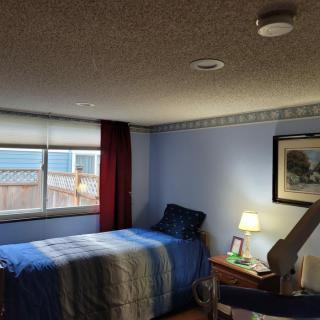
- The home is calm and clean, and staff take time to understand each resident’s individual needs.
- The staff are warm and welcoming, providing a home and family feel.
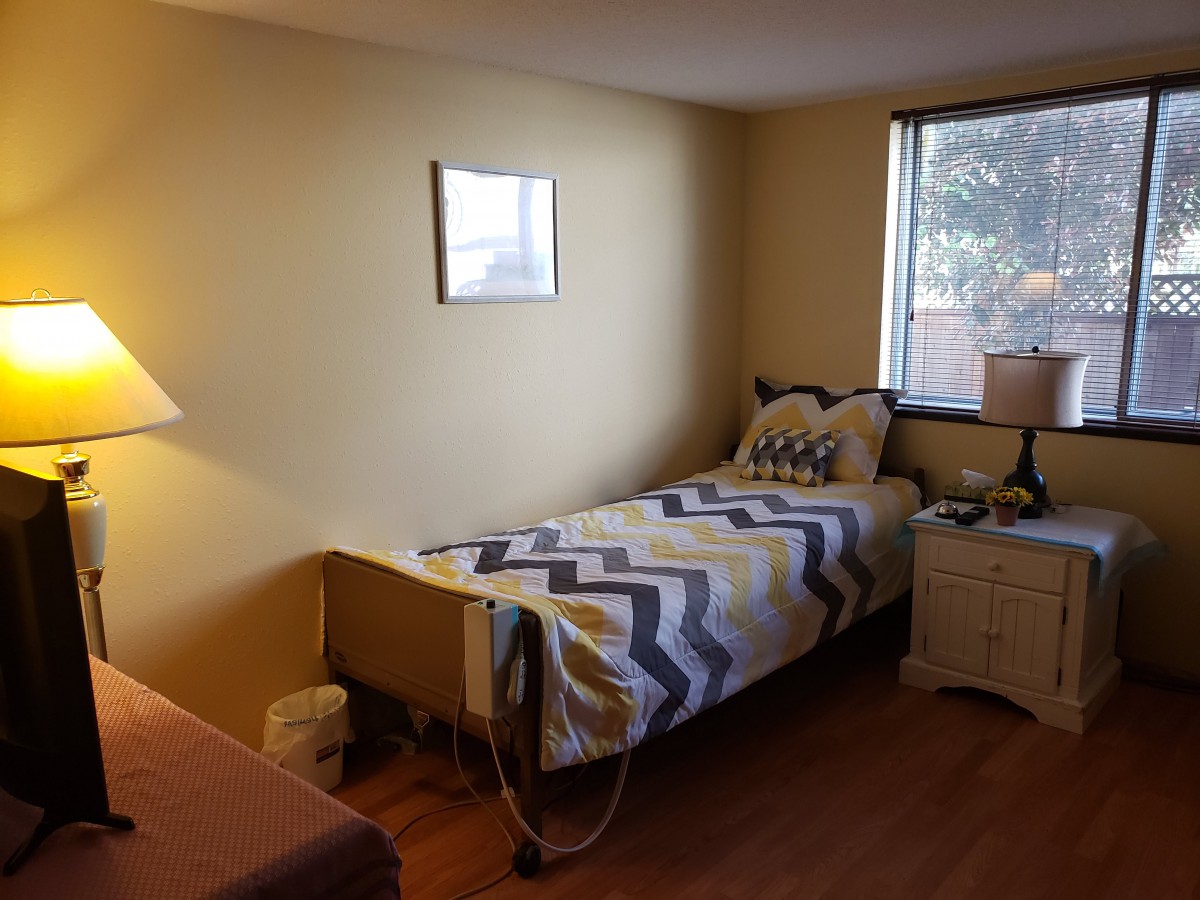
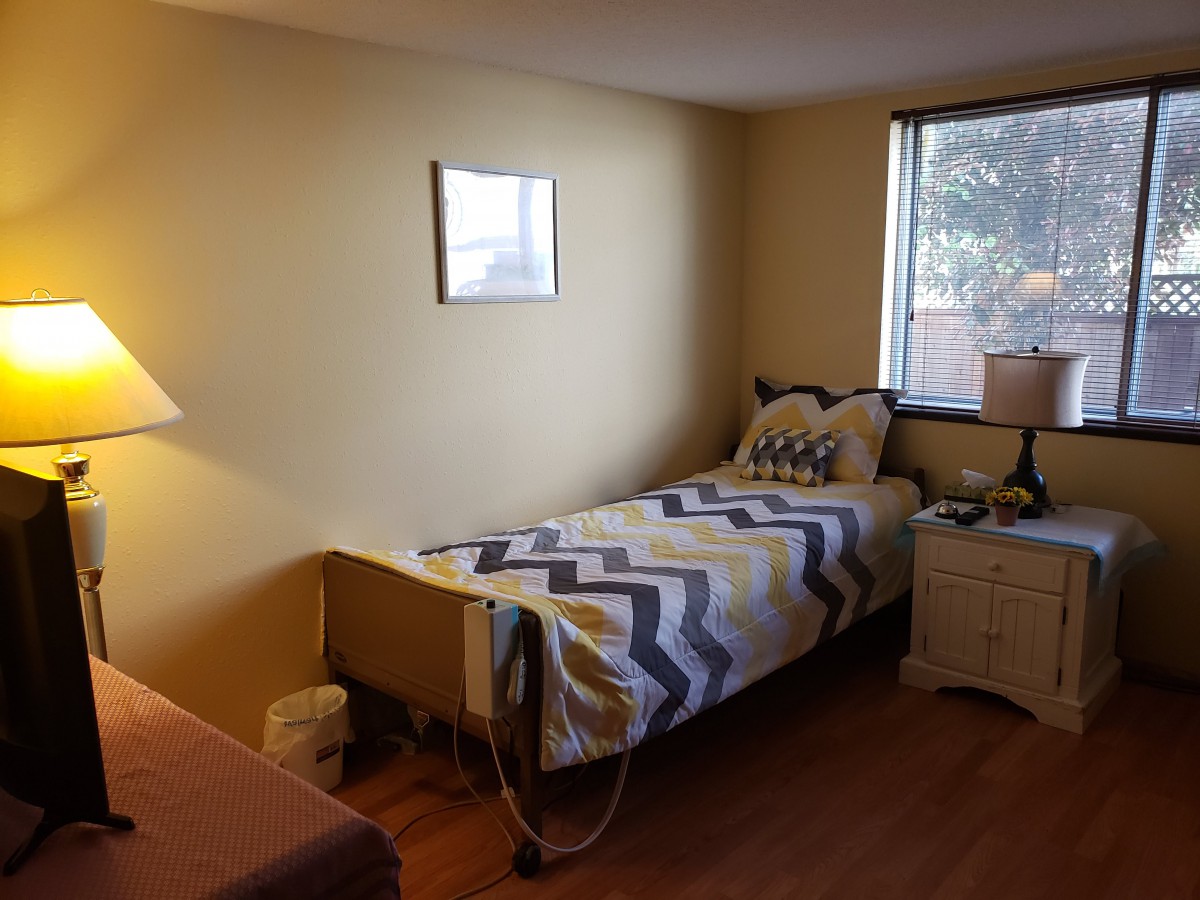
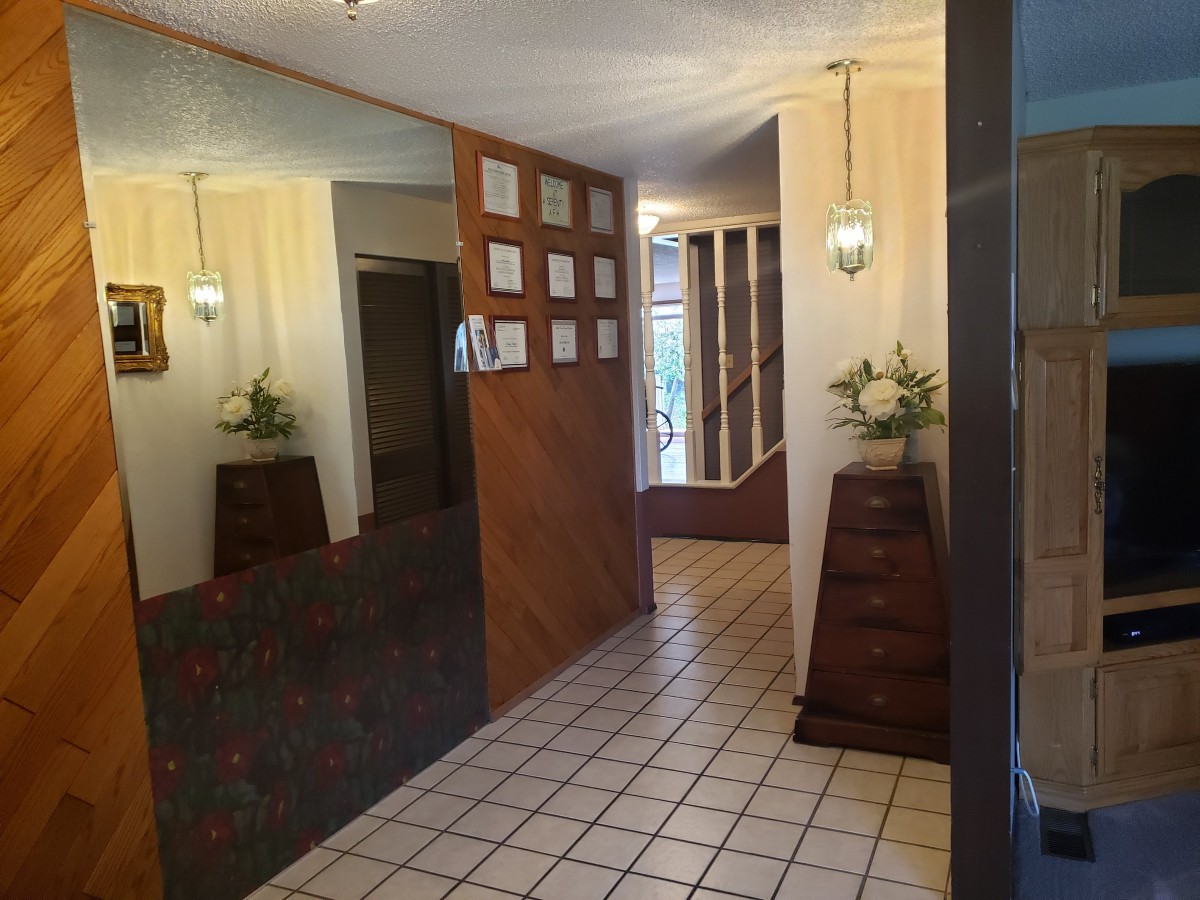
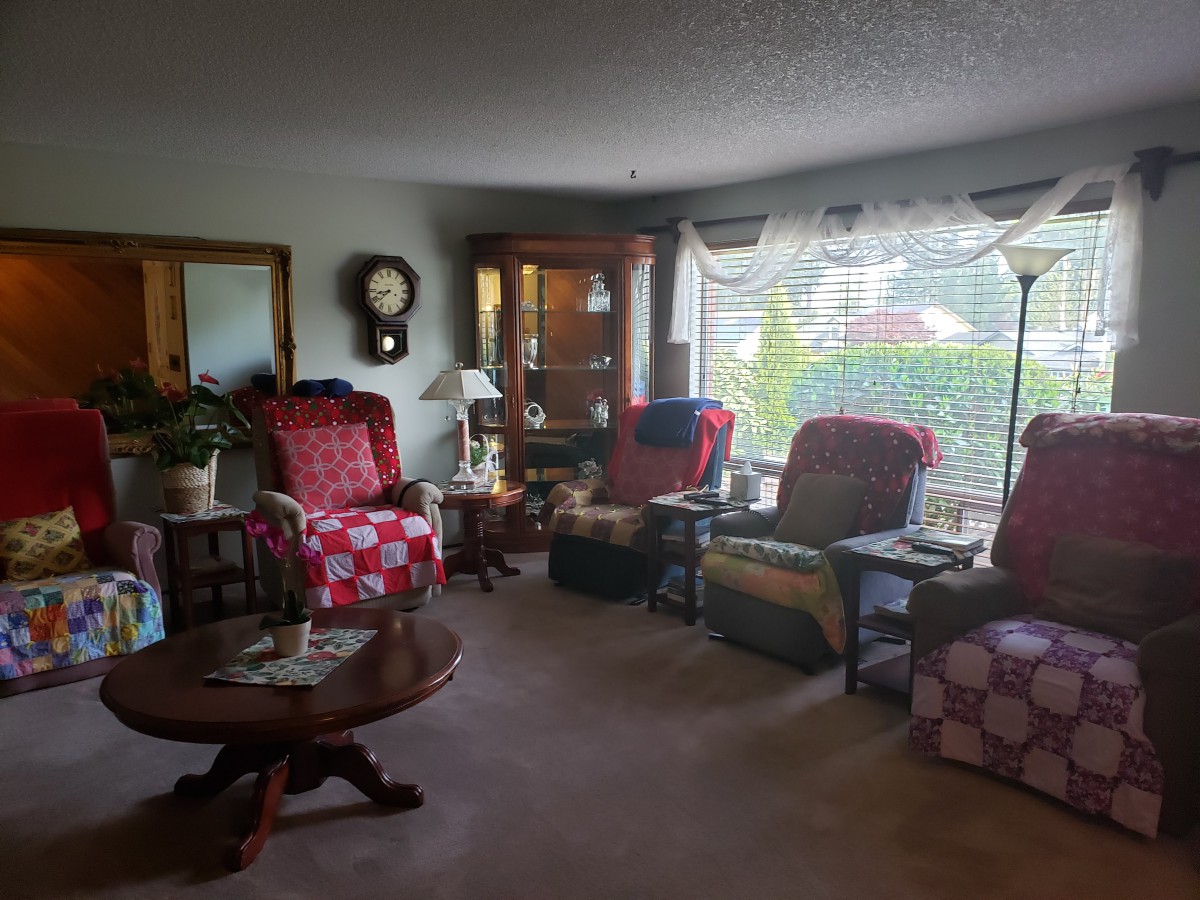
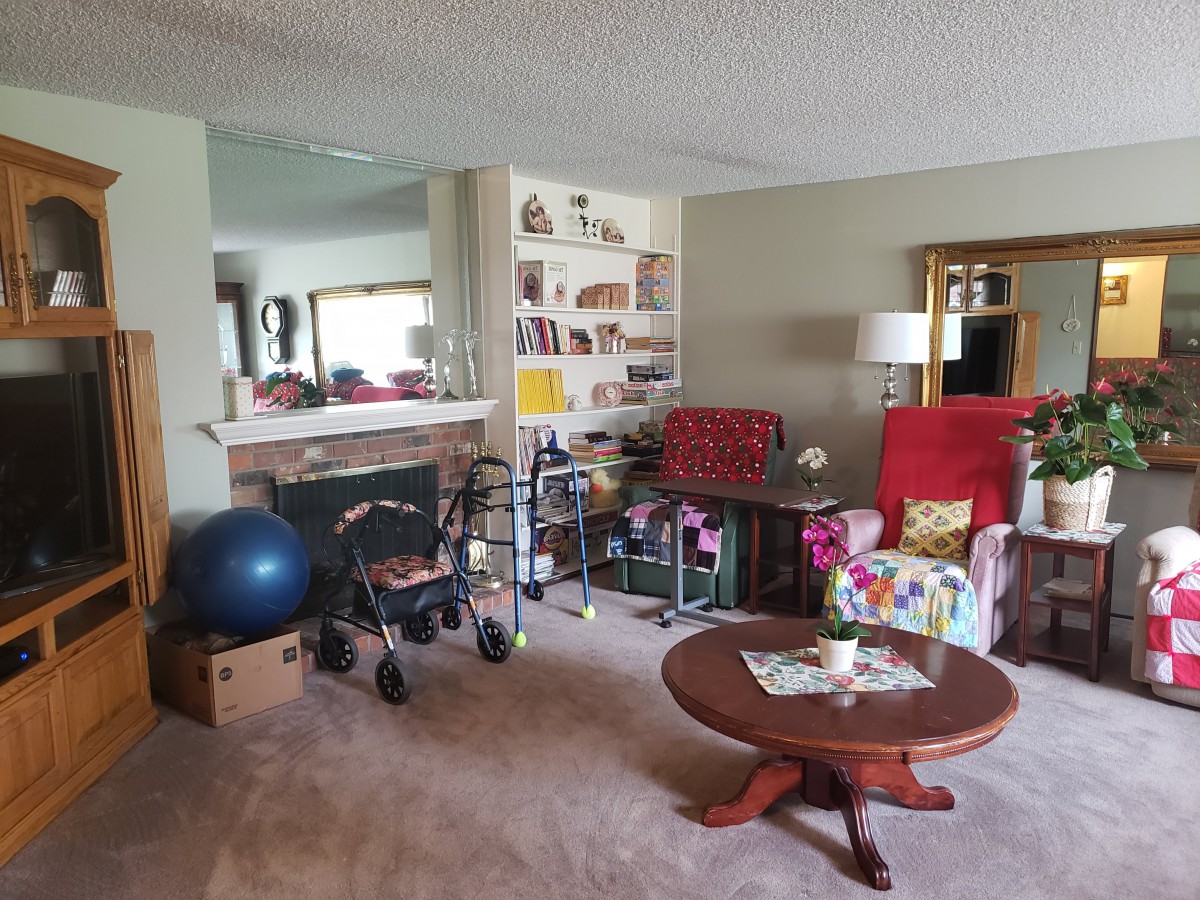
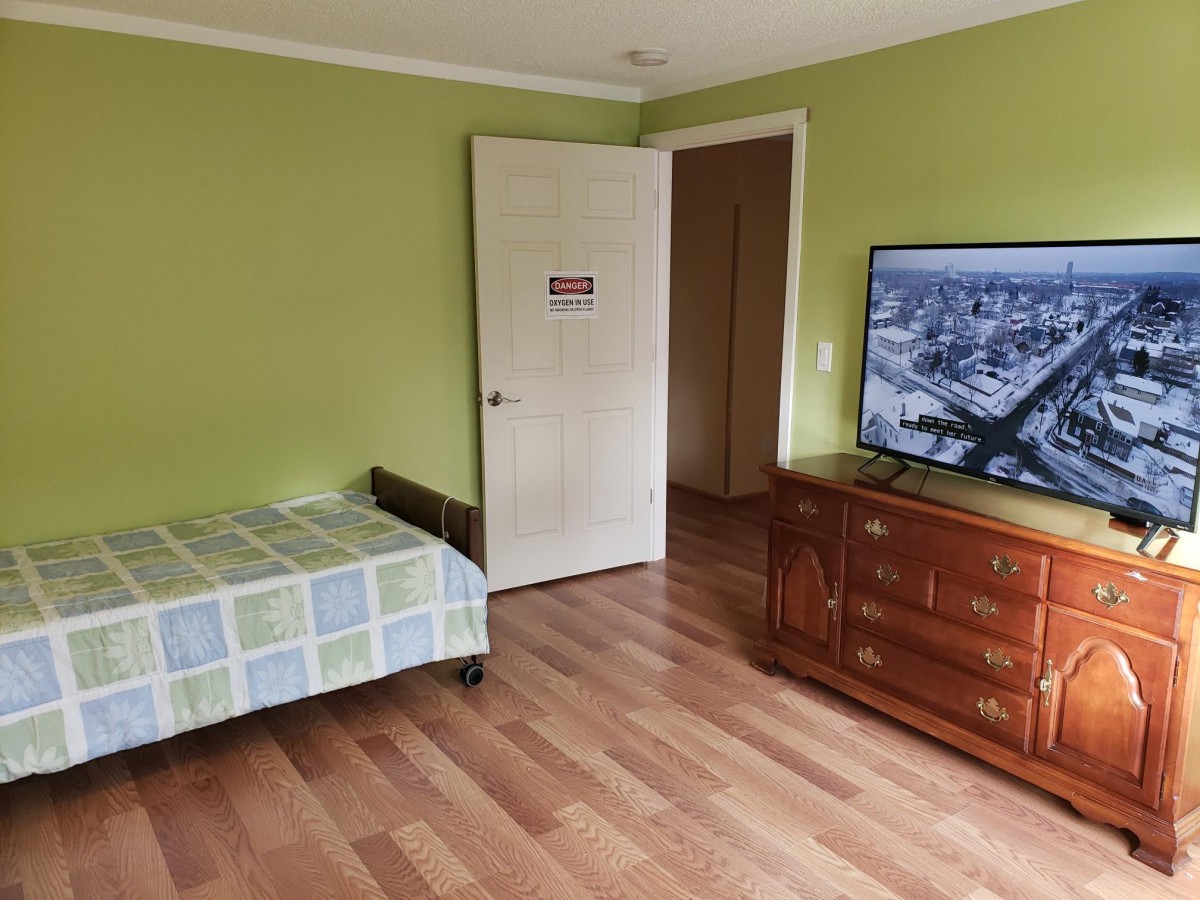
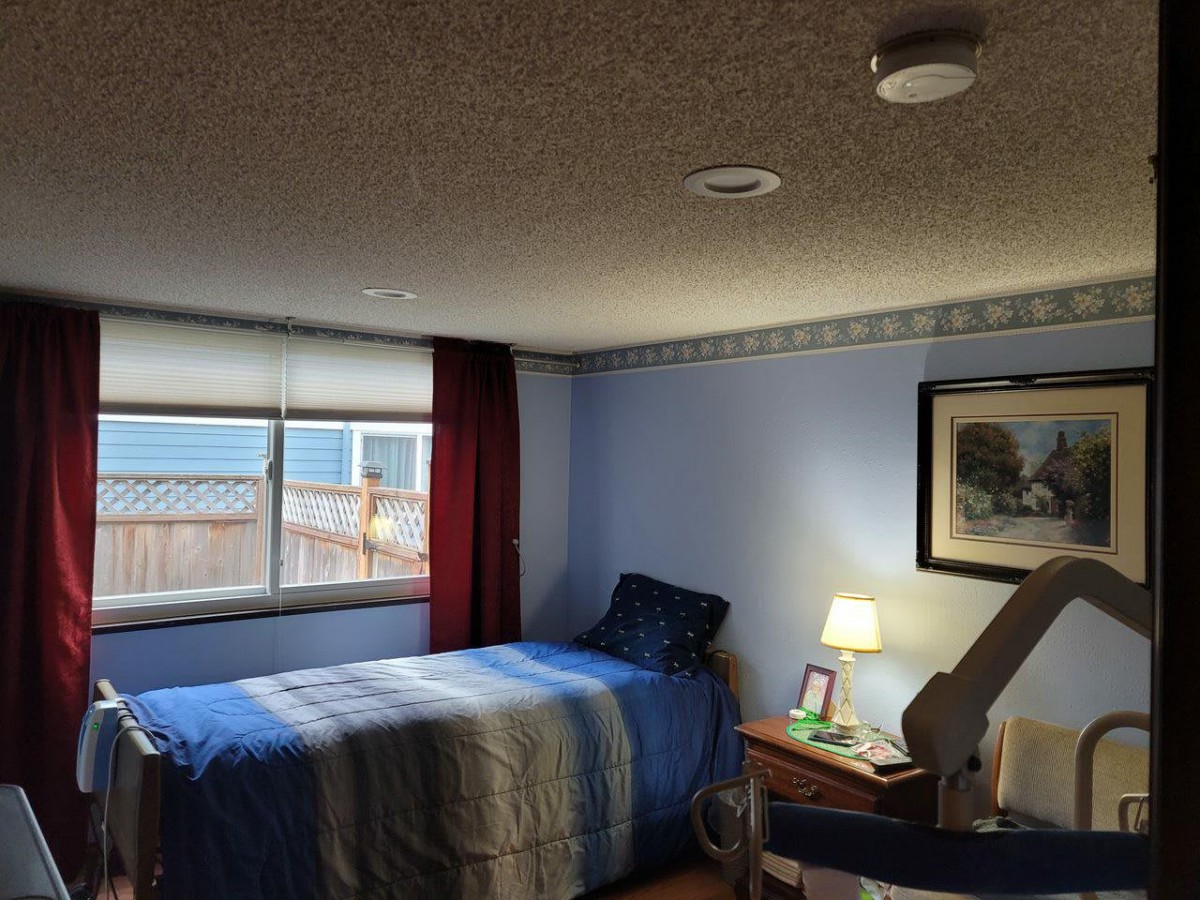
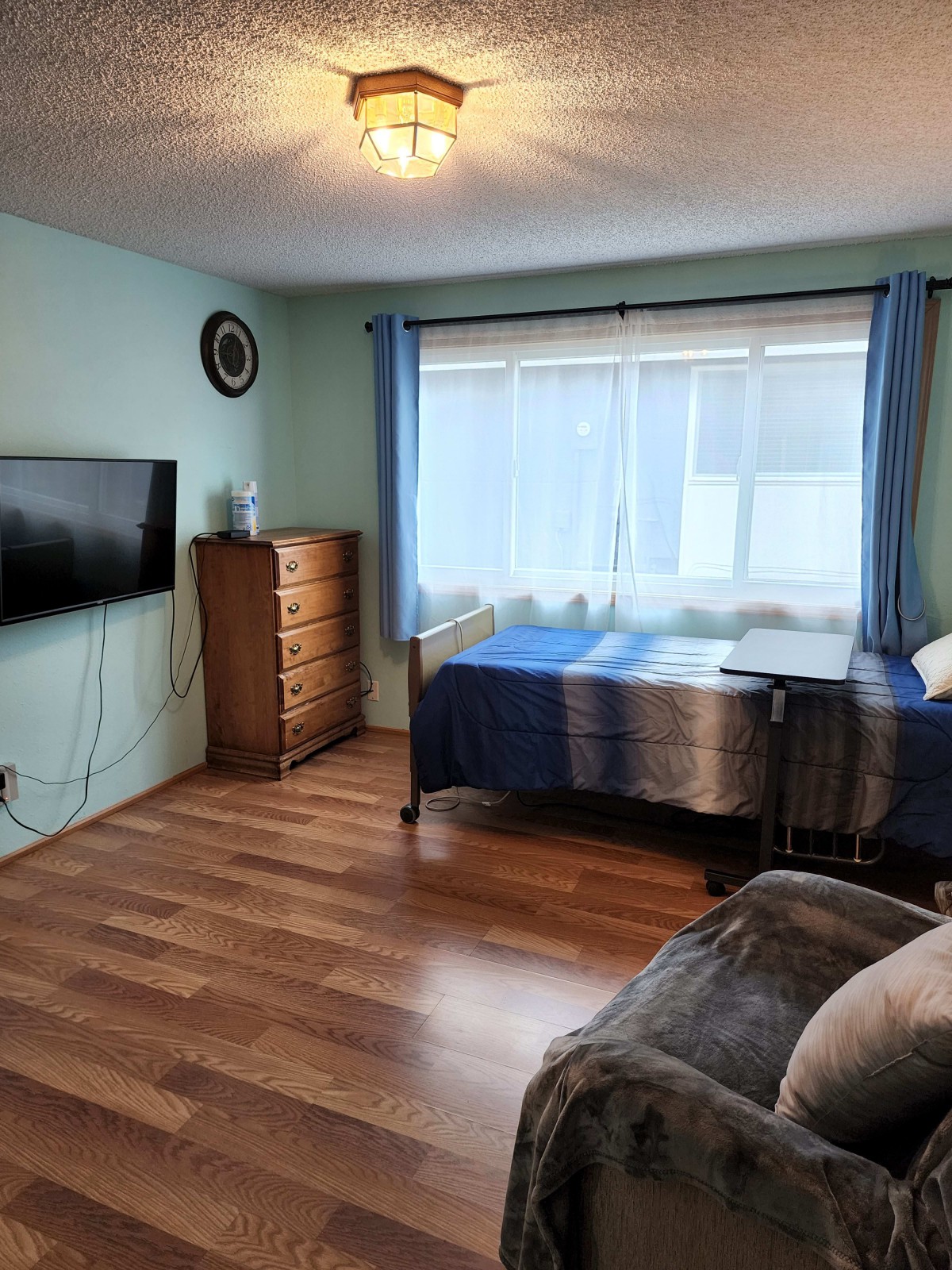
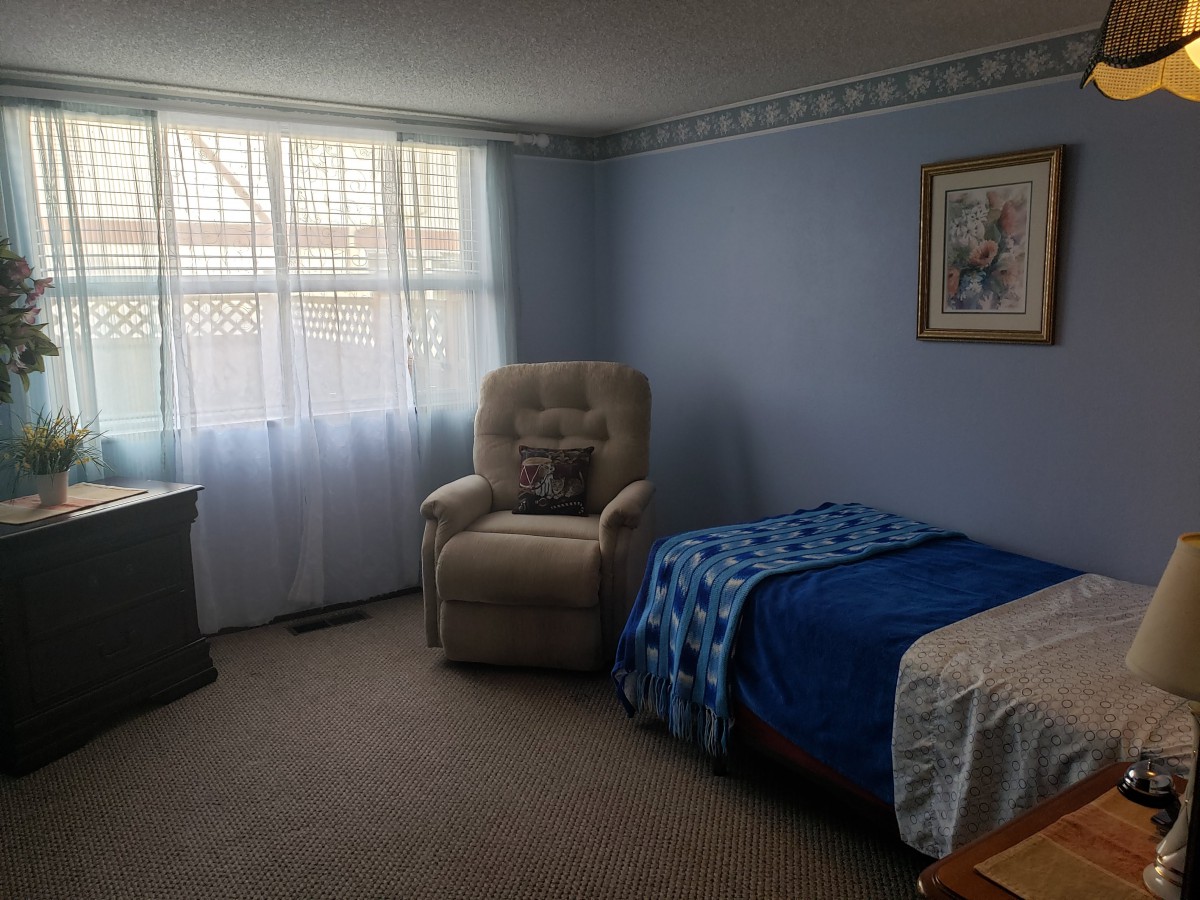
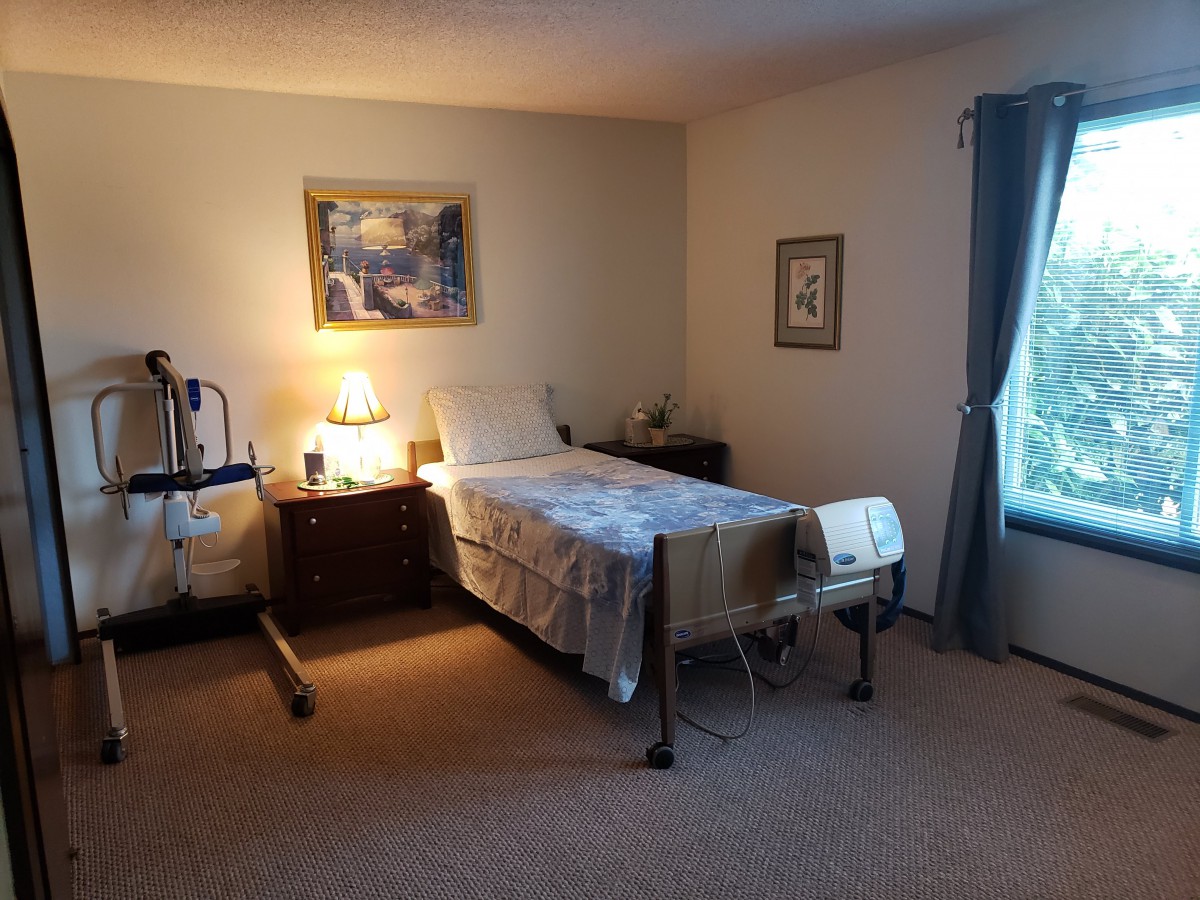
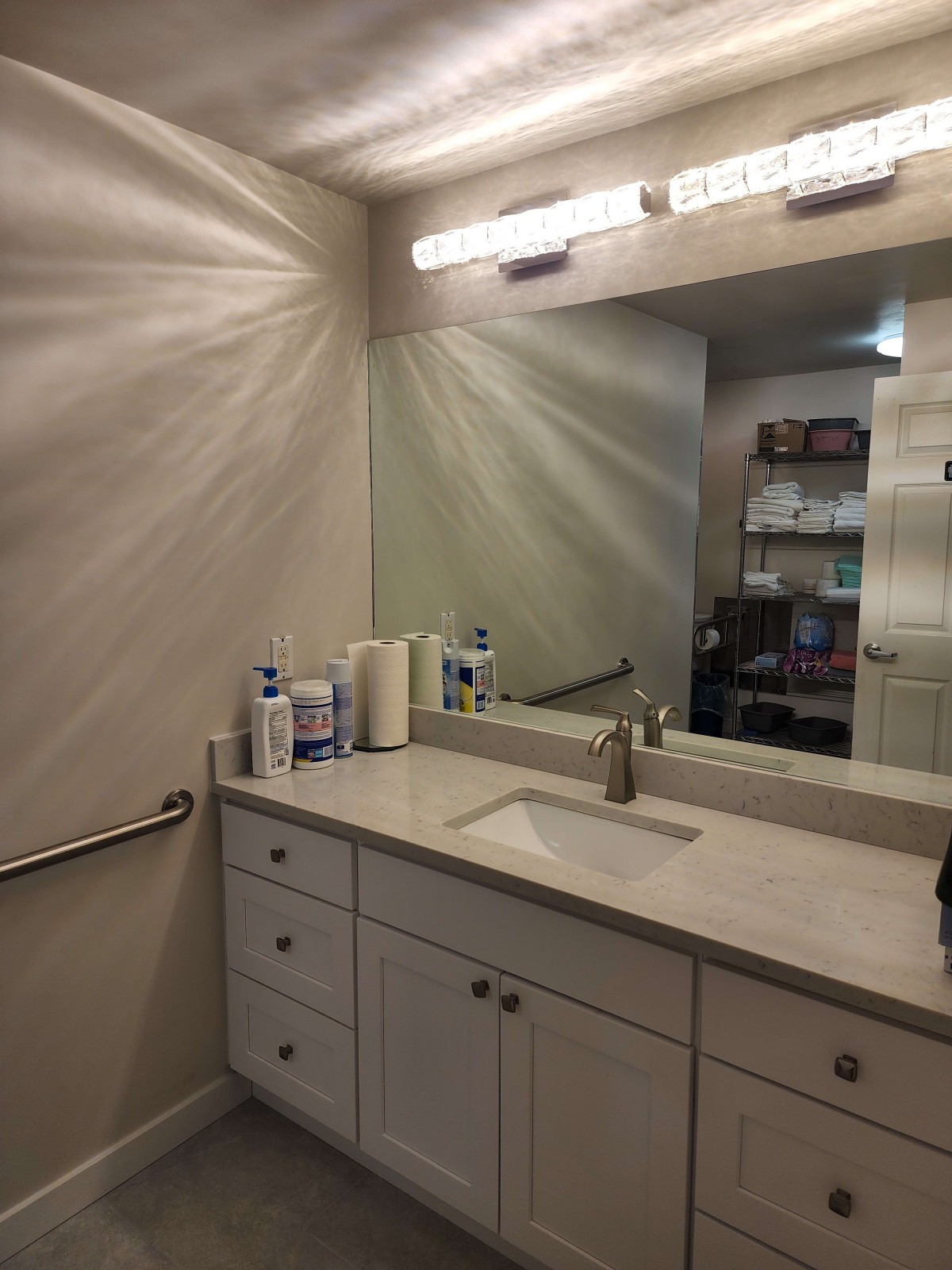
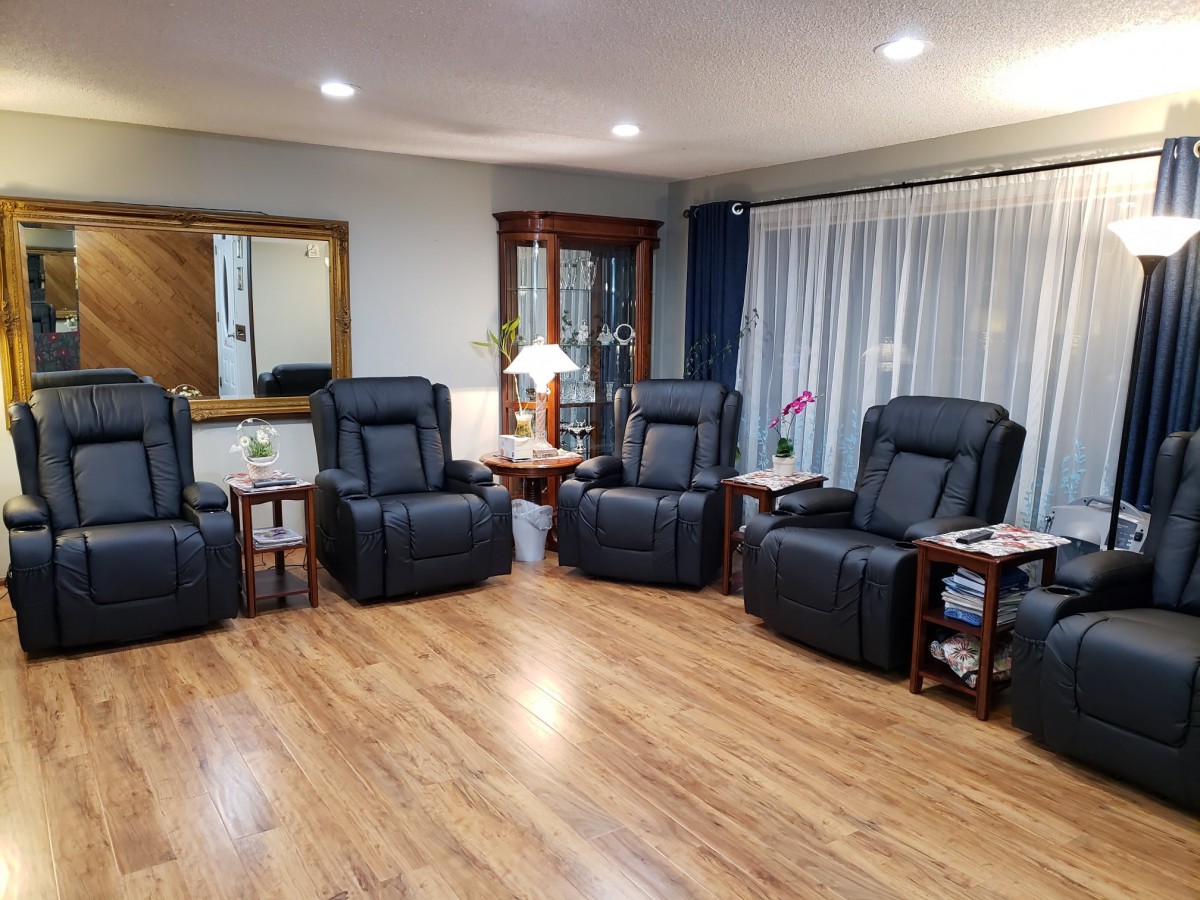
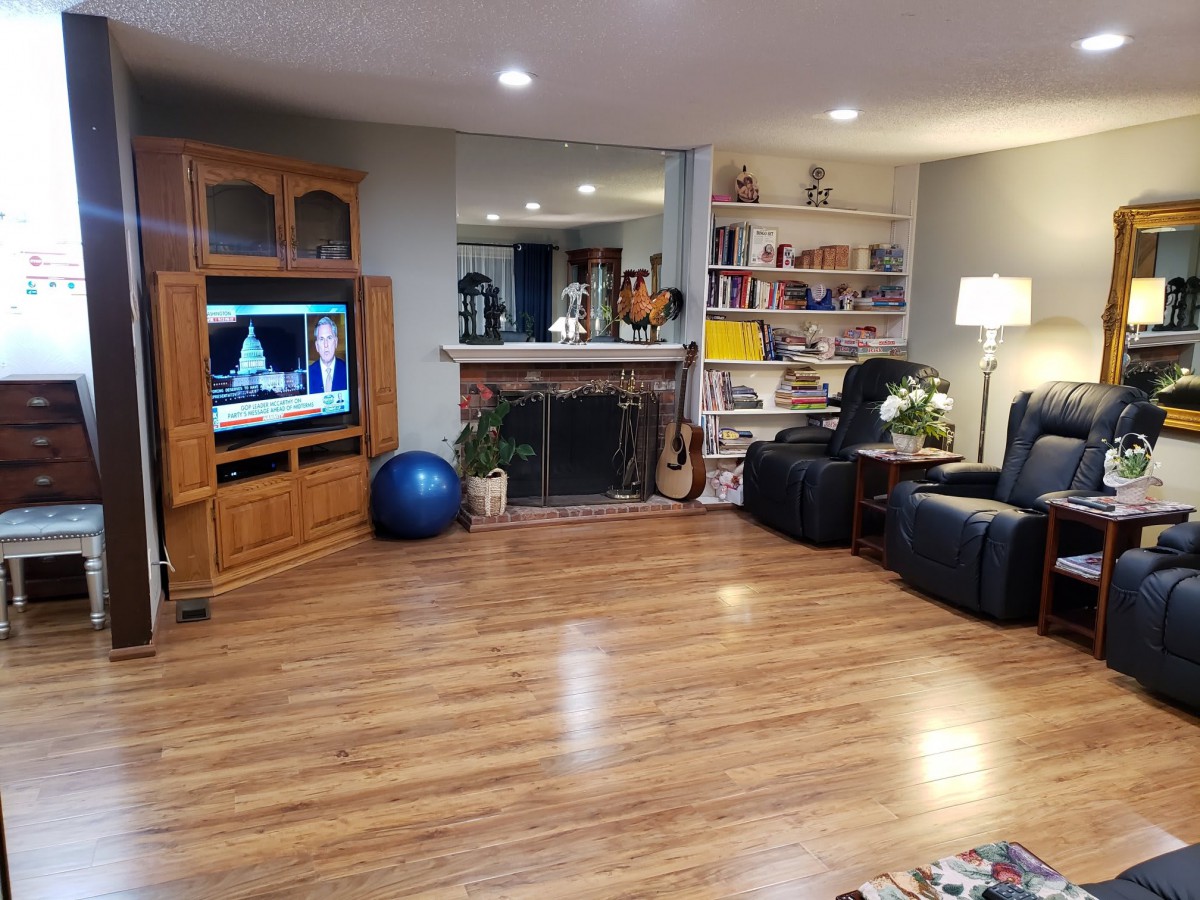
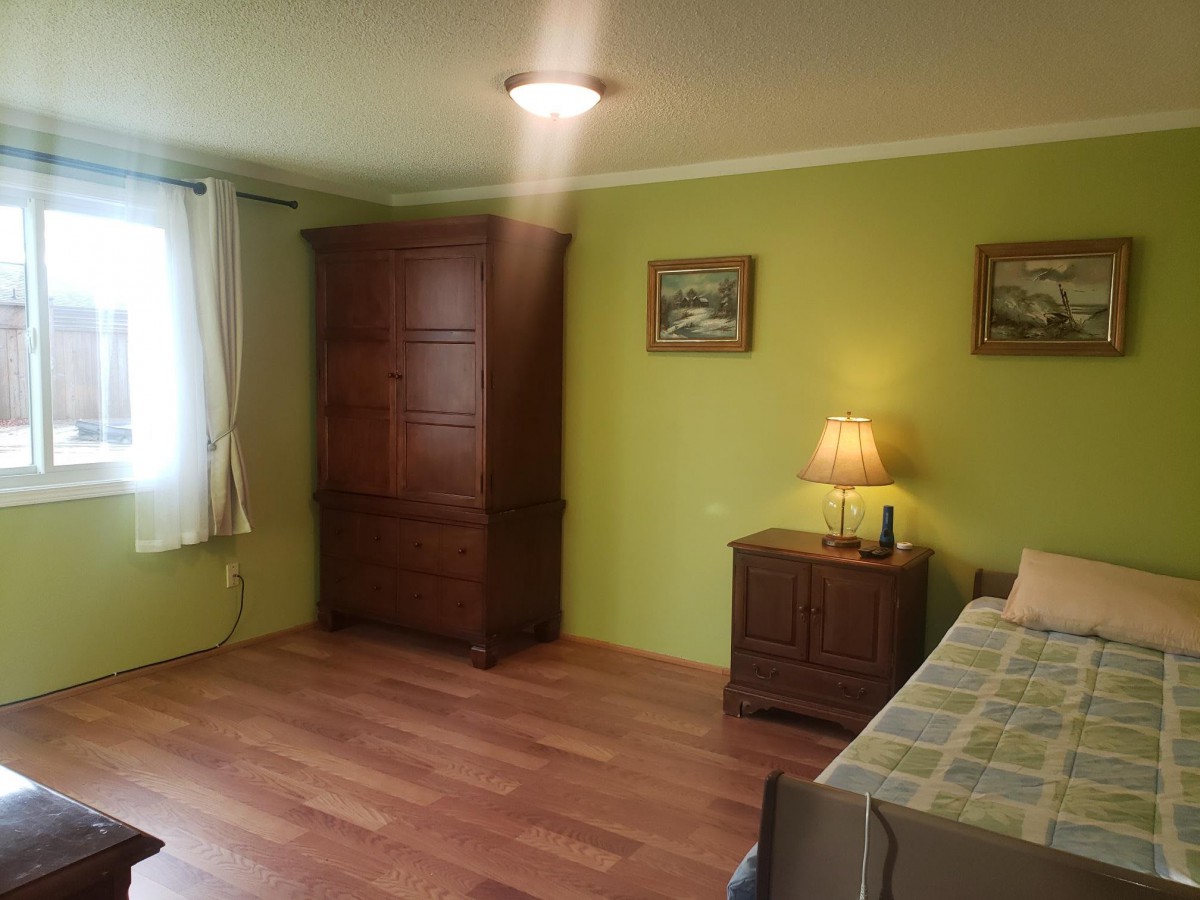
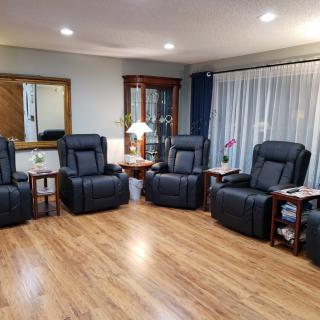
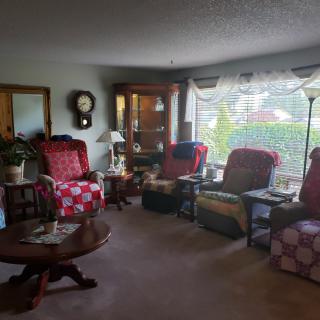
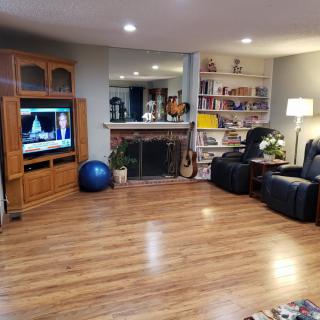
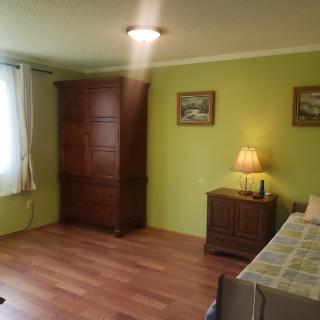
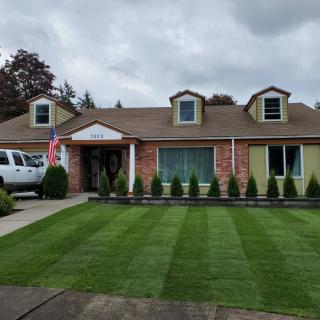
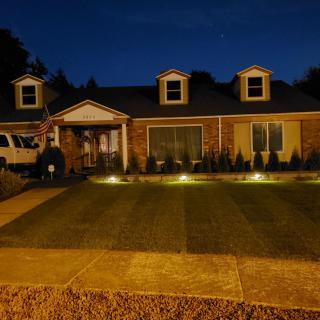
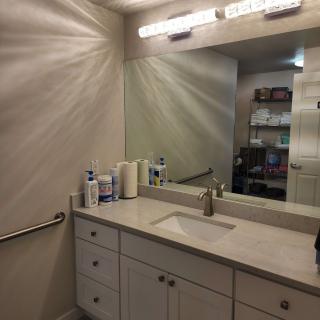
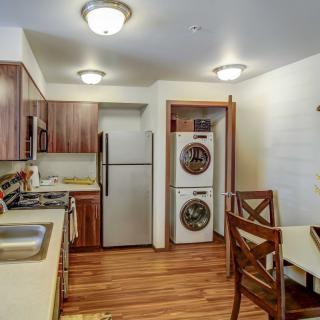
- The building is beautiful and well maintained, with clean floors and a fresh atmosphere.
Cons
 They felt that most of the other homes looked and felt very institutional.
- They described the search for care as overwhelming due to physical limitations and many prescriptions.
Review
A Serenity AFH in Auburn is best suited for families seeking a small, intimate, home-like setting where dignity, personal connection, and hands-on attention trump institutional formality. This community functions as a true family operation led by Dennis and Leah, whose hands-on involvement shapes every interaction. The environment is calm, clean, and person-centered, with a clear emphasis on respectful treatment, open communication, and transparency. Families who value feeling known individual residents rather than navigating a large, impersonal campus will find this setting aligns with their priorities. The care culture here is practical and comforting: staff are described as patient, kind, and genuinely empathetic, and the atmosphere favors meaningful engagement over compliance with a rigid schedule. In short, this is a place for those who want reassurance that a loved one will be cared for with warmth, dignity, and a steady, guided hand.
Those who may want to consider alternatives are typically the ones with needs that outgrow a small home setting. If on-site medical oversight is essential, if a resident requires routine skilled nursing, or if a large community with expansive programming and a formal clinical environment is non-negotiable, a bigger assisted living or memory-care facility could be a better fit. Families prioritizing highly structured rehabilitation services, specialized dementia care, or 24/7 on-site nursing may prefer more resource-rich operators. Likewise, families seeking a campus with a broad network of social opportunities and established partnerships with multiple healthcare providers might look elsewhere. A Serenity AFH excels at individualized attention and flexible, family-inclusive care, but its strengths are most evident when the expectation is personal connection rather than clinical breadth.
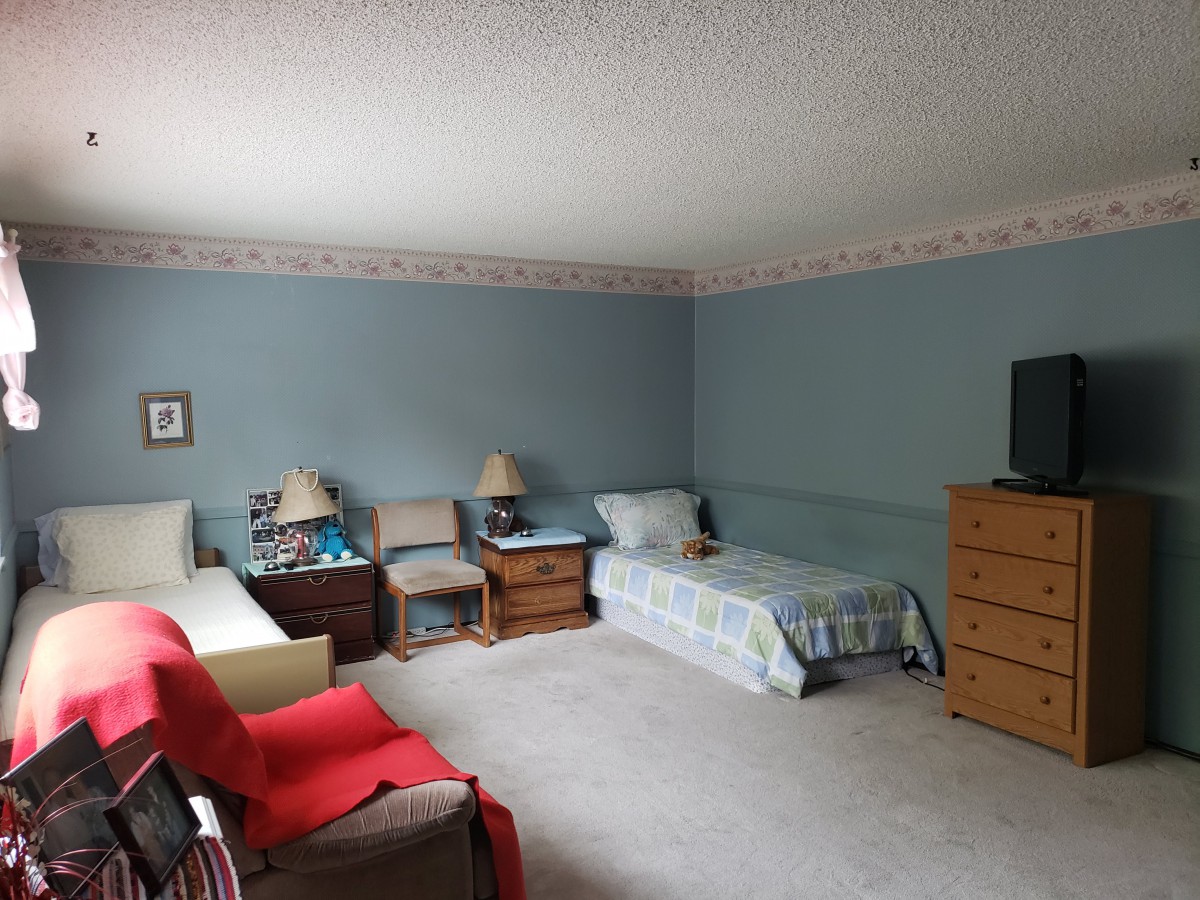
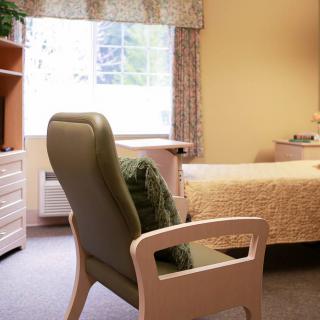
The core strengths, owner involvement, staff warmth, and a home-like setting, form a compelling offset to the absence of a large-scale medical apparatus. Dennis and Leah’s direct engagement translates into consistently attentive care and thoughtful problem-solving, with clear, ongoing communication that keeps families informed without prompting. The staff’s patience, kindness, and genuine empathy underpin a culture of respect and dignity, so residents feel valued and protected. Cleanliness and a calm ambiance reinforce a sense of safety, while the ability to visit when convenient and to personalize living space, such as placing bird feeders by a loved one's window, turn everyday routines into meaningful moments. High social engagement, accessible activities, and a genuine sense of family further reinforce confidence that a loved one will be engaged, not merely supervised. These qualitative benefits often translate into peace of mind that outweighs the limitations of a smaller operation.
The very elements that define the community’s charm, intimate scale, personal oversight, and a warm, family-centric approach, are what families must weigh against the potential trade-offs. The personalized attention means fewer layers of bureaucratic handoffs and more consistent behavior from caregivers, but it also implies a smaller cadre of staff and fewer on-site resources for specialized medical needs. In practice, those trade-offs are mitigated by proactive communication, detailed care planning, and a willingness to involve family members in decisions. When a resident’s needs shift, the owners and staff demonstrate a readiness to adjust plans with honesty and pragmatism, rather than deflecting concerns. The sense of accountability, evident in the stories of open updates about both positive milestones and ongoing challenges, can be a decisive offset for families who prize transparency and relational continuity over a more impersonal workflow.
For families evaluating a tour, concrete questions and observations should shape the decision. Assess the level of hands-on involvement from Dennis and Leah, the frequency of caregiver updates, and how care plans are developed and reviewed. Inquire about the range of activities, the responsiveness of staff to personal preferences, and the ways residents are integrated into daily routines, meals, outings, and social time, so that the “home” feel remains central even as needs evolve. Consider cost in the context of value, residents are described as well cared for, clean, and treated with genuine respect, with many families highlighting that the arrangement is worth the price for the peace of mind it produces. If a prospective resident places a premium on individualized attention, consistent staff-resident relationships, and an environment that feels like a welcoming home, A Serenity AFH stands out as a prudent choice.
In the end, the recommendation is clear: A Serenity AFH is a strong fit for families seeking a respectful, hands-on, intimate care setting where residents are treated as beloved family members. It is particularly well suited for those who want transparent communication, meaningful social engagement, and a caregiving team that acts with integrity and heart. It may not be the best fit for families requiring advanced medical services on-site or a large, clinical campus, but for those who value a home-away-from-home atmosphere with heartfelt, personalized care, the community offers exceptional value and a comforting level of assurance. When the decision hinges on dignity, meaningful connections, and a trustworthy, owner-led approach, this Auburn-based home stands out as a clear, practical choice.
 Board and Care Home
 Memory Care
 Activities on-site
 Air-conditioning
 Cable or satellite TV
 Devotional services on-site
 Fireplaces
 Full kitchen
 Garden view
 Ground floor units
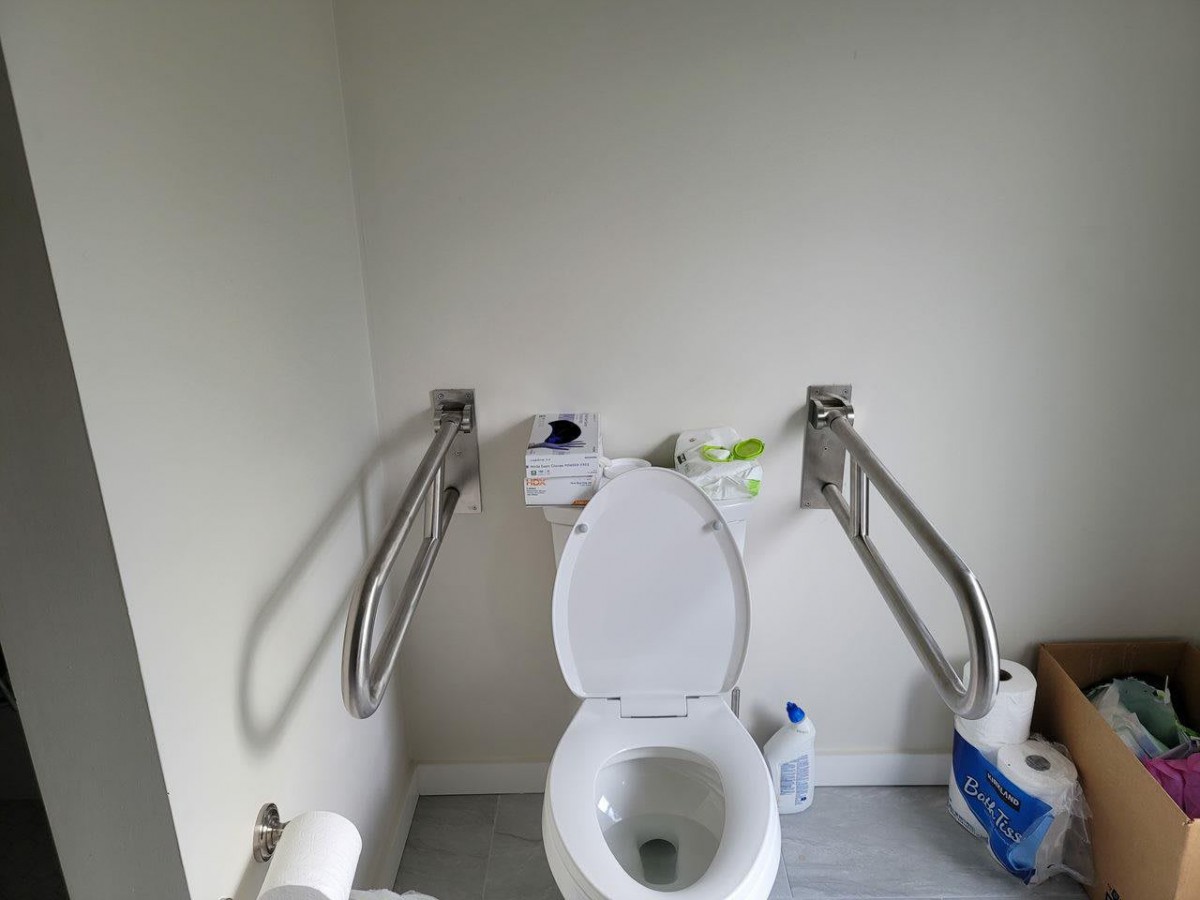
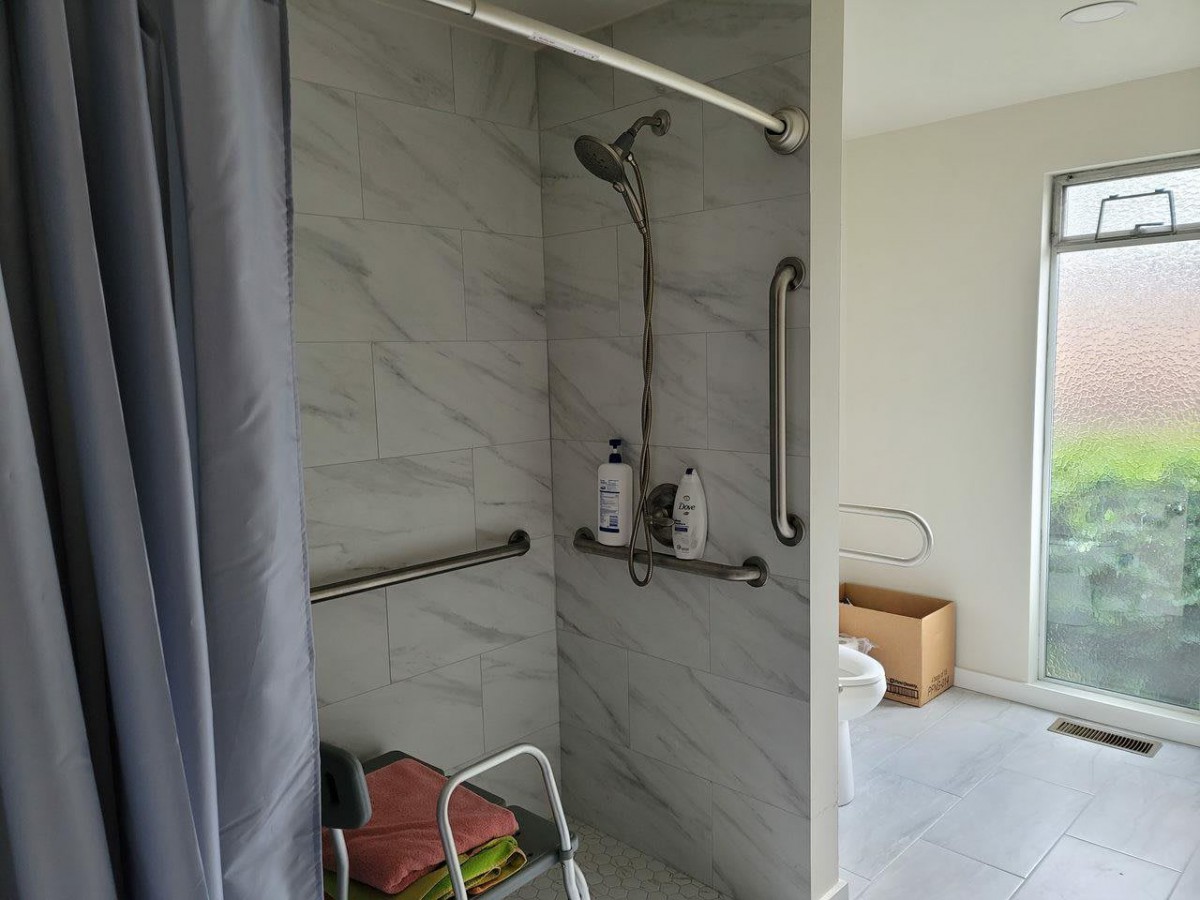
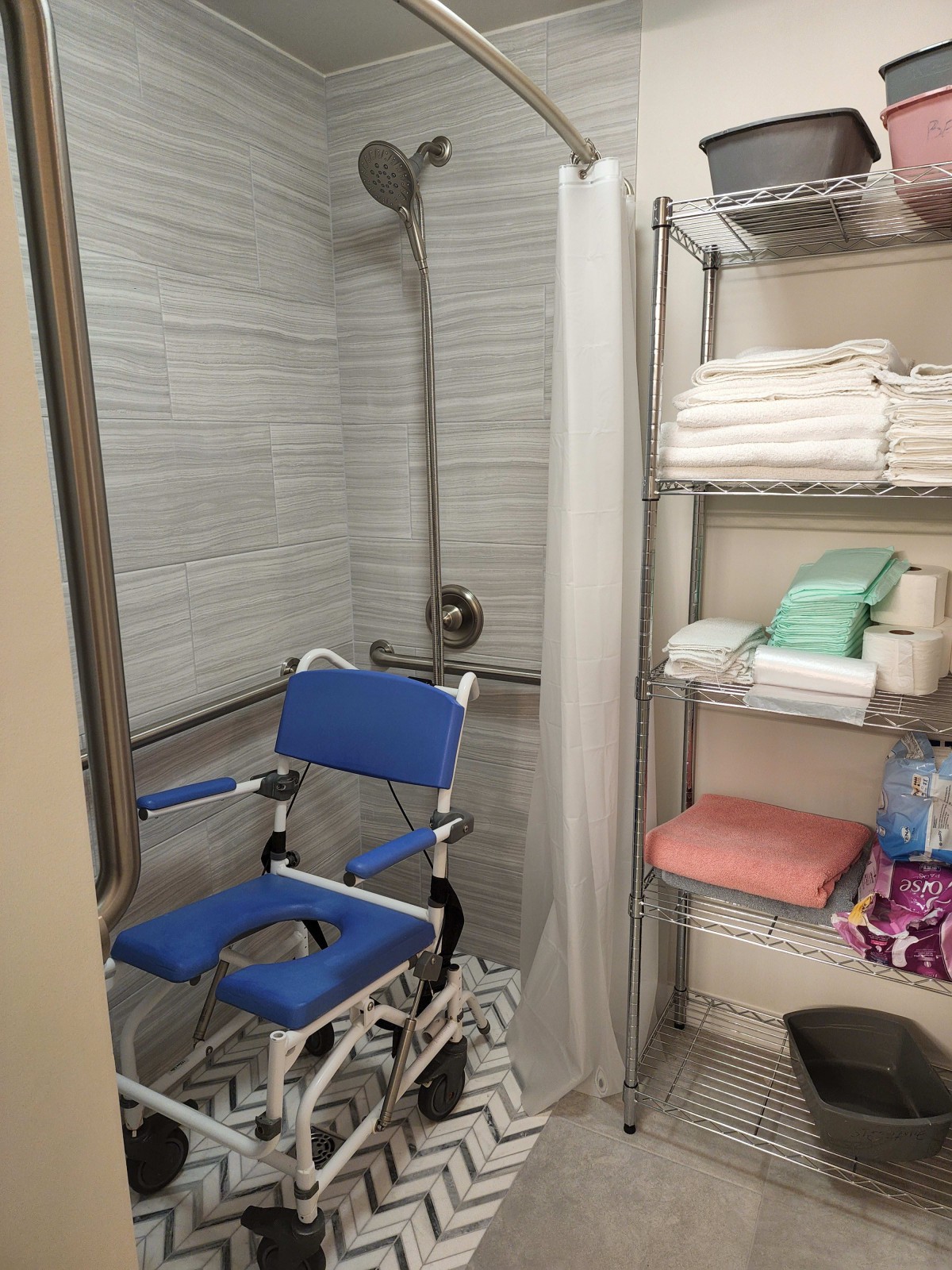
 Handicap accessible
 Indoor common areas
 Outdoor common areas
 Private
 Private bathrooms
 Private patio, deck, or balcony
 Respite or short term stays offered
 Swimming pool / hot tub
 Wheelchair accessible showers
 Wi-Fi/high-speed internet available
 Seattle-Tacoma International (12 miles away)
 Diabetic care
 High acuity care
 Incontinence care
 Medication management
 Anytime dining
 Art classes
 Catholic services
 Cooking classes
 Karaoke
 Live musical performances
 Live well programs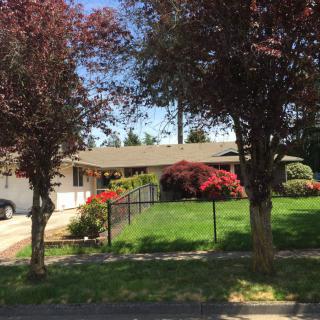
 Understanding Dementia Through Its Seven Stages: A Comprehensive Look at Progression and Expectations
 A Holistic Dementia Care Guide: Effective Strategies for Memory Support
 Comprehensive Insights into Activities of Daily Living (ADLs) and Their Assessment