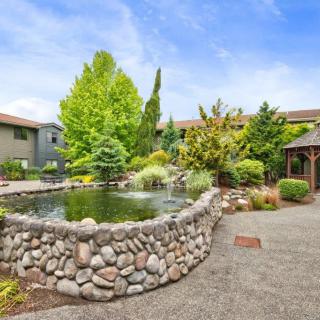
Selah Family Home in Arlington, WA

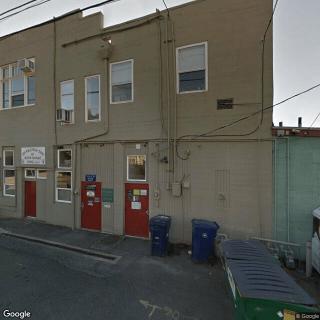
26221 5th Ave NE, Arlington, WA 98223

For more information about senior living options: (844) 490-3973

5 from 1 review
Board and Care Home Memory Care

Selah Family Home Costs & Pricing

Selah Family Home offers competitive pricing for its services, particularly when compared to the broader market in Snohomish County and the state of Washington. With a monthly rate of $3,800 for both one-bedroom units and private rooms, Selah Family Home significantly undercuts the average costs in Snohomish County, where similar accommodations reach approximately $5,080 and $4,834 respectively. Even when examining statewide averages, Selah stands out as an appealing option, with rates that are lower than the state's average of $4,632 for one-bedroom spaces and $4,772 for private rooms. This positions Selah Family Home as an attractive choice for individuals seeking quality care without compromising on affordability.

Floor plansSelah Family HomeSnohomish CountyWashington
1 Bedroom$3,800$5,080$4,634
Private$3,800$4,834$4,774

Overall Review of Selah Family Home

Pros

  • pro The owners are very nice people and very helpful.
  • pro The food is great and home cooked.
  • pro The place is clean.
  • pro The residents enjoy meals in a warm family atmosphere.
  • pro The environment has a Christian atmosphere.

Review

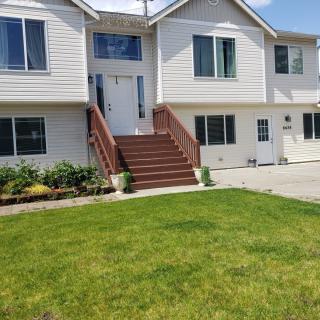
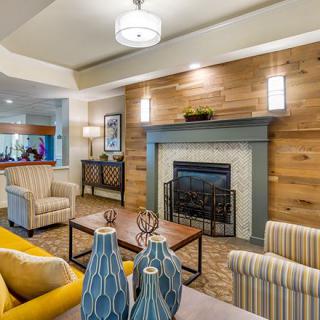
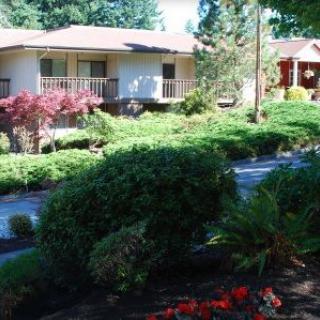
Selah Family Home in Arlington, Washington is best suited for families seeking a small, intimate, home-like setting where care feels personal and routines feel familial. This community works well for seniors who prize accessible, hands-on attention from a caregiving team, and who prefer meals and daily life conducted in a warm, family atmosphere. It fits families looking for a faith-influenced environment that emphasizes comfort, cleanliness, and a sense of belonging over institutional polish. For residents who do not require a large social calendar or extensive specialized programs, Selah Family Home offers a straightforward, understandable daily rhythm. This is not a facility built to mimic a hospital wing; it is designed to feel like a large, well-run private home.

The strongest positives center on scale, atmosphere, and daily life. Six spacious bedrooms create a cozy, less daunting milieu than larger communities, which makes transition easier for many seniors and their families. Meals are described as home-cooked and thoughtfully prepared, reinforcing the family-dining vibe that many residents and loved ones value. A day room with a television provides a common space for casual socializing without the pressure of scheduled activities that larger facilities often impose. The staffing picture, noted at two or three nurses, signals real hands-on care without the impersonal feel of a crowded campus. Owners are characterized as very nice and helpful, and the environment is clean and well-kept, with a Christian atmosphere that supports spiritual comfort for residents who share that faith tradition.

Those pros - personalized attention, home-style meals, a tight-knit environment, and attentive ownership - offset several common concerns families have about smaller settings. The direct access to caregivers within a family-like framework can translate into quicker responses to daily needs and a stronger sense of security. Cleanliness and good food contribute significantly to daily satisfaction, which in turn affects mood, appetite, and overall well-being. The Christian atmosphere, while not universally appropriate, provides clear continuity for families seeking shared values and familiar rituals. In practical terms, these elements create a predictable routine that reduces worry for caregivers who cannot be present around the clock elsewhere.

Nevertheless, certain trade-offs accompany the strengths of this setting. The intimate, small-scale model may limit opportunities for highly diverse social programming or specialized medical services that larger communities provide. The explicit Christian emphasis, while comforting to some, may be a mismatch for residents or families seeking a secular environment or non-faith-based care. Staffing levels described as two or three nurses suggest solid daytime presence but raise legitimate questions about night coverage and peak-hour demand. Prospective residents with complex wound care, intensive memory-care needs, or advanced rehabilitative services may find the offerings insufficient compared with larger, more medically oriented facilities.

Families who should consider alternatives include those requiring robust 24/7 skilled nursing, extensive medical oversight, or a secular setting without religious programming. For individuals needing a highly structured calendar with expansive social life, frequent professional therapy, or access to a broad array of on-site specialists, Selah Family Home may feel limiting. Similarly, residents with significant memory-care demands or highly specialized diets and care plans may outgrow the home atmosphere. Arlington-area families evaluating options should compare the continuity of care, staffing coverage, and religious alignment against nearby larger communities to ensure the chosen environment matches long-term medical and psychosocial needs.

To move from consideration to confident placement, practical next steps are essential. Visit Selah Family Home with key decision-makers, meet the owners, and observe staff interactions with residents during a typical day. Taste-test the meals and ask to sample a week of menus to verify consistency with dietary needs and preferences. Clarify staffing patterns, especially night coverage and on-call arrangements, and request a detailed explanation of how medical needs are managed, including how nurses coordinate with outside physicians. Finally, discuss pricing, what is included in monthly fees, and whether there is flexibility for short-term stays or changes in care levels as health needs evolve. This approach will determine if Selah Family Home aligns with the resident's medical requirements, spiritual preferences, and everyday vitality.

Features

Types of Care

  • Board and Care Home Board and Care HomeBoard and care homes provide a smaller, more intimate setting for seniors who require assistance with daily tasks but do not need the level of care offered by a nursing home. They offer personalized care, meals, and social activities in a homelike environment, ensuring that seniors receive individualized attention and support in their golden years.
  • Memory Care Memory CareMemory care is crucial for seniors as it provides specialized support and services for individuals with dementia or Alzheimer's disease. These programs offer a safe and secure environment where residents receive personalized care, cognitive stimulation, and help with daily activities. Memory care helps seniors maintain their independence, quality of life, and dignity while also providing peace of mind for their families.

Pets

  • Cats allowed Cats allowed"Pet friendly" senior living communities are important for seniors because pets provide companionship, reduce feelings of loneliness and depression, promote physical activity and mental stimulation, and offer a sense of purpose and responsibility. Pets can improve overall well-being and quality of life for seniors in many ways.
  • Dogs allowed Dogs allowed"Pet friendly" senior living communities are important for seniors because pets provide companionship, reduce feelings of loneliness and depression, promote physical activity and mental stimulation, and offer a sense of purpose and responsibility. Pets can improve overall well-being and quality of life for seniors in many ways.

Amenities

  • Activities on-site Activities on-siteActivities on-site are important for seniors because they provide opportunities for socialization, mental stimulation, physical activity, and overall well-being. Engaging in activities can help seniors stay active, maintain their independence, and improve their quality of life.
  • Bath tubs Bath tubsBath tubs are important for seniors because they provide a safe and relaxing way to bathe, helping to prevent slips and falls while promoting independence and overall well-being.
  • Beautician on-site Beautician on-siteHaving a beautician on-site at a senior living community is important for seniors as it allows them to easily access grooming and personal care services, boosting their self-esteem and overall well-being. It also provides convenience and helps seniors maintain their sense of independence and personal style.
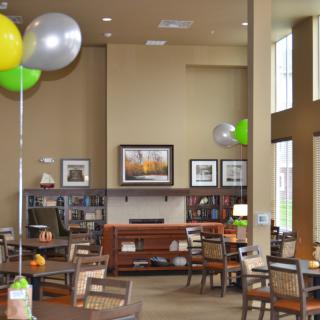
  • Indoor common areas Indoor common areasIndoor common areas are crucial for seniors as they provide a space for socialization, recreation, and community engagement, promoting overall well-being and reducing feelings of isolation and loneliness.
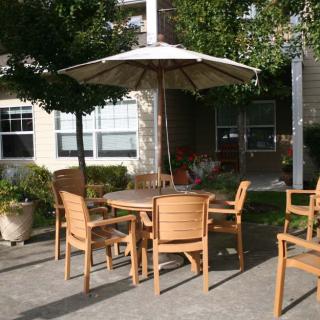
  • Outdoor common areas Outdoor common areasOutdoor common areas are important for seniors as they provide a space for socialization, physical activity, and relaxation. Being outside in nature can improve mood and overall well-being, while also encouraging movement and engagement with others. These spaces can help combat feelings of isolation and promote a sense of community among residents.
  • Private PrivatePrivacy is important for seniors as it allows them to maintain their independence, dignity, and sense of control over their own lives. It also gives them the space and freedom to relax, reflect, and engage in activities that bring them joy and fulfillment. Creating private spaces within senior living facilities is crucial for promoting overall well-being and quality of life.
  • Respite or short term stays offered Respite or short term stays offeredRespite or short term stays provide seniors with a temporary solution when their regular caregiver is unavailable, offering them the opportunity to receive additional care and support during times of need, while also giving caregivers a chance to rest and recharge.
  • Wheelchair accessible showers Wheelchair accessible showersWheelchair accessible showers are crucial for seniors as they provide a safe and independent bathing option for those with mobility challenges. These showers help prevent falls and allow seniors to maintain their dignity and autonomy while ensuring they can bathe comfortably.

Care Services

  • Ambulatory care Ambulatory care"Ambulatory care services provide essential medical support and treatment to seniors without requiring hospitalization, allowing them to maintain their independence and quality of life while managing chronic conditions or receiving routine medical care."
  • Diabetic care Diabetic careDiabetic care is crucial for seniors as they are more susceptible to developing diabetes due to aging and other health conditions. Proper management of diabetes can help prevent complications such as heart disease, vision loss, and nerve damage, improving the overall quality of life for seniors in senior living communities.
  • High acuity care High acuity careHigh acuity care is important for seniors because it provides specialized medical attention and support for individuals with complex medical needs. This level of care ensures that seniors receive the appropriate treatment and assistance to maintain their health and quality of life as they age.
  • Incontinence care Incontinence careIncontinence care is essential for seniors to maintain their dignity, hygiene, and overall quality of life. By addressing incontinence issues promptly and effectively, seniors can enjoy a sense of independence and comfort in their daily activities.
  • Medication management Medication managementMedication management is crucial for seniors to ensure they are taking the right medications at the correct dosages and times. This helps prevent adverse drug interactions, reduces the risk of medication errors, and promotes overall health and well-being. Proactive management also allows for adjustments as needed based on changing health conditions or new prescriptions.

Dining

  • Kosher KosherKosher options are important for seniors because they adhere to dietary laws that are significant to many Jewish individuals, providing them with peace of mind and an opportunity to maintain their cultural traditions and beliefs while living in a senior living community.
  • Meals provided Meals provided"Meals provided" are crucial for seniors in assisted living communities as it ensures they have access to nutritious, balanced meals without the stress of meal planning and preparation. This can help promote overall health and well-being for seniors who may have limited mobility or cognitive abilities.
  • Vegetarian VegetarianA vegetarian diet is important for seniors because it can help lower the risk of chronic diseases, maintain a healthy weight, and provide essential nutrients needed for aging bodies. Additionally, plant-based diets are often easier on digestive systems and can contribute to overall well-being in older adults.

Activities

  • Activities on-site Activities on-siteActivities on-site are important for seniors because they provide opportunities for socialization, mental stimulation, physical activity, and overall well-being. Engaging in activities can help seniors stay active, maintain their independence, and improve their quality of life.

Description

Selah Family Home is a Memory Care assisted living community located in Arlington, WA. Our facility offers a warm and welcoming environment for seniors who require specialized care for memory-related conditions. We provide top-quality care services to ensure our residents' comfort and well-being.

Our amenities include spacious bath tubs for relaxing baths, an on-site beautician to cater to our residents' grooming needs, indoor common areas where they can socialize with fellow residents, and outdoor common areas where they can enjoy fresh air and beautiful surroundings. Our facility is also wheelchair accessible, with showers designed to accommodate those with mobility challenges.

At Selah Family Home, we understand the importance of personalized care. Our staff is trained in diabetic care, high acuity care, incontinence care, and medication management. We prioritize each resident's individual needs and ensure they receive the appropriate assistance and support.

We believe in providing a balanced diet for our residents. Meals are provided throughout the day, with options available for vegetarian diets. Our experienced chefs strive to create delicious and nutritious meals that cater to both taste preferences and specific dietary requirements.

Our location offers convenience with nearby amenities. There is a park for residents to enjoy nature and outdoor activities closeby. In addition, there are pharmacies and physicians within close proximity for easy access to healthcare services. For those craving a meal outside of our community, there are also multiple restaurants nearby.

At Selah Family Home, we prioritize providing a safe and comfortable environment where memory care patients can thrive. With our comprehensive care services, compassionate staff members, and convenient amenities, we strive to enhance the quality of life for each resident we serve.

Nearby Places of Interest

Restaurants

  • Angel Of The Winds Casino Resort (2.2 miles)
  • Denny's (3.4 miles)
  • McDonald's (4.9 miles)
  • Nutty's Junkyard Grill (5.3 miles)
  • Boston's Restaurant & Sports Bar (6 miles)
  • MOD Pizza (6.2 miles)
  • The Paddle Pub (6.5 miles)

Parks

  • Haller Bridge Park (4.8 miles)
  • Twin Rivers Park (5.2 miles)
  • Lake Goodwin Community Park (6.4 miles)
  • Wenberg County Park (7.3 miles)
  • Strawberry Fields Dog Park (8.1 miles)
  • Youth Peace Park (12.2 miles)
  • Jennings Memorial Park (12.4 miles)

Pharmacies

  • Haggen Pharmacy (4.9 miles)
  • Arlington Pharmacy (5.6 miles)
  • Safeway Pharmacy (5.6 miles)
  • Cascade Medical Center Pharmacy (5.7 miles)
  • Rite Aid (5.9 miles)
  • Walmart Pharmacy (6 miles)
  • Target Pharmacy (6 miles)

Physicians

  • Mark R. Colombo, MD (5 miles)
  • Lice Clinics of America Arlington (5.1 miles)
  • Advanced Orthopaedic Institute (5.2 miles)
  • Jean Jacques Nya Ngatchou, MD (5.7 miles)
  • Cascade Regional Eye Center PS (5.7 miles)
  • Arlington Family Medicine (5.7 miles)
  • Alpine Vision Clinic (5.7 miles)

Places of Worship

  • Warm Beach Fall Retreats (6.7 miles)
  • Marysville Gospel Hall (9.7 miles)
  • Second Mile Mount Vernon (13.8 miles)

Cafes

  • Starbucks (9.4 miles)
  • Starbucks (10.6 miles)
  • Panera Bread (10.6 miles)
  • Starbucks (11 miles)
  • Bigfoot Java (11.1 miles)
  • 88th Street Espresso (11.1 miles)
  • Dutch Bros Coffee (12 miles)

Theaters

  • Regal Marysville (10.7 miles)

Hospitals

  • Public Hospital District 1 Skagit County (13.5 miles)
  • Care Center (13.6 miles)

Transportation

  • Skagit Station (13.7 miles)

Frequently Asked Questions

How much does it cost to live at Selah Family Home in Arlington, WA?
Where is Selah Family Home?
Does Selah Family Home provide care for residents with dementia or Alzheimer's disease?
Does Selah Family Home allow residents to have pets?

Nearby Communities

  • Brookdale Stanwood

    Brookdale Stanwood

    Stanwood, WA

    4.3 from 73 reviews
    $4,050 to $5,985 / month

    pro Friendly and caring staff with good dining and a clean, active community.

  • Cascade Companion Care

    Cascade Companion Care

    Arlington, WA

    4 from 3 reviews
     

    pro Serene setting with convenient access to parks, pharmacies, physicians, and nearby dining.

  • Arlington Health And Rehabilitation

    Arlington Health And Rehabilitation

    Arlington, WA

    3.3 from 21 reviews
     

    pro Extensive on-site care and amenities (24/7 supervision, meals, transport, activities).

  • Olympic Place Retirement and Assisted Living

    Olympic Place Retirement and Assisted Living

    Arlington, WA

    3.9 from 68 reviews
    $3,680 to $4,625 / month

    pro Friendly, attentive staff in a clean, well-maintained setting with engaging activities.

  • Olympic Place By Bonaventure

    Olympic Place By Bonaventure

    Arlington, WA

    4 from 51 reviews
     

    pro Friendly, attentive staff in a well-maintained, activity-rich community.

  • Vintage at Lakewood

    Vintage at Lakewood

    Marysville, WA

    4.1 from 122 reviews
    $1,296 to $1,546 / month

    pro Well-maintained facilities with in-unit laundry, affordable rents, and active amenities.

  • Warm Beach Senior Community

    Warm Beach Senior Community

    Stanwood, WA

    4.5 from 121 reviews
    $1,360 to $2,480 / month

    pro Caring staff, beautiful grounds, and multiple care options.

  • Logan Creek Retirement

    Logan Creek Retirement

    Mount Vernon, WA

    3.9 from 14 reviews
    $2,050 to $3,265 / month

    pro Friendly staff, homey atmosphere, and strong on-site amenities and safety.

  • Mountain Glen

    Mountain Glen

    Mount Vernon, WA

    4.7 from 107 reviews
    $2,500 to $4,125 / month

    pro Exceptional, friendly staff and a welcoming community with engaging on-site/off-site activities.

Related Resources

  • what do dementia patients think aboutDelving into the Inner World of Dementia: Insights into Thoughts and Awareness

    Dementia, primarily caused by Alzheimer's disease but also linked to other conditions, leads to cognitive decline impacting memory and daily functioning, with individuals experiencing varied awareness of their impairments. Despite memory loss, emotional connections persist, enabling responses to familiar stimuli, highlighting the need for caregivers to provide compassionate support that recognizes both limitations and retained emotional depth.

  • does my mom have dementia quizFive Subtle Dementia Indicators to Observe: An In-Depth Guide to Understanding “Does My Mom Have Dementia?”

    The article presents five subtle indicators of dementia, such as memory lapses and mood swings, to help families assess cognitive decline in loved ones. It emphasizes early detection, open communication, and seeking professional help while providing practical support steps.

  • dementia paranoiaDementia, Paranoia, and Caregiver Guidance: Understanding the Connection

    Dementia encompasses progressive neurological disorders that impair cognitive functions and can lead to paranoia due to cognitive decline and emotional changes. The article discusses the triggers of paranoia in dementia, caregiver strategies for managing it, and the importance of distinguishing between dementia-related paranoia and other psychiatric conditions.