Marian Manor of Stafford offers competitive pricing for its residents, particularly when compared to the broader market in Stafford County and across Virginia. For a semi-private room, the cost at Marian Manor is $4,200 per month, which is slightly lower than the county average of $4,387 but notably higher than the state average of $3,991. In contrast, the one-bedroom option at Marian Manor is priced at $4,800, which significantly exceeds both the county's average of $3,141 and Virginia's average of $4,257. These figures suggest that while Marian Manor provides quality amenities and care that may justify its pricing structure for certain accommodations, prospective residents should weigh these costs against their personal needs and preferences in relation to other options available within Stafford County and the state.
Floor plans
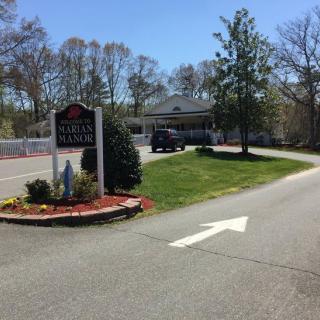
Marian Manor of Stafford
Stafford County
Virginia
Semi-Private
$4,200
$4,387
$3,991
1 Bedroom
$4,800
$3,141
$4,257
Skilled Nursing Facilities with a similar price nearby
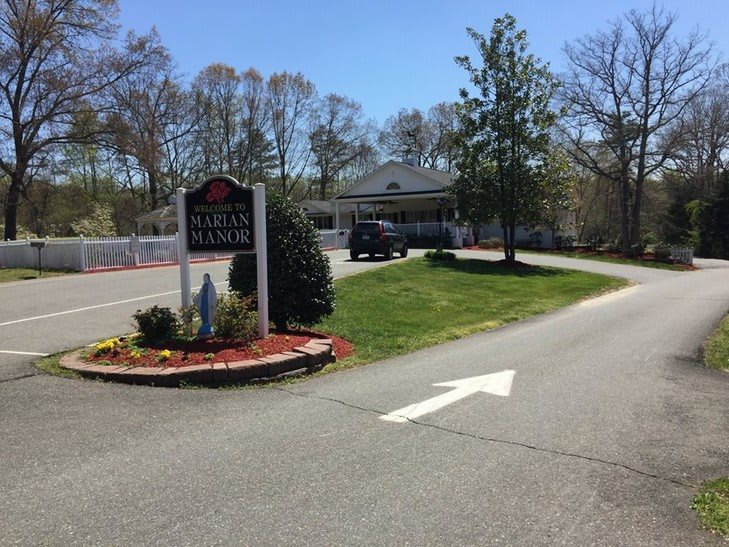
Residents and families repeatedly describe a homey, small-community atmosphere.
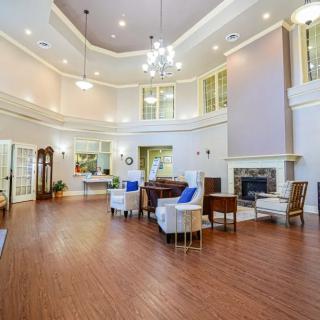
Many reviews say Marian Manor feels more like home than an institutional facility, with a more intimate, small setting and a comfortable, lived-in feel. Families mention home-like common areas and surroundings, including outdoor spaces and quieter, less “cookie-cutter” vibes. Several reviewers connect this atmosphere to better comfort and settling in after placement.
differentiator8 reviews mention this
Memory care is a focus
Marian Manor is positioned for residents living with dementia and Alzheimer’s.
Multiple reviews reference memory care and describe support for dementia, including how the staff handled challenging behaviors. Families also describe it as a fit specifically for someone who needs memory-care support. The setting is described as small and focused, with routines that helped residents adjust.
common15 reviews mention this
Care teams communicate often
Residents’ families describe staff who stay responsive and keep them informed.
Across many reviews, families highlight communication, responsiveness, and attentive day-to-day care. Several say staff monitored health details such as medications and kept families updated about health and emotional issues. Others mention staff guidance and reassurance when questions or concerns came up, along with a consistently kind, pleasant interaction when they visited.
common11 reviews mention this
Food and meal handling
Dining is frequently praised, including meal quality and diet support.
Food shows up repeatedly in reviews, with people describing meals as good and residents doing better with eating. Several reviewers mention accommodating dietary preferences, and one describes a more balanced diet that improved a resident’s nutrition. Others describe what they saw during visits, including that meals looked good even if they hadn’t fully tested dining yet.
caveat4 reviews mention this
Activities can feel limited
A recurring concern is that activities may not be frequent.
While some reviews describe there being things to do, others say there weren’t many activities happening during visits or that the activity schedule felt minimal. One review specifically calls out limited programming. Another notes outings such as going out on a bus on particular days, suggesting activities may be more structured around select times.
common3 reviews mention this
Costs are described as more affordable
Several reviews mention the community as more affordable than expected.
A few families describe Marian Manor as affordable or less expensive than what they had seen elsewhere. One reviewer also says the cost felt reasonable and “not an arm and a leg.” These comments suggest pricing is a factor families considered when choosing or recommending the community.
caveat5 reviews mention this
Safety and cleanliness concerns
Some reviews raise serious concerns about safety, cleanliness, and staffing.
A small number of reviews point to equipment and supervision problems, including missing call bells and residents experiencing falls without quick assistance. Others describe unclean areas and say the community looked dirty during an in-person visit. One additional review mentions the facility didn’t feel fully safe due to what they saw on that visit, including limited staff presence.
How we summarize
Counts show how many written reviews mention each theme; a review can touch several themes, and only frequently mentioned themes are displayed.
Features
Housing
39 resident community capacity
Studio apartments
Types of Care
Assisted Living
Memory Care
Skilled Nursing Facility
Pets
Cats allowed
Dogs allowed
Amenities
Activities on-site
Air-conditioning
Beautician on-site
Beauty salon
Cable or satellite TV
Devotional services off-site
Devotional services on-site
Dining room
Fully furnished
Garden
Ground floor units
Handicap accessible
Housekeeping services
Indoor common areas
Kitchenette
Laundry
Move-in coordination
Outdoor common areas
Outdoor space
Respite or short term stays offered
Restaurant-style dining
Security gate
Small library
Telephone
Wheelchair accessible showers
Wi-Fi/high-speed internet available
Transportation
Transportation & parking
Care Services
24-hour call system
24-hour supervision
Activities of daily living assistance
Assistance with bathing
Assistance with dressing
Assistance with transfers
Diabetes diet
Diabetic care
High acuity care
Incontinence care
Meal preparation and service
Medication management
Mental wellness program
Physical therapy
Special dietary restrictions
Dining
Diabetes diet
Gluten-free
Guest meals
Kosher
Low / no sodium
Meals provided
No Sugar
Special dietary restrictions
Special dining programs
Vegan
Vegetarian
Activities
Activities off-site
Bible study group
Catholic services
Community-sponsored activities
Day trips and outings
Devotional activities offsite
Devotional activities on-site
Live dance or theater performances
Live musical performances
Protestant services
Religious services
Resident-run activities
Scheduled daily activities
Stretching classes
Visiting Rabbi
Visiting chaplain or priest
Languages Spoken
English
Spanish
Nearby Places of Interest
This part of Stafford, Virginia, offers easy access to a variety of healthcare providers, including Potomac Urology and Radiation Oncology Specialists, as well as pharmacies like CVS and Shoppers Food & Pharmacy. The area also features several dining options such as KFC, McDonald's, Chili's Grill & Bar, and Applebee's for convenient meals. Additionally, there are parks like Government Island and Aquia Landing nearby for outdoor recreation opportunities. Places of worship like New Hope United Methodist and Unitarian Universalist Fellowship provide spiritual support for residents. Overall, this neighborhood provides a range of amenities that may be appealing to seniors looking for a vibrant community with essential services close by.
Physicians
Potomac Urology (0.4 miles)
Radiation Oncology Specialists of Central Virginia (0.4 miles)
About Women OB-Gyn PC (3.2 miles)
Lia Dorthea Shorter (3.3 miles)
Fredericksburg Orthopaedic Associates (4.1 miles)
Gregory E Bee PA ATC (4.1 miles)
Seyed M Hashemi, MD, FACC (4.5 miles)
Hospitals
Stafford Hospital Imaging at Woodbridge (0.5 miles)
Marian Manor of Stafford offers competitive pricing for its residents, particularly when compared to the broader market in Stafford County and across Virginia. For a semi-private room, the cost at Marian Manor is $4,200 per month, which is slightly lower than the county average of $4,387 but notably higher than the state average of $3,991. In contrast, the one-bedroom option at Marian Manor is priced at $4,800, which significantly exceeds both the county's average of $3,141 and Virginia's average of $4,257. These figures suggest that while Marian Manor provides quality amenities and care that may justify its pricing structure for certain accommodations, prospective residents should weigh these costs against their personal needs and preferences in relation to other options available within Stafford County and the state.
The 24-hour supervision at Marian Manor ensures that residents receive constant support and safety, which is crucial for individuals with memory impairments. Assistance with activities of daily living, including bathing and dressing, fosters independence while addressing the unique challenges faced by those with dementia or Alzheimer's disease. Support during transfers helps prevent falls and promotes mobility, further enhancing residents' physical well-being. Incontinence care provides dignity and comfort, alleviating anxiety related to personal hygiene. Meal preparation and service tailored to dietary needs ensures that residents receive proper nutrition, which can impact cognitive function. Medication management supports adherence to treatment plans critical for overall health, while a mental wellness program encourages engagement and cognitive stimulation tailored to each individual's abilities. Finally, access to physical therapy helps maintain or improve motor skills, contributing to a better quality of life for those in various stages of memory care needs.
Dementia is characterized by cognitive decline, with nutrition playing a vital role in brain health; while no specific diet can prevent or reverse it, a nutrient-dense diet rich in antioxidants and healthy fats may support cognitive function. The MIND diet, which emphasizes beneficial foods and limits processed items, along with proper hydration and individualized meal strategies, can enhance the well-being of dementia patients.
Dementia affects memory and cognitive function in older adults, presenting challenges for caregivers due to behavioral changes such as confusion and mood swings. Compassionate, person-centered care that considers individual history and preferences, along with effective communication and environmental modifications, is essential for supporting both patients and their caregivers.
Dementia leads to cognitive impairment and can cause emotional and behavioral changes, including aggression that arises from frustration, confusion, or fear. Effective coping strategies for caregivers include understanding dementia's nature, recognizing triggers, using empathetic communication, and employing non-pharmacological interventions like music and art therapy.
Get PricingAsk A QuestionSchedule A TourContact Senior Advisor
By clicking submit, you agree to our Partner's Terms of Use. You
also consent to receive calls and texts, which may be autodialed, from our Partner. Your consent is not a condition to
using our Partner's service. Please visit our Partner's Privacy Policy for information about their privacy practices.


 39 resident community capacity
 Studio apartments
 Assisted Living
 Memory Care
 Skilled Nursing Facility
 Cats allowed
 Dogs allowed
 Activities on-site
 Air-conditioning
 Beautician on-site
 Cable or satellite TV
 Devotional services off-site
 Dining room
 Fully furnished
 Garden
 Ground floor units
 Handicap accessible
 Housekeeping services
 Indoor common areas
 Kitchenette
 Laundry
 Move-in coordination
 Outdoor common areas
 Respite or short term stays offered
 Restaurant-style dining
 Security gate
 Small library
 Telephone
 Wheelchair accessible showers
 Wi-Fi/high-speed internet available
 Transportation & parking
 24-hour call system
 Assistance with bathing
 Assistance with dressing
 Assistance with transfers
 Diabetes diet
 Diabetic care
 High acuity care
 Incontinence care
 Medication management
 Mental wellness program
 Physical therapy
 Special dietary restrictions
 Bible study group
 Day trips and outings
 Live dance or theater performances
 Live musical performances
 Stretching classes
 Visiting Rabbi
 English
 Exceptional care with convenient access to parks, nearby physicians and hospital, plus restaurants and pharmacy.

 Nourishing the Mind: Essential Dietary Approaches for Dementia
 Understanding Dementia Behaviors: Practical Insights and Strategies for Caregivers
 When Dementia Sparks Anger and Aggression: Understanding the Connection and Ways to Cope