

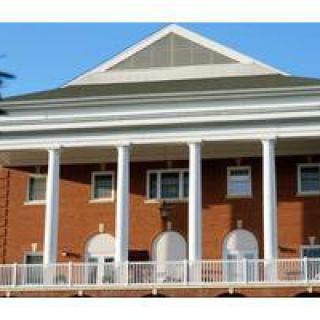

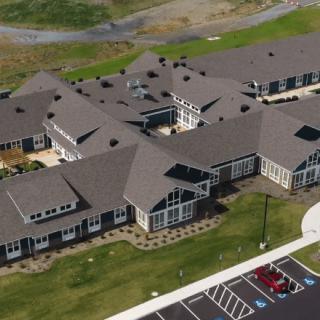
3935 Sunnyside Drive, Harrisonburg, VA 22801
For more information about senior living options: (866) 208-4318
Overall Review of Sunnyside
Pros
 The tour at Sunnyside Retirement Community was very good and very pleasant.
- The staff were wonderful.
- The community offers a beautiful swimming pool, a fitness center, and many classes.
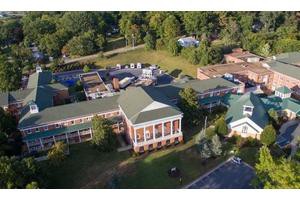
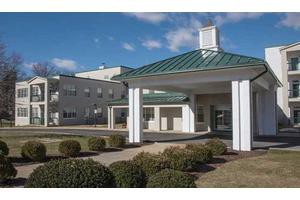
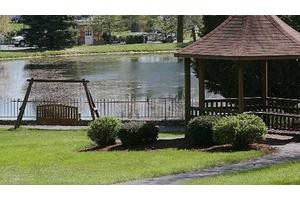
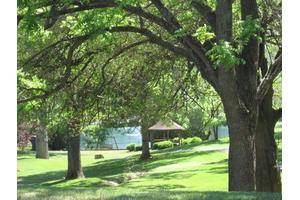
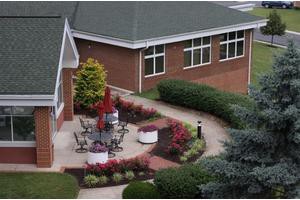
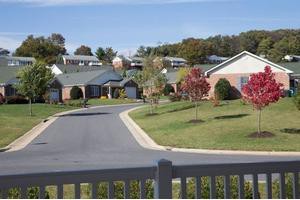
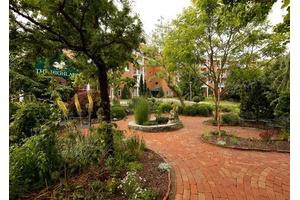
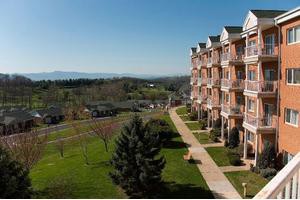
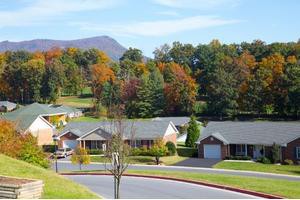
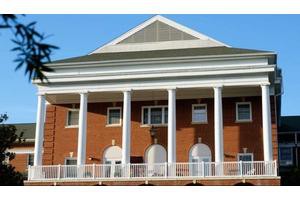
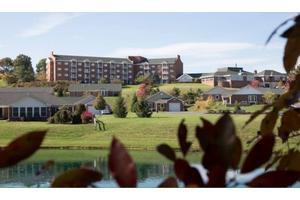
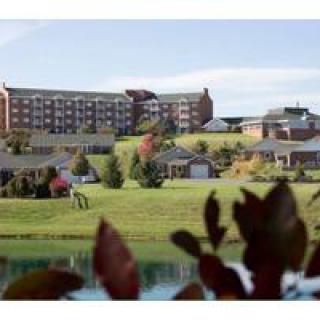
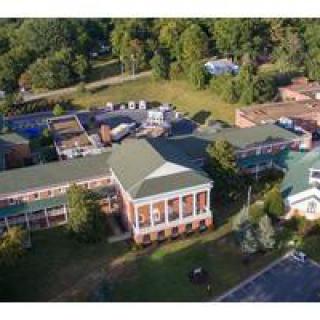
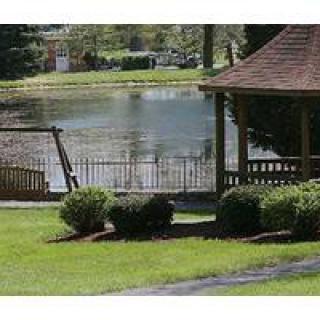
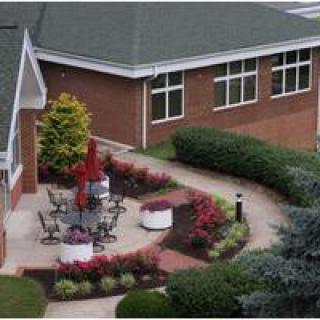
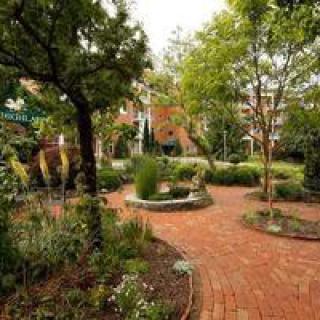
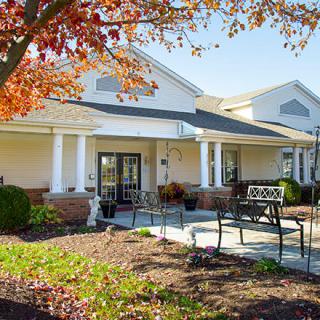
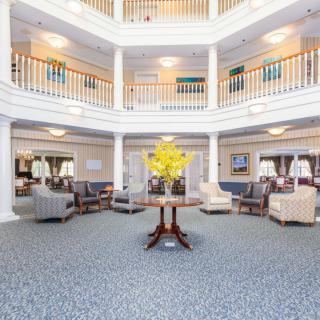
- The grounds are gorgeous, and everything inside is nice, clean, and organized.
- The food is very good.
- Sunnyside's activities provide a wide selection with many opportunities to get involved.
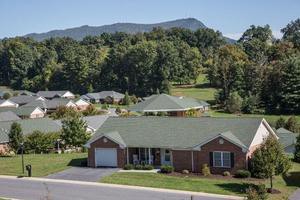
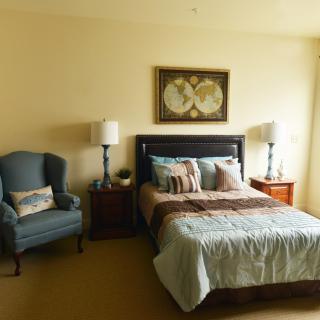
- Accommodations include spacious living rooms with patios, plus nice bedrooms and kitchenettes.
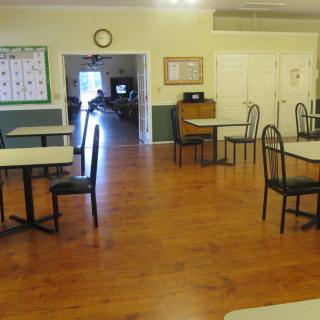
- Sunnyside Presbyterian Home has professional and very nice staff in a beautiful setting, and the dining area is lovely.
- The security is wonderful.
- The staff, residents, care providers, and ministers are friendly, caring, and helpful.
Cons
 They lost contact with neighbors after moving from the village to the Main Building, were allowed to withdraw from the community, and rarely left their suite or had any meaningful contact with peers.
- The family believed that because their grandparents had paid to have a house in the village built and then turned over to Sunnyside without compensation, they would be cared for on that basis rather than charged $50k per year when they needed help.
- They thought the Presbyterian was too big.
- They felt the lack of meaningful contact hastened the dementia.
Review
Sunnyside Retirement Community in Harrisonburg, Virginia is best suited for seniors who want an active, engagement-rich environment with ample opportunities to socialize, learn, and stay physically fit, all on a single campus that offers a continuum of care. It works well for independent residents who prize a park-like setting, well-kept grounds, and a broad slate of classes, pools and fitness options, plus the reassurance of on-site care options should needs evolve. The campus design, separate cottages or living spaces with private outdoor access, a welcoming dining area, and easy access to activities, appeals to couples seeking proximity to peers and a familiar, self-directed lifestyle. Families seeking visible, competent staff and frequent, genuine outreach will find Sunnyside’s approach reassuring.
The strengths begin with the people and the programming. The staff consistently comes across as warm, professional, and attentive, and the community’s outreach is robust, follow-up calls show a genuine interest in aligning offerings with a visitor’s interests. Activities are not a token gesture but a central feature, with a wide and varied menu that keeps residents engaged. The grounds are described as gorgeous, and the interiors are clean, organized, and inviting. Accommodations for individuals, especially a living room, patio, bedroom, and kitchenette in some units, deliver a homey feel within a cared-for setting. Dining is highlighted as a pleasant, social experience, complemented by a pool, fitness center, and numerous classes that foster ongoing participation rather than passive observation.
The community’s ability to offer a continuum of care, including dementia support through The Terrace, stands out as a practical advantage for families planning long-term arrangements. The existence of Sunnyside Presbyterian Home within the same ecosystem adds to the sense of stability and professional caregiver access. Security and professional care providers contribute to a sense of safety that is often decisive for families weighing transitions. The anecdotal testimony about long-term well-being for relatives who lived in the Village and later moved to the Terrace underscores Sunnyside’s capacity to adapt to changing needs while maintaining a consistent, supportive culture.
However, the strongest caveat centers on scale and transition dynamics. The Presbyterian facility, while attractive, is notably large, which can feel overwhelming to some residents and families seeking a more intimate atmosphere. A specific concern from one account is the moment of transition from the Village to the Main Building and then to the Terrace, during which neighbors and peer connections diminished, potentially accelerating isolation for a time. That experience highlights a real risk: even in a high-quality program, the social architecture of moving through levels must be actively managed to preserve peer networks and daily meaningful contact. Financial questions also surface in conversations about ownership arrangements and ongoing costs, underscoring the need for crystal-clear communication about what is included, what is charged, and how long-term affordability will be maintained.
These pros do offset the cons when a deliberate, proactive plan is employed. The rich activity calendar, neighborly staff, and strong security create a baseline of engagement and safety that mitigates feelings of boredom or vulnerability. The ability to stay overnight during a tour provides a realistic sense of daily life, and the capacity to explore multiple facilities on the campus helps families assess fit before committing. To offset concerns about transition disruption, families should insist on a detailed move-in plan that includes scheduled social integration, introduction to peers, and structured opportunities to maintain connections with current neighbors. Open dialogue about costs and contracts, with explicit, itemized inclusions, will prevent surprises and align expectations with actual services.
For families considering alternatives, Sunnyside’s strengths may resonate most with those who want maximum social stimulation, generous programming, and a campus with built-in levels of care. Alternatives may make more sense for those seeking a more intimate, village-like atmosphere with fewer moving parts or for households prioritizing lower ongoing costs and simpler financial arrangements. Bigger campuses with broad offerings can be wonderful for some, but others may prefer smaller communities that emphasize continuous peer interaction and a tighter sense of community. In short, if scale and a busy, diversified environment feel like the right match, Sunnyside delivers; if a cozier, more singularly focused setting is preferred, exploring smaller options or specialized dementia care communities may be prudent.
In the end, Sunnyside presents a compelling package for proactive seniors ready to embrace an active lifestyle with ready access to care as needs evolve. The practical decision rests on aligning the campus’s large, vibrant programming and continuum of care with the resident’s tolerance for a sprawling environment and a willingness to engage actively in social life during transitions. Prospective residents should plan a comprehensive visit that includes real conversations with staff, current residents, and families, ask for detailed financial terms and move plans, and verify that the social scaffolding will be in place to sustain meaningful connections through all phases of care. With that due diligence, Sunnyside can be a durable, uplifting home for years to come.
 85 resident community capacity
 1-bedroom apartments
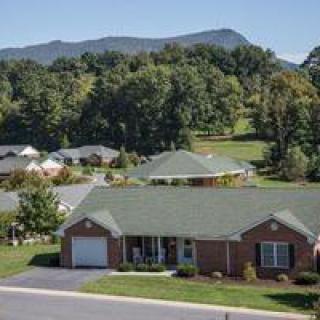
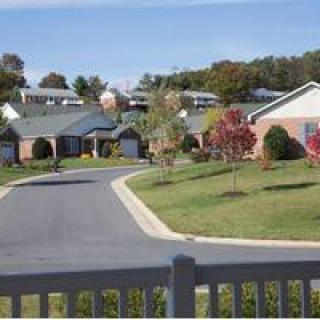
 Detached homes
 Continuing Care Retirement Community (CCRC)
 Memory Care
 Skilled Nursing Facility
 Air-conditioning
 Beautician on-site
 Cable or satellite TV
 Computer center
 Dining room
 Fitness room
 Full kitchen
 Fully furnished
 Gaming room
 Garden
 Golf
Golf Hiking trails
 Housekeeping services
 Laundry
 Move-in coordination
 Outdoor space
 Private bathrooms
 Resident parking
 Restaurant-style dining
 Small library
 Spa
Spa Swimming pool
 Telephone
 Wi-Fi/high-speed internet available
 Shenandoah Valley Regional (10 miles away)
 Community operated transportation
 24-hour call system
 Activities of daily living assistance
 Assistance with bathing
 Assistance with dressing
 Assistance with transfers
 Diabetes diet
 Medication management
 Physical therapy
 Special dietary restrictions
 Arts and crafts
 Concierge services
 Cooking club
 Games
Games Live musical performances
 Planned day trips
 Religious services
 Wii bowling
 English

 A Holistic Dementia Care Guide: Effective Strategies for Memory Support
 Memory Care Pathways: A Holistic Guide to Dementia Support
 Comprehending Evening Confusion in Dementia: Causes, Manifestations, and Support