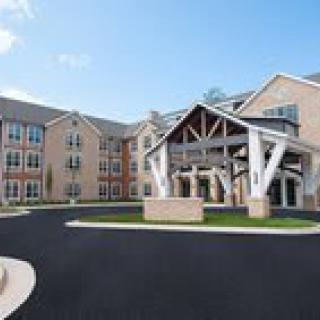
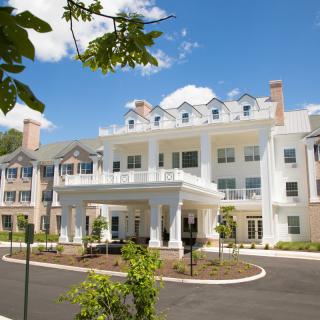
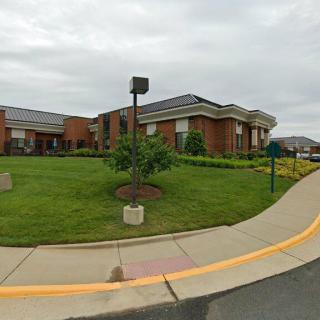
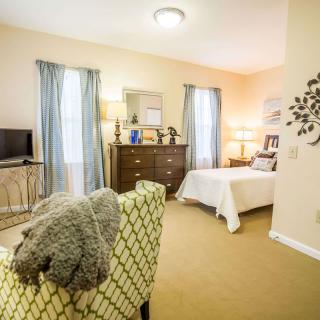
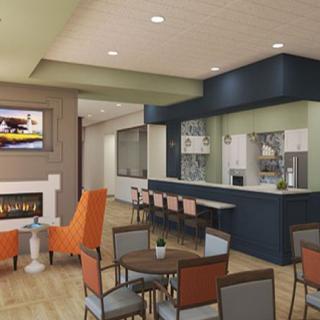
Legacy Ridge Memory Care Community in Gainesville, VA

Save

Legacy Ridge Memory Care Community in Gainesville, VA

16001 Loves Mill Lane, Gainesville, VA 20155

For more information about senior living options: (844) 490-3973

4.4 from 33 reviews
5 stars
25
4 stars
2
3 stars
2
2 stars
1
1 stars
3

Memory Care

Overall Review of Legacy Ridge Memory Care Community

Pros

  • pro The staff are very professional and friendly.
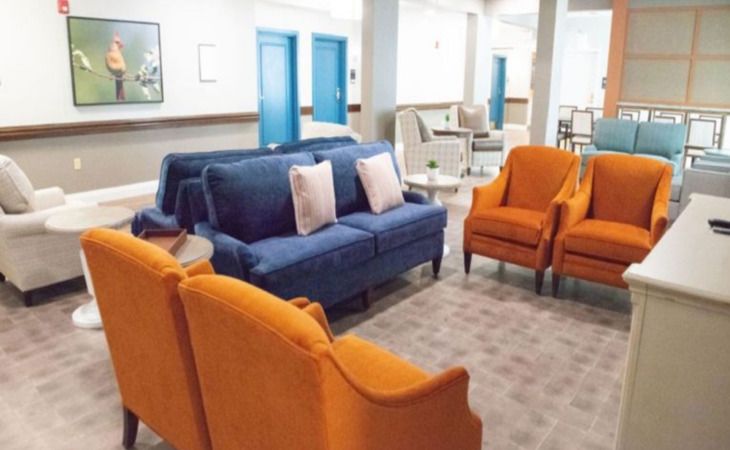
  • pro Legacy Ridge offers a welcoming environment for residents and their families.
  • pro Legacy Ridge provides nutritious meals, engaging activities, and companionship for residents.
  • pro The administration maintains an open-door policy, keeping lines of communication open.
  • pro The staff are compassionate, caring, and attentive to residents.
  • pro The facility is amazingly clean and smells pleasant.
  • pro Legacy Ridge is an awesome place with a top-notch staff.
  • pro The staff show genuine affection for the residents and provide excellent care.

Cons

  • pro The facility is described as severely understaffed, leaving residents neglected and overworked staff.
  • pro Care has plummeted since the May 2024 takeover, while rates continue to rise.
  • pro Management is accused of ignoring concerns and failing to provide basic care.
  • pro There are reports of misadministered medications due to staffing shortages and inadequate supervision.
  • pro The staff are criticized as "fake nice" during evaluations and accused of dishonesty about residents' conditions.
  • pro A reviewer notes dirty rooms and a lack of timely communication, including the in-house doctor not being notified.

Review

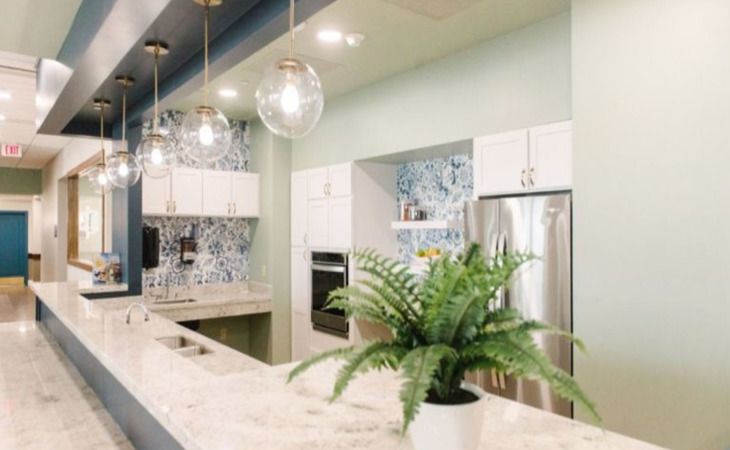
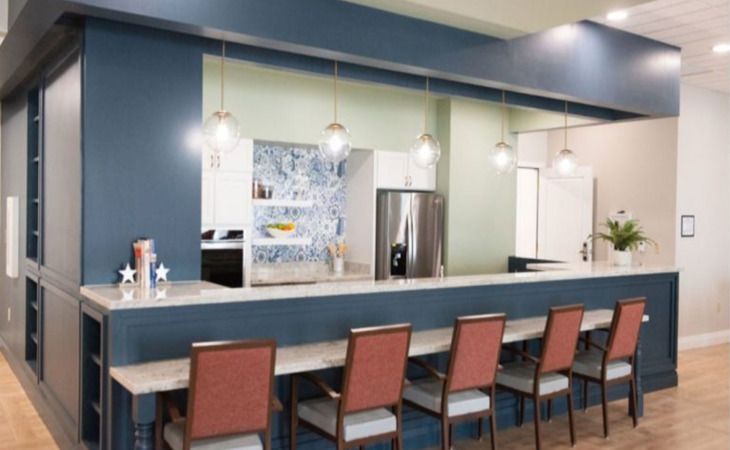
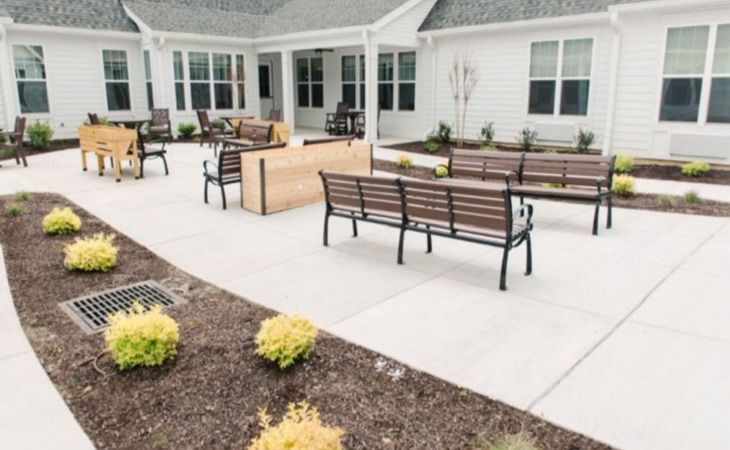
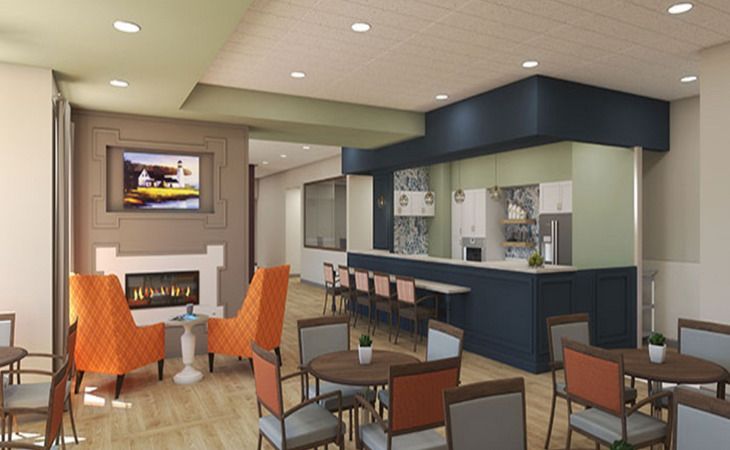
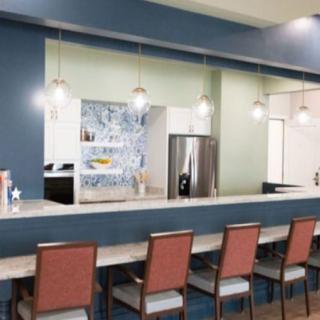
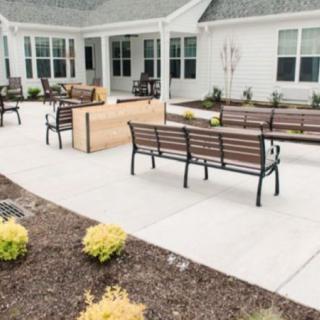
Legacy Ridge Memory Care Community in Gainesville is best suited for families seeking a warm, activity-rich memory care environment where residents can be engaged daily and cared for by a staff that often feels like an extended family. This community shines for residents who respond well to a Montessori-inspired approach, regular social programming, nutritious meals, and opportunities for outings and meaningful interaction. It is particularly appealing for families who want visible caregiver warmth, reliable front-desk and nursing staff, and a setting that feels inviting to both residents and visiting loved ones. For many, the atmosphere - clean facilities, fragrant, well-kept spaces, two courtyard areas, and a chef-supported kitchen - translates into peace of mind and a sense of normalcy in daily life.

That said, families should consider alternatives if a resident requires consistently intensive medical oversight, unusually high staff-to-resident ratios, or extremely tight supervision. Several reviews flag post-2024 management changes that reportedly correlated with staffing pressures and missed or delayed care in some instances. Potential residents with advanced dementia, frequent medication administration needs, or behaviors requiring vigilant, around-the-clock direction may find safer reassurance elsewhere unless a strong, proactive family oversight plan accompanies the placement. Similarly, those prioritizing pristine, small-group environments with a fixed leadership team and minimal turnover may prefer other options if consistency in governance is a primary concern.

The core advantages - genuine warmth from frontline staff, frequent check-ins, and a culture of care - consistently appear to offset many concerns when operations run smoothly. Many reviews commend the staff for compassion and attentiveness, with particular aides, nurses, and activity directors cited for making residents feel seen and safe. The facility's open-door administration, emphasis on nutritious meals, engaging programming, and the sense that staff treat residents as family contribute to a high-quality living experience during good staffing periods. Contemporary respite stays also highlight the facility's capacity to deliver short-term comfort, safety, and relief for caregivers, signaling strong underpinnings when staff are fully engaged.

Nevertheless, the main risks cannot be ignored. Reports of understaffing, inconsistent supervision, and occasional lapses in medication handling or doctor notification temper the otherwise positive impressions. Instances of dirt or cleanliness concerns paired with staff shortages suggest that a portion of the resident population could experience uneven care during peak demand or staffing gaps. These concerns are not universal - there are many residents and families who sing praise for compassionate care - but they create a meaningful caveat for families evaluating long-term placement, especially for residents who require meticulous medical management or who have a history of behavioral or medical instability.

For families actively evaluating Legacy Ridge, a practical takeaway is to scrutinize current staffing practices and governance stability during tours and conversations. Directly inquire about nurse-to-resident ratios, medication administration workflows, and how changes in ownership or leadership have impacted daily care. Observe care routines, note the responsiveness of staff to call bells and requests, and speak with multiple residents and families about consistency over time. Ask for concrete examples of how situations like a medical issue or a rapid change in a resident's condition are escalated and communicated. Tour the therapeutic spaces, review the dining options in detail, and verify the availability of on-site clinicians, as well as the process for notifying families of health changes.

In the end, Legacy Ridge offers a compelling option for memory-care living where warmth, engagement, and caregiver attentiveness are the lifeblood of daily life. It is especially appealing to families who value an open, home-like environment, robust activity calendars, and a strong sense of community. Yet a prudent decision requires recognizing that staffing variability and governance hiccups have occurred in the past, sometimes with tangible effects on care. If a resident's needs lean toward moderate memory impairment with high social engagement and a family-ready model of oversight, Legacy Ridge can be an excellent fit. If, instead, the priority is unwavering medical redundancy, fixed leadership, and consistently flawless operations, broader exploration may be warranted to identify a match with fewer risk factors.

Features

Housing

  • 72 resident community capacity 72 resident community capacity
  • Studio apartments Studio apartmentsStudio apartments are important for seniors because they offer a smaller, more manageable living space that is easier to navigate and maintain as physical abilities decline. Additionally, studio apartments provide seniors with independence and privacy while still being part of a community that offers support and social opportunities.

Types of Care

  • Memory Care Memory CareMemory care is crucial for seniors as it provides specialized support and services for individuals with dementia or Alzheimer's disease. These programs offer a safe and secure environment where residents receive personalized care, cognitive stimulation, and help with daily activities. Memory care helps seniors maintain their independence, quality of life, and dignity while also providing peace of mind for their families.

Amenities

  • Air-conditioning Air-conditioningAir conditioning is important for seniors as they are more vulnerable to heat-related illnesses and may have underlying health conditions that make it difficult for them to regulate their body temperature. It helps to keep them comfortable, safe, and healthy in hot weather.
  • Beauty salon Beauty salonBeauty salons are important for seniors because they provide a space for them to feel pampered, socialize, and maintain their personal grooming and hygiene. Regular visits to a beauty salon can help boost seniors' self-esteem and overall well-being.
  • Cable or satellite TV Cable or satellite TVCable or satellite TV is important for seniors because it provides entertainment, news, and companionship, helping to combat loneliness and boredom. It also offers a wide range of programming options tailored to different interests and preferences.
  • Computer center Computer centerA computer center is essential for seniors as it provides access to technology, communication tools, and resources that can enhance their daily lives. It allows them to stay connected with loved ones, engage in online activities, and learn new skills, ultimately promoting socialization and mental stimulation.
  • Dining room Dining roomDining rooms are important for seniors as they provide a space for socialization, connection, and nutritious meals. They offer opportunities for residents to bond over shared meals, foster a sense of community, and promote healthy eating habits. Dining rooms also ensure that seniors have access to well-balanced meals tailored to their dietary needs and preferences.
  • Fitness room Fitness roomHaving a fitness room in a senior living community is essential for seniors to stay active, maintain their physical health, and improve their overall well-being. Regular exercise can help prevent falls, reduce the risk of chronic diseases, and promote mental sharpness. It also provides social opportunities for residents to connect with others and enjoy a sense of community.
  • Fully furnished Fully furnishedFully furnished senior living communities are important for seniors because they provide convenience, comfort, and a hassle-free moving experience. Seniors can easily settle into their new living space without the stress of having to buy and move furniture. This allows them to focus on enjoying their new home and community.
  • Gaming room Gaming roomGaming rooms are important for seniors as they provide a fun and engaging environment for socializing, cognitive stimulation, and physical activity. Games can improve memory, problem-solving skills, and overall mental well-being while fostering friendships and reducing feelings of isolation.
  • Garden GardenGardens are important for seniors as they provide a peaceful and therapeutic environment for relaxation, physical activity, and socialization. Being in nature has been shown to reduce stress, improve mood, and promote overall well-being. Gardens also offer opportunities for seniors to engage in gardening activities, which can improve mobility, flexibility, and cognitive function. Additionally, gardens create a sense of community and connection with others who share a passion for plants and outdoor spaces.
  • Housekeeping services Housekeeping servicesHousekeeping services are important for seniors because they help maintain a clean and safe living environment, promote independence, and reduce the risk of accidents or illnesses. Additionally, having assistance with household chores can alleviate physical strain and allow seniors to focus on other aspects of their well-being.
  • Kitchenette KitchenetteKitchenettes are important for seniors living in senior living communities because they provide the convenience and independence of being able to prepare simple meals and snacks in the comfort of their own living space. This can help promote a sense of autonomy and well-being for seniors, allowing them to maintain some level of control over their dietary choices and daily routines.
  • Move-in coordination Move-in coordinationMove-in coordination is important for seniors because it helps ease the transition into their new living environment. It ensures that all logistics, such as packing, organizing movers, and setting up utilities are taken care of, allowing seniors to focus on settling in and adjusting to their new home. Having a smooth move-in process can alleviate stress and anxiety, making the transition smoother and more enjoyable for seniors.
  • Outdoor space Outdoor spaceOutdoor spaces are important for seniors as they provide opportunities for physical activity, social interaction, exposure to natural light and fresh air, and a sense of connection to nature. Having access to outdoor spaces can improve overall well-being and quality of life for older adults living in senior communities.
  • Private bathrooms Private bathroomsPrivate bathrooms are important for seniors in senior living communities because they provide independence, dignity, and comfort. Having a private bathroom allows seniors to maintain their personal hygiene routines without the need for assistance, promoting a sense of autonomy and privacy. Additionally, private bathrooms help prevent the spread of infections and provide a safe and clean environment for seniors to navigate safely.
  • Respite or short term stays offered Respite or short term stays offeredRespite or short term stays provide seniors with a temporary solution when their regular caregiver is unavailable, offering them the opportunity to receive additional care and support during times of need, while also giving caregivers a chance to rest and recharge.
  • Restaurant-style dining Restaurant-style diningRestaurant-style dining is important for seniors because it allows them to enjoy delicious, nutritious meals in a social and upscale setting. This enhances their dining experience, promotes healthy eating habits, and fosters socialization with fellow residents, ultimately contributing to their overall well-being and quality of life.
  • Small library Small librarySmall libraries are important for seniors as they provide access to a variety of reading materials, including books, newspapers, and magazines. This can help stimulate their minds, keep them engaged, and provide a sense of community through book clubs and other social activities. Additionally, reading has been shown to improve cognitive function and overall mental well-being in older adults.
  • Telephone TelephoneTelephones are important for seniors as they provide a lifeline for communication with loved ones, emergency services, and healthcare providers. They offer a sense of security and independence, enabling seniors to stay connected and access assistance when needed.
  • Wellness center Wellness centerWellness centers are important for seniors because they offer a variety of programs and services that promote physical, mental, and emotional well-being. These centers provide opportunities for exercise, socialization, education, and relaxation, helping seniors maintain their overall health and quality of life.
  • Wi-Fi/high-speed internet available Wi-Fi/high-speed internet availableWi-Fi/high-speed internet is important for seniors to stay connected with loved ones, access online resources, and participate in virtual activities to combat feelings of loneliness and isolation. It also allows them to easily manage healthcare needs, access entertainment, and engage in lifelong learning opportunities.

Transportation

  • Washington Dulles International (16 miles away) Washington Dulles International (16 miles away)
  • Community operated transportation Community operated transportationCommunity operated transportation is crucial for seniors as it provides them with the means to access essential services, social activities, and medical appointments. It allows seniors to maintain their independence and quality of life by ensuring they can participate in activities outside of their homes. Additionally, community-operated transportation services offer a safe and reliable way for seniors to travel without having to rely on family or friends for assistance.
  • Transportation arrangement Transportation arrangementTransportation arrangements are crucial for seniors as they may face challenges with driving, mobility, or access to public transportation. Having reliable transportation services ensures that seniors can easily attend appointments, social activities, and maintain their independence and quality of life.
  • Transportation arrangement (non-medical) Transportation arrangement (non-medical)Transportation arrangements are essential for seniors as they provide access to essential services, activities, and social interactions outside the home. This service helps maintain independence, mobility, and overall well-being for seniors who may have limited transportation options.

Care Services

  • 12-16 hour nursing 12-16 hour nursing12-16 hour nursing care is crucial for seniors in order to ensure around-the-clock monitoring, timely medication administration, and prompt response to any health concerns or emergencies. This level of care helps to promote the overall well-being and safety of seniors living in senior living communities.
  • 24-hour call system 24-hour call system24-hour call systems are important for seniors because they provide peace of mind and immediate assistance in case of emergencies. This technology ensures that help is always available, promoting safety and security for elderly individuals living alone or in assisted living facilities.
  • 24-hour supervision 24-hour supervision24-hour supervision is important for seniors to ensure their safety, well-being, and access to immediate assistance in case of emergencies or health issues. This constant support provides peace of mind for both seniors and their loved ones, allowing them to age in place with dignity and security.
  • Activities of daily living assistance Activities of daily living assistanceActivities of daily living assistance are important for seniors because they provide essential support with tasks such as eating, bathing, dressing, and mobility. This assistance helps seniors maintain their independence, dignity, and overall quality of life as they age.
  • Assistance with bathing Assistance with bathingAssistance with bathing is crucial for seniors as it helps maintain personal hygiene, prevents infections, and ensures their overall well-being and comfort. It also provides a sense of dignity and independence for seniors who may struggle with this task on their own.
  • Assistance with dressing Assistance with dressingAssistance with dressing is important for seniors because it helps maintain their independence, promotes personal hygiene, prevents accidents and injuries, and improves overall quality of life. This service ensures that seniors can continue to dress comfortably and confidently, despite any physical limitations they may have.
  • Assistance with transfers Assistance with transfersAssistance with transfers is crucial for seniors as it helps prevent falls and injuries, maintains their independence, and ensures they can safely navigate their living environment. It also provides peace of mind for both seniors and their loved ones.
  • Coordination with health care providers Coordination with health care providersCoordination with health care providers is crucial for seniors to ensure proper medical care, medication management, and overall well-being. This collaboration helps prevent overlapping treatments, track progress more effectively, and provide comprehensive support tailored to individual needs.
  • Diabetes diet Diabetes dietA diabetes diet is crucial for seniors as it helps manage blood sugar levels, reduce risks of complications, and improve overall health and well-being. By following a balanced and nutritious diet tailored to their specific needs, seniors can better control their diabetes and enhance their quality of life.
  • Meal preparation and service Meal preparation and serviceMeal preparation and service are crucial for seniors as they may have limited mobility or energy to cook nutritious meals. Having access to healthy and convenient food options can ensure they are getting the proper nutrition needed to maintain their overall health and well-being.
  • Medication management Medication managementMedication management is crucial for seniors to ensure they are taking the right medications at the correct dosages and times. This helps prevent adverse drug interactions, reduces the risk of medication errors, and promotes overall health and well-being. Proactive management also allows for adjustments as needed based on changing health conditions or new prescriptions.
  • Mental wellness program Mental wellness programMental wellness programs are essential for seniors as they promote cognitive stimulation, emotional support, and social engagement. These programs help prevent isolation, depression, and cognitive decline, ultimately enhancing the overall quality of life for older adults.
  • Mild cognitive impairment Mild cognitive impairment"Mild cognitive impairment" is important for seniors because it is an early stage of cognitive decline that can potentially progress to more severe conditions such as dementia. Recognizing and addressing mild cognitive impairment can help seniors receive appropriate care and support to maintain their quality of life and independence for as long as possible.
  • Special dietary restrictions Special dietary restrictionsSpecial dietary restrictions are important for seniors because age-related changes in metabolism and health conditions can make it difficult for their bodies to process certain foods. By following a diet tailored to their specific needs, seniors can maintain their overall health and well-being, manage chronic conditions, and reduce the risk of complications such as malnutrition or food interactions with medications.
  • Specialized memory care programming Specialized memory care programmingSpecialized memory care programming is crucial for seniors with cognitive impairments such as dementia or Alzheimer's disease. These programs provide a safe and supportive environment tailored to the unique needs of individuals with memory loss, helping them maintain their independence, dignity, and quality of life.
  • Transportation arrangement (medical) Transportation arrangement (medical)Transportation arrangements for medical purposes are essential for seniors as they may have difficulty driving themselves to appointments or accessing public transportation. Having reliable and safe transportation options ensures that seniors can receive timely medical care and maintain their health and well-being.
  • Transportation to doctors appointments Transportation to doctors appointmentsTransportation to doctors' appointments is crucial for seniors as it ensures they have access to necessary medical care and support for their health needs. Without reliable transportation, seniors may struggle to attend important appointments, leading to potential delays in treatment and health complications. Providing transportation services helps seniors maintain their overall well-being and quality of life.

Dining

  • Diabetes diet Diabetes dietA diabetes diet is crucial for seniors as it helps manage blood sugar levels, reduce risks of complications, and improve overall health and well-being. By following a balanced and nutritious diet tailored to their specific needs, seniors can better control their diabetes and enhance their quality of life.
  • Special dietary restrictions Special dietary restrictionsSpecial dietary restrictions are important for seniors because age-related changes in metabolism and health conditions can make it difficult for their bodies to process certain foods. By following a diet tailored to their specific needs, seniors can maintain their overall health and well-being, manage chronic conditions, and reduce the risk of complications such as malnutrition or food interactions with medications.

Activities

  • Community-sponsored activities Community-sponsored activitiesCommunity-sponsored activities are important for seniors as they provide opportunities for social interaction, mental stimulation, and physical activity. These activities can help improve overall well-being, combat loneliness and isolation, and promote a sense of belonging and purpose among older adults.
  • Concierge services Concierge servicesConcierge services are essential for seniors as they provide assistance with daily tasks and errands, enhance their quality of life by offering convenience and personalized care, and promote a sense of safety and security.
  • Fitness programs Fitness programsFitness programs are crucial for seniors as they help improve strength, flexibility, balance, and overall well-being. Staying active can reduce the risk of chronic diseases, improve mental health, and enhance quality of life in older adults.
  • Planned day trips Planned day tripsPlanned day trips are important for seniors because they offer opportunities for socialization, mental stimulation, and physical activity. They provide a change of scenery and help seniors stay engaged and connected to their community, promoting overall well-being and quality of life.
  • Resident-run activities Resident-run activitiesResident-run activities are important for seniors as they encourage social interaction, creativity, and a sense of autonomy. These activities empower seniors to stay engaged and active in their community while fostering meaningful connections with their peers.
  • Scheduled daily activities Scheduled daily activitiesScheduled daily activities are important for seniors because they provide structure, socialization, mental stimulation, and physical activity. Engaging in regular activities can improve overall well-being and quality of life for seniors living in a community setting.

Description

Legacy Ridge Memory Care Community is a premier assisted living community located in Gainesville, VA. We are dedicated to providing exceptional care and support to seniors with memory-related conditions. Our community offers a wide range of amenities and services designed to enhance the quality of life for residents.

The amenities at Legacy Ridge include a beauty salon, where residents can enjoy professional hair styling and grooming services. Residents will also have access to cable or satellite TV in their living spaces. Our community-operated transportation service ensures that residents can easily and conveniently travel to appointments, run errands, or enjoy outings.

For our tech-savvy residents, we have a computer center equipped with high-speed internet access, allowing them to stay connected with loved ones and explore the digital world. Our dining room offers restaurant-style dining experiences with special dietary accommodations to meet individual needs. Additionally, housekeeping services are provided so that residents can enjoy a clean and tidy living environment at all times.

To promote physical well-being, Legacy Ridge has a fitness room where residents can engage in exercise programs tailored to their abilities and preferences. Residents can also relax and socialize in our gaming room or garden area.

Our caring staff is available 24/7 to provide assistance with activities of daily living such as bathing, dressing, and transferring. They also coordinate with healthcare providers to ensure that residents receive appropriate medical care. Medication management services are provided to ensure proper administration of medications.

At Legacy Ridge, we understand the unique needs of individuals with memory impairments. Therefore, we offer specialized memory care programming aimed at promoting mental wellness and engaging residents in meaningful activities. We also provide resources for seniors dealing with mild cognitive impairment.

Transportation arrangements are made for non-medical purposes as well as medical appointments or visits to doctors nearby. Additionally, our concierge services help facilitate resident requests and planned day trips add excitement to their daily lives.

With cafes, parks, pharmacies, physicians' offices, and restaurants in close proximity, residents have easy access to various amenities and services. Should the need arise, there is a hospital nearby that provides healthcare services.

Legacy Ridge Memory Care Community is dedicated to providing seniors with exceptional care, support, and opportunities for engagement in a comfortable and safe environment. We invite you to visit us and experience the warmth and compassion that makes our community special.

Nearby Places of Interest

Restaurants

  • Eggspectation (0.3 miles)
  • The Winery At Sunshine Ridge Farm (1.8 miles)
  • Bonefish Grill (1.9 miles)
  • McDonald's (2.2 miles)
  • Foster's Grille (2.2 miles)
  • Chick-Fil-A (2.2 miles)
  • Roy Rogers (2.3 miles)

Pharmacies

  • Wegmans (0.7 miles)
  • CVS Pharmacy (2.5 miles)
  • Walgreens (3.1 miles)
  • Walgreens (5.2 miles)
  • CVS Pharmacy (7.3 miles)
  • Giant Pharmacy (7.9 miles)
  • CVS Pharmacy (8 miles)

Physicians

  • UVA Family Medicine Gainesville (0.8 miles)
  • Novant Health Uva Bristow Run Family Medicine (0.8 miles)
  • Galaria Plastic Surgery & Dermatology (2.5 miles)
  • Teresa Delawter, MD (2.6 miles)
  • Arjun Medical Center (3.4 miles)
  • Bristow Pediatrics (7.4 miles)
  • Gina C Moore MD PLC (7.8 miles)

Parks

  • Somerset Playground (2.1 miles)
  • Vint Hill Dog Park (3.2 miles)
  • Catharpin Park (7.1 miles)
  • Great Meadow (8.3 miles)

Cafes

  • Starbucks (2.3 miles)
  • Starbucks (6.9 miles)
  • Happy Creek Coffe (7.8 miles)
  • Starbucks (8 miles)
  • Red Truck Bakery (8.8 miles)

Hospitals

  • Novant Health Haymarket Medical Center (2.5 miles)
  • Va Emergency Medicine Assoc (9.3 miles)
  • Fauquier Hospital (9.3 miles)

Transportation

  • University Boulevard Commuter Lot (4.2 miles)

Places of Worship

  • Revolution Church (8.3 miles)
  • Grace Episcopal Church (9.3 miles)

Frequently Asked Questions

What floor plans and room types does Legacy Ridge Memory Care Community offer?
Where is Legacy Ridge Memory Care Community?
Does Legacy Ridge Memory Care Community provide care for residents with dementia or Alzheimer's disease?
What photos are available for Legacy Ridge Memory Care Community in Gainesville, Virginia?

Nearby Communities

  • Heritage Village Gainesville

    Heritage Village Gainesville

    Gainesville, VA

    4.5 from 134 reviews
    $5,615 to $6,585 / month

    pro Welcoming atmosphere with clean facilities and engaging activities.
  • Legacy Ridge

    Legacy Ridge

    Gainesville, VA

    4.5 from 67 reviews
    $6,500 to $7,795 / month

    pro Strong staff accessibility and engaging activities, with high-quality meals and a clean, welcoming environment.

  • Harpers Station Gainesville

    Harpers Station Gainesville

    Gainesville, VA

    4.6 from 31 reviews
    $2,975 to $4,850 / month

    pro Beautiful, bright facility with spacious rooms, engaging activities, and caring staff.

  • The Wellington at Lake Manassas Community

    The Wellington at Lake Manassas Community

    Gainesville, VA

    4.9 from 172 reviews
    $4,325 to $7,025 / month

    pro Beautiful, well-maintained community with engaging activities and excellent dining from a caring staff.

  • Envoy at Lake Manassas

    Envoy at Lake Manassas

    Gainsville, VA


    pro Serene setting with extensive nearby amenities and healthcare.

  • Lake Manassas Health & Rehabilitation Center

    Lake Manassas Health & Rehabilitation Center

    Gainesville, VA

    4.3 from 109 reviews
     

    pro Clean facility with organized operations and capable rehabilitation staff.

  • Regency at Creekside

    Regency at Creekside

    Gainesville, VA


    pro Small, intimate setting with personalized care and dietary accommodations.

  • Capitol Ridge Gracious Retirement Living

    Capitol Ridge Gracious Retirement Living

    Bristow, VA

    4.4 from 35 reviews
    $2,895 to $4,895 / month

    pro Restaurant-style dining with friendly staff and a busy activities calendar in a clean, welcoming setting.

  • Arbor Terrace Sudley Manor

    Arbor Terrace Sudley Manor

    Manassas, VA

    4.7 from 115 reviews
    $2,283 to $7,025 / month

    pro Warm, attentive staff with strong resident engagement and restaurant-style dining.

Related Resources

  • dementia stagesUnderstanding Dementia Through Its Seven Stages: A Comprehensive Look at Progression and Expectations

    Dementia encompasses a range of cognitive impairments characterized by types such as Alzheimer's and vascular dementia, and follows a seven-stage progression model known as the Global Deterioration Scale (GDS), highlighting varying symptoms and decline timelines. Early detection allows for lifestyle adjustments to potentially slow progression, while caregivers need support and resources to manage the challenges involved in caring for affected individuals.

  • how to prevent memory loss in old ageSafeguarding Your Memory Through the Golden Years: Eight Ways to Preserve Cognitive Health

    The article presents eight strategies for preserving cognitive health and memory in older adults, emphasizing a nutrient-rich diet, regular exercise, intellectually stimulating activities, adequate sleep, social connections, stress management techniques, limiting harmful substances, and regular medical checkups to mitigate age-related memory decline.

  • activities of daily livingComprehensive Insights into Activities of Daily Living (ADLs) and Their Assessment
    Activities of Daily Living (ADLs) are fundamental tasks vital for an individual's independence, particularly in older adults over 85, and include functions like bathing and dressing; assessing ADLs alongside Instrumental Activities of Daily Living (IADLs) helps determine the level of required assistance due to age-related health challenges. Tailored support plans, involving family and community resources, are essential for maintaining dignity and autonomy in assisted living environments.