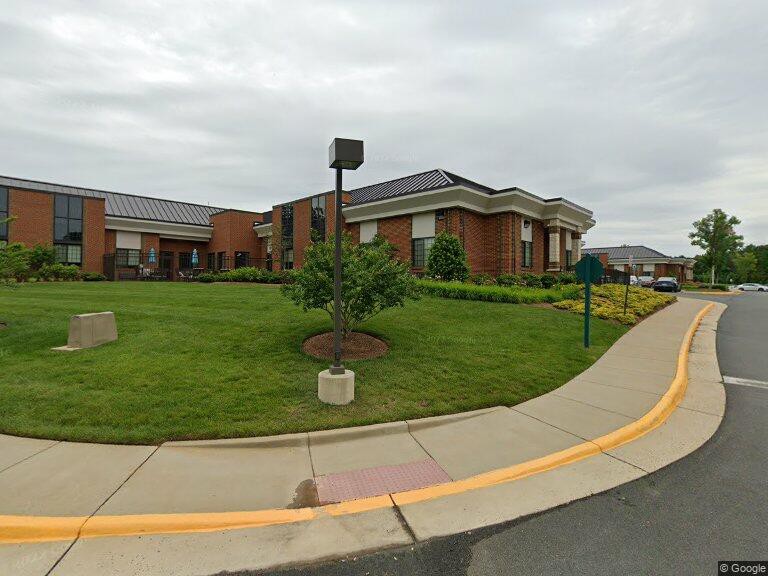
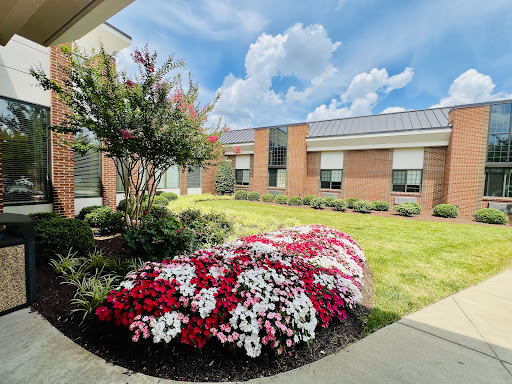
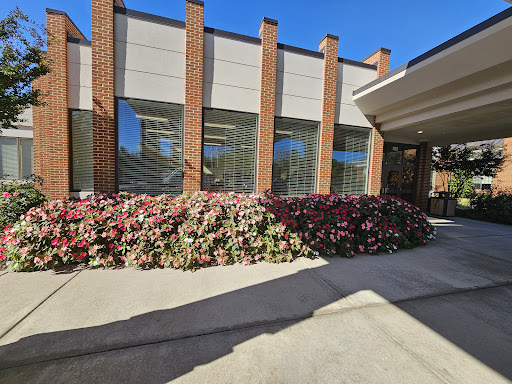
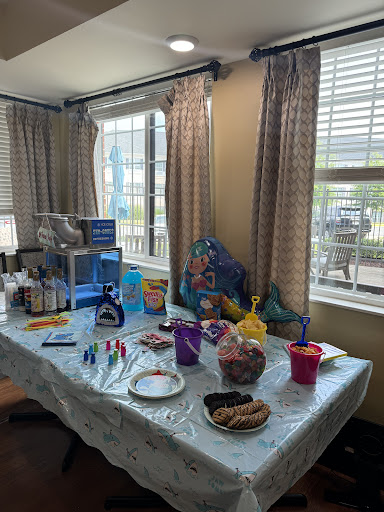
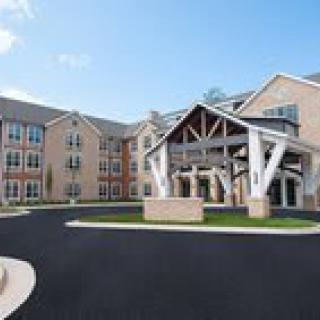
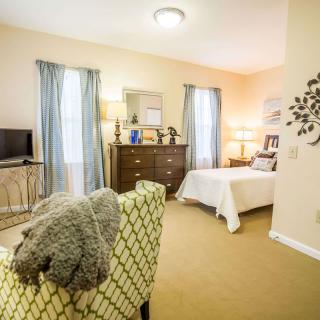
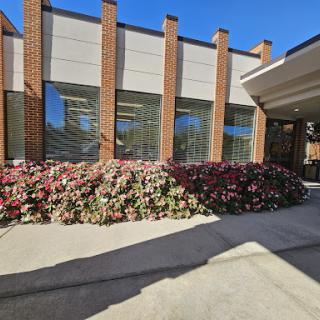
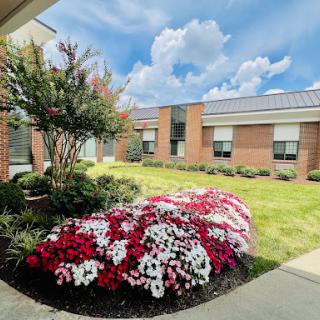
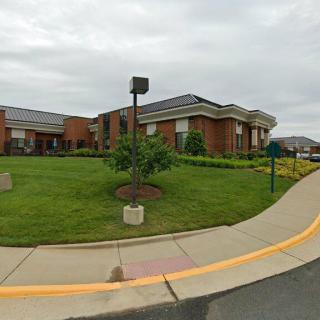
Lake Manassas Health & Rehabilitation Center in Gainesville, VA

Save
Lake Manassas Health & Rehabilitation Center Lake Manassas Health & Rehabilitation Center Lake Manassas Health & Rehabilitation Center Lake Manassas Health & Rehabilitation Center

Lake Manassas Health & Rehabilitation Center in Gainesville, VA

14935 Holly Knoll Lane, Gainesville, VA 20155

For more information about senior living options: (844) 490-3973

4.3 from 109 reviews
5 stars
80
4 stars
9
3 stars
6
2 stars
3
1 stars
11

Skilled Nursing Facility

Overall Review of Lake Manassas Health & Rehabilitation Center

Pros

  • pro Lake Manassas Health & Rehab Center is described as warm, welcoming, and professionally staffed.
  • pro The facility is clean, well-maintained, and comfortable for residents and visitors.
  • pro The therapy and rehabilitation team provides attentive, effective care that helps residents regain independence.
  • pro The staff are compassionate, dedicated, and go above and beyond to support residents and families.
  • pro Families appreciate the facility's proactive communication and smooth discharge planning.
  • pro The environment is bright, safe, and conducive to recovery, with respectful and caring caregivers.
  • pro Many reviewers consider Lake Manassas a top-rate rehab center with strong overall care.

Cons

  • pro They describe the food as truly awful, with canned vegetables, nothing fresh, microwaved fries, and very small portions, likening it to prison food.
  • pro They report that when help was needed, staff often failed to answer the call bell or responded very slowly.
  • pro They recount neglect and hygiene failures, including a resident urinating in a walker and urine sitting for days.
  • pro They complain the facility is severely understaffed, with gruff CNAs and insufficient attention to residents.
  • pro They accuse staff of billing errors, including charges for family-provided medications.
  • pro They criticize the front desk as arrogant and unfriendly toward first-time visitors.
  • pro They describe the place as a profit-driven operation and even call it an elder-abuse facility that should be shut down.

Review

Lake Manassas Health & Rehabilitation Center in Gainesville, VA is best suited for older adults who are recovering from a hospital stay and require intensive rehabilitation, with families that are ready to stay actively involved in care planning and daily progress. The community excels when the goal is to restore independence through strong PT/OT, with therapists who push for meaningful gains and a care team attuned to individual needs. Those who prioritize consistent, rapid call-bell responses or culinary quality over rehab outcomes may want to consider alternatives. If reliable daily responsiveness is nonnegotiable, or if a purely home-like dining experience is the top criterion, another facility may fit better.

On the strength side, Lake Manassas earns its reputation through a cohesive rehab-centric culture. Families regularly praise the therapy department for dedication and effectiveness, and the nursing and support teams surface as compassionate and responsive in the moments that matter. The facility's physical environment - clean rooms, modern equipment, and well-kept common spaces - reinforces trust that residents are in a capable setting for recovery. Discharge planning and social work support come up repeatedly as standout elements, with staff guiding families through insurance, transitions, and post-acute steps. In short, for a resident who wants a robust rehabilitation program with attentive, skilled caregivers, the upside is compelling.

Yet the community does face notable operational and perceptual headwinds. A recurring strain cited by families is inconsistent call-bell responsiveness and uneven staffing levels, which can translate into delays for daily tasks and personal care. Several reviews describe days when assistance is slow or insufficient, and a few patients experienced lapses in hygiene or medication monitoring. Dining quality also polarizes opinions: some residents enjoy meals and the dining experience, while others describe highly variable food quality and portion sizes. Administrative frictions - the kind that show up as billing questions or discharge coordination hiccups - have left families frustrated when issues linger without prompt resolution.

Those pros and cons interact in meaningful ways. The strongest offset to the negatives is the facility's rehabilitation throughput: therapists who tailor programs, insist on consistent exercise, and coordinate closely with nursing and social work to keep recovery moving forward. When the rehabilitation team is in sync and communications with families are proactive, even concerns about day-to-day responsiveness feel more manageable because progress remains tangible. The private-room layout and organized units also help reduce stress for families and residents during transitions, making Lake Manassas a credible option for those who can lean on the care team to stay vigilant about non-rehab needs.

Practical next steps for families are to validate expectations before admission and to plan an engaged, hands-on approach during the stay. Visit and observe call-button protocols at different times of day, and meet with the therapy team to understand daily schedules and target milestones. Request to speak with the social worker or discharge planner about anticipated transitions, insurance coordination, and home-care arrangements. Sample the dining service with a meal; probe for consistency in meal timing and quality, and confirm the availability of preferred dietary modifications. Finally, clarify staffing ratios and request ongoing updates from the front desk or unit manager, so the care narrative remains transparent as recovery unfolds.

In the end, Lake Manassas delivers a solid, rehab-forward environment with many residents achieving meaningful improvements and families expressing genuine appreciation for staff dedication. The decisive factor is whether a family can tolerate occasional service gaps and administrative frictions in exchange for a program that relentlessly targets functional gains and a supportive, humane atmosphere. For seniors who prize high-quality therapy, clear care coordination, and a respectful environment, this center stands up well; for those where uninterrupted day-to-day responsiveness or gourmet dining are non-negotiable priorities, exploring alternatives may be prudent.

Features

Housing

  • 120 resident community capacity 120 resident community capacity

Types of Care

  • Skilled Nursing Facility Skilled Nursing FacilitySkilled Nursing Facilities are crucial for seniors as they provide round-the-clock medical care, rehabilitation services, and assistance with daily activities. These facilities ensure that seniors receive the specialized care they need to maintain their health and well-being as they age.

Amenities

  • Air-conditioning Air-conditioningAir conditioning is important for seniors as they are more vulnerable to heat-related illnesses and may have underlying health conditions that make it difficult for them to regulate their body temperature. It helps to keep them comfortable, safe, and healthy in hot weather.
  • Beauty salon Beauty salonBeauty salons are important for seniors because they provide a space for them to feel pampered, socialize, and maintain their personal grooming and hygiene. Regular visits to a beauty salon can help boost seniors' self-esteem and overall well-being.
  • Cable or satellite TV Cable or satellite TVCable or satellite TV is important for seniors because it provides entertainment, news, and companionship, helping to combat loneliness and boredom. It also offers a wide range of programming options tailored to different interests and preferences.
  • Computer center Computer centerA computer center is essential for seniors as it provides access to technology, communication tools, and resources that can enhance their daily lives. It allows them to stay connected with loved ones, engage in online activities, and learn new skills, ultimately promoting socialization and mental stimulation.
  • Dining room Dining roomDining rooms are important for seniors as they provide a space for socialization, connection, and nutritious meals. They offer opportunities for residents to bond over shared meals, foster a sense of community, and promote healthy eating habits. Dining rooms also ensure that seniors have access to well-balanced meals tailored to their dietary needs and preferences.
  • Fitness room Fitness roomHaving a fitness room in a senior living community is essential for seniors to stay active, maintain their physical health, and improve their overall well-being. Regular exercise can help prevent falls, reduce the risk of chronic diseases, and promote mental sharpness. It also provides social opportunities for residents to connect with others and enjoy a sense of community.
  • Fully furnished Fully furnishedFully furnished senior living communities are important for seniors because they provide convenience, comfort, and a hassle-free moving experience. Seniors can easily settle into their new living space without the stress of having to buy and move furniture. This allows them to focus on enjoying their new home and community.
  • Gaming room Gaming roomGaming rooms are important for seniors as they provide a fun and engaging environment for socializing, cognitive stimulation, and physical activity. Games can improve memory, problem-solving skills, and overall mental well-being while fostering friendships and reducing feelings of isolation.
  • Garden GardenGardens are important for seniors as they provide a peaceful and therapeutic environment for relaxation, physical activity, and socialization. Being in nature has been shown to reduce stress, improve mood, and promote overall well-being. Gardens also offer opportunities for seniors to engage in gardening activities, which can improve mobility, flexibility, and cognitive function. Additionally, gardens create a sense of community and connection with others who share a passion for plants and outdoor spaces.
  • Housekeeping services Housekeeping servicesHousekeeping services are important for seniors because they help maintain a clean and safe living environment, promote independence, and reduce the risk of accidents or illnesses. Additionally, having assistance with household chores can alleviate physical strain and allow seniors to focus on other aspects of their well-being.
  • Kitchenette KitchenetteKitchenettes are important for seniors living in senior living communities because they provide the convenience and independence of being able to prepare simple meals and snacks in the comfort of their own living space. This can help promote a sense of autonomy and well-being for seniors, allowing them to maintain some level of control over their dietary choices and daily routines.
  • Move-in coordination Move-in coordinationMove-in coordination is important for seniors because it helps ease the transition into their new living environment. It ensures that all logistics, such as packing, organizing movers, and setting up utilities are taken care of, allowing seniors to focus on settling in and adjusting to their new home. Having a smooth move-in process can alleviate stress and anxiety, making the transition smoother and more enjoyable for seniors.
  • Outdoor space Outdoor spaceOutdoor spaces are important for seniors as they provide opportunities for physical activity, social interaction, exposure to natural light and fresh air, and a sense of connection to nature. Having access to outdoor spaces can improve overall well-being and quality of life for older adults living in senior communities.
  • Private bathrooms Private bathroomsPrivate bathrooms are important for seniors in senior living communities because they provide independence, dignity, and comfort. Having a private bathroom allows seniors to maintain their personal hygiene routines without the need for assistance, promoting a sense of autonomy and privacy. Additionally, private bathrooms help prevent the spread of infections and provide a safe and clean environment for seniors to navigate safely.
  • Restaurant-style dining Restaurant-style diningRestaurant-style dining is important for seniors because it allows them to enjoy delicious, nutritious meals in a social and upscale setting. This enhances their dining experience, promotes healthy eating habits, and fosters socialization with fellow residents, ultimately contributing to their overall well-being and quality of life.
  • Small library Small librarySmall libraries are important for seniors as they provide access to a variety of reading materials, including books, newspapers, and magazines. This can help stimulate their minds, keep them engaged, and provide a sense of community through book clubs and other social activities. Additionally, reading has been shown to improve cognitive function and overall mental well-being in older adults.
  • Telephone TelephoneTelephones are important for seniors as they provide a lifeline for communication with loved ones, emergency services, and healthcare providers. They offer a sense of security and independence, enabling seniors to stay connected and access assistance when needed.
  • Wellness center Wellness centerWellness centers are important for seniors because they offer a variety of programs and services that promote physical, mental, and emotional well-being. These centers provide opportunities for exercise, socialization, education, and relaxation, helping seniors maintain their overall health and quality of life.
  • Wi-Fi/high-speed internet available Wi-Fi/high-speed internet availableWi-Fi/high-speed internet is important for seniors to stay connected with loved ones, access online resources, and participate in virtual activities to combat feelings of loneliness and isolation. It also allows them to easily manage healthcare needs, access entertainment, and engage in lifelong learning opportunities.

Transportation

  • Washington Dulles International (14 miles away) Washington Dulles International (14 miles away)
  • Community operated transportation Community operated transportationCommunity operated transportation is crucial for seniors as it provides them with the means to access essential services, social activities, and medical appointments. It allows seniors to maintain their independence and quality of life by ensuring they can participate in activities outside of their homes. Additionally, community-operated transportation services offer a safe and reliable way for seniors to travel without having to rely on family or friends for assistance.
  • Transportation arrangement Transportation arrangementTransportation arrangements are crucial for seniors as they may face challenges with driving, mobility, or access to public transportation. Having reliable transportation services ensures that seniors can easily attend appointments, social activities, and maintain their independence and quality of life.
  • Transportation arrangement (non-medical) Transportation arrangement (non-medical)Transportation arrangements are essential for seniors as they provide access to essential services, activities, and social interactions outside the home. This service helps maintain independence, mobility, and overall well-being for seniors who may have limited transportation options.
  • Transportation to doctors appointments Transportation to doctors appointmentsTransportation to doctors appointments is crucial for seniors as it ensures they have access to necessary medical care and support, promoting their health and well-being. It allows them to receive timely treatment, monitor existing conditions, and address any new health concerns efficiently. Additionally, transportation services can help seniors maintain their independence and quality of life by enabling them to stay connected with their healthcare providers.

Care Services

  • 12-16 hour nursing 12-16 hour nursing12-16 hour nursing care is crucial for seniors in order to ensure around-the-clock monitoring, timely medication administration, and prompt response to any health concerns or emergencies. This level of care helps to promote the overall well-being and safety of seniors living in senior living communities.
  • 24-hour call system 24-hour call system24-hour call systems are important for seniors because they provide peace of mind and immediate assistance in case of emergencies. This technology ensures that help is always available, promoting safety and security for elderly individuals living alone or in assisted living facilities.
  • 24-hour supervision 24-hour supervision24-hour supervision is important for seniors to ensure their safety, well-being, and access to immediate assistance in case of emergencies or health issues. This constant support provides peace of mind for both seniors and their loved ones, allowing them to age in place with dignity and security.
  • Activities of daily living assistance Activities of daily living assistanceActivities of daily living assistance are important for seniors because they provide essential support with tasks such as eating, bathing, dressing, and mobility. This assistance helps seniors maintain their independence, dignity, and overall quality of life as they age.
  • Assistance with bathing Assistance with bathingAssistance with bathing is crucial for seniors as it helps maintain personal hygiene, prevents infections, and ensures their overall well-being and comfort. It also provides a sense of dignity and independence for seniors who may struggle with this task on their own.
  • Assistance with dressing Assistance with dressingAssistance with dressing is important for seniors because it helps maintain their independence, promotes personal hygiene, prevents accidents and injuries, and improves overall quality of life. This service ensures that seniors can continue to dress comfortably and confidently, despite any physical limitations they may have.
  • Assistance with transfers Assistance with transfersAssistance with transfers is crucial for seniors as it helps prevent falls and injuries, maintains their independence, and ensures they can safely navigate their living environment. It also provides peace of mind for both seniors and their loved ones.
  • Diabetes diet Diabetes dietA diabetes diet is crucial for seniors as it helps manage blood sugar levels, reduce risks of complications, and improve overall health and well-being. By following a balanced and nutritious diet tailored to their specific needs, seniors can better control their diabetes and enhance their quality of life.
  • Meal preparation and service Meal preparation and serviceMeal preparation and service are crucial for seniors as they may have limited mobility or energy to cook nutritious meals. Having access to healthy and convenient food options can ensure they are getting the proper nutrition needed to maintain their overall health and well-being.
  • Medication management Medication managementMedication management is crucial for seniors to ensure they are taking the right medications at the correct dosages and times. This helps prevent adverse drug interactions, reduces the risk of medication errors, and promotes overall health and well-being. Proactive management also allows for adjustments as needed based on changing health conditions or new prescriptions.
  • Mental wellness program Mental wellness programMental wellness programs are essential for seniors as they promote cognitive stimulation, emotional support, and social engagement. These programs help prevent isolation, depression, and cognitive decline, ultimately enhancing the overall quality of life for older adults.
  • Special dietary restrictions Special dietary restrictionsSpecial dietary restrictions are important for seniors because age-related changes in metabolism and health conditions can make it difficult for their bodies to process certain foods. By following a diet tailored to their specific needs, seniors can maintain their overall health and well-being, manage chronic conditions, and reduce the risk of complications such as malnutrition or food interactions with medications.

Dining

  • Diabetes diet Diabetes dietA diabetes diet is crucial for seniors as it helps manage blood sugar levels, reduce risks of complications, and improve overall health and well-being. By following a balanced and nutritious diet tailored to their specific needs, seniors can better control their diabetes and enhance their quality of life.
  • Special dietary restrictions Special dietary restrictionsSpecial dietary restrictions are important for seniors because age-related changes in metabolism and health conditions can make it difficult for their bodies to process certain foods. By following a diet tailored to their specific needs, seniors can maintain their overall health and well-being, manage chronic conditions, and reduce the risk of complications such as malnutrition or food interactions with medications.

Activities

  • Community-sponsored activities Community-sponsored activitiesCommunity-sponsored activities are important for seniors as they provide opportunities for social interaction, mental stimulation, and physical activity. These activities can help improve overall well-being, combat loneliness and isolation, and promote a sense of belonging and purpose among older adults.
  • Concierge services Concierge servicesConcierge services are essential for seniors as they provide assistance with daily tasks and errands, enhance their quality of life by offering convenience and personalized care, and promote a sense of safety and security.
  • Fitness programs Fitness programsFitness programs are crucial for seniors as they help improve strength, flexibility, balance, and overall well-being. Staying active can reduce the risk of chronic diseases, improve mental health, and enhance quality of life in older adults.
  • Planned day trips Planned day tripsPlanned day trips are important for seniors because they offer opportunities for socialization, mental stimulation, and physical activity. They provide a change of scenery and help seniors stay engaged and connected to their community, promoting overall well-being and quality of life.
  • Resident-run activities Resident-run activitiesResident-run activities are important for seniors as they encourage social interaction, creativity, and a sense of autonomy. These activities empower seniors to stay engaged and active in their community while fostering meaningful connections with their peers.
  • Scheduled daily activities Scheduled daily activitiesScheduled daily activities are important for seniors because they provide structure, socialization, mental stimulation, and physical activity. Engaging in regular activities can improve overall well-being and quality of life for seniors living in a community setting.

Description

Lake Manassas Health & Rehabilitation Center in Gainesville, VA is an exceptional assisted living community that offers a wide range of amenities and care services to promote a comfortable and fulfilling lifestyle for its residents.

Residents at Lake Manassas can enjoy the convenience of having a beauty salon within the community, ensuring that they can always look and feel their best. Each accommodation is fully furnished and features private bathrooms, allowing for privacy and comfort. Cable or satellite TV and Wi-Fi/high-speed internet are provided for entertainment and connectivity purposes.

Transportation needs are well taken care of at Lake Manassas, with community-operated transportation available as well as transportation arrangements to doctors' appointments. Move-in coordination is also offered to ensure a smooth transition into the community.

The dining experience at Lake Manassas is top-notch, with restaurant-style dining offering delicious meals prepared by professional chefs. Special dietary restrictions are accommodated, allowing residents to enjoy meals tailored to their specific needs.

There are plenty of opportunities for socialization and engagement at Lake Manassas through various activities provided. Fitness programs and a wellness center help residents maintain an active lifestyle while planned day trips and resident-run activities offer excitement and new experiences. Scheduled daily activities ensure that there is always something engaging happening within the community.

Care services at Lake Manassas prioritize the wellbeing of residents. A 24-hour call system and supervision provide peace of mind, knowing that assistance is readily available when needed. Trained staff offer assistance with activities of daily living such as bathing, dressing, and transfers. Medication management ensures that medications are taken correctly, while a mental wellness program focuses on promoting emotional health.

For added convenience, nearby amenities include cafes, parks, pharmacies, physicians' offices, restaurants, transportation options, and hospitals located within close proximity to the community.

Overall, Lake Manassas Health & Rehabilitation Center provides a welcoming environment where residents can receive personalized care services while enjoying a range of amenities and activities designed to enhance their overall quality of life.

Nearby Places of Interest

Restaurants

  • Bonefish Grill (0.4 miles)
  • Roy Rogers (0.7 miles)
  • McDonald's (0.9 miles)
  • Taco Bell (1.2 miles)
  • Out of the Blue Crabs & Seafood (1.2 miles)
  • Rockwood (1.3 miles)
  • Chick-Fil-A (1.3 miles)

Pharmacies

  • CVS Pharmacy (0.9 miles)
  • Wegmans (1.2 miles)
  • Walgreens (1.3 miles)
  • Walgreens (3.5 miles)
  • CVS Pharmacy (5.7 miles)
  • Walgreens (6.2 miles)
  • CVS Pharmacy (6.5 miles)

Parks

  • Somerset Playground (0.9 miles)
  • Vint Hill Dog Park (4.1 miles)
  • Catharpin Park (5.9 miles)
  • Great Meadow (10.1 miles)

Physicians

  • Novant Health Uva Bristow Run Family Medicine (1.1 miles)
  • UVA Family Medicine Gainesville (1.1 miles)
  • Arjun Medical Center (1.9 miles)
  • Teresa Delawter, MD (1.9 miles)
  • Galaria Plastic Surgery & Dermatology (2.4 miles)
  • Bristow Pediatrics (5.8 miles)
  • Fairfax Family Practice Center PC (6.1 miles)

Cafes

  • Starbucks (2.2 miles)
  • Starbucks (6.2 miles)
  • Starbucks (8.4 miles)
  • Grounds Central Station (8.9 miles)
  • Happy Creek Coffe (9.3 miles)
  • Starbucks (9.5 miles)
  • Starbucks (10.1 miles)

Hospitals

  • Novant Health Haymarket Medical Center (2.4 miles)
  • UVA Prince William Medical Center (7.7 miles)

Transportation

  • University Boulevard Commuter Lot (2.5 miles)

Places of Worship

  • Revolution Church (9.9 miles)
  • Grace Episcopal Church (9.9 miles)

Frequently Asked Questions

Where is Lake Manassas Health & Rehabilitation Center?
What photos are available for Lake Manassas Health & Rehabilitation Center in Gainesville, Virginia?

Nearby Communities

  • The Wellington At Lake Manassas

    The Wellington At Lake Manassas

    Gainesville, VA


    pro Extensive amenities and comprehensive assisted-living care (24/7 supervision, meal/dietary accommodations, transportation, wellness, and activities).
  • Legacy Ridge

    Legacy Ridge

    Gainesville, VA

    4.5 from 67 reviews
    $6,500 to $7,795 / month

    pro Strong staff accessibility and engaging activities, with high-quality meals and a clean, welcoming environment.

  • Harpers Station Gainesville

    Harpers Station Gainesville

    Gainesville, VA

    4.6 from 31 reviews
    $2,975 to $4,850 / month

    pro Beautiful, bright facility with spacious rooms, engaging activities, and caring staff.

  • The Wellington at Lake Manassas Community

    The Wellington at Lake Manassas Community

    Gainesville, VA

    4.9 from 172 reviews
    $4,325 to $7,025 / month

    pro Beautiful, well-maintained community with engaging activities and excellent dining from a caring staff.

  • Heritage Village Gainesville

    Heritage Village Gainesville

    Gainesville, VA

    4.5 from 134 reviews
    $5,615 to $6,585 / month

    pro Welcoming atmosphere with clean facilities and engaging activities.

  • Envoy at Lake Manassas

    Envoy at Lake Manassas

    Gainsville, VA

    4.9 from 100 reviews
     

    pro Serene setting with extensive nearby amenities and healthcare.

  • Regency at Creekside

    Regency at Creekside

    Gainesville, VA


    pro Small, intimate setting with personalized care and dietary accommodations.

  • Capitol Ridge Gracious Retirement Living

    Capitol Ridge Gracious Retirement Living

    Bristow, VA

    4.4 from 35 reviews
    $2,895 to $4,895 / month

    pro Restaurant-style dining with friendly staff and a busy activities calendar in a clean, welcoming setting.

  • Arbor Terrace Sudley Manor

    Arbor Terrace Sudley Manor

    Manassas, VA

    4.7 from 115 reviews
    $2,283 to $7,025 / month

    pro Warm, attentive staff with strong resident engagement and restaurant-style dining.

Related Resources

  • caregiver burnoutCaregiver Exhaustion: Recognizing the Signs and Restoring Your Well-Being

    Caregiver exhaustion, or burnout, stems from the relentless demands of caregiving, leading to emotional and physical depletion characterized by stress, frustration, and neglect of personal needs. Addressing this burden is essential to prevent long-term consequences, with early recognition and support being crucial for caregivers to maintain balance and implement self-care.

  • what is hospice care at homeUnderstanding Hospice Care at Home: Comprehensive Services, Key Benefits, and Eligibility

    Hospice care at home provides specialized end-of-life support that focuses on comfort and dignity for individuals with life-limiting illnesses, offering a range of services including medical management, emotional and spiritual support, and logistical assistance tailored to the family's needs. It involves collaboration to create individualized care plans and extends to bereavement support after a loved one's passing.

  • how much does 24/7 in home care cost per monthUnderstanding the Full Cost of 24/7 In-Home Care: A Detailed Overview
    The guide outlines the rising costs of 24/7 in-home care, ranging from $10,000 to over $20,000 monthly, driven by factors such as location and caregiver qualifications. It discusses the limited coverage by Medicare and private insurance, potential Medicaid support, and the emotional and living condition considerations influencing families' decisions on care arrangements.