
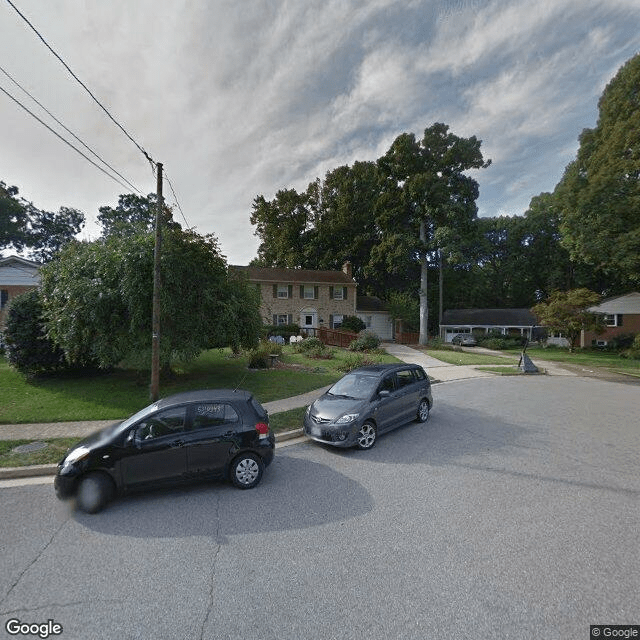
5419 Thetford Place, Alexandria, VA 22310
To contact a resident: (202) 297-4875
For more information about senior living options: (866) 208-4318
Thetford House Costs & Pricing
Thetford House presents competitive pricing for its living arrangements compared to local and state averages. For a semi-private room, residents can expect a monthly cost of $5,600, which is closely aligned with Fairfax County's average of $5,598 yet notably higher than Virginia's state average of $3,991. Private rooms at Thetford are priced at $6,000, slightly exceeding both the county's rate of $5,449 and the state's average of $4,684. Additionally, the cost for a one-bedroom unit matches that of the private room at $6,000 - again surpassing Fairfax County's average of $4,884 and Virginia's state figure of $4,257. Overall, while Thetford House may be positioned on the higher end within its locality and state context, it offers an appealing option for those seeking quality accommodations in a sought-after area.
| Floor plans | Thetford House | Fairfax County | Virginia |
|---|---|---|---|
| Semi-Private | $5,600 | $5,598 | $3,991 |
| Private | $6,000 | $5,449 | $4,684 |
| 1 Bedroom | $6,000 | $4,884 | $4,257 |
Memory care communities with a similar price nearby
-
from -$650 / mo
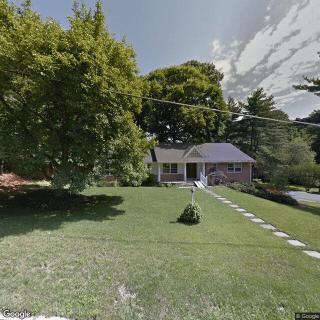
Avalon House on Laburnum Street
$4,950 / month9.6 miles away -
from -$1100 / mo
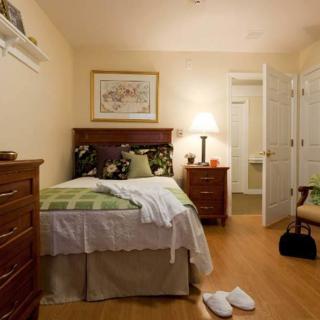
Olney Memory Care
$4,500 / month23.9 miles away -
from +$1015 / mo
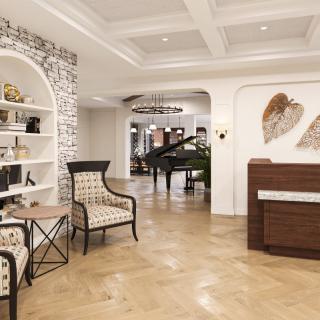
The Residence at Colvin Run
$6,615 to $10,225 / month15.5 miles away -
from -$400 / mo
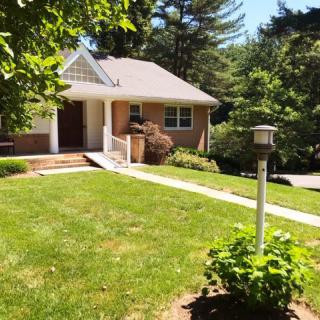
Avalon House On Laburnum Street
$5,200 / month9.6 miles away -
from -$600 / mo
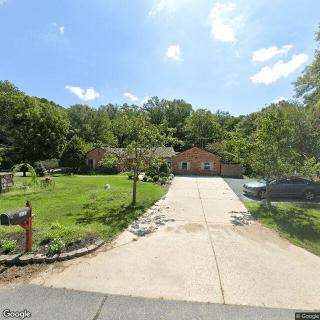
Necitas
$5,000 to $5,500 / month21.1 miles away
Overall Review of Thetford House
Pros
 The small-house setting offers a great staff-to-resident ratio and a warm, home-like atmosphere.
- The staff are wonderful and attentive.
- The care for loved ones is excellent and personalized.
- Residents have personal items in their rooms, making it feel like home.
- Live entertainment twice a week is enjoyed by residents.
- Meals are satisfying and enjoyed by the residents.
- The staff at Thetford is first-rate.
- There are substantial cost savings while maintaining a high level of care.
- Carolyn provides superb advisement and helps families find a good home.
Cons
 The reviewer notes that monthly costs could total around $12,000–$15,000, which they view as unaffordable.
- Emily reportedly said she can't help unless the aide is provided, indicating a lack of assistance.
- The reviewer sought a place for her mother under $10,000 per month, implying dissatisfaction with the current expense.
Review
Thetford House in Alexandria, VA is best suited for families seeking a true home-like atmosphere where staff know residents by name and care is delivered in a compact, house-style setting. It works well for seniors who value a strong staff-to-resident ratio, intimate daily routines, and the ease of keeping personal items and familiar cues in a room that feels more like a private home than a traditional campus. The environment supports meaningful social activity through regular live entertainment and approachable programming, appealing to those who want attentive care without the scale of a large senior living campus. It is particularly well-suited for residents who thrive on personalized attention and a cozy, homelike layout, accepting that privacy comes with the trade-off of shared spaces.
Where the fit becomes more complex is the cost structure tied to an aide-requirement model. Prospective families consistently encounter a steep monthly price that combines a half-bedroom rate with a substantial add-on for an aide, often projecting twelve thousand dollars or more per month, with the total potentially climbing toward fifteen thousand when medications, doctors, and incidentals are included. The practical implication is that Thetford appears to operate in a framework where an aide is effectively required to access the space and services, or at least to cover the bulk of ongoing caregiving needs. For households with fixed incomes or tight budgets, this reality can negate the appeal of a warm, homey setting and push them toward more affordable options.
On the positive side, the homey, small-house format yields tangible care advantages. The high staff-to-resident ratio translates into consistent attention, with caregivers who seem invested in residents’ comfort and daily happiness. Families highlight the ability to preserve personal items in rooms and the comfort of a dependable meals program. Live entertainment twice a week and regular social interaction develop a sense of community that residents respond to positively. Taken together, these elements create a care experience that many families deem superior to what larger, more clinical facilities offer. For those who prioritize relationship-driven care and a sense of belonging, these strengths are decisive.
That said, the setting’s scale and the financial structure inevitably color the decision. The two-to-a-room arrangement, while facilitating close supervision and care, limits privacy and could dampen social options beyond the routine programs. The small footprint may also constrain opportunities for growth or variation in activities compared with larger campuses. A documented enrollment interaction suggests policy rigidity around the aide requirement, which can signal limited flexibility when plans must adjust to shifting caregiving needs or budget realities. For families that prize private living space, broader social options, or lower and more predictable costs, Thetford’s model may fall short.
For households weighing options, it is prudent to compare alternatives that align with different financial or privacy priorities. Larger assisted living communities with inclusive pricing structures can deliver private accommodations at costs that are easier to forecast, without relying on external aides to unlock access to the residence. If the priority is a warm, home-like environment with top-tier staff, there are other options that maintain strong caregiving while offering more private space or less cost pressure. The key is clarity on what is included in the base rate, whether private rooms are negotiable, and how much the all-in monthly total would be with the needed level of support.
Bottom line: Thetford House is a compelling fit for families prioritizing intimate, relationship-driven care within a true home-like setting, backed by attentive staff and meaningful daily activities. It is less suitable for those with strict budget limits or a strong preference for private, large-scale living spaces, given the cost and enrollment dynamics tied to aide requirements. Before deciding, pursue a candid conversation about base-rate inclusions, the availability of private accommodations, and the true all-in monthly total. If the numbers align with the budget and the resident’s desire for a tightly knit, homelike community, Thetford stands as a solid, practical option worth pursuing.
 Board and Care Home
 Memory Care
 Activities on-site
 Beautician on-site
 Indoor common areas
 Outdoor common areas
 Private
 Respite or short term stays offered
 Ronald Reagan Washington National (6 miles away)
 Ambulatory care
 Diabetic care
 High acuity care
 Incontinence care
 Medication management
 Gluten-free
 BBQs or picnics
 Birthday parties
 Live musical performances
 Montessori programs



 Guiding Your Journey: Understanding Power of Attorney for Elderly Parents
 22 Remarkable Caregiver Support Groups Available Online and In-Person
 Understanding Medicaid Coverage for Assisted Living: A Comprehensive Guide