

1045 East 800 North, Orem, UT 84097
To contact a resident: (801) 783-6499
For more information about senior living options: (866) 208-4318
Canyon Cove Assisted Living Costs & Pricing
Canyon Cove Assisted Living offers competitive pricing, particularly when compared to the broader market in Utah County and across the state. For a one-bedroom unit, residents at Canyon Cove benefit from a monthly cost of $1,900, significantly lower than the averages of $3,469 in Utah County and $3,556 statewide. Similarly, for private rooms, Canyon Cove maintains this favorable stance with a monthly rate of $1,900 against competitors' averages of $3,339 in Utah County and $3,782 throughout Utah. This pricing structure not only highlights Canyon Cove's commitment to affordability but also underscores its value as an attractive option for those seeking quality assisted living without the escalating costs typically associated with such services in the region.
| Floor plans | Canyon Cove Assisted Living | Utah County | Utah |
|---|---|---|---|
| 1 Bedroom | $1,900 | $3,469 | $3,556 |
| Private | $1,900 | $3,339 | $3,782 |
Memory care communities with a similar price nearby
-
from +$300 / mo
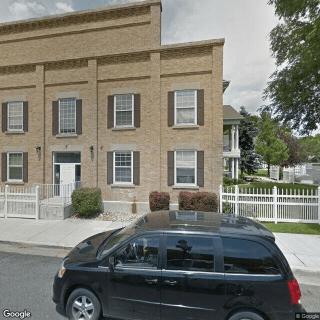
Abbington Manor Al I
$2,200 to $2,400 / month10.9 miles away
Overall Review of Canyon Cove Assisted Living
Pros
 The staff are very friendly.
- The price is reasonable.
- The community is very clean.
- The residents eat well and have gained weight.
- Residents gather daily to watch television and socialize.
- There is a board listing activities like bingo.
- The reviewers are very happy with the care.
Cons
 The owner is neglectful, controlling, and manipulative.
- She will not allow staff or nurses to report declines in patients’ health or severe behavioral issues unless she approves, because she doesn’t want bad news to be reported.
- She manipulates patients by controlling their choices.
- There are gross violations of HIPAA, breaking patients’ right to privacy.
- She lies to families about their loved ones’ condition.
Review
Canyon Cove Assisted Living in Orem is best suited for families seeking an affordable, clean, purposefully social environment where staff friendliness and predictable routines support a resident who does not require intensive medical oversight. The community delivers a home-like cadence: tidy spaces, regular meals, and opportunities for residents to gather, chat, and engage in daily activities. For families able to participate and monitor care directly, the atmosphere can feel comfortable and approachable, with a clear emphasis on social interaction and routine rather than complex clinical needs.
Those who may want to consider alternatives are primarily families prioritizing strict oversight, transparent reporting, and robust privacy protections. The emphasis in the negative experiences described centers on governance rather than day-to-day friendliness or cleanliness. If a loved one has significant health declines, behavioral complexities, or requires unfettered access to information about changes in condition, other options with stronger governance structures and clearer reporting channels may be a safer fit.
On the pro side, the most tangible strengths are affordability and a clean, welcoming setting. Reviews highlight reasonable pricing and a facility that is kept clean, with staff described as friendly. Diet appears satisfactory for residents, with one account noting consistent meals and weight gain, which signals good appetite and caloric intake. The social fabric is visible: residents meet daily, watch television together, and participate in activities coordinated by staff, with a visible activity board that tracks options like bingo. For families who value a straightforward, low-friction environment, these elements can translate into reliable daily life and predictable routines.
The most serious red flags come from one strongly adverse account of governance and privacy practices. Allegations describe neglectful, controlling ownership, and a pattern of restricting staff or nurses from reporting health declines unless the owner approves, purportedly to suppress bad news. Additional claims include manipulating residents, severe HIPAA violations, and fabrications to families about a loved one’s condition. Taken at face value, these concerns point to a governance culture where safety, privacy, and truthful communication could be compromised, which would dramatically undercut any daytime comforts or affordability.
In weighing the pros against the cons, the stability of a friendly, clean, and affordable setting is compelling, but only if the governance and communication framework can be trusted. When management culture appears to suppress information or violate privacy, the daily positives lose their value the moment a health crisis occurs or a family needs timely, accurate updates. Families that can verify responsive leadership, transparent reporting, and consistent privacy practices will find Canyon Cove a practical, budget-conscious choice that delivers social engagement and dependable day-to-day life. Those who cannot verify those assurances should treat this as a warning sign and explore other communities with clearer accountability and stronger, resident-centered governance.
In the end, Canyon Cove is a practical option for households prioritizing price, cleanliness, and social activity, with the caveat that governance and privacy risk must be resolved before commitment. Prospective residents and their families should demand concrete policies on reporting declines, privacy protections, and owner involvement, and should seek candid conversations with staff and residents alike. If those assurances exist, Canyon Cove can deliver a comfortable, engaging living environment; if not, the safer move is to pursue facilities with more transparent oversight and proven accountability.
 Board and Care Home
 Memory Care
 Cats allowed
 Dogs allowed
 Activities off-site
 Bath tubs
 Indoor common areas
 Outdoor common areas
 Private
 Private bathrooms
 Respite or short term stays offered
 Wheelchair accessible showers
 Ambulatory care
 Diabetic care
 High acuity care
 Incontinence care
 Kosher






 Understanding Dementia Behaviors: Practical Insights and Strategies for Caregivers
 When Dementia Sparks Anger and Aggression: Understanding the Connection and Ways to Cope
 Dementia Behaviors: In-Depth Understanding and Effective Coping Strategies