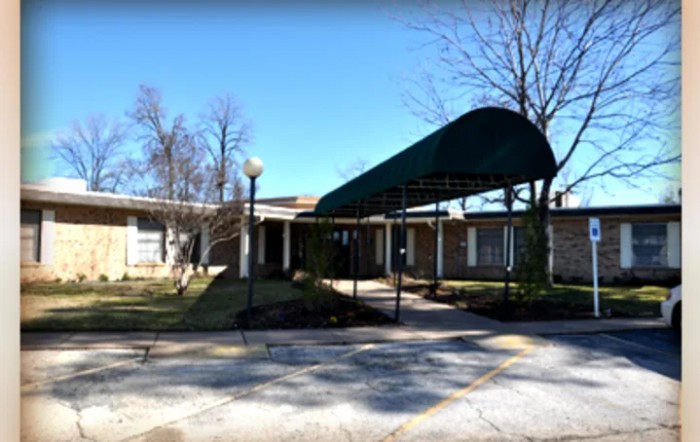
504 N John Redditt Dr, Lufkin, TX 75904
To contact a resident: (936) 632-3331
For more information about senior living options: (866) 208-4318
Overall Review of SunBridge Care & Rehabilitation for Lufkin
Pros
 The staff are caring, with excellent nurses Sherri and Ms. Ethel, and the whole team is phenomenal.
- Kennedy has a wonderful care team that keeps patients safe, well dressed, and healthy.
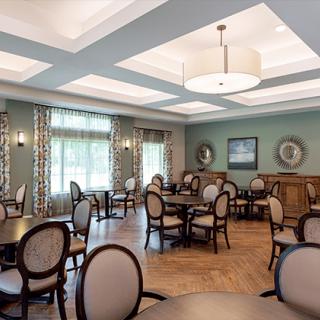
- The center offers great customer service, engaging activities, and is clean.
- The administrator and staff are pleasant and friendly, contributing to a welcoming environment.
- Residents love the meals, and some gain weight during their stay, indicating good care.
- The facility fosters a family-like atmosphere where they feel they are one big family.
- Families would highly recommend Kennedy Health and Rehabilitation.
Cons
 The facility is full of rats and roaches.
- Kennedy's healthcare is pitiful.
- The staff would not let a relative go to the hospital, and a nurse hung up on the caller.
- The staff transported the patient almost too late.
- Residents have bruises and black eyes.
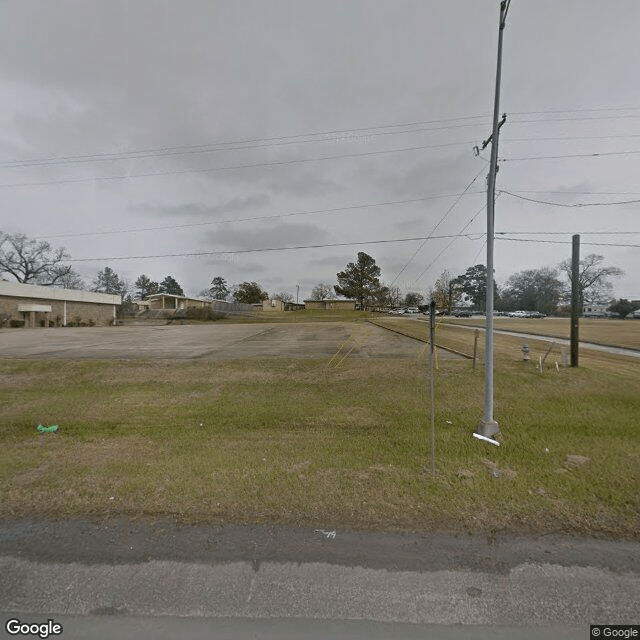
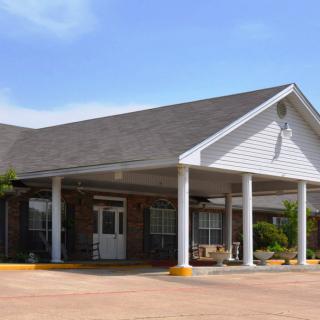
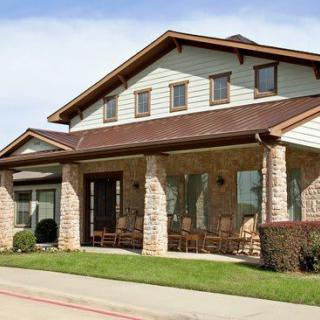
- The driveway has enormous potholes and sinkholes.
- The facility neglected a mother and caused further health issues.
- The reviewer does not recommend taking loved ones there.
Review
SunBridge Care & Rehabilitation for Lufkin is best suited for families that want a hands-on, actively managed care environment and are prepared to press for timely responses and accountability. The strongest appeal rests with residents who benefit from attentive nursing presence and a front-line team that can be relied upon to deliver direct care when supervision is required. In several accounts, the nursing staff and the care team are cited as genuinely caring, with particular praise for a handful of nurses who consistently earn trust from families. When those relationships function, they can provide a sense of security and continuity that families prize during a rehab or short-term stay.
On the other hand, a clear minority of families should strongly consider alternatives. The most persistent red flags center on cleanliness, safety, and responsiveness. Reports of infestation, roaches and rats, combined with structural concerns like ceiling leaks and driveway potholes create ongoing risk for residents and downward pressure on overall well-being. Several reviewers describe aggressive or negligent behaviors related to medical decisions, including delays in hospital transfers and uncomfortable interactions with staff. For families prioritizing a scrupulously clean environment, transparent medical decision-making, and a consistently proactive approach to resident safety, these signals suggest looking at other nearby options.
The strongest positives, where they exist, partly offset the most troubling downsides, but do not erase them. The facility’s caretaking motive appears genuine in the words of families who praise specific nurses and say the staff is generally kind and capable. Positive anecdotes include a sense of teamwork among staff, regular activities, and moments when residents experience improved appetite and weight gain, sometimes connected to the quality of meals. Cleanliness was described positively in some visits, and administrative personnel were occasionally singled out for helpfulness and approachability. When the care team is functioning well, these factors translate into meaningful daily life improvements for residents and measurable peace of mind for families.
Yet the persistent concerns weigh heavily against those benefits. Notable issues include multiple instances of neglect or inadequate medical attention, with at least some families reporting bruises or other injuries on residents and concerns about the facility’s ability to respond quickly in medical emergencies. The reported failures to arrange timely hospital transfers and the perception that call-bell responsiveness and nurse communication can be inconsistent create a real risk calculus for prospective residents who require reliable escalation when health changes occur. External signals, like the visible signs of facility wear and disrepair, further complicate the decision for families who expect a steady level of upkeep and safety.
In this landscape, the practical decision hinges on two realities. First, the care team can deliver exceptional, compassionate day-to-day attention when operating at peak performance, and the environment can feel welcoming and well-run in periods of steadiness. Second, the most serious drawbacks, infestations, safety lapses, and delayed medical responses, pose genuine threats to resident welfare and family confidence. For families weighing SunBridge Lufkin, the balance tilts toward a conditional endorsement: it can work well for a rehab or short-term stay with vigilant oversight, clear expectations, and robust oversight by family members or trusted aides. Without that oversight, the risk of disruptive incidents or lapses grows, undermining the potential benefits of the care team’s strengths.
Actionable due diligence is essential before choosing SunBridge Lufkin. First, arrange an on-site visit focused on hygiene and maintenance: inspect living areas, shared spaces, and the kitchen for cleanliness, odor, and general upkeep; ask to see the most recent inspection reports and any corrective action plans. Second, request a meeting with the administrator and the nurse manager to discuss staffing ratios, turnover, and how urgent transfer decisions are handled. Third, observe a routine care interaction if possible, watch for response times to calls, clarity of communication with families, and the consistency of care plans across shifts. Fourth, probe the facility’s pest control history and immediate remediation steps to reassure families that infestation issues have been addressed decisively. Finally, compare local alternatives with stronger reputations for cleanliness, safety record, and transparent communication, especially for residents who require reliable escalation of medical needs.
Overall, SunBridge Care & Rehabilitation for Lufkin can serve a viable niche for families who want a genuinely caring staff and are prepared to demand accountability and steady oversight. The clear caveats, significant cleanliness concerns, reported safety issues, and inconsistent responsiveness, mean that many families will want to explore other options before committing, particularly if a longer horizon of safety and predictable medical handling is non-negotiable. For those willing to set clear expectations, implement close monitoring, and leverage proactive advocacy, the facility can deliver meaningful daily care and relational warmth that counterbalances its most serious shortcomings. The final judgment favors a cautious, selective choice: weigh the positives of engaged staff against the most concerning red flags, and treat this community as one where oversight quality and proactive communication determine the outcome as much as, if not more than, any single shift of good luck.
 Memory Care
 Skilled Nursing Facility


 Nourishing the Mind: Essential Dietary Approaches for Dementia
 Understanding Dementia Behaviors: Practical Insights and Strategies for Caregivers
 When Dementia Sparks Anger and Aggression: Understanding the Connection and Ways to Cope