
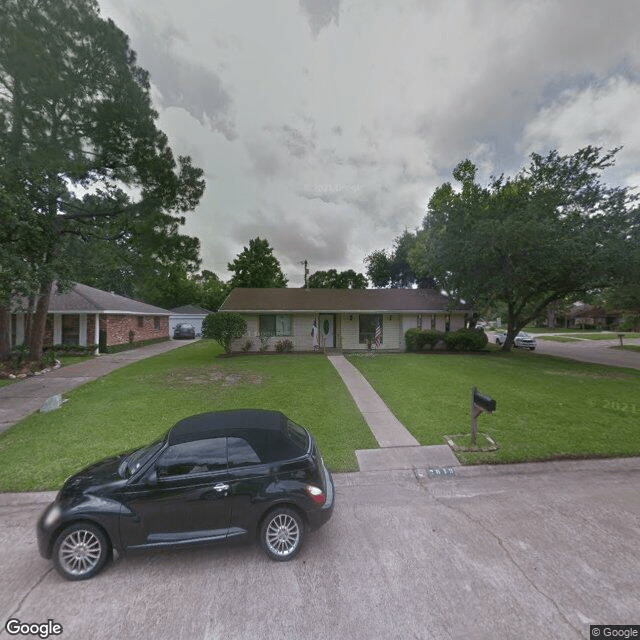
2019 Sunset Court South, League City, TX 77573
To contact a resident: (832) 236-0165
For more information about senior living options: (866) 208-4318
Brawner Sunset Haven Costs & Pricing
Brawner Sunset Haven offers a competitive pricing structure for its residents, particularly when compared to the broader market in Galveston County and across Texas. For a semi-private room, residents will find the monthly cost at $2,800, significantly lower than the county average of $3,715 and the state average of $3,680. Studio accommodations are priced at $4,000, which is more economical than the Galveston County rate of $4,401 while still being higher than the state's average of $3,758. Private rooms at Brawner Sunset Haven also stand out with a monthly fee of $4,000 - again more affordable than both Galveston County's average of $4,761 and Texas's average of $4,096. Overall, Brawner Sunset Haven presents an attractive option for individuals seeking quality care without compromising their financial resources.
| Floor plans | Brawner Sunset Haven | Galveston County | Texas |
|---|---|---|---|
| Semi-Private | $2,800 | $3,715 | $3,680 |
| Studio | $4,000 | $4,401 | $3,758 |
| Private | $4,000 | $4,761 | $4,096 |
Memory care communities with a similar price nearby
-
from +$200 / mo
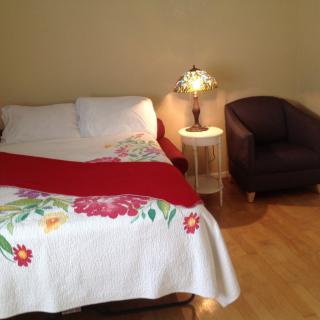
ADL Assisted Living
$3,000 to $4,100 / month22.3 miles away -
from +$383 / mo
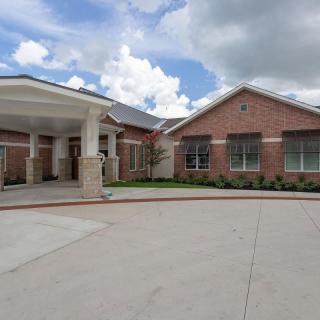
The Delaney at South Shore
$3,183 to $5,341 / month1.6 miles away -
About the same
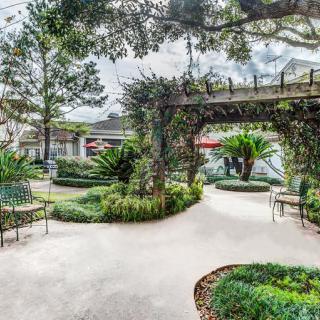
The Gardens of Bellaire
$2,850 to $3,211 / month25.0 miles away -
from +$300 / mo

The Reserve at Pasadena
$3,100 to $4,860 / month11.8 miles away -
from +$200 / mo

Orchard Park At Southfork
$3,000 to $5,000 / month16.5 miles away
Overall Review of Brawner Sunset Haven
Pros
 The reviewer loved this home.
- The home is very personal and seems to have everything families are looking for.
- Rhonda is an asset for family and residents.
- Brawner Sunset Haven is well maintained and in decent shape.
- The staff was friendly.
- The rooms are adequately sized.
Cons
 The place is described as the worst place on earth for a parent or loved one to stay.
 - The facility allegedly overcharged by $500 a month beyond what was quoted.
- Residents were drugged all day, every day to avoid dealing with them.
- The staff allegedly sent the resident to the ER rather than address his needs.
- The resident could not eat by himself and could no longer walk because of the drugs.
- The owner is portrayed as never being there, never answering calls, and only texting back when convenient.
- All that mattered to the owner was money, with threats if payments were late.
- There is concern about bedbugs and the environment not feeling safe.
Review
Brawner Sunset Haven in League City is best suited for families seeking a small, home‑like assisted living experience where a visible owner and a close-knit staff maintain a personal, hands-on feel. It works for residents who value daily warmth, predictable routines, and a sense that someone is paying attention to their day-to-day comfort. Those who want a modern, clinical vibe, a larger campus, or highly structured medical oversight should look elsewhere. The community has been described as older but reasonably cared for, with upkeep that keeps it livable and familiar rather than flashy.
On the upside, the setting and approach carry real advantages. The home environment is not generic; it feels personal and neighborly, which matters for residents who resist a clinical, impersonal atmosphere. Rooms are adequate in size, not cramped, and the facility itself is kept in decent condition despite not being brand new. A few reviewers highlighted Rhonda, the owner, as a genuine asset, someone who brings a family-forward presence and can be relied upon for communication and problem-solving when things go smoothly. In practical terms, that translates into a staff dynamic where residents and families often encounter a caring stance, a rhythm of regular contact, and a sense of belonging.
However, the favorable elements are contrasted by serious concerns raised by reviewers. The most troubling accounts center on governance and safety: allegations of overmedication and inconsistent communication surrounding a resident’s care, with claims of medication being administered that led to decline in functioning and distress. A family asserts extra charges beyond what was quoted, gated access to the owner, and abrupt, threatening billing practices. Another voice described not being able to reach the owner or the facility at critical moments, which erodes trust when medical or daily living needs are at stake. Compounding the worry, some reviewers questioned the basic safety environment, with fears about bedbugs creating a sense of unease during visits. Taken together, these red flags point to a risk profile that cannot be dismissed, even as the setting remains locally warm and familiar.
Those pros can offset the cons only to a point. The personal touch and intimate setting can cushion the disappointment of aging infrastructure and a smaller operation, but they do not erase the gravity of questions around medication management, billing transparency, and timely responsiveness. When a resident’s autonomy and comfort hinge on clear, consistent schedules, careful medication oversight, and reliable communication with leadership, the reported gaps become hard to overlook. In short, the good-natured, family-oriented energy of the staff and owner can be meaningful in everyday life, but it does not automatically compensate for serious concerns about safety, governance, and financial transparency.
For families weighing options, a disciplined decision framework matters. Prioritize a direct, detailed policy on medication administration, dose control, and the roles of the caregiver team versus the owner in daily oversight. Request current, verifiable staffing ratios and on-site supervisory presence, plus a transparent fee sheet with all potential add-ons and late charges, and insist on a signed, written agreement with escalation steps if concerns arise. Tour at different times, speak candidly with residents and their families, and verify licensing records through the state. If possible, compare with nearby options noted by local families, such as K’s Place in Angleton, which was cited as a higher-quality alternative in terms of resident well-being and care environment. The goal is to confirm a home that combines warmth with robust governance.
In the end, Brawner Sunset Haven delivers a recognizable, intimate, community-driven option for seniors who prize connection and a caregiver presence over glitz and oversized campuses. It is a viable match for families willing to actively vet care practices, insist on transparency, and accept a degree of aging infrastructure in exchange for a close-knit, person-centered atmosphere. Yet for those who cannot tolerate questions about medication safety, aggressive billing practices, or gaps in accessibility to leadership, alternatives are not just worth considering, they are essential. This community should be evaluated with a sober checklist, a candid tour, and a careful comparison to other local options before making a final commitment.
 Studio apartments
 Board and Care Home
 Memory Care
 Activities off-site
 Cable or satellite TV
 Computer center
 Devotional services off-site
 Garden
 Indoor common areas
 Laundry
 Outdoor common areas
 Private
 Respite or short term stays offered
 William P X (14 miles away)
 Transportation & parking
 Ambulatory care
 Diabetic care
 High acuity care
 Hospice care
 Incontinence care
 Meal preparation and service
 Medication management
 Cooking club
 English



 Understanding Dementia Behaviors: Practical Insights and Strategies for Caregivers
 When Dementia Sparks Anger and Aggression: Understanding the Connection and Ways to Cope
 Dementia Behaviors: In-Depth Understanding and Effective Coping Strategies