Jefferson City Health and Rehabilitation Center Costs & Pricing
At the Jefferson City Health and Rehabilitation Center, the monthly costs for care reflect a commitment to quality services and accommodations. For a semi-private room, residents can expect to pay $3,180, which is notably higher than the average cost in Jefferson County at $2,644 but aligns closely with the state average of $3,162. Meanwhile, private rooms are available for $3,630, matching the county's rates but falling slightly below Tennessee's overall average of $3,696. These figures suggest that while Jefferson City Health and Rehabilitation Center's semi-private accommodations come at a premium compared to local standards, they competitively price their private rooms within the broader context of Tennessee's healthcare costs.
Floor plans
Jefferson City Health and Rehabilitation Center
Jefferson County
Tennessee
Semi-Private
$3,180
$2,644
$3,162
Private
$3,630
$3,630
$3,696
Skilled Nursing Facilities with a similar price nearby
Overall Review of Jefferson City Health and Rehabilitation Center
common64 reviews mention this
Staff care is a big theme
Residents and families frequently describe staff who take ongoing, personal care of loved ones.
A large share of reviewers talk about nurses, CNAs, therapists, and other staff members who keep residents comfortable and supported, including during rehab and recovery. Multiple reviews highlight kindness and follow-through, with families thanking specific people for help adjusting care needs, medications, or day-to-day support. There are also a few very negative experiences that point to serious staff-related problems, including alleged harassment and communication failures, which stands out against the otherwise consistent praise.
common15 reviews mention this
Cleanliness comes up often
Cleanliness is mentioned both in strong praise and in a smaller number of complaints.
Several reviewers describe the facility as clean and well kept, including comments about it smelling clean and looking appealing. Others mention cleanliness in the context of bathrooms and linens, with a minority citing overflowing dirty items or soiled linens. That mix suggests cleanliness is a noticeable part of the day-to-day experience for many families, even though reports are not uniform.
differentiator11 reviews mention this
Rehab therapy is frequently praised
Rehabilitation therapy is a recurring bright spot in reviews of care.
Many reviewers discuss therapy and rehab results, describing improvements during recovery and positive experiences with physical therapy or wound care. Several also mention care teams that help with mobility and function, plus staff working alongside residents through challenging health situations. In a few negative reviews, families say care fell short over time, but rehab-related support is still a consistent theme across the testimonials.
common6 reviews mention this
Activities and outings matter
Reviews frequently mention activities that residents can take part in.
Multiple reviewers say residents get chances to participate in activities, including “fun” outings and regular programming. Some families describe the facility as having more going on than expected, and they mention dining-room visits as part of that daily routine. While most comments are positive, the overall theme is that engagement is visible to families visiting the community.
common2 reviews mention this
Dining gets strong reactions
Dining is discussed directly, with reviews swinging between praise and disappointment.
A couple of reviews speak specifically about food, including one saying the food was unbelievable and another saying it was bad. One positive review also describes being able to buy meal tickets and share breakfast in the dining room during visits. Overall, dining is important enough to families to mention clearly, but opinions are divided.
caveat2 reviews mention this
Staffing shortages are a concern
Some reviews report understaffing that affected basic resident care.
A smaller set of reviewers describe the facility as short staffed and say residents didn’t get attention for needs like bathing. One review also points to understaffing in the context of care support availability. These complaints stand out because they directly describe missed basic care rather than general dissatisfaction.
How we summarize
Counts show how many written reviews mention each theme; a review can touch several themes, and only frequently mentioned themes are displayed.
Features
Types of Care
Memory Care
Skilled Nursing Facility
Pets
Cats allowed
Dogs allowed
Amenities
Private
Nearby Places of Interest
Physicians
Hamblen Pediatric Associates (0.5 miles)
Tennessee Valley Medical Group (0.8 miles)
Dale Bryant, MD - Jefferson Rural Clinic (1.2 miles)
Jefferson Rural Clinic (1.2 miles)
Cedar's Healthcare (1.7 miles)
Patriot Center for Hearing (1.7 miles)
Mountain View Pediatrics (2.7 miles)
Restaurants
Lisa's Country Kitchen (0.6 miles)
McDonald's (0.8 miles)
Taco Bell (1 miles)
Burger King (1.1 miles)
El Paraiso Restaurant (1.4 miles)
The Hoagie Shop Deli (1.5 miles)
Bojangles' Famous Chicken 'n Biscuits (2.3 miles)
Hospitals
Jefferson Memorial Hospital (0.8 miles)
Morristown-Hamblen Healthcare System (13.3 miles)
Morristown Hamblen Hospital Association (13.3 miles)
At the Jefferson City Health and Rehabilitation Center, the monthly costs for care reflect a commitment to quality services and accommodations. For a semi-private room, residents can expect to pay $3,180, which is notably higher than the average cost in Jefferson County at $2,644 but aligns closely with the state average of $3,162. Meanwhile, private rooms are available for $3,630, matching the county's rates but falling slightly below Tennessee's overall average of $3,696. These figures suggest that while Jefferson City Health and Rehabilitation Center's semi-private accommodations come at a premium compared to local standards, they competitively price their private rooms within the broader context of Tennessee's healthcare costs.
Yes, Jefferson City Health and Rehabilitation Center provides memory care services for residents with mild or advanced stages of dementia or Alzheimer's disease.
The article highlights eight indicators that a loved one with dementia may require specialized memory care, emphasizing the emotional and logistical challenges families encounter in this decision. It discusses signs such as difficulties with daily tasks, safety concerns, and caregiver burnout, suggesting that memory care facilities can provide the necessary support and structured environments for those experiencing cognitive decline.
Dementia, primarily caused by Alzheimer's disease but also linked to other conditions, leads to cognitive decline impacting memory and daily functioning, with individuals experiencing varied awareness of their impairments. Despite memory loss, emotional connections persist, enabling responses to familiar stimuli, highlighting the need for caregivers to provide compassionate support that recognizes both limitations and retained emotional depth.
The article presents five subtle indicators of dementia, such as memory lapses and mood swings, to help families assess cognitive decline in loved ones. It emphasizes early detection, open communication, and seeking professional help while providing practical support steps.
Get PricingAsk A QuestionSchedule A TourContact Senior Advisor
By clicking submit, you agree to our Partner's Terms of Use. You
also consent to receive calls and texts, which may be autodialed, from our Partner. Your consent is not a condition to
using our Partner's service. Please visit our Partner's Privacy Policy for information about their privacy practices.

 Memory Care
 Skilled Nursing Facility
 Cats allowed
 Dogs allowed
 Private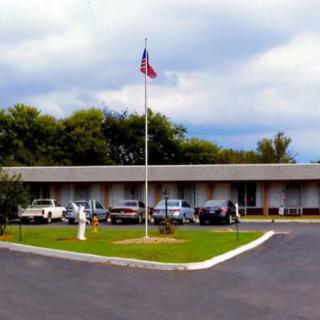
 Caring, responsive staff in a clean, well-maintained setting.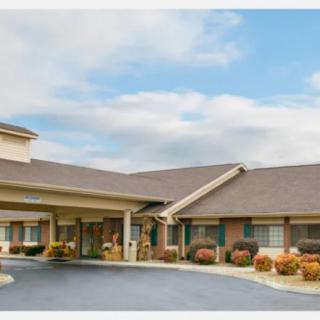

 8 Important Indicators That Memory Care May Be Necessary
 Delving into the Inner World of Dementia: Insights into Thoughts and Awareness
 Five Subtle Dementia Indicators to Observe: An In-Depth Guide to Understanding “Does My Mom Have Dementia?”