
207 Farm House Lane, Fair Play, SC 29643
To contact a resident: (864) 972-1072
For more information about senior living options: (866) 208-4318
Country Care Costs & Pricing
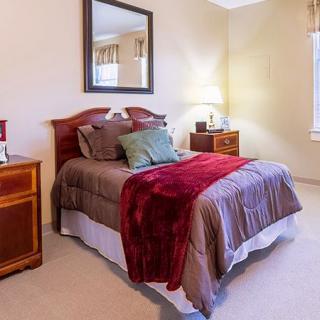
Country Care offers competitive pricing for its services, with consistent monthly rates of $2,900 across all room types, including private, semi-private, studio, and one-bedroom accommodations. In comparison to Oconee County and the broader South Carolina region, Country Care presents a more affordable option for individuals seeking quality care. For instance, while private rooms in Oconee County average $4,150 and statewide $4,246, Country Care's rate stands significantly lower. Similarly, the semi-private rooms at Country Care at $2,900 are less expensive than the county's average of $3,496 and South Carolina's state average of $3,243. This trend continues across other room types as well - demonstrating that Country Care not only prioritizes quality care but also aims to provide accessible options for residents in need.
| Floor plans | Country Care | Oconee County | South Carolina |
|---|---|---|---|
| Private | $2,900 | $4,150 | $4,246 |
| Semi-Private | $2,900 | $3,496 | $3,243 |
| Studio | $2,900 | $3,626 | $3,649 |
| 1 Bedroom | $2,900 | $4,083 | $3,806 |
Memory care communities with a similar price nearby
-
from -$380 / mo
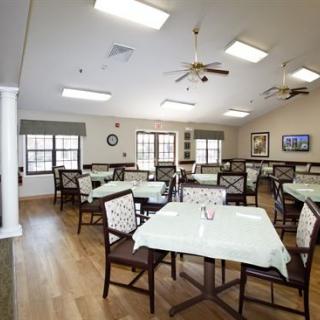
North Pointe
$2,520 to $4,200 / month21.9 miles away -
from -$505 / mo
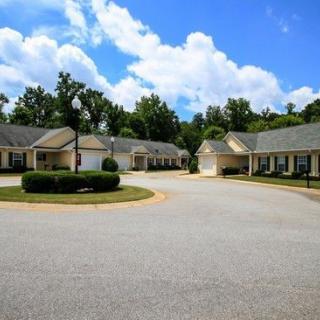
Summit Place
$2,395 to $3,775 / month20.9 miles away -
from +$155 / mo
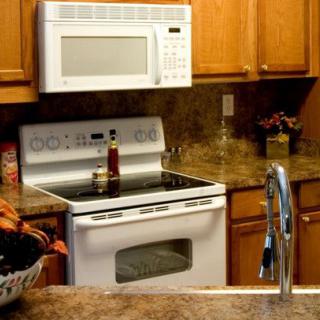
Belvedere Commons of Seneca
$3,055 to $4,335 / month12.9 miles away -
from -$150 / mo
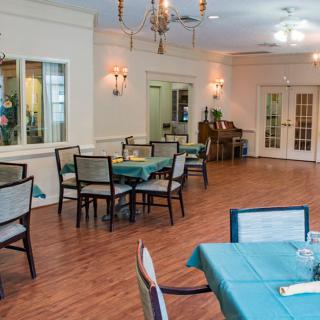
TerraBella Marchbanks
$2,750 to $3,515 / month21.0 miles away
Overall Review of Country Care
Pros
 The community is very clean and very nice.
- The staff are very helpful and take great care of the mom.
- They feed the mom regularly, and she likes the food.
- They call to let the family know if there are any problems.
Cons
 The doctors here could do a better job with communication.
Review
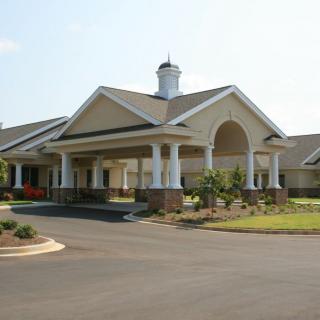
Country Care in Fair Play, SC is best suited for seniors whose families prioritize a clean, welcoming environment, compassionate aides, and reliable daily routines, especially meals that residents genuinely enjoy. The community shines in creating a dignity-forward atmosphere where daily care feels steady and respectful. It works well for residents who don’t require constant, aggressive medical management and for families willing to stay engaged through regular check-ins and routine updates. In short, the value lies in the culture of attentiveness, the comfort of a well-maintained setting, and the predictability of day-to-day life.
Those needing proactive physician oversight and transparent medical leadership should consider alternatives. The reviews flag gaps in how doctors communicate, which can leave families uncertain about prognosis, treatment decisions, and changes in condition. For residents with complex health needs or those who rely on clear, frequent medical updates, this potential disconnect may outweigh the benefits of a pristine environment and personable staff. If medical coordination and timely clinical updates are non-negotiable, exploring communities with stronger integrated care teams is wise.
On the positive side, Country Care earns its emphasis on cleanliness and a pleasant atmosphere. The facility is described as very clean and nice, with staff who are helpful and genuinely caring for residents. The practical daily care, from assistance with routines to attentive monitoring, appears reliable, contributing to a sense of safety and well-being. A notable strength is the meal program: regular, nourishing feeding that residents enjoy, addressing nutritional needs and reducing worries about appetite or dietary satisfaction. Staff also demonstrates a proactive outreach pattern, calling families to report issues, which adds a layer of reassurance for those managing care from afar.
The primary drawback centers on medical communication. The reviewed experiences point to room for improvement in how medical information is conveyed to families and how physicians engage in ongoing dialogue about health status and care plans. This gap can undermine confidence, especially when clinical decisions hinge on timely updates. While a clean facility with well-meaning caregivers can offset some concerns, the absence of robust physician communication remains a meaningful limitation for residents with higher medical needs or families seeking a tightly coordinated medical strategy.
Yet the congruence between environment and daily care can compensate for the medical communication shortfall for many families. A calm, orderly setting paired with responsive aides supports consistent, low-stress living for residents, and dependable meal service sustains nutrition and overall satisfaction. For families willing to supplement facility-driven updates with clear external medical coordination, through their own physician or a designated care manager, the experience can be well-balanced. To capitalize on this, tours should probe for a structured family-communication plan, a named medical liaison within the facility, and explicit escalation steps when questions arise.
In sum, Country Care offers a solid option for seniors who prize a clean, well-run environment, friendly and capable staff, and dependable meal service, all within a supportive daily routine. It is a strong fit for families comfortable managing medical communication outside the facility’s direct realm or for residents whose health needs are stable and well-understood. For those who require frequent, transparent medical updates and tighter clinical coordination, alternatives with more integrated physician oversight are worth evaluating. When location and cost align with family expectations, Country Care can deliver a dependable, dignity-preserving living arrangement in Fair Play, with the caveat that medical communication should be actively addressed early in the decision process.
 Board and Care Home
 Memory Care
 Cats allowed
 Dogs allowed
 Activities off-site
 Beautician on-site
 Devotional services off-site
 Indoor common areas
 Outdoor common areas
 Private
 Respite or short term stays offered
 Wheelchair accessible showers
 Ambulatory care
 Diabetic care
 High acuity care
 Incontinence care
 Medication management
 Meals provided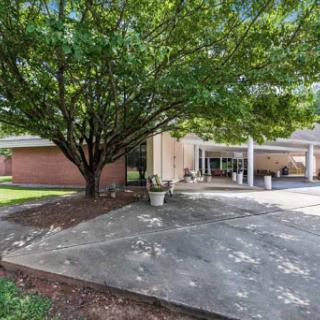


 When to Transition from Assisted Living to Memory Care: Key Indicators, Steps, and Finding the Right Community
 Understanding the Distinctions: Assisted Living and Memory Care Explained
 How to Communicate with a Loved One Living with Dementia: 10 Supportive Strategies