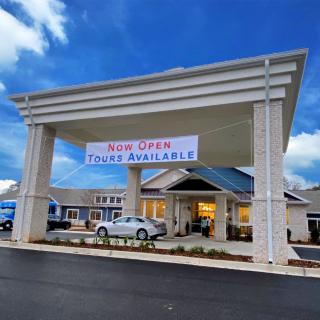
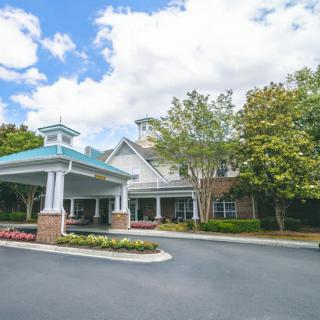
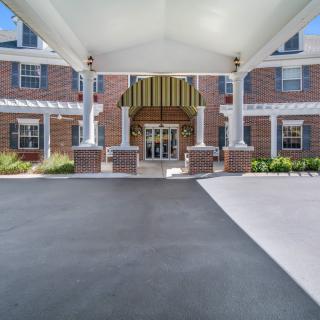
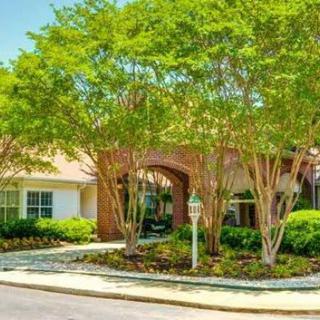
The Haven in the Summit in Columbia, SC

Save

  • Interior

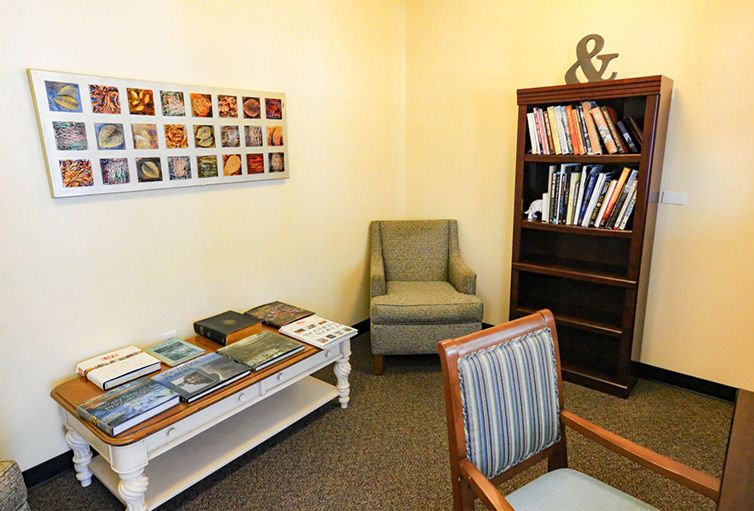
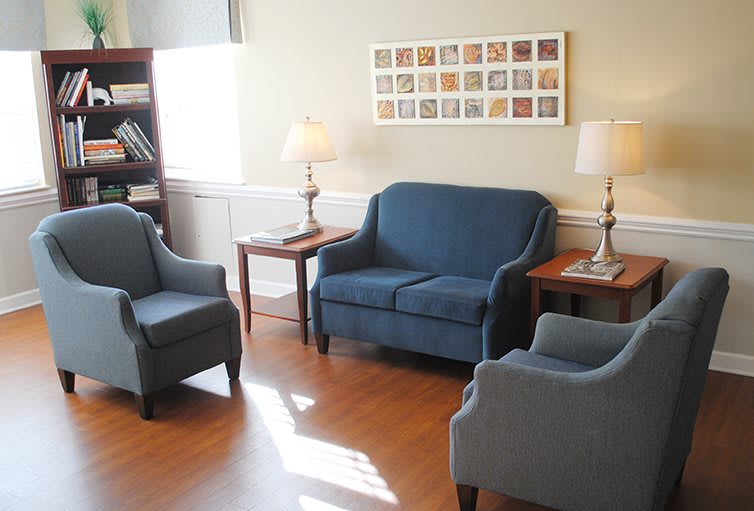
    A cozy waiting room with a bookshelf, chairs, and magazines on a table.
  • Decor

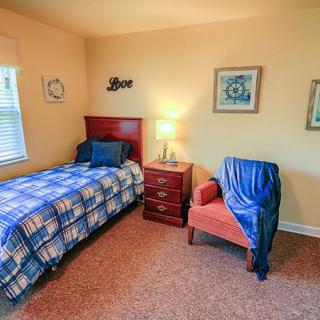
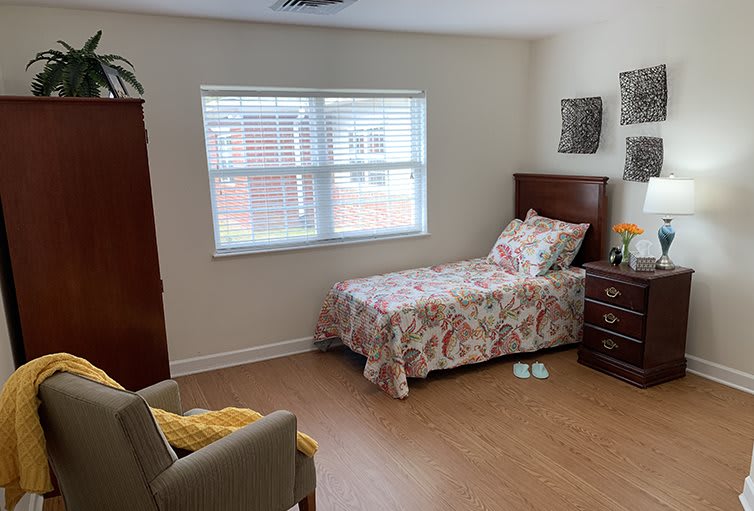
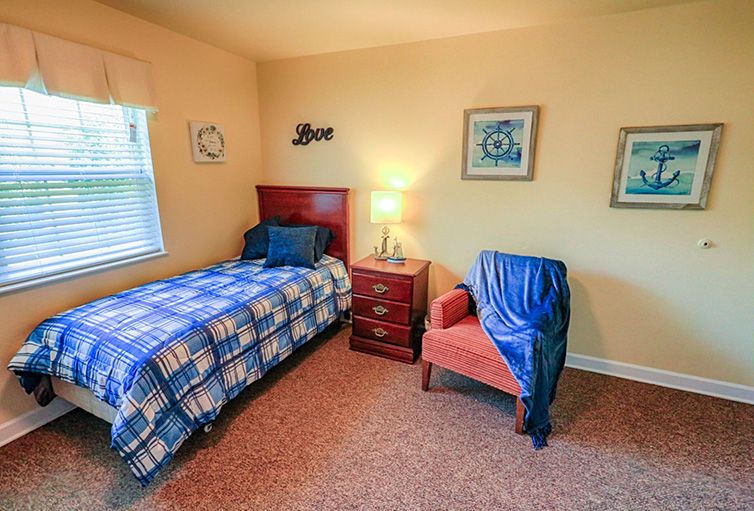
    A cozy bedroom with a single bed and an armchair beside a small bedside table, illuminated by a lamp.
  • Living Room

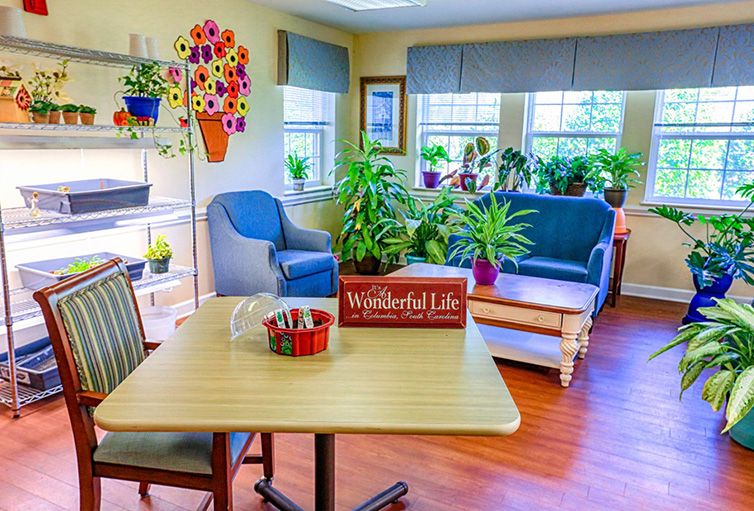
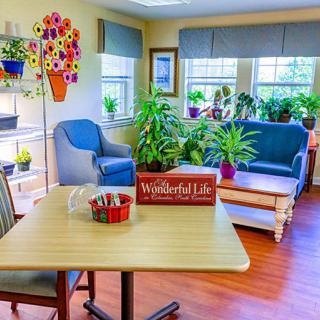
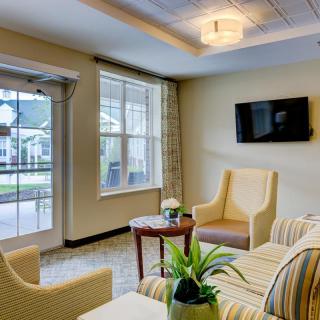
    A cozy living room with comfortable seating and an abundance of plants, bathed in natural light from large windows.
  • Building

    A school building with a brick sign and white fence, surrounded by greenery.
  • Bedroom

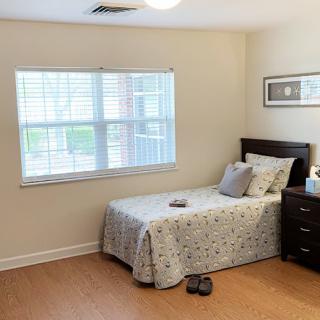
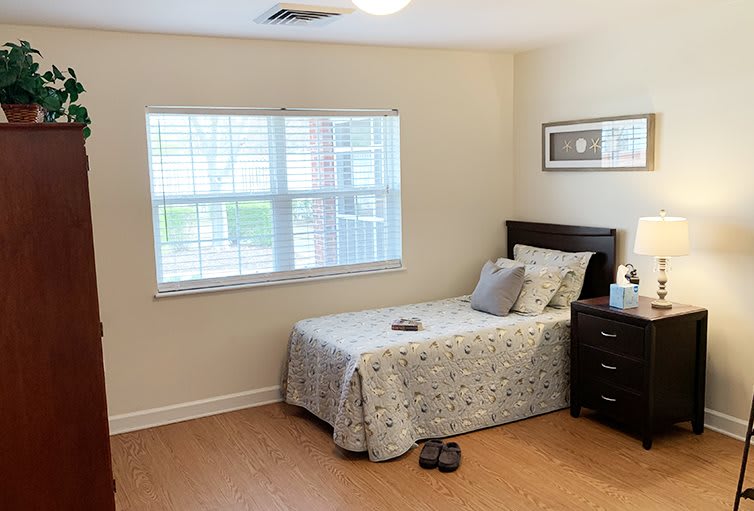
    A cozy bedroom with a single bed and a nightstand, featuring minimalistic decor.
  • Windows

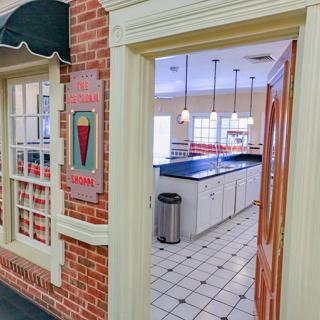
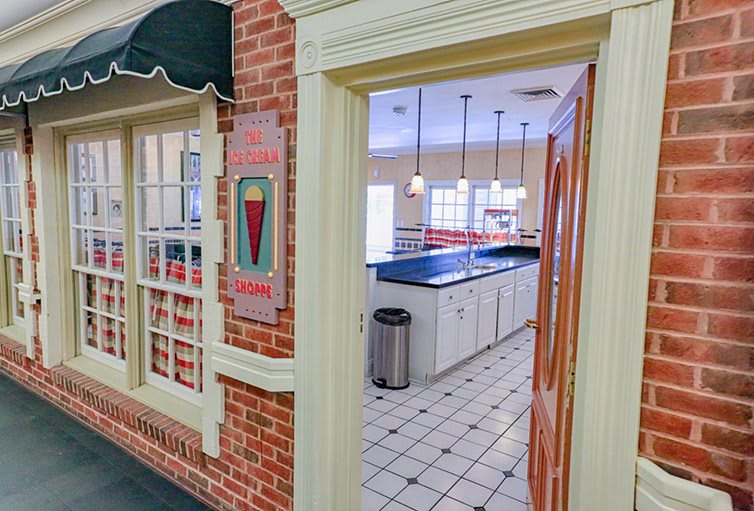
    Interior view of an ice cream parlor kitchen with a counter and tiled floor.
  • Dining

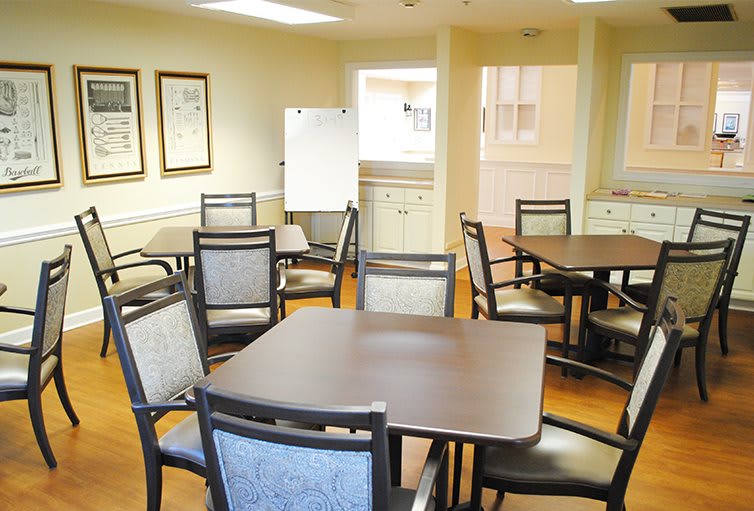
    A retro-style diner interior featuring tables, chairs, and nostalgic decor.
  • Entrance

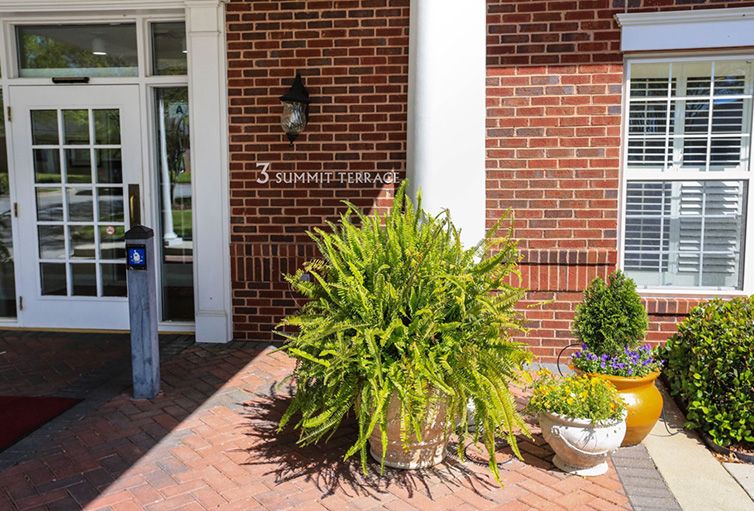
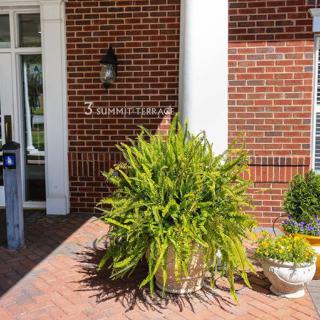
    A potted plant is placed near the entrance of a brick building, with sunlight casting shadows on the ground.
  • Artwork

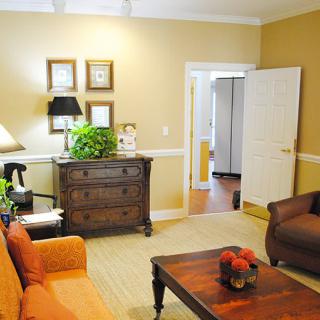
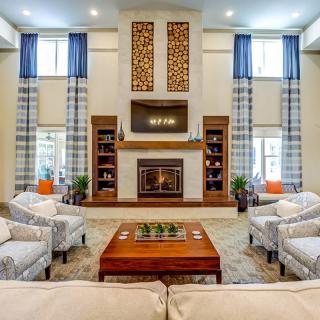
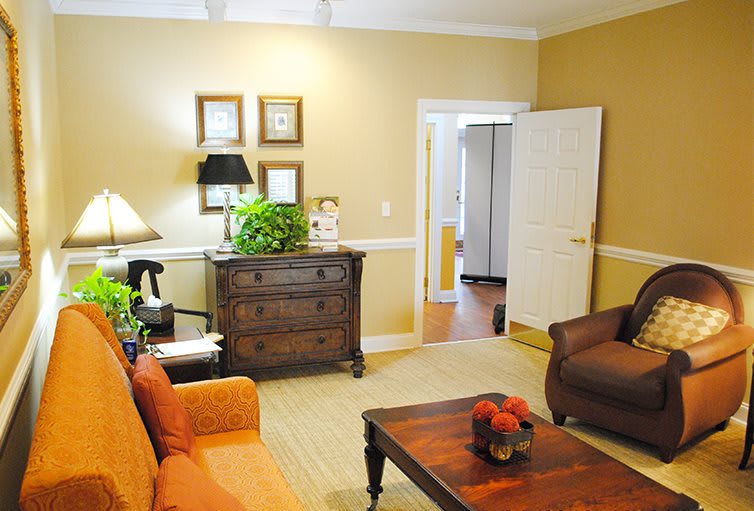
    A cozy living room featuring comfortable seating, a wooden coffee table, and decorative elements like plants and artwork.
  • Seating Area

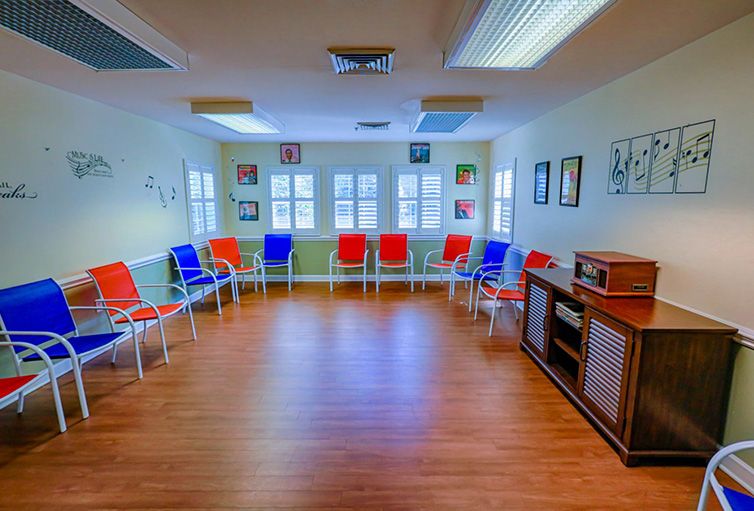
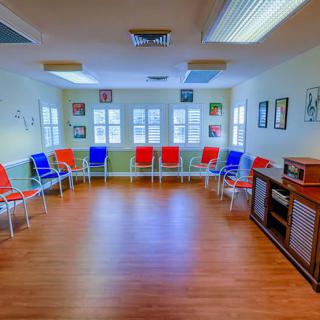
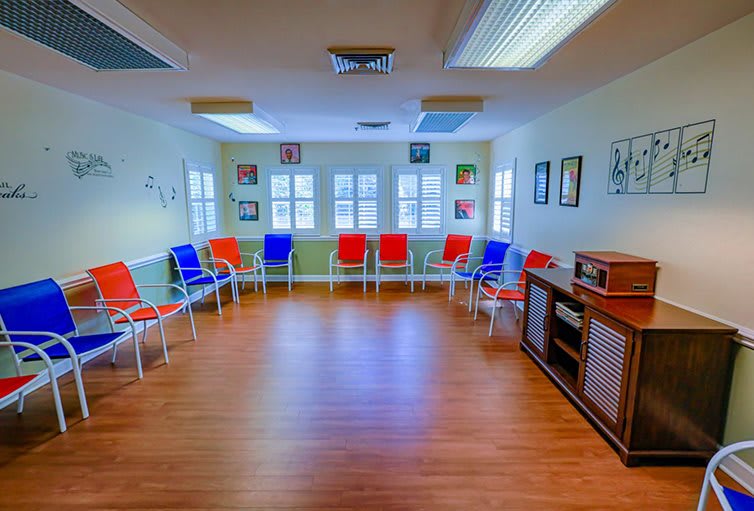
    A spacious waiting room with colorful chairs against the walls, featuring a hardwood floor and ample natural light.
  • Lobby

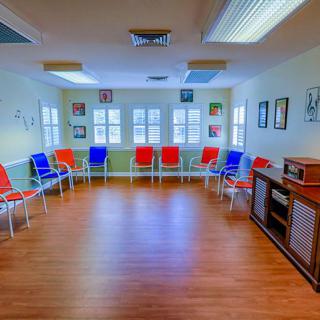
    An empty, colorful waiting room with arranged chairs and a wooden floor.
  • Exterior

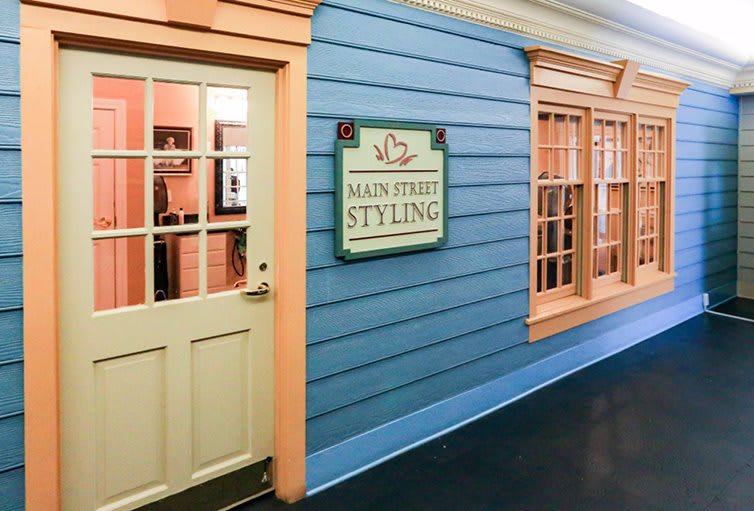
    The entrance of a shop named 'Main Street Styling' with a blue exterior and beige accents.
  • Painting

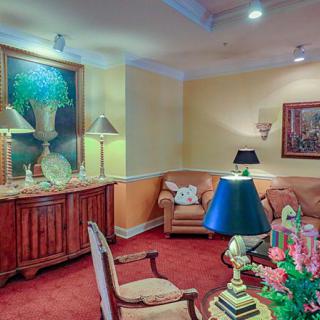
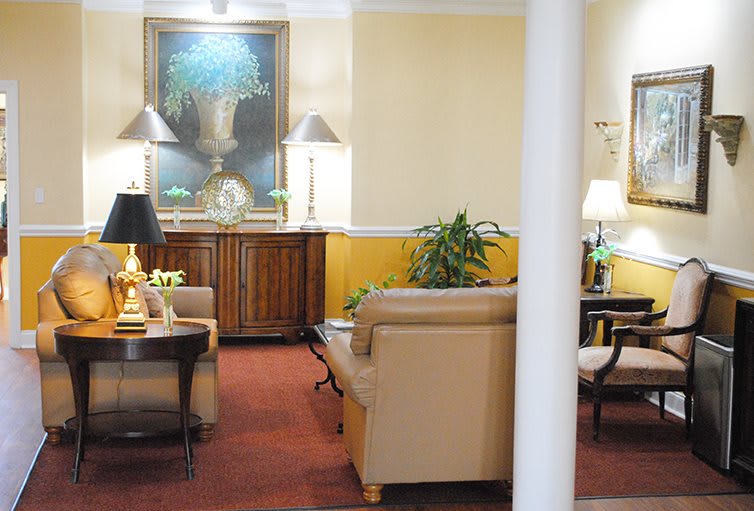
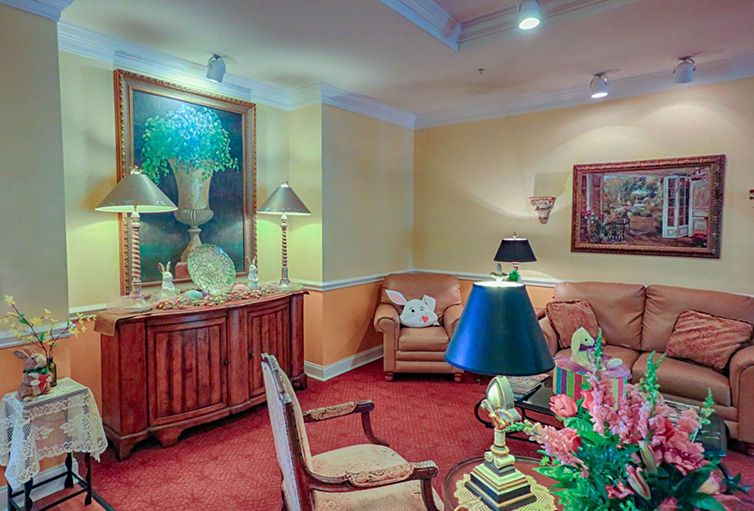
    Cozy living room with elegant decor and comfortable furniture.
  • Bright Lighting

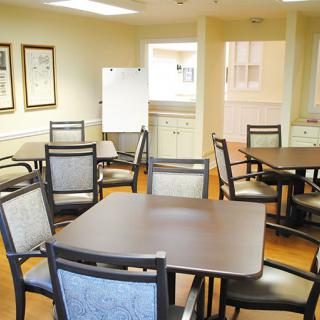
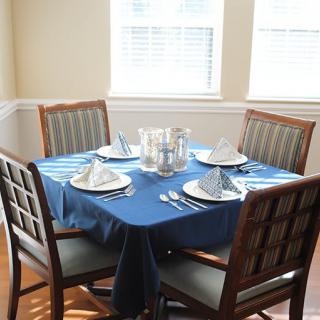
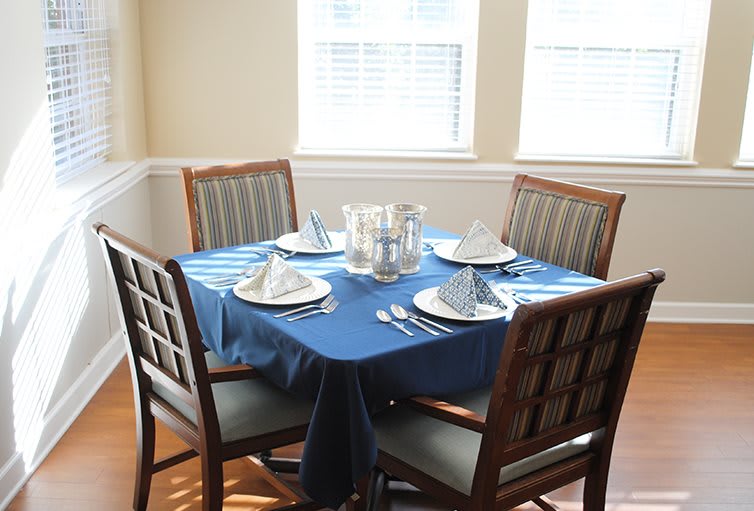
    A well-lit dining room with multiple tables and chairs arranged neatly.

The Haven in the Summit in Columbia, SC

3 Summit Terrace, Columbia, SC 29229

For more information about senior living options: (844) 490-3973

4.2 from 58 reviews
5 stars
33
4 stars
12
3 stars
8
2 stars
1
1 stars
4

Memory Care Respite Care

The Haven in the Summit Costs & Pricing

The Haven in the Summit offers competitive pricing for its residents, with monthly costs that reflect the premium services and accommodations provided. For a semi-private room, residents can expect a rate of $3,830, which is slightly higher than the average in Richland County at $3,443 and significantly above the state average of $3,243. This price point underscores the facility's commitment to quality care and amenities. In addition, for those preferring a studio apartment, the cost rises to $4,550; this too positions The Haven above both Richland County's average of $3,263 and South Carolina's state average of $3,649. While these costs may be higher than some competitors in the area, they reflect The Haven's dedication to providing an enriched living environment tailored to meet the needs of its residents.

Floor plansThe Haven in the SummitRichland CountySouth Carolina
Semi-Private$3,830$3,443$3,243
Studio$4,550$3,263$3,649

Overall Review of The Haven in the Summit

Pros

  • pro The Haven in the Summit is clean, odor-free, and well maintained, with a warm, welcoming atmosphere.
  • pro The staff are consistently friendly, pleasant, and kind to residents and families.
  • pro The facility is attractive and thoughtfully designed for memory care, with multiple neighborhoods and open common spaces.
  • pro Residents have the freedom to walk in secure outdoor areas, supported by tight security and attentive supervision.
  • pro Families report compassionate, patient care and strong engagement from caregivers.
  • pro The dining area is pleasant, and the activities calendar is engaging, with options like singing, bingo, and crafts.
  • pro The grounds provide generous spaces for family visits and quality time with residents.
  • pro Many families feel confident and satisfied, often recommending The Haven for dementia care.

Cons

  • pro Reviewers say the staff are lazy and would not recommend the facility.
  • pro They critique the place as understaffed with a terrible management team.
  • pro They note the new Resident Service Director often stays in her office on her phone, implying poor leadership.
  • pro They report lost paperwork and doctor orders, medications being mismanaged, and call it a mess to reconcile.
  • pro Memory care staff are described as "zombies," suggesting a dangerous and dehumanizing environment.
  • pro One reviewer felt the facility should be shut down and planned to move their relative elsewhere.
  • pro They state they regretted moving their loved one there and would never recommend it.
  • pro Initial cleanliness issues and weekend understaffing are highlighted as problems.
  • pro The tours are criticized as "great sale jobs," implying the facility's appeal was overly marketing-focused.

Review

The Haven in the Summit is best suited for families seeking a purpose-built memory-care environment with a village-style design, where residents can move freely within three distinct neighborhoods, a Main Street vibe, and ample social programming. It is particularly apt for dementia or Alzheimer's care where security, predictable routines, and engaging activities are paramount. Families prioritizing a warm, resident-centered atmosphere and a visually pleasant, open-layout setting will find strong appeal here. Those needing aggressive medical oversight, highly consistent staffing around the clock, or lower-cost options may want to consider alternatives.

On the strength side, the community's dementia-focused architecture stands out. The three neighborhoods, interconnected activity spaces, and purpose-built security create a sense of walking-aboard freedom without sacrificing safety. The Main Street feel, ice cream parlor, crafts areas, and immersive touches help residents engage voluntarily rather than feel confined. The design facilitates easy supervision - rooms open to central hubs, outdoor secure walkways, and visible staff presence - that families often cite as a comfort compared with more sterile, hotel-style memory-care floors. Cleanliness and attractiveness consistently appear as positives in tours and long-term visits, with residents reported to be engaged in a busy activities calendar, from singing and crafts to bingo and card games.

Staff experience and resident culture also register as meaningful pros. Numerous families praise caregivers who are patient, kind, and attentive, and many residents seem to bond with the team in enduring ways. Family members repeatedly note that the facility feels welcoming and that staff members take time to connect, share updates, and accommodate individual preferences. The sense that residents are cared for within a nurturing, inclusive community - evidenced by supportive group discussions and town-hall-style family meetings - adds a layer of trust for families navigating dementia care decisions. For couples or single-resident households, the option of private or semi-private rooms within a comforting environment adds to the perceived value.

However, persistent concerns about staffing and operations temper the otherwise positive portrait. Several families report understaffing - especially on evenings and weekends - and turnover that disrupts continuity of care. Communication gaps and lapses in administrative follow-through appear in multiple accounts, including lost paperwork, medication mismanagement, and delayed responses to urgent needs. Some reviews recount traumatic incidents or near-misses, such as falls or improper medication changes, and others describe discharges or transitions that felt mishandled. A recurring theme is that good intentions and a strong facility design can be undermined by inconsistent clinical oversight and leadership presence.

The core tension, then, is whether the cared-for benefits can reliably offset the operational gaps. When the environment is consistent, the routines are well managed, and staff stability is solid, the Haven's strengths - secure mobility, neighborly layout, and a rich social program - provide real value for loved ones with dementia. The design's emphasis on open space, walking paths, and social enagement gives residents a sense of autonomy within safety nets, and families feel better about daily life when the team demonstrates warmth and attentiveness. Yet when staffing rations slip and administrative processes fray, the risk of medication issues, slower problem resolution, and uneven care rises, potentially matching or eclipsing the recognized benefits.

For families weighing options, the decision should hinge on a clear picture of current leadership and staffing realities, not only the facility's appealing features. Prospective movers should request up-to-the-minute staff-to-resident ratios, review the mentor-ship and turnover trajectory among caregivers, and press for concrete processes around medical oversight, medication reconciliation, and discharge planning. A direct, candid tour during high-activity times and a request to meet the administrator and resident-services leadership can illuminate how well the culture translates into daily care. A trial respite stay or a month-long observation period can reveal whether the program's promise aligns with personal expectations and the specific needs of a loved one.

In sum, The Haven in the Summit delivers a compelling, memory-care?focused proposition: a physically inviting, secure, and socially rich environment that many families find reassuring for dementia care. It is a strong fit when care continuity, resident happiness, and meaningful engagement are the priorities and when leadership and staffing remain consistently robust. If those operational assurances are uncertain or if the budget is tight, alternatives with firmer day-to-day clinical oversight or lower cost structures may offer more dependable peace of mind. For decision-making families, the next steps are precise: confirm current staffing stability, demand transparent care planning and medication protocols, and consider a supervised stay to observe how the team handles real-life needs and emergencies.

Features

Housing

  • 60 resident community capacity 60 resident community capacity

Types of Care

  • Memory Care Memory CareMemory care is crucial for seniors as it provides specialized support and services for individuals with dementia or Alzheimer's disease. These programs offer a safe and secure environment where residents receive personalized care, cognitive stimulation, and help with daily activities. Memory care helps seniors maintain their independence, quality of life, and dignity while also providing peace of mind for their families.
  • Respite Care Respite CareRespite care provides temporary relief for caregivers, allowing them to recharge and attend to their own needs. It also gives seniors the opportunity to socialize, receive professional care, and experience a change of scenery, promoting overall well-being and reducing feelings of isolation.

Pets

  • Cats allowed Cats allowed"Pet friendly" senior living communities are important for seniors because pets provide companionship, reduce feelings of loneliness and depression, promote physical activity and mental stimulation, and offer a sense of purpose and responsibility. Pets can improve overall well-being and quality of life for seniors in many ways.
  • Dogs allowed Dogs allowed"Pet friendly" senior living communities are important for seniors because pets provide companionship, reduce feelings of loneliness and depression, promote physical activity and mental stimulation, and offer a sense of purpose and responsibility. Pets can improve overall well-being and quality of life for seniors in many ways.

Amenities

  • Activities off-site Activities off-siteEngaging in off-site activities is crucial for seniors to maintain social connections, stay active, and stimulate their minds. It promotes overall well-being and helps combat feelings of isolation and loneliness.
  • Activities on-site Activities on-siteActivities on-site are important for seniors because they provide opportunities for socialization, mental stimulation, physical activity, and overall well-being. Engaging in activities can help seniors stay active, maintain their independence, and improve their quality of life.
  • Air-conditioning Air-conditioningAir conditioning is important for seniors as they are more vulnerable to heat-related illnesses and may have underlying health conditions that make it difficult for them to regulate their body temperature. It helps to keep them comfortable, safe, and healthy in hot weather.
  • Bath tubs Bath tubsBath tubs are important for seniors because they provide a safe and relaxing way to bathe, helping to prevent slips and falls while promoting independence and overall well-being.
  • Beautician on-site Beautician on-siteHaving a beautician on-site at a senior living community is important for seniors as it allows them to easily access grooming and personal care services, boosting their self-esteem and overall well-being. It also provides convenience and helps seniors maintain their sense of independence and personal style.
  • Beauty salon Beauty salonBeauty salons are important for seniors because they provide a space for them to feel pampered, socialize, and maintain their personal grooming and hygiene. Regular visits to a beauty salon can help boost seniors' self-esteem and overall well-being.
  • Cable or satellite TV Cable or satellite TVCable or satellite TV is important for seniors because it provides entertainment, news, and companionship, helping to combat loneliness and boredom. It also offers a wide range of programming options tailored to different interests and preferences.
  • Computer center Computer centerA computer center is essential for seniors as it provides access to technology, communication tools, and resources that can enhance their daily lives. It allows them to stay connected with loved ones, engage in online activities, and learn new skills, ultimately promoting socialization and mental stimulation.
  • Devotional services on-site Devotional services on-siteDevotional services on-site provide seniors with spiritual support and a sense of community, as well as an opportunity for reflection and guidance during their senior living experience. This can promote emotional well-being and connection to others, leading to a more fulfilling and enriching lifestyle in their later years.
  • Dining room Dining roomDining rooms are important for seniors as they provide a space for socialization, connection, and nutritious meals. They offer opportunities for residents to bond over shared meals, foster a sense of community, and promote healthy eating habits. Dining rooms also ensure that seniors have access to well-balanced meals tailored to their dietary needs and preferences.
  • Fitness room Fitness roomHaving a fitness room in a senior living community is essential for seniors to stay active, maintain their physical health, and improve their overall well-being. Regular exercise can help prevent falls, reduce the risk of chronic diseases, and promote mental sharpness. It also provides social opportunities for residents to connect with others and enjoy a sense of community.
  • Fully furnished Fully furnishedFully furnished senior living communities are important for seniors because they provide convenience, comfort, and a hassle-free moving experience. Seniors can easily settle into their new living space without the stress of having to buy and move furniture. This allows them to focus on enjoying their new home and community.
  • Gaming room Gaming roomGaming rooms are important for seniors as they provide a fun and engaging environment for socializing, cognitive stimulation, and physical activity. Games can improve memory, problem-solving skills, and overall mental well-being while fostering friendships and reducing feelings of isolation.
  • Garden GardenGardens are important for seniors as they provide a peaceful and therapeutic environment for relaxation, physical activity, and socialization. Being in nature has been shown to reduce stress, improve mood, and promote overall well-being. Gardens also offer opportunities for seniors to engage in gardening activities, which can improve mobility, flexibility, and cognitive function. Additionally, gardens create a sense of community and connection with others who share a passion for plants and outdoor spaces.
  • Housekeeping services Housekeeping servicesHousekeeping services are important for seniors because they help maintain a clean and safe living environment, promote independence, and reduce the risk of accidents or illnesses. Additionally, having assistance with household chores can alleviate physical strain and allow seniors to focus on other aspects of their well-being.
  • Indoor common areas Indoor common areasIndoor common areas are crucial for seniors as they provide a space for socialization, recreation, and community engagement, promoting overall well-being and reducing feelings of isolation and loneliness.
  • Kitchenette KitchenetteKitchenettes are important for seniors living in senior living communities because they provide the convenience and independence of being able to prepare simple meals and snacks in the comfort of their own living space. This can help promote a sense of autonomy and well-being for seniors, allowing them to maintain some level of control over their dietary choices and daily routines.
  • Move-in coordination Move-in coordinationMove-in coordination is important for seniors because it helps ease the transition into their new living environment. It ensures that all logistics, such as packing, organizing movers, and setting up utilities are taken care of, allowing seniors to focus on settling in and adjusting to their new home. Having a smooth move-in process can alleviate stress and anxiety, making the transition smoother and more enjoyable for seniors.
  • Outdoor common areas Outdoor common areasOutdoor common areas are important for seniors as they provide a space for socialization, physical activity, and relaxation. Being outside in nature can improve mood and overall well-being, while also encouraging movement and engagement with others. These spaces can help combat feelings of isolation and promote a sense of community among residents.
  • Outdoor space Outdoor spaceOutdoor spaces are important for seniors as they provide opportunities for physical activity, social interaction, exposure to natural light and fresh air, and a sense of connection to nature. Having access to outdoor spaces can improve overall well-being and quality of life for older adults living in senior communities.
  • Private bathrooms Private bathroomsPrivate bathrooms are important for seniors in senior living communities because they provide independence, dignity, and comfort. Having a private bathroom allows seniors to maintain their personal hygiene routines without the need for assistance, promoting a sense of autonomy and privacy. Additionally, private bathrooms help prevent the spread of infections and provide a safe and clean environment for seniors to navigate safely.
  • Respite or short term stays offered Respite or short term stays offeredRespite or short term stays provide seniors with a temporary solution when their regular caregiver is unavailable, offering them the opportunity to receive additional care and support during times of need, while also giving caregivers a chance to rest and recharge.
  • Restaurant-style dining Restaurant-style diningRestaurant-style dining is important for seniors because it allows them to enjoy delicious, nutritious meals in a social and upscale setting. This enhances their dining experience, promotes healthy eating habits, and fosters socialization with fellow residents, ultimately contributing to their overall well-being and quality of life.
  • Small library Small librarySmall libraries are important for seniors as they provide access to a variety of reading materials, including books, newspapers, and magazines. This can help stimulate their minds, keep them engaged, and provide a sense of community through book clubs and other social activities. Additionally, reading has been shown to improve cognitive function and overall mental well-being in older adults.
  • Telephone TelephoneTelephones are important for seniors as they provide a lifeline for communication with loved ones, emergency services, and healthcare providers. They offer a sense of security and independence, enabling seniors to stay connected and access assistance when needed.
  • Wellness center Wellness centerWellness centers are important for seniors because they offer a variety of programs and services that promote physical, mental, and emotional well-being. These centers provide opportunities for exercise, socialization, education, and relaxation, helping seniors maintain their overall health and quality of life.
  • Wheelchair accessible showers Wheelchair accessible showersWheelchair accessible showers are crucial for seniors as they provide a safe and independent bathing option for those with mobility challenges. These showers help prevent falls and allow seniors to maintain their dignity and autonomy while ensuring they can bathe comfortably.
  • Wi-Fi/high-speed internet available Wi-Fi/high-speed internet availableWi-Fi/high-speed internet is important for seniors to stay connected with loved ones, access online resources, and participate in virtual activities to combat feelings of loneliness and isolation. It also allows them to easily manage healthcare needs, access entertainment, and engage in lifelong learning opportunities.

Transportation

  • Columbia Metropolitan (19 miles away) Columbia Metropolitan (19 miles away)
  • Community operated transportation Community operated transportationCommunity operated transportation is crucial for seniors as it provides them with the means to access essential services, social activities, and medical appointments. It allows seniors to maintain their independence and quality of life by ensuring they can participate in activities outside of their homes. Additionally, community-operated transportation services offer a safe and reliable way for seniors to travel without having to rely on family or friends for assistance.
  • Transportation arrangement Transportation arrangementTransportation arrangements are crucial for seniors as they may face challenges with driving, mobility, or access to public transportation. Having reliable transportation services ensures that seniors can easily attend appointments, social activities, and maintain their independence and quality of life.
  • Transportation arrangement (non-medical) Transportation arrangement (non-medical)Transportation arrangements are essential for seniors as they provide access to essential services, activities, and social interactions outside the home. This service helps maintain independence, mobility, and overall well-being for seniors who may have limited transportation options.
  • Transportation to doctors appointments Transportation to doctors appointmentsTransportation to doctors appointments is crucial for seniors as it ensures they have access to necessary medical care and support, promoting their health and well-being. It allows them to receive timely treatment, monitor existing conditions, and address any new health concerns efficiently. Additionally, transportation services can help seniors maintain their independence and quality of life by enabling them to stay connected with their healthcare providers.

Care Services

  • 12-16 hour nursing 12-16 hour nursing12-16 hour nursing care is crucial for seniors in order to ensure around-the-clock monitoring, timely medication administration, and prompt response to any health concerns or emergencies. This level of care helps to promote the overall well-being and safety of seniors living in senior living communities.
  • 24-hour call system 24-hour call system24-hour call systems are important for seniors because they provide peace of mind and immediate assistance in case of emergencies. This technology ensures that help is always available, promoting safety and security for elderly individuals living alone or in assisted living facilities.
  • 24-hour supervision 24-hour supervision24-hour supervision is important for seniors to ensure their safety, well-being, and access to immediate assistance in case of emergencies or health issues. This constant support provides peace of mind for both seniors and their loved ones, allowing them to age in place with dignity and security.
  • Activities of daily living assistance Activities of daily living assistanceActivities of daily living assistance are important for seniors because they provide essential support with tasks such as eating, bathing, dressing, and mobility. This assistance helps seniors maintain their independence, dignity, and overall quality of life as they age.
  • Ambulatory care Ambulatory care"Ambulatory care services provide essential medical support and treatment to seniors without requiring hospitalization, allowing them to maintain their independence and quality of life while managing chronic conditions or receiving routine medical care."
  • Assistance with bathing Assistance with bathingAssistance with bathing is crucial for seniors as it helps maintain personal hygiene, prevents infections, and ensures their overall well-being and comfort. It also provides a sense of dignity and independence for seniors who may struggle with this task on their own.
  • Assistance with dressing Assistance with dressingAssistance with dressing is important for seniors because it helps maintain their independence, promotes personal hygiene, prevents accidents and injuries, and improves overall quality of life. This service ensures that seniors can continue to dress comfortably and confidently, despite any physical limitations they may have.
  • Assistance with transfers Assistance with transfersAssistance with transfers is crucial for seniors as it helps prevent falls and injuries, maintains their independence, and ensures they can safely navigate their living environment. It also provides peace of mind for both seniors and their loved ones.
  • Diabetes diet Diabetes dietA diabetes diet is crucial for seniors as it helps manage blood sugar levels, reduce risks of complications, and improve overall health and well-being. By following a balanced and nutritious diet tailored to their specific needs, seniors can better control their diabetes and enhance their quality of life.
  • Diabetic care Diabetic careDiabetic care is crucial for seniors as they are more susceptible to developing diabetes due to aging and other health conditions. Proper management of diabetes can help prevent complications such as heart disease, vision loss, and nerve damage, improving the overall quality of life for seniors in senior living communities.
  • Incontinence care Incontinence careIncontinence care is essential for seniors to maintain their dignity, hygiene, and overall quality of life. By addressing incontinence issues promptly and effectively, seniors can enjoy a sense of independence and comfort in their daily activities.
  • Meal preparation and service Meal preparation and serviceMeal preparation and service are crucial for seniors as they may have limited mobility or energy to cook nutritious meals. Having access to healthy and convenient food options can ensure they are getting the proper nutrition needed to maintain their overall health and well-being.
  • Medication management Medication managementMedication management is crucial for seniors to ensure they are taking the right medications at the correct dosages and times. This helps prevent adverse drug interactions, reduces the risk of medication errors, and promotes overall health and well-being. Proactive management also allows for adjustments as needed based on changing health conditions or new prescriptions.
  • Mental wellness program Mental wellness programMental wellness programs are essential for seniors as they promote cognitive stimulation, emotional support, and social engagement. These programs help prevent isolation, depression, and cognitive decline, ultimately enhancing the overall quality of life for older adults.
  • Mild cognitive impairment Mild cognitive impairment"Mild cognitive impairment" is important for seniors because it is an early stage of cognitive decline that can potentially progress to more severe conditions such as dementia. Recognizing and addressing mild cognitive impairment can help seniors receive appropriate care and support to maintain their quality of life and independence for as long as possible.
  • Special dietary restrictions Special dietary restrictionsSpecial dietary restrictions are important for seniors because age-related changes in metabolism and health conditions can make it difficult for their bodies to process certain foods. By following a diet tailored to their specific needs, seniors can maintain their overall health and well-being, manage chronic conditions, and reduce the risk of complications such as malnutrition or food interactions with medications.
  • Specialized memory care programming Specialized memory care programmingSpecialized memory care programming is crucial for seniors with cognitive impairments such as dementia or Alzheimer's disease. These programs provide a safe and supportive environment tailored to the unique needs of individuals with memory loss, helping them maintain their independence, dignity, and quality of life.

Dining

  • Diabetes diet Diabetes dietA diabetes diet is crucial for seniors as it helps manage blood sugar levels, reduce risks of complications, and improve overall health and well-being. By following a balanced and nutritious diet tailored to their specific needs, seniors can better control their diabetes and enhance their quality of life.
  • Low / no sodium Low / no sodiumLow/no sodium options are important for seniors because excessive sodium intake can lead to high blood pressure, heart disease, and other health issues commonly experienced by older adults. By choosing low/no sodium foods, seniors can better manage their health and reduce their risk of developing these conditions.
  • Low fat Low fatLow fat diets are important for seniors because they can help reduce the risk of heart disease, stroke, and other health issues commonly faced by older adults. Consuming less fat can also help manage weight and improve overall health and well-being in the senior population.
  • Meals provided Meals provided"Meals provided" are crucial for seniors in assisted living communities as it ensures they have access to nutritious, balanced meals without the stress of meal planning and preparation. This can help promote overall health and well-being for seniors who may have limited mobility or cognitive abilities.
  • Special dietary restrictions Special dietary restrictionsSpecial dietary restrictions are important for seniors because age-related changes in metabolism and health conditions can make it difficult for their bodies to process certain foods. By following a diet tailored to their specific needs, seniors can maintain their overall health and well-being, manage chronic conditions, and reduce the risk of complications such as malnutrition or food interactions with medications.

Activities

  • Activities off-site Activities off-siteEngaging in off-site activities is crucial for seniors to maintain social connections, stay active, and stimulate their minds. It promotes overall well-being and helps combat feelings of isolation and loneliness.
  • Activities on-site Activities on-siteActivities on-site are important for seniors because they provide opportunities for socialization, mental stimulation, physical activity, and overall well-being. Engaging in activities can help seniors stay active, maintain their independence, and improve their quality of life.
  • Community-sponsored activities Community-sponsored activitiesCommunity-sponsored activities are important for seniors as they provide opportunities for social interaction, mental stimulation, and physical activity. These activities can help improve overall well-being, combat loneliness and isolation, and promote a sense of belonging and purpose among older adults.
  • Concierge services Concierge servicesConcierge services are essential for seniors as they provide assistance with daily tasks and errands, enhance their quality of life by offering convenience and personalized care, and promote a sense of safety and security.
  • Devotional activities on-site Devotional activities on-siteDevotional activities on-site provide seniors with a sense of community, spiritual fulfillment, and emotional support, promoting overall well-being and a positive sense of purpose in their lives.
  • Fitness programs Fitness programsFitness programs are crucial for seniors as they help improve strength, flexibility, balance, and overall well-being. Staying active can reduce the risk of chronic diseases, improve mental health, and enhance quality of life in older adults.
  • Planned day trips Planned day tripsPlanned day trips are important for seniors because they offer opportunities for socialization, mental stimulation, and physical activity. They provide a change of scenery and help seniors stay engaged and connected to their community, promoting overall well-being and quality of life.
  • Resident-run activities Resident-run activitiesResident-run activities are important for seniors as they encourage social interaction, creativity, and a sense of autonomy. These activities empower seniors to stay engaged and active in their community while fostering meaningful connections with their peers.
  • Scheduled daily activities Scheduled daily activitiesScheduled daily activities are important for seniors because they provide structure, socialization, mental stimulation, and physical activity. Engaging in regular activities can improve overall well-being and quality of life for seniors living in a community setting.

Languages Spoken

  • English EnglishEnglish is important for seniors as it allows them to communicate effectively with healthcare providers, understand important information related to their health and medications, stay connected with loved ones, and engage in social activities within their communities. It also opens up opportunities for lifelong learning and intellectual stimulation.

Description

The Haven in the Summit is an assisted living community located in Columbia, SC. We offer respite care to provide temporary relief to caregivers who may need a break or assistance for their loved ones. Our community features a wide range of amenities and care services to ensure that our residents' needs are met.

Our residents can enjoy various activities on-site, such as gaming and fitness rooms, a small library, and community-operated transportation for outings. They can also take advantage of our beautician and beauty salon services, computer center, and wellness center. Our dining room offers restaurant-style dining with meals prepared according to special dietary restrictions, including low or no sodium and low-fat options.

We prioritize the wellbeing of our residents by providing 24-hour call systems and supervision for their safety. Our dedicated staff assists with daily living activities like bathing, dressing, transfers, and medication management. We also offer specialized memory care programming for those with mild cognitive impairment or dementia.

With nearby cafes, parks, pharmacies, physicians, restaurants, places of worship, and hospitals within close proximity to our community, residents have access to essential amenities and services. Whether it's participating in activities on-site or exploring the surrounding area, our assisted living community provides a comfortable and enriching environment for seniors in Columbia, SC.

Nearby Places of Interest

The area of Columbia, South Carolina surrounding Sandhills Pediatrics Northeast offers a variety of amenities that may be appealing for senior living. With multiple physicians and pharmacies within close proximity, residents have easy access to healthcare services. Additionally, there are several places of worship nearby for spiritual fulfillment. Cafes such as Starbucks provide opportunities for socializing and enjoying a cup of coffee. Various dining options, including Five Guys Burgers & Fries and Cracker Barrel, offer dining convenience. For outdoor recreation, Lake Carolina Properties Harborside Village Green provides a serene setting for leisurely walks or picnics. With U HS Pruitt Hospital located just a short distance away, residents can feel confident in the availability of medical care in the area. Overall, this neighborhood presents a well-rounded environment with convenient amenities for senior living.

Physicians

  • Sandhills Pediatrics Northeast (0.2 miles)
  • Columbia Eye Clinic PA (0.2 miles)
  • Columbia Eye Clinic Pa (0.2 miles)
  • Sandhill's Womens Care (0.3 miles)
  • Palmetto Pediatric & Adolescent Clinic Pa (1.7 miles)
  • Rice Creek Family Medicine (1.7 miles)
  • Sandhills Rheumatology (2 miles)

Places of Worship

  • Restoration Life Ministries (0.5 miles)
  • Radiant Life Church (1.8 miles)
  • Spring Valley Baptist Church (2.7 miles)
  • Grace Life Church (2.8 miles)
  • Sandhills Community Church (3.1 miles)
  • Village Church (3.9 miles)

Cafes

  • Starbucks (0.9 miles)
  • The Human Bean Columbia, Summit Parkway (1.8 miles)
  • Starbucks (2 miles)
  • Lighthouse Cafe & Stuff (2.6 miles)
  • Starbucks (3.8 miles)
  • Starbucks (3.8 miles)
  • Starbucks (4 miles)

Pharmacies

  • Walgreens (0.9 miles)
  • Walgreens (1.5 miles)
  • Walgreens (3 miles)
  • CVS Pharmacy (3.1 miles)
  • CVS Pharmacy (3.5 miles)
  • Kroger Pharmacy (3.8 miles)
  • Simplicity Pharmacy Services & Wellness Center (4.2 miles)

Restaurants

  • Five Guys Burgers & Fries (0.9 miles)
  • Top Dawg Tavern (1.3 miles)
  • Cracker Barrel (1.3 miles)
  • Little Caesars Pizza (1.5 miles)
  • San Jose Mexican Restaurant (1.5 miles)
  • Beef O'Brady's (1.6 miles)
  • McDonald's (1.7 miles)

Parks

  • Lake Carolina Properties Harborside Village Green (2.4 miles)
  • Dogwood Dog Run (5.7 miles)

Hospitals

  • U HS Pruitt (3.1 miles)
  • Healthcare Place At Elgin (5.6 miles)

Transportation

  • U-Haul Moving & Storage (6.6 miles)

Frequently Asked Questions

How much does it cost to live at The Haven in the Summit in Columbia, SC?
Where is The Haven in the Summit?
Does The Haven in the Summit provide care for residents with dementia or Alzheimer's disease?
Does The Haven in the Summit allow residents to have pets?
What photos are available for The Haven in the Summit in Columbia, South Carolina?

Nearby Communities

  • Inspire Sandhill

    Inspire Sandhill

    Columbia, SC

    4.2 from 17 reviews
    $1,700 to $3,420 / month

    pro Beautiful, luxurious facility with extensive on-site amenities and friendly staff.


  • Integrity Home Care

    Integrity Home Care

    Columbia, SC

    5 from 55 reviews
    $3,000 / month

    pro Affordable pricing and convenient proximity to healthcare, dining, and other amenities.

  • J.R. HomeCare

    J.R. HomeCare

    Columbia, SC

    3.9 from 8 reviews
     

    pro Reliable, compassionate caregivers with strong customer service.

  • Watercrest Columbia

    Watercrest Columbia

    Columbia, SC

    4.6 from 39 reviews
     

    pro Beautiful, modern facilities with extensive amenities, attentive staff, and competitive pricing.

  • Watercrest Columbia

    Watercrest Columbia

    Columbia, SC

    4.5 from 37 reviews
     

    pro Specialized memory care with personalized assistance and medication/diabetic management

  • Providence Home Care Ministries Inc.

    Providence Home Care Ministries Inc.

    Columbia, SC

    3.6 from 18 reviews
     

    pro Compassionate caregiving with thorough cleanliness and strong client rapport.

  • Mill Creek Manor

    Mill Creek Manor

    Columbia, SC

    3.5 from 95 reviews
    $1,700 to $2,900 / month

    pro Compassionate staff with on-site care options and competitive pricing.

  • Wildewood Downs Retirement Community

    Wildewood Downs Retirement Community

    Columbia, SC

    4.8 from 127 reviews
    $3,085 to $5,890 / month

    pro Vibrant community with engaging activities and attentive staff.

  • Rice Estate

    Rice Estate

    Columbia, SC

    3.8 from 75 reviews
     

    pro Helpful staff with a wide range of activities in a clean, homey setting.

Related Resources

  • do dementia patients sleep a lotWhy Do Dementia Patients Sleep So Much? Understanding Oversleeping, Stages, and Care Approaches

    Dementia often results in disrupted sleep patterns, leading to excessive daytime sleeping due to factors like brain damage affecting circadian rhythms, medication side effects, and lack of structure in daily activities. Caregivers must monitor these changes closely, as oversleeping can increase risks such as malnutrition or dehydration, and provide necessary support and routines to enhance patient engagement and well-being.

  • when to move from assisted living to nursing home8 Key Indicators That Suggest It May Be Time to Transition from Assisted Living to Skilled Nursing Care

    The transition from assisted living to skilled nursing care is often prompted by complex medical needs that assisted living cannot meet, with key indicators including frequent health declines, increased falls, severe memory issues, and caregiver burnout. Families should recognize these signs early to discuss options with healthcare providers and prepare for the emotional and logistical aspects of moving to a facility that offers comprehensive medical support.

  • best foods for dementia patients to eatNourishing the Mind: Essential Dietary Approaches for Dementia
    Dementia is characterized by cognitive decline, with nutrition playing a vital role in brain health; while no specific diet can prevent or reverse it, a nutrient-dense diet rich in antioxidants and healthy fats may support cognitive function. The MIND diet, which emphasizes beneficial foods and limits processed items, along with proper hydration and individualized meal strategies, can enhance the well-being of dementia patients.