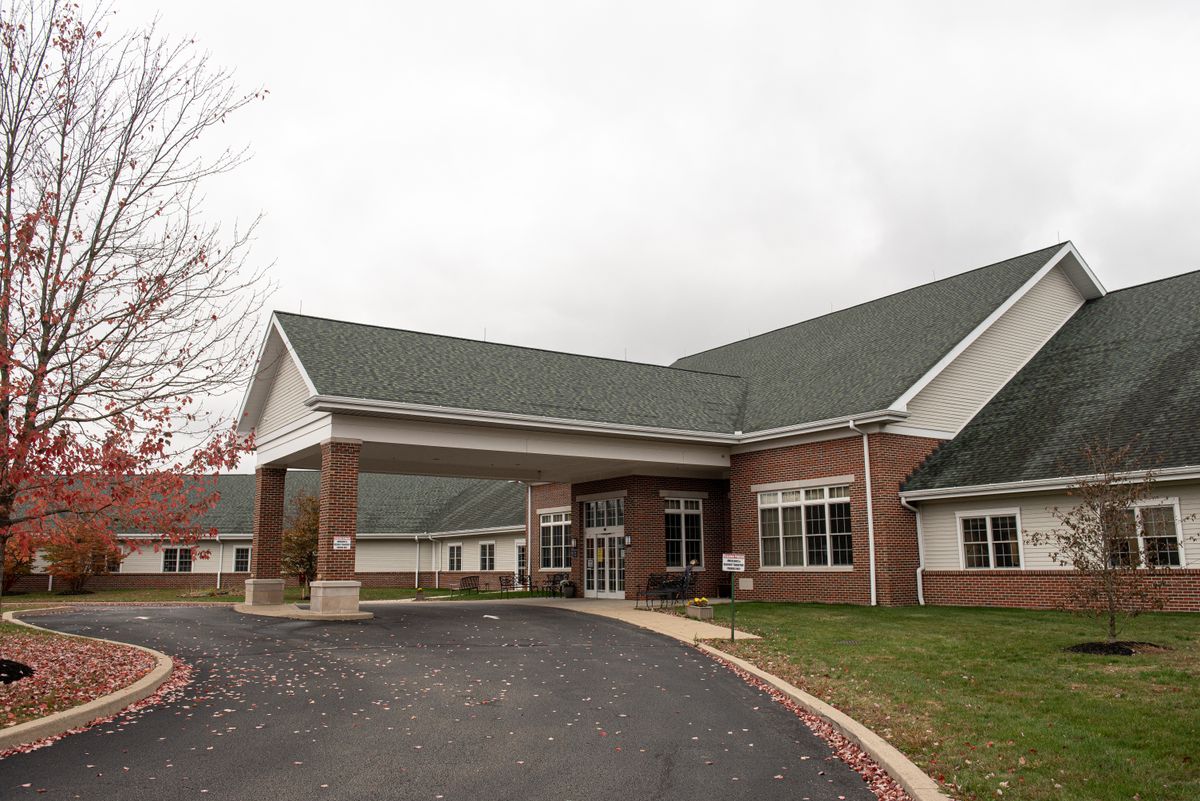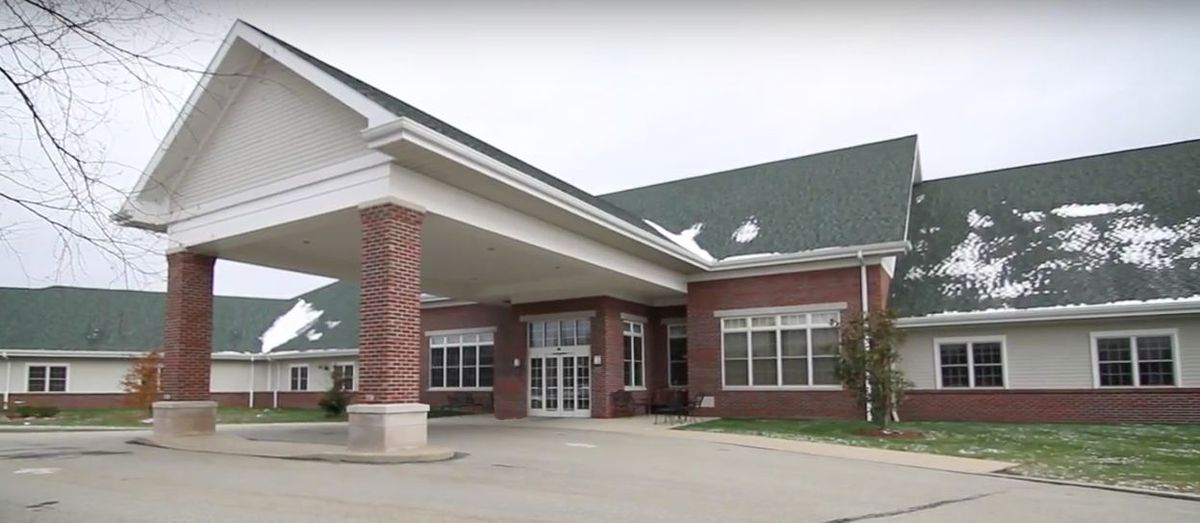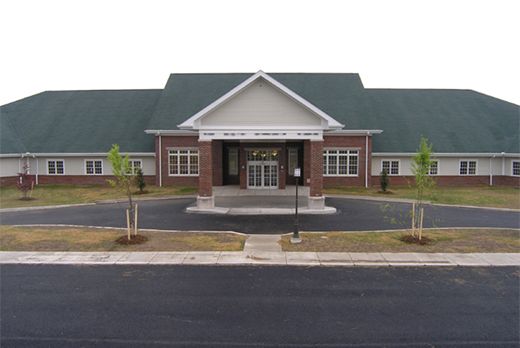
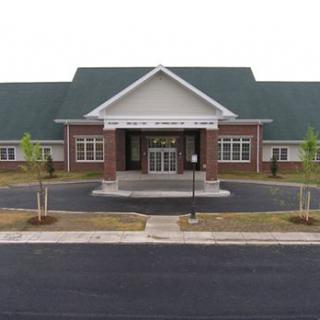

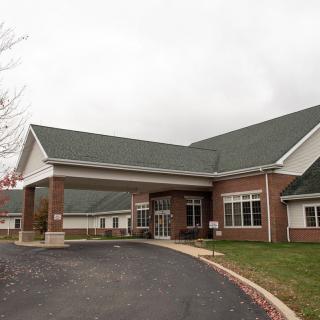

66 Carey School Road, Ligonier, PA 15658
For more information about senior living options: (866) 208-4318
Overall Review of Bethlen Home
Pros
 The staff is friendly and willing to help.
- The dementia ward is secured.
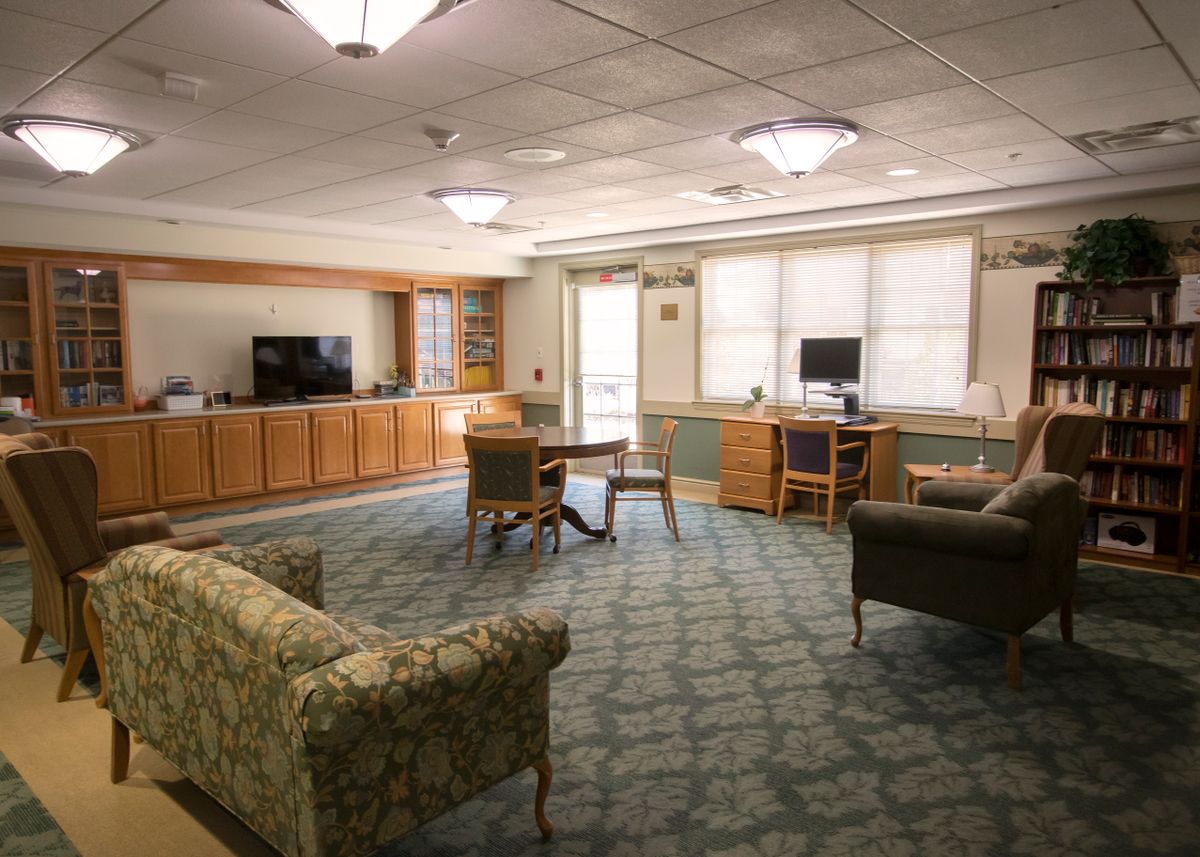
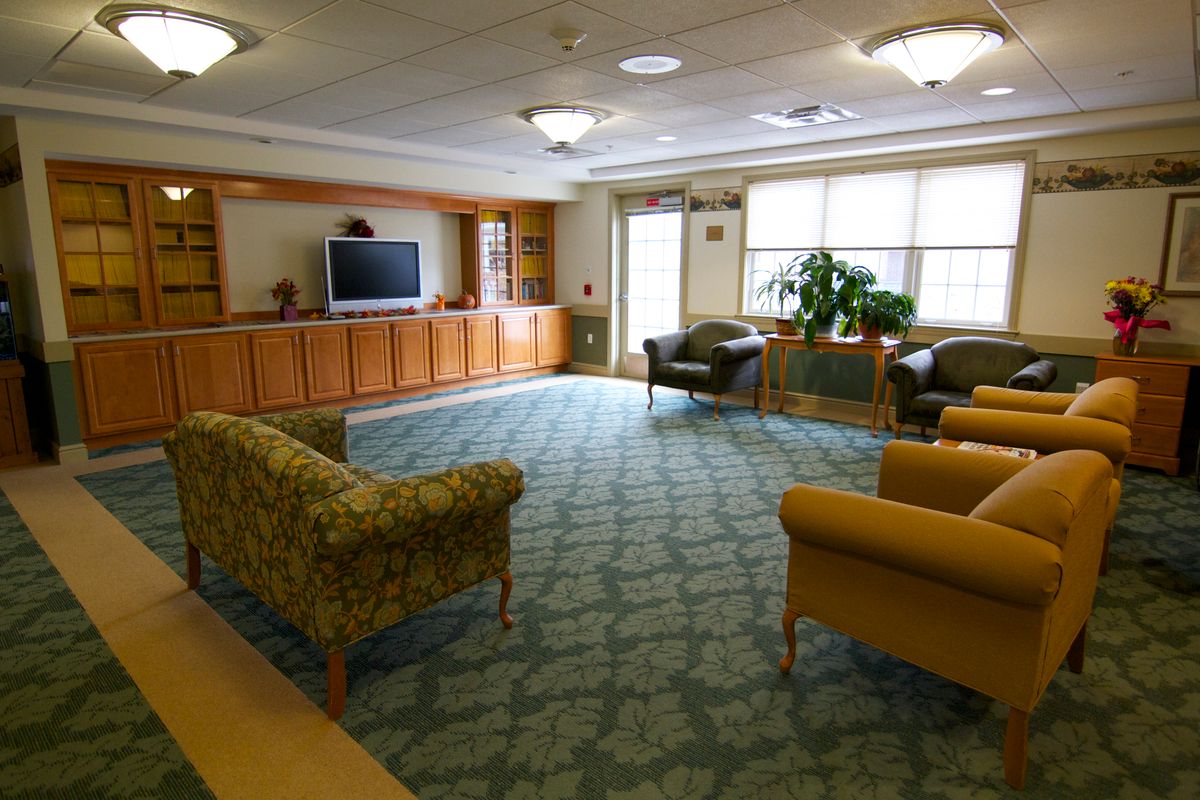
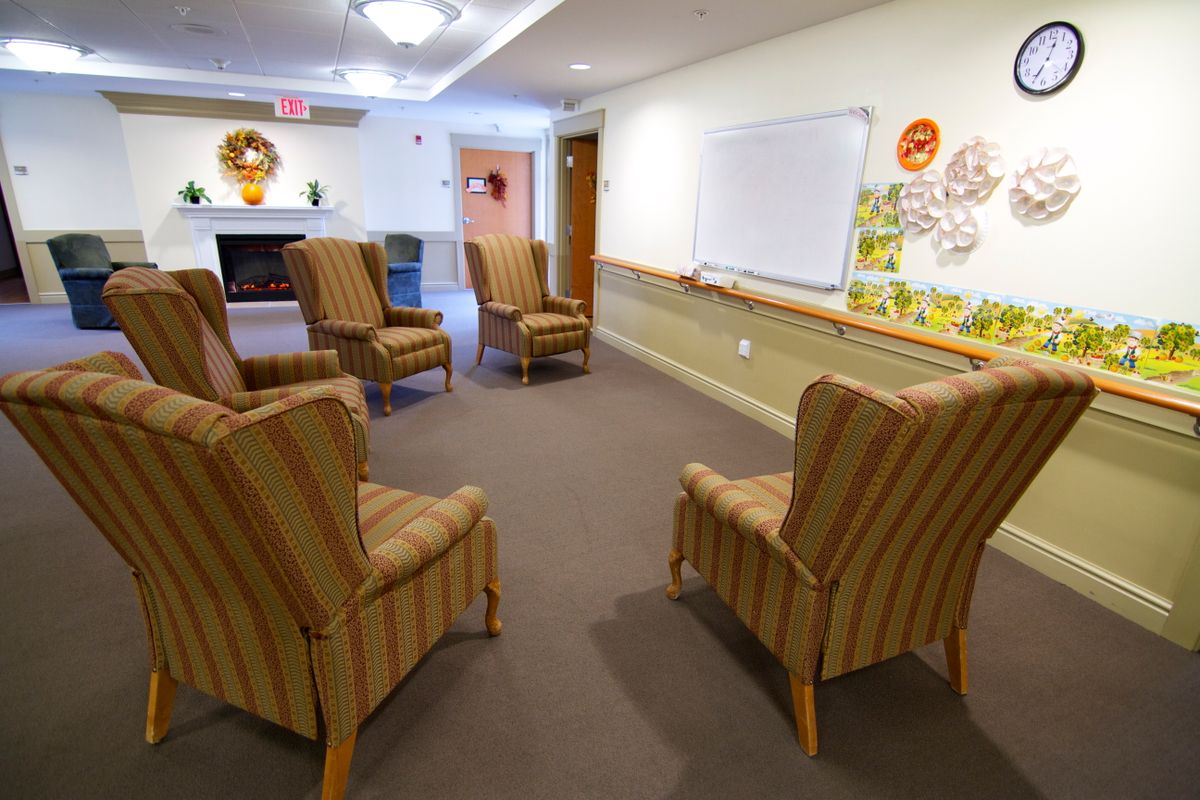
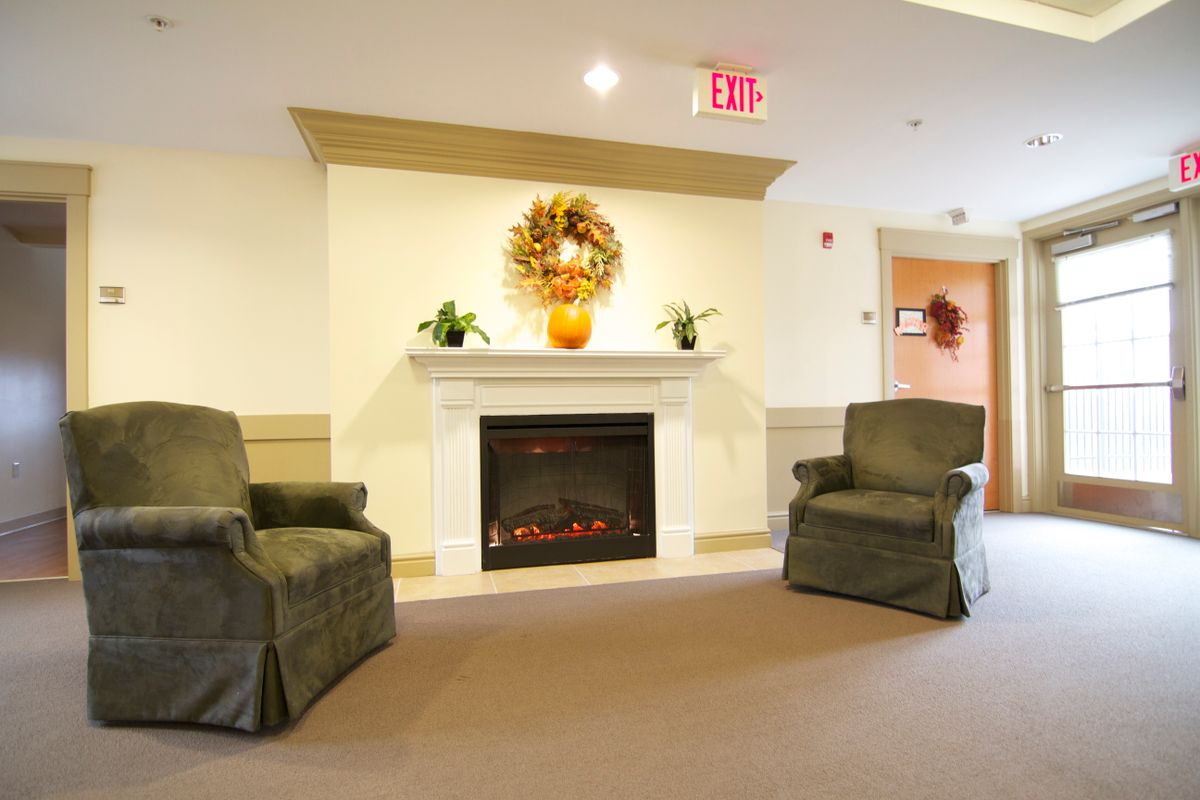
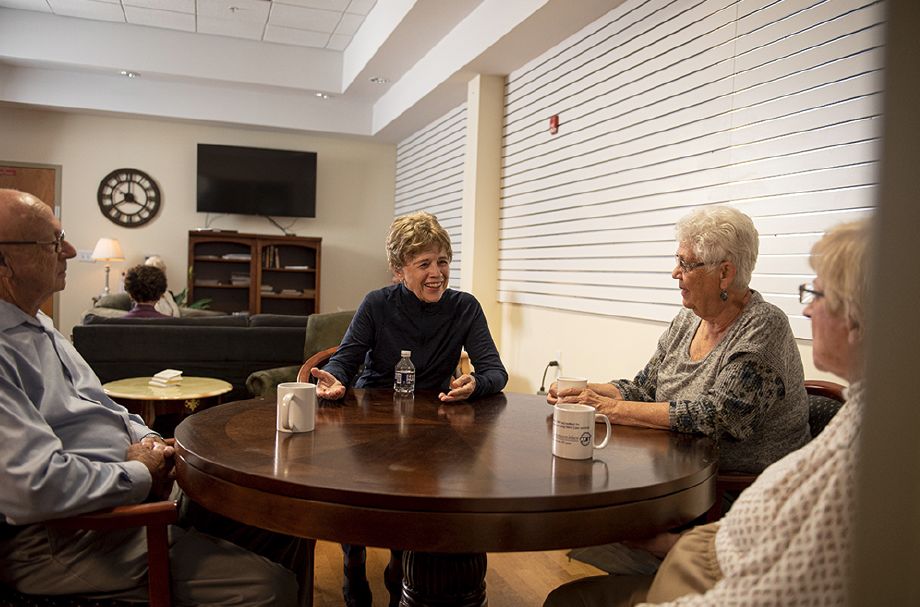
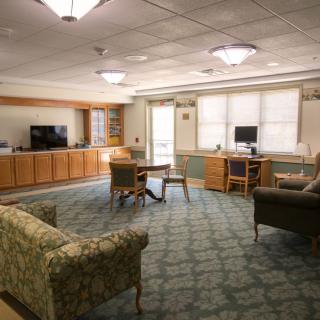
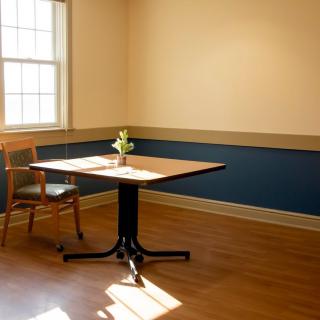
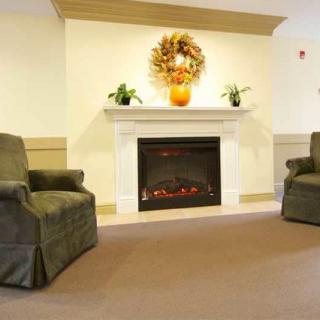
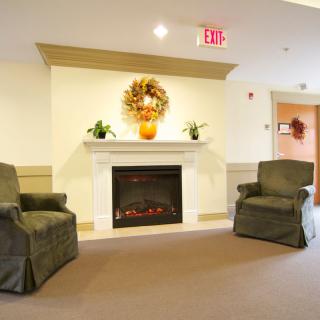
- They have group activities and a nice space for get-togethers.
- They’re nice people who will do what you ask.
- When visited, most residents have smiles on their faces and seem very happy and upbeat.
- The activities staff are top notch.
- The food seems pretty good.
Cons
 The facility doesn’t provide a low-sodium diet and offers only “no salt added,” which is awful for residents.
 - A family member gained weight and required an ER visit due to fluid retention.
- Aides spent more time watching TV in the lobby or using their phones.
- Since the sale to Concordia, the facility has been a disappointment.
- The facility is understaffed.
- The staff do not proactively handle all necessary tasks.
- The facility lacks specialization or advanced skills in care.
- The cost is high, yet the care does not meet expectations.
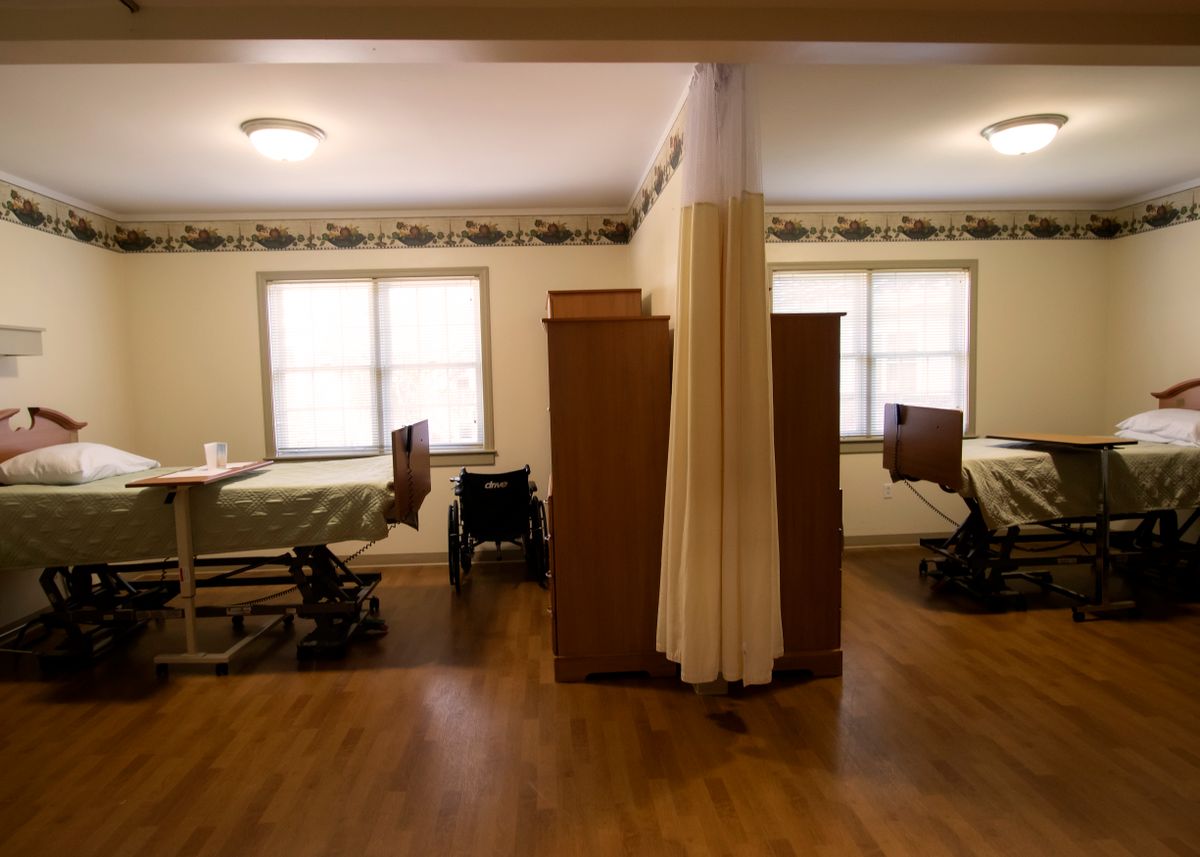
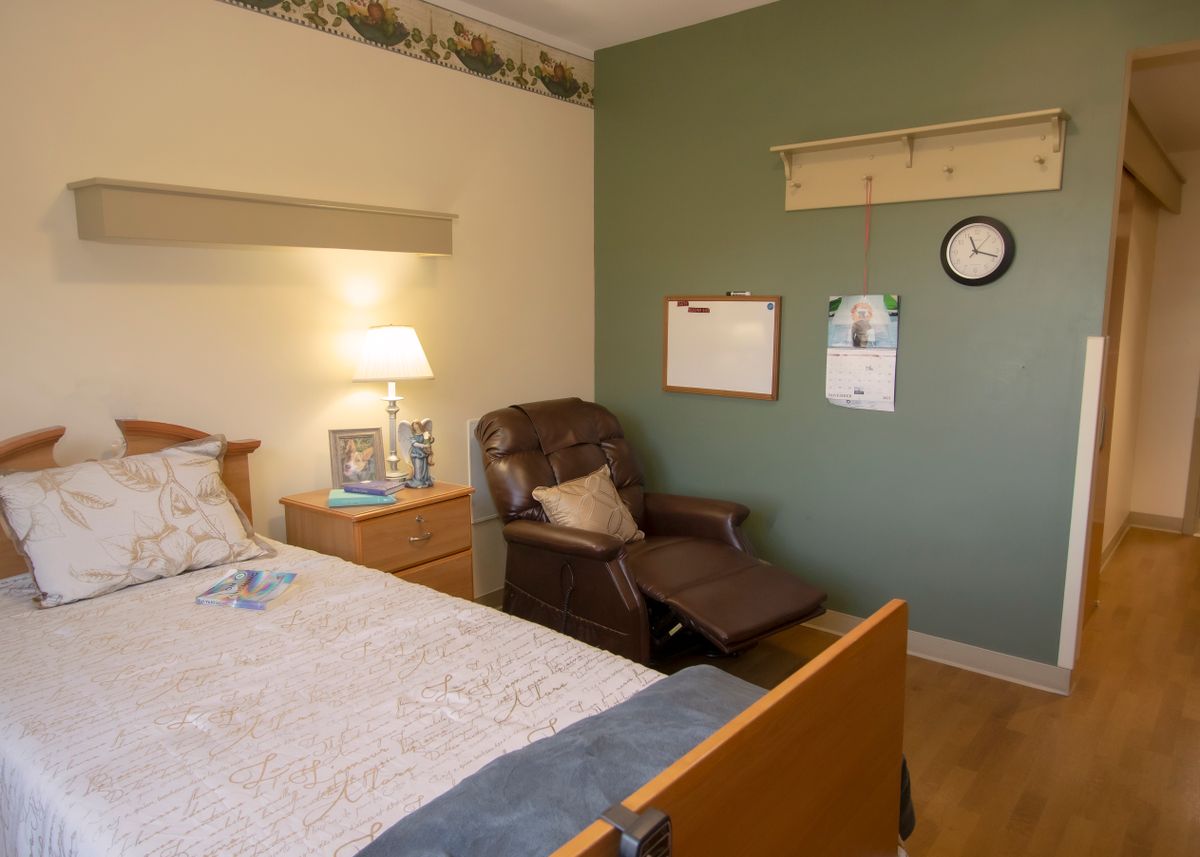
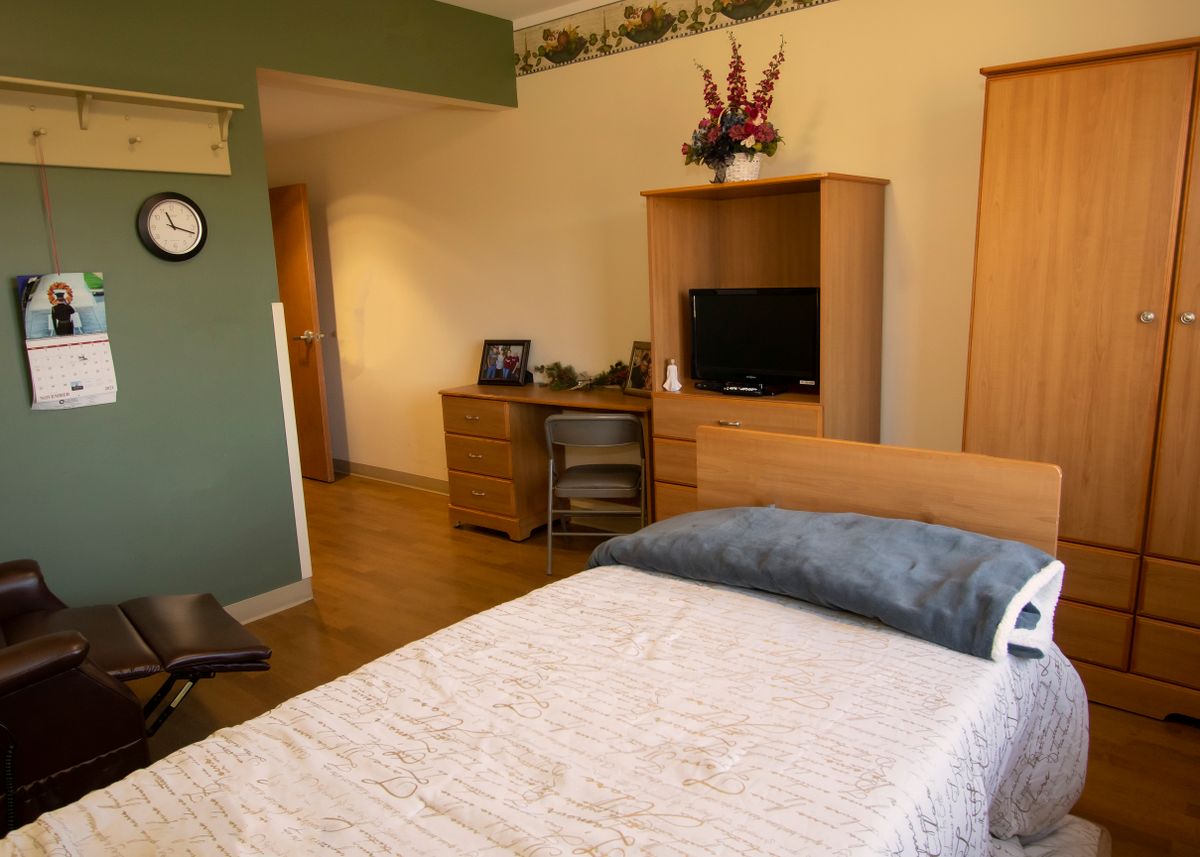
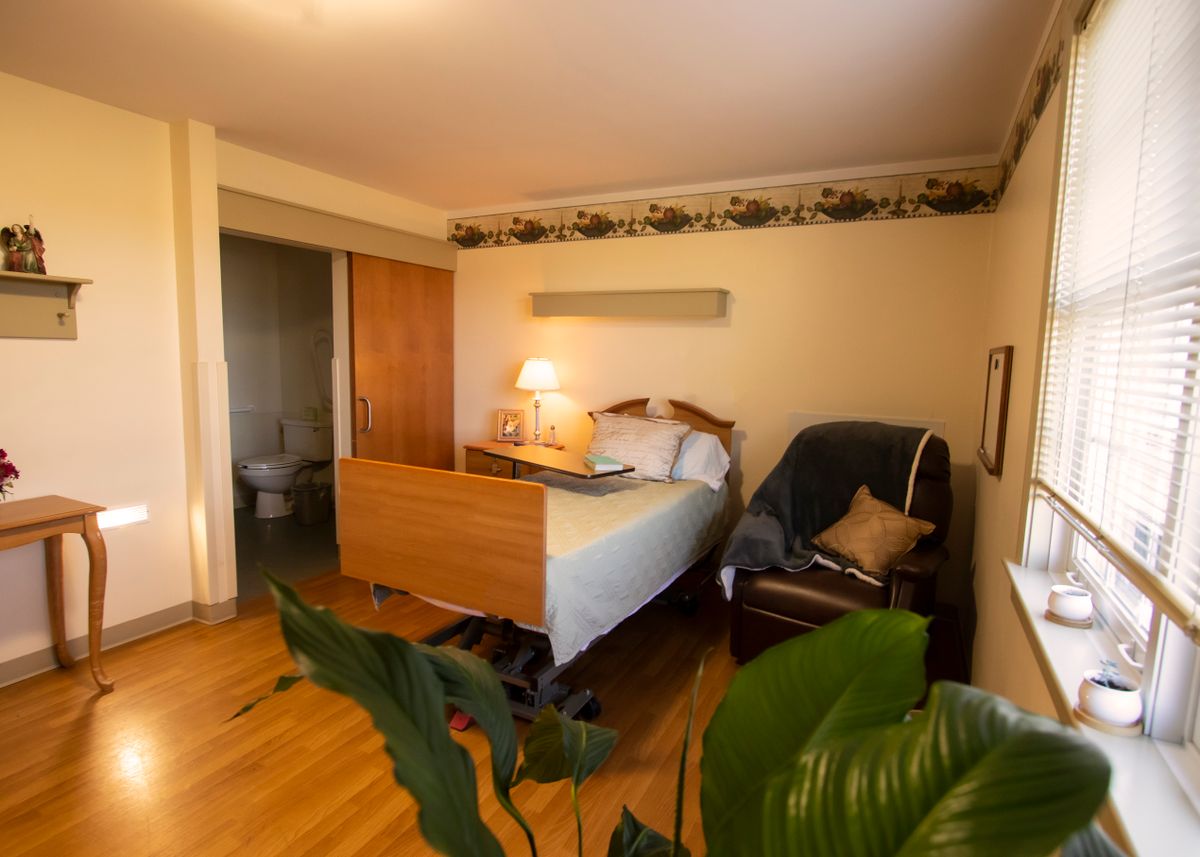
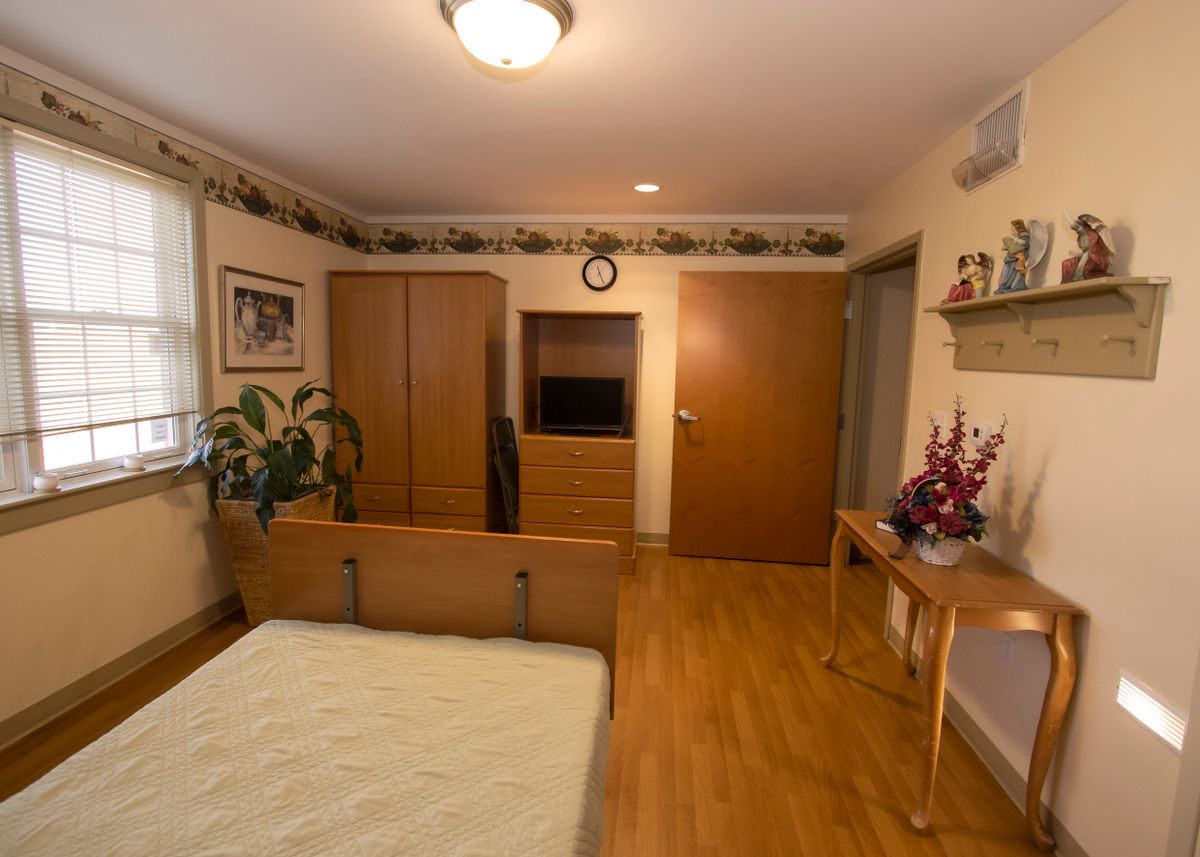
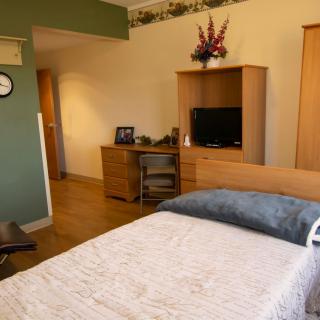
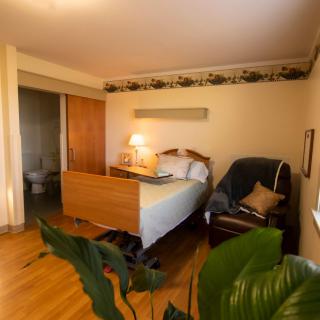
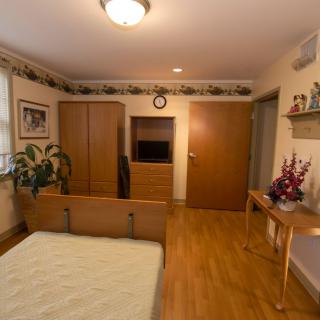
- The room was not very nice, and the setup was not liked.
Review
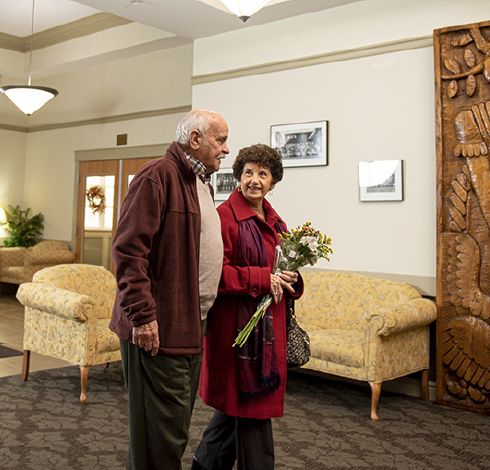
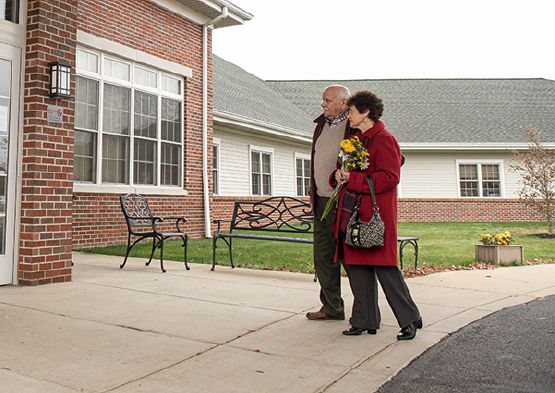
Bethlen Home in Ligonier, PA is best suited for families seeking a small-community feel with a secured dementia wing and a robust activity calendar, paired with rehab-to-skilled-nursing continuity. The facility’s charm lies in approachable staff, gathering spaces, and a sense that residents are known by name. For families prioritizing a warm atmosphere, social engagement, and a clearly delineated dementia unit, Bethlen can feel like the right fit. It works when the goal is to keep a loved one in a familiar, laid-back setting while still accessing rehabilitative services and a supervised living environment.
That said, some families should consider alternatives. The care experience at Bethlen can be uneven, and that matters for those who require tight medical oversight or highly proactive care. Several reviews flag understaffing in the dementia wing and a tendency for aides to be reactive rather than anticipatory. Diet concerns also surface, one family notes the “no salt added” approach was misaligned with a resident’s needs, contributing to weight and fluid-related issues. After the facility’s sale to Concordia, a portion of the community has perceived a dip in responsiveness and consistency. For caregivers who demand consistently proactive care, higher staffing ratios, or stricter dietary management, other options may deliver more reliably.
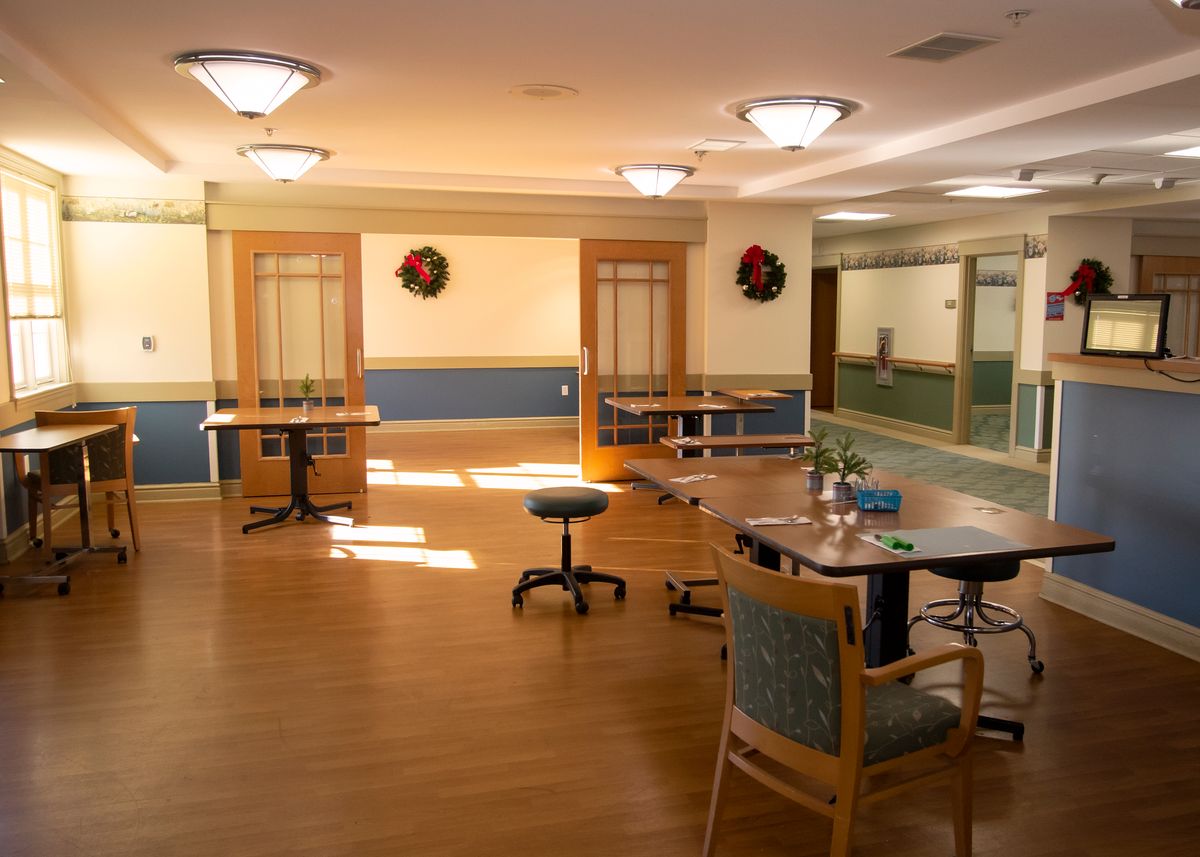
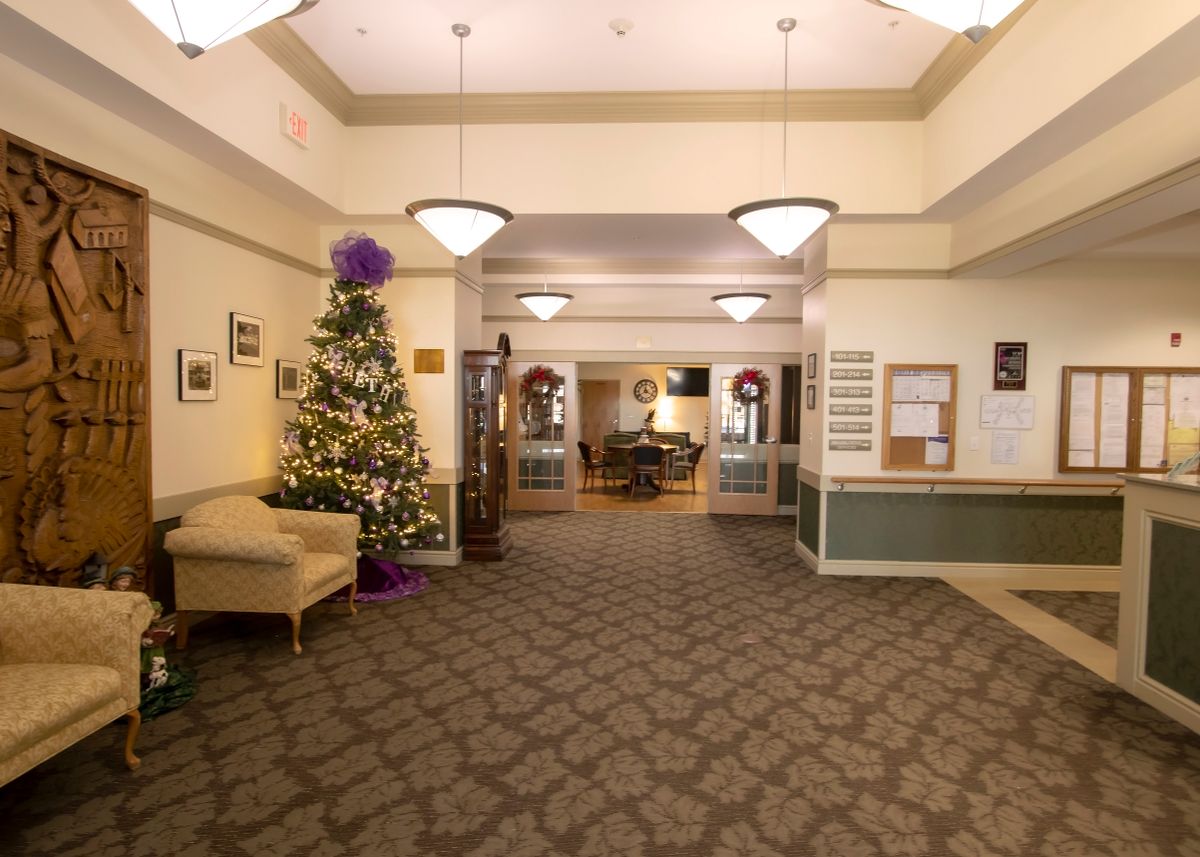
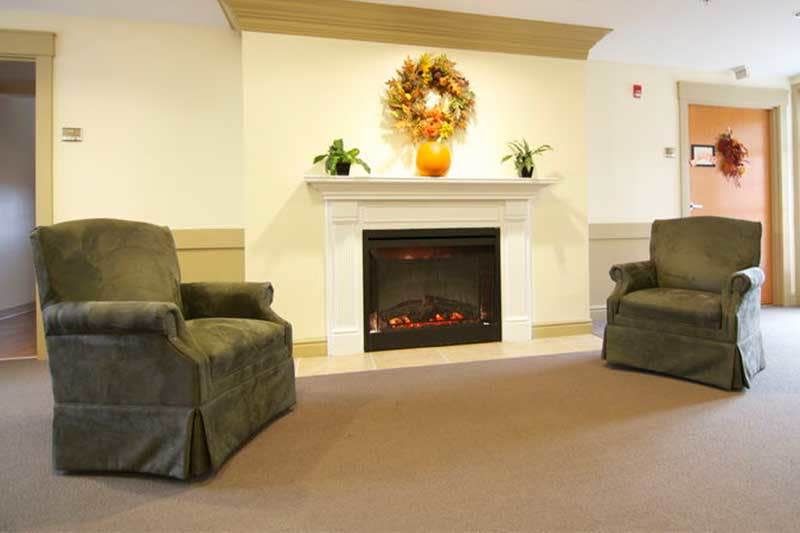
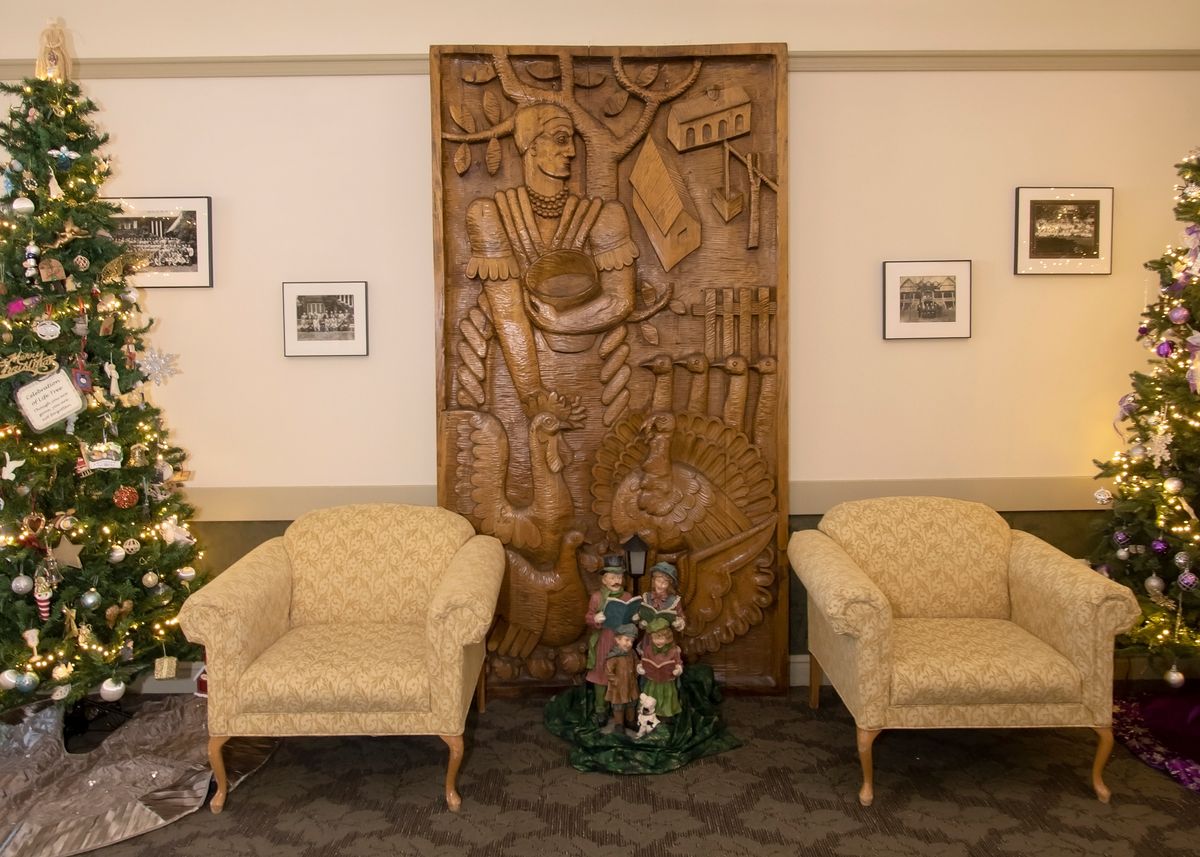
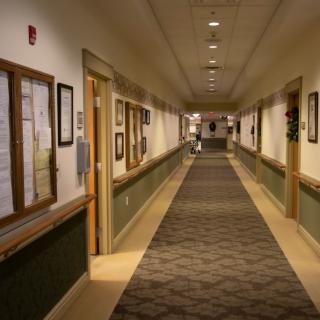
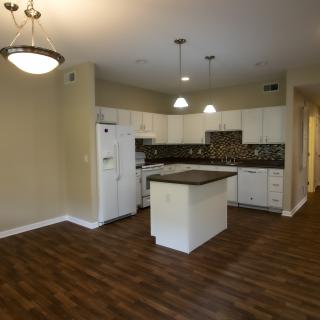
The strongest positives are the genuinely friendly staff, the active lifestyle of residents, and the secured dementia environment. Families repeatedly praise the warmth of workers, the willingness to help, and the sense of safety in a dedicated ward. Activities are described as top-notch, with structured opportunities that keep residents engaged and visitors feeling welcomed. The physical layout, spaces for gatherings, visible staff involvement, and a private-feeling dining or lounge area, contributes to a sense of community. Even in rooms where privacy is limited by shared bathrooms, the overall ambiance remains inviting, and the facility emphasizes care consistency within the unit.
However, these strengths do not fully compensate for the core drawbacks. The dementia ward’s lack of staffing depth translates into moments of delayed assistance and limited proactive care, which can be challenging for families seeking seamless, around-the-clock supervision. The room configurations, shared bathrooms and certain connectivity limitations between rooms, detract from comfort for some residents and their families. Pricing sits high, with references around four-figure monthly costs and specific mentions of roughly $12,000 in some cases, raising questions about value when staffing and proactive care fall short of expectations. The post-sale perception of Concordia’s management adds a layer of uncertainty for long-range planning.
For families weighing Bethlen, practical due diligence matters. In visits, inquire about the exact staffing ratios on the dementia unit, the frequency of nurse-initiated care rounds, and how escalating needs are handled after hours. Seek clarity on dietary accommodations, can the facility accommodate true low-sodium needs, portion-controlled meals, and fluid management without compromising appetite? Question room configurations, potential renovations, and whether there is flexibility to reassign a resident to more private space if a roommate situation becomes challenging. Finally, probe rehabilitation outcomes and discharge-to-home supports, confirming that expected rehab trajectories align with a loved one’s goals and insurance coverage.
In summary, Bethlen Home offers a compelling blend of warmth, engaged programming, and a secure dementia option that many families will value. It excels as a welcoming, activity-rich residence with a capable rehab orientation, backed by a staff that often shows genuine devotion. Yet for those prioritizing consistently proactive care, higher staffing, and very strict dietary control, alternatives should be explored. Bethlen serves best when the family’s priority is safety and social engagement within a modestly priced, community-first setting, and when a secure dementia wing is a central criterion.
 52 resident community capacity
 Memory Care
 Skilled Nursing Facility
 Air-conditioning
 Beauty salon
 Cable or satellite TV
 Computer center
 Continuing learning programs
 Dining room
 Family education and support services
 Fitness room
 Fully furnished
 Gaming room
 Garden
 Housekeeping services
 Kitchenette
 Located close to restaurants
 Located close to shopping centers
 Move-in coordination
 On-site market
 Outdoor patio
 Outdoor space
 Private bathrooms
 Restaurant-style dining
 Small library
 Telephone
 Wellness center
 Wi-Fi/high-speed internet available
 Community operated transportation
 24-hour call system
 24-hour nursing
 Accept incoming residents on hospice
 Activities of daily living assistance
 Administer insulin injections
 Assistance with bathing
 Assistance with dressing
 Assistance with transfers
 Care with behavioral issues
 Diabetes diet
 Medication management
 Mental wellness program
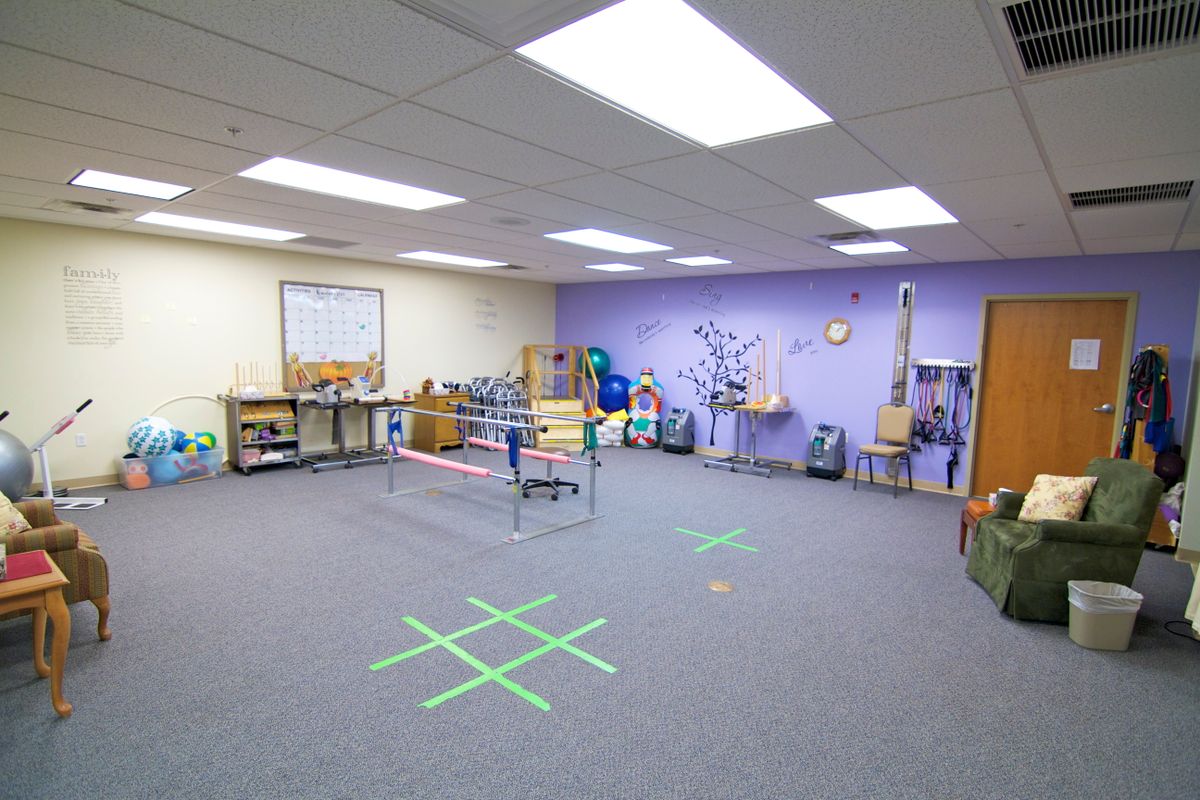
 Physical therapy
 Preventative health screenings
 Special dietary restrictions
 Transportation arrangement (medical)
 Concierge services
 Planned day trips


 Medications Associated with Dementia Risk: A Comprehensive Overview
 Guiding Your Journey: Understanding Power of Attorney for Elderly Parents
 22 Remarkable Caregiver Support Groups Available Online and In-Person