Buffalo Valley Lutheran Villag in Lewisburg, PA

Save

Buffalo Valley Lutheran Villag in Lewisburg, PA

189 East Tressler Boulevard, Lewisburg, PA 17837

For more information about senior living options: (844) 490-3973

3.7 from 23 reviews
5 stars
12
4 stars
4
3 stars
0
2 stars
2
1 stars
5

Independent Living Memory Care Skilled Nursing Facility

Overall Review of Buffalo Valley Lutheran Villag

Pros

  • pro The nursing, dining, and cleaning staff are caring and friendly, and the administrator is absolutely amazing, going above and beyond for residents and staff.
  • pro Families feel blessed to be part of the Buffalo Valley family and are extremely pleased with the care from start to present.
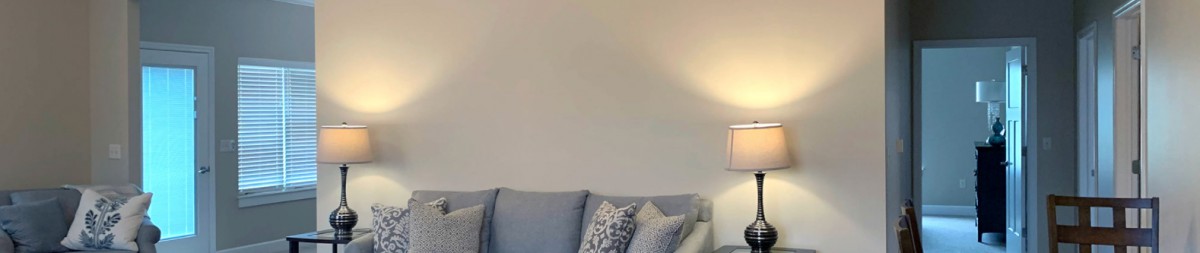
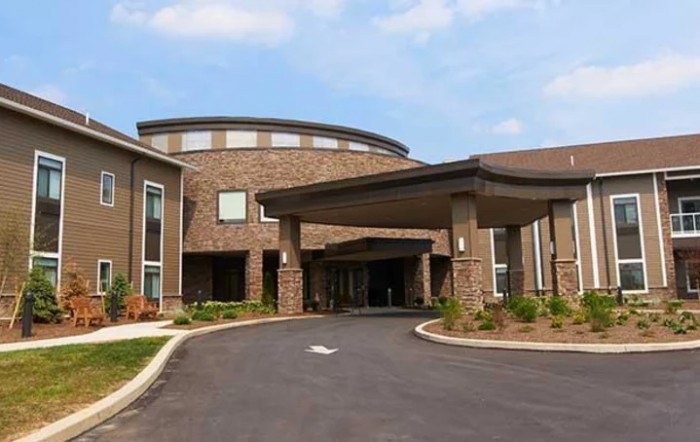
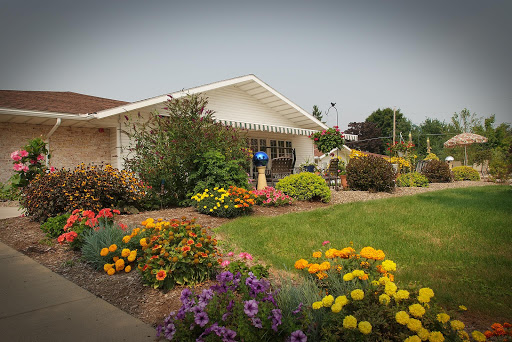
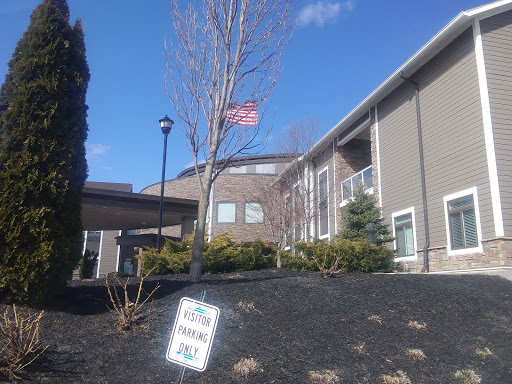
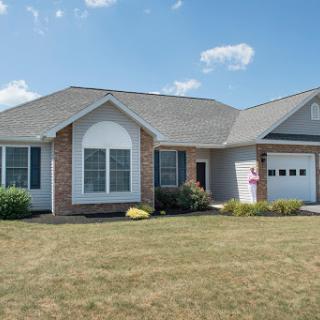
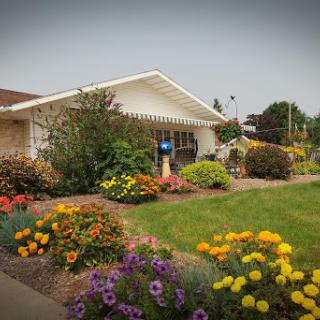
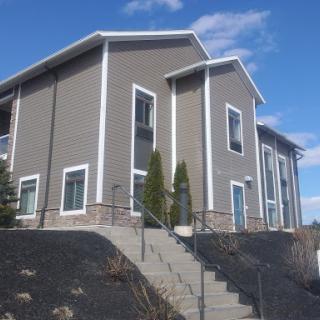
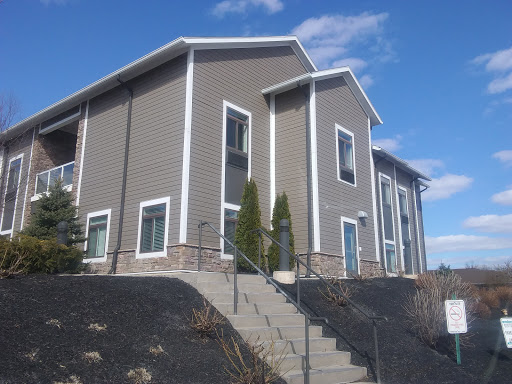
  • pro The facility is clean, odor-free, well-maintained, and beautifully located.
  • pro Residents enjoy engaging activities, church services, and supportive staff, including a kind onsite minister.
  • pro The rehabilitation and care teams provide professional, compassionate care, with staff who go the extra mile.
  • pro The community is described as amazing by residents and families, with staff who pitch in to help wherever needed.
  • pro The administration, reception, dining, and custodial staff work together to deliver exceptional care for residents and their families.

Cons

  • pro The reviewer states the facility is terrible and warns others not to leave their relatives there, accusing staff of treating residents and each other like garbage and being unprofessional.
  • pro A nurse on the Blue Wing is described as very rude and lacking manners.
  • pro The nursing care for a relative is described as lacking, leading to relocation to another facility.
  • pro Staff are said to chat and neglect residents who are ringing bells, showing unprofessionalism and poor care.
  • pro Many residents are unhappy with meals, noting inconsistency and that the food committee's suggestions never change things.
  • pro The reviewer explicitly says they do not like it.

Review

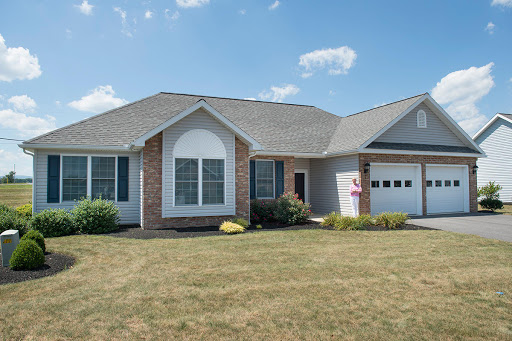
Buffalo Valley Lutheran Village in Lewisburg is best suited for seniors who value a warm, resident-centered atmosphere where staff accessibility and faith-informed programming shape daily life. This community tends to attract families seeking hands-on caregiving and a tangible sense of community, with activities, chapel services, and social programming that keep residents engaged. It works especially well for those who want reliable transportation, a strong local staff presence, and an environment that feels like a close-knit village rather than a sterile institution.

Those considering alternatives should note that BVLV may not be the right fit for everyone. For families prioritizing flawless dining consistency and uniformly excellent clinical attention across all shifts, there are communities where meals are more predictable and nursing response is uniformly praised. A smaller subset of reviews flag concerns about onboarding and the quality or consistency of some services, so households with exceptionally high expectations for every shift in care may wish to compare options with stronger track records in dining and continuous nursing quality.

The strongest positives at BVLV center on people and place. Reviewers consistently commend the devoted staff across nursing, aides, dining, housekeeping, and therapy, along with an administrator who is described as engaged and willing to pitch in. The facility's cleanliness and lack of odors create a welcoming impression, and the setting itself is repeatedly described as pleasant and well maintained. Residents benefit from dependable transportation, a vibrant activities calendar, and on-site spiritual support via a minister and church services. For families navigating rehab or transition from independent living, several accounts praise the caring approach and the success of recoveries, underscoring BVLV's ability to operate effectively in both assisted living and post-acute scenarios.

Yet the experience is not uniformly flawless. The most frequently cited concern is inconsistency in meal quality - some days are praised, others met with disappointment - despite a functioning meal program and a resident food committee that seeks input. A handful of reviews report rude or unprofessional behavior from individual staff members or nurses on particular shifts, signaling that bedside manner and interpersonal responsiveness can vary. There are also explicit cautions from reviewers who felt nursing care in certain moments did not meet expectations, and one note about a lost hearing aid with limited reimbursement. Taken together, these issues remind potential residents that even well-regarded teams have off days and that clinical responsiveness may not be perfectly uniform.

Those pros do carry meaningful weight against the cons for many families. The combination of compassionate staffing, a faith-friendly culture, strong social programming, and robust transportation creates real value for residents who are eager to stay socially active and well-connected to community life. The clean, attractive environment and the administrator's visible involvement foster trust and continuity of care, which can translate into calmer days for residents and less stress for families. In practical terms, BVLV often delivers dependable everyday life - reliable staffing presence, pleasant surroundings, and opportunities for participation - that can offset food fluctuations or episodic service gaps, particularly for residents who prioritize human connection and programmed activity over culinary perfection.

From a decision-making perspective, families weighing BVLV should approach with clear questions and a practical plan. Schedule visits timed during mealtimes to observe dining service and staff interactions; ask for current staffing ratios on both assisted living and rehab wings; request conversations with multiple caregivers and with residents' families about responsiveness and timing. Test the administrative touchpoint by discussing how feedback is acted upon - especially around dining and service quality - and explore whether trial stays or temporary placements are possible to gauge personal fit. Finally, compare BVLV's strengths - community life, staff dedication, and rehab competence - with other local options that may offer more consistent meals or steadier nursing oversight to ensure the best alignment with each family's priorities and expectations.

Features

Housing

  • 102 resident community capacity 102 resident community capacity

Types of Care

  • Independent Living Independent LivingIndependent living communities are important for seniors because they offer a safe and supportive environment where older adults can live independently while still having access to amenities and services that enhance their quality of life. These communities provide social opportunities, recreational activities, and assistance with daily tasks, promoting overall well-being and allowing seniors to maintain their independence for as long as possible.
  • Memory Care Memory CareMemory care is crucial for seniors as it provides specialized support and services for individuals with dementia or Alzheimer's disease. These programs offer a safe and secure environment where residents receive personalized care, cognitive stimulation, and help with daily activities. Memory care helps seniors maintain their independence, quality of life, and dignity while also providing peace of mind for their families.
  • Skilled Nursing Facility Skilled Nursing FacilitySkilled Nursing Facilities are crucial for seniors as they provide round-the-clock medical care, rehabilitation services, and assistance with daily activities. These facilities ensure that seniors receive the specialized care they need to maintain their health and well-being as they age.

Amenities

  • Air-conditioning Air-conditioningAir conditioning is important for seniors as they are more vulnerable to heat-related illnesses and may have underlying health conditions that make it difficult for them to regulate their body temperature. It helps to keep them comfortable, safe, and healthy in hot weather.
  • Beauty salon Beauty salonBeauty salons are important for seniors because they provide a space for them to feel pampered, socialize, and maintain their personal grooming and hygiene. Regular visits to a beauty salon can help boost seniors' self-esteem and overall well-being.
  • Cable or satellite TV Cable or satellite TVCable or satellite TV is important for seniors because it provides entertainment, news, and companionship, helping to combat loneliness and boredom. It also offers a wide range of programming options tailored to different interests and preferences.
  • Computer center Computer centerA computer center is essential for seniors as it provides access to technology, communication tools, and resources that can enhance their daily lives. It allows them to stay connected with loved ones, engage in online activities, and learn new skills, ultimately promoting socialization and mental stimulation.
  • Dining room Dining roomDining rooms are important for seniors as they provide a space for socialization, connection, and nutritious meals. They offer opportunities for residents to bond over shared meals, foster a sense of community, and promote healthy eating habits. Dining rooms also ensure that seniors have access to well-balanced meals tailored to their dietary needs and preferences.
  • Fitness room Fitness roomHaving a fitness room in a senior living community is essential for seniors to stay active, maintain their physical health, and improve their overall well-being. Regular exercise can help prevent falls, reduce the risk of chronic diseases, and promote mental sharpness. It also provides social opportunities for residents to connect with others and enjoy a sense of community.
  • Fully furnished Fully furnishedFully furnished senior living communities are important for seniors because they provide convenience, comfort, and a hassle-free moving experience. Seniors can easily settle into their new living space without the stress of having to buy and move furniture. This allows them to focus on enjoying their new home and community.
  • Gaming room Gaming roomGaming rooms are important for seniors as they provide a fun and engaging environment for socializing, cognitive stimulation, and physical activity. Games can improve memory, problem-solving skills, and overall mental well-being while fostering friendships and reducing feelings of isolation.
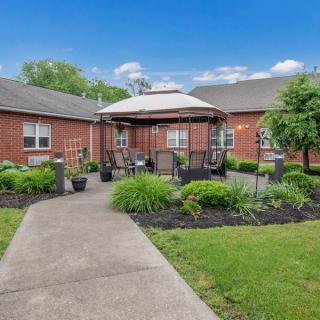
  • Garden GardenGardens are important for seniors as they provide a peaceful and therapeutic environment for relaxation, physical activity, and socialization. Being in nature has been shown to reduce stress, improve mood, and promote overall well-being. Gardens also offer opportunities for seniors to engage in gardening activities, which can improve mobility, flexibility, and cognitive function. Additionally, gardens create a sense of community and connection with others who share a passion for plants and outdoor spaces.
  • Housekeeping services Housekeeping servicesHousekeeping services are important for seniors because they help maintain a clean and safe living environment, promote independence, and reduce the risk of accidents or illnesses. Additionally, having assistance with household chores can alleviate physical strain and allow seniors to focus on other aspects of their well-being.
  • Kitchenette KitchenetteKitchenettes are important for seniors living in senior living communities because they provide the convenience and independence of being able to prepare simple meals and snacks in the comfort of their own living space. This can help promote a sense of autonomy and well-being for seniors, allowing them to maintain some level of control over their dietary choices and daily routines.
  • Move-in coordination Move-in coordinationMove-in coordination is important for seniors because it helps ease the transition into their new living environment. It ensures that all logistics, such as packing, organizing movers, and setting up utilities are taken care of, allowing seniors to focus on settling in and adjusting to their new home. Having a smooth move-in process can alleviate stress and anxiety, making the transition smoother and more enjoyable for seniors.
  • Outdoor space Outdoor spaceOutdoor spaces are important for seniors as they provide opportunities for physical activity, social interaction, exposure to natural light and fresh air, and a sense of connection to nature. Having access to outdoor spaces can improve overall well-being and quality of life for older adults living in senior communities.
  • Private bathrooms Private bathroomsPrivate bathrooms are important for seniors in senior living communities because they provide independence, dignity, and comfort. Having a private bathroom allows seniors to maintain their personal hygiene routines without the need for assistance, promoting a sense of autonomy and privacy. Additionally, private bathrooms help prevent the spread of infections and provide a safe and clean environment for seniors to navigate safely.
  • Restaurant-style dining Restaurant-style diningRestaurant-style dining is important for seniors because it allows them to enjoy delicious, nutritious meals in a social and upscale setting. This enhances their dining experience, promotes healthy eating habits, and fosters socialization with fellow residents, ultimately contributing to their overall well-being and quality of life.
  • Small library Small librarySmall libraries are important for seniors as they provide access to a variety of reading materials, including books, newspapers, and magazines. This can help stimulate their minds, keep them engaged, and provide a sense of community through book clubs and other social activities. Additionally, reading has been shown to improve cognitive function and overall mental well-being in older adults.
  • Telephone TelephoneTelephones are important for seniors as they provide a lifeline for communication with loved ones, emergency services, and healthcare providers. They offer a sense of security and independence, enabling seniors to stay connected and access assistance when needed.
  • Wellness center Wellness centerWellness centers are important for seniors because they offer a variety of programs and services that promote physical, mental, and emotional well-being. These centers provide opportunities for exercise, socialization, education, and relaxation, helping seniors maintain their overall health and quality of life.
  • Wi-Fi/high-speed internet available Wi-Fi/high-speed internet availableWi-Fi/high-speed internet is important for seniors to stay connected with loved ones, access online resources, and participate in virtual activities to combat feelings of loneliness and isolation. It also allows them to easily manage healthcare needs, access entertainment, and engage in lifelong learning opportunities.

Transportation

  • Community operated transportation Community operated transportationCommunity operated transportation is crucial for seniors as it provides them with the means to access essential services, social activities, and medical appointments. It allows seniors to maintain their independence and quality of life by ensuring they can participate in activities outside of their homes. Additionally, community-operated transportation services offer a safe and reliable way for seniors to travel without having to rely on family or friends for assistance.
  • Transportation arrangement Transportation arrangementTransportation arrangements are crucial for seniors as they may face challenges with driving, mobility, or access to public transportation. Having reliable transportation services ensures that seniors can easily attend appointments, social activities, and maintain their independence and quality of life.
  • Transportation arrangement (non-medical) Transportation arrangement (non-medical)Transportation arrangements are essential for seniors as they provide access to essential services, activities, and social interactions outside the home. This service helps maintain independence, mobility, and overall well-being for seniors who may have limited transportation options.
  • Transportation to doctors appointments Transportation to doctors appointmentsTransportation to doctors appointments is crucial for seniors as it ensures they have access to necessary medical care and support, promoting their health and well-being. It allows them to receive timely treatment, monitor existing conditions, and address any new health concerns efficiently. Additionally, transportation services can help seniors maintain their independence and quality of life by enabling them to stay connected with their healthcare providers.

Care Services

  • 12-16 hour nursing 12-16 hour nursing12-16 hour nursing care is crucial for seniors in order to ensure around-the-clock monitoring, timely medication administration, and prompt response to any health concerns or emergencies. This level of care helps to promote the overall well-being and safety of seniors living in senior living communities.
  • 24-hour call system 24-hour call system24-hour call systems are important for seniors because they provide peace of mind and immediate assistance in case of emergencies. This technology ensures that help is always available, promoting safety and security for elderly individuals living alone or in assisted living facilities.
  • 24-hour supervision 24-hour supervision24-hour supervision is important for seniors to ensure their safety, well-being, and access to immediate assistance in case of emergencies or health issues. This constant support provides peace of mind for both seniors and their loved ones, allowing them to age in place with dignity and security.
  • Activities of daily living assistance Activities of daily living assistanceActivities of daily living assistance are important for seniors because they provide essential support with tasks such as eating, bathing, dressing, and mobility. This assistance helps seniors maintain their independence, dignity, and overall quality of life as they age.
  • Assistance with bathing Assistance with bathingAssistance with bathing is crucial for seniors as it helps maintain personal hygiene, prevents infections, and ensures their overall well-being and comfort. It also provides a sense of dignity and independence for seniors who may struggle with this task on their own.
  • Assistance with dressing Assistance with dressingAssistance with dressing is important for seniors because it helps maintain their independence, promotes personal hygiene, prevents accidents and injuries, and improves overall quality of life. This service ensures that seniors can continue to dress comfortably and confidently, despite any physical limitations they may have.
  • Assistance with transfers Assistance with transfersAssistance with transfers is crucial for seniors as it helps prevent falls and injuries, maintains their independence, and ensures they can safely navigate their living environment. It also provides peace of mind for both seniors and their loved ones.
  • Diabetes diet Diabetes dietA diabetes diet is crucial for seniors as it helps manage blood sugar levels, reduce risks of complications, and improve overall health and well-being. By following a balanced and nutritious diet tailored to their specific needs, seniors can better control their diabetes and enhance their quality of life.
  • Meal preparation and service Meal preparation and serviceMeal preparation and service are crucial for seniors as they may have limited mobility or energy to cook nutritious meals. Having access to healthy and convenient food options can ensure they are getting the proper nutrition needed to maintain their overall health and well-being.
  • Medication management Medication managementMedication management is crucial for seniors to ensure they are taking the right medications at the correct dosages and times. This helps prevent adverse drug interactions, reduces the risk of medication errors, and promotes overall health and well-being. Proactive management also allows for adjustments as needed based on changing health conditions or new prescriptions.
  • Mental wellness program Mental wellness programMental wellness programs are essential for seniors as they promote cognitive stimulation, emotional support, and social engagement. These programs help prevent isolation, depression, and cognitive decline, ultimately enhancing the overall quality of life for older adults.
  • Mild cognitive impairment Mild cognitive impairment"Mild cognitive impairment" is important for seniors because it is an early stage of cognitive decline that can potentially progress to more severe conditions such as dementia. Recognizing and addressing mild cognitive impairment can help seniors receive appropriate care and support to maintain their quality of life and independence for as long as possible.
  • Special dietary restrictions Special dietary restrictionsSpecial dietary restrictions are important for seniors because age-related changes in metabolism and health conditions can make it difficult for their bodies to process certain foods. By following a diet tailored to their specific needs, seniors can maintain their overall health and well-being, manage chronic conditions, and reduce the risk of complications such as malnutrition or food interactions with medications.
  • Specialized memory care programming Specialized memory care programmingSpecialized memory care programming is crucial for seniors with cognitive impairments such as dementia or Alzheimer's disease. These programs provide a safe and supportive environment tailored to the unique needs of individuals with memory loss, helping them maintain their independence, dignity, and quality of life.

Dining

  • Diabetes diet Diabetes dietA diabetes diet is crucial for seniors as it helps manage blood sugar levels, reduce risks of complications, and improve overall health and well-being. By following a balanced and nutritious diet tailored to their specific needs, seniors can better control their diabetes and enhance their quality of life.
  • Special dietary restrictions Special dietary restrictionsSpecial dietary restrictions are important for seniors because age-related changes in metabolism and health conditions can make it difficult for their bodies to process certain foods. By following a diet tailored to their specific needs, seniors can maintain their overall health and well-being, manage chronic conditions, and reduce the risk of complications such as malnutrition or food interactions with medications.

Activities

  • Community-sponsored activities Community-sponsored activitiesCommunity-sponsored activities are important for seniors as they provide opportunities for social interaction, mental stimulation, and physical activity. These activities can help improve overall well-being, combat loneliness and isolation, and promote a sense of belonging and purpose among older adults.
  • Concierge services Concierge servicesConcierge services are essential for seniors as they provide assistance with daily tasks and errands, enhance their quality of life by offering convenience and personalized care, and promote a sense of safety and security.
  • Fitness programs Fitness programsFitness programs are crucial for seniors as they help improve strength, flexibility, balance, and overall well-being. Staying active can reduce the risk of chronic diseases, improve mental health, and enhance quality of life in older adults.
  • Planned day trips Planned day tripsPlanned day trips are important for seniors because they offer opportunities for socialization, mental stimulation, and physical activity. They provide a change of scenery and help seniors stay engaged and connected to their community, promoting overall well-being and quality of life.
  • Resident-run activities Resident-run activitiesResident-run activities are important for seniors as they encourage social interaction, creativity, and a sense of autonomy. These activities empower seniors to stay engaged and active in their community while fostering meaningful connections with their peers.
  • Scheduled daily activities Scheduled daily activitiesScheduled daily activities are important for seniors because they provide structure, socialization, mental stimulation, and physical activity. Engaging in regular activities can improve overall well-being and quality of life for seniors living in a community setting.

Description

Buffalo Valley Lutheran Village in Lewisburg, PA is a vibrant and welcoming assisted living community that offers exceptional care for seniors in need of memory care and skilled nursing services.

Our community is dedicated to providing a comfortable and nurturing environment for our residents. With a wide range of amenities, we strive to enhance the quality of life for our residents. Our on-site beauty salon ensures that residents can look and feel their best, while our cable or satellite TV allows them to enjoy their favorite shows. Community-operated transportation is available for outings and appointments, making it easy for residents to stay connected with the outside world.

We understand the importance of staying connected in today's digital age, which is why we provide a computer center and Wi-Fi/high-speed internet access throughout the community. Our dining room offers restaurant-style dining with delicious meals prepared by our experienced culinary team. Residents can also take advantage of our fitness room and wellness center to maintain an active and healthy lifestyle.

The fully furnished apartments provide a cozy and comfortable living space, with private bathrooms for added convenience. Housekeeping services ensure that residents can focus on enjoying their time in the community without having to worry about chores.

Our highly trained staff is available 24/7 to provide assistance with activities of daily living, medication management, and transfers as needed. We offer specialized memory care programming for those with mild cognitive impairment or Alzheimer's disease, ensuring that each resident receives individualized care tailored to their unique needs.

To keep residents engaged and entertained, we offer a variety of activities such as fitness programs, planned day trips, resident-run activities, and scheduled daily activities. Concierge services are also available to assist with any additional needs or requests.

Buffalo Valley Lutheran Village is conveniently located near various amenities including cafes, parks, pharmacies, physicians' offices, restaurants, places of worship, and hospitals. This allows residents easy access to necessary services while maintaining close ties with the surrounding community.

At Buffalo Valley Lutheran Village, we strive to create a warm and supportive environment where residents can thrive and enjoy their retirement years with peace of mind. We invite you to visit our community and experience all that we have to offer.

Nearby Places of Interest

Parks

  • Lewisburg Area Recreation Authority (0.2 miles)
  • Hufnagle Park (1.1 miles)
  • Kidsburg (1.1 miles)
  • Milton State Park (4.4 miles)
  • Howling Hollow Dog Park (7.1 miles)
  • Shikellamy State Park (8 miles)
  • Watsontown Park (8.4 miles)

Physicians

  • Matthew R. Eager (0.3 miles)
  • Brookpark Family Practice PC (0.5 miles)
  • Lewisburg Family Practice (1 miles)
  • Allergy Partners of Lewisburg (1 miles)
  • Family Practice Center (1.1 miles)
  • The Eye Center of Central PA (1.2 miles)
  • Eye Center of Central PA (1.2 miles)

Restaurants

  • Dor-Day's Sub Shop (0.6 miles)
  • Tonino's Pizza (0.7 miles)
  • Lewisburg Freez (0.8 miles)
  • Burger King (0.8 miles)
  • Wendy's (0.8 miles)
  • La Primavera Italiano Ristorante & Pizzeria (0.8 miles)
  • Vennari's Pizza (1 miles)

Places of Worship

  • Faith Lutheran Church (0.6 miles)
  • Believers Bookshelf (9.1 miles)

Hospitals

  • Evangelical Community Hospital (1 miles)
  • Evangelical Community Hospital (1.5 miles)

Cafes

  • Amami Kitchen & Espresso Bar (1 miles)
  • Panera Bread (1.2 miles)
  • Terrace Room ELC (1.3 miles)
  • Starbucks (1.6 miles)
  • Eagles Wind Coffee House (9.2 miles)

Pharmacies

  • CVS Pharmacy (1.1 miles)
  • Lewisburg Pharmacy (1.2 miles)
  • Home Care Products & Pharmacy (1.5 miles)
  • Walmart Pharmacy (2.2 miles)
  • CVS Pharmacy (4.5 miles)
  • CVS Pharmacy (7.3 miles)
  • CVS Pharmacy (7.5 miles)

Frequently Asked Questions

Where is Buffalo Valley Lutheran Villag?
Does Buffalo Valley Lutheran Villag provide care for residents with dementia or Alzheimer's disease?
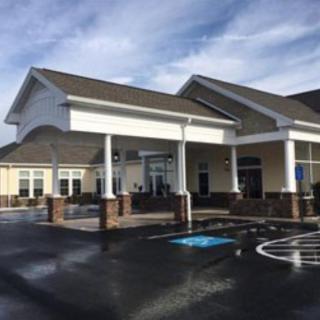
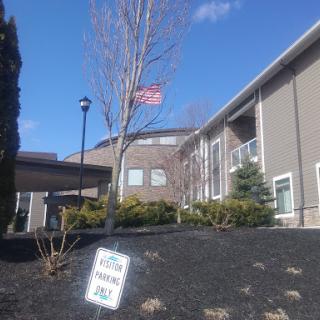
What photos are available for Buffalo Valley Lutheran Villag in Lewisburg, Pennsylvania?

Nearby Communities

  • Buffalo Valley Lutheran Village a CCRC

    Buffalo Valley Lutheran Village a CCRC

    Lewisburg, PA

     
    $925 to $4,770 / month

    pro Maintenance-free living with on-site dining, activities, and pet-friendly housing.

  • Buffalo Valley Personal Care

    Buffalo Valley Personal Care

    Lewisburg, PA


    pro Warm, inviting environment with 24-hour supervision and on-site amenities (salon, dining, library).

  • Heritage Springs Memory Care

    Heritage Springs Memory Care

    Lewisburg, PA

    3.4 from 23 reviews
     

    pro Friendly, knowledgeable staff; clean facility with engaging activities.

  • Datesman Village Apartments

    Datesman Village Apartments

    Lewisburg, PA

     
    $4,300 to $4,500 / month

    pro Diabetic care, devotional services, and strong nearby healthcare and dining options.

  • Rhodesmere

    Rhodesmere

    Lewisburg, PA


    pro Specialized diabetic care with compassionate staff and off-site devotional options

  • Celebration Villa of Lewisburg

    Celebration Villa of Lewisburg

    Lewisburg, PA

    3.8 from 66 reviews
    $2,937 to $3,975 / month

    pro Bright, clean, well-decorated atmosphere with friendly, helpful staff and a range of on-site activities.

  • Nottingham Village

    Nottingham Village

    Northumberland, PA

    4.2 from 32 reviews
    $2,593 to $5,490 / month

    pro Beautiful, clean facility with engaging activities and helpful move-in support.

  • Warrior Run Manor

    Warrior Run Manor

    Watsontown, PA

    3.8 from 26 reviews
     

    pro Specialized diabetic care with social and spiritual programming.

  • Williamsport Manor Apartments

    Williamsport Manor Apartments

    Williamsport, PA


    pro On-site diabetic care with social and wellness amenities.

Related Resources

  • when to move from assisted living to memory careWhen to Transition from Assisted Living to Memory Care: Key Indicators, Steps, and Finding the Right Community

    Transitioning from assisted living to memory care is driven by an individual's cognitive decline and specific needs, requiring careful evaluation of indicators like increased confusion and wandering. The process involves consulting medical professionals, researching suitable communities, considering financial and legal aspects, and ensuring effective communication for personalized care plans.

  • assisted living vs memory careUnderstanding the Distinctions: Assisted Living and Memory Care Explained

    The article differentiates between assisted living and memory care, explaining that assisted living supports seniors with daily activities while promoting independence, whereas memory care provides specialized services for individuals with dementia, focusing on secure environments and cognitive support. It also addresses staff training, safety considerations, costs, family involvement, and transition strategies for families navigating these care options.

  • how to talk to someone with dementiaHow to Communicate with a Loved One Living with Dementia: 10 Supportive Strategies

    The article outlines effective communication strategies for interacting with loved ones with dementia, highlighting the need for empathy, patience, and understanding while emphasizing supportive approaches like using simple language, minimizing distractions, and focusing on feelings over facts to maintain dignity and foster connection. It also suggests seeking professional guidance when needed as communication challenges evolve.