

2224 Sullivan Trail, Easton, PA 18040
To contact a resident: (484) 239-3422
For more information about senior living options: (866) 208-4318
Overall Review of Weston Healthcare Group
Pros
 They are excited to partner with the Weston Group for therapy services.
- The Weston Group's mission and philosophy align with the company's and community's vision.
- Brittany has been exceptional and demonstrates a great passion for her work.
- This makes all the difference when building a strong team of clinicians in a new community.
- People working there are very nice.
- The staff are very nice and flexible with their schedule.
- They felt very comfortable there and received excellent service.
- They would highly recommend the Weston Group.
Cons
 The facility is outdated and too small.
- The facility shares space with a senior housing center, and it is suggested that it should exclusively serve residents of that center.
- The reviewer notes that folders and a paper clip were not provided.
- There was a long delay in replacing a broken hot pack machine, and no cart was provided to place it on, forcing the reviewer to buy one.
- The in-house EMR is described as flawed, with no experienced clinician involved in its development.
- Upon contract termination, many purchased items were allegedly stolen, and emails reportedly went unanswered.
Review
Weston Healthcare Group in Easton is best suited for families that prioritize a highly engaged therapy team and flexible scheduling over a showroom condition of the facility. The strongest praise centers on the clinicians themselves, passionate, mission-aligned therapists who build trust and deliver solid service when treatment plans are in motion. For families who want easy access to therapists, clear communication, and sessions that fit busy calendars, this group can feel like a reliable partner. The reality is that the human factor drives the experience here; if caregivers value consistent, approachable clinicians, Weston stands out as a practical, patient-centered option.
The most compelling positives come from the therapeutic side. Several reviewers note warmth and professionalism among staff, with specific commendation for Brittany, whose dedication seems to elevate the quality of care and the cohesion of the therapy team in a new market. Clients who could align with the clinicians’ approach describe sessions as comfortable and the overall service as excellent. The combination of flexible scheduling and a staff that appears genuinely invested in outcomes translates into meaningful progress for many residents, particularly in an environment where personal rapport can accelerate adherence to therapy plans.
However, the facility’s physical plant is repeatedly cited as a serious drawback. Observations about outdated interiors and a small footprint raise questions about space for certain therapies, privacy, and the overall ambience that can influence comfort during sessions. The sense that the site is shared with a senior housing center, while potentially convenient for integrated care, also feeds concerns that the therapy operation may not stand on its own as a robust standalone service. For families seeking a modern, purpose-built therapy environment with clear separation from other housing activities, this setup may feel constraining.
Beyond the physical conditions, operational and administrative concerns weigh heavily in the decision calculus. Several accounts allege cost-cutting priorities that manifest as insufficient basic supplies, slow responses to requests, and problematic equipment maintenance. A practitioner-facing EMR system is described as flawed, with critical gaps in usability that can impede care coordination. Worse still are attributed incidents of equipment issues and, in one account, the end of a contract followed by unresponsiveness and alleged item removals. These factors collectively raise legitimate red flags about reliability, continuity of care, and the ease with which problems get resolved.
In weighing pros and cons, the dedicated therapy team provides a meaningful offset to some gaps, but the offset has limits. The clinicians’ passion and flexibility matter deeply for outcomes, yet they cannot fully compensate for an outdated facility, cramped space, and shaky operational infrastructure. For a family prioritizing seamless, modern therapy logistics, robust IT systems, and dependable equipment, the risks may outweigh the benefits. For those who can tolerate a smaller, less polished setting in exchange for strong personal connections with clinicians and a cooperative, schedule-friendly therapy flow, Weston offers tangible value, yet with clear caveats that merit careful, on-site verification before committing.
The bottom-line decision hinges on what matters most in the therapeutic journey. If the priority is rapport, clinician accessibility, and a therapy team that shows up with real passion, Weston can be a fit worth pursuing, preferably with concrete assurances about equipment, space usage, and EMR reliability. If the expectation leans toward a modernized therapy environment, predictable supply chains, and trouble-free admin support, alternatives should be explored. Prospective families should request a candid tour focused on therapy spaces, equipment availability, and demonstrations of the EMR workflow, then compare with independent therapy centers or larger facilities to ensure the chosen path aligns with both care goals and operating standards.
 Independent Living
 Memory Care
 Lehigh Valley International (12 miles away)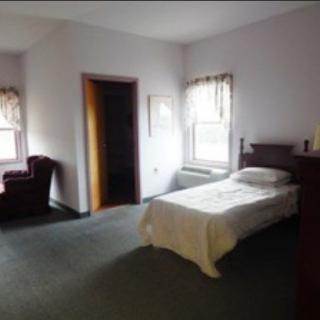





 Choosing the Right Senior Care: A Detailed Exploration of Assisted Living and Nursing Homes
 Safeguarding Your Memory Through the Golden Years: Eight Ways to Preserve Cognitive Health
 Comprehensive Insights into Activities of Daily Living (ADLs) and Their Assessment