Overall Review of Mountain View - Nursing And Rehabilitation Center
common
34 reviews mention this
Staff care and teamwork stand out
Residents and families repeatedly describe attentive, caring staff who go out of their way.
Across the reviews, people highlight staff members as friendly, knowledgeable, and helpful, often describing strong teamwork in daily care and responsiveness to questions. Several reviewers specifically mention nurses and caregivers being kind and dedicated, with some describing the atmosphere as welcoming. A handful of negative reviews also criticize staff communication, care handling, and overall management—so the tone isn’t uniformly positive.
caveat
7 reviews mention this
Cleanliness gets mixed reviews
Some families praise how clean the facility feels, while others report serious hygiene problems.
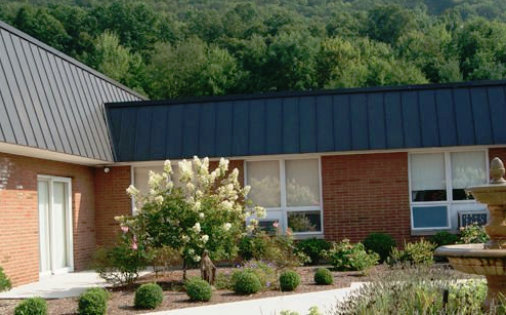
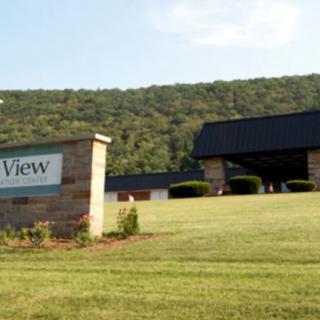
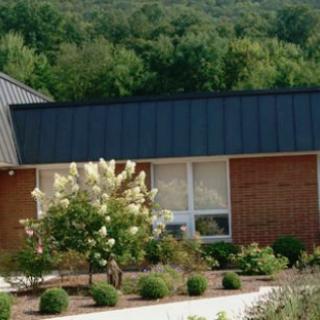
Several reviews describe the building as clean and well put together, with residents appearing relaxed and groomed. Other reviewers are much harsher, alleging dirty rooms or shared bathroom conditions, unkept areas in outdoor space, and even reports of pests and filth. Taken together, cleanliness seems to be a recurring point of disagreement among reviewers.
caveat
5 reviews mention this
Food quality draws complaints
Food is a frequent complaint, with residents described as not being fed enough or being served poorly.
Multiple negative reviews say the food quality is poor, including complaints that it was unappetizing or carb-laden for a diabetic, and that meals were cold. Other concerns include lack of regular showers and issues raised alongside meal dissatisfaction. While dining options are present for dietary needs in the listing details, the reviews focus more on how meals were handled day to day.
common
2 reviews mention this
Medical attention is nearby
Reviewers reference hospital-level escalation when residents need evaluation and care.
A staff-member review notes that hospitals are nearby for evaluation when residents need it. Another family describes a resident being taken by ambulance and admitted to the hospital after worsening symptoms, emphasizing how quickly medical escalation became necessary. Nearby hospital and physician options listed around the community reinforce that outside care is within reach.
differentiator
3 reviews mention this
Rehabilitation and therapy are praised
Several reviews highlight strong physical therapy support during rehab stays.
Some reviewers single out therapy teams as especially effective, including mentions of physical therapy that helped someone start walking again. Families on the rehab unit also describe a positive therapy experience and note the therapy program as a key part of their overall impression. These comments line up with the community offering skilled nursing and memory care in addition to rehab-focused support.
common
3 reviews mention this
Memory care programming is a focus
Reviews mention a dedicated dementia or memory care area.
Multiple reviews reference a dementia wing and memory care unit, including comments tied to how families viewed the care environment. One review says the facility has a dementia unit, while another describes memory care as overcrowded with limited engagement. A separate concern involves communication and changes in health status reported for someone in the dementia area.
common
4 reviews mention this
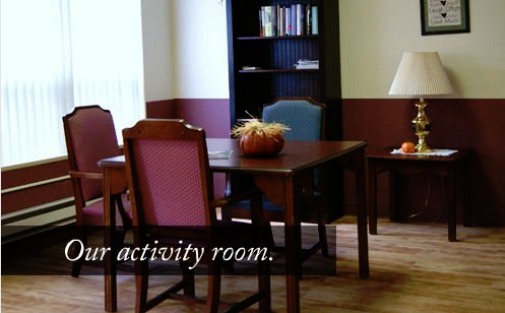
Activities and engagement appear central
Residents are described as engaged, with scheduled activities and outings mentioned in reviews.
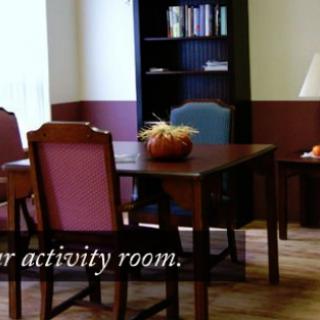
Several reviewers describe residents as happy, relaxed, and engaged, and one staff-member review notes activities being resident-focused. Another review mentions having activities plus trips, reinforcing that engagement is part of the daily experience as described by families. The listing details also include community-sponsored activities and planned day trips.
How we summarize
Counts show how many written reviews mention each theme; a review can touch several themes, and only frequently mentioned themes are displayed.

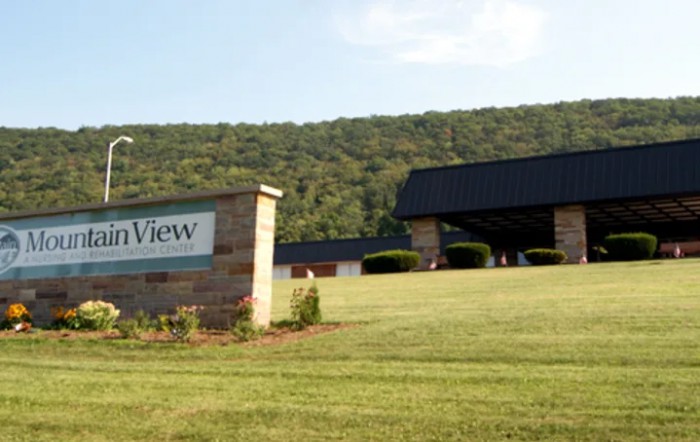

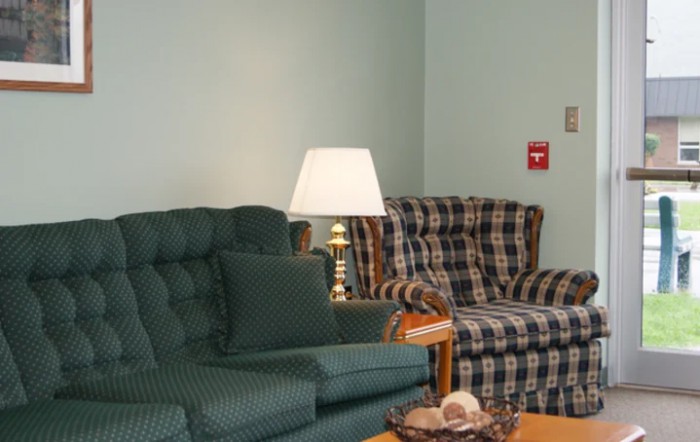
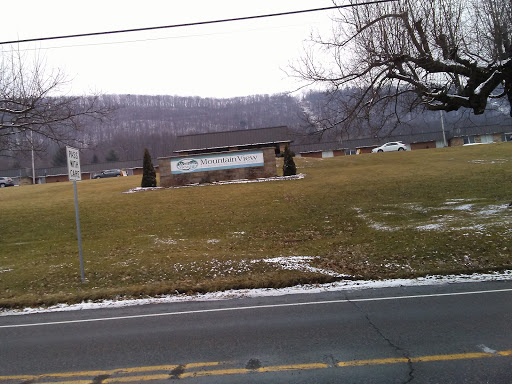





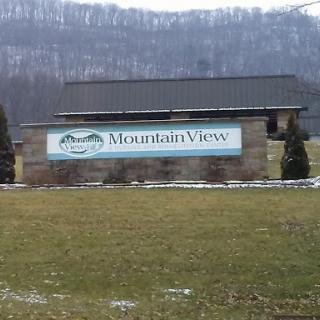
 271 resident community capacity
 Memory Care
 Skilled Nursing Facility
 Air-conditioning
 Beauty salon
 Cable or satellite TV
 Computer center
 Dining room
 Fitness room
 Fully furnished
 Gaming room
 Garden
 Housekeeping services
 Kitchenette
 Move-in coordination
 Outdoor space
 Private bathrooms
 Restaurant-style dining
 Small library
 Telephone
 Wellness center
 Wi-Fi/high-speed internet available
 Community operated transportation
 12-16 hour nursing
 24-hour call system
 Activities of daily living assistance
 Assistance with bathing
 Assistance with dressing
 Assistance with transfers
 Diabetes diet
 Medication management
 Mental wellness program
 Special dietary restrictions
 Concierge services
 Planned day trips
 Close proximity to pharmacies, physicians, hospitals, restaurants, transportation, and a place of worship in a peaceful, senior-friendly setting.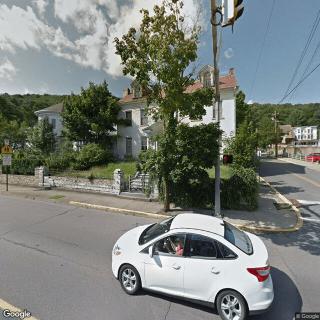

 A Thorough Discussion of Medications Potentially Linked to Dementia Risk
 Why Do Dementia Patients Sleep So Much? Understanding Oversleeping, Stages, and Care Approaches
 8 Key Indicators That Suggest It May Be Time to Transition from Assisted Living to Skilled Nursing Care