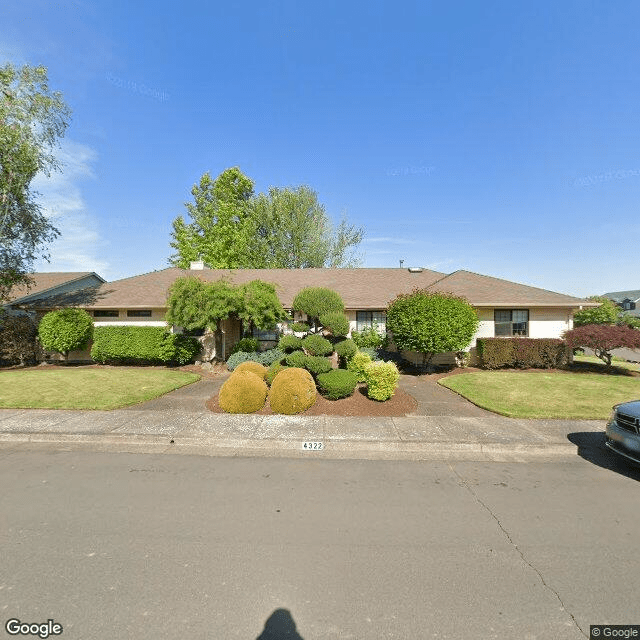
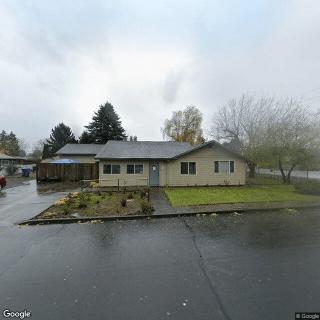
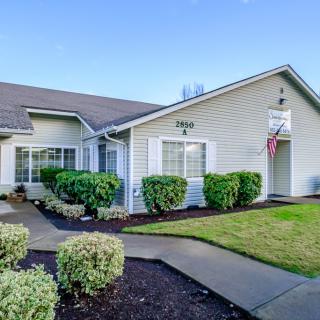
4322 Trapper Drive NE, Salem, OR 97305
To contact a resident: (503) 798-5010
For more information about senior living options: (866) 208-4318
Premier Care Homes Costs & Pricing
At Premier Care Homes, the monthly costs reflect a competitive pricing structure for both private rooms and one-bedroom accommodations. For a private room, residents can expect to pay $3,500, which is slightly lower than the Marion County average of $3,564 while remaining in line with the state average of $3,424. When it comes to one-bedroom units, the cost at Premier Care Homes is set at $5,000. This price point exceeds both the Marion County rate of $4,001 and Oregon's statewide average of $3,904. Overall, Premier Care Homes offers a compelling option for those seeking quality care in a comfortable setting while remaining mindful of local market conditions.
| Floor plans | Premier Care Homes | Marion County | Oregon |
|---|---|---|---|
| Private | $3,500 | $3,564 | $3,424 |
| 1 Bedroom | $5,000 | $4,001 | $3,904 |
Memory care communities with a similar price nearby
-
from -$200 / mo
Harmony House of Salem
$3,300 to $3,550 / month1.7 miles away -
from -$585 / mo
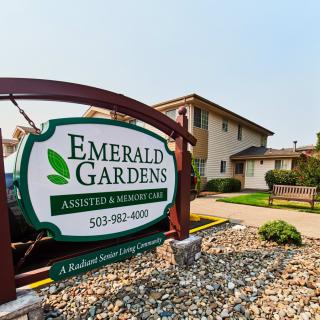
Emerald Gardens of Woodburn
$2,915 to $4,160 / month12.4 miles away -
from -$500 / mo
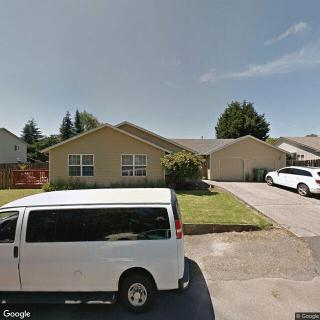
Angel's Place II Adult Care Home
$3,000 to $4,000 / month22.9 miles away -
from +$430 / mo
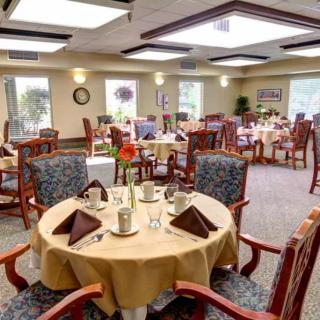
Silver Creek Senior Living
$3,930 to $5,730 / month12.2 miles away -
About the same
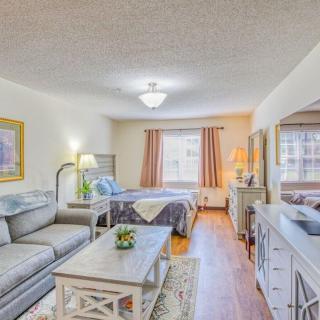
Emerald Gardens
$3,500 to $4,200 / month12.4 miles away
Overall Review of Premier Care Homes
Pros
 The establishment is well run and professional.
- They would recommend this community to others.
Cons
 There are not many activities going on due to COVID restrictions.
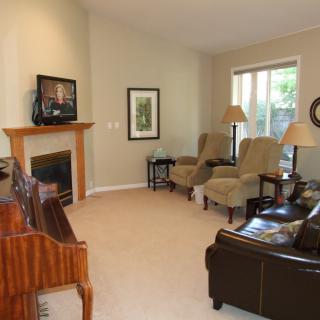
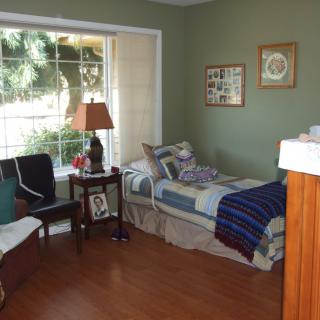
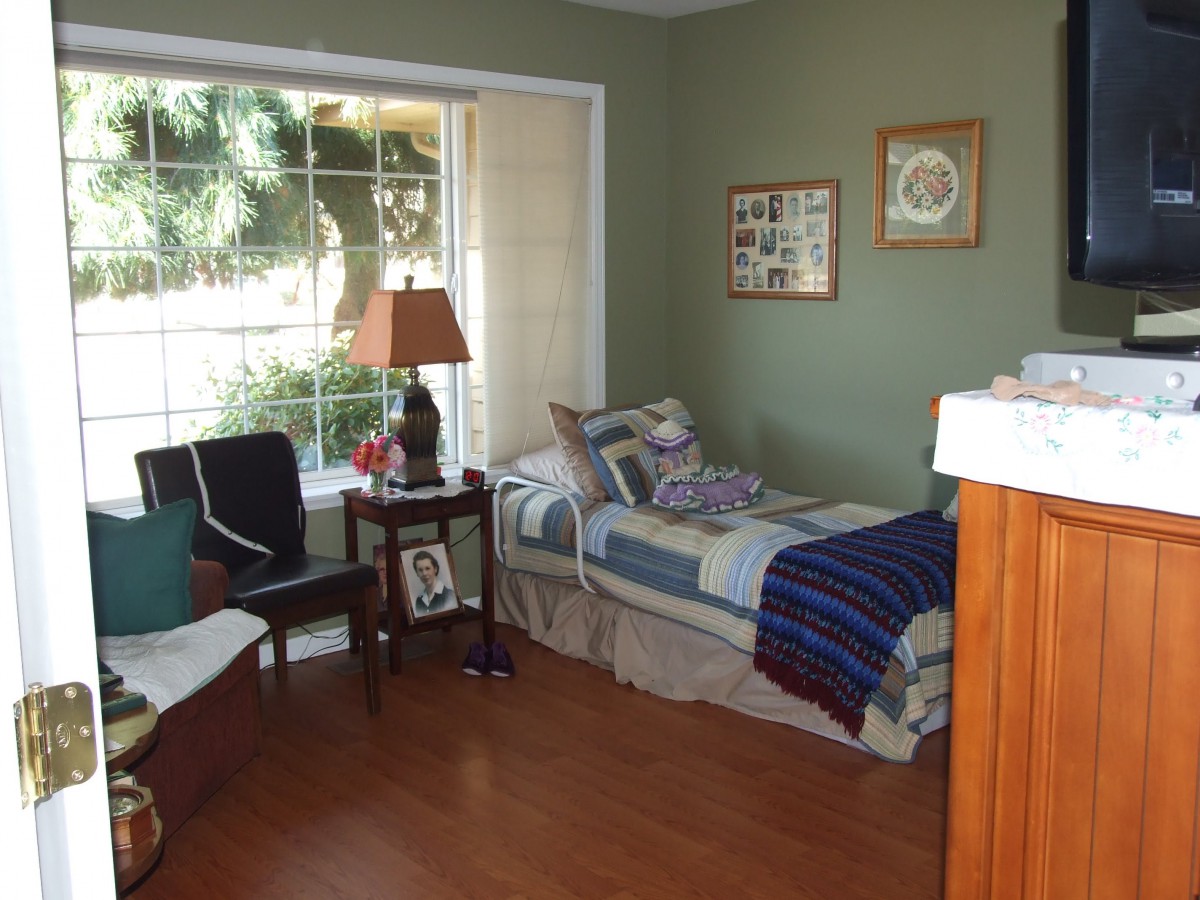
- The apartments at the community are small.
Review
Premier Care Homes in Salem, OR is best suited for seniors who want a well-run, professionally staffed environment where safety, predictable routines, and tidy, manageable living spaces take precedence over expansive square footage or a bustling activity calendar. It caters to residents who prefer clear expectations, reliable oversight, and straightforward services, with staff that convey stability and consistency in daily care. For families seeking a calm, orderly setting where the emphasis is on dependable operation rather than high-energy engagement, this community offers a practical, low-drama option that reduces decision anxiety about daily life and oversight.
Those who should consider alternatives are individuals who prize a robust social calendar, a wide array of on-site activities, or significantly larger living spaces. Couples needing more room or residents who thrive on daily stimulation and diverse programming may find the offerings here limiting. If a vibrant, outgoing lifestyle is non-negotiable, or if memory-care or specialized therapies are anticipated needs, looking at communities with more expansive programming and bigger, more flexible floor plans would be prudent.
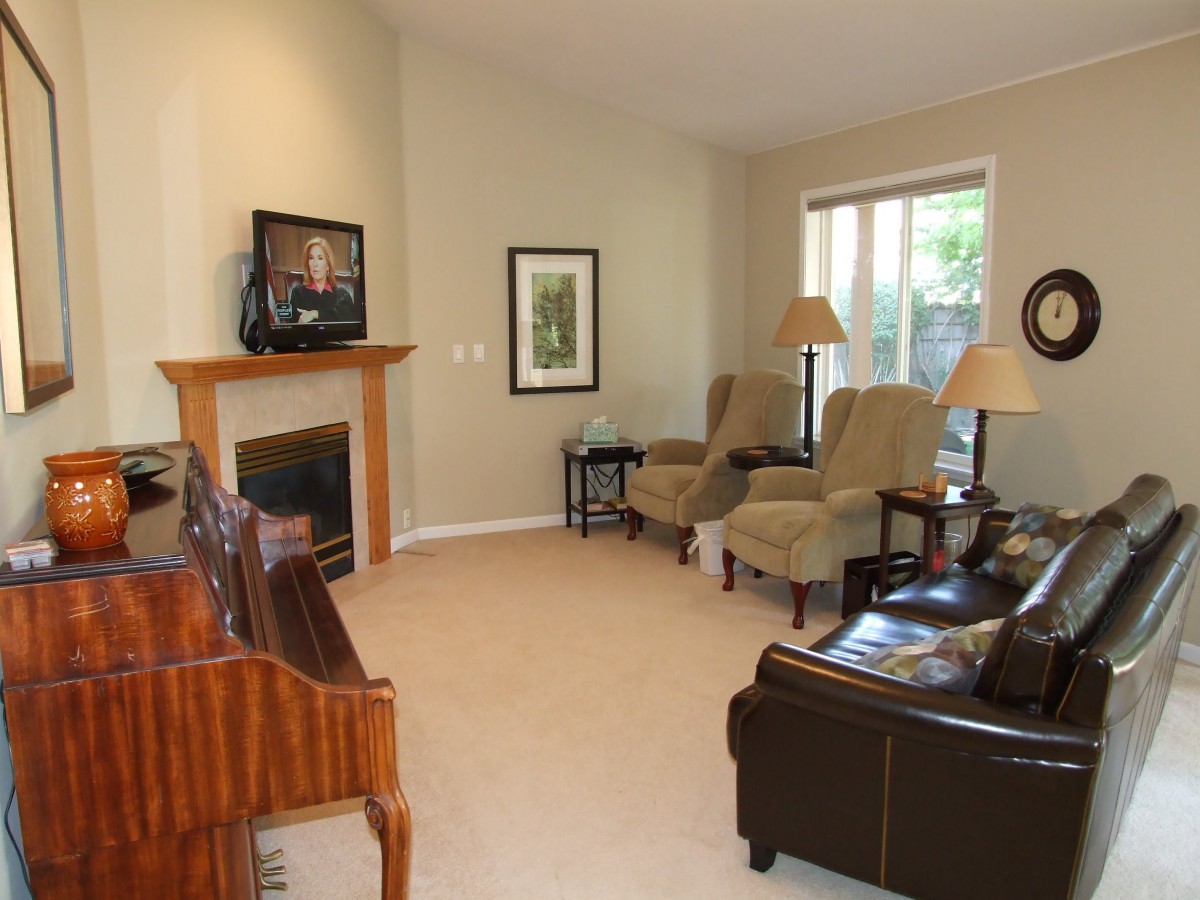
The strongest pros center on management quality and resident safety. The facility is described as well run and professional, delivering a sense that operations are orderly, policies are clear, and staff responsiveness is reliable. That level of consistency matters deeply for families who want peace of mind about daily supervision, medication routines, and the general security of a caregiver-led environment. The apartments, while compact, are deemed adequate, small enough to be economical and easy to maintain, yet still functional for daily living. This combination typically translates into predictable expenses and fewer logistical headaches for newcomers to assisted living.
However, the main cons are tangible and nontrivial. Activity programming appears limited, which can translate into slower social engagement and fewer chances for residents to form peer connections or pursue hobbies inside the community. The small apartment footprint, while cost- and maintenance-friendly, may feel cramped for couples or for residents who accumulate belongings or require more storage and living space. For someone seeking a bustling social life or more expansive accommodations, these gaps will be felt quickly and can undercut overall satisfaction if not managed by alternative arrangements, such as external day programs or occasional off-site activities.
These pros offset the cons to a meaningful degree when the priority is dependable care and a serene living environment. The professional operating style reduces the risk of care gaps and miscommunication, which often matters most to families navigating transitions. Compact living reduces housekeeping burdens and can lower overall cost, enabling a focus on essential services rather than deluxe amenities. The willingness to recommend the community to others signals satisfaction with core functions, safety, routine, and staff reliability, even if the social calendar isn’t a standout feature.
In the end, Premier Care Homes serves a distinct niche: a practical, safety-forward option for seniors who value a calm, well-managed setting and can thrive with modest space and limited on-site programming. It is a solid fit for those who prioritize predictable routines and dependable staff over expansive living areas and vibrant activity rosters. Families should consider their loved one’s appetite for social engagement and space before deciding; if a richer social life or larger, more flexible living quarters are essential, alternatives deserve careful consideration. A candid visit is essential, observe staff interactions, ask about activity options, and test whether the pace and space align with the resident’s needs and preferences.
 Board and Care Home
 Memory Care
 Cats allowed
 Dogs allowed
 Activities on-site
 Bath tubs
 Beautician on-site
 Indoor common areas
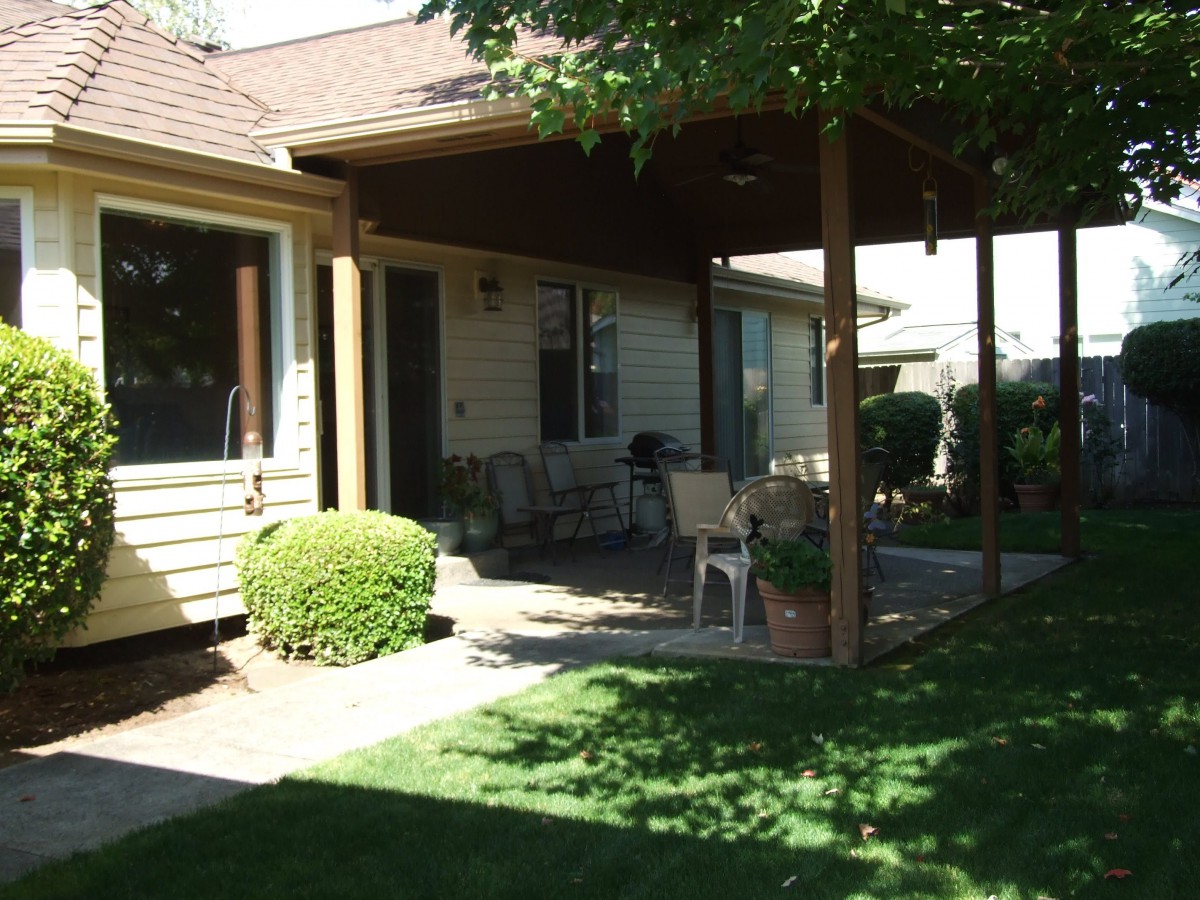
 Outdoor common areas
 Private
 Private bathrooms
 Respite or short term stays offered
 Wheelchair accessible showers
 Ambulatory care
 Diabetic care
 High acuity care
 Incontinence care
 Medication management
 Gluten-free
 BBQs or picnics
 Birthday parties
 Live musical performances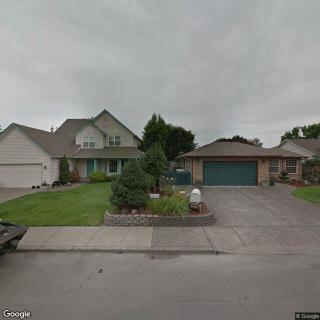


 Understanding Dementia Through Its Seven Stages: A Comprehensive Look at Progression and Expectations
 Safeguarding Your Memory Through the Golden Years: Eight Ways to Preserve Cognitive Health
 Comprehensive Insights into Activities of Daily Living (ADLs) and Their Assessment