
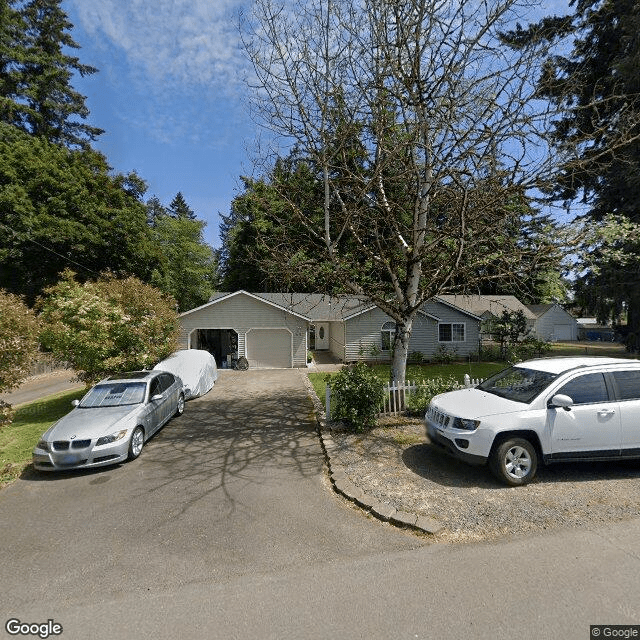
11310 SW 90th Avenue, Tigard, OR 97223
To contact a resident: (503) 560-9920
For more information about senior living options: (866) 208-4318
Pacific Care Home Costs & Pricing
Pacific Care Home offers competitive pricing for its residents, with a monthly cost of $3,000 for both private rooms and one-bedroom units. In comparison, the average costs in Washington County are notably higher at $3,261 for private rooms and $4,082 for one-bedroom accommodations. Even when compared to the broader state of Oregon, which has average monthly costs of $3,424 for private rooms and $3,904 for one-bedroom units, Pacific Care Home remains an attractive option. These price points reflect a commitment to providing quality care in a financially accessible manner without sacrificing the comfort and support that residents deserve.
| Floor plans | Pacific Care Home | Washington County | Oregon |
|---|---|---|---|
| Private | $3,000 | $3,261 | $3,424 |
| 1 Bedroom | $3,000 | $4,082 | $3,904 |
Memory care communities with a similar price nearby
-
from -$500 / mo
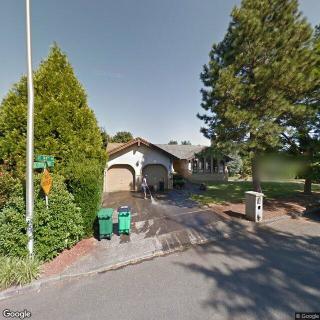
A Gentle Care Home
$2,500 / month12.5 miles away -
from +$500 / mo
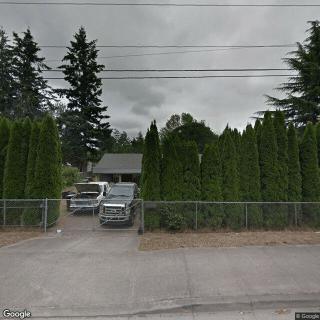
American Living Adult Family Home LLC
$3,500 / month20.3 miles away -
About the same
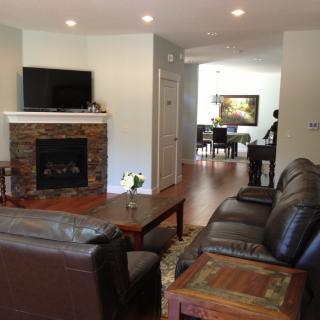
Elder Garden Care Home, LLC
$3,000 / month16.3 miles away -
from +$500 / mo
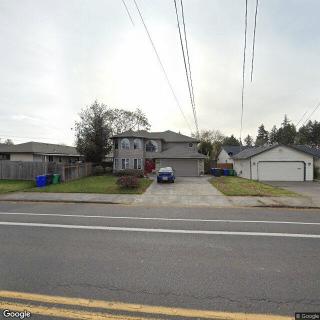
Northwest Home Health
$3,500 to $3,700 / month8.3 miles away -
About the same
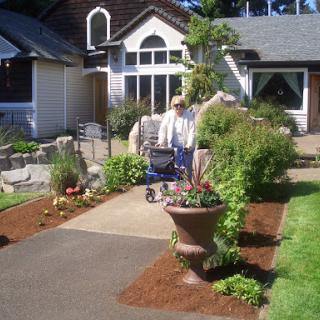
Rivercrest Adult Care
$3,000 to $3,700 / month11.0 miles away
Overall Review of Pacific Care Home
Pros
 Adriana, Michelle, and the staff provided care in a loving way that the family deeply appreciated.
- They went out of their way to meet every need and request.
- Their kindness was evident throughout the last stages of life.
- Adriana and the staff created a loving, home-like environment.
- The three weeks with dad were described as loving and comfortable.
- They kept in touch with the family and provided reassuring updates.
- The care was excellent from the beginning, with patient, helpful staff who explained the care and answered questions.
- The overall care was praised and the family would be grateful to recommend them.
Review
Pacific Care Home in Tigard, Oregon is best suited for families seeking a small, home-like setting where care feels personal, consistent, and deeply compassionate. This community shines when the priority is intimate, relationship-driven care, where caregivers know preferences, routines, and the small, daily touches that make life easier for someone in frail health or in their final chapters. For loved ones who respond best to warmth, stability, and visible affection from a dedicated team, this setting delivers in ways that institutional facilities often struggle to match.
Those who may want alternatives are families pursuing a larger clinical footprint, more formal programming, or specialized memory or rehab services. The reviews emphasize warmth, accessibility, and a cozy atmosphere rather than hospital-like structure or broad medical throughput. If a resident needs substantial medical oversight, aggressive therapy schedules, or dementia-focused programs with specialized staff, a larger, more clinical facility may be a more suitable home. Pacific Care Home’s strength remains the human connection rather than a wide array of clinical amenities.
The core pros, the unwavering kindness of the staff, open and steady family communication, and a true home environment, almost render any potential drawbacks moot for the right resident. The staff consistently goes the extra mile to accommodate requests, and families report that care comes with a sense of genuine love rather than impersonal procedure. In situations where comfort, dignity, and emotional reassurance are paramount, these attributes offset the absence of on-site, hospital-grade resources. The result is a care experience that feels reassuring and well-tuned to end-of-life and short- to mid-term needs.
Adriana and Michelle are frequently singled out as the linchpins of quality care, delivering personalized attention that families interpret as sincere devotion. The owner’s wife is described as deeply engaged at intake, taking time to ask the right questions and set expectations. That upfront investment translates into ongoing, transparent updates and a steady rhythm of communication. The home-like setting, without institutional rigidity, enhances trust and makes transitions less daunting for both residents and families, which matters greatly when navigating difficult care decisions.
The consistency of presence during pivotal moments is another notable strength. Families recount extended periods of care, from months to a year, accompanied by reliable contact from the facility. This continuity matters most when a loved one faces serious health changes, because it solidifies a sense of security and belonging. In practical terms, these relational strengths compensate for the absence of expansive medical infrastructure by delivering peace of mind: a trusted team who treats everyday moments with attention and a family member’s emotional needs with sincerity.
Bottom line: Pacific Care Home is a clear choice for families prioritizing a small, intimate, highly compassionate environment where staff genuinely honors individual preferences and maintains open, consistent communication. It is a compelling fit for end-of-life care or short- to mid-term stays when the human connection and home-like atmosphere trump the desire for a large medical footprint. For those whose goals align with comfort, dignity, and steady family involvement, this community should be placed toward the top of the consideration list. If a loved one requires broader clinical resources or dementia-specific programming, exploring alternatives with more extensive medical services is advisable, but the personal touch here often makes the decisive difference.
 Board and Care Home
 Day Program
 Memory Care
 Private
 Wheelchair accessible showers
 Portland International (13 miles away)
 Diabetic care
 High acuity care
 Incontinence care
 Medication management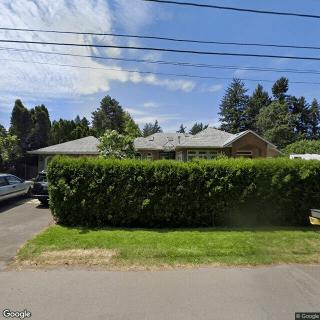
 How to Communicate with a Loved One Living with Dementia: 10 Supportive Strategies
 Comprehensive Guide to VA Nursing Homes: A Crucial Long-Term Care Resource for Veterans
 Estimating the Expenses of At-Home Dementia Care: A Detailed Exploration