
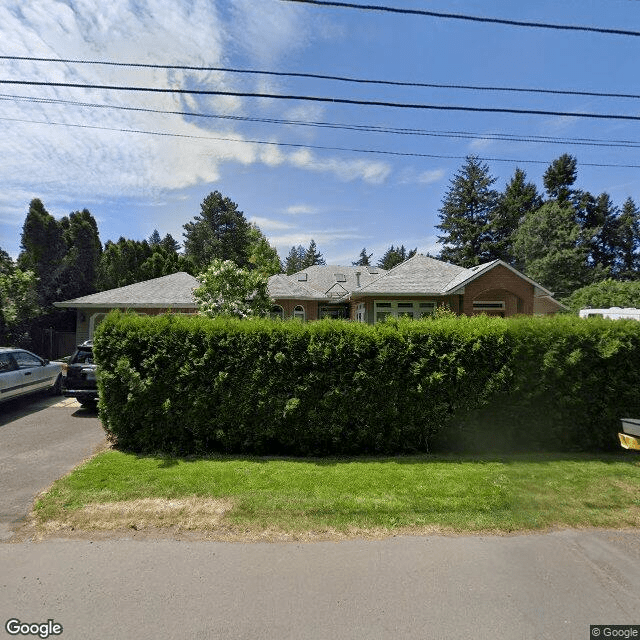
11325 SW 90th Ave, Tigard, OR 97223
To contact a resident: (503) 620-3886
For more information about senior living options: (866) 208-4318
Dominique's AFC Costs & Pricing
At Dominique's Adult Family Care (AFC), the monthly cost for a private room is set at $2,800. This price positions Dominique's AFC as a more affordable option compared to the average costs in Washington County, which stands at $3,261, and the broader state average for Oregon, currently at $3,424. By offering a competitive rate well below these regional benchmarks, Dominique's AFC not only provides quality care but also ensures that residents and their families can access essential services without straining their finances. This thoughtful pricing strategy highlights Dominique's commitment to affordability while maintaining high standards of care.
| Floor plans | Dominique's AFC | Washington County | Oregon |
|---|---|---|---|
| Private | $2,800 | $3,261 | $3,424 |
Senior living communities with a similar price nearby
-
from +$200 / mo
A Piece of Heaven
$3,000 / month8.2 miles away -
from -$300 / mo
Mapleview Manor, LLC
$2,500 / month8.7 miles away -
from +$200 / mo
Yamhill Senior Care Home
$3,000 / month14.0 miles away -
from +$200 / mo
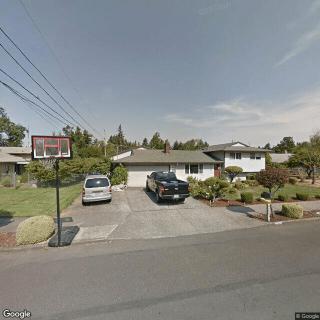
Peaceful Lighthouse Adult Care Home
$3,000 / month16.4 miles away -
from -$300 / mo
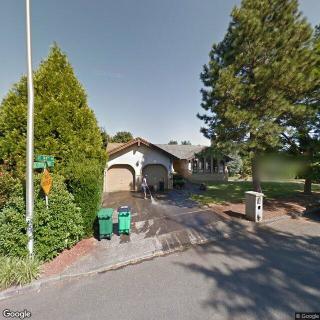
A Gentle Care Home
$2,500 / month12.5 miles away
Overall Review of Dominique's AFC
Pros
 The staff provided care for her in a loving way.
- They went out of their way to meet whatever she needed or asked for.
- The family appreciated the kindness shown throughout her last stages of life.
- The three weeks with Dad were loving and comfortable.
- Adriana is described as beyond the moon wonderful.
- The staff took very good care of him and kept in touch with the family.
- The environment is described as a loving, home-like setting.
Review
Dominique's AFC in Tigard is best suited for families seeking a small, intimate, home-like setting where an aging loved one receives highly personalized, compassionate care and where end-of-life comfort is a guiding priority. This community excels for residents who value direct access to caregivers, meaningful daily interactions, and a setting that feels like a family home rather than an institutional facility. It works especially well for seniors who thrive on routine, clear familiarity with caregivers, and a trusted, steady presence during frailty or advanced aging, rather than a highly clinical or highly structured program.
Those who should consider alternatives are typically families with stronger needs for 24/7 clinical nursing oversight or highly specialized services. If a resident requires intensive skilled nursing, complex wound care, or robust memory-care programming with extensive structured activities, a larger community with dedicated medical staff and more formal therapy options may be a better fit. Additionally, if a resident’s preferences lean toward busier social calendars, more diversified programming, or expansive on-site amenities that come with bigger campuses, Dominique's AFC may feel limited by its intimate footprint.
The strongest pros here center on the emotional and practical warmth delivered by the caregiving team. Families consistently praise Adriana, Michelle, and the rest of the staff for going the extra mile to meet needs, communicate openly, and cultivate a loving, home-like atmosphere for residents in their last chapters. The care is described as deeply affectionate and personal, with staff staying in touch to keep loved ones informed about daily happenings and changes in condition. That level of attentiveness translates into a sense of security for families, who feel their loved one is not just cared for but genuinely cherished, especially during end-of-life stages when comfort and dignity become paramount.
These advantages offset the main limitations inherent in a small AFC setting. While Dominique's AFC may not offer the clinical intensity or wide program breadth of larger communities, the trade-off is a fiercely loyal, relationship-driven care model. The intimate environment reduces the impersonality often found in bigger facilities, allowing caregivers to notice subtle shifts in mood or pain and respond quickly. Family members repeatedly highlight the peace of mind that comes from reliable communication and a consistent caregiving team, which helps relieve the anxiety that often accompanies later-life care. In practice, warmth and continuity become the counterbalance to any gaps in formal medical infrastructure.
Potential downsides do exist, and prudent families will want to vet them openly. A small operation can be vulnerable to staff availability, illness, vacations, or turnover could temporarily strain coverage. There may be fewer on-site activities, outings, or specialized programming compared to larger communities, and residents with rapidly evolving medical needs might outgrow the level of daily support offered. The strongest defense against these issues is a candid conversation about coverage plans, respite options, and what happens when staff are briefly unavailable. The reviews show a consistently stable team and a culture of closeness, which helps mitigate these concerns, but forward-looking families should confirm contingency plans and service inclusions before committing.
In the end, Dominique's AFC stands out for families prioritizing a loving, homey, and highly attentive care environment. For those who value the human touch, where caregivers become trusted partners in a loved one’s daily comfort and who want transparent, ongoing communication with the care team, this Tigard AFC is among the strongest options in the area. It represents a pragmatic choice for end-of-life and frail-elder care where the priority is dignity, gentleness, and a sense of belonging. Prospective families should schedule a visit, observe the caregiver-resident interactions, and discuss specific care plans, backup coverage, and pricing to ensure alignment with the resident’s goals and family expectations.
 Board and Care Home
 Activities on-site
 Indoor common areas
 Outdoor common areas
 Private
 Private bathrooms
 Wheelchair accessible showers
 Portland International (13 miles away)
 Diabetic care
 High acuity care
 Incontinence care
 Meals provided
 Christian services
 Comprehensive Guide to Blood Pressure Charts for Older Adults: Understanding Normal and High Readings by Age
 Financing Long-Term Nursing Home Care Through Social Security: A Thorough Exploration
 Essential Knowledge on Pneumonia in Older Adults