
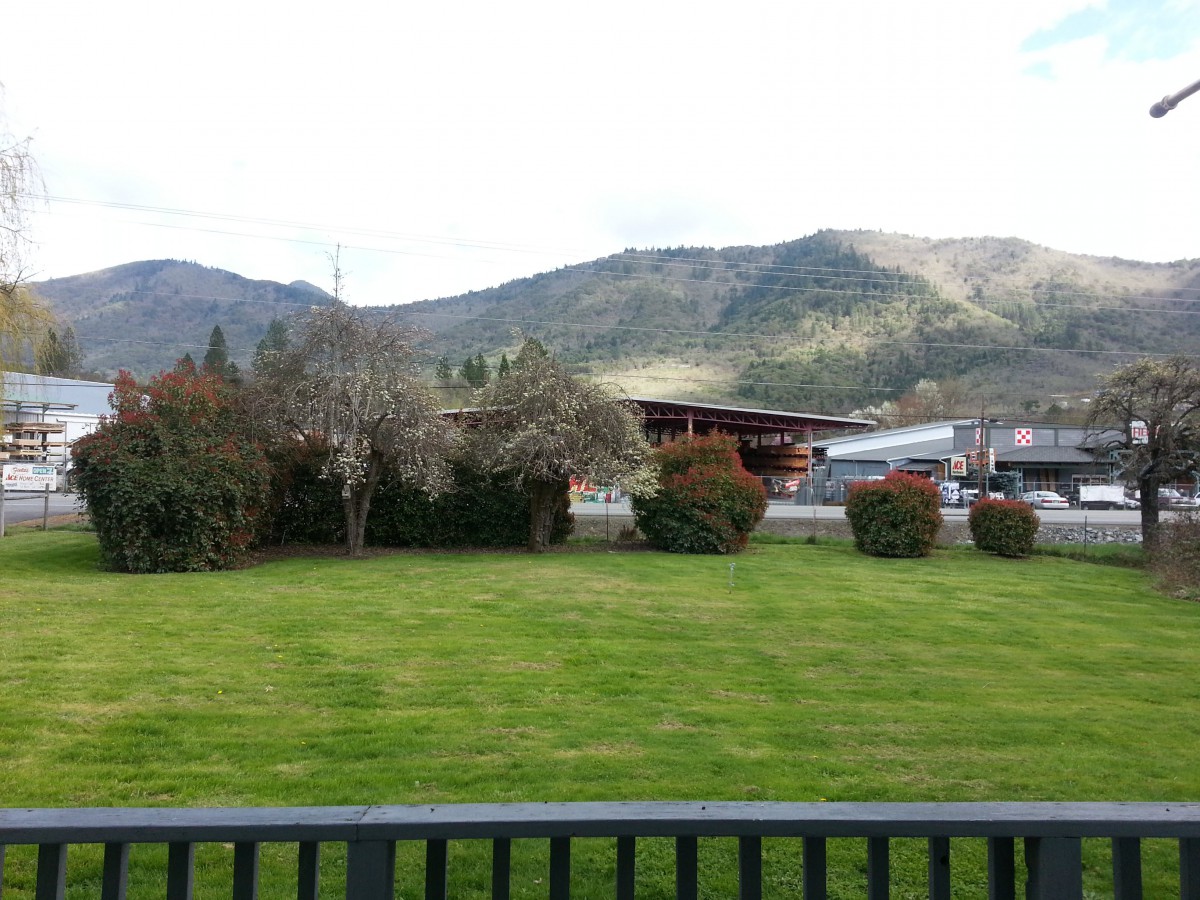
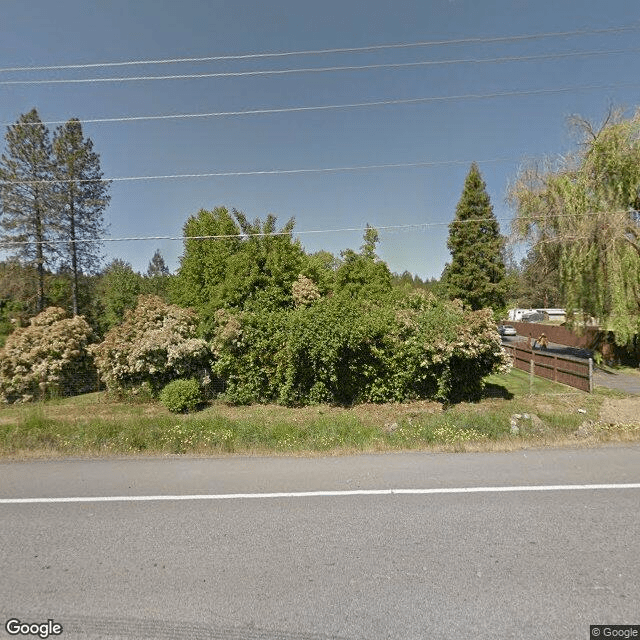
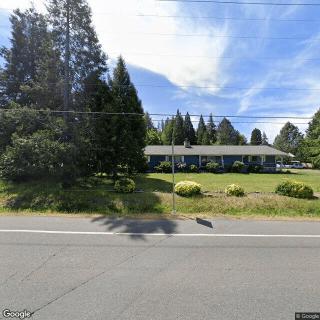
5244 Williams Highway, Grants Pass, OR 97527
To contact a resident: (541) 761-0262
For more information about senior living options: (866) 208-4318
Wings of Love Adult Foster Care Costs & Pricing
Wings of Love Adult Foster Care offers competitive pricing for its services, with monthly rates structured to provide value in the context of local and state averages. For a semi-private room, the cost is $3,800, which is slightly more affordable than the Josephine County average of $4,112 and below the state average of $4,457. On the other hand, a private room at Wings of Love is priced at $4,000, which is higher than both Josephine County's rate of $3,949 and significantly above Oregon's overall average of $3,424. This pricing structure highlights Wings of Love's commitment to providing quality care while remaining mindful of regional costs.
| Floor plans | Wings of Love Adult Foster Care | Josephine County | Oregon |
|---|---|---|---|
| Semi-Private | $3,800 | $4,112 | $4,457 |
| Private | $4,000 | $3,949 | $3,424 |
Memory care communities with a similar price nearby
-
from +$200 / mo
Applegate House Of Grants Pass
$4,000 / month4.3 miles away -
from -$280 / mo
Arbor House Of Grants Pass
$3,520 to $3,780 / month4.2 miles away -
from +$200 / mo
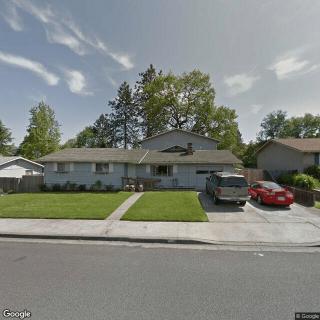
Black Oak Adult Foster Care
$4,000 / month6.6 miles away -
from +$300 / mo
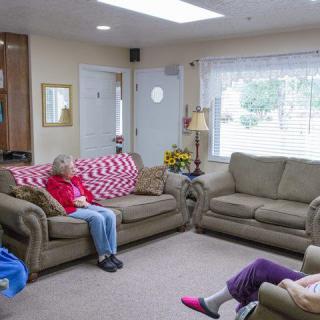
Ashley Manor Arrowhead
$4,100 / month24.7 miles away -
from +$195 / mo
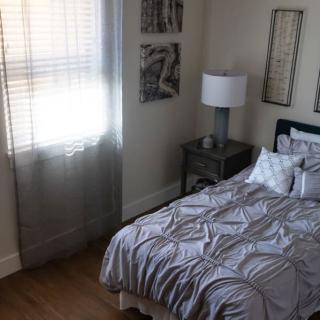
Pear Valley Senior Living
$3,995 to $4,995 / month20.8 miles away
Overall Review of Wings of Love Adult Foster Care
Pros
 The facility is very good.
- The owner is pleasant to talk to.
- The two caregivers at the facility are very friendly.
- The reviewer and their wife get along well with the staff.
- The reviewer's wife is walking much better than before.
Cons
 There was nothing there when they went.
Review
Wings of Love Adult Foster Care in Grants Pass is best suited for families seeking a small, home‑like environment where daily care is highly personalized and the caregiver–resident relationship is central. The setting works best for seniors who need help with activities of daily living but do not require intensive medical oversight or a wide array of built‑in activities. In this niche, the owner’s direct involvement and the presence of a couple of attentive caregivers create a sense of accessibility and continuity that can ease transitions and support steady progress in everyday functioning.
Those weighing alternatives should consider options that offer more robust programming, stronger medical oversight, or larger staff stability. For residents who crave a bustling calendar of activities, regular outings, or specialized memory care services, a larger assisted living community may be a better fit. Families needing predictable coverage during vacations or illness, more formal transportation arrangements, or a broader menu of services may also find a bigger operation reduces risk of gaps in care. In short, if the priority is deep personalization within a compact footprint, this AFC shines; if the priority is breadth of services, explore other setups.
On the upside, the primary advantages are clear and meaningful. The facility’s intimate scale facilitates direct interaction with the owner and with the two caregivers, producing relationships that feel dependable and responsive. Caregivers who are described as friendly can deliver consistent support, with the potential for smoother daily routines and quicker adjustments to changing needs. An encouraging anecdote, one resident’s spouse reportedly walking much better after the move, illustrates that individualized attention and targeted daily support can translate into tangible improvements in mobility and function. For families prioritizing comfort, dignity, and quick rapport, these advantages can outweigh many logistical concerns.
The most notable concerns revolve around scale and program breadth. A very small team can limit staff coverage, especially during evenings, weekends, or emergencies, and may constrain access to a wider range of activities or specialized therapies. The mixed reviews (including a cryptic remark about “there was nothing” when someone visited) suggest that visitors could encounter a lull in programming or amenities at times, which may feel isolating for some residents. In practice, the strength of the personal connection with the owner and caregivers can offset these gaps, but the risk is real for residents who require more structured daily schedules, consistent social opportunities, or robust on‑site services.
To make a well‑informed decision, families should verify several specifics before committing. Inquire about staffing patterns, including caregiver-to-resident ratios, hours of coverage, and back‑ups when primary caregivers are unavailable. Clarify the level of medical oversight, the availability of on‑call nursing support, and how emergencies are handled. Ask about daily programming, transportation options, meal plans, and how residents’ preferences are incorporated into routines. Request to meet the owner and caregivers, review a sample care plan, and speak with current residents or families about their experiences. A trial stay or a transparent visitation schedule can reveal how well the environment truly matches expectations.
In the end, Wings of Love AFC offers a compelling choice for families prioritizing a warm, personalized setting with a strong, hands‑on owner presence. It is a practical, candid option for seniors who thrive on close caregiver relationships and value mobility and daily life improvements delivered through intimate, individualized attention. However, for those whose care needs include a full calendar of activities, diverse social programming, or broad medical supports, alternatives with greater scale should be contemplated. The right fit hinges on balancing the desire for home‑like warmth against the necessity of consistent services and richer programming.
 Board and Care Home
 Memory Care
 Dogs allowed
 Activities off-site
 Beautician on-site
 Devotional services off-site
 Indoor common areas
 Private
 Respite or short term stays offered
 Rogue Valley International (24 miles away)
 Ambulatory care
 Diabetic care
 High acuity care
 Incontinence care
 Medication management
 Meals provided

 Dementia-Related Hallucinations: Causes, Experiences, and Practical Approaches
 Illuminating Insights About Alzheimer's Disease: Ten Crucial Realities
 A Thorough Discussion of Medications Potentially Linked to Dementia Risk