
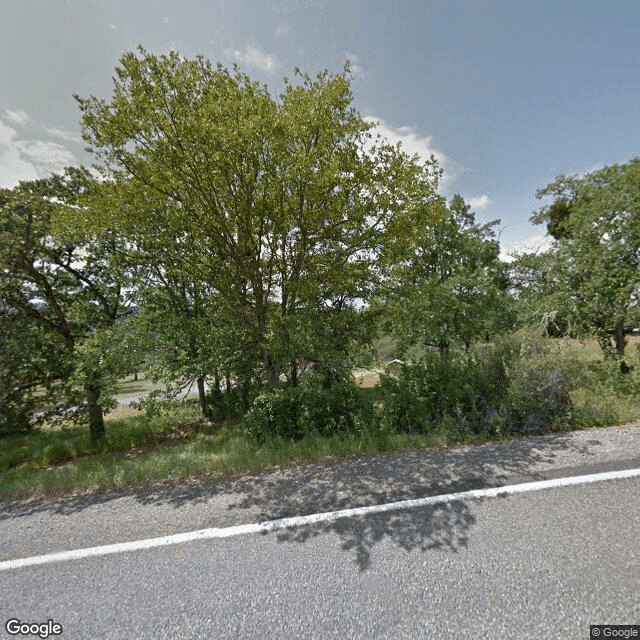
484 Robmar Lane, Grants Pass, OR 97527
To contact a resident: (541) 862-9303
For more information about senior living options: (866) 208-4318
A Country Home Costs & Pricing
A Country Home offers a competitive monthly rate of $3,600 for private rooms, positioning it favorably within the broader context of Josephine County and the state of Oregon. While its pricing is slightly lower than the county average of $3,949, it remains slightly above the state average of $3,424. This pricing strategy reflects A Country Home's commitment to delivering quality care and accommodations tailored to meet the needs of its residents while also ensuring affordability in comparison to local alternatives. Overall, A Country Home stands out as a compelling option for those seeking a supportive living environment without compromising on comfort or care standards.
| Floor plans | A Country Home | Josephine County | Oregon |
|---|---|---|---|
| Private | $3,600 | $3,949 | $3,424 |
Senior living communities with a similar price nearby
-
from +$400 / mo
Applegate House Of Grants Pass
$4,000 / month4.9 miles away -
About the same
Arbor House Of Grants Pass
$3,520 to $3,780 / month4.5 miles away -
from -$405 / mo
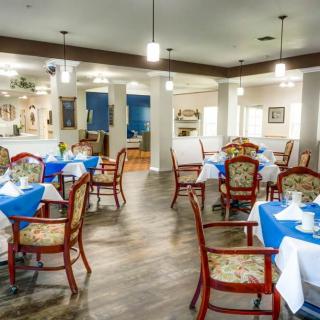
Morrow Heights Assisted Living
$3,195 to $4,995 / month9.7 miles away -
from -$305 / mo
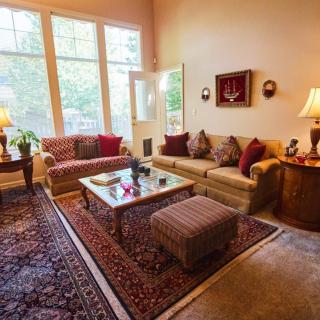
Pioneer Village
$3,295 to $4,070 / month18.7 miles away -
from +$400 / mo
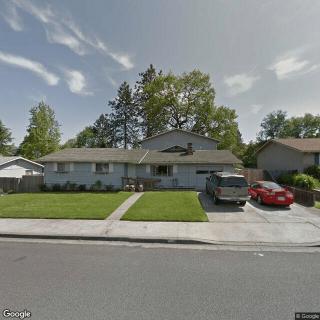
Black Oak Adult Foster Care
$4,000 / month7.0 miles away
Overall Review of A Country Home
Pros
 It provides a safe and caring environment for families.
- The food is fresh and the care team is wonderful.
- It is a great place for mom, with foster care at its finest.
- It is a beautiful place with beautiful people.
- It is one of the best places to support loved ones.
- The country home offers an intimate setting with a small, stable community.
- The staff are very caring, offering engaging activities and occasional field trips.
- The meals are excellent.
Cons
 They don't have a lot of clientele there.
- The women who are there are pretty much permanent residents.
Review
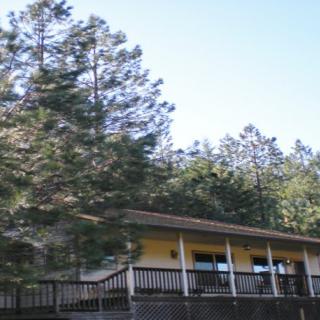
A Country Home is best suited for families seeking an intimate, homelike setting for a loved one who benefits from close, consistent attention and a calm, country environment. The community functions like a small-foster-care arrangement rather than a campus, with a handful of residents (around five) who can receive highly personalized care from a stable team. This scale tends to foster strong relationships between residents and caregivers, and it lends itself to individualized activity plans rather than generic group programming. The rural Grants Pass location supports a quiet routine, predictable meals, and a home-like rhythm that resembles a caring extended family more than a traditional facility. For seniors who prefer privacy, slower pace, and meaningful daily contact, this model can be a perfect fit.
What may push families to look elsewhere are needs for broader social programming, more frequent medical oversight, or a larger community footprint. The small size limits the pool of residents in the same age band or with similar interests, which can dampen spontaneous social opportunities. For a resident requiring substantial medical management, more on-site therapies, or a wider array of activities, the country setting can feel restrictive. Those needing rapid escalation of care, regular transportation to appointments, or a bustling adult day vibe may find the pace and scale insufficient. In short, if independence is paired with high medical complexity, alternatives with bigger teams and more comprehensive services deserve consideration.
On balance, the core strengths of A Country Home, the safety of a caring, attentive staff and consistently fresh meals, offer meaningful offsets to its fewer residents and quieter schedule. The care team is described as wonderful, attentive, and patient, which translates into reliable daily routines, careful monitoring, and a steady hand during transitions. Food quality stands out, with fresh, well-prepared meals that support overall well-being and dignity at meal times. The smaller population means caregivers can notice subtle changes in wellbeing, tailor activities, and honor preferences more easily than in a larger setting. A couple of field trips and other adaptive activities indicate that residents are not simply waiting out time but are engaged in meaningful experiences within the community's capacity.
Descriptors like “beautiful place” and “beautiful people” recur in impressions from families, underscoring a warm, respectful culture among staff and residents. The atmosphere leans toward nurturing, with terms like “foster care at its finest” signaling a high level of familial warmth and individualized attention. The sense of belonging, the idea that residents are known, cared for, and valued, becomes a practical advantage when families balance safety, dignity, and daily gratitude for small, well-executed routines. The home’s size also supports a flexible approach to care planning, where staff can adjust pace, activities, and supervision to align with each resident’s evolving needs. This is not a place for someone seeking a bustling campus; it is a home offering consistent, tangible reassurance.
Given the trade-offs, a family can expect clear advantages in safety, relationship depth, and culinary quality, with the caveat of limited social breadth and a setting that may feel remote to some. The five-person model can feel intensely personal, but it also creates a potential risk of isolation if one resident declines participation. Prospective residents should weigh how crucial social variety and on-demand medical responsiveness are to daily life. If a loved one thrives on routine, enjoys small-group dynamics, and values a trustworthy care team who treats residents as family, A Country Home rises toward the top of practical options. If not, those priorities clearly point toward alternatives with larger communities and broader programs.
Decision-makers should approach a tour with a clear checklist: observe the interaction quality between residents and caregivers, sample meals for consistency and appeal, review a typical daily schedule, and inquire about staff coverage, especially during evenings and weekends. Ask how mobility, memory support, and personal preferences are integrated into daily life, and whether residents have opportunities for off-site activities that align with capabilities. Consider the proximity of family resources and the practicality of ongoing involvement in care planning. For families prioritizing warmth, attentiveness, and a quiet, dignified home environment, A Country Home is a compelling match; for others, a more expansive setting may be prudent.
 Board and Care Home
 Activities off-site
 Bath tubs
 Devotional services off-site
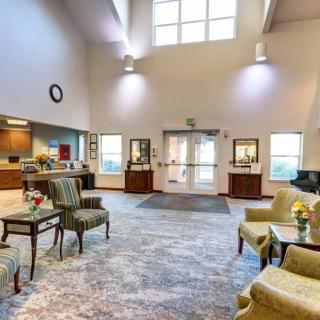
 Indoor common areas
 Outdoor common areas
 Private
 Private bathrooms
 Wheelchair accessible showers
 Rogue Valley International (23 miles away)
 Diabetic care
 High acuity care
 Incontinence care
 Medication management
 Kosher

 Navigating the Financial Road to Nursing Home Care: In-Depth Guidance and Resources
 Supportive Employee Benefits That Help Caregivers Attain Better Work-Life Harmony
 Top Cars for Senior Drivers and Essential Safety Innovations