For more information about senior living options: (866) 208-4318
4.1 from 63 reviews
5 stars
37
4 stars
11
3 stars
7
2 stars
1
1 stars
7
River Grove Memory Care Costs & Pricing
River Grove Memory Care offers a monthly rate of $4,800 for studio accommodations, positioning itself at a premium compared to the average costs in Lane County and across Oregon. In Lane County, the average cost for similar amenities is approximately $3,877, while the state average hovers around $3,815. This pricing reflects River Grove's commitment to providing high-quality care and specialized services tailored for individuals with memory needs. While it is higher than local and state averages, many families may find value in River Grove's personalized approach and enhanced living environment for their loved ones.
Floor plans
River Grove Memory Care
Lane County
Oregon
Studio
$4,800
$3,877
$3,815
Memory care communities with a similar price nearby
Residents’ families consistently describe staff who are kind, caring, and quick to respond to concerns.
A lot of reviewers focus on staff kindness and how supported they felt, especially when needs changed. Several mention communication with family and that questions or concerns were handled quickly. Multiple reviews also describe staff taking time with residents and helping with daily needs, while a few negative reviews cite the opposite experience on certain units.
common8 reviews mention this
Clean, well-kept campus and homes
Reviewers repeatedly describe the facility and grounds as clean, well maintained, and attractive.
Many residents’ families mention the community being clean and well maintained, including the inside spaces and the landscaping/grounds. Several reviews describe the buildings as modern or beautiful, and others point to comfortable common areas and outdoor spaces. A couple of negative reviews complain about the environment, but most of the feedback is strongly positive on upkeep.
differentiator7 reviews mention this
Dining feels more like a choice
Dining comes up often, with reviewers saying meals taste good and accommodations are possible.
Food is a recurring positive in the reviews, with people mentioning the smell or taste of specific meals and describing the dining as enjoyable. Families also mention accommodating requests, including special meal requests. The community offers restaurant-style dining and meals provided, which aligns with the way residents’ families describe day-to-day dining.
common3 reviews mention this
Small cottages and private baths
The cottage-style setup and private bathing spaces show up in multiple family experiences.
Some reviewers describe a smaller, home-like layout with residents living in small houses or cottages. At least a few mention private bathrooms and an easier adjustment because of that setup. One review also highlights how care can be organized across different stages of memory care within the community.
caveat3 reviews mention this
Care quality concerns and inconsistency
Some reviews raise serious concerns about personal care, staffing, and follow-through.
While many families praise care, a small set of reviews report problems such as declined care after a move to a different unit and issues with personal care. Another negative review describes feeling the staff was not visible when needed and that concerns were not addressed during a visit. There are also complaints about staffing levels and related oversight, so experiences appear inconsistent across reviewers.
caveat2 reviews mention this
Pricing trends higher than benchmarks
Pricing is discussed by reviewers, and the community’s listed rate runs above county and state benchmarks.
A couple of reviewers mention cost in relation to other options, including one who said the pricing was not significantly different from alternatives and another who described it differently. Independently, the community’s pricing for studios is shown as above county and state benchmarks, which may matter for families comparing budgets.
How we summarize
Counts show how many written reviews mention each theme; a review can touch several themes, and only frequently mentioned themes are displayed.
Features
Housing
60 resident community capacity
Studio apartments
Types of Care
Memory Care
Respite Care
Amenities
Activities off-site
Activities on-site
Air-conditioning
Beautician on-site
Beauty salon
Cable or satellite TV
Computer center
Devotional services on-site
Dining room
Fitness room
Fully furnished
Gaming room
Garden
Ground floor units
Handicap accessible
Housekeeping services
Indoor common areas
Kitchenette
Move-in coordination
Outdoor common areas
Outdoor space
Private bathrooms
Respite or short term stays offered
Restaurant-style dining
Small library
Telephone
Wellness center
Wheelchair accessible showers
Wi-Fi/high-speed internet available
Transportation
Mahlon Sweet (5 miles away)
Community operated transportation
Transportation arrangement
Transportation arrangement (non-medical)
Transportation to doctors appointments
Care Services
12-16 hour nursing
24-hour call system
24-hour supervision
Activities of daily living assistance
Ambulatory care
Assistance with bathing
Assistance with dressing
Assistance with transfers
Diabetes diet
Diabetic care
Incontinence care
Meal preparation and service
Medication management
Mental wellness program
Mild cognitive impairment
Special dietary restrictions
Specialized memory care programming
Dining
Diabetes diet
Guest meals
Low / no sodium
Meals provided
No Sugar
Professional chef
Restaurant style dining
Room service
Special dietary restrictions
Special dining programs
Vegetarian
Activities
Art classes
Catholic services
Community-sponsored activities
Concierge services
Cooking classes
Day trips and outings
Devotional activities on-site
Educational speakers / life long learning
Fitness programs
Live dance or theater performances
Live musical performances
Other religious services
Planned day trips
Protestant services
Resident-run activities
Scheduled daily activities
Visiting chaplain or priest
Nearby Places of Interest
This area of Eugene, Oregon offers convenient access to essential services such as pharmacies, medical facilities, restaurants, places of worship, parks, cafes, and transportation options. With multiple pharmacies within close proximity, seniors can easily access their medication needs. Additionally, there are several physicians' offices nearby for medical consultations and services. The variety of restaurants in the area cater to different tastes, while the presence of parks provides opportunities for outdoor recreation and relaxation. The cafes offer social settings for meeting with friends or enjoying a cup of coffee. Access to public transportation through Amtrak ensures easy travel within and outside the city. Overall, this neighborhood provides a well-rounded environment for seniors seeking a convenient and diverse living experience in Eugene.
Pharmacies
Albertsons Pharmacy (0.1 miles)
Walgreens (0.3 miles)
Health Mart Pharmacy (1.8 miles)
Walmart Pharmacy (1.8 miles)
Rite Aid (2.5 miles)
Rite Aid (3.3 miles)
Safeway Pharmacy (3.3 miles)
Physicians
Willamette Valley Mammography (0.1 miles)
Mckenzie Medical Imaging Pc (0.2 miles)
Santa Clara Medical Clinic (0.3 miles)
Shear Hearing (0.3 miles)
Pacific Surgery Center (1.4 miles)
Clearvision, Eugene Clinic (1.4 miles)
Oregon Medical Group (1.4 miles)
Restaurants
Taco Bell (0.3 miles)
Carl's Jr. (0.4 miles)
Los Dos Amigos Hacienda (1.5 miles)
Prairie Schooner Tavern (1.7 miles)
McDonald's (2.3 miles)
BJ's Restaurant & Brewhouse (2.5 miles)
Red Lobster (2.5 miles)
Places of Worship
Santa Clara Church (0.3 miles)
Parks
Emerald Park (1.2 miles)
Mangan City Park (2.1 miles)
Maurie Jacobs Park (2.6 miles)
Golden Gardens (2.6 miles)
Skinner Butte Park (3.2 miles)
Orchard Point Park (3.2 miles)
Candlelight park (3.5 miles)
Cafes
Firehouse Coffee (2.3 miles)
The Better Living Room by Ninkasi Brewing (3.1 miles)
Equiano Coffee (3.2 miles)
Wandering Goat Coffee Co. (3.3 miles)
Farmers Union Coffee Roasters (3.6 miles)
Starbucks (3.6 miles)
Hospitals
White, Kery - Nova Health Urgent Care Coburg (3.2 miles)
River Grove Memory Care offers a monthly rate of $4,800 for studio accommodations, positioning itself at a premium compared to the average costs in Lane County and across Oregon. In Lane County, the average cost for similar amenities is approximately $3,877, while the state average hovers around $3,815. This pricing reflects River Grove's commitment to providing high-quality care and specialized services tailored for individuals with memory needs. While it is higher than local and state averages, many families may find value in River Grove's personalized approach and enhanced living environment for their loved ones.
The combination of 24-hour supervision and tailored support for activities of daily living ensures that residents receive consistent care, enhancing their safety and comfort. Assistance with bathing, dressing, and transfers fosters dignity while helping individuals maintain their personal hygiene and mobility. Incontinence care is handled sensitively to promote confidence and well-being, while meal preparation and service cater to nutritional needs critical for maintaining health. Medication management is essential in preventing complications related to memory-related disorders, ensuring that residents adhere to their treatment regimens. Additionally, a mental wellness program specifically designed for those with mild cognitive impairment and specialized memory care programming address the unique challenges faced by individuals with dementia or Alzheimer's disease, providing engagement and stimulation that can slow cognitive decline and enhance quality of life.
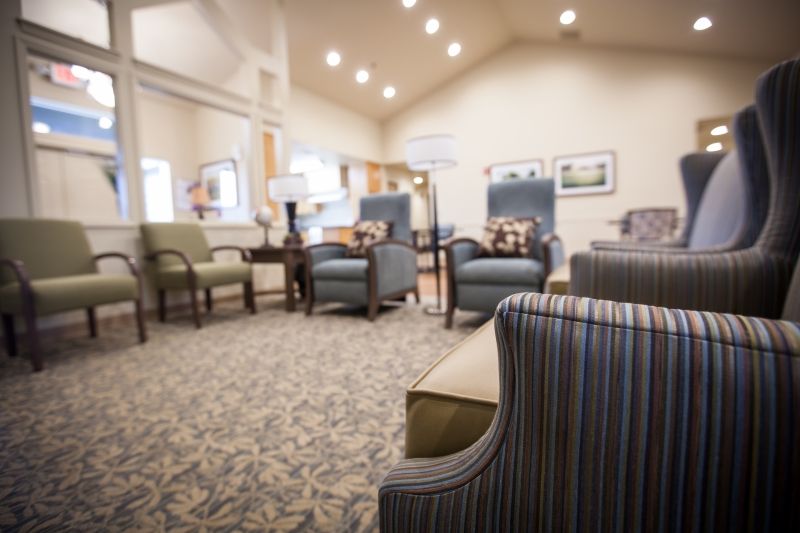
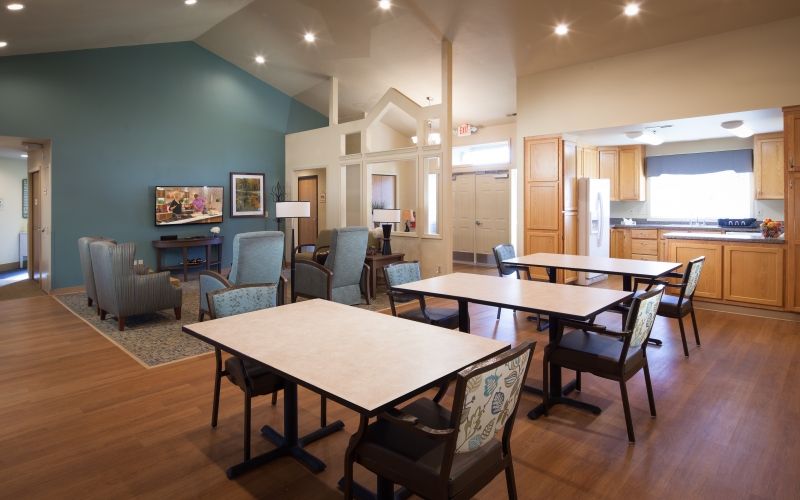
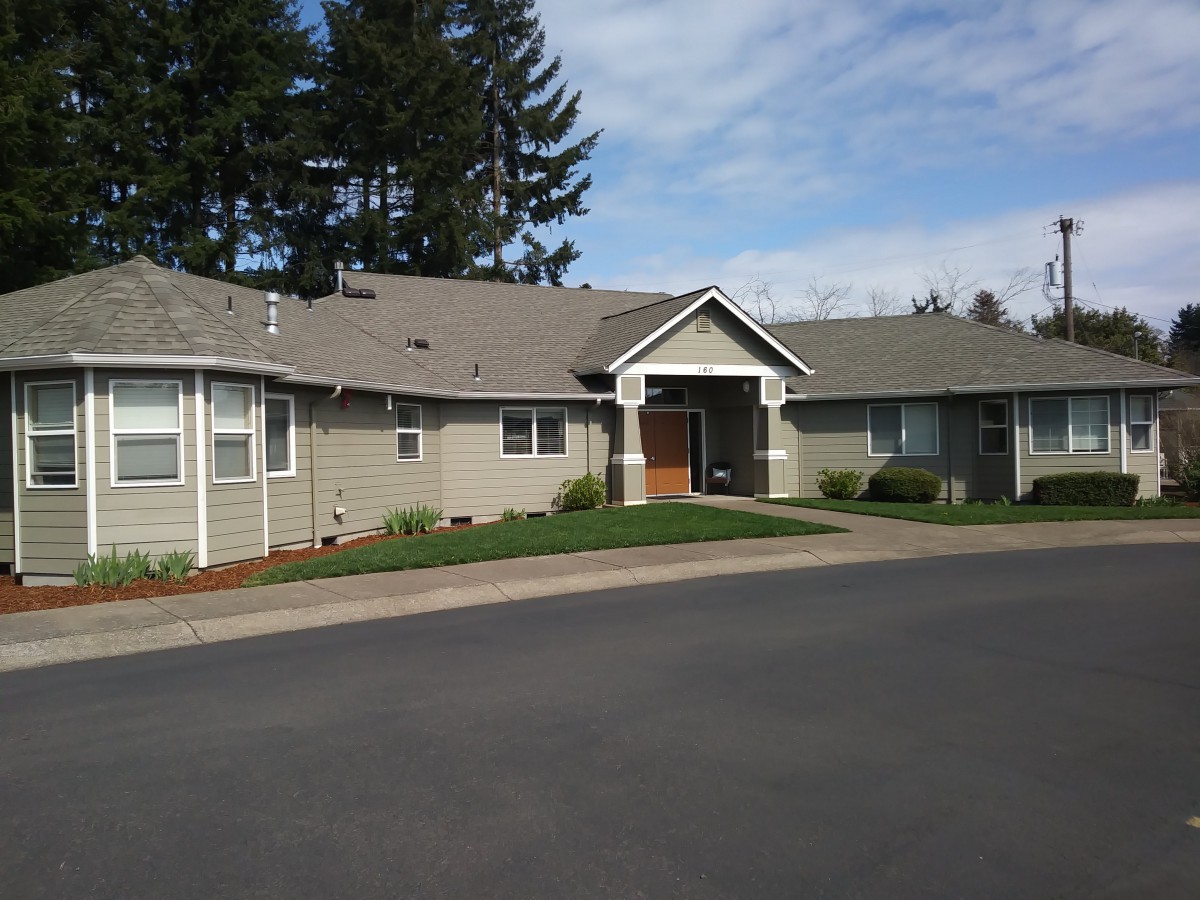
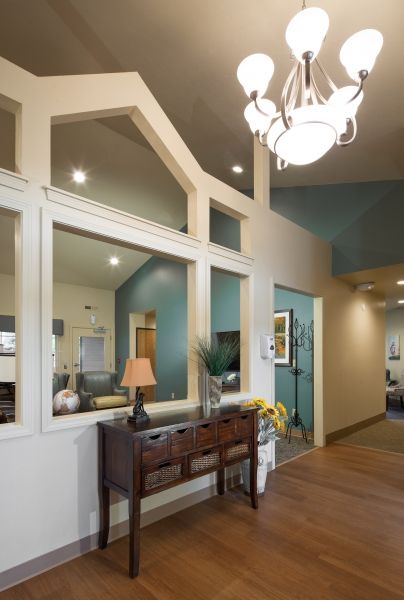
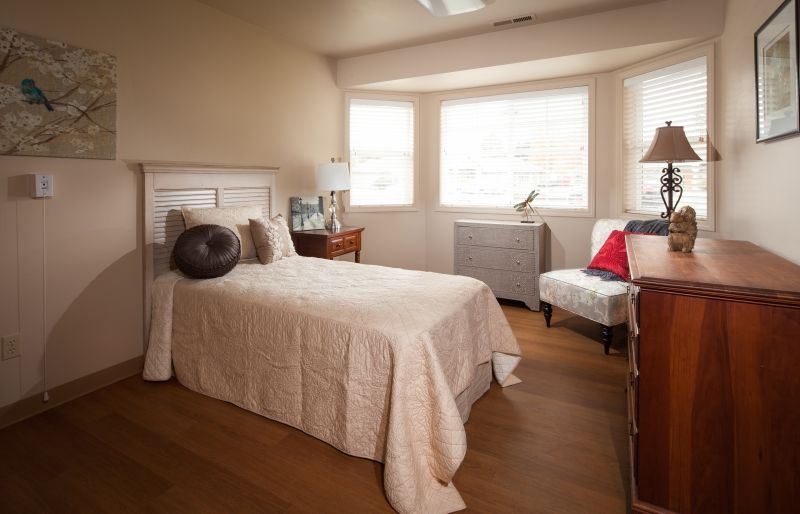
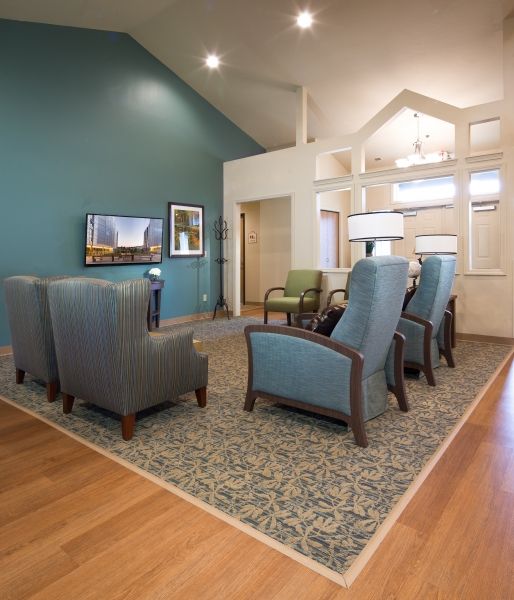
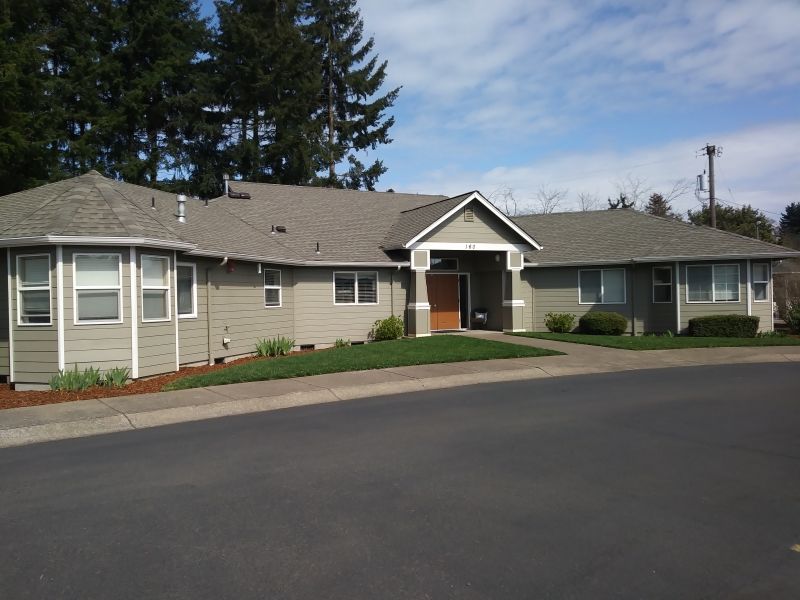
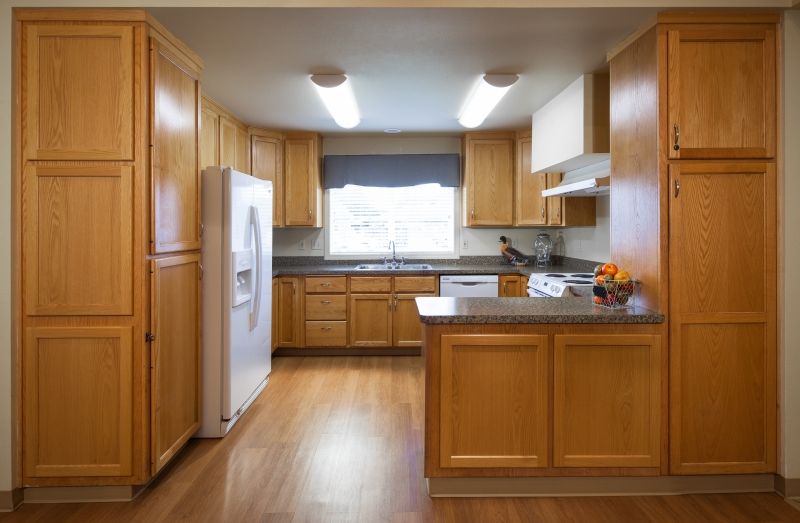
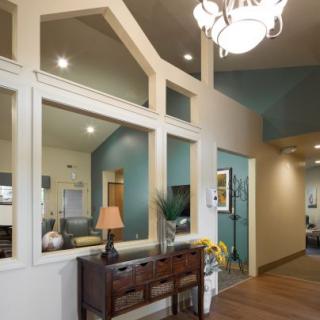
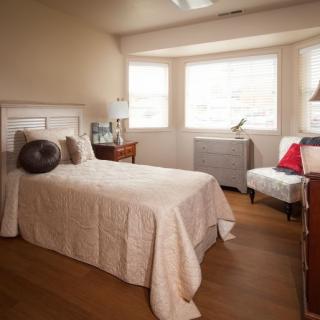
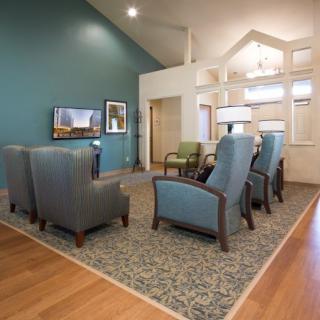
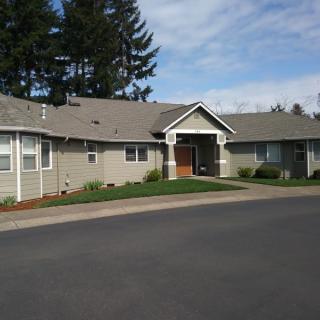
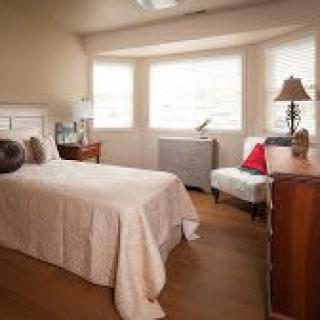
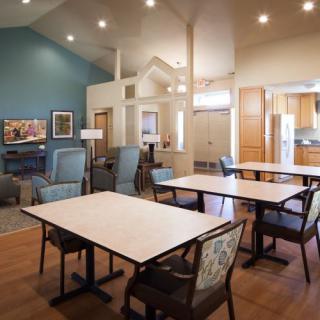
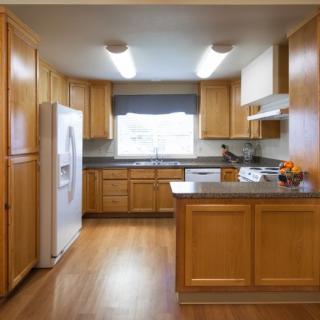
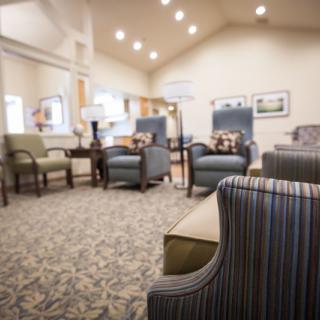
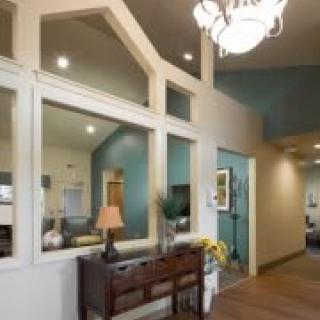
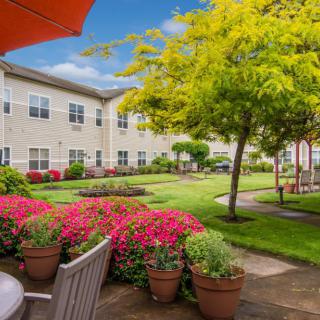
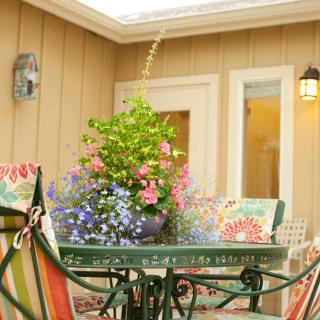
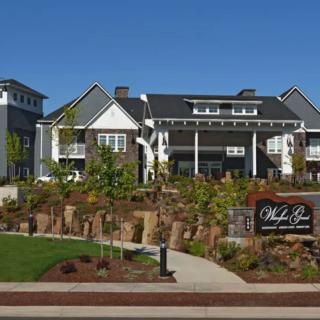
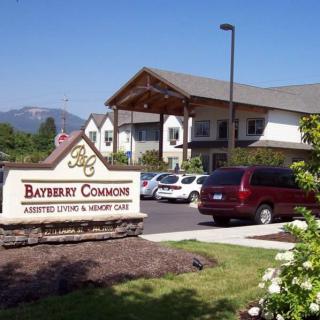
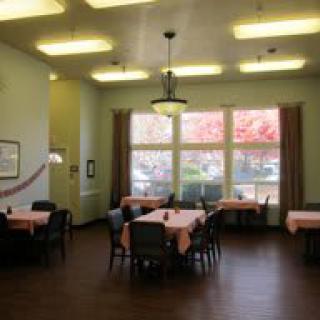
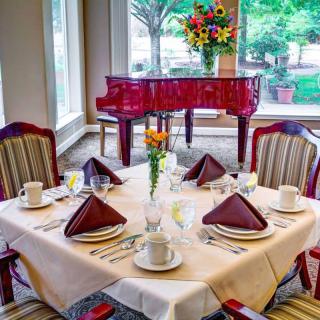
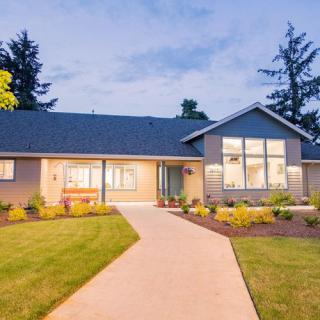
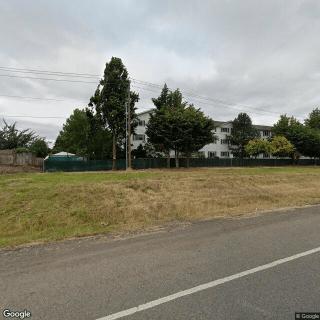
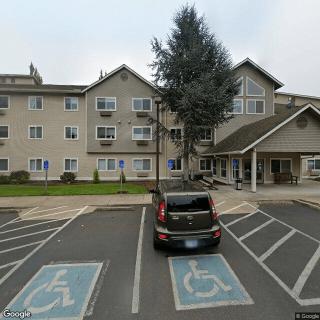
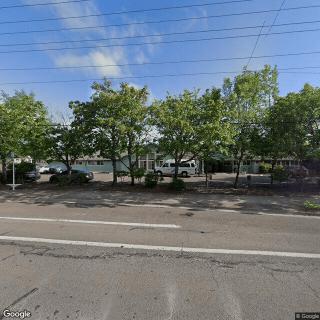
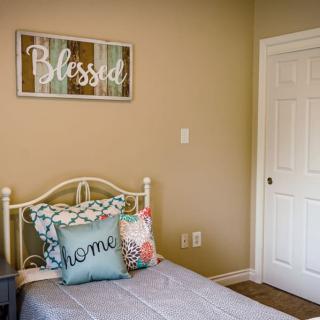
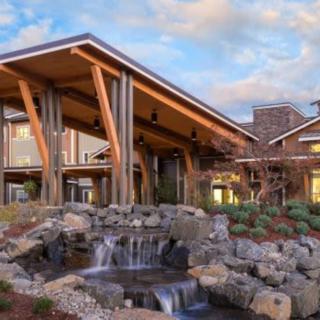
River Grove Memory Care on seniors.fyi includes 12 photos including images showing interior, bedroom, living room, decor, chandelier, television, trees, kitchen, and more.
Nearby Communities
Quail Crest Memory Care
Eugene, OR
4.5 from 42 reviews
$5,700 to $6,000 / month
Comprehensive memory care with 24/7 supervision, diabetes-focused dining, and on-site activities.
Quail Park of Eugene
Eugene, OR
4.5 from 39 reviews
Secure, well laid out memory care with pleasant staff and engaging activities.
Lone Oak Assisted Living
Eugene, OR
4.3 from 48 reviews
$5,145 to $6,075 / month
Motivated, kind staff in a clean, well-designed facility.
Mckenzie Living Eugene
Eugene, OR
3.8 from 9 reviews
Extensive on-site amenities with 24/7 staff
Terpening Terrace
Eugene, OR
4.3 from 29 reviews
$1,487 to $2,200 / month
Clean, well-maintained apartments with on-site activities, transportation, and a convenient location.
Kingsley Court Retirement Center
Eugene, OR
4.1 from 16 reviews
Vibrant senior living with extensive nearby amenities (dining, parks, healthcare, worship).
Holly Residential Care Center
Eugene, OR
4.6 from 15 reviews
Restaurant-style dining with diabetes care and 24/7 supervision.
Evergreen Senior Living
Eugene, OR
4.2 from 82 reviews
Friendly, responsive staff with well-kept facilities and an engaging activities/dining program.
The Springs at Greer Gardens
Eugene, OR
4.1 from 37 reviews
$2,950 to $5,850 / month
Beautiful grounds, modern amenities, attentive staff, and strong dining.
Assisted living provides moderate support for seniors seeking independence, while memory care offers specialized support for individuals with dementia or cognitive impairments through structured routines and trained staff. Key differences include care approaches, environment security measures, staff training levels, activity types, and cost considerations.
Choosing between assisted living and nursing homes involves evaluating emotional and financial factors, with assisted living offering independence and support for daily activities at a lower cost, while nursing homes provide intensive medical care for individuals with significant health needs. The decision is influenced by personal preferences, health status, cognitive function, and varying Medicaid coverage across states.
The article presents eight strategies for preserving cognitive health and memory in older adults, emphasizing a nutrient-rich diet, regular exercise, intellectually stimulating activities, adequate sleep, social connections, stress management techniques, limiting harmful substances, and regular medical checkups to mitigate age-related memory decline.
Get PricingAsk A QuestionSchedule A TourContact Senior Advisor
By clicking submit, you agree to our Partner's Terms of Use. You
also consent to receive calls and texts, which may be autodialed, from our Partner. Your consent is not a condition to
using our Partner's service. Please visit our Partner's Privacy Policy for information about their privacy practices.


 60 resident community capacity
 Studio apartments
 Memory Care
 Respite Care
 Activities off-site
 Air-conditioning
 Beautician on-site
 Cable or satellite TV
 Computer center
 Devotional services on-site
 Dining room
 Fitness room
 Fully furnished
 Gaming room
 Garden
 Ground floor units
 Handicap accessible
 Housekeeping services
 Indoor common areas
 Kitchenette
 Move-in coordination
 Outdoor common areas
 Private bathrooms
 Restaurant-style dining
 Small library
 Telephone
 Wellness center
 Wheelchair accessible showers
 Wi-Fi/high-speed internet available
 Mahlon Sweet (5 miles away)
 Community operated transportation
 12-16 hour nursing
 24-hour call system
 Ambulatory care
 Assistance with bathing
 Assistance with dressing
 Assistance with transfers
 Diabetes diet
 Diabetic care
 Incontinence care
 Medication management
 Mental wellness program
 Special dietary restrictions
 Art classes
 Catholic services
 Concierge services
 Cooking classes
 Day trips and outings
 Educational speakers / life long learning
 Live dance or theater performances
 Live musical performances
 Comprehensive memory care with 24/7 supervision, diabetes-focused dining, and on-site activities.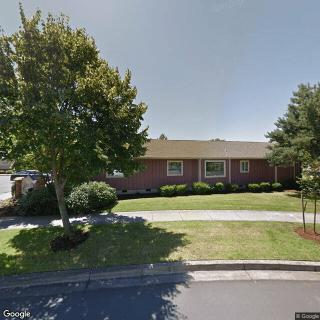
 Assisted Living and Memory Care: Understanding Their Core Differences
 Choosing the Right Senior Care: A Detailed Exploration of Assisted Living and Nursing Homes
 Safeguarding Your Memory Through the Golden Years: Eight Ways to Preserve Cognitive Health