
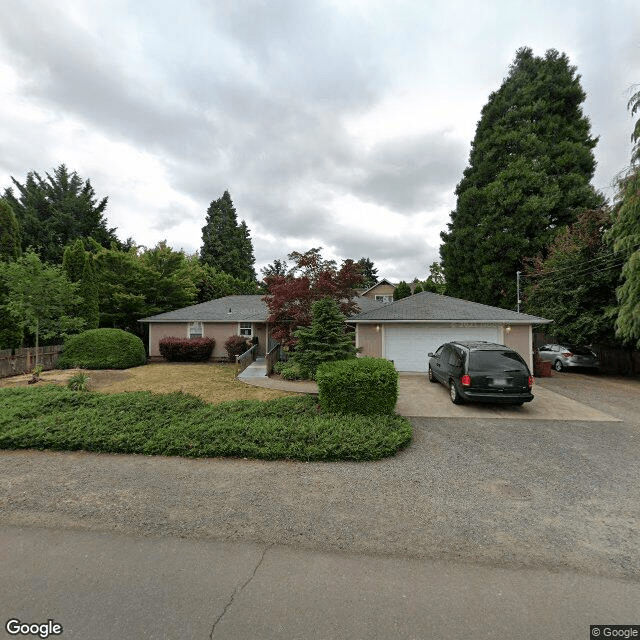
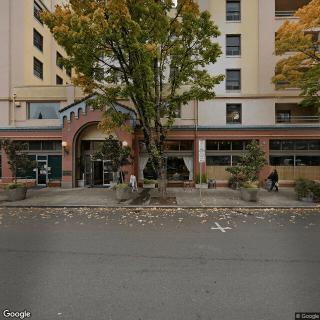
2665 Tandy Turn, Eugene, OR 97401
To contact a resident: (541) 344-5054
For more information about senior living options: (866) 208-4318
Pine Tree Care - AFH Costs & Pricing
Pine Tree Care - AFH offers competitive pricing for its services, with monthly costs set at $2,800 for both private and studio rooms. This rate is significantly lower than the average costs in Lane County, which stands at $4,479 for private rooms and $3,877 for studios. Additionally, Pine Tree Care's pricing is also more economical compared to the state average in Oregon - $3,424 for private rooms and $3,815 for studios. By providing quality care at such attractive rates, Pine Tree Care - AFH positions itself as a valuable option for families seeking affordable residential care solutions without compromising on service quality.
| Floor plans | Pine Tree Care - AFH | Lane County | Oregon |
|---|---|---|---|
| Private | $2,800 | $4,479 | $3,424 |
| Studio | $2,800 | $3,877 | $3,815 |
Memory care communities with a similar price nearby
-
from +$150 / mo
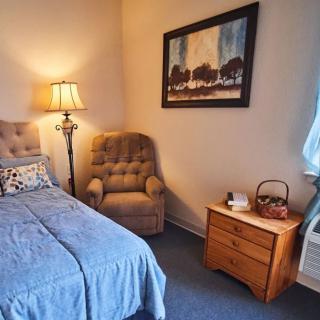
Sweetbriar Villa
$2,950 to $4,320 / month7.6 miles away -
from +$295 / mo
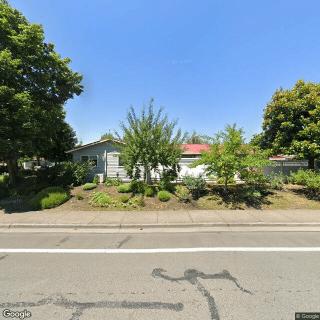
ElderHealth & Living
$3,095 to $3,250 / month7.4 miles away -
from +$150 / mo
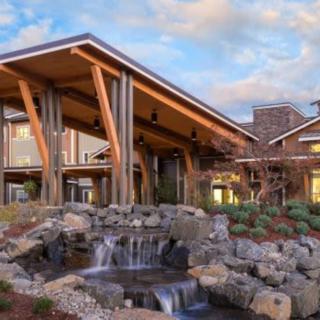
The Springs at Greer Gardens
$2,950 to $5,850 / month1.4 miles away
Overall Review of Pine Tree Care - AFH
Pros
 They are great with working with families.
- The staff use humor and go the extra mile to ensure their loved one is receiving medical care.
- They are in tune with local resources available for elderly citizens.
- They are great communicators, educating families on what’s going on.
- Pine Tree Adult Foster Home provides respect to their residents.
- Pine Tree staff do things by the book and follow doctors' orders for foster homes.
- The home offers home-cooked meals, baked goods, and a clean kitchen with appetizing, good-quality food.
- The people there are incredibly friendly and the facility is very clean.
Cons
 They are not happy.
Review
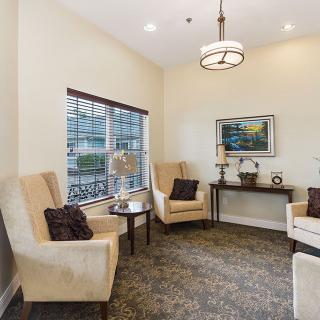
Pine Tree Care - AFH in Eugene is best suited for families seeking a small, hands-on adult foster home where the elder years are managed with close medical coordination, genuine respect, and a homelike atmosphere. This community shines for residents who value intimate oversight, frequent family involvement, and a caregiving team that treats medical needs as a core part of daily life rather than an afterthought. It is particularly well-matched for seniors who prefer a familiar, home-like setting and appreciate proactive communication about health conditions, doctor visits, and local resources. The environment is quiet and personal, and the emphasis on personable, consistent staff aligns with expectations for steady, individualized attention.
That said, potential residents and their families should consider alternatives if the priority is broad activity programming, advanced memory care capabilities, or a larger, more resource-diverse facility. While Pine Tree demonstrates strong daily care and family engagement, the intimate, foster-home structure can come with trade-offs in programming variety and on-site clinical depth compared with bigger assisted living campuses. A couple of reviews signal dissatisfaction, which underscores the reality that experiences can vary in an intimate setting. Families with strong preferences for formal daily schedules, diversified enrichment options, or 24/7 clinical supervision may find it prudent to explore other options as part of a thorough comparison.
The strongest pros here center on hands-on medical oversight and clear, compassionate communication. Staff are described as highly attentive to medical orders and diligent about coordinating with doctors, often accompanying residents to appointments. This level of coordination reduces family stress and helps ensure care plans stay in step with physician guidance. The team’s responsiveness to families, their use of humor to ease tense moments, and their commitment to following the rules of foster care convey a disciplined, respectful culture. Such dynamics translate into practical benefits: fewer care gaps, more predictable routines, and a sense that the resident is truly known and treated with dignity.
Equally compelling are the everyday quality touches that matter in long-term living. Home-cooked meals and a kitchen that remains clean and well-stocked speak to a stable, home-centered lifestyle. The consistent presence of 2 to 3 staff on duty during visits supports a sense of security and personalized attention, rather than a revolving-door pattern that can tire families. The observation that staff wear scrubs and take their roles seriously signals professional standards in a setting where warmth and professionalism must coexist. The environment also shows signs of community-building, plans for a summer BBQ and ongoing efforts to keep residents engaged, suggesting that social connection is not entirely neglected.
Nevertheless, several subtle but real constraints accompany the AFH model. Activities and enrichment opportunities, while growing, may not match what larger campuses offer, and the visible programming at any given time can feel limited. The small scale inherently means fewer on-site resources for specialized care or rapid escalation of complex needs. Night staffing and coverage, while not explicitly detailed, can be a practical consideration in intimate homes where the footprint is smaller and the cadre of caregivers is leaner. For families evaluating memory care or advanced dementia needs, it’s essential to verify the scope of cognitive-care expertise and the availability of specialized programming beyond general caregiving.
In the decision calculus, Pine Tree Care - AFH earns credibility through its core strengths: attentive medical coordination, respectful treatment of residents, transparent family communication, and a comfortable, clean, home-like setting. These advantages can offset the more modest activity slate and the inherent limitations of an intimate foster-home structure, particularly for seniors who prioritize health management and a stable routine over resort-like amenities. The key caveat is that the very conditions that make this option feel personal may also cap the breadth of programming and the breadth of clinical resources. For families willing to lean into a smaller care team and a closely managed health plan, Pine Tree is a robust, trustworthy choice.
The practical next steps are clear. Prospective residents should visit with a careful checklist: meet direct care staff and the administrator, request to observe a meal service and a typical day, review the current care plan and doctor communication routines, and ask for a sample weekly activity calendar. Check the night and weekend coverage questions explicitly, and probe how medical appointments are scheduled and documented. If memory care or high-acuity needs are present, request detailed responses about specialized training, emergency protocols, and partnerships with local clinicians. For families whose priorities center on medical fidelity, personal attention, and a warm, home-like environment, Pine Tree offers a compelling, well-grounded option worth selecting, provided the fit aligns with the resident’s care level and desired breadth of activities.
 Board and Care Home
 Memory Care
 Activities off-site
 Bath tubs
 Devotional services off-site
 Indoor common areas
 Outdoor common areas
 Private
 Private bathrooms
 Mahlon Sweet (8 miles away)
 Ambulatory care
 Diabetic care
 High acuity care
 Incontinence care
 Medication management
 Kosher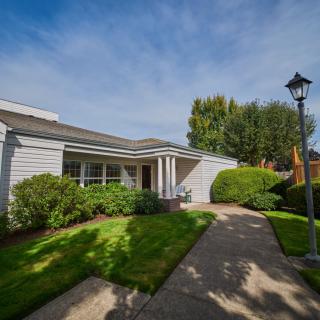


 Comprehensive Insights on the Late Stages of Dementia: What to Expect and How to Provide Care
 Medications Associated with Dementia Risk: A Comprehensive Overview
 Guiding Your Journey: Understanding Power of Attorney for Elderly Parents