
1310 Coburg Rd #10, Eugene, OR 97401
To contact a resident: (541) 227-2316
For more information about senior living options: (866) 208-4318
Overall Review of Comfort Keepers of Eugene
Pros
 Donna is kind, empathetic, and honest in guiding families through dementia progression and needed accommodations.
- She and her Eugene team are personal, professional, knowledgeable, and highly resourceful as needs change.
- The caregivers Dawn, Ina, and Leah are patient and kind, providing compassionate support.
- Donna’s advice helps families find better care options and brings relief and reduced stress.
- Comfort Keepers of Eugene, OR is a wonderful business and highly recommended.
Cons
 None detected.
Review
Comfort Keepers of Eugene is best suited for families facing dementia-care decisions who want a trusted, hands-on partner to guide them from in-home support to memory care. The team’s hallmark is proactive, compassionate leadership, especially from Donna Breaux, whose direct involvement includes initial assessments, in-home introductions, and steady navigation as needs evolve. Leah and Dawn are described as patient and skilled caregivers, but the distinguishing factor is Donna’s partnership with families: honest, practical counsel about disease progression, realistic accommodations, and steps that reduce stress. This isn’t a service to be used in isolation; it is a bridge to safer, smoother transitions when dementia deepens and home routines become unsustainable.
Those who may want to consider alternatives are families prioritizing a traditional, fully residential memory-care campus with constant on-site nursing and 24/7 supervision, or those working with a tighter budget and a need for a different pricing model. If the goal is to stay within a memory-care setting managed entirely on campus with guaranteed round-the-clock clinical care, other options may better align with expectations. Similarly, when the preference is for a clearly defined, self-contained facility rather than a strong coordinating partner who helps arrange in-home support and a move to memory care, exploring other providers makes sense.
The strongest pros here are deeply personalized service, dementia-capable staffing, and a leadership approach that anticipates needs and coordinates options beyond the immediate facility. The team’s ability to adapt as care requirements evolve means families never face a wall when circumstances change, the right caregiver match, the right memory-care pathway, and the right moment to shift modalities. These advantages offset the main drawbacks that can accompany this model, notably cost considerations and the potential uncertainty around securing a preferred memory-care room on a given timeline. With proactive guidance, families gain clarity, not anxiety, about the path forward.
The narratives from families underscore a practical, outcome-focused pattern. In one account, Donna and Leah visited multiple times to assess and smooth the initial introduction to memory care, then supported a transition with candid, compassionate coaching. Donna even advised weighing alternatives to in-home care when the timing suggested it, highlighting the reality that room availability can be unpredictable. A few years earlier another client described how professional, knowledgeable counsel opened access to options beyond Comfort Keepers, producing a better-than-imagined outcome for a 93-year-old father and his family. Across both stories, the caregiving team is portrayed as genuine, steady, and deeply attuned to family stress.
To navigate options effectively, families should probe how dementia progression is monitored, who leads planning conversations, and how transitions between in-home care and memory care are managed. Important questions include: how is room-availability risk mitigated, what training and specialty experience exist among caregivers, how transparent pricing structures are, and what guarantees or contingencies are built into transition plans. The right provider will couple honest expectations with a concrete roadmap, ensuring that decisions are timely and rooted in real-world outcomes rather than hopeful assumptions. The emphasis should be on practical, measurable progress and a partnership that endures as needs shift.
In sum, Comfort Keepers of Eugene stands out for families needing an experienced, proactive advocate who can shepherd dementia care decisions with honesty, empathy, and a well-connected toolkit. The blend of hands-on leadership, skilled caregiving, and a readiness to explore every viable option creates a durable path from in-home support to memory care that minimizes disruption and maximizes security. Those seeking a campus-based, 24/7 nursing-heavy environment or a strictly lower-cost, self-contained model may want to compare alternatives, but for families prioritizing candid guidance, meticulous planning, and a partner who treats the transition as a shared journey, this Eugene team delivers a practical, dependable advantage.
 Mahlon Sweet (8 miles away)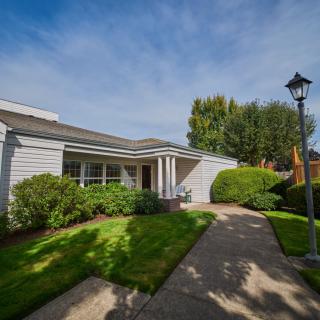



 Urinary Tract Infections in Older Adults: Comprehensive Insights on Symptoms, Treatment, and Prevention
 California's Form 602A: An In-Depth Examination of Senior Care Assessment
 Comprehensive Look at Senior Blood Pressure Charts: Normal and Elevated Levels by Age