
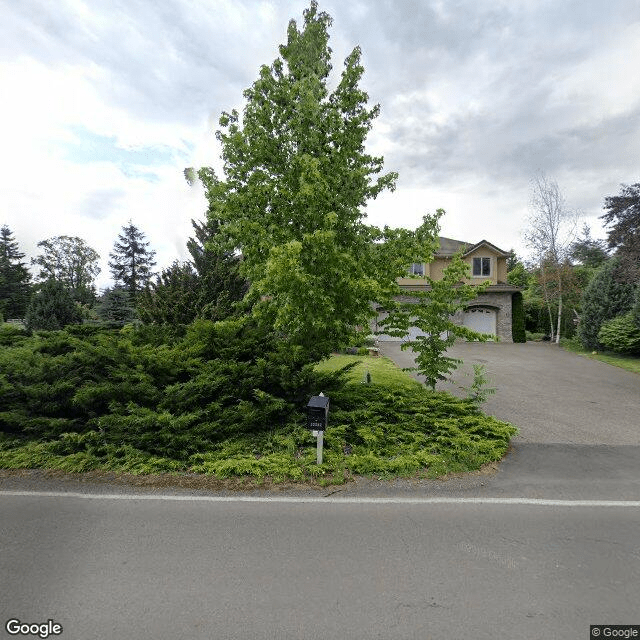
22347 SE Hoffmeister Rd, Damascus, OR 97089
To contact a resident: (503) 756-8910
For more information about senior living options: (866) 208-4318
Heritage Elder Care Estate Costs & Pricing
At Heritage Elder Care Estate, the monthly costs for assisted living are competitively priced, offering a private room or studio at $3,200 each. This rate stands out favorably compared to the average costs in Clackamas County, where similar private accommodations average $3,373 and studios reach approximately $3,916. Additionally, when we look at statewide averages across Oregon - $3,424 for private rooms and $3,815 for studios - Heritage Elder Care Estate provides an attractive option for families seeking quality care without compromising their budget. This balance of affordability and quality makes Heritage a commendable choice for elderly care within the region.
| Floor plans | Heritage Elder Care Estate | Clackamas County | Oregon |
|---|---|---|---|
| Private | $3,200 | $3,373 | $3,424 |
| Studio | $3,200 | $3,916 | $3,815 |
Memory care communities with a similar price nearby
-
from +$300 / mo
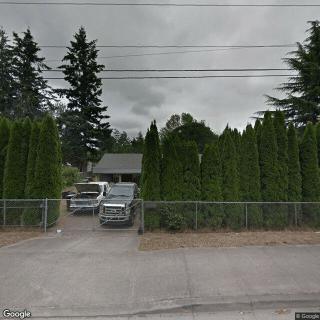
American Living Adult Family Home LLC
$3,500 / month17.0 miles away -
from -$200 / mo
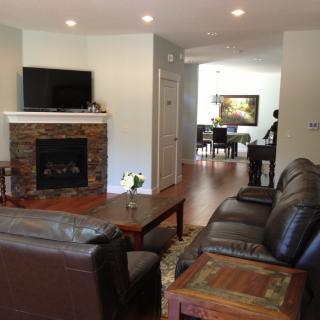
Elder Garden Care Home, LLC
$3,000 / month6.8 miles away -
from +$300 / mo
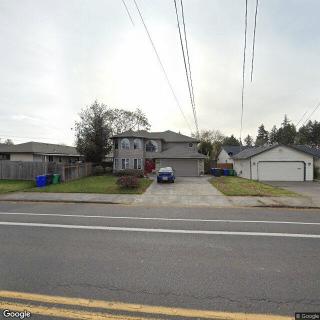
Northwest Home Health
$3,500 to $3,700 / month9.0 miles away -
from -$200 / mo
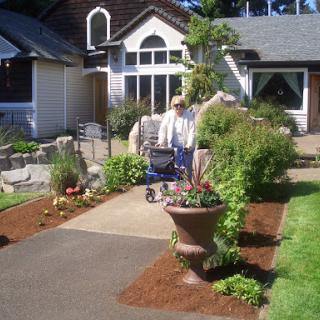
Rivercrest Adult Care
$3,000 to $3,700 / month9.9 miles away -
from -$400 / mo
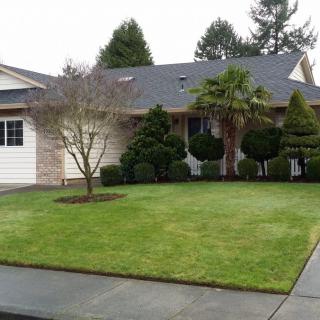
Aging Gracefully Family Home
$2,800 to $3,500 / month14.9 miles away
Overall Review of Heritage Elder Care Estate
Pros
 The care here is outstanding.
- The loved one's condition has improved greatly since being there.
- The reviewer would recommend this community to others for their loved ones.
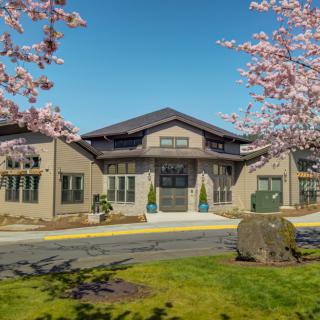
- It is a large house with a beautiful stone façade, and it has a small number of residents.
Review
Heritage Elder Care Estate in Damascus is best suited for families seeking an intimate, home-like environment where residents receive highly attentive, individualized care. The setting, a large house with a stone façade and a small number of residents, signals a quieter, more personalized experience than a sprawling campus. This arrangement is particularly appealing to families who value consistent eyes-on-care and the sense that a smaller community can respond more quickly to changing needs.
The core strength is the care itself. Reviewers describe the care as outstanding and note tangible improvements in their loved ones, with one account specifically highlighting substantial functional or health-related gains after the move. This level of impact suggests a dedicated staff that prioritizes daily well-being, monitors progress closely, and adjusts routines to support recovery and stability. In practice, this translates into a level of reassurance for families that caregiving is not merely routine but actively oriented toward meaningful improvements.
Another decisive advantage is the environment. A large, well-maintained home with a stone façade conveys dignity and warmth, while a small resident count supports individualized attention. Families can reasonably expect that staff are more consistently available for check-ins, one-on-one conversations, and rapid communication about changes in condition or mood. This combination, quality care delivered in a soft, residential setting, tends to reduce the impersonality sometimes found in larger facilities, allowing families to feel more confident in daily oversight.
Who may want to consider alternatives? If a family is prioritizing a broader menu of activities, expansive programming, or more extensive on-site services that resemble a conventional “facility” feel, other communities might better meet those expectations. Similarly, if there is a need for a facility with a larger pool of specialist staff, more frequent on-site therapy options, or a larger social calendar to sustain a robust level of peer interaction, exploring other options could be prudent. In short, the very strengths of Heritage, its intimacy and personalized care, can be a trade-off for families seeking more expansive campus life.
The way the positives interact with potential trade-offs is telling. The standout care quality and the intimate, low-volume setting largely offset concerns about limited programming by delivering outcomes that matter most to families: improvement, trust, and daily safety. When staff can tailor care plans to a resident’s pace and preferences, the likelihood increases that progress will continue and concerns will be addressed promptly. The small community size also means caregivers are more familiar with individual histories, preferences, and subtle shifts in condition, enabling quicker, more precise responses than might occur in busier facilities.
For families weighing this option, the practical path forward is clear: pursue a visit with a focused lens on core decision drivers. Ask about staffing patterns and how care plans are developed and updated as needs evolve. Observe the interaction between residents and caregivers, and inquire about how medical or therapy needs are coordinated within the home setting. If possible, speak with current families about communication with the administrator and the speed with which concerns are resolved. If the aim is to secure highly attentive care in a warm, intimate setting, Heritage Elder Care Estate presents a compelling match; if, instead, breadth of programming and a larger community feel are non-negotiables, alternative communities should be on the shortlist.
 Board and Care Home
 Memory Care
 Activities off-site
 Indoor common areas
 Outdoor common areas
 Private
 Private bathrooms
 Respite or short term stays offered
 Wheelchair accessible showers
 Portland International (14 miles away)
 Diabetic care
 High acuity care
 Incontinence care
 Meals provided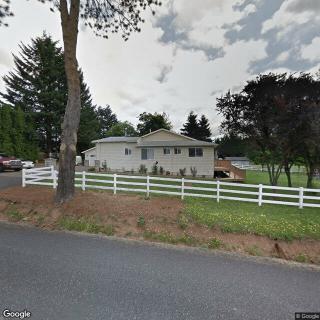


 Comprehending Evening Confusion in Dementia: Causes, Manifestations, and Support
 Delirium and Dementia: Unraveling the Key Differences
 Are Dementia and Alzheimer's Disease Lethal? A Comprehensive Exploration