
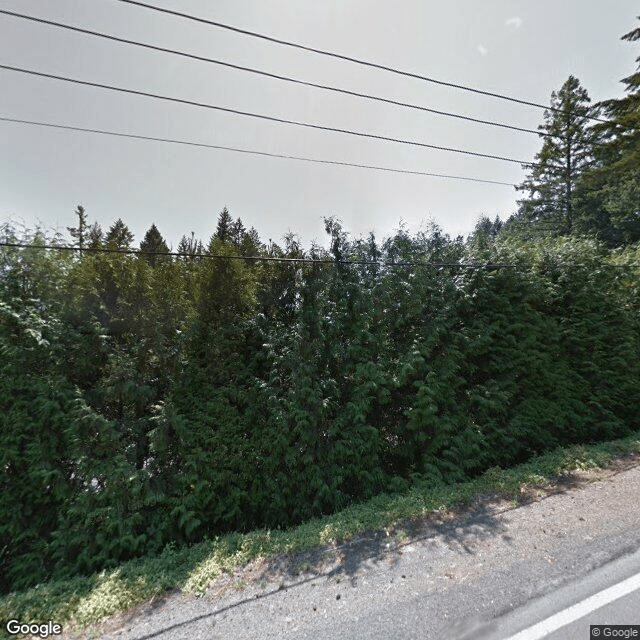
11233 SW 175th Avenue, Beaverton, OR 97007
To contact a resident: (503) 336-0417
For more information about senior living options: (866) 208-4318
Cooper Mountain Adult Care Home Costs & Pricing
Cooper Mountain Adult Care Home offers a range of care options with pricing that reflects its comprehensive services and quality environment. For a private room, residents can expect to pay $5,000 per month, which is significantly higher than the average monthly cost in Washington County ($3,261) and statewide in Oregon ($3,424). Similarly, for a one-bedroom accommodation, the rate at Cooper Mountain rises to $7,000, outpacing the county average of $4,082 and the state average of $3,904. While these costs are above regional norms, they often correspond to the enhanced amenities and personalized care provided by such dedicated facilities.
| Floor plans | Cooper Mountain Adult Care Home | Washington County | Oregon |
|---|---|---|---|
| Private | $5,000 | $3,261 | $3,424 |
| 1 Bedroom | $7,000 | $4,082 | $3,904 |
Memory care communities with a similar price nearby
-
from +$500 / mo
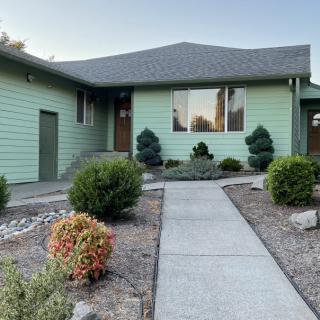
Evergreen Quality Home
$5,500 / month19.8 miles away -
About the same
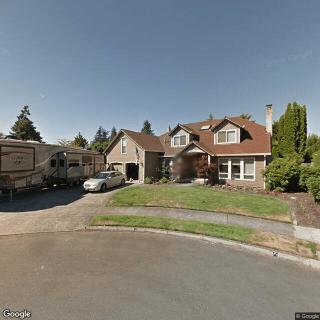
Windsor Gardens
$5,000 / month21.6 miles away -
from -$500 / mo
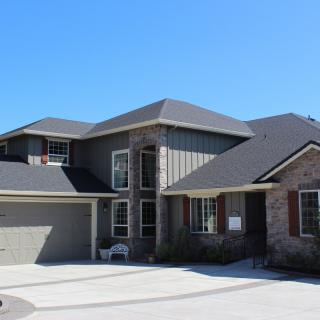
Camas Hills Care Home
$4,500 / month23.9 miles away -
from -$440 / mo
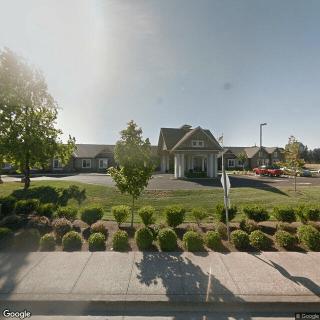
Heartwood Place Memory Care
$4,560 to $4,980 / month19.7 miles away -
from -$500 / mo
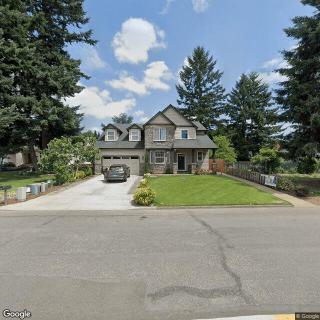
Martin Adult Foster Care
$4,500 / month20.8 miles away
Overall Review of Cooper Mountain Adult Care Home
Pros
 The facility is gorgeous and sits on its own land.
- The home is new and better than anything the father had previously lived in.
- Ioanna treated the father with respect and kindness.
- The meals were home-cooked with ingredients from the garden and nearby farms.
- Residents enjoyed meals together at a large dining table, in friendly surroundings.
- Ioanna sat with him and held his hand, offering compassionate support.
Cons
 Finding a place that would take a male dementia patient was difficult.
- They were scared when they visited potential facilities.
- They saw patients in beds or wheelchairs and staff members standing around chatting with each other, which was not what they wanted for him.
- That was not what they wanted for their father.
Review
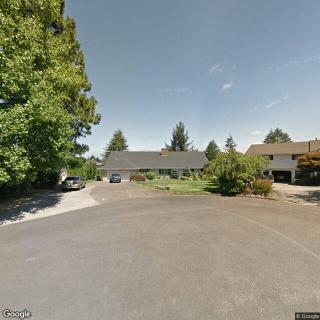
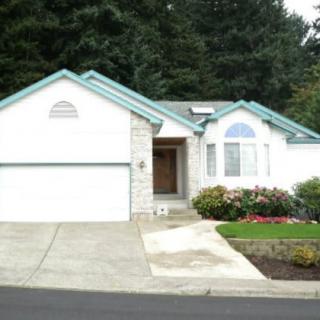
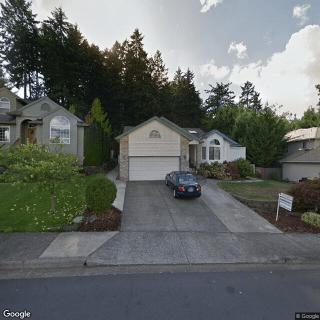
Cooper Mountain Adult Care Home in Beaverton is best suited for families seeking a small, intimate, home-like setting where a dedicated caregiver relationship can redefine quality of life for an elder with dementia or complex needs. The community sits on a hill with its own two-acre lot, offering a calm, residential atmosphere rather than a clinical campus. Residents live in private rooms with private baths and share a common living space for meals and social time, with ample opportunities to be outdoors on a deck or in a garden setting. This is not a fortress of care, but a personal, instead-of-institution experience where daily routines resemble a family-style home more than a nursing residence.
Those who may want to consider alternatives are those who require a more clinical or larger-scale environment. If a family prioritizes aggressive round-the-clock nursing oversight, coupled with expansive activity programs, formal memory-care protocols, or a bustling campus with frequent staff-visible programming, Cooper Mountain may feel too small or too home-centered. For residents needing intensive medical management, frequent skilled-nursing interventions, or quick access to hospital-level services, a larger assisted living or a dedicated memory-care facility could be a more suitable match. In other words, this setting shines for warmth and individualized attention, but it is not designed to mimic a hospital or large campus.
The strongest pros here offset the main trade-offs in a clear, practical way. The setting itself, new construction, tasteful decor, and a scenic landscape, creates an environment where dignity and comfort are prioritized. Private rooms with private baths ensure a sense of privacy rarely found in shared arrangements, while a large dining area and a shared living space promote social interaction without compromising retreat when needed. The meals stand out as a tangible daily benefit: home cooking, harvest-from-the-garden ingredients, poultry raised on-site, and fresh eggs all contribute to a sense of normalcy and well-being that materially improves day-to-day life for a resident with dementia. The personal touch matters even more: Ioanna’s hands-on care and willingness to sit with a resident, guide them through daily routines, and be available to the family when time mattered most translate into consistent, compassionate care.
A critical offset to note is how the setting handles personal dignity and end-of-life moments. The reviewer’s experience emphasizes respect, kindness, and a quiet commitment to ensuring a resident’s comfort. The father lived four years under this roof where meals, routines, and a shared sense of community helped sustain him far beyond expectations. The caregiver’s inclination to engage with the family during transitions, including being present at the end of life, provides emotional security that larger facilities often struggle to deliver in a similarly intimate way. For families evaluating options, this degree of emotional presence and continuity of care can be the decisive factor when medical needs are balanced against daily quality of life.
From a decision-making perspective, Cooper Mountain stands out for families who value a high-touch, home-centered approach to elder care. The combination of a private living arrangement, garden-fresh meals, and a caregiver who treats residents with exceptional respect elevates daily life and creates a reassuring, humane experience for both resident and family. The most compelling question is whether a loved one will thrive in a smaller, more personal setting with less institutional structure, or whether a larger facility with more formal medical oversight is necessary. If the former aligns with the elder’s needs and the family’s expectations, Cooper Mountain represents a compelling, well-executed choice.
In practical terms, families should consider a visit with clear questions about dementia care routines, daily activity options, medication management, and who provides 24/7 supervision. Prospective residents and families should confirm private-room availability, the extent of on-site nursing support, and how meal planning and outdoor time are scheduled on a typical day. The takeaway is clear: this community is a strong match for those who prize warmth, privacy, and deeply personalized care delivered in a serene, home-like setting. For others, particularly those needing more clinical supports or a broader social calendar, alternatives may offer a closer fit.
 Board and Care Home
 Memory Care
 Private
 Private bathrooms
 Wheelchair accessible showers
 Portland International (16 miles away)
 Ambulatory care
 Diabetic care
 High acuity care
 Incontinence care
 Medication management

 A Holistic Dementia Care Guide: Effective Strategies for Memory Support
 Memory Care Pathways: A Holistic Guide to Dementia Support
 Comprehending Evening Confusion in Dementia: Causes, Manifestations, and Support