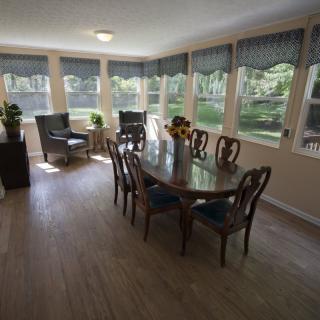
6207 Olentangy River Road, Worthington, OH 43085
To contact a resident: (614) 381-9665
For more information about senior living options: (866) 208-4318
Our Family Home at Olentangy River Road Costs & Pricing
Our Family Home at Olentangy River Road presents competitive pricing within the broader context of Franklin County and Ohio. For a one-bedroom unit, the monthly cost is set at $8,000, significantly higher than the county average of $3,645 and the state average of $3,712. This trend continues with private rooms also priced at $8,000, compared to Franklin County's average of $5,499 and Ohio's average of $4,771. While Our Family Home does position itself at a premium price point relative to local and state averages, it likely reflects a commitment to high-quality care and amenities that could justify this investment for families seeking exceptional resident experiences.
| Floor plans | Our Family Home at Olentangy River Road | Franklin County | Ohio |
|---|---|---|---|
| 1 Bedroom | $8,000 | $3,645 | $3,712 |
| Private | $8,000 | $5,499 | $4,771 |
Memory care communities with a similar price nearby
-
About the same
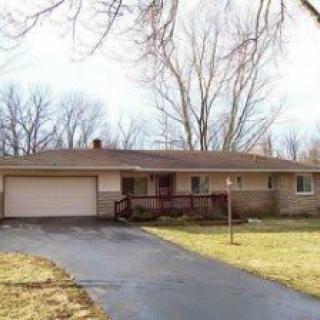
Our Family Home at Tonti Dr
$8,000 / month4.4 miles away -
About the same
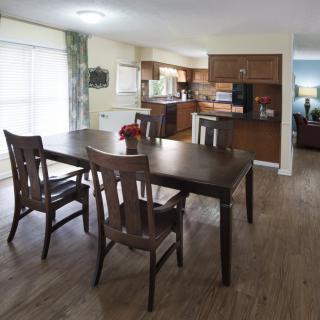
Our Family Home at Longview Drive
$8,000 / month4.0 miles away -
About the same
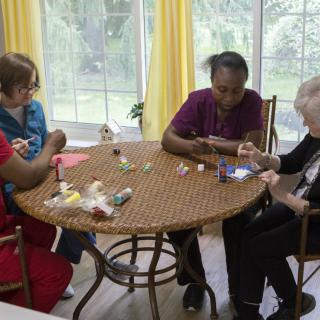
Our Family Home at Worthington Galena Road
$8,000 / month1.6 miles away -
About the same
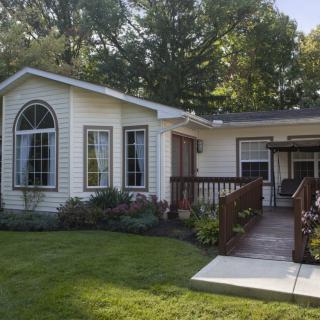
Our Family Home at Northigh Drive
$8,000 / month2.0 miles away -
About the same
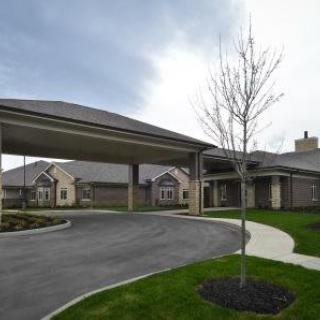
The Ganzhorn Suites of Powell
$7,850 to $9,050 / month6.5 miles away
Overall Review of Our Family Home at Olentangy River Road
Pros
 The private home with only five residents is a very nice facility offering total care including memory in a personal setting.
- The staff are very supportive of residents and provide person-centered care, making communication and collaboration easy for hospice workers.
- The home is a good environment for loved ones: clean, helpful, and feels safe, with attentive on-site staff ensuring residents are cared for and made comfortable.
- The on-site staff are very attentive to residents, giving families the sense that their loved one would be taken care of and made comfortable.
Review
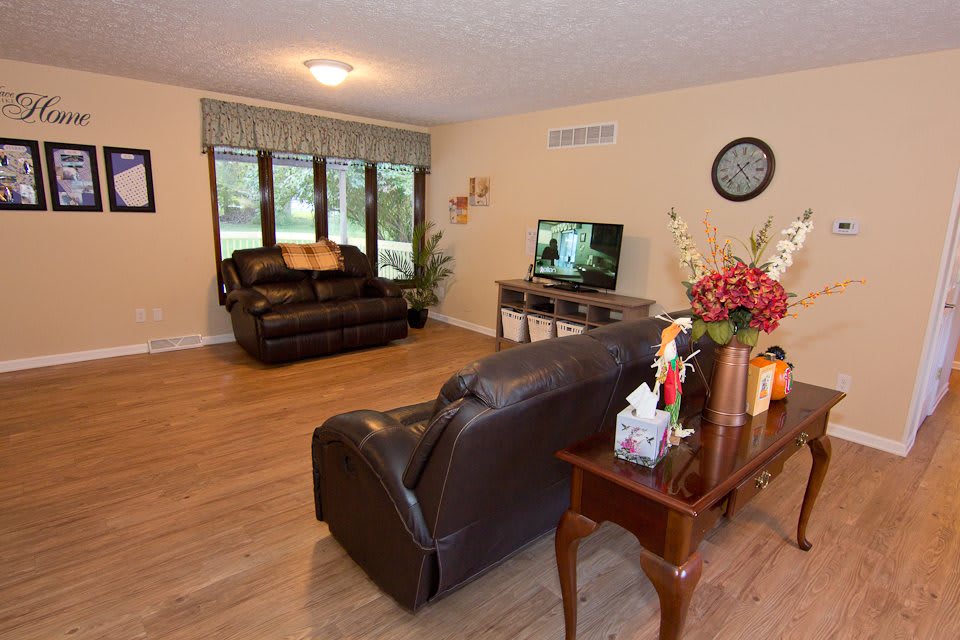
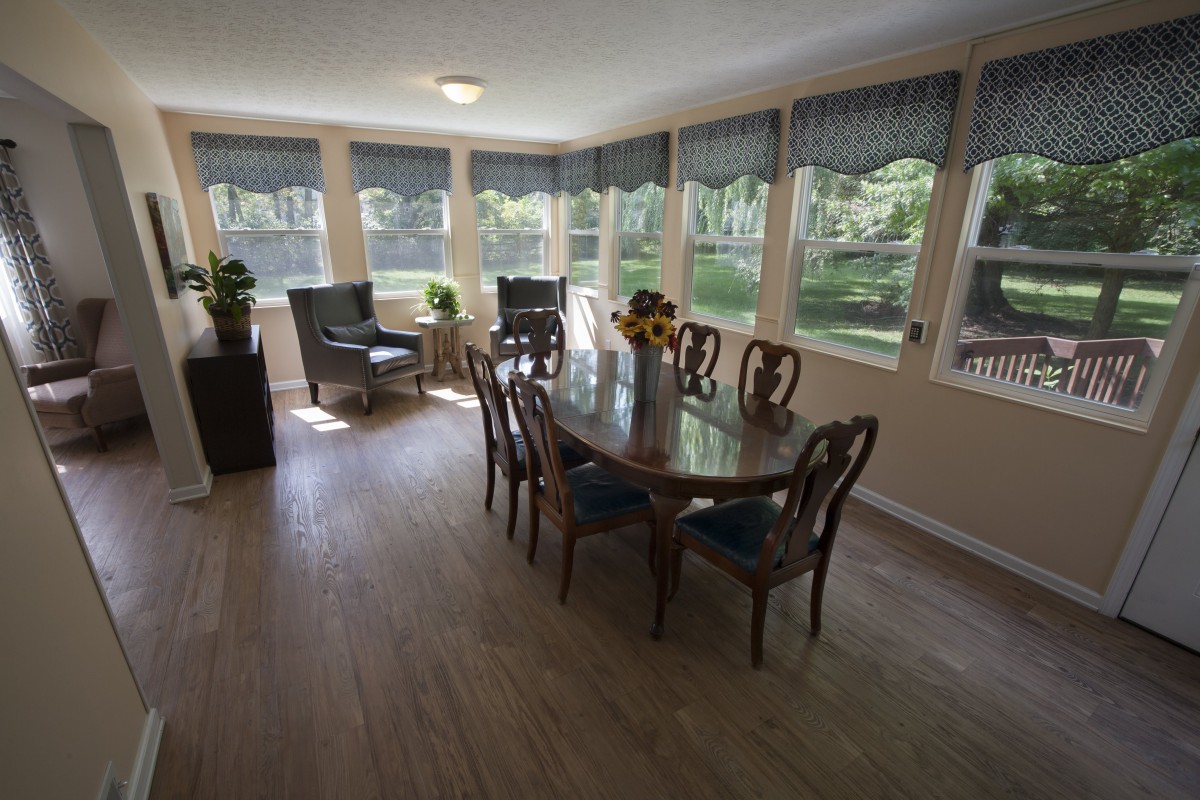
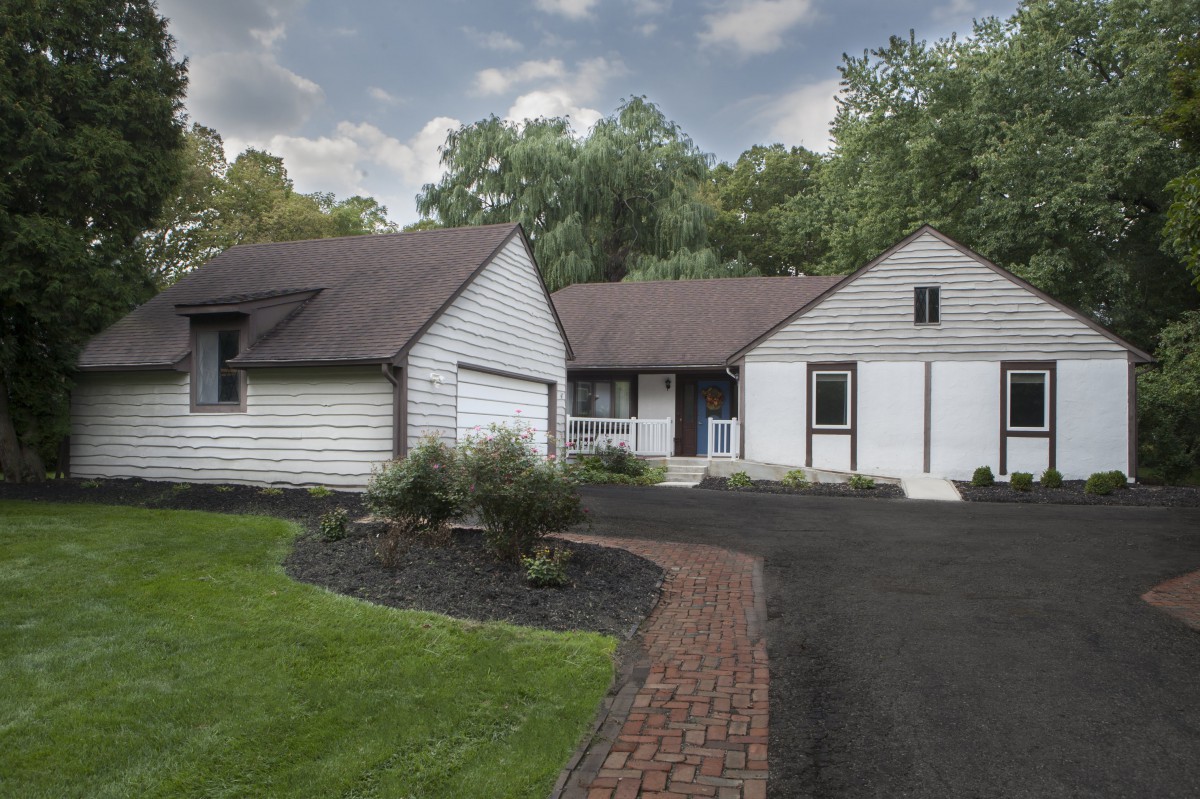
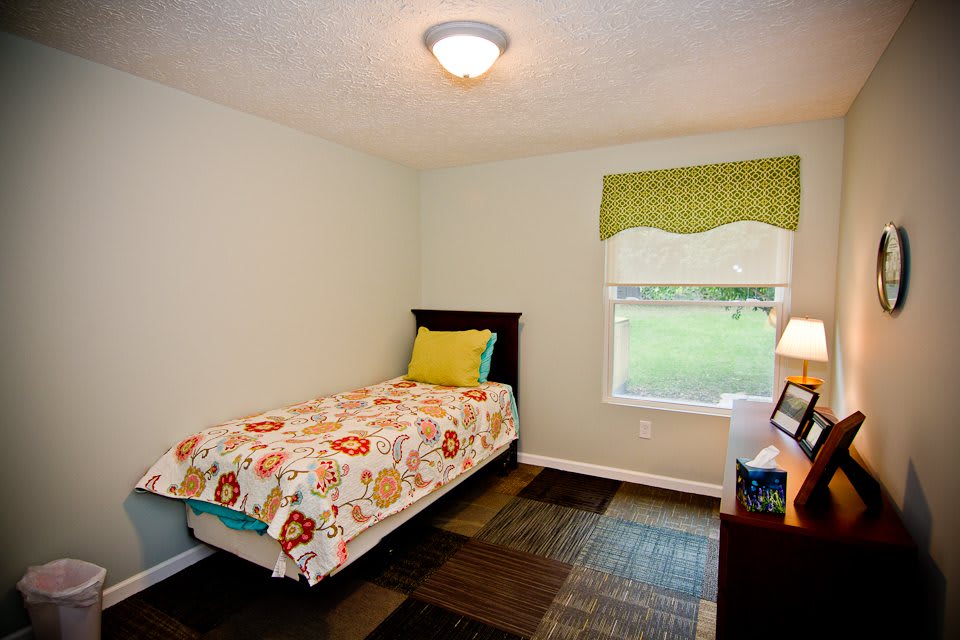
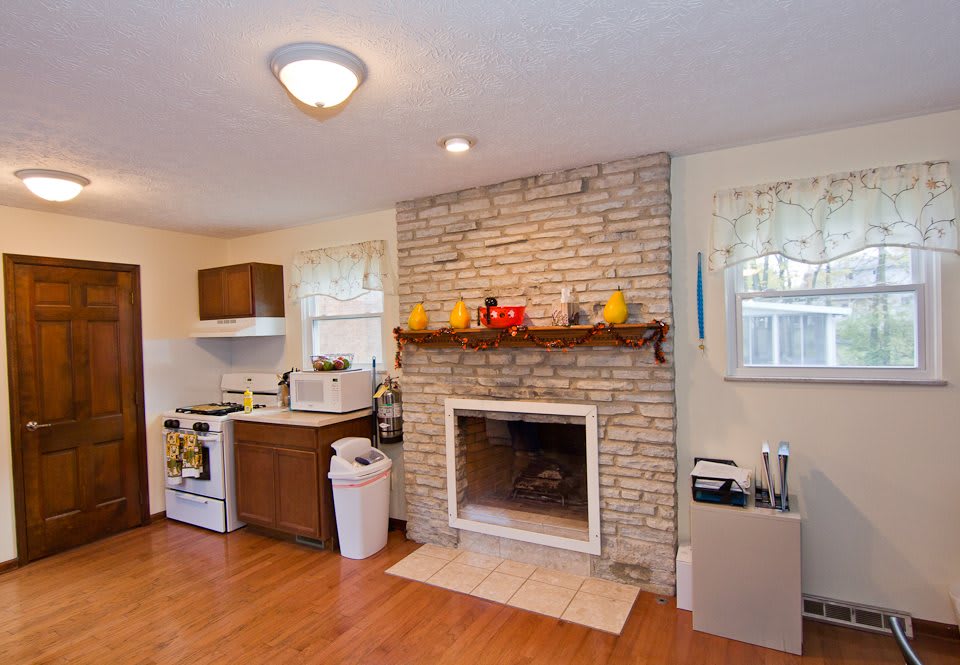
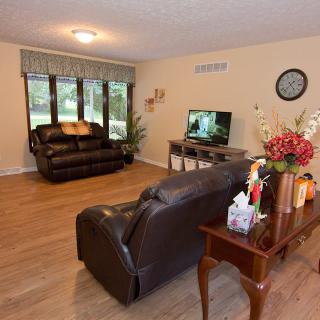
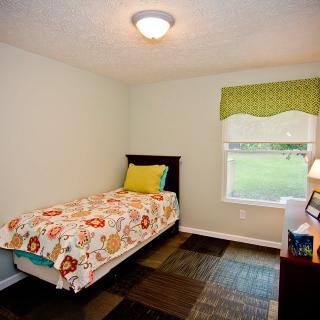
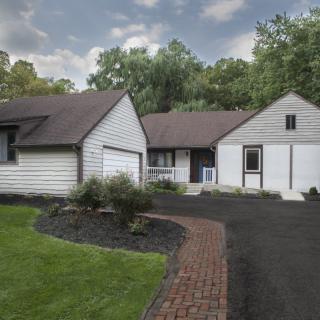
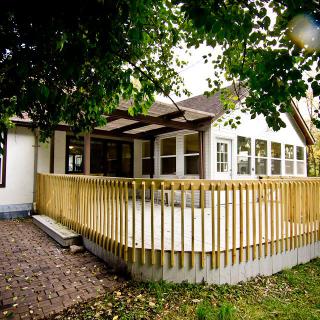
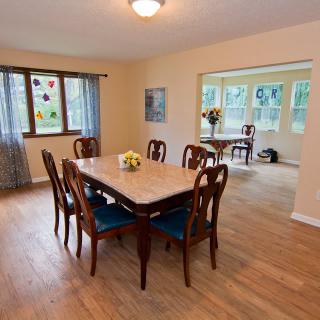
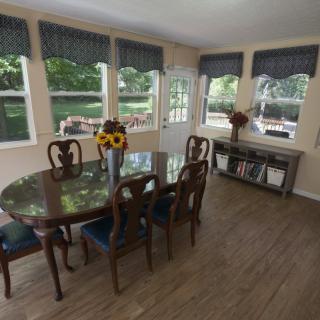
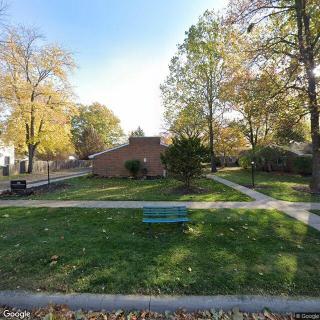
This community is best suited for families seeking a true home-like setting where a loved one receives highly personalized, comprehensive care. Our Family Home at Olentangy River Road is a private residence converted to care, housing just five residents, which creates an intimate, non-institutional atmosphere. It offers total care, including memory support, in a setting that prioritizes individual routines and familiar surroundings over clinical formality. For seniors who benefit from steady, predictable care and a strong sense of safety, this small-scale environment delivers the kind of steady stewardship that can ease transition anxiety and reduce confusion for residents and families alike.
Those weighing options should consider alternatives if the goal is a larger, more traditional assisted living with broader programming or more extensive on-site medical resources. If 24/7 nursing coverage, rapid access to a wider team of specialists, or a structured activity calendar with diverse enrichment options are essential, a bigger community is likely a better fit. Similarly, for residents who require frequent rehabilitation services, a formal memory-care floor, or extensive social programming, a multisite operation may deliver the breadth of services that a private home setting cannot match.
The strongest positives, an extremely intimate setting, person-centered care, and easy communication with caregivers, tend to offset the potential drawbacks of a smaller scale. The five-resident model translates into highly customized attention, with staff who know each resident’s history, preferences, and daily rhythms. This fosters continuity and reduces the risk of missed cues. And because memory care is embedded in the care plan, residents facing cognitive challenges receive tailored strategies in a familiar home, which often lowers agitation and improves comfort. The ease of collaboration with hospice and other caregivers further lightens the load for families navigating complex care needs.
Cleanliness, safety, and attentiveness emerge as practical strengths in daily life at the home. Reviews describe a setting that feels safe and well cared-for, with on-site staff who are consistently attentive. Families report peace of mind knowing a trusted caregiver is close by, and that a resident’s comfort and dignity are prioritized in routine, daily decisions. The home-like atmosphere also supports quieter, less clinical interactions, which can be especially meaningful for residents who value privacy and routine over the stimulation found in larger communities. In sum, the combination of a warm environment and steady caregiver relationships creates a compelling value for those who prize stability and personal connection.
Acknowledge the trade-offs inherent in the small model. The most noticeable potential limits are fewer social opportunities and a narrower pool of activities than larger facilities can provide, along with reliance on a small team for all aspects of care. While the memory-care component is included, questions about 24/7 nursing coverage, emergency response, and the availability of specialized therapists deserve direct answers during a tour. Prospective families should verify care planning processes, medication management practices, and the schedule of visits from any needed specialists. Understanding these logistical details helps ensure the intimate advantage does not become a bottleneck in demanding times.
For families choosing this community, the decision rests on weighing warmth, safety, and individualized care against breadth of programming and resource depth. It is well-suited for those who want to see a familiar caregiver every day, prefer a quiet, homelike routine, and value seamless communication with the care team and hospice partners. If the priority is to minimize transitions and maximize a resident’s sense of belonging in a small, respectful setting, this option stands out. Conduct a focused tour with questions about staffing patterns, memory-care strategies, emergency procedures, and family involvement, and assess whether the home’s pace and culture align with the specific needs and personality of the individual being considered.
 Board and Care Home
 Memory Care
 Activities on-site
 Bath tubs
 Beautician on-site
 Devotional services off-site
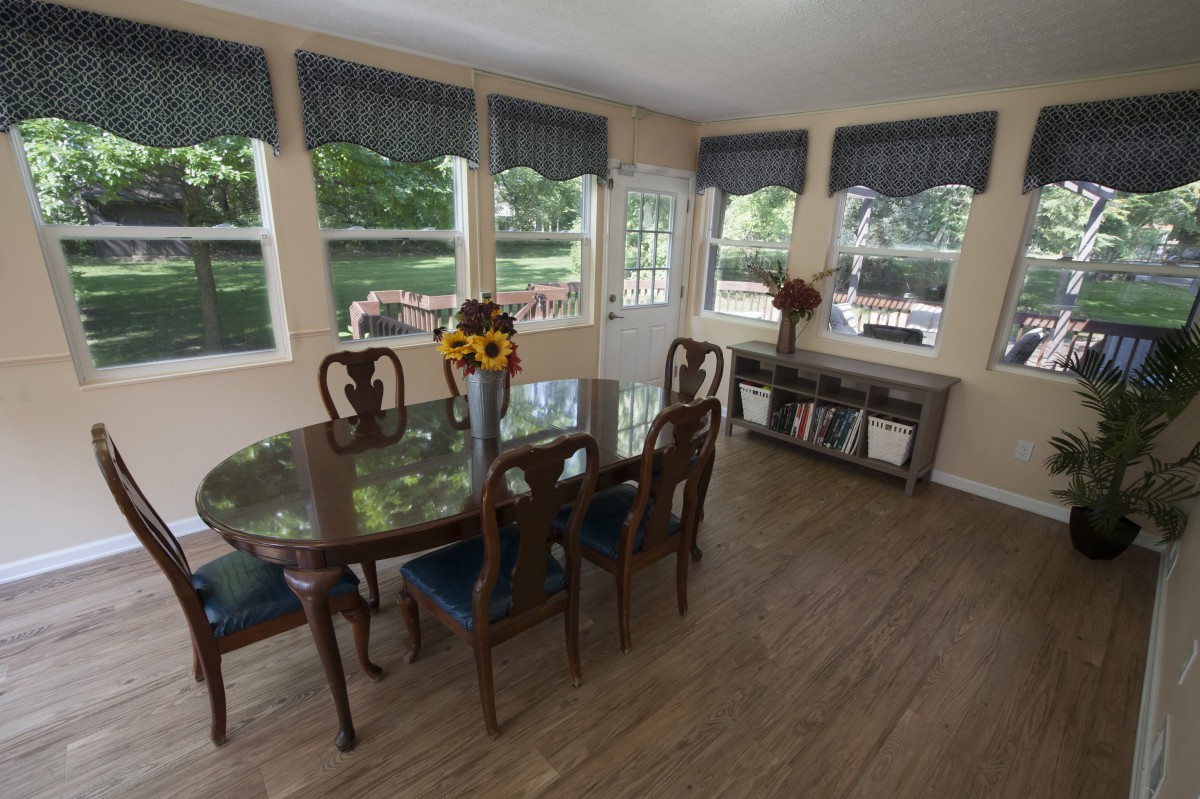
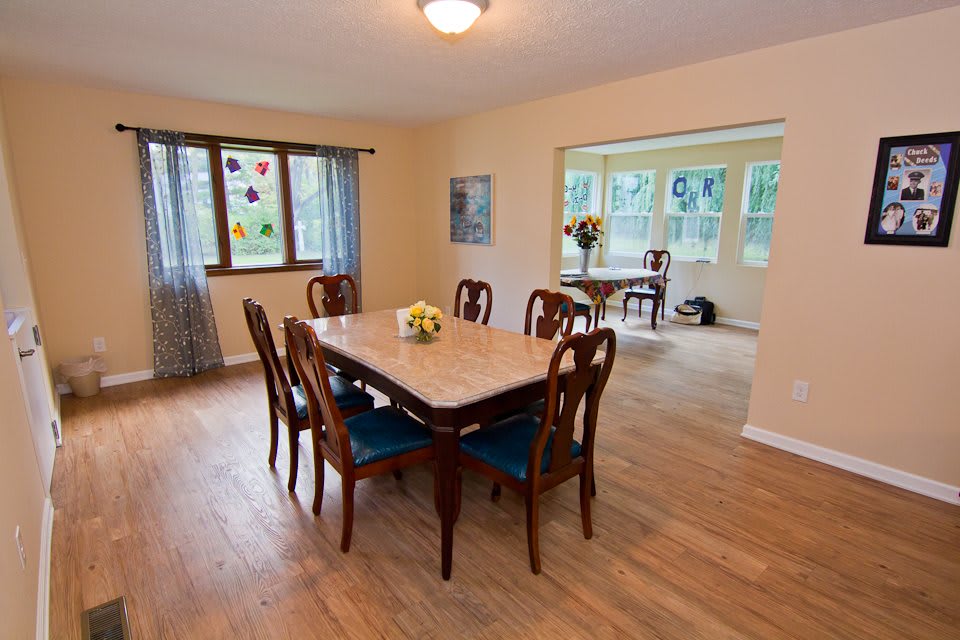
 Indoor common areas
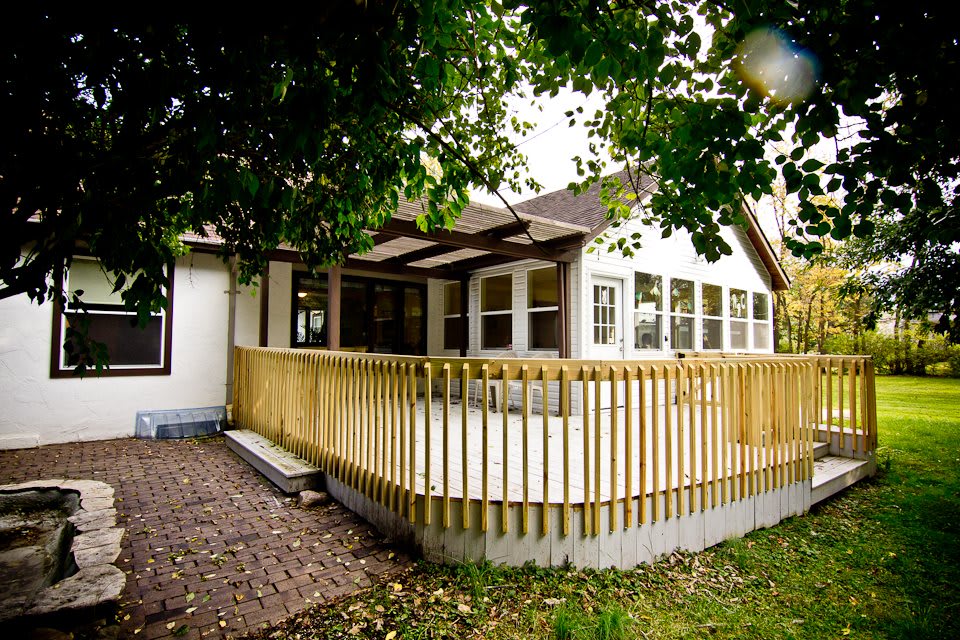
 Outdoor common areas
 Private
 Respite or short term stays offered
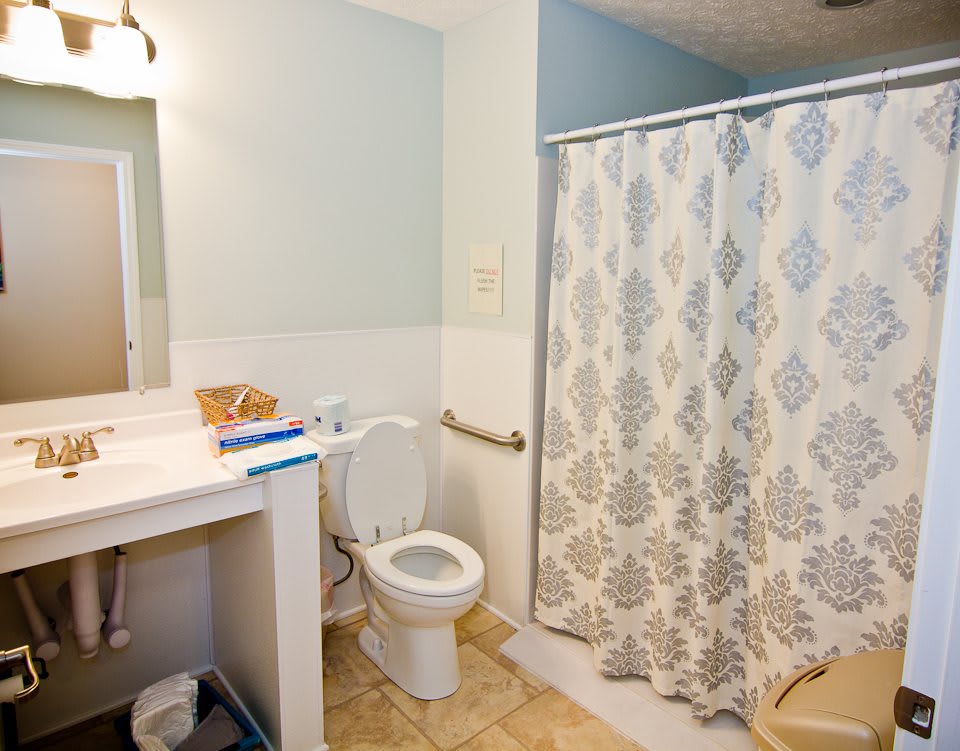
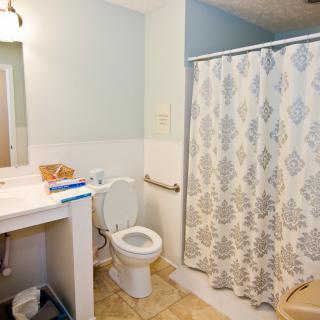
 Wheelchair accessible showers
 John Glenn Columbus International Airport (10 miles away)
 Ambulatory care
 Diabetic care
 High acuity care
 Incontinence care
 Medication management
 Meals provided




 How and When Medicaid May Cover Assisted Living Costs
 A Detailed Exploration of Assisted Living Medicaid Waivers Across the United States
 Exploring the Contrasts Between Assisted Living and Skilled Nursing