For more information about senior living options: (866) 208-4318
4 from 128 reviews
5 stars
81
4 stars
14
3 stars
7
2 stars
3
1 stars
23
Mcnaughten Pointe Nursing And Rehab Costs & Pricing
Mcnaughten Pointe Nursing and Rehab offers a range of room types with monthly costs that reflect the quality of care and services provided. For a semi-private room, residents will incur a fee of $4,950, which is slightly above Franklin County's average of $4,507 and significantly higher than Ohio's state average of $3,965. Private accommodations are offered at $5,250, aligning closely with the county average of $5,499 while remaining higher than the state's typical cost of $4,771. The facility also features one-bedroom and studio options priced at $5,250 and $6,000 respectively; both rates exceed local averages - with one-bedroom units in Franklin County averaging just $3,645 and studios at approximately $3,788. Overall, while Mcnaughten Pointe's costs are on the higher side compared to county and state averages, they may reflect the enhanced level of care and amenities that residents can expect at this facility.
Floor plans
Mcnaughten Pointe Nursing And Rehab
Franklin County
Ohio
Semi-Private
$4,950
$4,507
$3,965
Private
$5,250
$5,499
$4,771
1 Bedroom
$5,250
$3,645
$3,712
Studio
$6,000
$3,788
$3,727
Skilled Nursing Facilities with a similar price nearby
from +$250 / mo
Middleton
4.8 from 92 reviews
$5,200 to $7,500 / month
18.6 miles away
About the same
Cherry Blossom Senior Living
4.2 from 87 reviews
$4,970 to $6,645 / month
2.1 miles away
from -$600 / mo
Johnstown Pointe Nursing & Rehabilitation Center
4.3 from 50 reviews
$4,350 to $6,000 / month
16.0 miles away
from -$950 / mo
Columbus Colony Elderly Care
4.1 from 41 reviews
$4,000 to $6,600 / month
10.6 miles away
About the same
West Park Rehabilitation Center Skilled Nursing and Memory Care
Overall Review of Mcnaughten Pointe Nursing And Rehab
differentiator13 reviews mention this
Therapy and respiratory care stand out
Therapy and respiratory support are repeatedly described as helping residents improve.
Residents mention progress during rehabilitation and skilled nursing, including regaining mobility and completing therapy goals. Several reviewers specifically highlight respiratory needs, including trachea and ventilator-related care, and describe successful weaning or removal. People also credit therapy teams (PT/OT and related services) with helping residents learn skills again.
common38 reviews mention this
Staff kindness and responsiveness
Residents and families describe staff who are caring and attentive to day-to-day needs.
Across reviews, families frequently say staff are kind, friendly, and professional. Multiple people describe staff taking time, keeping them informed, and treating residents with dignity. Some reviewers even mention particular roles (nurses, aides, social services) and describe how that care affected peace of mind for their family.
common10 reviews mention this
Clean facility and upkeep
Many reviews point to a facility that stays clean and well maintained.
Several residents and families describe the building as very clean, sometimes also noting no unpleasant odor. Others mention cleanliness during visits and describe the environment as maintained. A smaller set of reviews contradict this and describe odors, cleanliness concerns, or unclean conditions, which is worth weighing.
common8 reviews mention this
Activities and spiritual support
Activities and spiritual programming show up consistently in resident experiences.
Reviews mention community-sponsored activities, plus daily scheduled programming and off-site or planned outings. Church services and devotional activities are also brought up by multiple reviewers. Families describe events that helped residents stay engaged rather than just pass the time.
caveat6 reviews mention this
Call-light and communication complaints
Some reviews report slow responses and communication problems.
A recurring concern is difficulty getting prompt help, including call lights taking a long time to be answered. Others describe phones not being answered or calls not being returned, and mention a difference between day and night experience. These complaints appear alongside the much larger set of positive staff responsiveness stories.
caveat7 reviews mention this
Concerns about basic care follow-through
A minority of reviews describe missed or delayed basic care.
Some critical reviews allege residents went too long without assistance or that basic needs weren’t met in time. A few mention issues with bathing, toileting support, or delays that led to distress, falls, or health decline. Because these accounts conflict with the many reports of skilled, attentive care, it’s best to treat them as signals to ask specific questions and clarify expectations before choosing.
How we summarize
Counts show how many written reviews mention each theme; a review can touch several themes, and only frequently mentioned themes are displayed.
Features
Housing
141 resident community capacity
Types of Care
Memory Care
Skilled Nursing Facility
Amenities
Activities off-site
Activities on-site
Air-conditioning
Bath tubs
Beauty salon
Cable or satellite TV
Computer center
Devotional services off-site
Devotional services on-site
Dining room
Fitness room
Fully furnished
Gaming room
Garden
Housekeeping services
Indoor common areas
Kitchenette
Move-in coordination
Outdoor common areas
Outdoor space
Private
Private bathrooms
Respite or short term stays offered
Restaurant-style dining
Small library
Telephone
Wellness center
Wheelchair accessible showers
Wi-Fi/high-speed internet available
Transportation
John Glenn Columbus International Airport (4 miles away)
Community operated transportation
Transportation arrangement
Transportation arrangement (non-medical)
Transportation to doctors appointments
Care Services
12-16 hour nursing
24-hour call system
24-hour supervision
Activities of daily living assistance
Assistance with bathing
Assistance with dressing
Assistance with transfers
Diabetes diet
Diabetic care
High acuity care
Incontinence care
Meal preparation and service
Medication management
Mental wellness program
Special dietary restrictions
Dining
Diabetes diet
Meals provided
Special dietary restrictions
Activities
Activities off-site
Activities on-site
Community-sponsored activities
Concierge services
Devotional activities offsite
Devotional activities on-site
Fitness programs
Planned day trips
Resident-run activities
Scheduled daily activities
Videos
Nearby Places of Interest
Restaurants
Taco Bell (1 miles)
Jolly Pirate Donuts (1.4 miles)
Waffle House (1.7 miles)
White Castle (2.5 miles)
Culver's (2.6 miles)
McDonald's (2.7 miles)
Chipotle Mexican Grill (2.9 miles)
Physicians
Stonegate Family Health (1.2 miles)
Us Healthworks (1.3 miles)
Grant Family Medicine/Eastside Surgery Center (1.4 miles)
Retina Group (2.2 miles)
Ohio ENT & Allergy Physicians (2.3 miles)
Orthopedic One (2.4 miles)
East Columbus Oral Surgery Specialists (2.4 miles)
Pharmacies
Kroger Pharmacy (1.3 miles)
CVS Pharmacy (1.4 miles)
Walgreens (1.6 miles)
Walgreens (1.7 miles)
CVS Pharmacy (1.8 miles)
Sermonix Pharmaceuticals (2.7 miles)
CVS Pharmacy (2.9 miles)
Parks
John Bishop Memorial Park (1.7 miles)
Blacklick Woods Metro Park (1.8 miles)
Huber Park (2.1 miles)
Civic Park (2.3 miles)
Places of Worship
The Cross Walk Church (1.8 miles)
Macedonian Orthodox Cathedral (2.6 miles)
St Pius X School (2.8 miles)
Grace Fellowship (3.7 miles)
St Catharine Church (4.3 miles)
Hospitals
Mount Carmel East (2 miles)
Ohio State University Hospital East (6.4 miles)
Cafes
Starbucks (2.3 miles)
Starbucks (3 miles)
Starbucks (3.9 miles)
Starbucks (4.2 miles)
Starbucks (4.7 miles)
Transportation
U-Haul Rentals (2.8 miles)
Concourse B (3.9 miles)
TSA Security Checkpoint A (4 miles)
TSA Pre-Check B (4 miles)
TSA Security Checkpoint B (4 miles)
CMH Passenger Drop-off / Pick-up (4 miles)
John Glenn Columbus International Airport (CMH) (4.1 miles)
Mcnaughten Pointe Nursing and Rehab offers a range of room types with monthly costs that reflect the quality of care and services provided. For a semi-private room, residents will incur a fee of $4,950, which is slightly above Franklin County's average of $4,507 and significantly higher than Ohio's state average of $3,965. Private accommodations are offered at $5,250, aligning closely with the county average of $5,499 while remaining higher than the state's typical cost of $4,771. The facility also features one-bedroom and studio options priced at $5,250 and $6,000 respectively; both rates exceed local averages - with one-bedroom units in Franklin County averaging just $3,645 and studios at approximately $3,788. Overall, while Mcnaughten Pointe's costs are on the higher side compared to county and state averages, they may reflect the enhanced level of care and amenities that residents can expect at this facility.
Mcnaughten Pointe Nursing And Rehab offers a comprehensive suite of features tailored to enhance the quality of life for residents with dementia or Alzheimer's disease. The 24-hour supervision ensures that residents receive immediate support and safety, reducing anxiety for both them and their families. Assistance with activities of daily living, such as bathing and dressing, promotes dignity while fostering independence in a secure environment. Help with transfers mitigates the risk of falls, which is particularly important for individuals with cognitive impairments. Incontinence care addresses hygiene and comfort issues sensitively, while meal preparation and service cater to nutritional needs, which is crucial for overall health. Medication management helps ensure adherence to prescribed treatments, minimizing complications related to memory loss. Finally, the mental wellness program engages residents cognitively and socially, stimulating brain function and enhancing emotional well-being through tailored activities designed to resonate with their interests and capabilities.
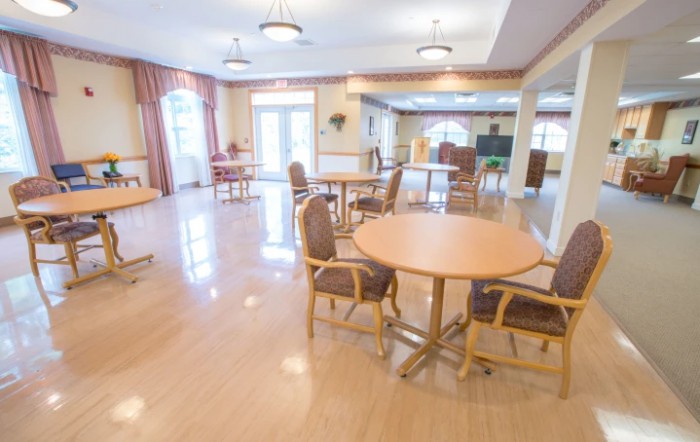
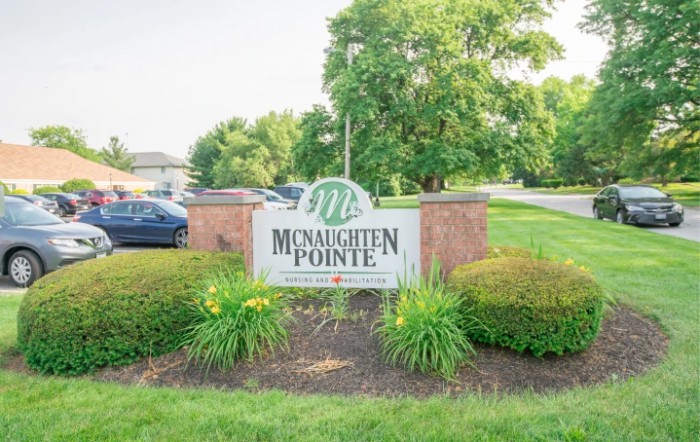
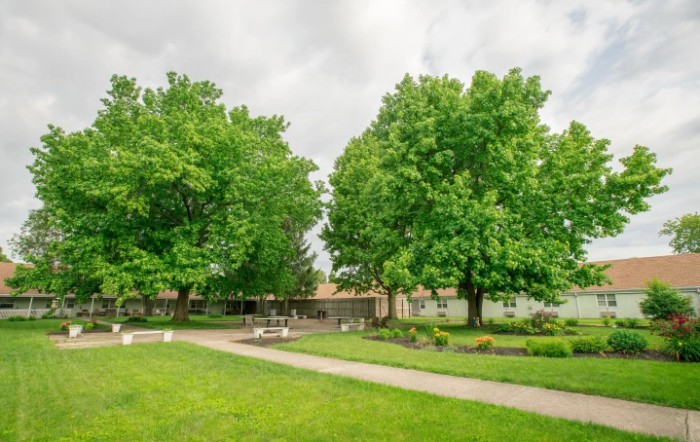
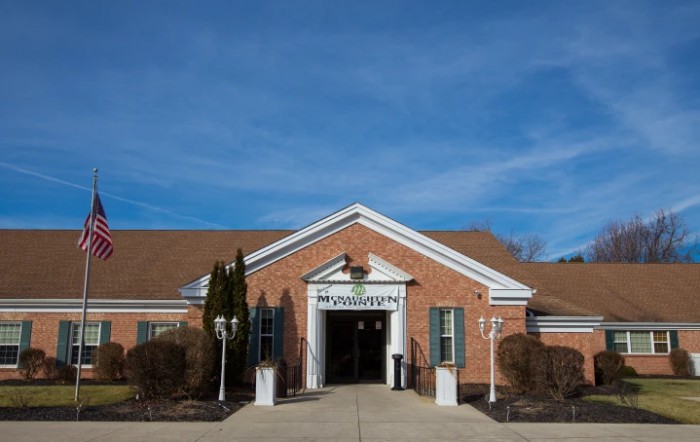
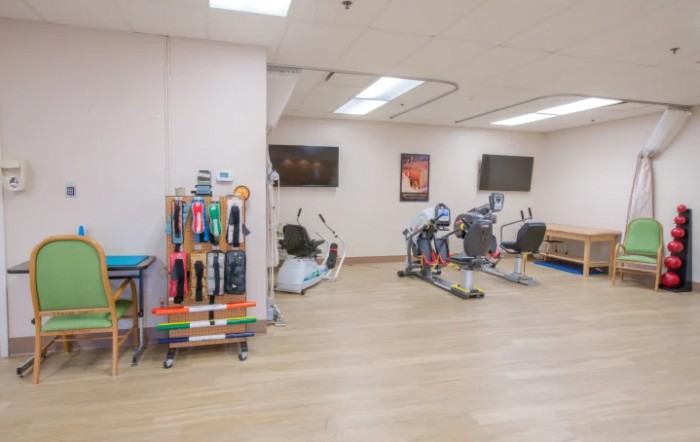
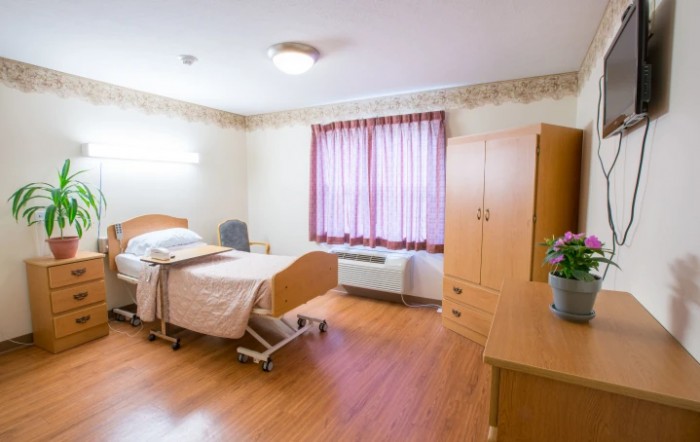
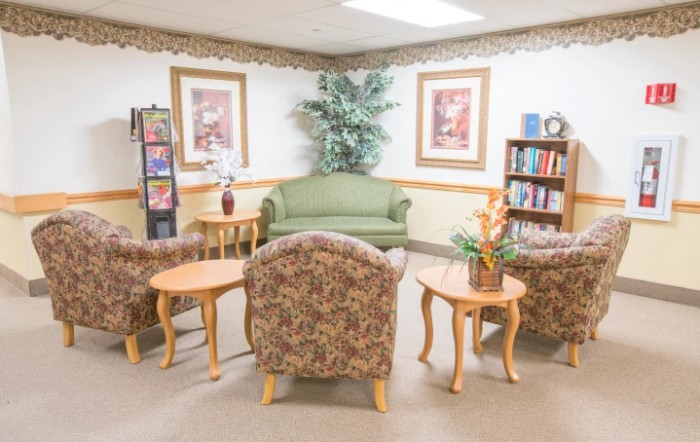
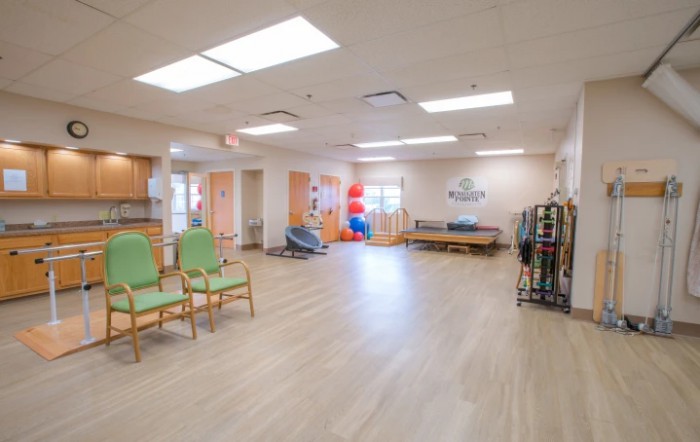
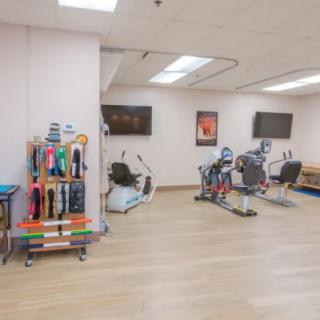
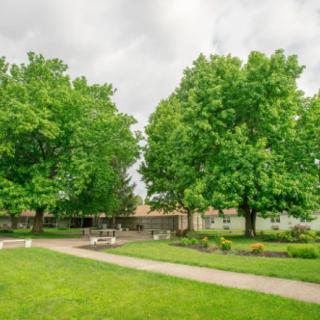
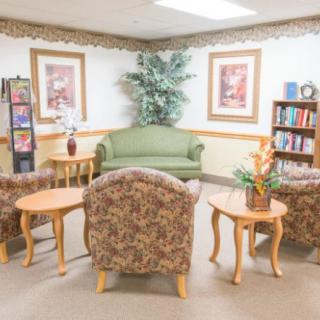
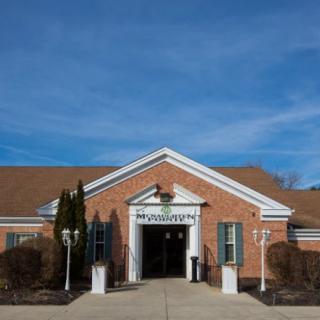
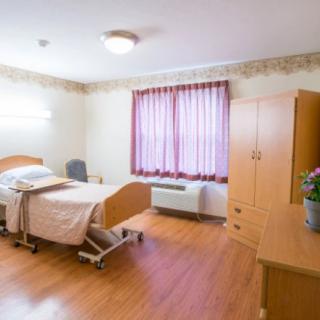
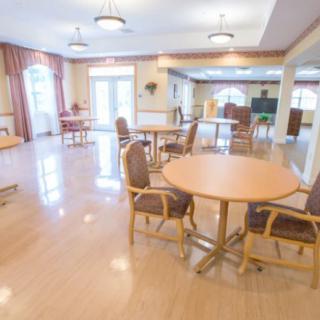
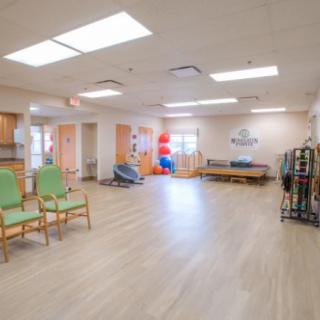
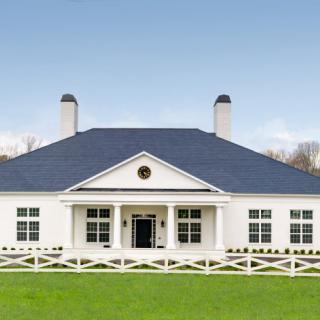
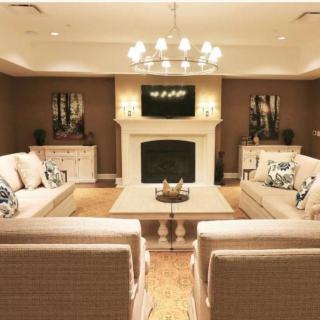
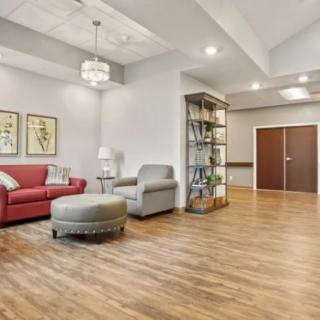
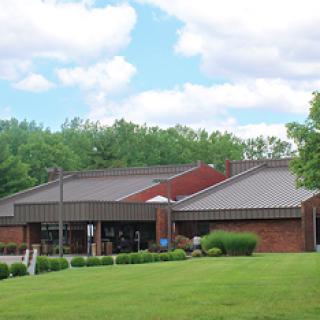
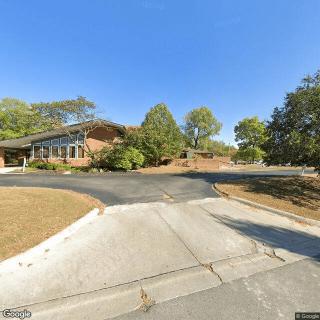
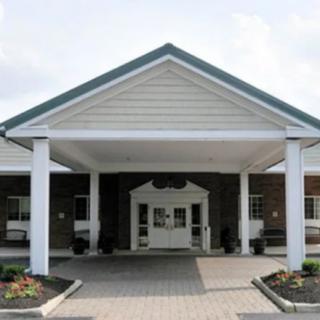
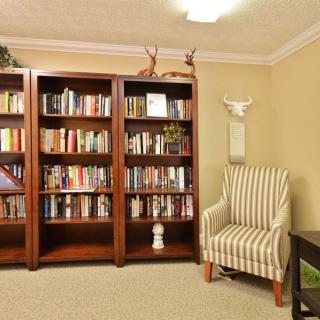
Mcnaughten Pointe Nursing And Rehab on seniors.fyi includes 8 photos including images showing interior, landscaping, entrance, physical therapy, dining, lights, building, apartment complex, and more.
Nearby Communities
Perfect Life Choices, LLC
Columbus, OH
4.8 from 4 reviews
$4,000 to $5,000 / month
Specialized Memory Care with medication management and engaging activities.
Creative Living Arrangements
Columbus, OH
5 from 3 reviews
$1,500 / month
Very affordable private-room option with private accommodations and on-site/off-site activities.
Comfortable Housing
Reynoldsburg, OH
$3,500 / month
Affordable private rooms with comprehensive care and on-site activities.
Senior Home Choice
Reynoldsburg, OH
4.4 from 18 reviews
$4,200 to $4,800 / month
Caring, attentive staff in a home-like environment.
ComForcare Senior Services Reynoldsburg
Reynoldsburg, OH
4.2 from 23 reviews
Friendly, professional staff with consistent caregivers and prompt, helpful communication.
Cherish Home Life
Columbus, OH
Excellent access to amenities and healthcare nearby.
Majestic Care Of Whitehall
Whitehall, OH
2.9 from 52 reviews
Extensive amenities with 24/7 supervision and nursing support.
The Woodlands Of Columbus
Columbus, OH
4.4 from 120 reviews
$3,550 to $4,250 / month
Attentive staff, clean facilities, engaging activities, and a warm, home-like atmosphere.
Homestead Village Columbus
Blacklick, OH
4.3 from 21 reviews
Prime location with abundant nearby dining, parks, and healthcare.
Dementia encompasses progressive neurological disorders that impair cognitive functions and can lead to paranoia due to cognitive decline and emotional changes. The article discusses the triggers of paranoia in dementia, caregiver strategies for managing it, and the importance of distinguishing between dementia-related paranoia and other psychiatric conditions.
Memory care activities are essential for improving the quality of life of seniors with cognitive impairments, as they stimulate cognitive function, promote well-being, and encourage social interaction through tailored strategies. These activities combine structured exercises with spontaneous tasks, sensory engagement, physical workouts, creative pursuits, and intergenerational interactions to enhance emotional connection and a sense of purpose.
Transitioning from assisted living to memory care is driven by an individual's cognitive decline and specific needs, requiring careful evaluation of indicators like increased confusion and wandering. The process involves consulting medical professionals, researching suitable communities, considering financial and legal aspects, and ensuring effective communication for personalized care plans.
Exercise Equipment, Gym, Rehabilitation, and Workout Space
Physical Therapy
Apartment Complex
Exercise Room
Get PricingAsk A QuestionSchedule A TourContact Senior Advisor
By clicking submit, you agree to our Partner's Terms of Use. You
also consent to receive calls and texts, which may be autodialed, from our Partner. Your consent is not a condition to
using our Partner's service. Please visit our Partner's Privacy Policy for information about their privacy practices.

 141 resident community capacity
 Memory Care
 Skilled Nursing Facility
 Activities off-site
 Air-conditioning
 Bath tubs
 Beauty salon
 Cable or satellite TV
 Computer center
 Devotional services off-site
 Dining room
 Fitness room
 Fully furnished
 Gaming room
 Garden
 Housekeeping services
 Indoor common areas
 Kitchenette
 Move-in coordination
 Outdoor common areas
 Private
 Private bathrooms
 Respite or short term stays offered
 Restaurant-style dining
 Small library
 Telephone
 Wellness center
 Wheelchair accessible showers
 Wi-Fi/high-speed internet available
 John Glenn Columbus International Airport (4 miles away)
 Community operated transportation
 12-16 hour nursing
 24-hour call system
 Assistance with bathing
 Assistance with dressing
 Assistance with transfers
 Diabetes diet
 Diabetic care
 High acuity care
 Incontinence care
 Medication management
 Mental wellness program
 Special dietary restrictions
 Concierge services
 Planned day trips
 Specialized Memory Care with medication management and engaging activities.


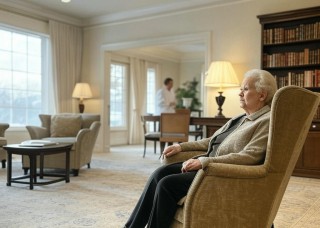 Dementia, Paranoia, and Caregiver Guidance: Understanding the Connection
 Engaging Memory Care Activities That Enhance Quality of Life
 When to Transition from Assisted Living to Memory Care: Key Indicators, Steps, and Finding the Right Community