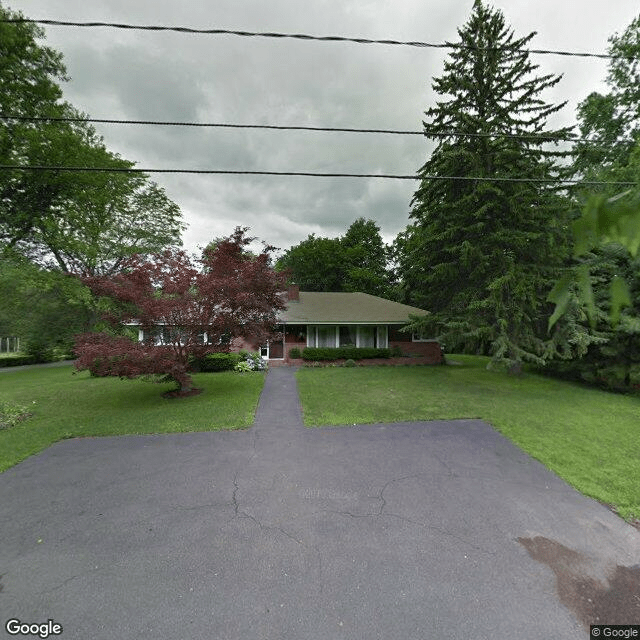
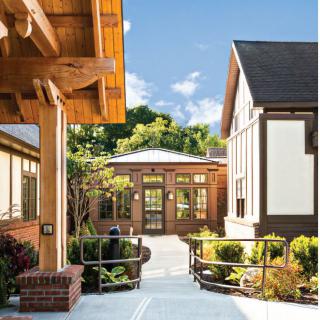
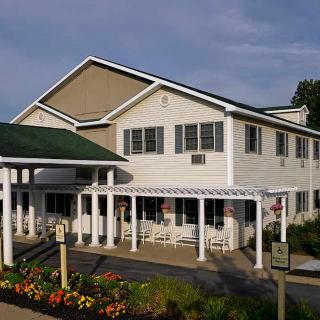
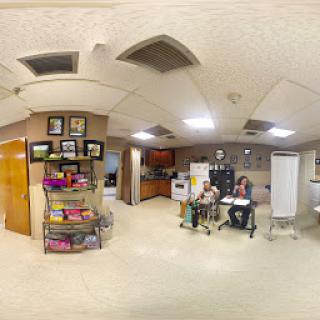
Columbia Care Home in East Greenbush, NY

Save
Columbia Care Home

Columbia Care Home in East Greenbush, NY

Information last verified:

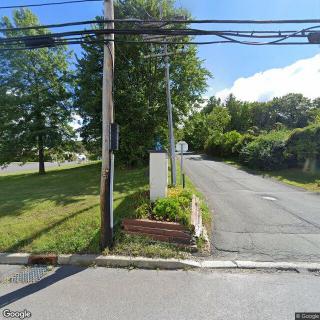
18 Columbia Drive, East Greenbush, NY 12061

For more information about senior living options: (844) 490-3973

4.3 from 115 reviews
5 stars
83
4 stars
13
3 stars
5
2 stars
2
1 stars
12

Columbia Care Home Costs & Pricing

Columbia Care Home presents a competitively priced option for residents seeking care, particularly when compared to average costs in Rensselaer County and across New York State. For both private and semi-private rooms, Columbia Care Home charges $3,500 per month, which is significantly more affordable than the county's average of $5,333 for private accommodations and $3,900 for semi-private options. Moreover, their studio apartments are priced at $4,000, again falling below the state's average of $4,532. This pricing structure not only offers substantial savings but also reflects a commitment to providing quality care within an accessible financial framework.

Floor plansColumbia Care HomeRensselaer CountyNew York
Private$3,500$5,333$5,159
Semi-Private$3,500$3,900$4,389
Studio$4,000$4,164$4,532

Overall Review of Columbia Care Home

Pros

  • pro The staff at Evergreen Commons are wonderful, compassionate, and attentive to residents.
  • pro The facility is clean, bright, and well maintained.
  • pro The meals are well prepared and enjoyed by residents.
  • pro The environment feels like home, with a warm and welcoming atmosphere.
  • pro Therapy and nursing staff provide excellent, supportive care.
  • pro The administration responds quickly to concerns and improves care.
  • pro The activity spaces are engaging, with colorful artwork and well-stocked resources.
  • pro Families feel at ease leaving their loved ones in Evergreen Commons and appreciate the care.
  • pro The grounds and building are well cared for with pleasant décor and views.

Cons

  • pro The reviewer would have chosen a different facility.
  • pro The halls reeked of a urine odor.
  • pro Aides were overworked and sometimes responded with attitude.
  • pro The reviewer described patient abuse and denied the father-in-law phone access on his birthday.
  • pro The food was garbage.
  • pro The facility was often understaffed.
  • pro Visitors were told to leave with no explanation and could be treated rudely.
  • pro The reviewer would not recommend the nursing home for dementia patients.
  • pro Care quality declined from five stars to one star over the year.
  • pro It was impossible to reach anyone by phone.

Review

Columbia Care Home in East Greenbush is best suited for families seeking a small, home-like environment that can handle short-term rehab and gently transition residents into long-term care without sacrificing warmth or personalized attention. The community tends to thrive when families prize a calm, livable atmosphere, clean surroundings, and staff who know residents by name and routines. It’s a solid fit for someone who values responsive caregivers, visible efforts to keep residents engaged, and a setting that feels more intimate than a large institutional facility. That said, this is not the place to chase a flawless, error-free operation: the reviews show clear trade-offs that matter in real life.

Alternatives should be considered for those who need highly consistent, round-the-clock clinical supervision or specialized memory care with very low tolerance for staffing variability. A number of reviews flag staffing pressures and related lapses that can affect care quality, and a few accounts describe situations where residents did not receive the level of attention expected for their conditions. Families who require rigorous, uniform performance across shifts, or who want a facility with a pristine, strukturized approach to dementia care, may find other communities more reliable on a day-to-day basis. The repeated threads of staffing strain and occasional care gaps are not warnings to abandon the concept of a home-like, rehab-focused setting, but they are essential cautions for decision-makers.

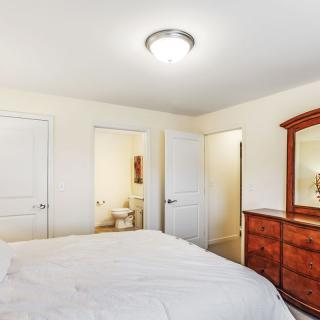
The strongest positives here are the basics: cleanliness, a welcoming physical environment, and a staff culture that generally treats residents with kindness. Several reviewers emphasize that the facility is neat, bright, and easy to navigate, with rooms that feel spacious and sunny. The care team is frequently described as compassionate and attentive, with aides who are patient and personable, and therapists who are knowledgeable and encouraging. Families consistently report that administrative and nursing teams communicate about changes in condition or medications, which adds a much-needed layer of reassurance for loved ones during a rehab stay or a transition to long-term care. Taken together, these pros create a trustworthy base where residents can feel safe, comfortable, and cared-for on a daily basis.

However, the downsides cannot be ignored or minimized. Staffing constraints surface repeatedly in the reviews, with accounts of overworked aides and nurses and occasional reports of delayed responses or diminished attention. These gaps are not universal, but they do color the experience and can influence outcomes, especially for residents with higher needs or those in intensive rehabilitation. There are also several remarks about odors and environmental inconsistencies, indicators that, even in a facility praised for cleanliness, the realities of staffing levels and daily turnover can briefly undermine the resident experience. A few reviews describe troubling incidents, ranging from perceived neglect to explicit accusations, that underscore the importance of ongoing, proactive administration and vigilant family involvement. In short, the benefits of a homey, well-kept setting and friendly staff can be undermined if staffing levels don’t meet resident demand or if concerns aren’t addressed quickly and transparently.

On the rehab-to-long-term continuum, the narrative is nuanced but generally favorable for those who land in the right moment and on the right floor. Therapies and daily activities appear to be well-executed, contributing to improvements in mobility, mood, and overall wellness for many residents. Families note that staff’s responsiveness and the ability to keep families updated are meaningful advantages, particularly when a transition to longer-term care is contemplated. Yet the experience is uneven; some residents thrive under the rehabilitative care and supportive team, while others experience slower progress or less consistent care as demands shift with staffing realities. This means expectations should be tempered by a candid understanding that outcomes may hinge on the specific shift, floor, and day-to-day staffing mix at any given time.

For families deciding whether Columbia Care Home is the right choice, a practical approach is essential. If the priority is a warm, less institutional setting where staff appear genuinely invested in residents’ daily happiness, and if rehab needs are present but not extreme, this community can deliver real value. The quiet, home-like atmosphere and the attention to cleanliness and routine are meaningful assets. Conversely, if dementia care with high, constant supervision is the dominant requirement, or if one cannot tolerate even occasional lapses linked to staffing shortages, it is prudent to compare other options with stronger demonstrated staffing stability and more robust, uniform memory-care protocols. In any case, prospective families should visit at multiple times, request to speak with the director, tour the therapy spaces, and ask pointed questions about staff ratios, response times, and how concerns are escalated and resolved.

The bottom line is practical and directional: Columbia Care Home offers a dignified, neighborly backdrop for rehab and early long-term planning, anchored by clean facilities, a warm staff culture, and open communication with families. Its strongest cases come from those who value a genuine home environment and reliable day-to-day kindness. Its vulnerabilities are real and substantive: staffing pressures that can translate into delayed responses or uneven care, plus the occasional red-flag incident that demands vigilant oversight. For families weighing choices, this community is a compelling option when managed oversight and proactive engagement align with the resident’s needs and the family’s expectations. If not, the search should continue with a focus on facilities that consistently demonstrate steadier staffing and more uniform care across all shifts.

Features

Types of Care

  • Board and Care Home Board and Care HomeBoard and care homes provide a smaller, more intimate setting for seniors who require assistance with daily tasks but do not need the level of care offered by a nursing home. They offer personalized care, meals, and social activities in a homelike environment, ensuring that seniors receive individualized attention and support in their golden years.
  • Memory Care Memory CareMemory care is crucial for seniors as it provides specialized support and services for individuals with dementia or Alzheimer's disease. These programs offer a safe and secure environment where residents receive personalized care, cognitive stimulation, and help with daily activities. Memory care helps seniors maintain their independence, quality of life, and dignity while also providing peace of mind for their families.

Amenities

  • Activities off-site Activities off-siteEngaging in off-site activities is crucial for seniors to maintain social connections, stay active, and stimulate their minds. It promotes overall well-being and helps combat feelings of isolation and loneliness.
  • Activities on-site Activities on-siteActivities on-site are important for seniors because they provide opportunities for socialization, mental stimulation, physical activity, and overall well-being. Engaging in activities can help seniors stay active, maintain their independence, and improve their quality of life.
  • Bath tubs Bath tubsBath tubs are important for seniors because they provide a safe and relaxing way to bathe, helping to prevent slips and falls while promoting independence and overall well-being.
  • Beautician on-site Beautician on-siteHaving a beautician on-site at a senior living community is important for seniors as it allows them to easily access grooming and personal care services, boosting their self-esteem and overall well-being. It also provides convenience and helps seniors maintain their sense of independence and personal style.
  • Devotional services off-site Devotional services off-siteDevotional services off-site are important for seniors as they provide spiritual nourishment, social engagement, and a sense of community outside of the senior living facility. This can enhance overall well-being and help combat feelings of isolation and loneliness often experienced by older adults.
  • Devotional services on-site Devotional services on-siteDevotional services on-site provide seniors with spiritual support and a sense of community, as well as an opportunity for reflection and guidance during their senior living experience. This can promote emotional well-being and connection to others, leading to a more fulfilling and enriching lifestyle in their later years.
  • Indoor common areas Indoor common areasIndoor common areas are crucial for seniors as they provide a space for socialization, recreation, and community engagement, promoting overall well-being and reducing feelings of isolation and loneliness.
  • Outdoor common areas Outdoor common areasOutdoor common areas are important for seniors as they provide a space for socialization, physical activity, and relaxation. Being outside in nature can improve mood and overall well-being, while also encouraging movement and engagement with others. These spaces can help combat feelings of isolation and promote a sense of community among residents.
  • Private PrivatePrivacy is important for seniors as it allows them to maintain their independence, dignity, and sense of control over their own lives. It also gives them the space and freedom to relax, reflect, and engage in activities that bring them joy and fulfillment. Creating private spaces within senior living facilities is crucial for promoting overall well-being and quality of life.
  • Respite or short term stays offered Respite or short term stays offeredRespite or short term stays provide seniors with a temporary solution when their regular caregiver is unavailable, offering them the opportunity to receive additional care and support during times of need, while also giving caregivers a chance to rest and recharge.
  • Wheelchair accessible showers Wheelchair accessible showersWheelchair accessible showers are crucial for seniors as they provide a safe and independent bathing option for those with mobility challenges. These showers help prevent falls and allow seniors to maintain their dignity and autonomy while ensuring they can bathe comfortably.

Transportation

  • Albany Cty (11 miles away) Albany Cty (11 miles away)

Care Services

  • Ambulatory care Ambulatory care"Ambulatory care services provide essential medical support and treatment to seniors without requiring hospitalization, allowing them to maintain their independence and quality of life while managing chronic conditions or receiving routine medical care."
  • Diabetic care Diabetic careDiabetic care is crucial for seniors as they are more susceptible to developing diabetes due to aging and other health conditions. Proper management of diabetes can help prevent complications such as heart disease, vision loss, and nerve damage, improving the overall quality of life for seniors in senior living communities.
  • High acuity care High acuity careHigh acuity care is important for seniors because it provides specialized medical attention and support for individuals with complex medical needs. This level of care ensures that seniors receive the appropriate treatment and assistance to maintain their health and quality of life as they age.
  • Incontinence care Incontinence careIncontinence care is essential for seniors to maintain their dignity, hygiene, and overall quality of life. By addressing incontinence issues promptly and effectively, seniors can enjoy a sense of independence and comfort in their daily activities.
  • Medication management Medication managementMedication management is crucial for seniors to ensure they are taking the right medications at the correct dosages and times. This helps prevent adverse drug interactions, reduces the risk of medication errors, and promotes overall health and well-being. Proactive management also allows for adjustments as needed based on changing health conditions or new prescriptions.

Dining

  • Kosher KosherKosher options are important for seniors because they adhere to dietary laws that are significant to many Jewish individuals, providing them with peace of mind and an opportunity to maintain their cultural traditions and beliefs while living in a senior living community.
  • Meals provided Meals provided"Meals provided" are crucial for seniors in assisted living communities as it ensures they have access to nutritious, balanced meals without the stress of meal planning and preparation. This can help promote overall health and well-being for seniors who may have limited mobility or cognitive abilities.
  • Special dining programs Special dining programsSpecial dining programs are important for seniors because they provide nutritious meals tailored to their dietary needs and preferences. These programs also offer socialization opportunities, promote overall health and well-being, and can help prevent malnutrition.
  • Vegetarian VegetarianA vegetarian diet is important for seniors because it can help lower the risk of chronic diseases, maintain a healthy weight, and provide essential nutrients needed for aging bodies. Additionally, plant-based diets are often easier on digestive systems and can contribute to overall well-being in older adults.

Activities

  • Activities off-site Activities off-siteEngaging in off-site activities is crucial for seniors to maintain social connections, stay active, and stimulate their minds. It promotes overall well-being and helps combat feelings of isolation and loneliness.
  • Activities on-site Activities on-siteActivities on-site are important for seniors because they provide opportunities for socialization, mental stimulation, physical activity, and overall well-being. Engaging in activities can help seniors stay active, maintain their independence, and improve their quality of life.
  • Devotional activities offsite Devotional activities offsiteDevotional activities offsite are important for seniors because they provide social engagement, spiritual growth, and a sense of community outside of their living environment. This can improve overall well-being, mental health, and combat feelings of isolation or loneliness.
  • Devotional activities on-site Devotional activities on-siteDevotional activities on-site provide seniors with a sense of community, spiritual fulfillment, and emotional support, promoting overall well-being and a positive sense of purpose in their lives.
  • Light therapy programs Light therapy programsLight therapy programs are important for seniors because they can help improve mood, regulate sleep patterns, and reduce symptoms of depression and anxiety. Exposure to natural light can also have positive effects on cognitive function and overall well-being in older adults.
  • Montessori programs Montessori programsMontessori programs are important for seniors because they promote a sense of independence, dignity, and purpose through engaging activities and personalized care. These programs help seniors maintain cognitive abilities, physical health, and emotional well-being, ultimately enhancing their overall quality of life in a supportive and stimulating environment.
  • Reminiscence programs Reminiscence programsReminiscence programs are vital for seniors as they provide opportunities for them to reflect on their life experiences, share memories with others, and maintain cognitive function. These programs can improve mood, stimulate social interaction, and enhance overall well-being for older adults.
  • Sensory-based programs Sensory-based programsSensory-based programs are important for seniors as they can help stimulate their senses, improve cognitive function, reduce feelings of isolation, and enhance overall quality of life. These programs engage residents in a variety of sensory activities such as music therapy, aromatherapy, tactile stimulation, and reminiscence therapy, providing mental and emotional benefits for older adults in senior living communities.

Description

Columbia Care Home in East Greenbush, NY is a warm and inviting assisted living community that specializes in providing exceptional memory care for seniors. Our dedicated staff is trained to provide personalized care and support for individuals with Alzheimer's or other forms of dementia.

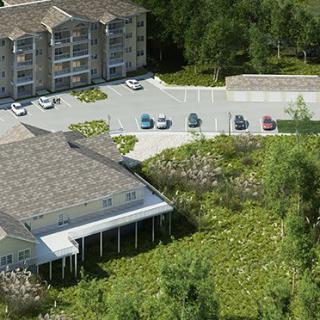
At Columbia Care Home, we offer a range of amenities to enhance the comfort and well-being of our residents. Our on-site activities ensure that there are always engaging options for socialization and entertainment. Residents can relax in our indoor common areas or take advantage of the beautiful outdoor spaces. For those who prefer a bit of pampering, we have a beautician on-site.

We understand the importance of spiritual well-being, which is why we provide both devotional services on-site and off-site for those who wish to participate. Additionally, we offer private respite or short-term stays for individuals who may need temporary care.

Our facility is designed with accessibility in mind, offering wheelchair accessible showers and bath tubs to ensure the safety and convenience of all our residents.

When it comes to care services, we strive to meet every individual's unique needs. Our trained staff can provide specialized diabetic care, high acuity care, incontinence care, as well as medication management.

Meals at Columbia Care Home are prepared with attention to dietary preferences and special dining programs are available. We offer vegetarian options for those with specific dietary requirements.

Engaging activities are an important part of life at Columbia Care Home. In addition to on-site activities such as light therapy programs and sensory-based programs, we also organize devotional activities offsite. Montessori programs and reminiscence programs further stimulate cognitive function and promote positive experiences.

Located in East Greenbush, NY, our community benefits from proximity to various amenities. There are four cafes nearby where residents can enjoy outings with friends or family members. Three parks in the vicinity offer opportunities for outdoor relaxation or physical activity. With seven pharmacies nearby, obtaining necessary medications is convenient. There are 12 physicians in close proximity to our facility, ensuring easy access to medical care. Furthermore, there are 20 restaurants offering a variety of dining options, catering to different tastes. For transportation needs, there is a nearby transportation service available. Lastly, the presence of 11 hospitals in the area ensures that prompt medical attention is always accessible.

At Columbia Care Home, we strive to create a supportive and comforting environment where our residents can thrive and enjoy a fulfilling life while receiving the care they deserve.

Nearby Places of Interest

This part of East Greenbush, New York, offers convenient access to a variety of healthcare services, including physicians, pharmacies, and hospitals within a short distance. There are several dining options nearby, ranging from casual eateries like Subway and Wendy's to more upscale establishments such as Cracker Barrel and Soho Asian Bistro. Additionally, residents can enjoy the tranquil surroundings of nearby parks like Jennings Landing and Schodack Town Park for outdoor recreation. Accessible transportation options, such as Amtrak and CDTA bus stops, make getting around the area easy for seniors. Places of worship are also available for those seeking spiritual fulfillment. Overall, this neighborhood provides a mix of essential amenities and recreational opportunities suitable for senior living.

Physicians

  • Carney Reilly & Gelder (0.3 miles)
  • East Greenbush Urgent Care (1.3 miles)
  • Whalen, John Orthony (1.3 miles)
  • Albany Troy Neurosurgical Associates (1.3 miles)
  • Community Care Physicians Schodack Medical Office (2.5 miles)
  • Schenectady Dermatology (2.5 miles)
  • Cornerstone Dental Arts (2.7 miles)

Pharmacies

  • Market 32 (0.7 miles)
  • CVS Pharmacy (1 miles)
  • Regeneron Pharmaceuticals (2 miles)
  • College Parkside Pharmacy (3.5 miles)
  • Walgreens (4.3 miles)
  • CVS Pharmacy (4.5 miles)
  • CVS Albany (4.6 miles)

Restaurants

  • Lickety Split (0.8 miles)
  • Subway (0.9 miles)
  • Cracker Barrel (1 miles)
  • Wendy's (1 miles)
  • Ipek's La Bella Pizzeria (1.1 miles)
  • Soho Asian Bistro (2 miles)
  • Skyline Diner (2.6 miles)

Cafes

  • Starbucks (0.9 miles)
  • Stacks Espresso Bar (3.5 miles)
  • Panera Bread (4.2 miles)
  • Starbucks (4.6 miles)

Hospitals

  • Seton Health (1.3 miles)
  • St Peter's Rensselaer Health Center (2.7 miles)
  • The Eddy (3.7 miles)
  • Whitney M Young Jr Health Center (4.1 miles)
  • Stratton VA Medical Center (4.4 miles)
  • Albany Medical Center Pediatrics Developmental/Behavioral (4.4 miles)
  • Albany Medical Center South Clinical Campus - Patient Billing Services, Human Resources (4.5 miles)

Transportation

  • Amtrak (2.7 miles)
  • CDTA Bus Stop (5.8 miles)

Parks

  • Jennings Landing (3.4 miles)
  • Schodack Town Park (4.5 miles)
  • Washington Park (4.7 miles)
  • Butler Park (7.3 miles)

Places of Worship

  • New Covenant Presbyterian Church (6.8 miles)
  • Hindu Temple Society (7.2 miles)
  • Bethlehem Lutheran Church (7.2 miles)

Frequently Asked Questions

How much does it cost to live at Columbia Care Home in East Greenbush, NY?
Where is Columbia Care Home?
Does Columbia Care Home provide care for residents with dementia or Alzheimer's disease?

Nearby Communities

  • Eddy Memory Care at Eddy Hawthorne Ridge

    Eddy Memory Care at Eddy Hawthorne Ridge

    East Greenbush, NY

    4.5 from 10 reviews
     

    pro Compassionate, dedicated staff delivering personalized, high-quality care in a safe, welcoming environment.



  • Eddy Hawthorne Ridge

    Eddy Hawthorne Ridge

    East Greenbush, NY

    4.7 from 38 reviews
    $2,558 to $8,059 / month

    pro Friendly, attentive staff in a welcoming, safety?conscious community with good dining and activities.

  • Evergreen Commons Rehabilitation And Nursing Center

    Evergreen Commons Rehabilitation And Nursing Center

    East Greenbush, NY

    4 from 201 reviews
     

    pro Compassionate staff and a clean, engaging environment.

  • The Kensey on Elliot

    The Kensey on Elliot

    East Greensbush, NY

    4.6 from 20 reviews
     

    pro Convenient access to numerous nearby amenities (pharmacies, doctors, restaurants, parks).

  • Rosewood Rehabilitation And Nursing Center

    Rosewood Rehabilitation And Nursing Center

    Rensselaer, NY

    4.1 from 108 reviews
     

    pro Effective rehabilitation services with friendly therapy staff and social activities.

  • Rosewood Gardens

    Rosewood Gardens

    Rensselaer, NY

    4 from 103 reviews
     

    pro Compassionate, attentive staff and a clean facility.

  • Summit at Eastwyck

    Summit at Eastwyck

    North Greenbush, NY

    4.5 from 99 reviews
    $1,875 to $2,090 / month

    pro Friendly staff, active social programs, and well-maintained, spacious apartments.

  • Glenmont Abbey Village

    Glenmont Abbey Village

    Glenmont, NY

    4.5 from 31 reviews
    $1,595 to $1,950 / month

    pro Friendly staff with well-maintained facilities and an active community.

  • Thurlow Terrace Apartments

    Thurlow Terrace Apartments

    Albany, NY

    4.3 from 9 reviews
     

    pro Excellent access to dining, parks, pharmacies, and healthcare nearby.

Related Resources

  • list of drugs linked to dementiaMedications Associated with Dementia Risk: A Comprehensive Overview

    The article examines the link between certain medications and increased dementia risk, particularly in older adults, emphasizing that long-term or high-dose use of anticholinergics, benzodiazepines, and other drug classes can exacerbate cognitive impairment. It calls for careful medication evaluation and shared decision-making to mitigate these risks while managing treatment efficacy.

  • power of attorney for elderly parentGuiding Your Journey: Understanding Power of Attorney for Elderly Parents

    The article emphasizes the significance of establishing a power of attorney for elderly parents to enable an agent to make decisions on their behalf regarding health and finances, especially during cognitive or physical decline. It outlines various types of power of attorney, the importance of consulting legal professionals, and the responsibilities and challenges faced by agents, while also discussing alternatives and common misconceptions.

  • caregiver support group22 Remarkable Caregiver Support Groups Available Online and In-Person

    Caregiver support groups are crucial for providing emotional and practical assistance to those caring for loved ones, offering resources, coping strategies, and a sense of community through various organizations and platforms. These groups help alleviate isolation and burnout while addressing the unique challenges faced by caregivers of individuals with specific conditions.