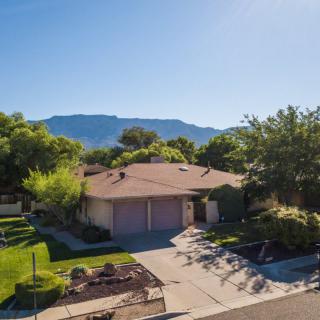
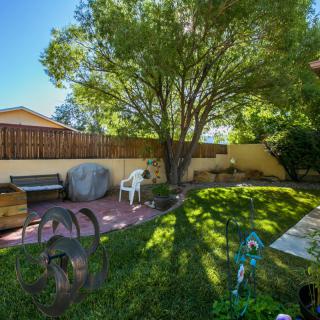
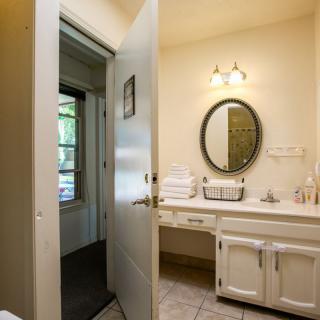

9701 Camino del Sol NE, Albuquerque, NM 87111
To contact a resident: (505) 275-2275
For more information about senior living options: (866) 208-4318
Haven Care - Aspen House Costs & Pricing
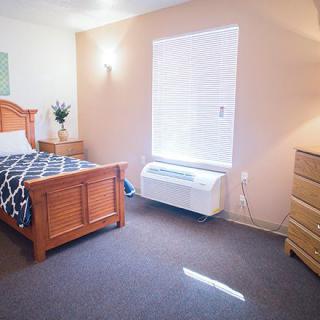
Haven Care - Aspen House offers a comfortable living environment with a monthly cost of $5,300 for both 1-bedroom and private room options. When comparing these rates to the average costs in Bernalillo County and statewide in New Mexico, Haven Care's pricing is significantly higher - $1,138 above the county average of $4,162 for a 1-bedroom and $698 over the state average of $4,391 for private rooms. This premium may reflect the specialized care, amenities, and quality of services that Haven Care - Aspen House provides, positioning it as a more luxurious option in the local market.
| Floor plans | Haven Care - Aspen House | Bernalillo County | New Mexico |
|---|---|---|---|
| 1 Bedroom | $5,300 | $4,162 | $4,055 |
| Private | $5,300 | $4,602 | $4,391 |
Memory care communities with a similar price nearby
-
About the same
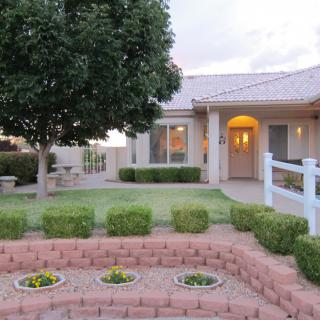
Buena Vista Senior Care
$5,300 / month3.3 miles away -
from -$200 / mo

Amaran Senior Living
$5,100 to $8,140 / month3.6 miles away -
from -$400 / mo
Avista Senior Living Albuquerque
$4,900 to $5,600 / month1.7 miles away -
from -$301 / mo
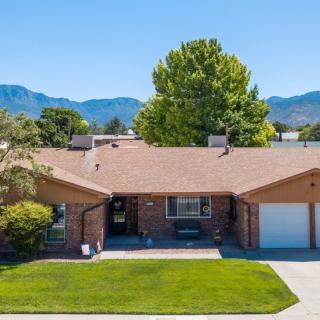
Haven Care Birch House
$4,999 to $5,300 / month0.4 miles away -
from -$180 / mo

MorningStar Assisted Living & Memory Care of Albuquerque
$5,120 to $8,980 / month2.3 miles away
Overall Review of Haven Care - Aspen House
Pros
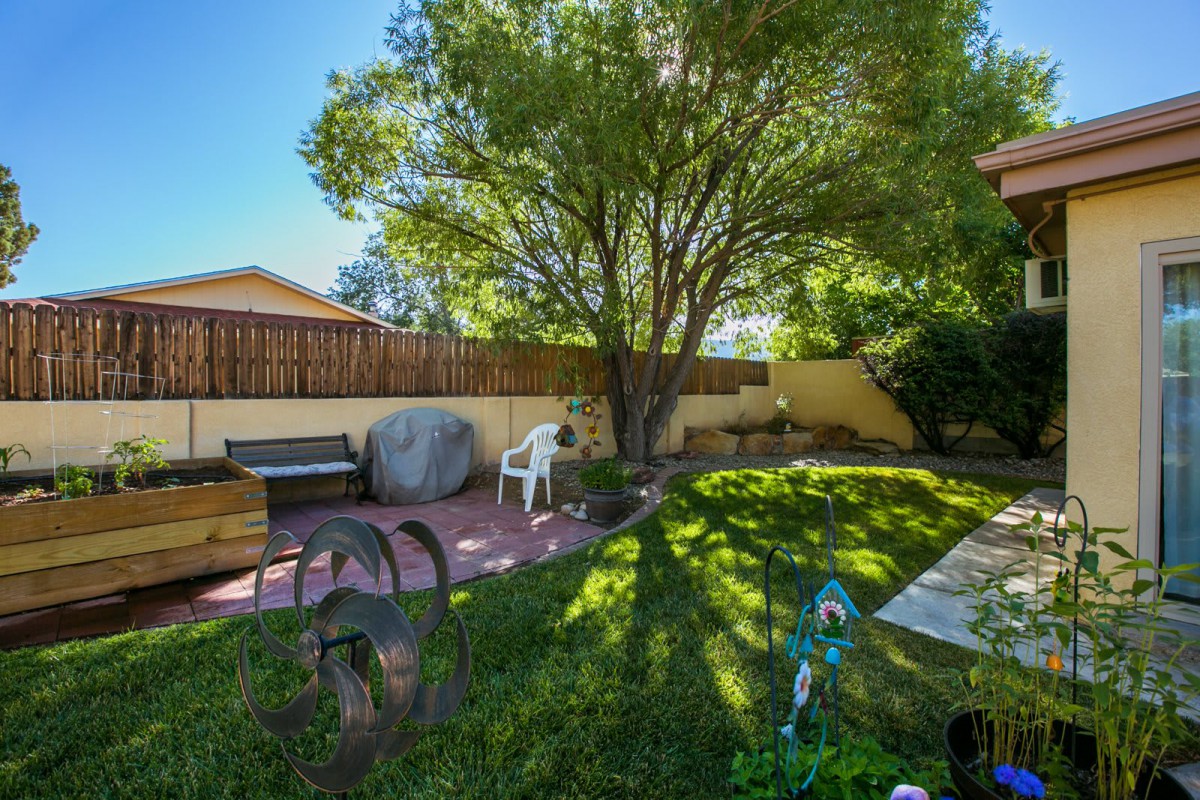
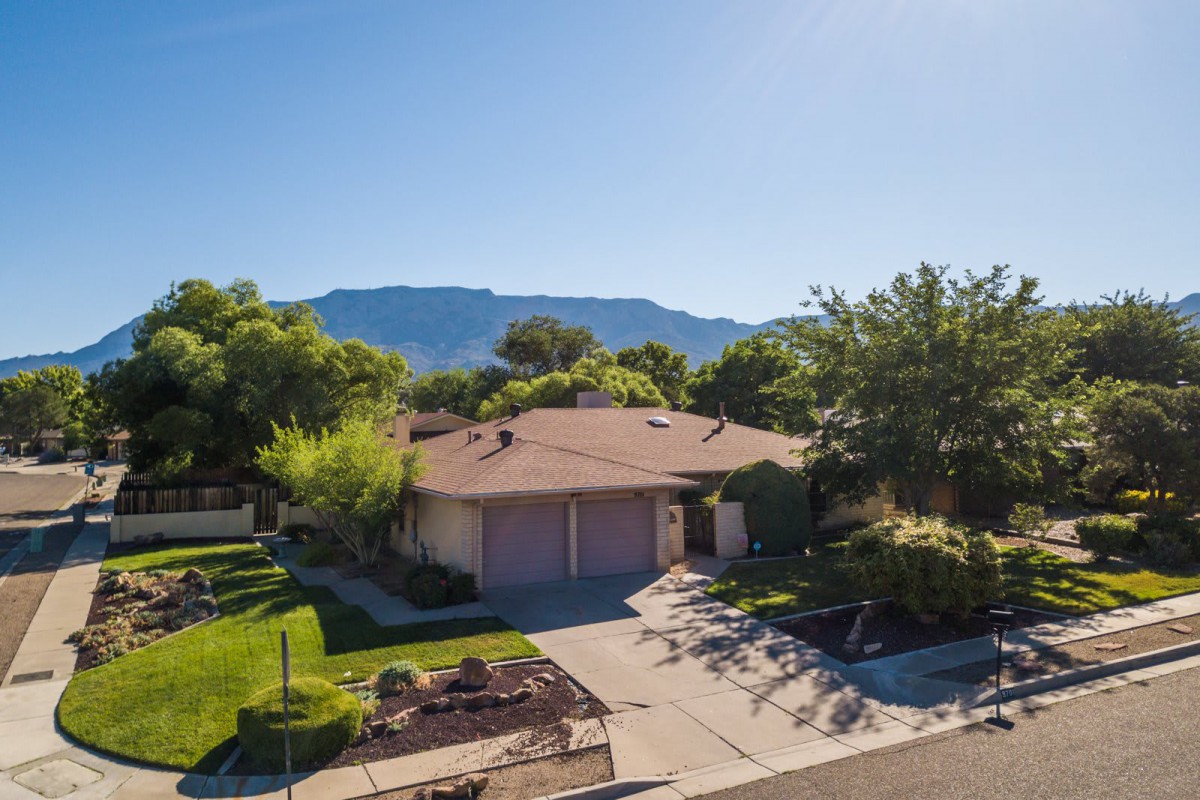
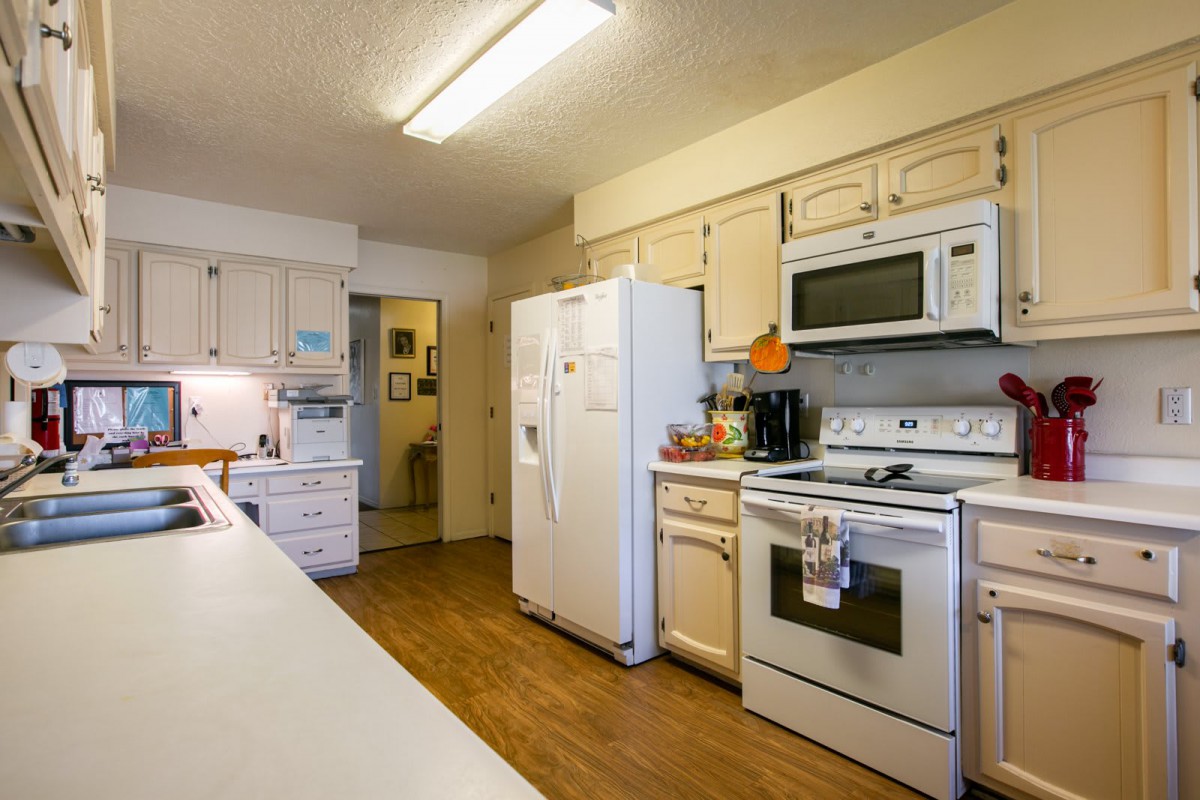
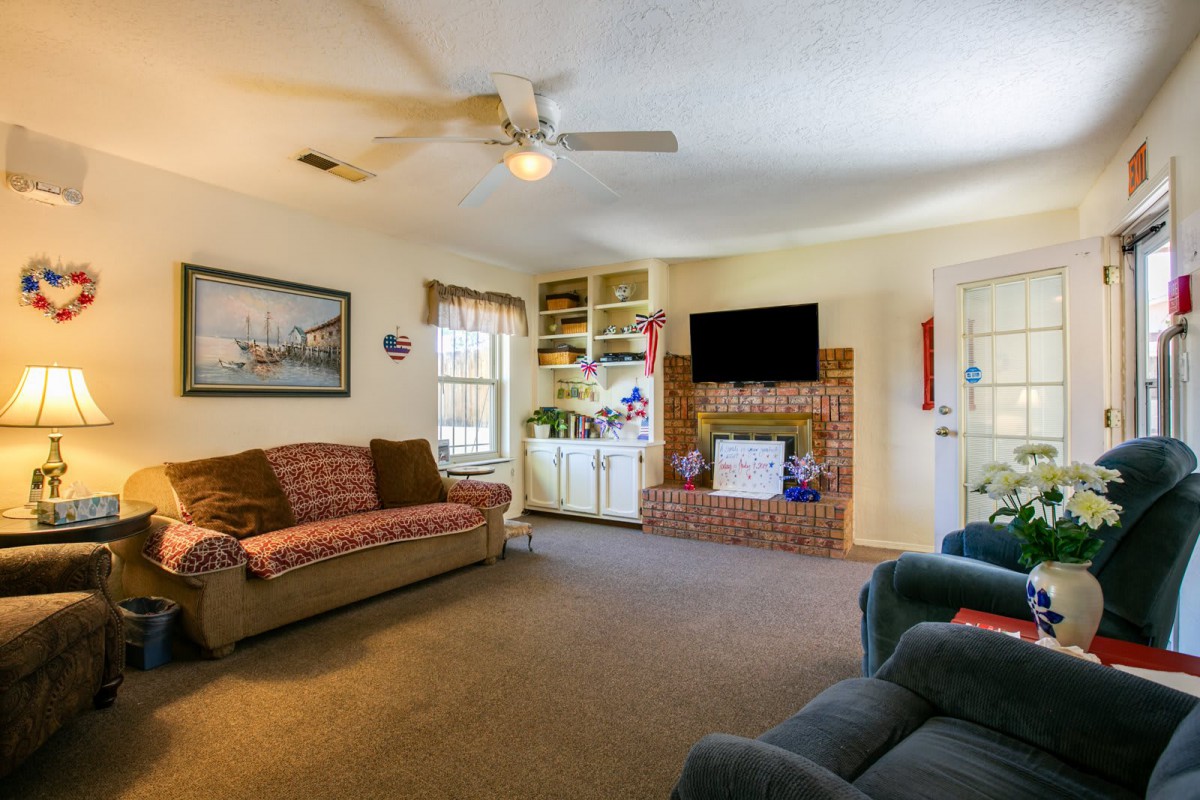
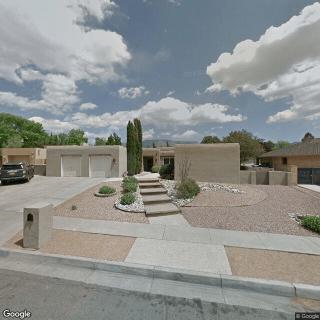
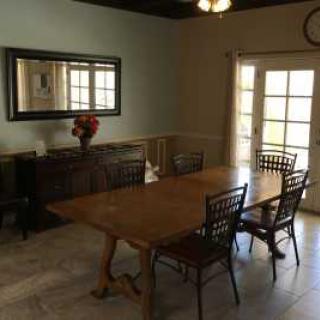
 It offers a small, pleasant home environment with a very small staff.
- It is a very nice residential environment.
- The home operates with a small, stable team of three staff members, led by Misty, who has been there nine years.
- It works with hospice, suggesting coordinated, compassionate care.
- It is usually full, indicating steady occupancy and demand.
Cons
 Residents would have to move if they require a two-person assist.
- The staff work multi-day shifts and may not be awake at night.
- No pets are allowed.
- They can't handle two-person assists.
Review
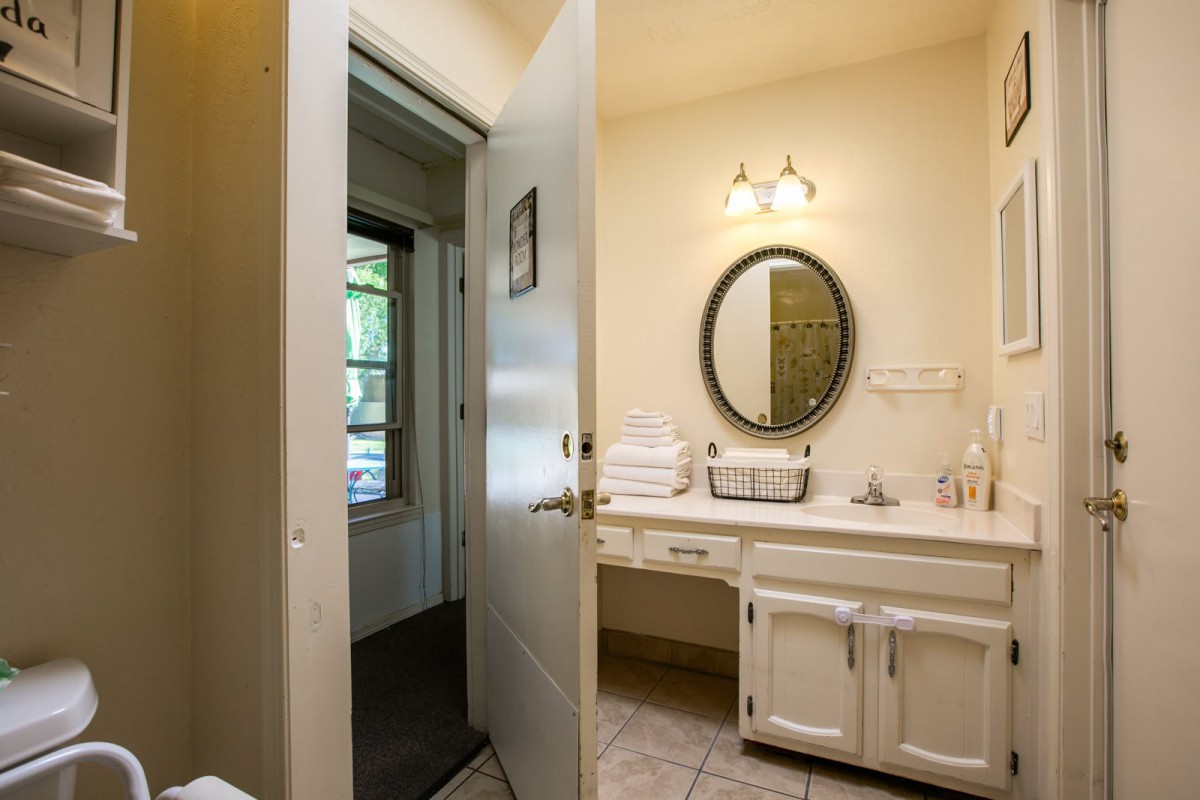
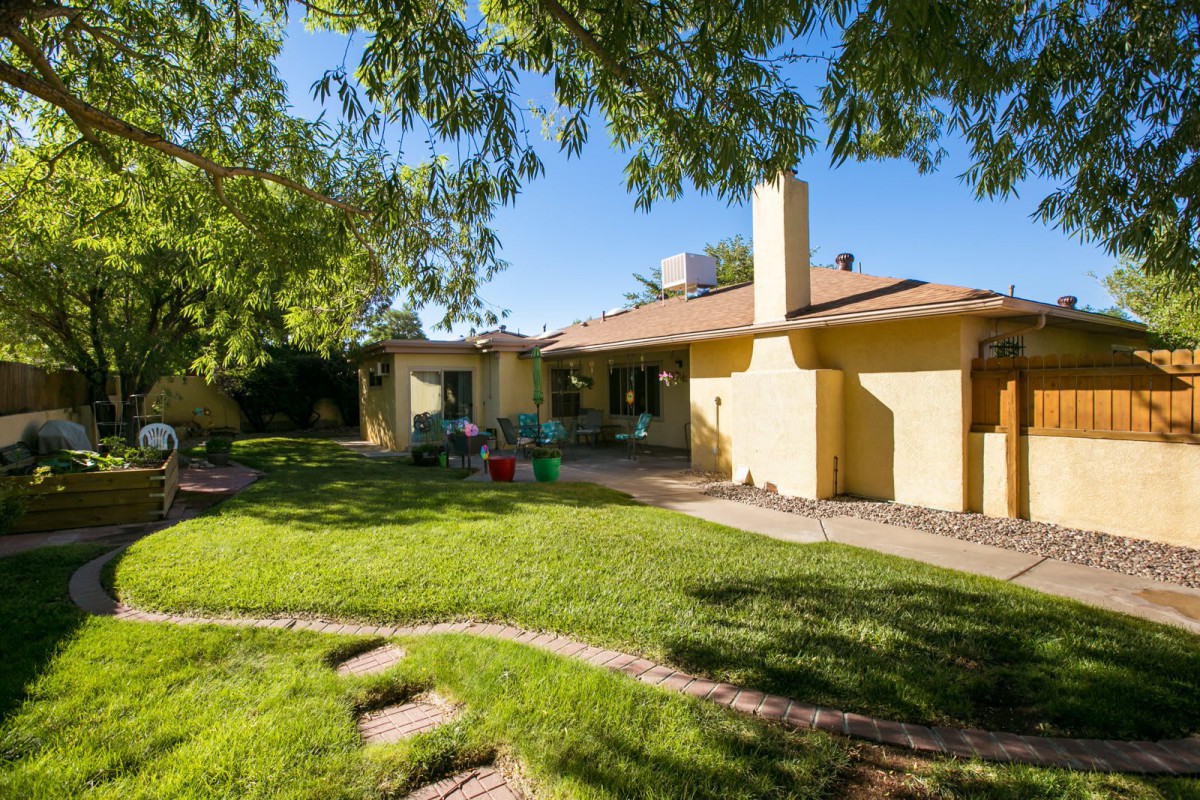
Haven Care - Aspen House is best suited for seniors who want a very small, home-like setting in Albuquerque and can function well with minimal but steady staff support. This community fits residents who value intimate, residential atmosphere over institutional scale, and who do not require two-person transfers or around-the-clock awake supervision. Families pursuing a setting where continuity of care matters more than breadth of services will find Aspen House appealing, especially if hospice partnerships, simple oxygen and wheelchair needs, and the comfort of bringing familiar furniture into a cozy space are priorities. It is not the right match for those who need frequent two-person assistance, robust 24/7 coverage, or pet-friendly accommodations.
The strongest positives center on the intimate, residential vibe and the stability of the caregiving team. The home operates with a very small staff, including a team leader who has demonstrated long-term commitment, the kind of continuity that translates into predictable routines and familiarity for residents. The configuration described includes three staff members covering shifts, which, while modest, can foster close relationships and attentive, individualized care. The facility’s workflow appears to accommodate hospice collaborations and practical needs such as oxygen support and wheelchair use, with residents able to bring their own furniture to personalize the space. For families prioritizing warmth, privacy, and a noninstitutional feel, these elements are meaningful anchors.
Yet several constraints are hard to overlook. The most significant is the inability to handle two-person assists, which instantly narrows the care profile for any resident who requires more intensive daily help or transfers. This is compounded by staffing patterns described as multi-day shifts, raising legitimate concerns about nighttime coverage and alertness during off-peak hours. The policy of not allowing pets also excludes a common source of emotional comfort for many seniors. Taken together, these factors mean Aspen House excels for certain care levels but can be a poor fit for residents who need more robust or specialized assistance, especially at night or in situations requiring immediate, dual-person support.
Despite the limitations, the pros can meaningfully offset the cons for the right resident. The small, homey setting reduces the clinical feel that often accompanies larger facilities, supporting calmer days and stronger relational bonds with staff. Long-tenured leadership provides stability and the sense that caregivers truly know each resident’s habits and preferences, which can improve responsiveness and reduce agitation. The ability to work with hospice and to support essential equipment like oxygen tanks and wheelchairs enhances practical safety and comfort for those with progressive conditions. The requirement to bring personal furniture is a minor hurdle that can be accepted by families who want to keep the resident’s familiar environment as much as possible.
That said, families should consider alternatives if two-person transfers, round-the-clock awake supervision, or pet-friendly policies are non-negotiable. A larger assisted-living setting with a more robust staffing model, capable of two-person assists and guaranteed night coverage, will likely be a better match for residents with higher care needs or those anxious about overnight support. Similarly, those who want a facility that welcomes pets or offers a broader social calendar and more amenities may find Aspen House limiting. The key is to align the care plan with the operational realities described: a high comfort level with a small team and a modest level of medical support, paired with a readiness to move when more intensive assistance becomes necessary.
In sum, Haven Care - Aspen House delivers a distinctly personal, stove-top-to-sunroom kind of living experience that can be excellent for seniors who require light to moderate assistance, value continuity, and prefer a quiet, home-like environment. It rewards families who can tolerate its night-time coverage caveat and its no-pet policy, while empowering residents through a stable, long-tenured leadership team and practical support for essential equipment. For those weighing the decision, a candid check-in about night staffing, two-person transfer needs, and pet desires will illuminate whether Aspen House is the best fit or if a facility with broader eligibility and coverage is a wiser destination. A tour, a concrete care plan, and direct conversations with Misty and the caregiving team will crystallize the choice.
 Board and Care Home
 Memory Care
 Activities on-site
 Air-conditioning
 Bath tubs
 Cable or satellite TV
 Devotional services off-site
 Ground floor units
 Indoor common areas
 Outdoor common areas
 Private
 Private bathrooms
 Respite or short term stays offered
 Wheelchair accessible showers
 Wi-Fi/high-speed internet available
 Albuquerque International (8 miles away)
 Ambulatory care
 High acuity care
 Incontinence care
 Medication management
 Anytime dining
 Art classes
 Catholic services
 Educational speakers / life long learning
 Jewish services


 Illuminating Insights About Alzheimer's Disease: Ten Crucial Realities
 A Thorough Discussion of Medications Potentially Linked to Dementia Risk
 Why Do Dementia Patients Sleep So Much? Understanding Oversleeping, Stages, and Care Approaches