Good Samaritan Assisted Living Facility Costs & Pricing
Good Samaritan Assisted Living Facility offers a range of pricing options that reflect its commitment to providing quality care. For a semi-private room, the monthly cost is $3,500, which positions it competitively against the average cost in Lawrence County at $2,870 and slightly below the state average of $3,772. Studio accommodations also come in at $4,000, which is notably higher than both local ($3,224) and state averages ($3,418). Similarly, 1-bedroom units are priced at $4,000, surpassing the county's rate of $3,941 but remaining lower than Missouri's average of $3,349. For those seeking private rooms at Good Samaritan Assisted Living Facility, the monthly fee stands at $4,000 - again more affordable than the state's rate of $4,483 while being slightly below Lawrence County's average of $4,167. Overall, Good Samaritan offers a blend of competitive pricing tailored to meet diverse needs within the assisted living landscape.
Floor plans
Good Samaritan Assisted Living Facility
Lawrence County
Missouri
Semi-Private
$3,500
$2,870
$3,772
Private
$4,000
$4,167
$4,483
Studio
$4,000
$3,224
$3,418
1 Bedroom
$4,000
$3,941
$3,349
Memory care communities with a similar price nearby
Overall Review of Good Samaritan Assisted Living Facility
common19 reviews mention this
Staff care is a consistent theme
Residents and families consistently describe the staff as caring, patient, and responsive.
Many reviews emphasize how consistently the team takes care of residents with calm, patience, and kind communication. Several families mention feeling reassured during difficult moments, including when a loved one passed away. A few reviews also highlight the staff tailoring attention to individual needs and being present when supervision is required.
common5 reviews mention this
Smaller community feels more personal
Multiple reviewers liked the smaller setting and the sense of individualized attention.
Several families describe the community as small, with a calmer environment and fewer residents than a larger facility. Reviews frequently connect that size to more personal attention rather than feeling like someone is “lost in the system.” One reviewer specifically contrasts the home atmosphere to a huge facility and says the smaller setup supports better day-to-day fit.
common6 reviews mention this
Homemade meals stand out
The food is repeatedly described as homemade, tasty, and a highlight of the day.
Residents and families point to the quality of meals, calling them homemade and enjoyable. More than one review ties the dining experience to feeling cared for, including mention of home-cooked meals and snacks between meals. This aligns with the community offering meal service plus special dining options like gluten-free, vegan, vegetarian, and low or no-sodium choices.
common6 reviews mention this
Clean facilities and no odors
Reviewers repeatedly note the home stays clean and odor-free.
Multiple reviews say the environment is always clean, including comments that there are no odors even when stopping by at different times. Families also describe the facility as well-kept and comfortable, reinforcing the “home-like” feel. Some reviewers connect this cleanliness to overall confidence in the care routine.
How we summarize
Counts show how many written reviews mention each theme; a review can touch several themes, and only frequently mentioned themes are displayed.
Features
Types of Care
Board and Care Home
Memory Care
Pets
Cats allowed
Dogs allowed
Amenities
Activities on-site
Air-conditioning
Bath tubs
Beautician on-site
Cable or satellite TV
Devotional services off-site
Devotional services on-site
Fireplaces
Full kitchen
Indoor common areas
Outdoor common areas
Private
Private bathrooms
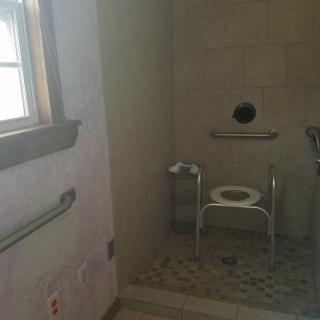
Wheelchair accessible showers
Care Services
Diabetic care
High acuity care
Incontinence care
Medication management
Dining
Anytime dining
Gluten-free
Guest meals
International cuisine
Kosher
Low / no sodium
Meals provided
No Sugar
Organic
Professional chef
Room service
Special dining programs
Vegan
Vegetarian
Activities
Art classes
Cooking classes
Day trips and outings
Devotional activities offsite
Devotional activities on-site
Educational speakers / life long learning
Happy hour
Live well programs
Protestant services
Stretching classes
Visiting chaplain or priest
Wine tasting
Nearby Places of Interest
Verona, Missouri is a quaint and peaceful town with a strong sense of community. There are several places of worship nearby, including the Aurora Bible Church and Sacred Heart Parish, providing opportunities for spiritual growth and connection. The town offers convenient access to transportation services such as U-Haul and Enterprise Rent-A-Car for any travel needs. Residents can enjoy the serene surroundings of White Park and Oak Park for leisurely walks or picnics. The area also boasts a variety of dining options, from Mexican cuisine at Reyes Mexican Restaurant to Chinese dishes at Pao's Chinese Restaurant. For healthcare needs, there are several pharmacies and physician offices nearby, including St John's Hospital-Aurora and Family Medicine Associates. Overall, Verona offers a peaceful and welcoming environment for seniors looking to settle down in a close-knit community.
Places of Worship
Aurora Bible Church (0.1 miles)
Church of Jesus Christ of Latter Day Saints (0.6 miles)
Harvest Fellowship Church (4 miles)
Sacred Heart Parish (4 miles)
Engage Church (4.1 miles)
Summit Revival Center (4.1 miles)
Southern Baptist Convention (4.2 miles)
Transportation
U-Haul (3 miles)
U-Haul Neighborhood Dealer (5 miles)
Enterprise Rent-A-Car (5 miles)
Midwest Vintage Aircraft Restoration (7.4 miles)
Ryder Truck Rental and Leasing (10.2 miles)
Parks
White Park (4 miles)
Oak Park (4.5 miles)
Spirit Of 76 Park (6.5 miles)
Restaurants
Reyes Mexican Restaurant (4.1 miles)
Guanajuato Mexican Store (4.1 miles)
Olive Grille (4.1 miles)
Uncle Dale's Catfish Restaurant (4.5 miles)
Las Palamas (4.7 miles)
Subway (4.9 miles)
Pao's Chinese Restaurant (5 miles)
Hospitals
Oacac Family Planning (4.1 miles)
Missouri Rehabilitation Center (6.9 miles)
Pharmacies
Aurora Pharmacy (4.2 miles)
Hometown Pharmacy (5.6 miles)
Hometown Pharmacy (5.8 miles)
Landrum Drug (5.8 miles)
Walmart Pharmacy (5.9 miles)
Walmart Pharmacy (6 miles)
Marionville Pharmacy (8 miles)
Physicians
St John's Hospital-Aurora (4.8 miles)
St Johns Clinic Aurora General Surgery (4.9 miles)
Good Samaritan Assisted Living Facility offers a range of pricing options that reflect its commitment to providing quality care. For a semi-private room, the monthly cost is $3,500, which positions it competitively against the average cost in Lawrence County at $2,870 and slightly below the state average of $3,772. Studio accommodations also come in at $4,000, which is notably higher than both local ($3,224) and state averages ($3,418). Similarly, 1-bedroom units are priced at $4,000, surpassing the county's rate of $3,941 but remaining lower than Missouri's average of $3,349. For those seeking private rooms at Good Samaritan Assisted Living Facility, the monthly fee stands at $4,000 - again more affordable than the state's rate of $4,483 while being slightly below Lawrence County's average of $4,167. Overall, Good Samaritan offers a blend of competitive pricing tailored to meet diverse needs within the assisted living landscape.
At Good Samaritan Assisted Living Facility, medication management plays a crucial role in ensuring that residents receive their prescribed medications accurately and on time, which is vital for maintaining their overall health and well-being. This structured approach not only mitigates the risk of medication errors but also supports cognitive function by stabilizing conditions commonly associated with dementia and Alzheimer's disease. Additionally, incontinence care is imperative for residents who may struggle with personal hygiene due to cognitive decline. By providing compassionate and discreet assistance in this area, the facility helps to maintain dignity and comfort, reducing anxiety and promoting a sense of security among residents. Together, these features create an environment that fosters quality of life while addressing the specific needs associated with memory impairments.
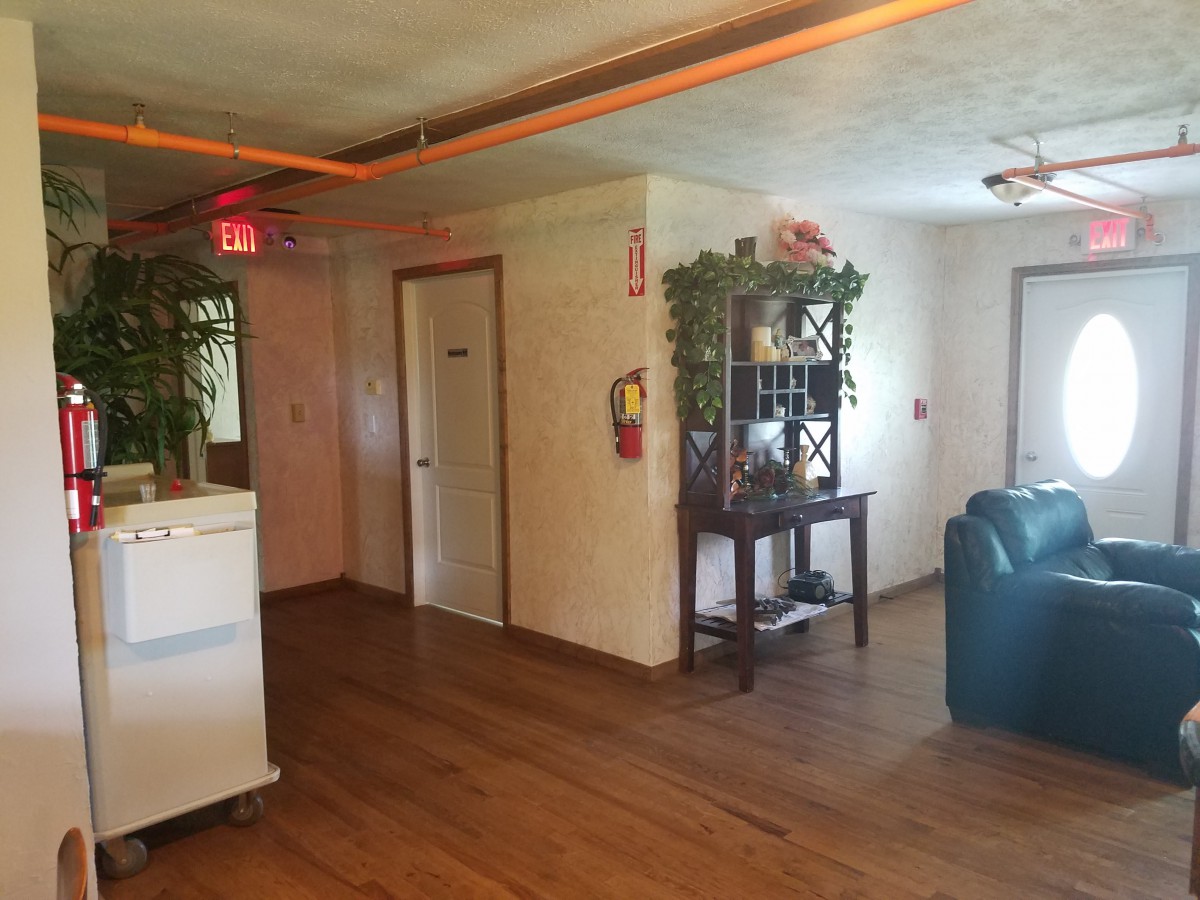
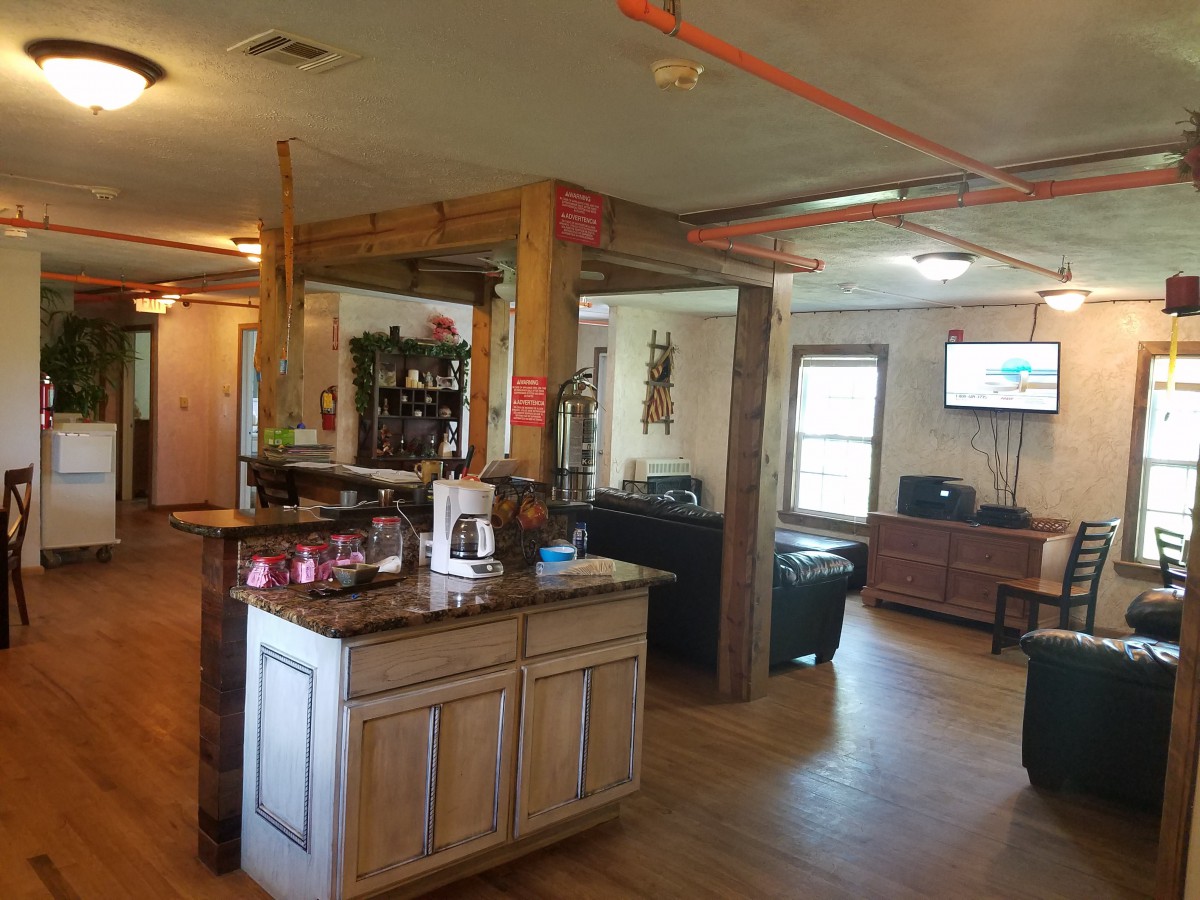
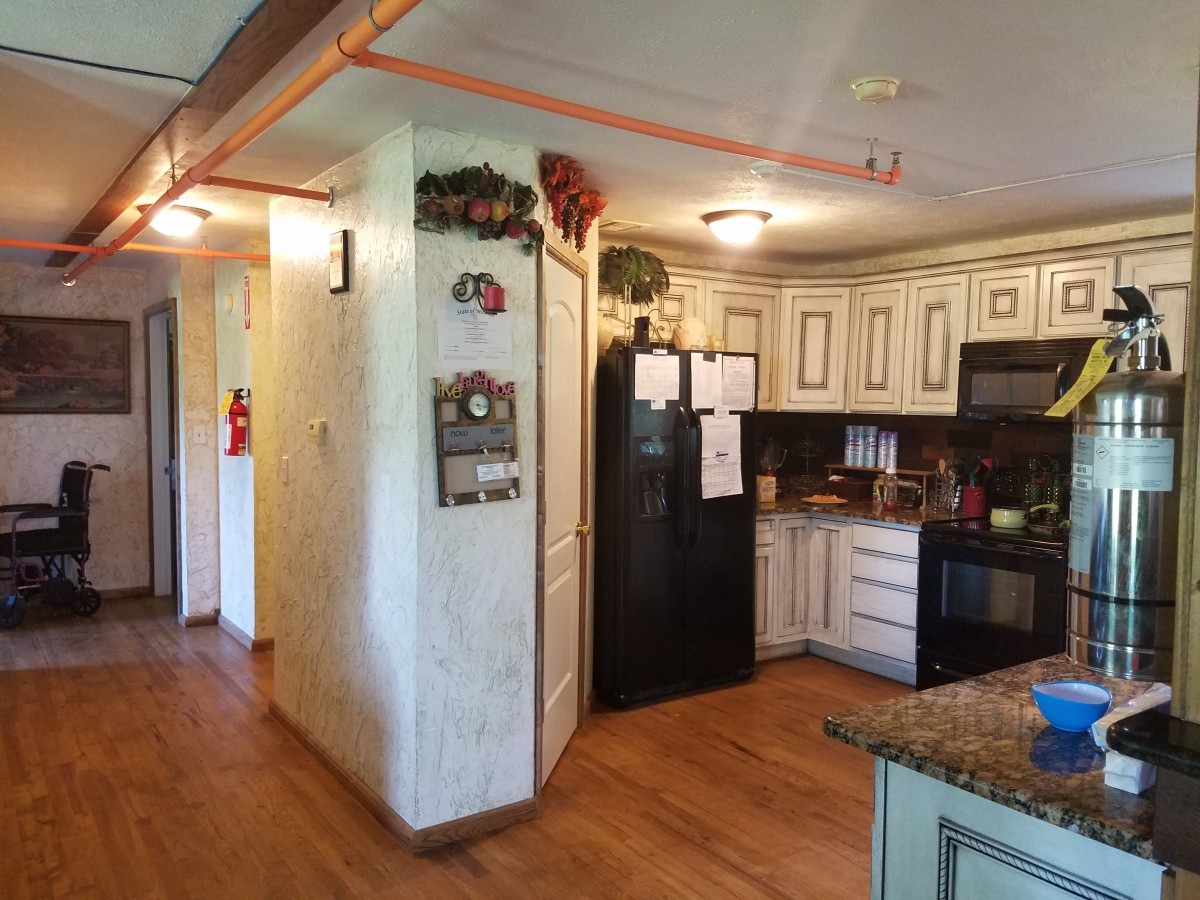
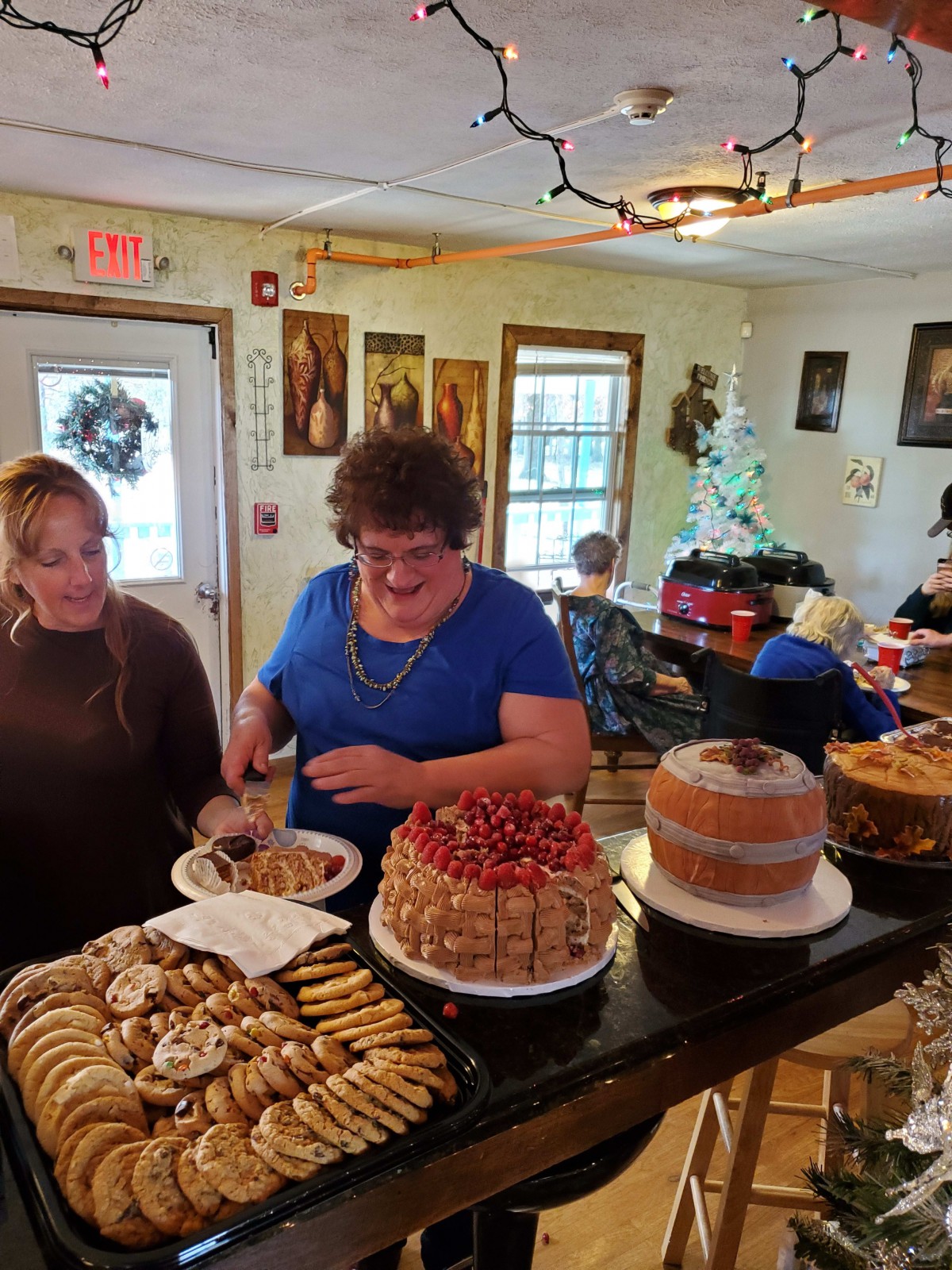
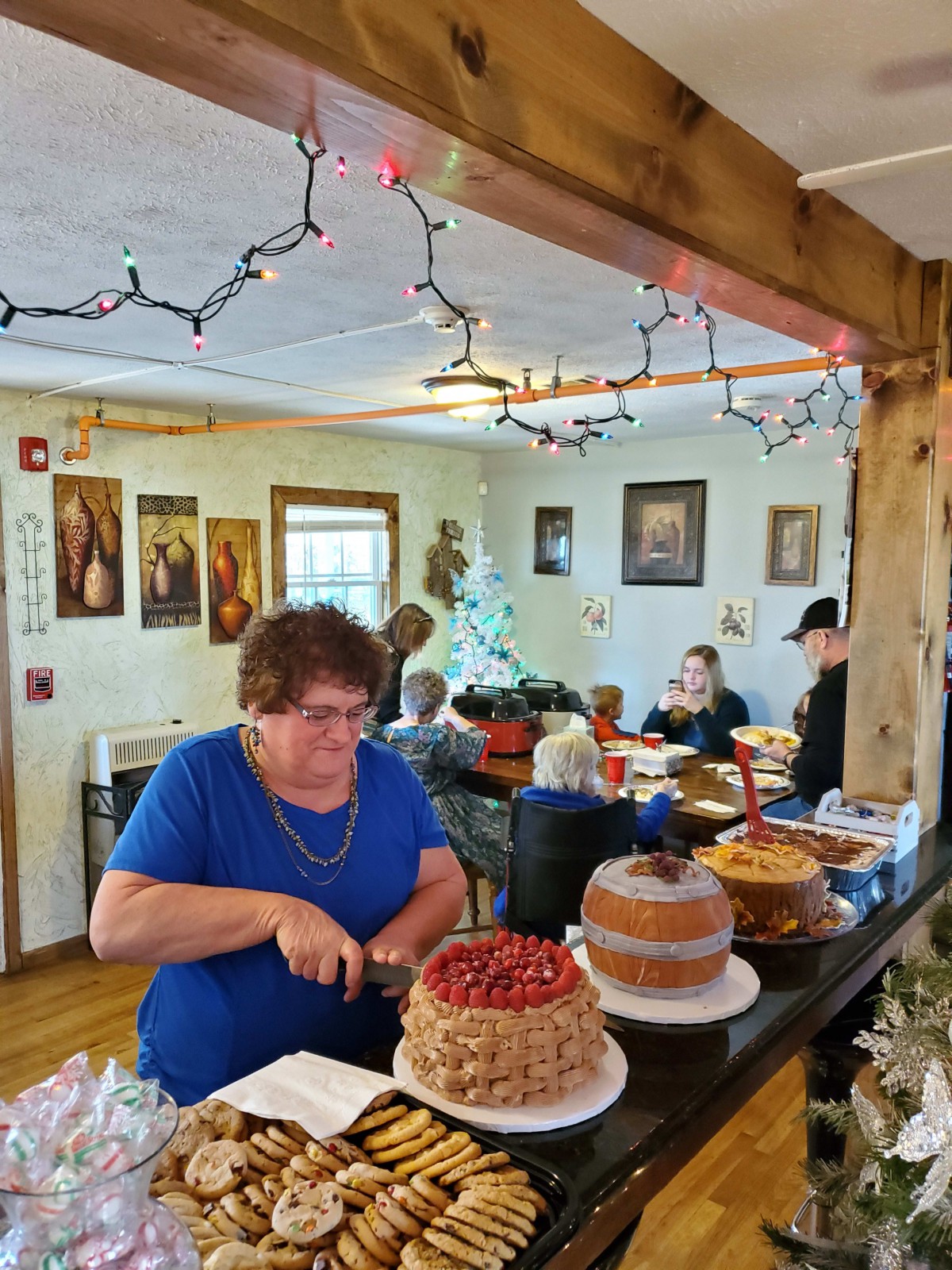
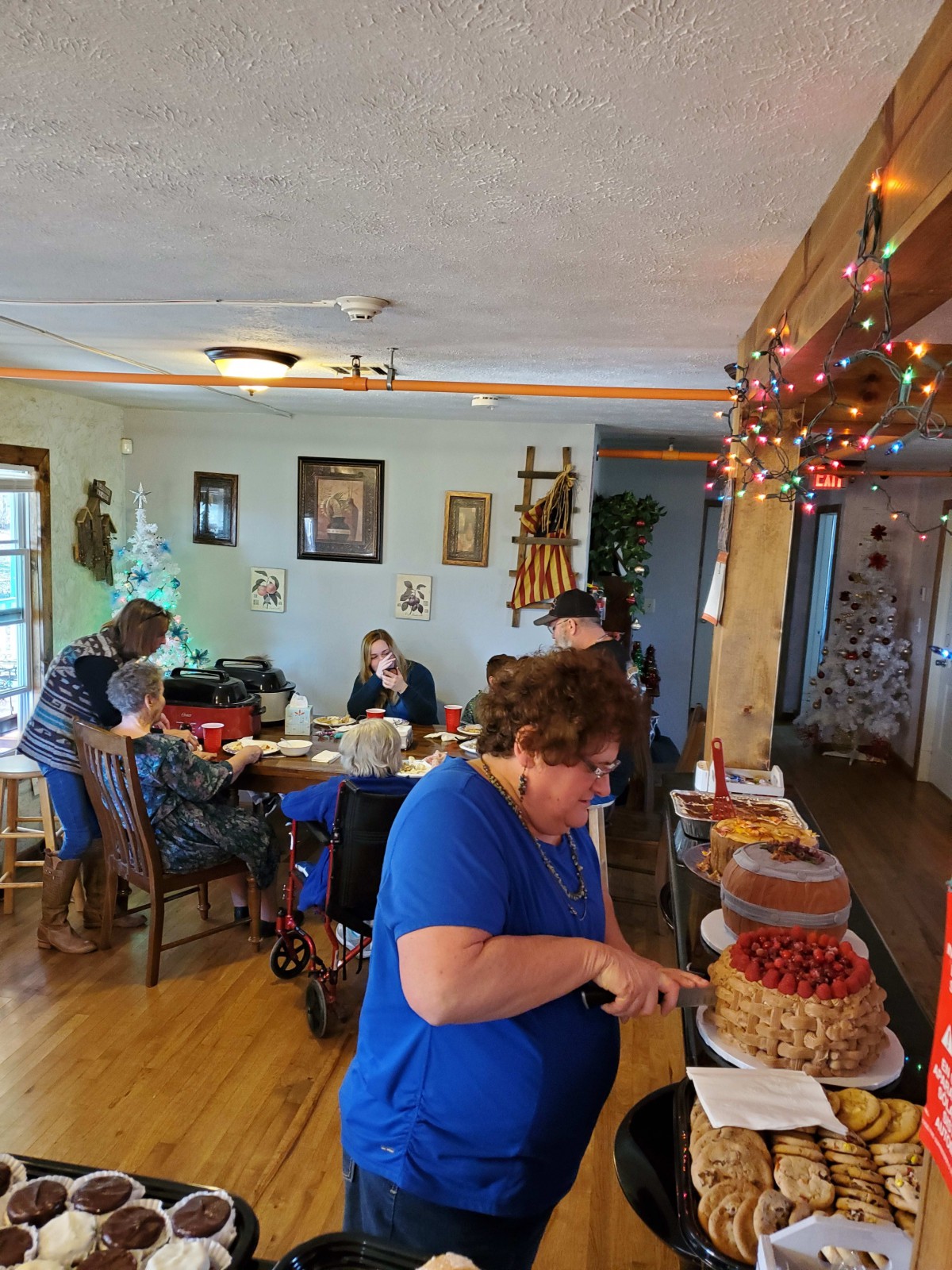
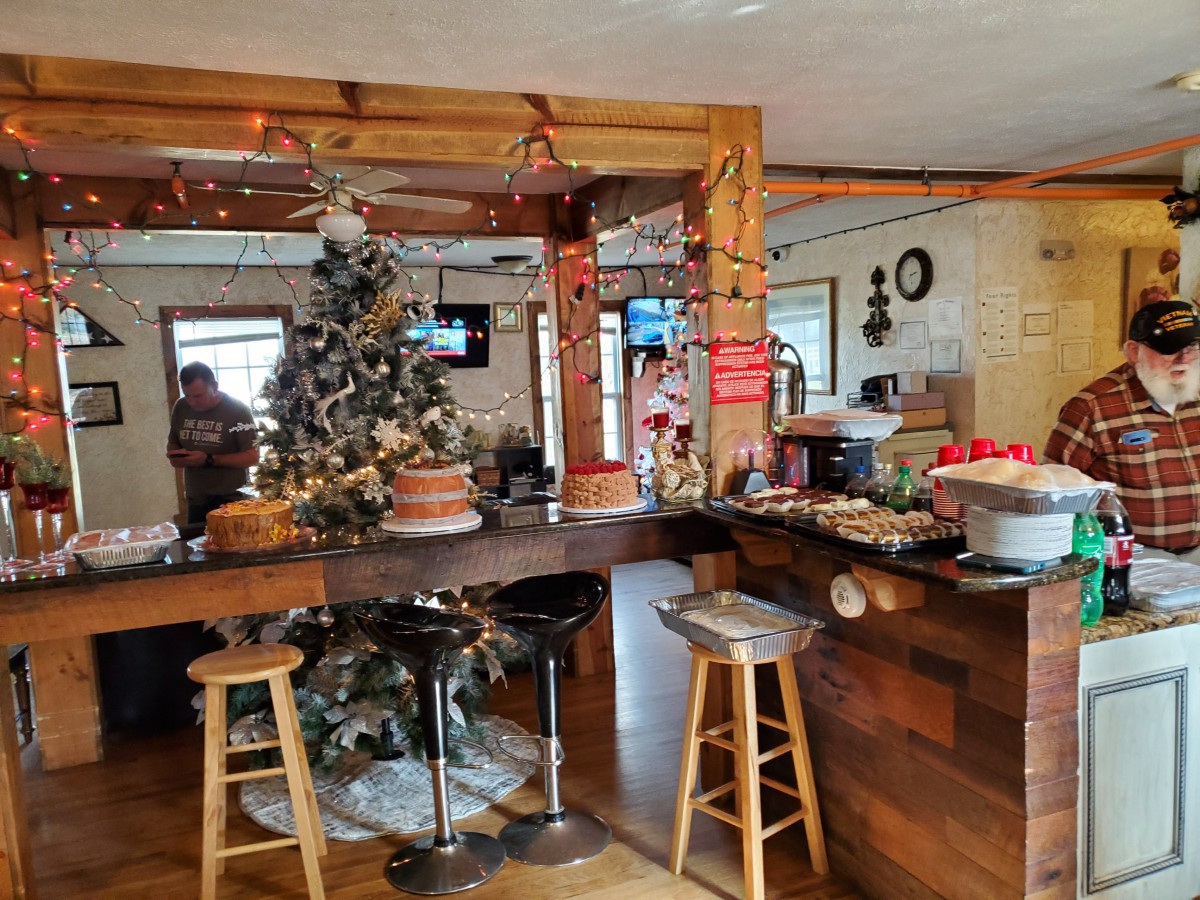
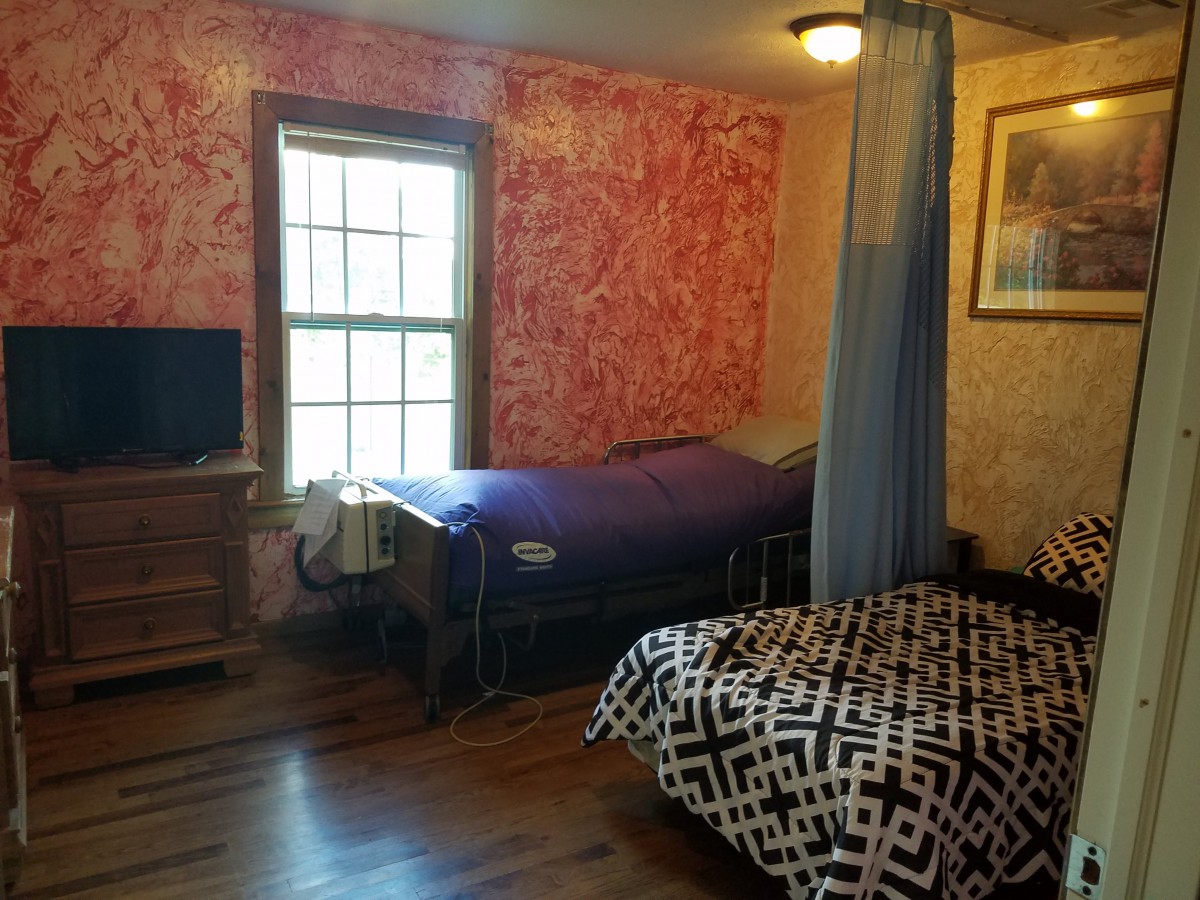
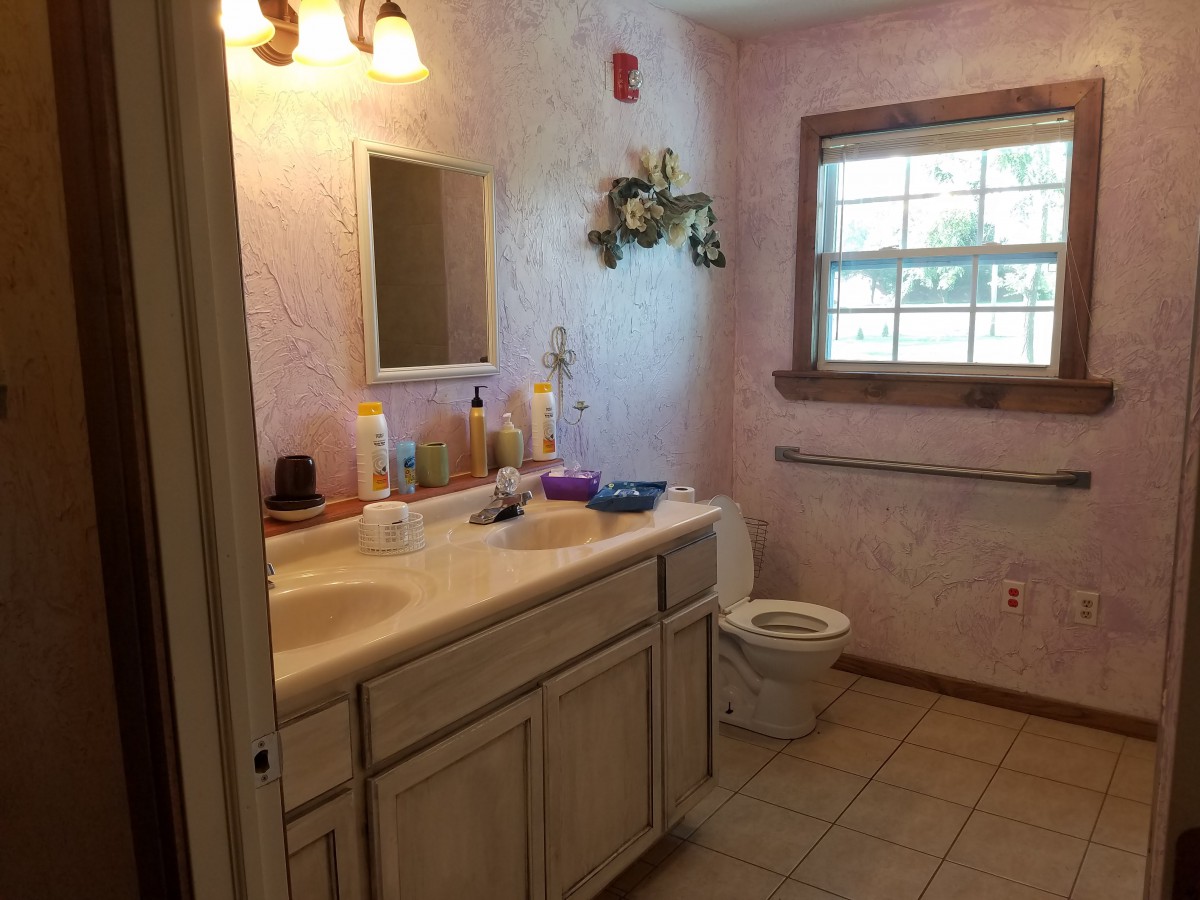
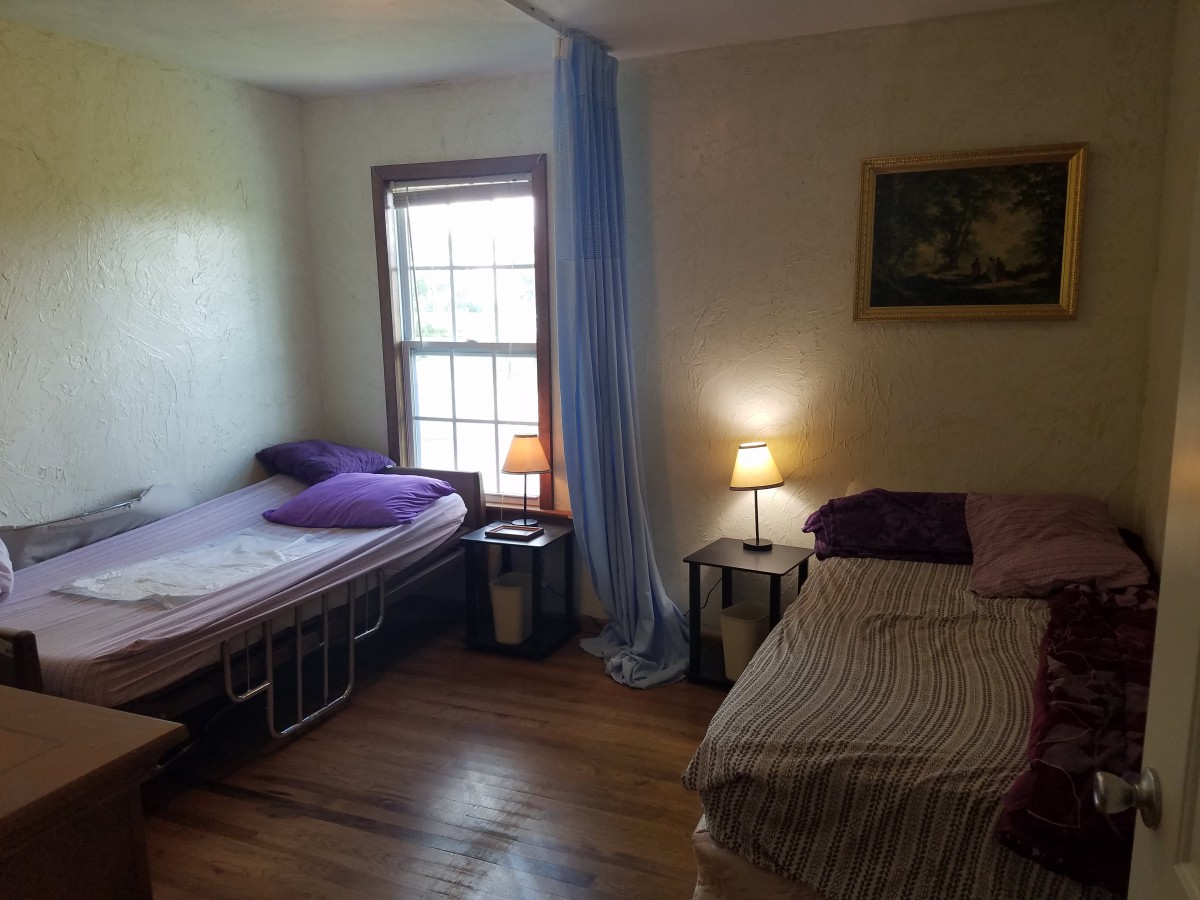
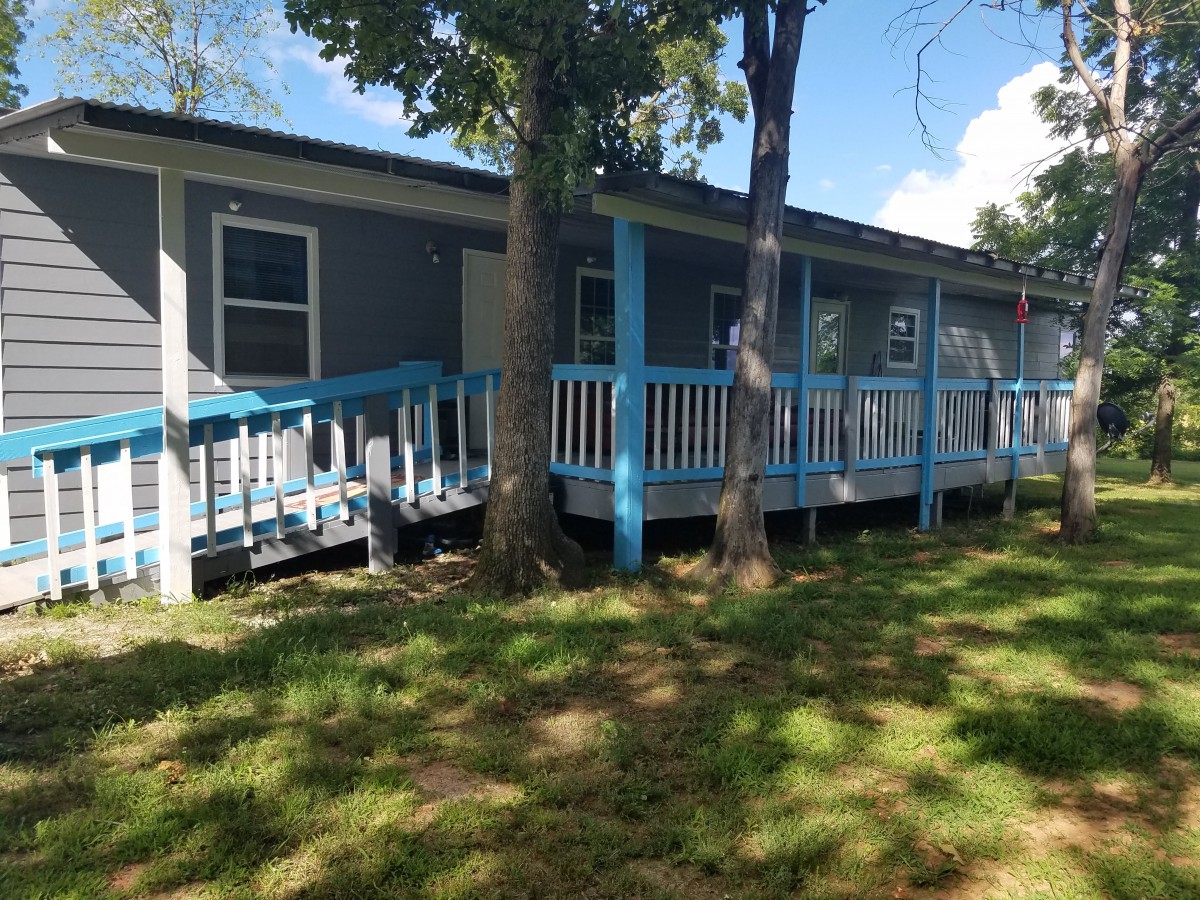
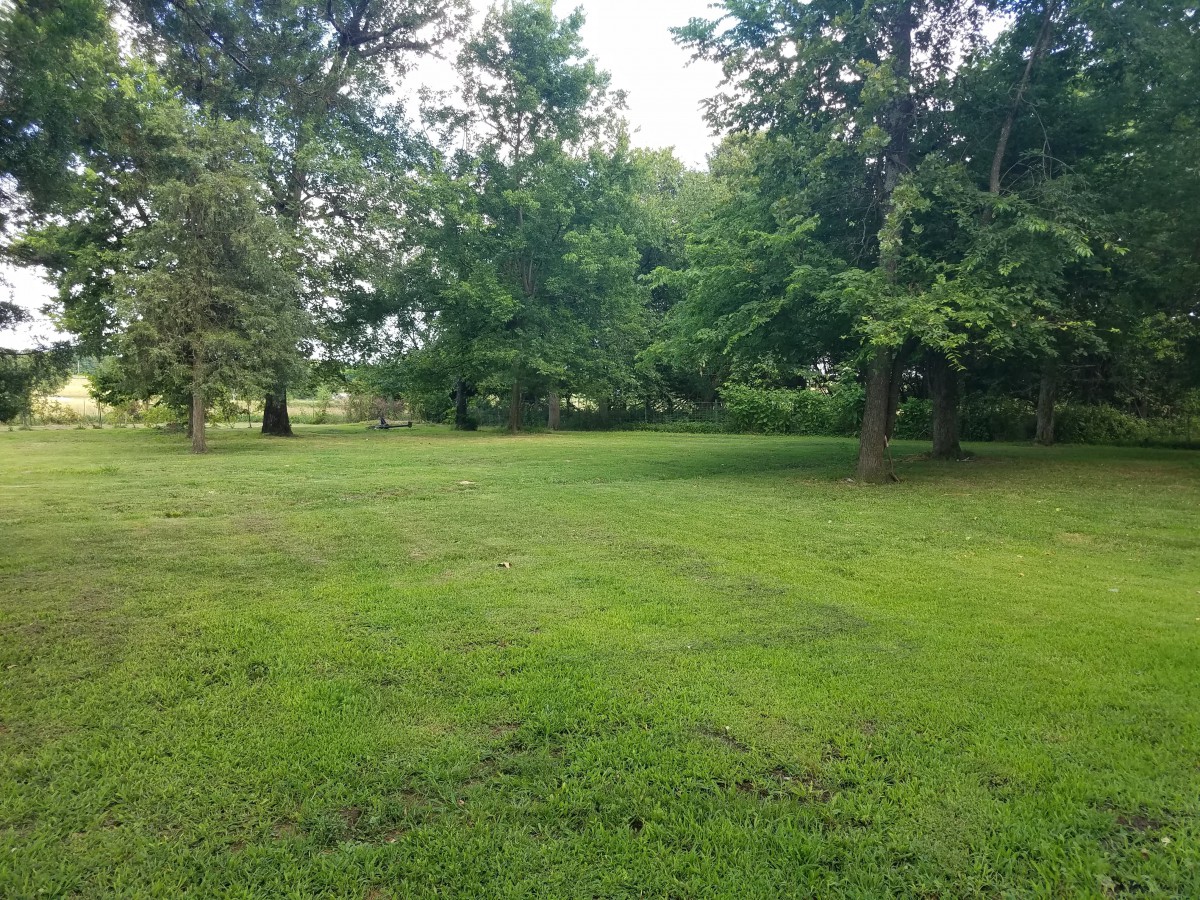
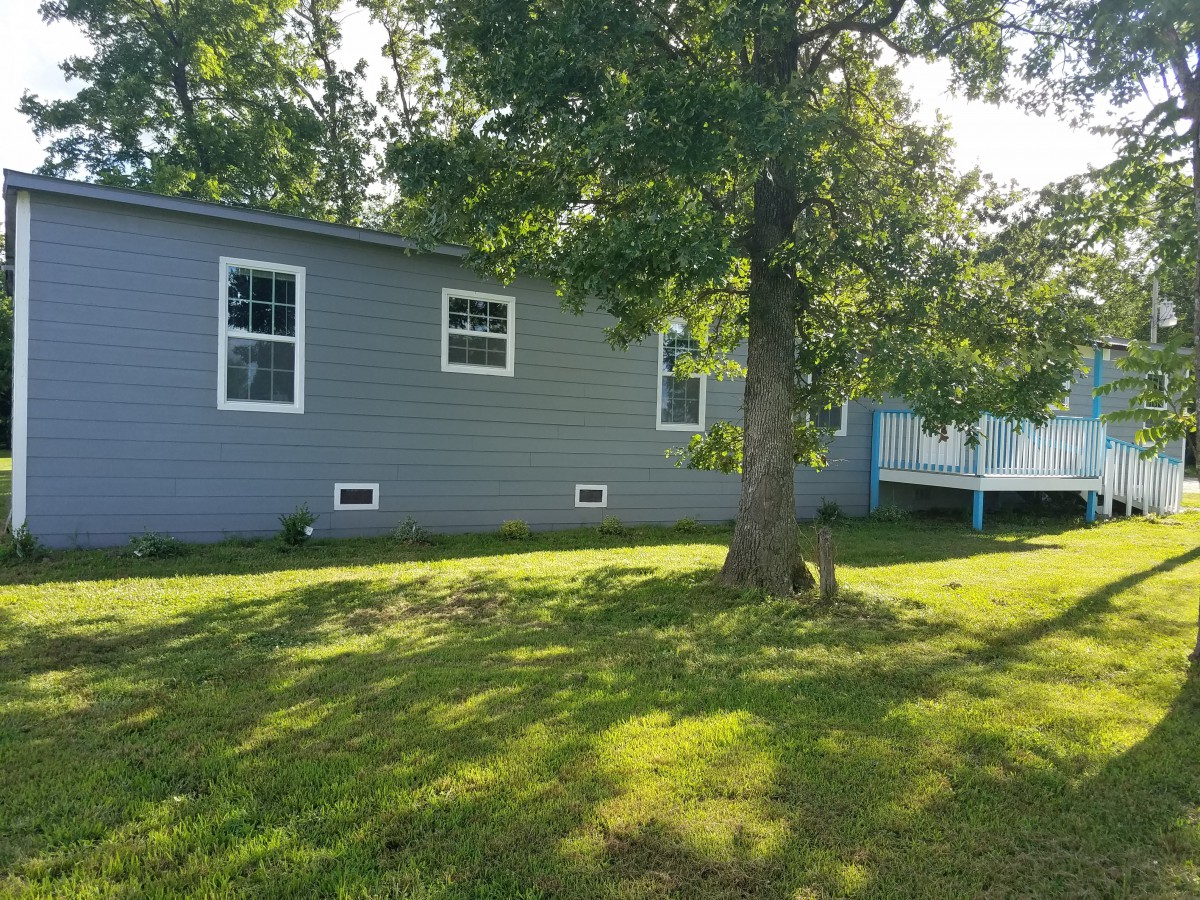
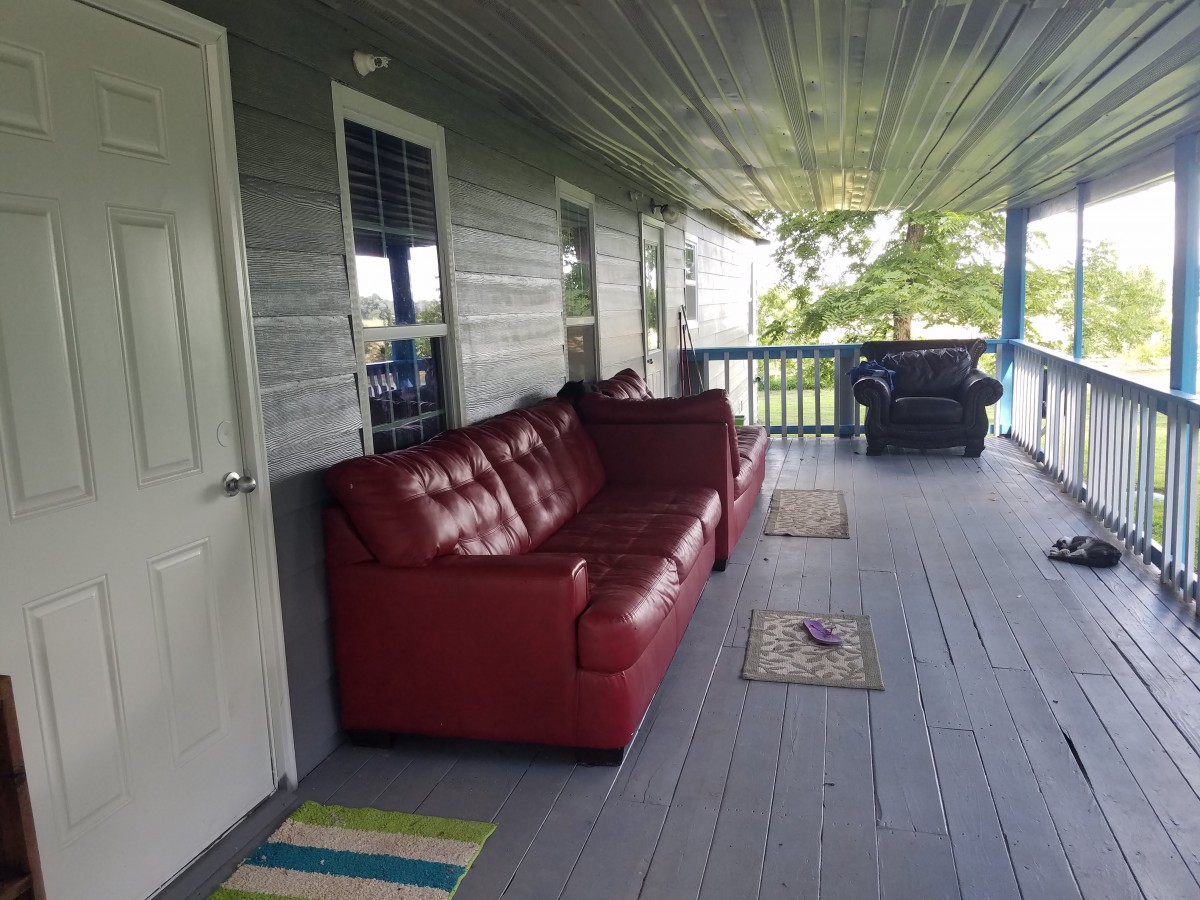
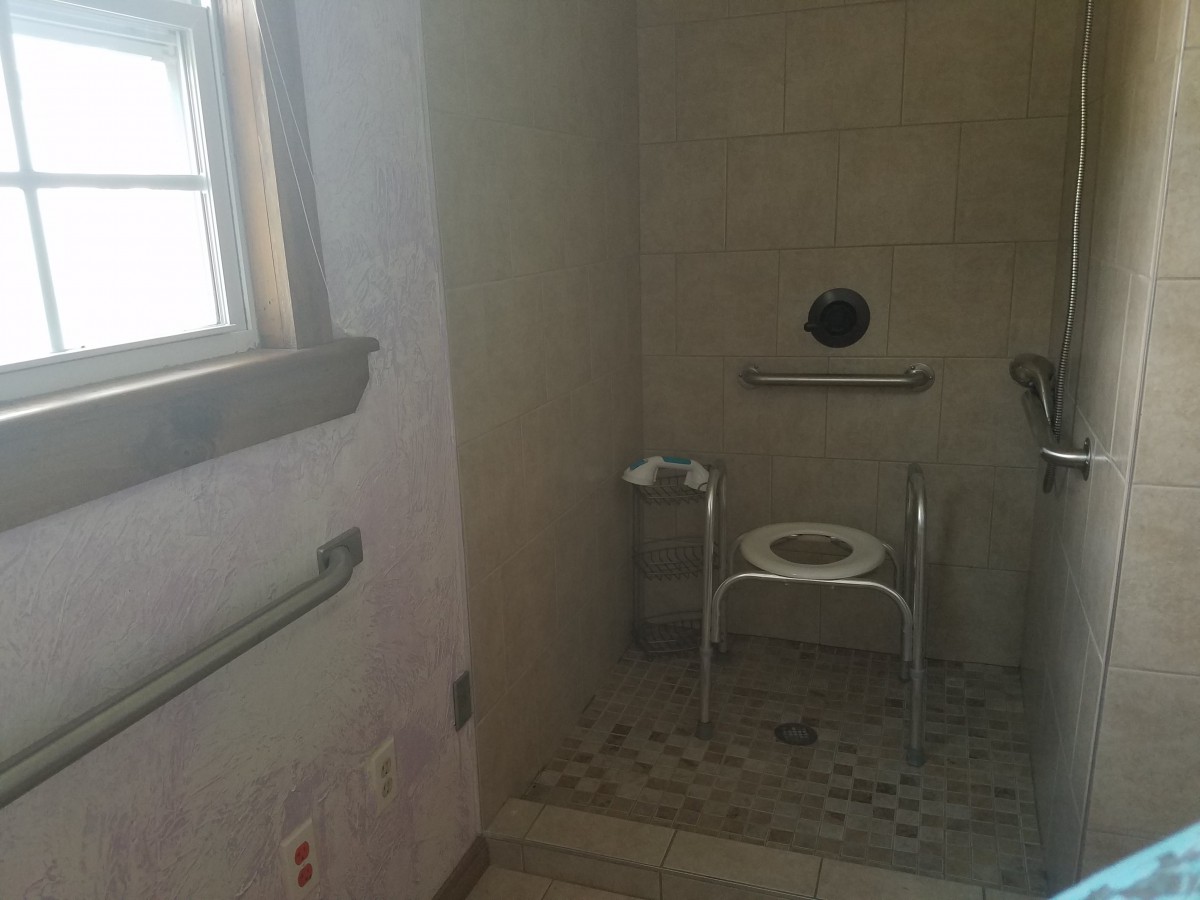
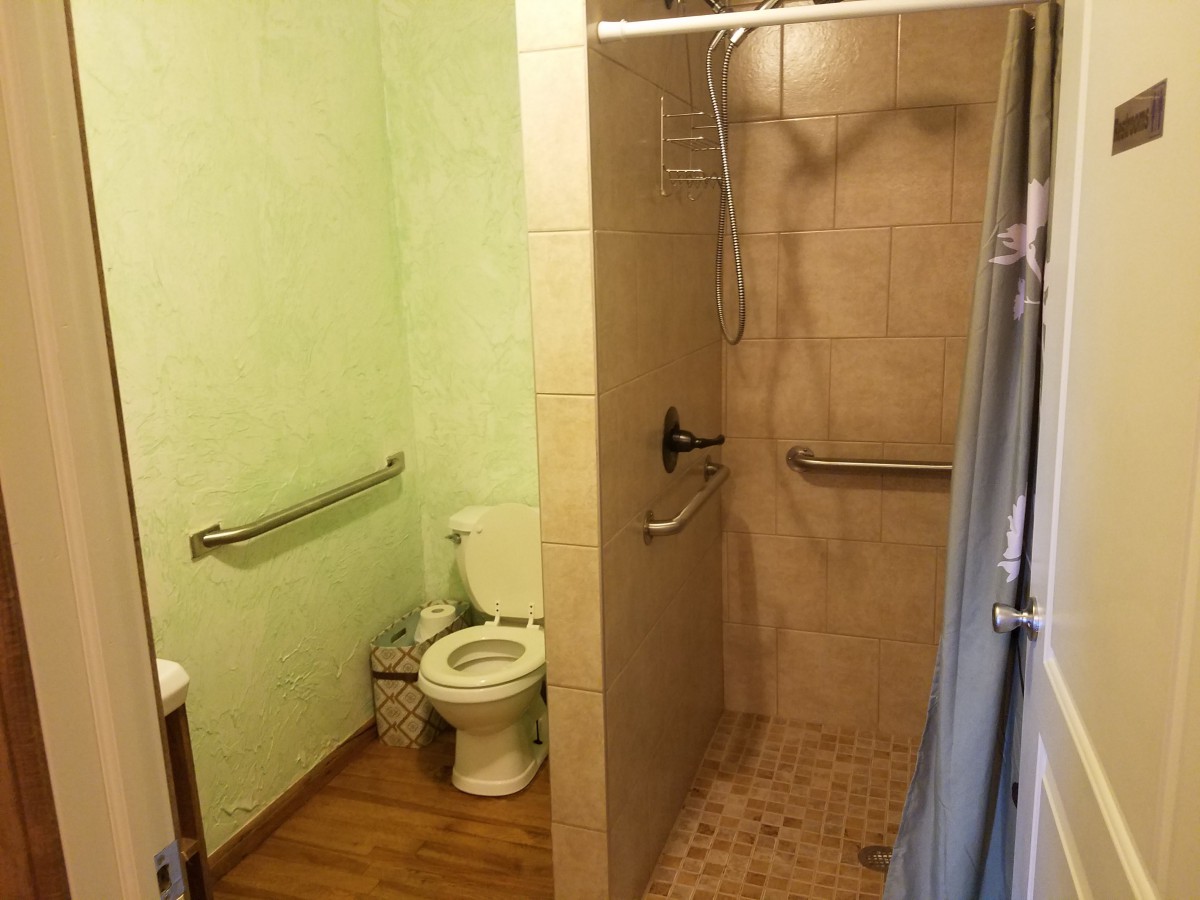
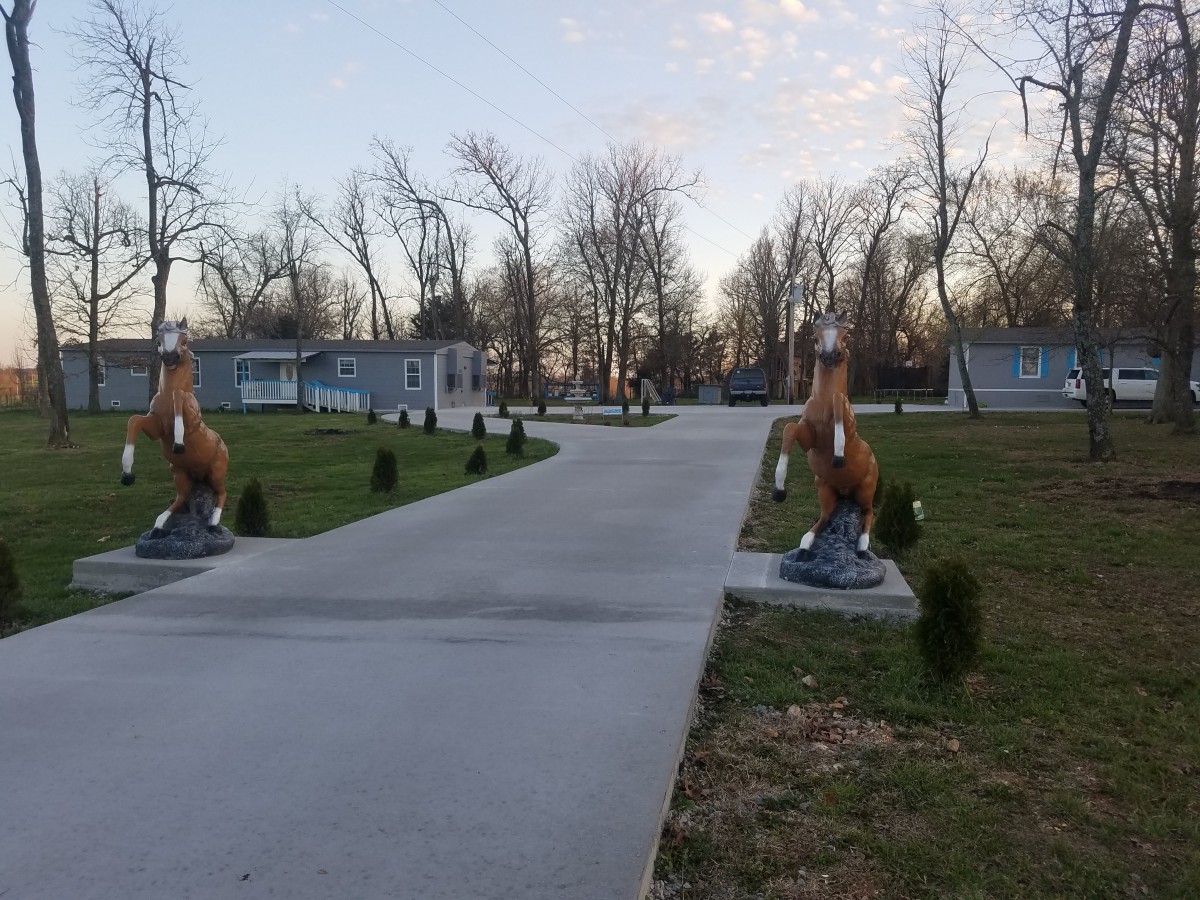
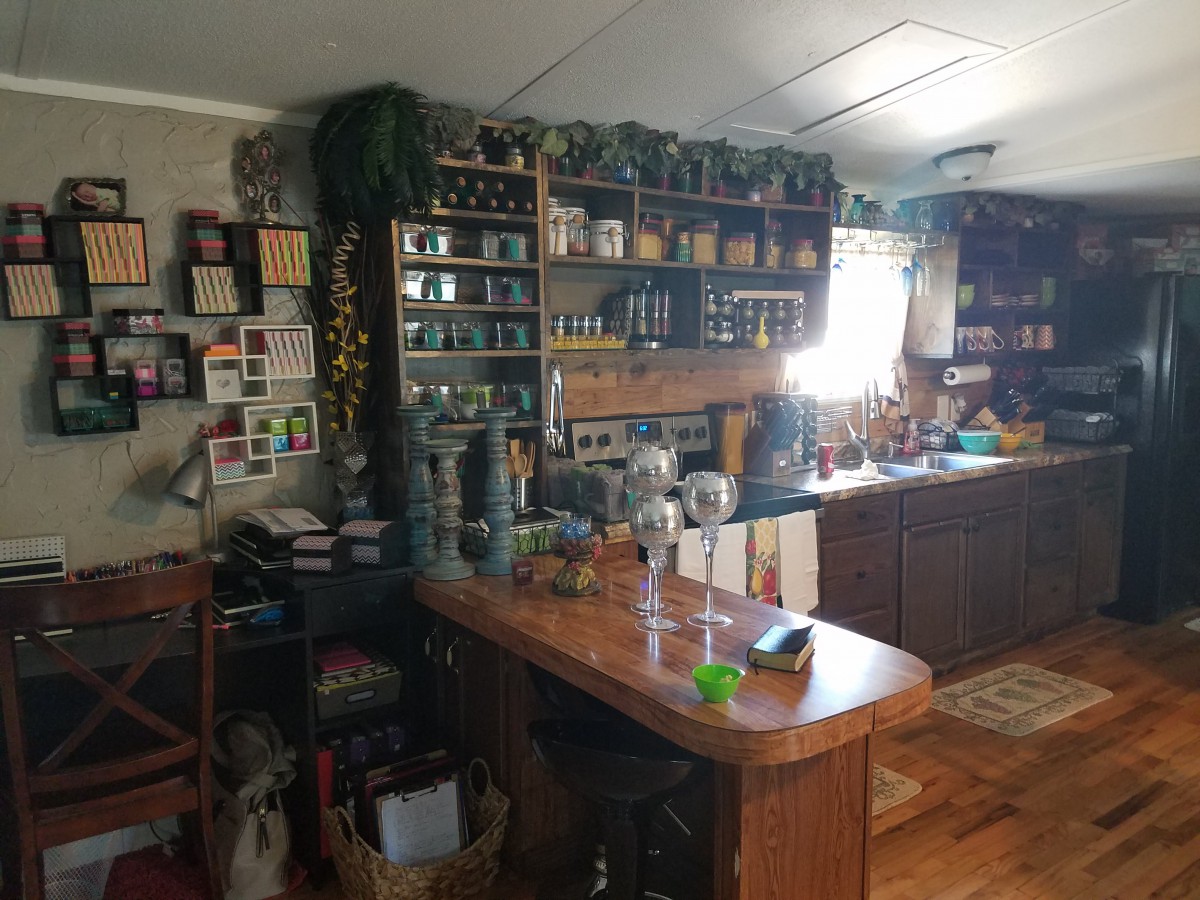
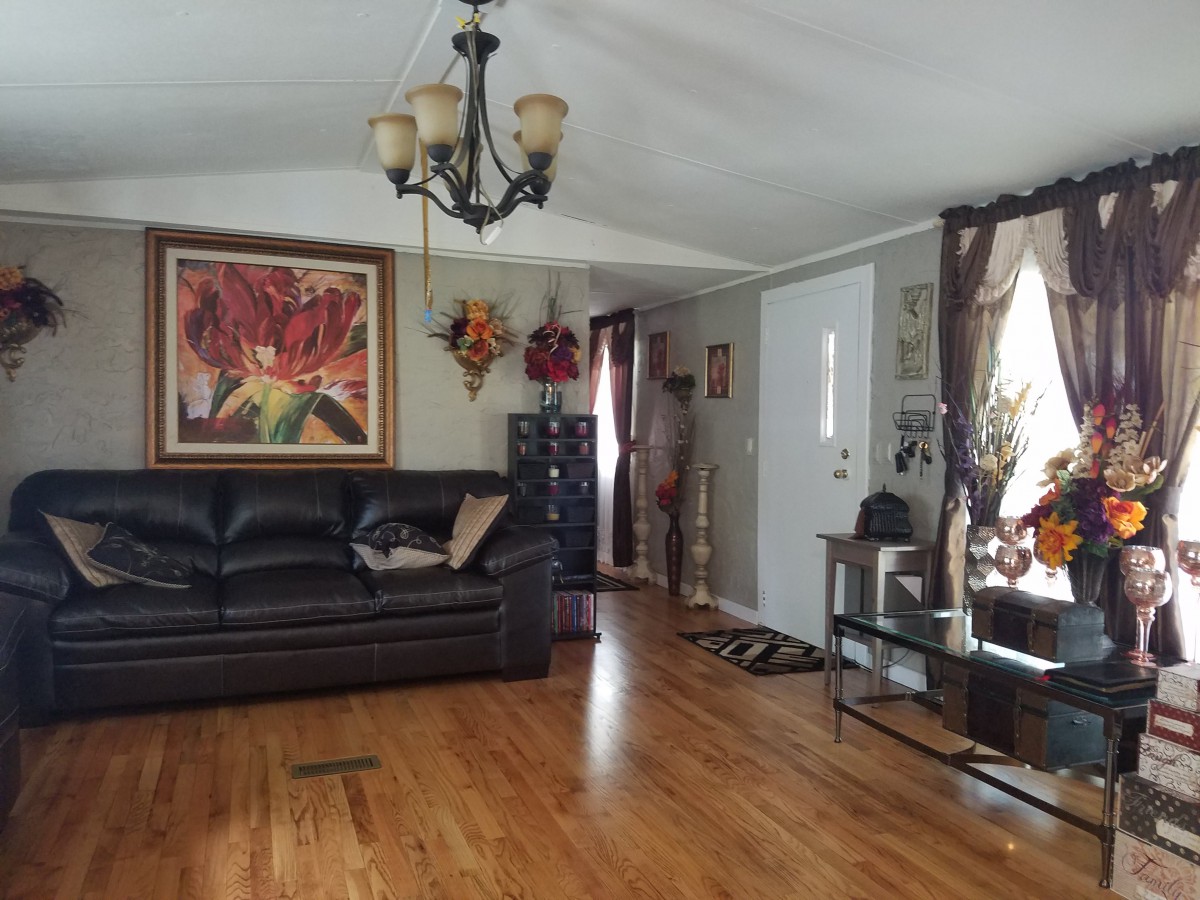
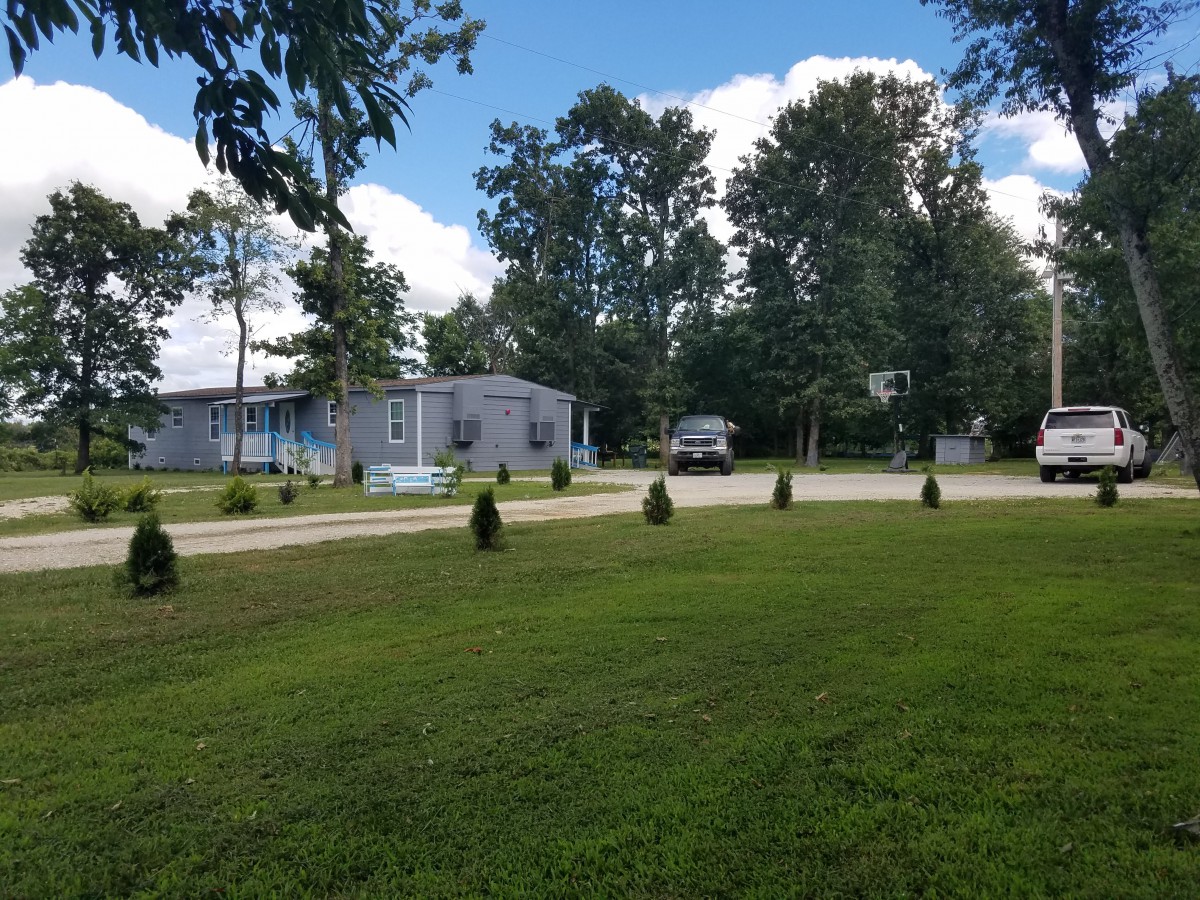
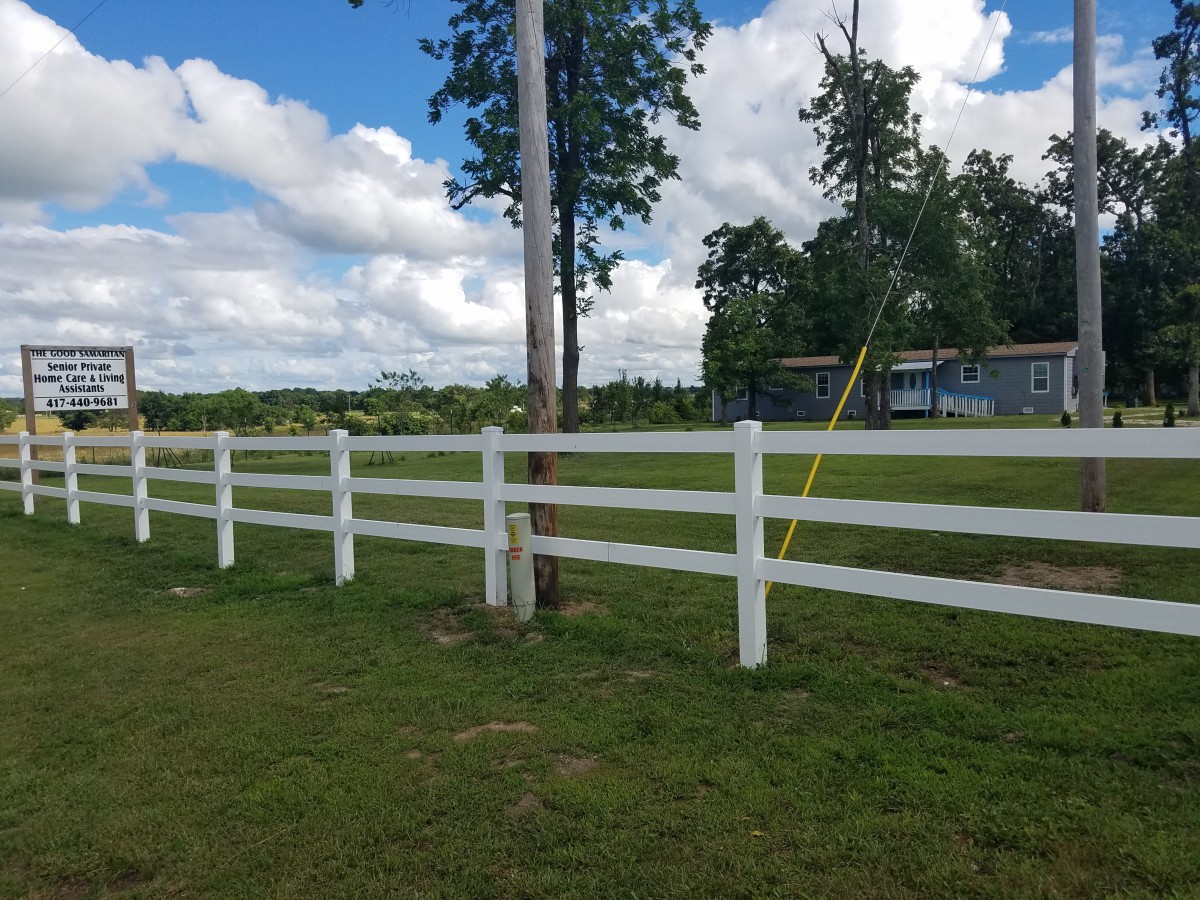
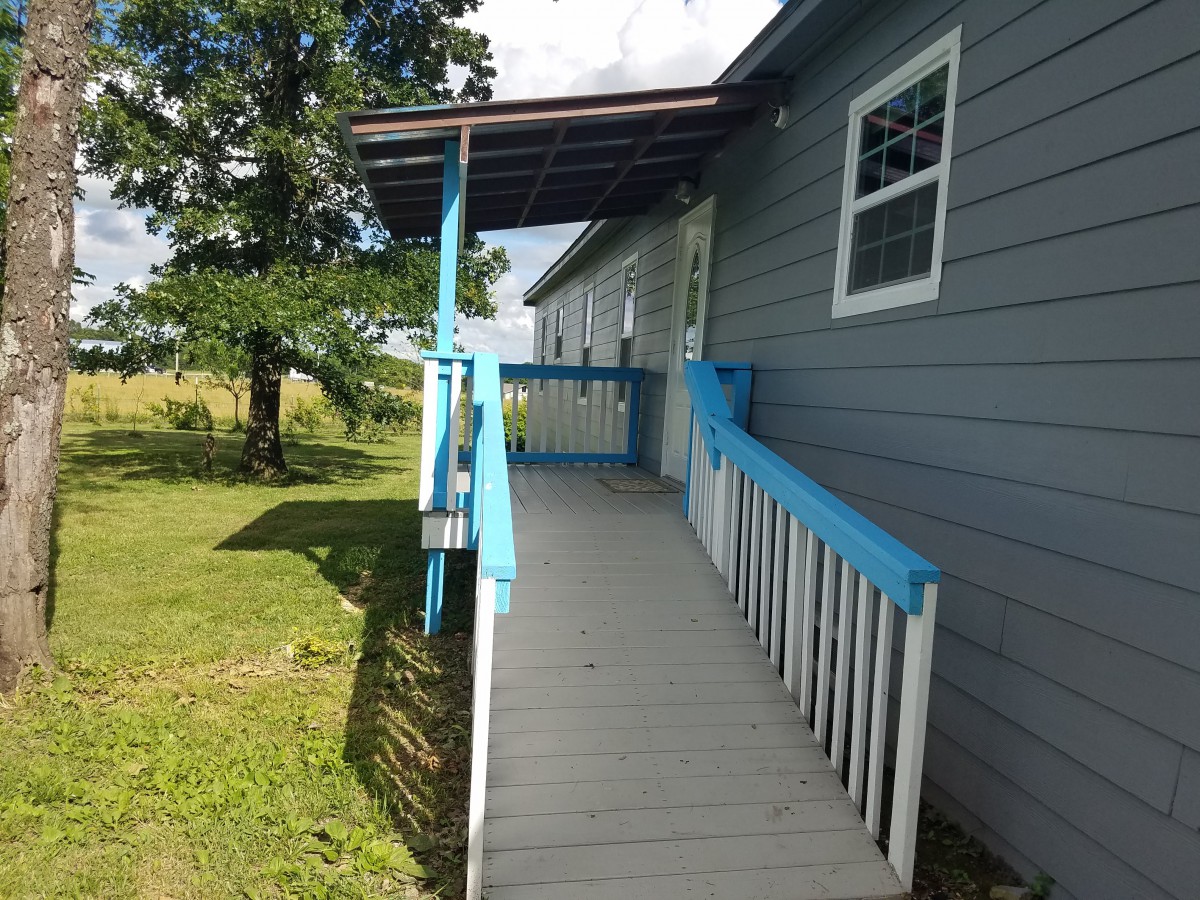
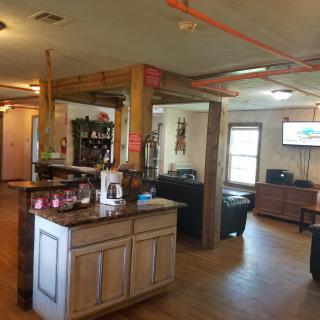
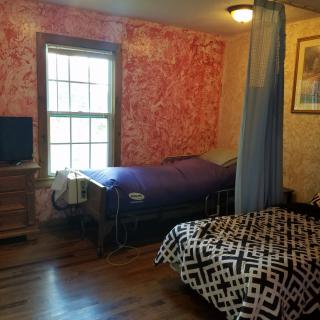
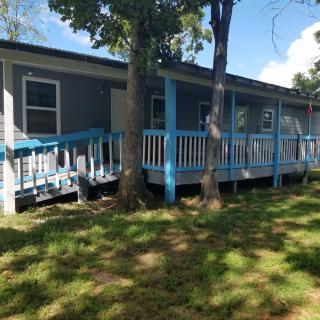
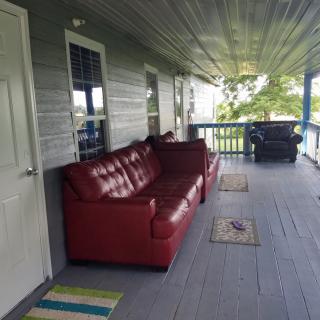
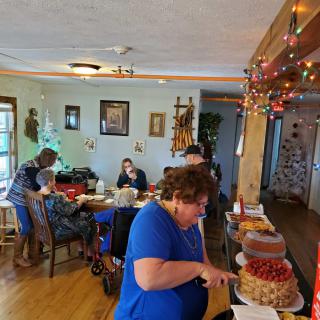
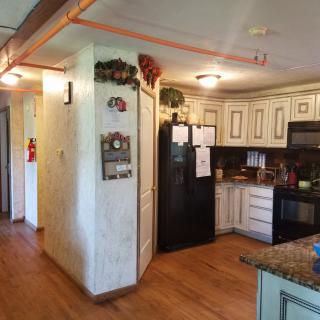
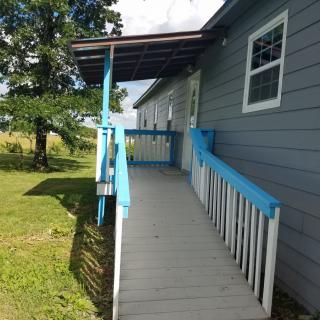
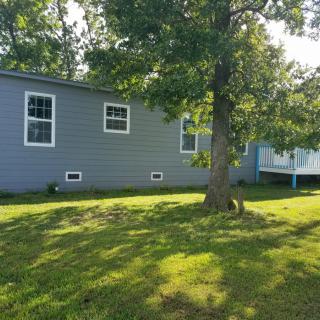
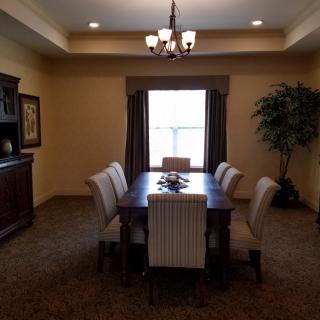
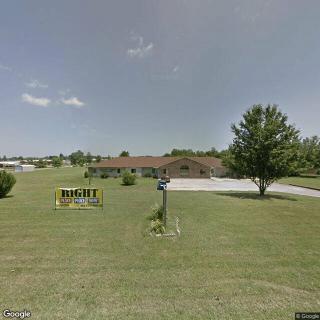
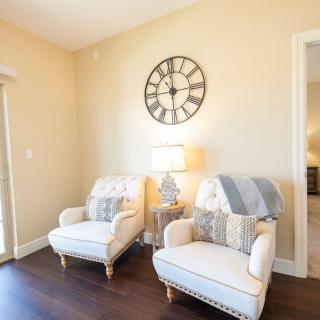
Good Samaritan Assisted Living Facility on seniors.fyi includes 29 photos including images showing interior, decor, bathroom, windows, trees, outdoors, bedroom, landscaping, and more.
Nearby Communities
Popa Good Samaritan Services
Verona, MO
5 from 17 reviews
Friendly, personalized care from a family-run team in a peaceful farm setting with pet-friendly policies and affordable rates.
St John's Hospital-Aurora
Aurora, MO
Adjacent hospital with strong healthcare access and nearby amenities.
Bristol Manor of Aurora
Aurora, MO
5 from 4 reviews
$1,850 / month
Caring, family-like staff in a clean, apartment-style setting with excellent meals.
Bristol Manor - Aurora
Aurora, MO
5 from 1 review
Fully furnished apartments with 24/7 care and restaurant-style dining.
Hudson House
Aurora, MO
4.3 from 32 reviews
Beautiful remodeled facility with caring staff and comfortable, home-like living spaces.
Community Of Autumn Court At Mt Vernon
Mount Vernon, MO
4.6 from 14 reviews
$3,000 to $4,000 / month
Competitive pricing within Lawrence County and Missouri averages (semi-private $3,000; private $4,000).
Bristol Manor - Republic
Republic, MO
3.5 from 4 reviews
Fully furnished apartments with 24-hour care and restaurant-style dining.
The Township Senior Living
Battlefield, MO
4.7 from 109 reviews
$2,520 to $4,625 / month
Friendly, attentive staff in a well-maintained, activity-rich community with diverse amenities.
Roaring River Health And Rehabilitation
Cassville, MO
2.6 from 9 reviews
Recent improvements in dining assistance and resident engagement; welcoming family area.
Memory care activities are essential for improving the quality of life of seniors with cognitive impairments, as they stimulate cognitive function, promote well-being, and encourage social interaction through tailored strategies. These activities combine structured exercises with spontaneous tasks, sensory engagement, physical workouts, creative pursuits, and intergenerational interactions to enhance emotional connection and a sense of purpose.
Transitioning from assisted living to memory care is driven by an individual's cognitive decline and specific needs, requiring careful evaluation of indicators like increased confusion and wandering. The process involves consulting medical professionals, researching suitable communities, considering financial and legal aspects, and ensuring effective communication for personalized care plans.
The article differentiates between assisted living and memory care, explaining that assisted living supports seniors with daily activities while promoting independence, whereas memory care provides specialized services for individuals with dementia, focusing on secure environments and cognitive support. It also addresses staff training, safety considerations, costs, family involvement, and transition strategies for families navigating these care options.
Get PricingAsk A QuestionSchedule A TourContact Senior Advisor
By clicking submit, you agree to our Partner's Terms of Use. You
also consent to receive calls and texts, which may be autodialed, from our Partner. Your consent is not a condition to
using our Partner's service. Please visit our Partner's Privacy Policy for information about their privacy practices.







 Board and Care Home
 Memory Care
 Cats allowed
 Dogs allowed
 Activities on-site
 Air-conditioning
 Bath tubs
 Beautician on-site
 Cable or satellite TV
 Devotional services off-site
 Fireplaces
 Full kitchen
 Indoor common areas
 Outdoor common areas
 Private
 Private bathrooms
 Wheelchair accessible showers
 Diabetic care
 High acuity care
 Incontinence care
 Medication management
 Anytime dining
 Art classes
 Cooking classes
 Day trips and outings
 Educational speakers / life long learning
 Happy hour
 Live well programs
 Protestant services
 Wine tasting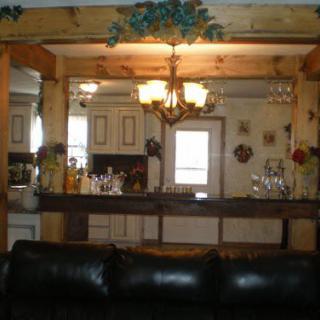
 Friendly, personalized care from a family-run team in a peaceful farm setting with pet-friendly policies and affordable rates.
 Engaging Memory Care Activities That Enhance Quality of Life
 When to Transition from Assisted Living to Memory Care: Key Indicators, Steps, and Finding the Right Community
 Understanding the Distinctions: Assisted Living and Memory Care Explained