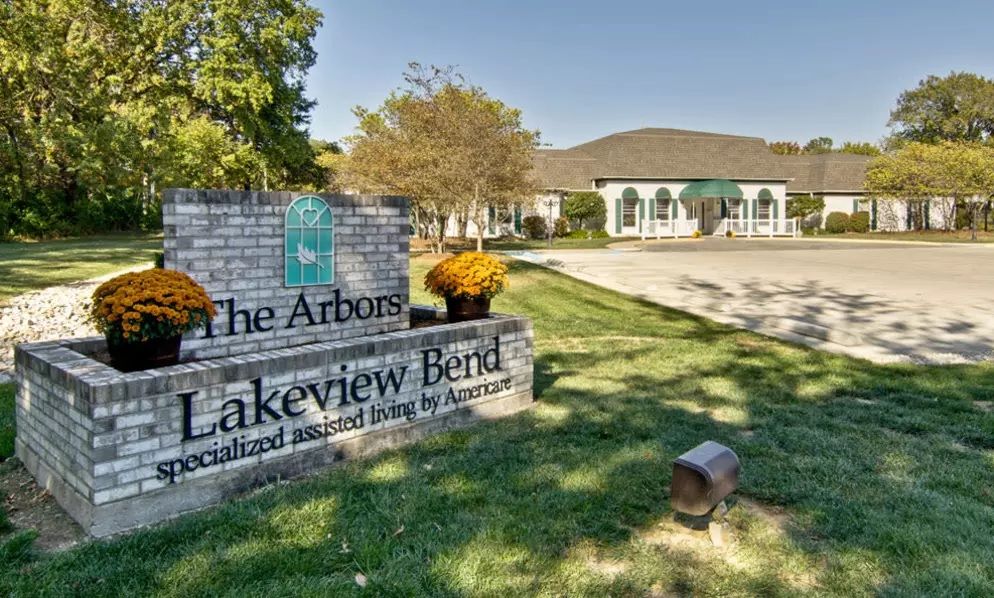
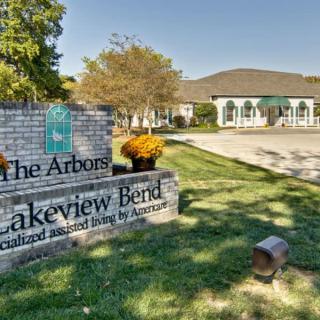
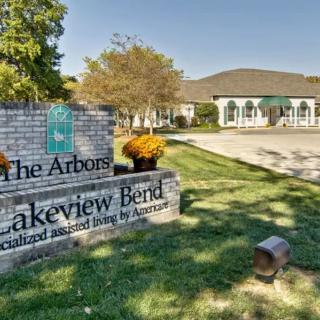
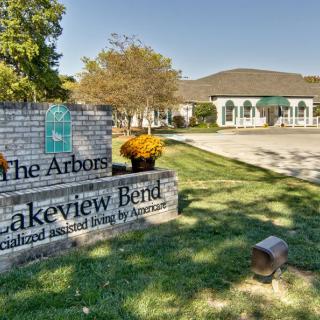
1700 Asbury Cir W, Mexico, MO 65265
To contact a resident: (573) 581-8777
For more information about senior living options: (866) 208-4318
The Arbors at Lakeview Bend Costs & Pricing
The Arbors at Lakeview Bend offers competitive pricing for its residents, particularly when comparing costs to both Callaway County and the broader state of Missouri. For a semi-private room, residents will pay $3,990 per month, which exceeds the local average of $3,699 but remains slightly above the state average of $3,772. In contrast, the studio option is priced at $5,040 per month, significantly higher than the county's average of $3,430 and the state's figure of $3,418. These rates reflect not only the quality and care provided at The Arbors but also highlight how it positions itself within the regional market for assisted living facilities.
| Floor plans | The Arbors at Lakeview Bend | Callaway County | Missouri |
|---|---|---|---|
| Semi-Private | $3,990 | $3,699 | $3,772 |
| Studio | $5,040 | $3,430 | $3,418 |
Overall Review of The Arbors at Lakeview Bend
Pros
 The Arbors is a nice community place.
- The facility is clean, with freshly prepared meals that provide good nutritional value, and the staff are consistently helpful.
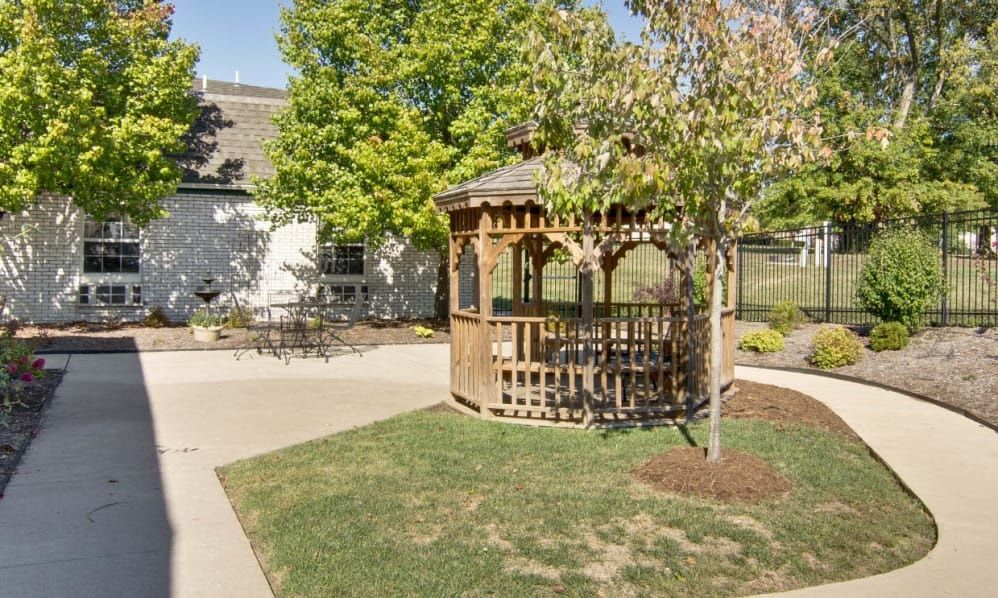
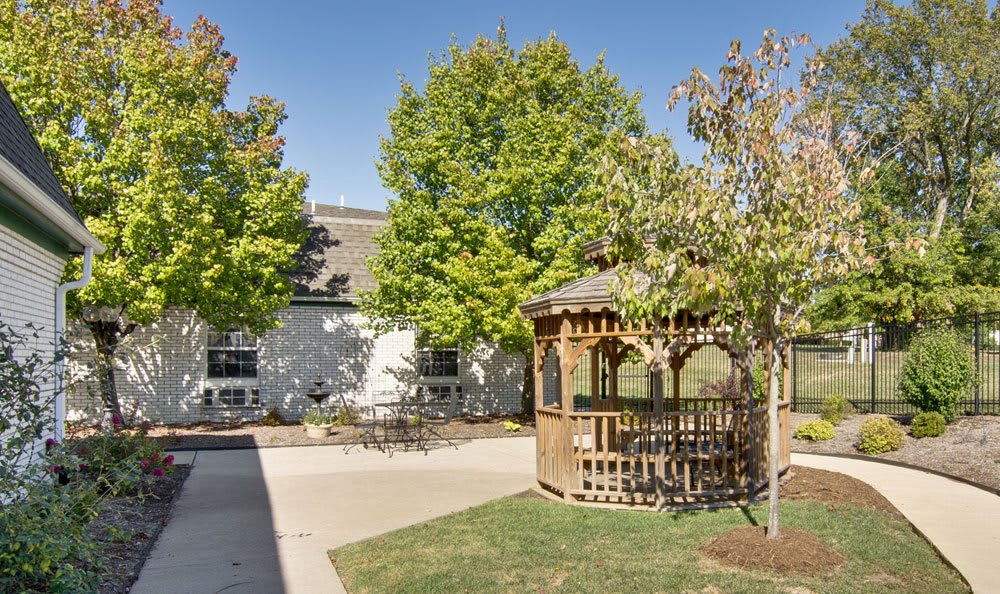
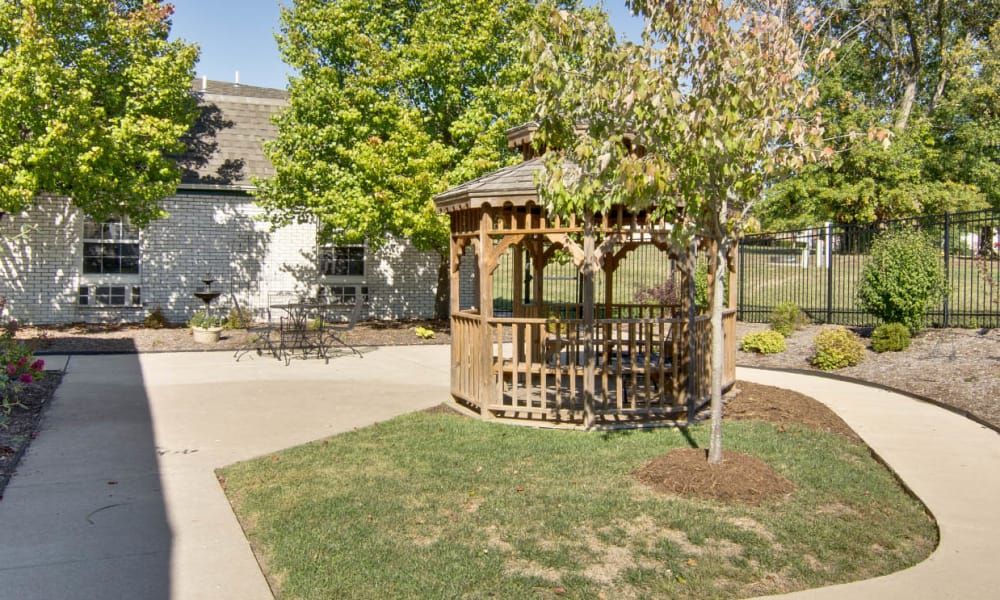
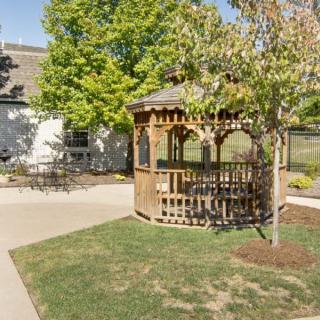
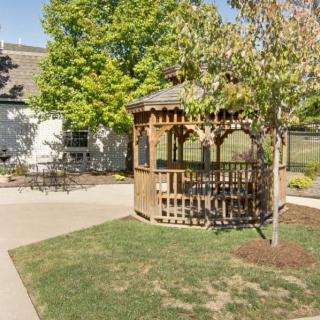
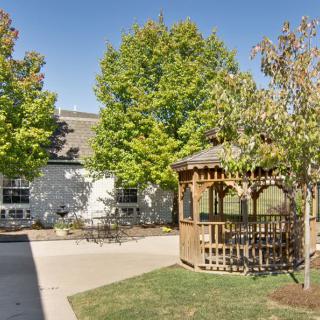
- The gazebo garden area is enjoyed by residents.
- Jon keeps families informed about potential issues and takes the initiative to seek appropriate action.
- The DON, Joni Fox, builds a bond with residents that helps them adjust, and the staff are kind, considerate, and well-trained.
- The experience at the Arbors is smooth, with friendly and understanding staff across all areas during difficult times.
Cons
 They would absolutely not recommend this facility for a loved one.
- The staff is not trustworthy in every way possible.
- They advise others to check other places before deciding on this place.
Review
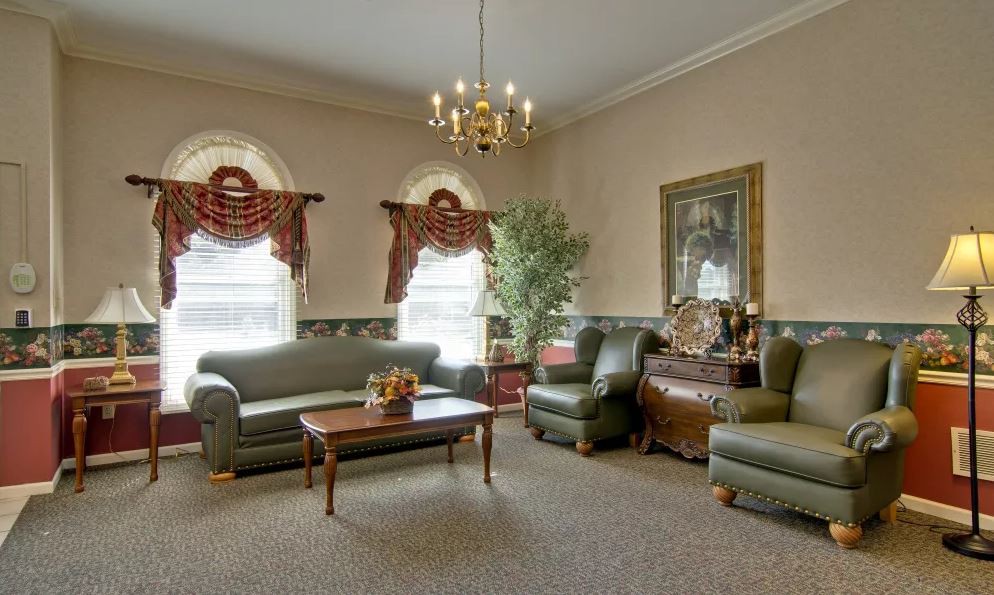
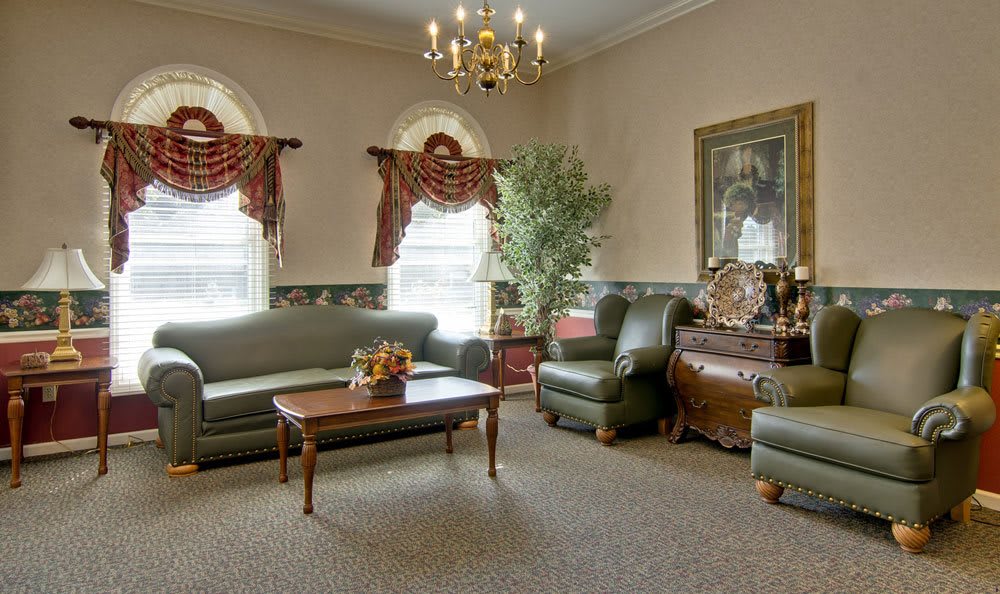
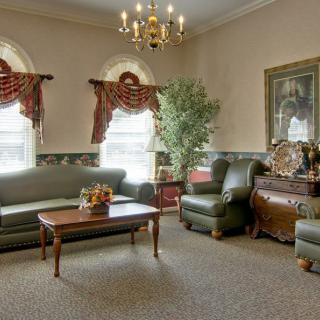
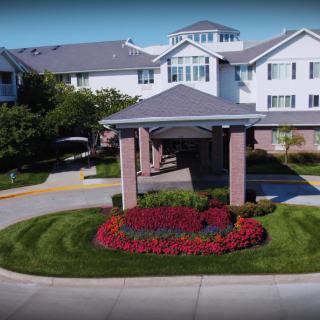
The Arbors at Lakeview Bend is best suited for families seeking a dependable, no-nonsense assisted living environment where staff responsiveness and clean, nutritious daily living are paramount, and where dementia-focused care is a clear strength. The community’s strengths center on steady leadership, accessible communication, and a calm, well-maintained setting that reduces daily care friction. It works particularly well for families who want a straightforward admission process and a caregiving team that will take initiative when issues arise, rather than a venue that overpromises activity-filled days. For residents who crave a highly social, bustling scene or aggressive, highly visible programming, alternatives may offer more vibrant engagement.
Those considering other options should especially weigh this community’s openness to scrutiny. Several families flagged concerns about trust in staff, suggesting that in some cases the perceived reliability of caregivers is not as solid as hoped. If transparent, documented accountability is a primary criterion, or if a resident requires exceptionally consistent staffing with frequent visible checks, it may be wise to compare with other facilities that emphasize stronger oversight and guest-facing reporting. The cautionary notes from a subset of reviewers cannot be dismissed, and prospective families should press hard for specifics during tours.
The practical upside of The Arbors is tangible and meaningful. Clean facilities, freshly prepared meals with good nutritional value, and staff who are described as helpful in everyday interactions create a dependable daily rhythm. Families repeatedly highlight the DON’s engagement and ability to communicate potential issues promptly, which can significantly ease the moving-in transition and ongoing care coordination. The easy admissions experience, described as lacking hoops to jump through, also reduces stress during a time when moving a loved one is already overwhelming. In short, reliability of operations and day-to-day kindness stand out as genuine assets.
Yet the same strengths expose the primary tension some families feel. The most persistent caveat concerns trust in staff, with explicit warnings that “not trustworthy” outcomes are possible. This creates a painful paradox: a community that can be dependable in routines and responsive in emergencies may still leave some families uneasy about day-to-day staffing consistency. For families where transparent accountability, continuous caregiver visibility, and verifiable staffing practices are nonnegotiable, these concerns require careful validation during visits and requests for concrete documentation about staff training, supervision, and turnover.
Dementia care emerges as a clear, compelling positive in the Arbors’ profile. Several reviewers point to the DON’s time spent with residents during evaluations, which helps families feel understood and residents adjust more smoothly to placement. The staff’s demonstrated kindness, patience, and training in dementia-related needs translate into meaningful daily support for loved ones with memory challenges. For families navigating whether a memory-care approach belongs at this level of care, the Arbors presents a credible option where trained staff are likely to sustain a comforting, familiar routine for residents who benefit from consistent, compassionate caregiving.
Decision-makers weighing this community should structure a focused visit around six points: meet the DON and several frontline caregivers to gauge consistency and communication style; observe interactions with residents who have dementia to assess patience, pace, and engagement; tour dining and common areas to verify the quality of meals, cleanliness, and social ambiance; ask for tangible documentation on staffing ratios, training, and turnover; inquire about the breadth of social and activity programming and how residents are encouraged to participate; and compare with nearby facilities to determine whether a more social calendar or a more transparent staffing model is worth pursuing. The Arbors at Lakeview Bend is a solid, practical choice for dementia-focused care and steady daily operation, but it carries caveats that must be weighed against each resident’s social needs and the family’s confidence in staff reliability.
 36 resident community capacity
 Memory Care
 Cats allowed
 Dogs allowed
 Activities on-site
 Air-conditioning
 Beautician on-site
 Cable or satellite TV
 Devotional services off-site
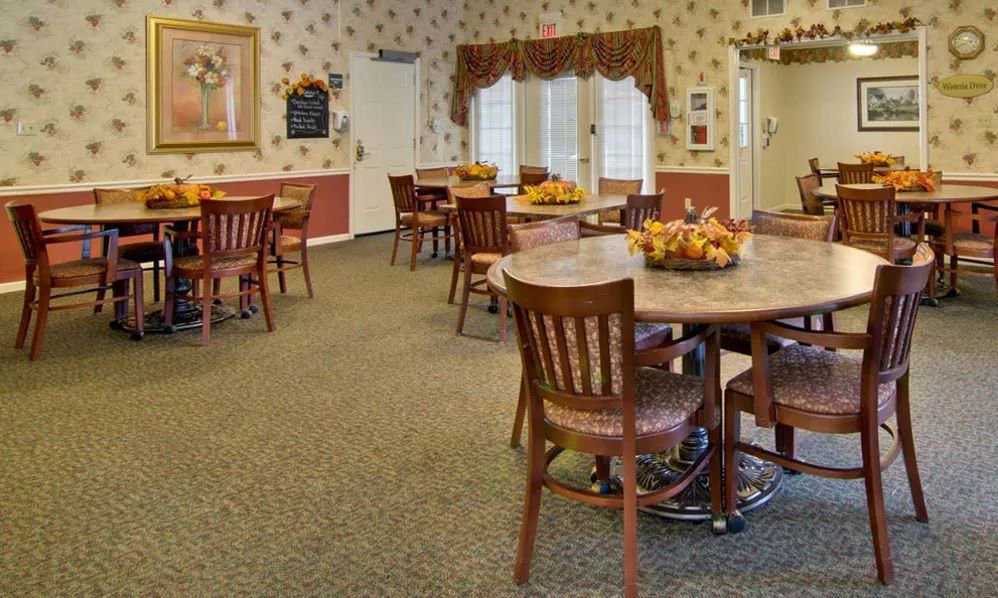
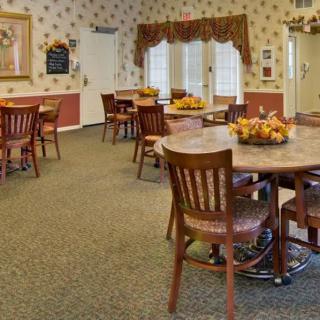
 Dining room
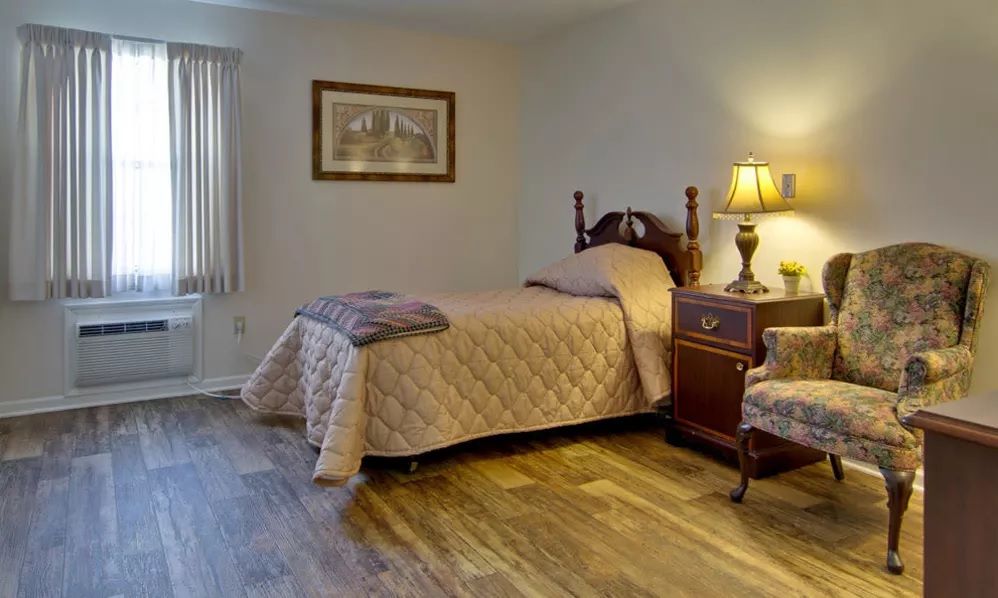
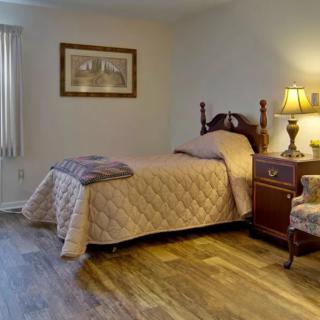
 Fully furnished
 Garden
 Ground floor units
 Handicap accessible
 Housekeeping services
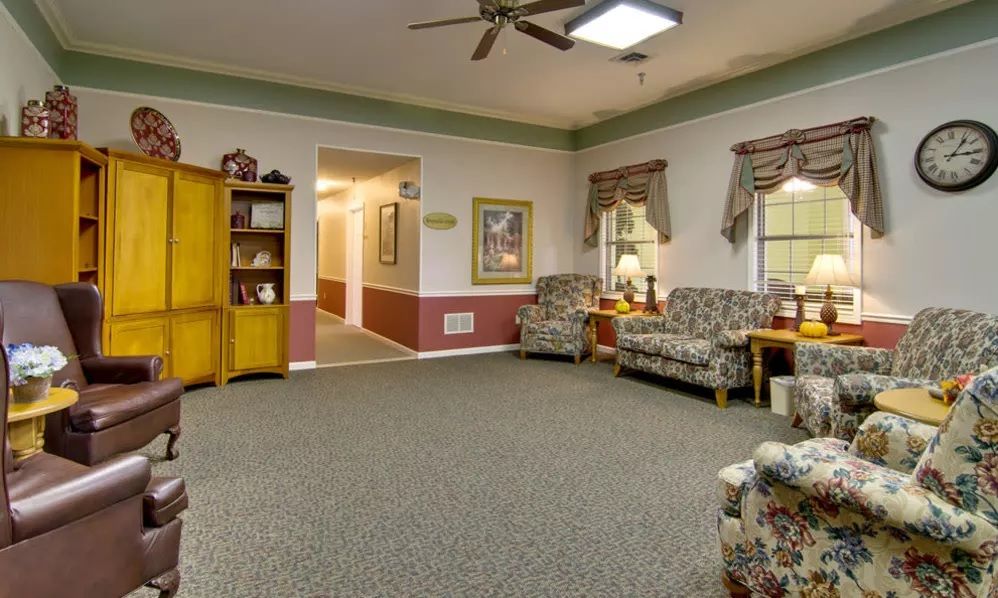
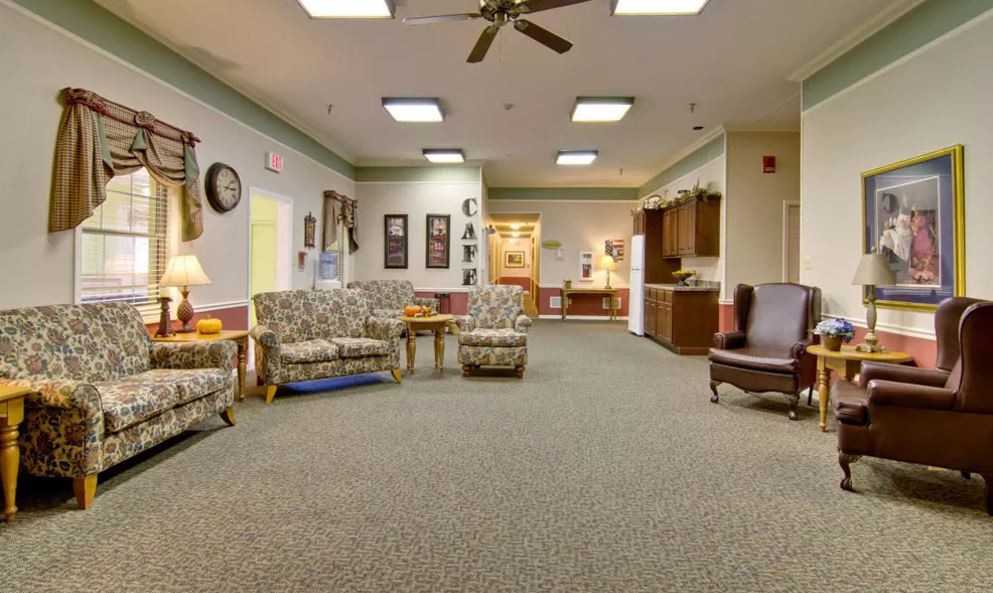
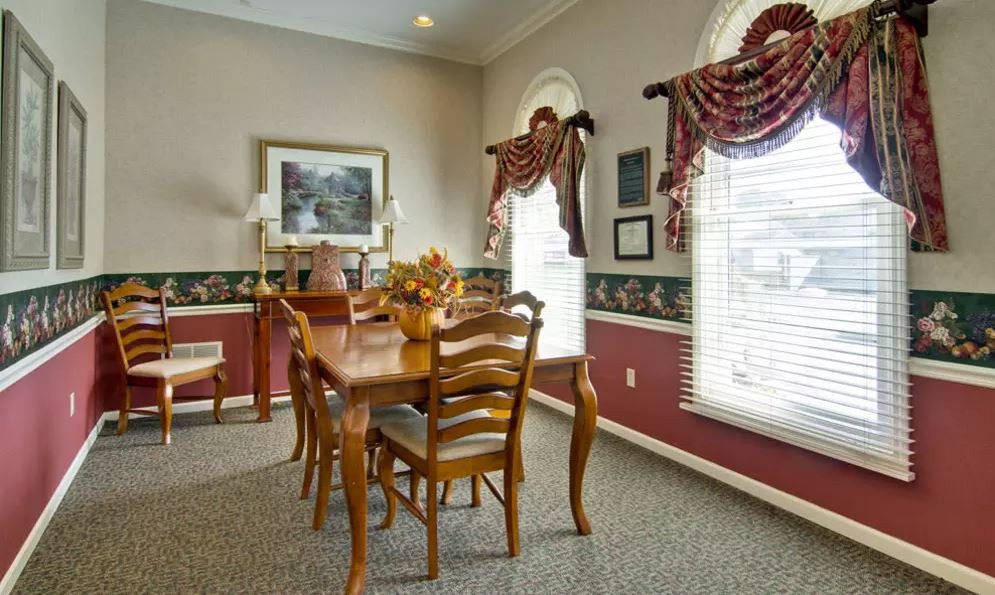
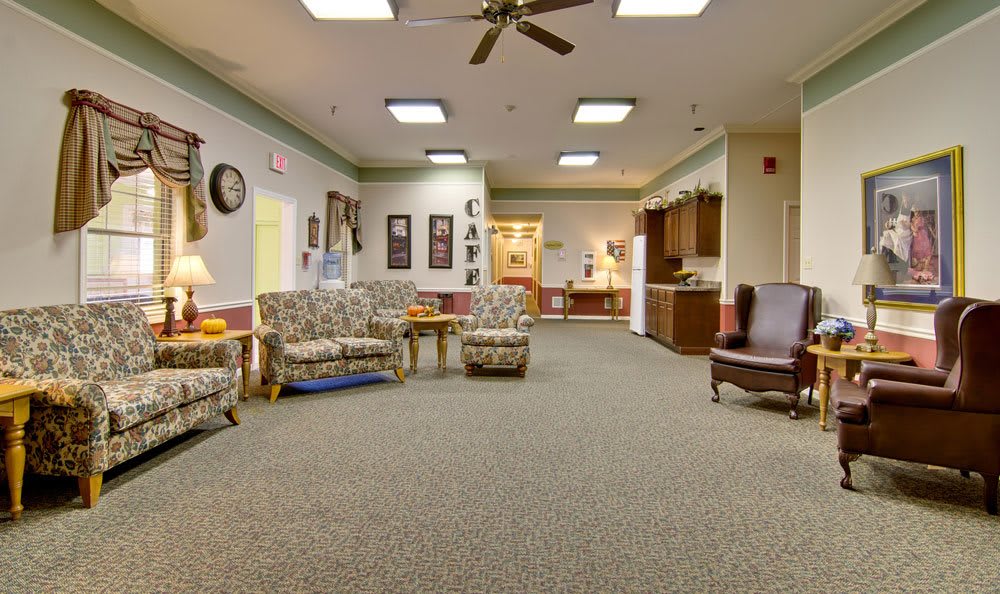
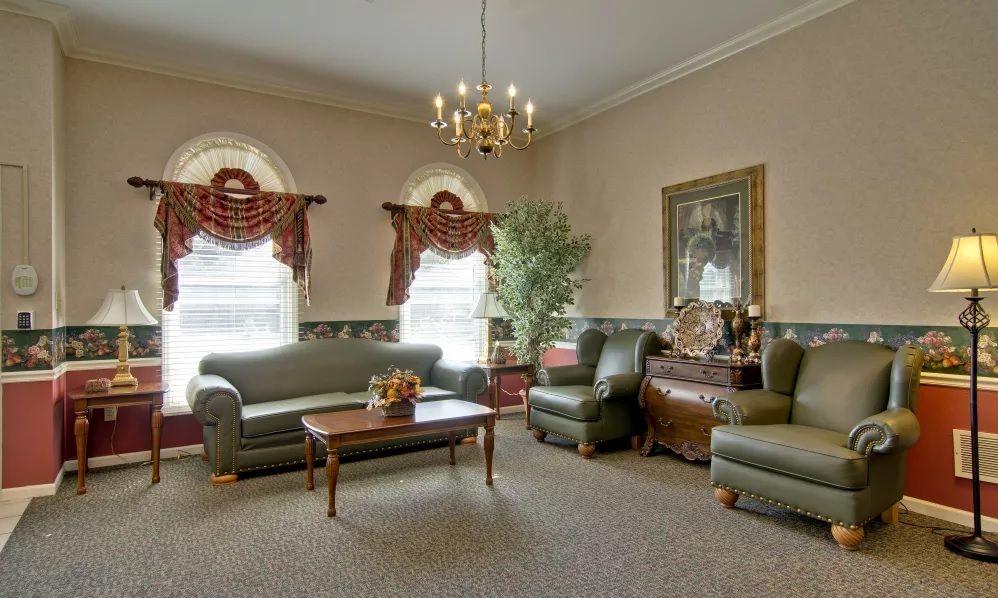
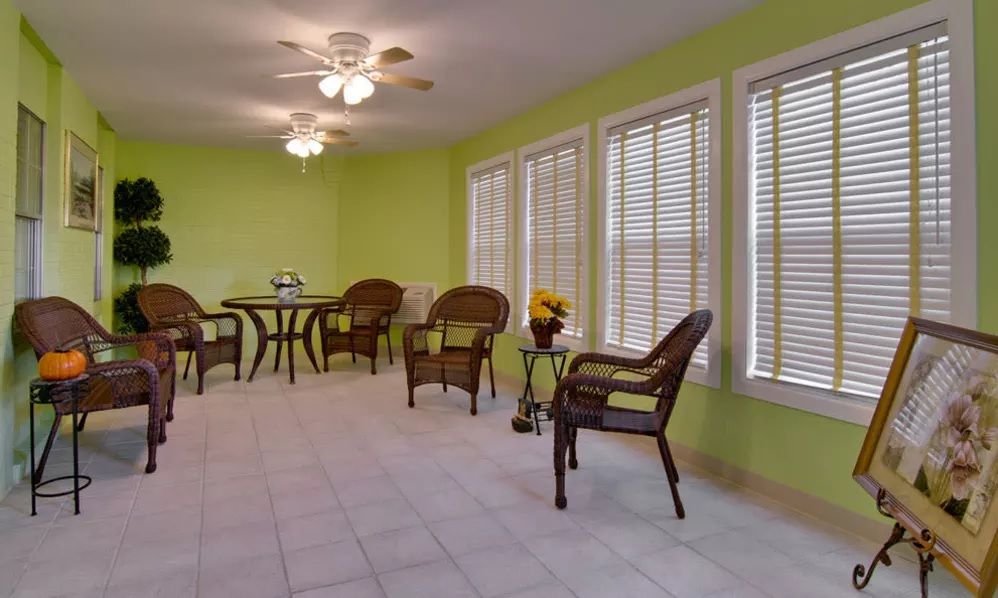
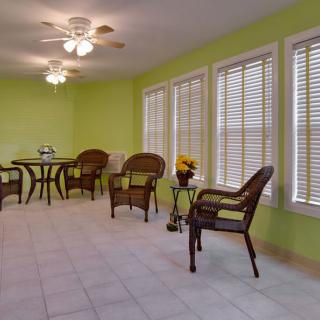
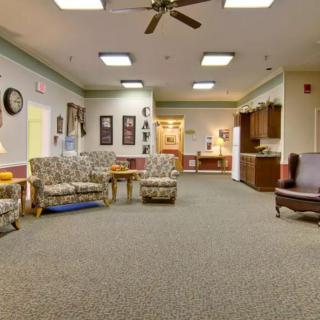
 Indoor common areas
 Kitchenette
 Move-in coordination
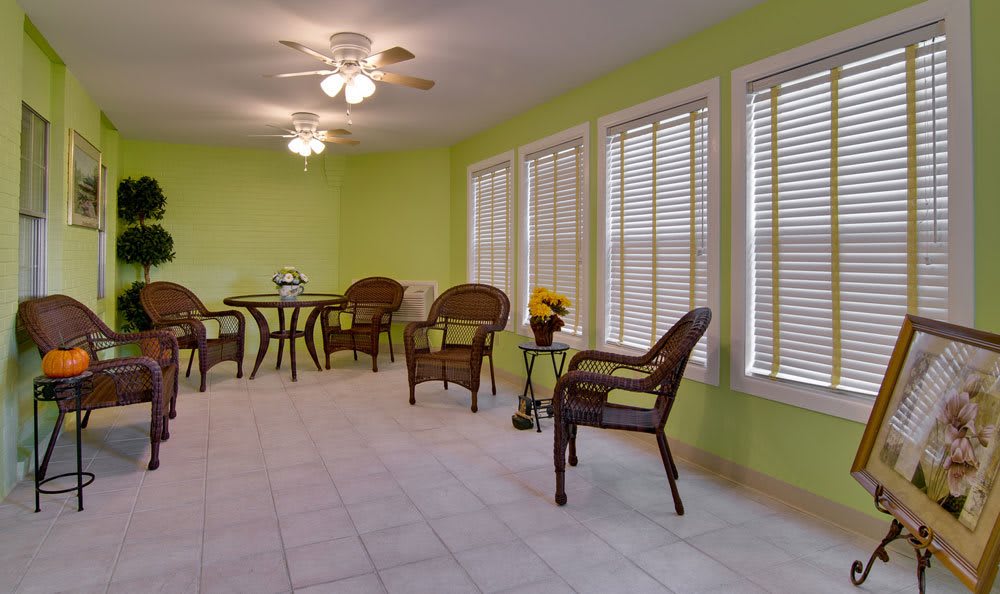
 Outdoor common areas
 Respite or short term stays offered
 Restaurant-style dining
 Small library
 Telephone
 Wi-Fi/high-speed internet available
 24-hour call system
 Ambulatory care
 Assistance with bathing
 Assistance with dressing
 Assistance with transfers
 Diabetes diet
 Diabetic care
 Hospice waiver
 Incontinence care
 Medication management
 Mental wellness program
 Special dietary restrictions
 Transportation arrangement (medical)
 Transportation to doctors appointments
 Birthday parties
 Live musical performances
 Live well programs
 Trivia games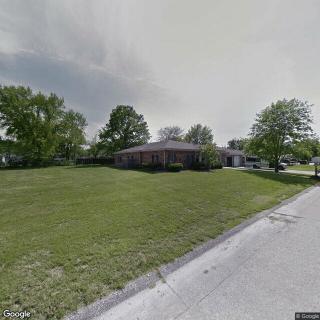

 Understanding Dementia Through Its Seven Stages: A Comprehensive Look at Progression and Expectations
 A Holistic Dementia Care Guide: Effective Strategies for Memory Support
 Memory Care Pathways: A Holistic Guide to Dementia Support