
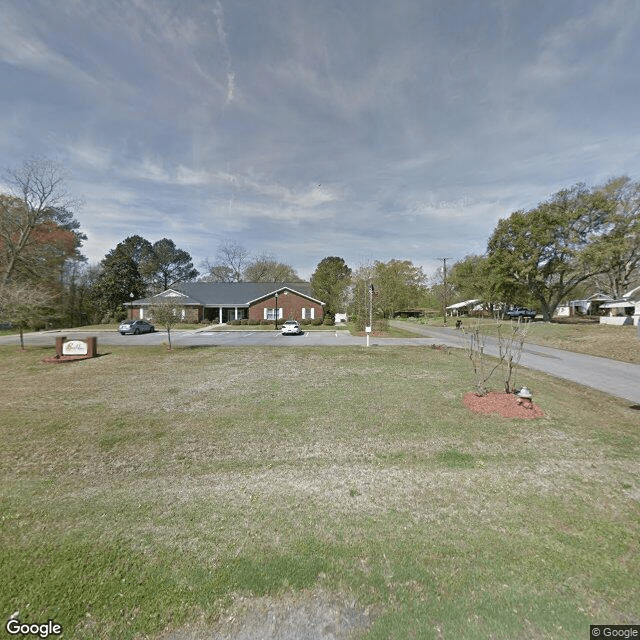
601 S. Main Street, Newton, MS 39345
To contact a resident: (601) 479-1267
For more information about senior living options: (866) 208-4318
Bee Hive Homes of Newton Costs & Pricing
Bee Hive Homes of Newton offers competitive pricing for its private rooms, set at $2,400 per month. This cost aligns with the average expense for private accommodations in Newton County, ensuring residents receive quality care without straining their finances. In contrast to the broader landscape of Mississippi, where similar private room costs reach an average of $3,581, Bee Hive Homes stands out as an affordable option, providing both value and comfort. This structure not only emphasizes the home's commitment to accessible living arrangements but also highlights its role as a valuable resource within the community.
| Floor plans | Bee Hive Homes of Newton | Newton County | Mississippi |
|---|---|---|---|
| Private | $2,400 | $2,400 | $3,581 |
Overall Review of Bee Hive Homes of Newton
Pros
 They seem to be doing an excellent job.
- She really enjoys the place.
- They go out of their way to help her.
- The owner went all the way to the doctor a long way away.
- They fixed the billing issue right away when it was brought to their attention.
Cons
 The Bee Hive Homes of Newton would not be able to take care of his father because of the level of care he needed.
- They were a little slow with the billing.
Review
Bee Hive Homes of Newton is best suited for seniors who want a small, home-like setting with reliable, hands-on assistance for low-to-moderate care needs. The community makes admission decisions with clear boundaries, which is practical for families trying to avoid placing a loved one in a setting that cannot meet specific medical requirements. In at least one instance, staff were upfront that the level of care needed exceeded what could be provided, and that candor saves everyone from chasing services that won’t be available. For families prioritizing straightforward daily help and a personal touch, this is the right anchor. Those with high-acuity needs or specialized medical oversight should pursue alternatives.
What really stands out is the depth of practical, compassionate care residents receive. Accounts consistently describe staff going out of their way to help, and one resident’s experience emphasizes genuine enjoyment of the living environment. The owner’s willingness to personally accompany a resident to a distant doctor visit signals a level of involvement that translates into continuity, trust, and reliable advocacy. This is more than kindness; it is sustained diligence that reduces family anxiety and keeps care consistent, even when a full-service medical team isn’t on site. In short, the culture here is anchored in exchangeable, attentive care rather than generic routines.
Billing issues do surface, but they are not a fatal flaw. The recurring theme is minor slowdowns that are corrected promptly once raised, indicating a responsive administration rather than systemic dysfunction. That nimbleness matters because financial friction can undermine confidence, yet here it becomes a temporary hiccup neutralized by quick fixes. Families should still monitor the billing process, yet the decisive takeaway is that administrative kinks are not tolerated long and are resolved without protracted drama. This willingness to adjust on the fly reinforces the overall reliability of the care relationship.
The practical payoff of these strengths is a trustworthy partnership for families who value stability and accessibility. A resident who enjoys daily routines, consistent caregiver relationships, and an owner who remains openly engaged tends to experience less stress and more predictability. The hands-on leadership translates to smoother care coordination and fewer gaps if medical appointments or outside services are needed. When the mission is to provide dependable, personal attention rather than sprawling services, the Bee Hive model delivers a cadence that families can depend on, especially during transitions from independent living to assisted living.
However, the model’s boundaries are real. The constraint around higher levels of medical care means plans must account for possible moves elsewhere if a loved one’s needs escalate. This isn’t a criticism so much as a practical guardrail: align expectations with the community’s scope from the outset, and have a clear plan for escalation should acuity rise. Families should verify what daily tasks are covered, confirm emergency procedures, and discuss how care would be escalated if clinical needs change. In this light, Bee Hive Homes of Newton functions as a deliberate, steady step in the continuum of care rather than a one-size-fits-all solution.
Overall, Bee Hive Homes of Newton stands out for those seeking a warm, engaged, and dependable home-like setting with a staff that truly goes the extra mile and an owner who actively participates in residents’ well-being. It is not the right fit for anyone requiring extensive skilled nursing or complex medical programming. The reviews converge on a clear verdict: when personal attention, transparent admissions, and a collaborative care approach matter most, this community earns serious consideration and confidence as a well-maired option in the Newton area. Families prioritizing trust, accessibility, and meaningful daily support will find it notably convincing.
 Board and Care Home
 Day Program
 Memory Care
 Private
 Key (24 miles away)
 Ambulatory care
 Diabetic care
 High acuity care
 Incontinence care
 Medication management





 Memory Care Pathways: A Holistic Guide to Dementia Support
 Comprehending Evening Confusion in Dementia: Causes, Manifestations, and Support
 Delirium and Dementia: Unraveling the Key Differences