
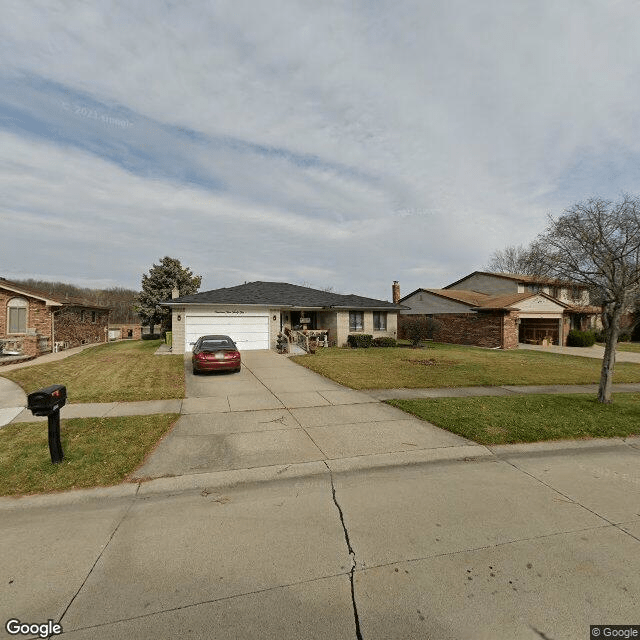
14431 Lakeshore Dr., Sterling Heights, MI 48313
To contact a resident: (586) 321-9555
For more information about senior living options: (866) 208-4318
Overall Review of Lakeshore Foster Care
Pros
 The organization is amazing.
- It has a great mission.
- It shows a loving heart and compassion for today’s youth.
- The people and the ministry are great.
- It is a great local organization to donate to.
Cons
 It is not an "adult" foster care.
Review
Lakeshore Foster Care is best suited for families and individuals who want to actively support a mission-focused, youth-centered organization in Sterling Heights. It functions as a community hub for volunteers, mentors, and donors who seek real, tangible impact through time, financial support, or in-kind contributions. For someone pursuing a traditional senior living arrangement with 24/7 caregiving, this is not the right home or service model. The focus is clearly on foster youth and related ministries, not on housing and daily care for older adults.
Those weighing alternatives should recognize that this is not an adult or elder care facility. The explicit note that it is not “adult foster care” signals a fundamental misalignment with senior housing needs. Families evaluating living options for aging relatives should consider established assisted living communities, memory care, or home-health-enabled arrangements that provide daily living support, medical oversight, and aging-specific programming. Lakeshore Foster Care excels in mission and youth engagement, but it does not substitute for formal senior care services.
The strongest positives orbit around purpose, people, and presence. Reviews collectively highlight an amazing organization with a clear, compelling mission to help today's youth. The message of loving heart and compassion comes through in descriptions of ministry and personal connection, which translates into credibility for those who want to align with a values-driven cause. Regular activities such as a men’s Bible study suggest ongoing, structured engagement opportunities, making involvement concrete rather than abstract. For donors, the opportunity to contribute toward meaningful youth-focused work is both attractive and actionable.
Understandably, the core limitation is the program’s youth orientation and lack of elder care infrastructure. Pros that shine for supporters do not translate into a fit for seniors seeking housing or 24/7 caregiving. The practical consequence is simple: Lakeshore Foster Care should not be counted on as a solution for aging relatives needing daily assistance, safety monitoring, or specialized medical support. This is not a criticism so much as a candid alignment, the organization’s strengths are about mission delivery, mentorship, and community outreach, not about providing the routines and protections that come with senior living.
Yet the strong mission and community energy convert into tangible offsets for the right audience. For volunteers, the chance to mentor, mentor-turned-leader, or participate in ministries offers purposeful engagement with clear outcomes. For donors, the impact is visible, funds and resources flow into programs that support vulnerable youth and sustain local ministry work. The high satisfaction reflected in the overwhelmingly positive reviews signals reliability, integrity, and a trusted presence in the local ecosystem. Those evaluating giving or volunteering will find a straightforward pathway to contribute meaningfully and see the difference their involvement makes.
In the end, Lakeshore Foster Care stands out as a high-impact option for philanthropy, volunteering, and youth-focused community building. It is a powerful fit for families who want to invest in a local, mission-driven cause and for individuals seeking opportunities to give back with tangible results. It is not a substitute for senior housing, aging services, or continuous medical care. For families navigating senior living decisions, prioritize traditional assisted living or memory care, and view Lakeshore Foster Care as a compelling avenue for charitable involvement, mentorship, and community ministry. Before engaging, connect with leadership to map out volunteer roles, donation channels, and how participation can align with broader aging plans or family priorities.
 Board and Care Home
 Memory Care








 8 Important Indicators That Memory Care May Be Necessary
 Delving into the Inner World of Dementia: Insights into Thoughts and Awareness
 Five Subtle Dementia Indicators to Observe: An In-Depth Guide to Understanding “Does My Mom Have Dementia?”