
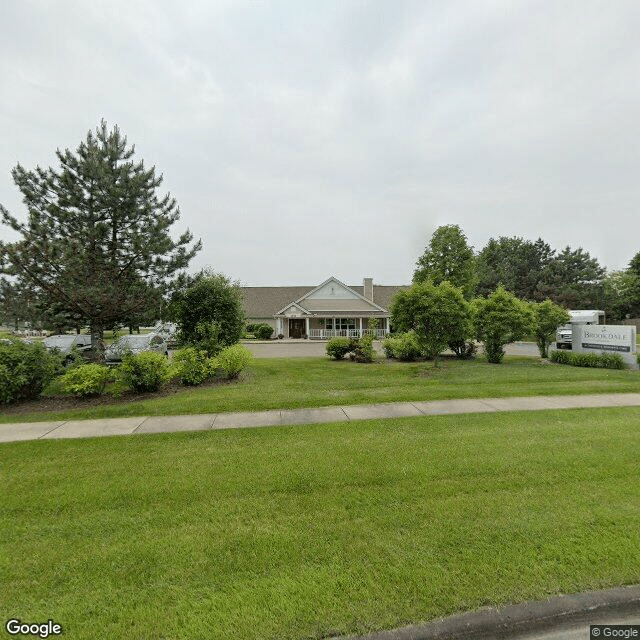
1615 Fredericks Dr, Monroe, MI 48162
To contact a resident: (734) 241-0401
For more information about senior living options: (866) 208-4318
Clara Bridge Cottage Costs & Pricing
Clara Bridge Cottage offers a competitive pricing structure for its accommodations, significantly lower than both Monroe County and the broader state of Michigan. For instance, a studio at Clara Bridge Cottage is priced at $1,700 per month, which is substantially more affordable compared to the county average of $3,214 and the state average of $3,824. Similarly, their one-bedroom units cost $2,145, whereas Monroe County's rates start at $2,613 and Michigan's at $3,384. Even in the two-bedroom category, Clara Bridge Cottage stands out with a monthly rate of $2,915 against prevailing local and state averages of $2,591 and $3,523 respectively. Overall, these attractive pricing options position Clara Bridge Cottage as an appealing choice for individuals seeking quality living arrangements without the hefty price tag often associated with the area.
| Floor plans | Clara Bridge Cottage | Monroe County | Michigan |
|---|---|---|---|
| Studio | $1,700 | $3,214 | $3,824 |
| 1 Bedroom | $2,145 | $2,613 | $3,384 |
| 2 Bedrooms | $2,915 | $2,591 | $3,523 |
Memory care communities with a similar price nearby
-
from -$200 / mo
Brownstown Forest View Assisted Living
$1,500 / month18.7 miles away -
from +$300 / mo
Mary Rose Residence
$2,000 to $2,500 / month18.3 miles away -
from -$200 / mo
Miller and Moss AFCH
$1,500 / month24.5 miles away
Overall Review of Clara Bridge Cottage
Pros
 The staff seemed very friendly and the price was very good compared to other places.
- A doctor said a relative stayed there for years and absolutely loved it, noting the staff was very nice.
- The nurse also spoke highly of the facility.
- They have already recommended it to a neighbor seeking a place for her mother.
- The staff are friendly, residents are very happy, and the buildings are clean and well maintained.
- The mother-in-law has a beautiful, homey, and comfortable room, and she is safe and well taken care of by a loving, friendly staff.
- Brookdale Monroe is a wonderful place; the facility is clean and well taken care of, and her room is always clean.
- The atmosphere allows residents to be themselves in a comfortable environment with independence encouraged, and the staff show genuine compassion.
- The staff have been taking very good care of residents for over a year and handled Covid with professionalism.
Cons
 They would not recommend this place for the quality of care of their loved ones.
- They are absolutely horrible at their jobs, with staff that are not certified in anything but laziness.
- The management is off; residents pay a high amount for rent and services they do not receive due to lack of staffing.
- The majority of staff is unhelpful.
- Not one staff member offered to help the elderly resident.
- Three of the resident's expensive clothing items were taken, and the executive director promised to call back about it but never did.
- Other residents wander into the resident's room while she tries to sleep, which greatly upset her.
- The bathtub used by residents is dirty.
Review
Clara Bridge Cottage on the Monroe campus is best suited for families seeking a smaller, memory-care–focused environment where residents receive hands-on, personalized attention at a relatively accessible price. The setting appeals to those who value a homey, intimate atmosphere over corporate scale, with 24-hour oversight and a team that shows genuine warmth toward residents and their families. In practice, this option works well when the priority is safeguarding a loved one with cognitive impairment while keeping the daily routine calm, predictable, and centered on individual needs. Those who want a cushioned transition from broader assisted living to dementia-focused care will find the pacing and footprint of Clara Bridge Cottage easier to navigate than larger, more impersonal campuses.
That said, alternatives should be considered by families prioritizing rock-solid consistency in operations and staffing. Several reviews point to uneven management and staffing patterns that can translate into gaps in service, delayed responses, or lapses in daily oversight. For families expecting a uniformly high level of reliability, especially regarding medical oversight, housekeeping, or accountability on billing and personal belongings, Clara Bridge Cottage may fall short on some days. When a loved one requires meticulous supervision and a transparent, proactive administration, look at options with a documented track record of steady leadership and fewer reported fluctuations in staffing.
The strongest positives are the small scale and the culture of care. A smaller footprint often translates into more frequent face time with caregivers, better familiarity with routines, and a sense of safety that many families associate with “being known.” Reviews consistently describe friendly staff, a clean and well-maintained environment, and residents who appear happy and engaged. The memory-care focus can yield meaningful daily structure, reassurance for families, and an atmosphere where caregivers can tailor activities and interactions for residents’ cognitive needs. When these strengths align with a family’s budget and the resident’s behavioral profile, Clara Bridge Cottage offers tangible value that larger campuses may struggle to match.
Yet the drawbacks echo the real-world challenges of under-resourced operations. Notable concerns include reported inconsistencies in staffing, and some accounts describe interactions with management that felt reactive rather than proactive. In the memory-care setting, even small lapses, delays in assistance, limited meal variety, or perceived neglect, can significantly affect comfort and safety. Instances cited by reviewers include problems with item security and maintenance of private spaces, which understandably heighten worry for families about leaving a loved one in someone else’s care. These factors do not negate the positives, but they do temper enthusiasm and require a careful, proactive evaluation before committing.
Memory-care quality, in particular, emerges as a mixed picture. Several families recount compassionate, patient care from dedicated aides who engage residents with humor, patience, and gentle routines. There are vivid stories of staff going the extra mile, and residents who settle in with a sense of familiarity. Conversely, other accounts highlight frustration when staff turnover or scheduling gaps hinder consistent caregiving, with occasional miscommunication about medications or daily needs. In short, the emotional and relational benefit is real on many days, but it depends on stable staffing and attentive management to prevent a drift toward uneven experiences.
For families moving toward a decision, several practical steps sharpen the evaluation. Request current caregiver-to-resident ratios for the dementia unit, ask for a direct contact with the dementia care director, and tour during a shift when caregiving activity is visible to observe how staff interact with residents. Review menus, activity calendars, and routines to gauge cognitive-appropriate engagement. Probe policies for safeguarding belongings and the process for reporting concerns or incidents. Finally, seek a trial period or a clearly defined transition plan so a loved one’s adaptation can be assessed in real time, with channels open for ongoing family feedback.
Ultimately, Clara Bridge Cottage offers a compelling option for a particular slice of families: those prioritizing a modest, home-like dementia setting with attentive, personable caregivers within a reasonable budget. It is well-matched for residents who thrive on routine, who benefit from smaller, more intimate staffing dynamics, and who can endure occasional administrative or staffing inconsistencies without compromising essential safety and care. For households where consistent leadership, guaranteed staffing stability, and flawless execution of services take precedence, exploring other memory-care providers with stronger documented governance will yield fewer surprises. The right choice hinges on balancing the value of a familiar, intimate environment against the need for unwavering operational reliability.
 Memory Care
 Detroit Metropolitan-Wayne County (20 miles away)





 Five Subtle Dementia Indicators to Observe: An In-Depth Guide to Understanding “Does My Mom Have Dementia?”
 Dementia, Paranoia, and Caregiver Guidance: Understanding the Connection
 Engaging Memory Care Activities That Enhance Quality of Life