Clare Bridge of Monroe

Save

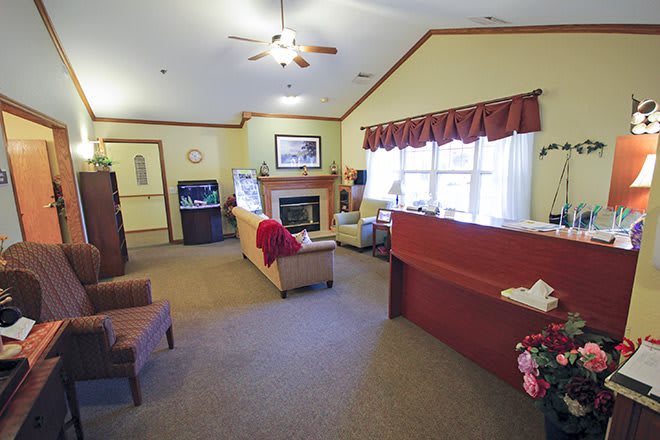
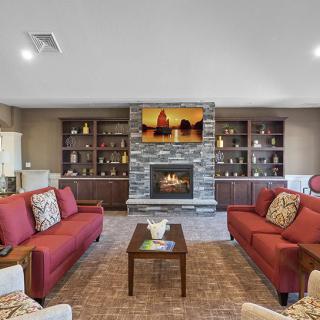
  • Interior

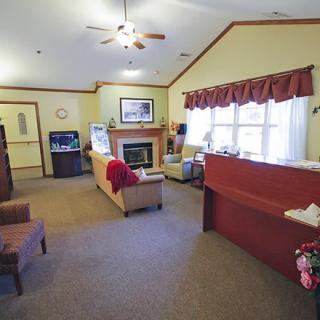
    A cozy living room with a sofa, fireplace, and large window, featuring a ceiling fan and carpeted floor.
  • Living Room

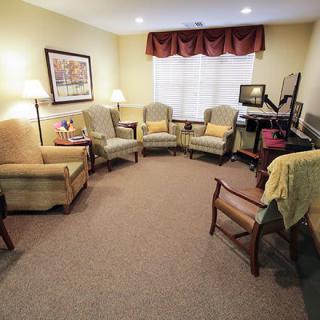
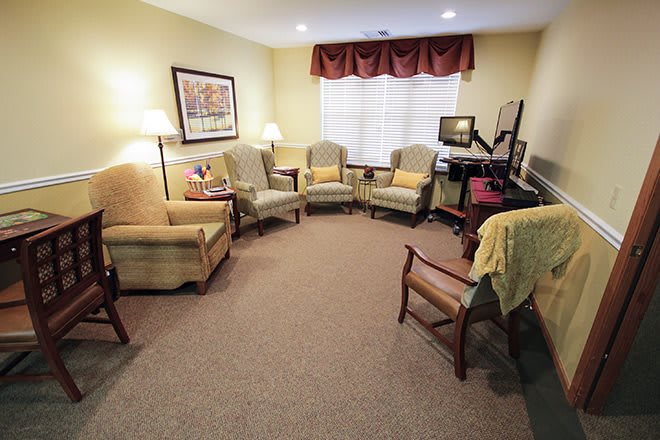
    A cozy living room with several chairs arranged in a circular formation, featuring soft lighting and artwork on the walls.
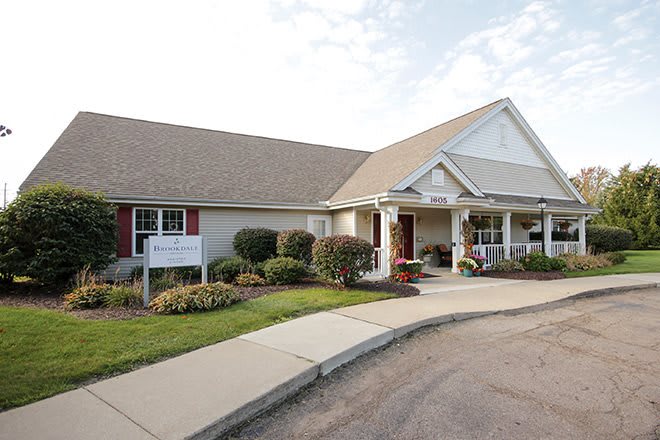
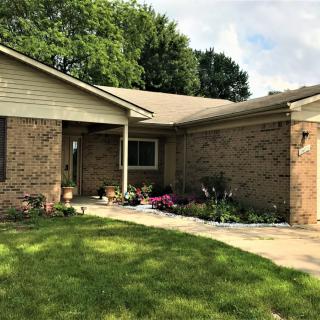
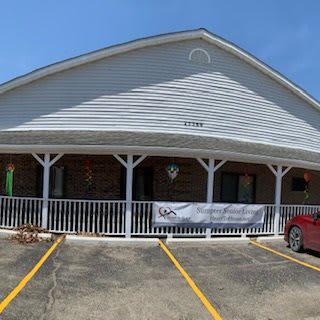
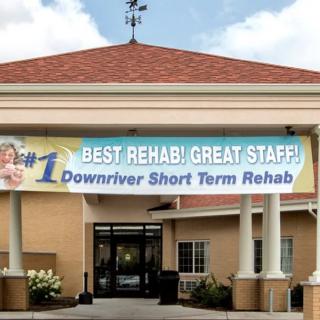
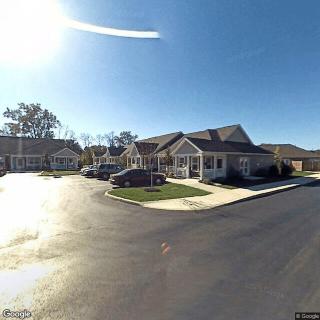
  • Building

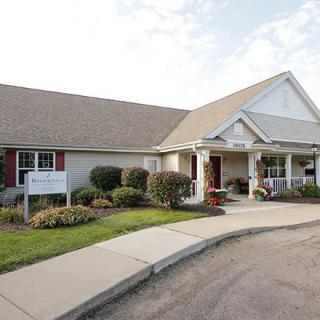
    A well-maintained building with a welcoming entrance and manicured landscaping.
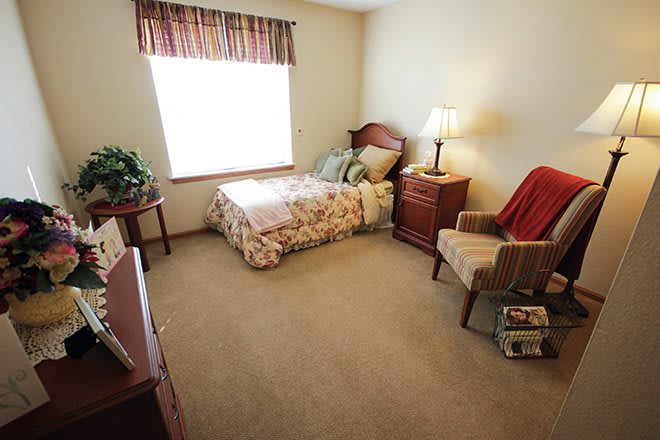
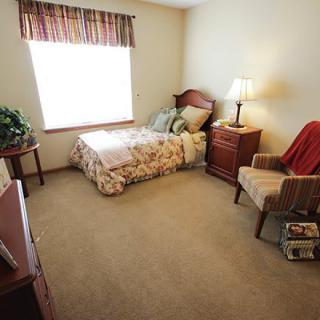
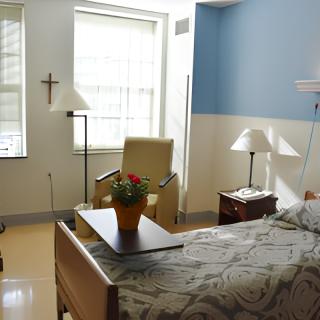
  • Bedroom

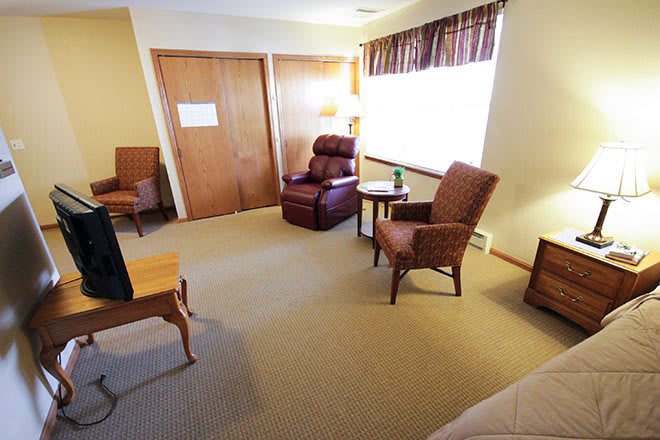
    A cozy bedroom with a single bed, nightstand, chair, and lamp.
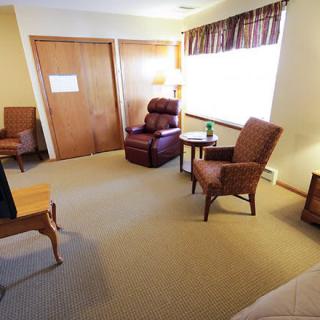
  • Windows

    A cozy living area with comfortable chairs, a table, and a lamp by the window.
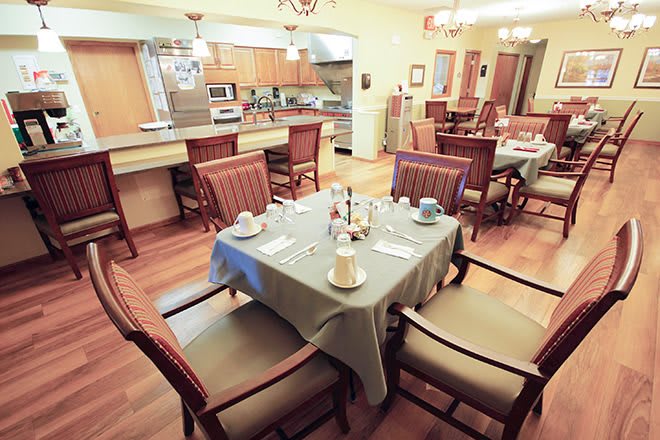
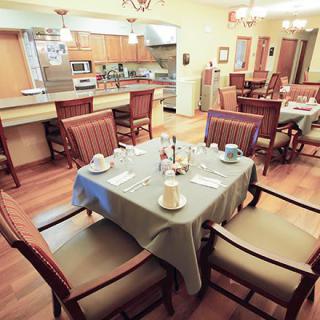
  • Dining

    A well-set dining area connected to a kitchen space, featuring wooden furniture and elegant decor.
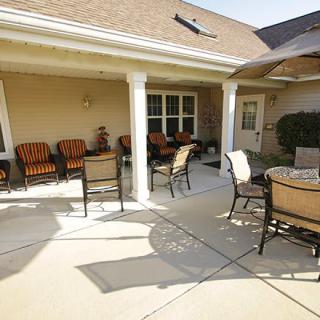
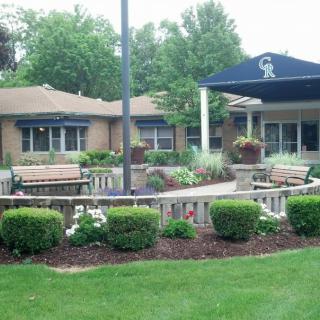
  • Landscaping

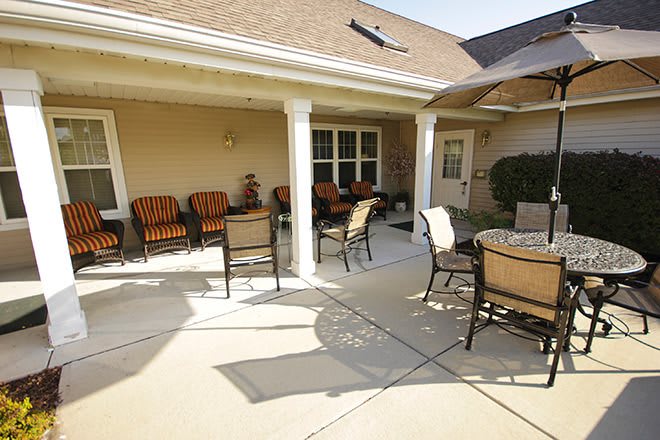
    A sunny patio with comfortable outdoor seating and tables.
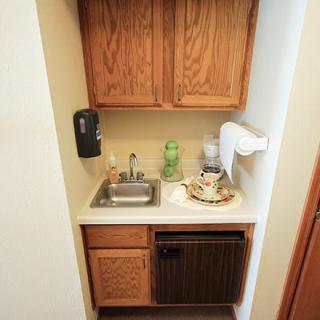
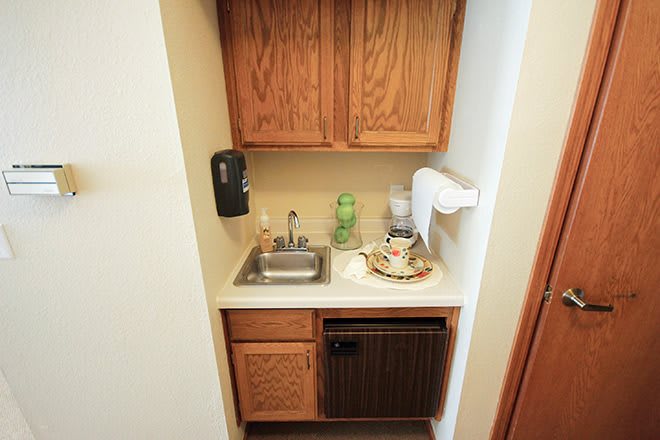
  • Kitchen

    A compact kitchen area featuring a sink, wooden cabinets, and various appliances on the countertop.

Clare Bridge of Monroe

1615 Fredericks Drive, Monroe, MI 48162

For more information about senior living options: (844) 490-3973

3.8 from 25 reviews
5 stars
16
4 stars
2
3 stars
0
2 stars
0
1 stars
7

Assisted Living Memory Care

Clare Bridge of Monroe Costs & Pricing

Clare Bridge of Monroe offers a focused approach to senior living with costs that reflect the specialized care and services provided. For a semi-private room, residents can expect to pay $4,495 per month, which is notably higher than both Monroe County's average of $3,286 and the state average of $3,191. Similarly, for studio accommodations, the monthly fee stands at $5,495 - again surpassing local and state norms; Monroe County averages $3,214 while Michigan's average is slightly lower at $3,824. These elevated rates signify a commitment to quality and a tailored experience that aims to enhance the well-being and comfort of its residents in an environment designed for those with memory care needs.

Floor plansClare Bridge of MonroeMonroe CountyMichigan
Semi-Private$4,495$3,286$3,189
Studio$5,495$3,214$3,824

Overall Review of Clare Bridge of Monroe

Pros

  • pro The staff seemed very friendly, and the price was very good compared to other places.
  • pro The staff are loving, attentive, and keep residents safe and well cared for.
  • pro The facility is clean and well maintained, and residents are super happy.
  • pro The rooms are beautiful, homey, and comfortable, with residents feeling safe.
  • pro Brookdale Monroe is described as a wonderful place with a clean, well-kept facility.
  • pro The atmosphere allows residents to be themselves in a comfortable environment that encourages independence.
  • pro The staff show genuine compassion, and safety provided gives families peace of mind.
  • pro The staff are very professional and demonstrate kindness, care, and love to residents and family members.
  • pro Staff handled difficult times with grace, helping residents become comfortable and content.
  • pro They would recommend Brookdale to anyone seeking care for a loved one.
  • pro The transition experience is easy, with caregivers responsive and accommodating.
  • pro The memory care facility looked nice and didn't smell, leaving a positive impression.

Cons

  • pro They would never recommend this facility for quality care.
  • pro They do not recommend leaving a loved one there.
  • pro The majority of staff are unhelpful.
  • pro Not one staff member offered to help the elderly resident with severe tremors during meals.
  • pro Clothes belonging to residents were stolen, and management failed to follow up.
  • pro The bathtub used by residents is dirty.
  • pro The facility accepts patients it does not have the staff and training to care for, yet charges mightily for the services they don't provide.
  • pro Fees increased dramatically, with basic room fees and assessments driving costs well beyond initial estimates, while the delivered services did not match the charges.
  • pro Management provided vague responses when questioned about fees and care.

Review

Clare Bridge of Monroe is best suited for families seeking a memory-care setting that feels intimate, home-like, and manageable for residents in the early to mid stages of dementia. The community's small footprint - roughly 18 residents - translates to more hands-on attention, fewer unfamiliar faces, and daily routines that can be highly personalized. Reviewers consistently highlight friendly staff, a clean and safe environment, and residents who appear engaged and content. The pricing is described as competitive for memory care in the area, making this a compelling option for households prioritizing personal connection and a calm atmosphere over a larger, more clinical campus.

That said, Clare Bridge isn't the right fit for every situation. For loved ones with high-acuity medical needs or complex behavioral challenges, the smaller model may lack the clinical resources or staffing intensity required for around-the-clock oversight. The intimate setting can become a constraint when rapid escalation or intensive medical management is needed. Waiting lists are common, so families must plan ahead rather than wait for a sudden vacancy. Additionally, Clare Bridge operates under the Brookdale umbrella, and a subset of reviews raises questions about management practices and pricing transparency within that broader system - issues that warrant careful inquiry during tours and contract discussions.

The strongest pro is clearly the day-to-day care culture. Staff are described as attentive, compassionate, and genuinely invested in residents' well-being. A home-like atmosphere, well-maintained rooms, and the absence of odors contribute to a sense of dignity and safety that families prize in dementia care. These advantages can meaningfully offset concerns about staffing consistency that surface in broader Brookdale feedback, and they help deliver predictable, respectful daily routines - meals, activities, and personal care delivered with warmth. When the focus stays on personal connection and steady, familiar interactions, Clare Bridge often fulfills its promise of peace of mind for families.

Environment and staff interactions further reinforce the practical value of this option. The facility tends to feel more like a private home than a large campus, with staff who know residents by name and respond with a considerate, humane touch. Most families report positive experiences with daily routines and engagement, which translates into calmer days for residents. Yet the reality of multi-site operators appears in some reviews - communication gaps, administrative bottlenecks, and frustrations around getting timely updates or services. These tensions underscore the importance of clarifying exact care expectations, meal support, and how turnover, if any, might impact a loved one's day-to-day experience.

Cost and value are the most delicate fulcrum. Some accounts praise Clare Bridge's relative affordability versus other options, while others - mirroring Brookdale's broader pricing practices - note that memory-care charges can creep up through assessments and add-ons. The risk is paying for services that aren't consistently delivered or that become difficult to justify when bills climb. Prospective families should demand a transparent pricing grid, a clear list of what services are included, and explicit explanations for any increases tied to assessments or care plan changes. In short, price clarity and alignment with actual care delivered are non-negotiables when weighing this option.

To make a well-founded decision, approach Clare Bridge with a practical, almost audit-like mindset. Schedule a tour focused on memory-care specifics, request a meet-and-greet with the dementia-care director and frontline caregivers, and observe mealtime and activity engagement firsthand. Probe staffing ratios across shifts, caregiver certifications, and how care plans adapt as dementia progresses. Talk to current families about responsiveness, billing, and any perceived gaps between promises and delivery. Compare with nearby alternatives that offer similar intimacy but different pricing structures or medical supports. When alignment exists between care philosophy, staffing reliability, and transparent costs, Clare Bridge of Monroe proves itself as a solid, compassionate choice for keeping a loved one safe, engaged, and treated with respect within a small, home-like setting. If those alignments aren't present, alternatives with steadier oversight and clearer pricing deserve close consideration.

Features

Housing

  • 20 resident community capacity 20 resident community capacity
  • Studio apartments Studio apartmentsStudio apartments are important for seniors because they offer a smaller, more manageable living space that is easier to navigate and maintain as physical abilities decline. Additionally, studio apartments provide seniors with independence and privacy while still being part of a community that offers support and social opportunities.

Types of Care

  • Assisted Living Assisted LivingAssisted living facilities provide crucial support and care for seniors who may need help with daily tasks such as medication management, bathing, and meal preparation. These communities offer a safe and comfortable environment where seniors can maintain their independence while receiving the assistance they need to thrive in their golden years.
  • Memory Care Memory CareMemory care is crucial for seniors as it provides specialized support and services for individuals with dementia or Alzheimer's disease. These programs offer a safe and secure environment where residents receive personalized care, cognitive stimulation, and help with daily activities. Memory care helps seniors maintain their independence, quality of life, and dignity while also providing peace of mind for their families.

Amenities

  • Activities off-site Activities off-siteEngaging in off-site activities is crucial for seniors to maintain social connections, stay active, and stimulate their minds. It promotes overall well-being and helps combat feelings of isolation and loneliness.
  • Activities on-site Activities on-siteActivities on-site are important for seniors because they provide opportunities for socialization, mental stimulation, physical activity, and overall well-being. Engaging in activities can help seniors stay active, maintain their independence, and improve their quality of life.
  • Beautician on-site Beautician on-siteHaving a beautician on-site at a senior living community is important for seniors as it allows them to easily access grooming and personal care services, boosting their self-esteem and overall well-being. It also provides convenience and helps seniors maintain their sense of independence and personal style.
  • Beauty salon Beauty salonBeauty salons are important for seniors because they provide a space for them to feel pampered, socialize, and maintain their personal grooming and hygiene. Regular visits to a beauty salon can help boost seniors' self-esteem and overall well-being.
  • Cable or satellite TV Cable or satellite TVCable or satellite TV is important for seniors because it provides entertainment, news, and companionship, helping to combat loneliness and boredom. It also offers a wide range of programming options tailored to different interests and preferences.
  • Devotional services on-site Devotional services on-siteDevotional services on-site provide seniors with spiritual support and a sense of community, as well as an opportunity for reflection and guidance during their senior living experience. This can promote emotional well-being and connection to others, leading to a more fulfilling and enriching lifestyle in their later years.
  • Dining room Dining roomDining rooms are important for seniors as they provide a space for socialization, connection, and nutritious meals. They offer opportunities for residents to bond over shared meals, foster a sense of community, and promote healthy eating habits. Dining rooms also ensure that seniors have access to well-balanced meals tailored to their dietary needs and preferences.
  • Financing advice Financing adviceFinancing advice is crucial for seniors as they navigate the complexities of retirement planning, including managing fixed incomes, healthcare costs, and potential long-term care needs. Proper financial guidance can help ensure seniors maintain financial stability and security in their golden years.
  • Fully furnished Fully furnishedFully furnished senior living communities are important for seniors because they provide convenience, comfort, and a hassle-free moving experience. Seniors can easily settle into their new living space without the stress of having to buy and move furniture. This allows them to focus on enjoying their new home and community.
  • Garden GardenGardens are important for seniors as they provide a peaceful and therapeutic environment for relaxation, physical activity, and socialization. Being in nature has been shown to reduce stress, improve mood, and promote overall well-being. Gardens also offer opportunities for seniors to engage in gardening activities, which can improve mobility, flexibility, and cognitive function. Additionally, gardens create a sense of community and connection with others who share a passion for plants and outdoor spaces.
  • Guasts at mealtime Guasts at mealtime"Guests at mealtime" offer seniors the opportunity for social interaction, companionship, and a sense of community during meals, which can help combat feelings of loneliness and isolation commonly experienced in senior living environments. It can also enhance their overall dining experience and improve their mental and emotional well-being.
  • Guest parking Guest parkingGuest parking is important for seniors because it allows their friends and family members to visit them easily and safely. Having convenient parking options can help combat feelings of isolation and loneliness, promote regular social interaction, and improve overall mental and emotional well-being for seniors in senior living communities.
  • Housekeeping services Housekeeping servicesHousekeeping services are important for seniors because they help maintain a clean and safe living environment, promote independence, and reduce the risk of accidents or illnesses. Additionally, having assistance with household chores can alleviate physical strain and allow seniors to focus on other aspects of their well-being.
  • Indoor common areas Indoor common areasIndoor common areas are crucial for seniors as they provide a space for socialization, recreation, and community engagement, promoting overall well-being and reducing feelings of isolation and loneliness.
  • Kitchenette KitchenetteKitchenettes are important for seniors living in senior living communities because they provide the convenience and independence of being able to prepare simple meals and snacks in the comfort of their own living space. This can help promote a sense of autonomy and well-being for seniors, allowing them to maintain some level of control over their dietary choices and daily routines.
  • Laundry LaundryLaundry services are important for seniors as they may have difficulty with physical tasks such as bending, lifting, or carrying heavy loads. Having access to laundry services can help seniors maintain personal hygiene, cleanliness, and independence in their daily lives.
  • Move-in coordination Move-in coordinationMove-in coordination is important for seniors because it helps ease the transition into their new living environment. It ensures that all logistics, such as packing, organizing movers, and setting up utilities are taken care of, allowing seniors to focus on settling in and adjusting to their new home. Having a smooth move-in process can alleviate stress and anxiety, making the transition smoother and more enjoyable for seniors.
  • Outdoor common areas Outdoor common areasOutdoor common areas are important for seniors as they provide a space for socialization, physical activity, and relaxation. Being outside in nature can improve mood and overall well-being, while also encouraging movement and engagement with others. These spaces can help combat feelings of isolation and promote a sense of community among residents.
  • Outdoor space Outdoor spaceOutdoor spaces are important for seniors as they provide opportunities for physical activity, social interaction, exposure to natural light and fresh air, and a sense of connection to nature. Having access to outdoor spaces can improve overall well-being and quality of life for older adults living in senior communities.
  • Respite or short term stays offered Respite or short term stays offeredRespite or short term stays provide seniors with a temporary solution when their regular caregiver is unavailable, offering them the opportunity to receive additional care and support during times of need, while also giving caregivers a chance to rest and recharge.
  • Restaurant-style dining Restaurant-style diningRestaurant-style dining is important for seniors because it allows them to enjoy delicious, nutritious meals in a social and upscale setting. This enhances their dining experience, promotes healthy eating habits, and fosters socialization with fellow residents, ultimately contributing to their overall well-being and quality of life.
  • Small library Small librarySmall libraries are important for seniors as they provide access to a variety of reading materials, including books, newspapers, and magazines. This can help stimulate their minds, keep them engaged, and provide a sense of community through book clubs and other social activities. Additionally, reading has been shown to improve cognitive function and overall mental well-being in older adults.
  • TV room TV roomTV rooms are important for seniors in senior living communities because they provide a space for social interaction, entertainment, and relaxation. Watching TV can help reduce feelings of loneliness and boredom, and create a sense of community among residents. Additionally, TV rooms offer a break from daily routines and can be a source of comfort and familiarity for seniors.
  • Telephone TelephoneTelephones are important for seniors as they provide a lifeline for communication with loved ones, emergency services, and healthcare providers. They offer a sense of security and independence, enabling seniors to stay connected and access assistance when needed.
  • VA Benefits Consultation VA Benefits ConsultationVA Benefits Consultations are important for seniors because they provide valuable information on the benefits and resources available to them as veterans. These consultations can help seniors access financial assistance, healthcare services, and other support that can greatly improve their quality of life in their later years.
  • Wheelchair accessible showers Wheelchair accessible showersWheelchair accessible showers are crucial for seniors as they provide a safe and independent bathing option for those with mobility challenges. These showers help prevent falls and allow seniors to maintain their dignity and autonomy while ensuring they can bathe comfortably.
  • Wi-Fi/high-speed internet available Wi-Fi/high-speed internet availableWi-Fi/high-speed internet is important for seniors to stay connected with loved ones, access online resources, and participate in virtual activities to combat feelings of loneliness and isolation. It also allows them to easily manage healthcare needs, access entertainment, and engage in lifelong learning opportunities.

Transportation

  • Detroit Metropolitan-Wayne County (20 miles away) Detroit Metropolitan-Wayne County (20 miles away)

Care Services

  • 24-hour call system 24-hour call system24-hour call systems are important for seniors because they provide peace of mind and immediate assistance in case of emergencies. This technology ensures that help is always available, promoting safety and security for elderly individuals living alone or in assisted living facilities.
  • 24-hour supervision 24-hour supervision24-hour supervision is important for seniors to ensure their safety, well-being, and access to immediate assistance in case of emergencies or health issues. This constant support provides peace of mind for both seniors and their loved ones, allowing them to age in place with dignity and security.
  • Activities of daily living assistance Activities of daily living assistanceActivities of daily living assistance are important for seniors because they provide essential support with tasks such as eating, bathing, dressing, and mobility. This assistance helps seniors maintain their independence, dignity, and overall quality of life as they age.
  • Assistance with bathing Assistance with bathingAssistance with bathing is crucial for seniors as it helps maintain personal hygiene, prevents infections, and ensures their overall well-being and comfort. It also provides a sense of dignity and independence for seniors who may struggle with this task on their own.
  • Assistance with dressing Assistance with dressingAssistance with dressing is important for seniors because it helps maintain their independence, promotes personal hygiene, prevents accidents and injuries, and improves overall quality of life. This service ensures that seniors can continue to dress comfortably and confidently, despite any physical limitations they may have.
  • Assistance with transfers Assistance with transfersAssistance with transfers is crucial for seniors as it helps prevent falls and injuries, maintains their independence, and ensures they can safely navigate their living environment. It also provides peace of mind for both seniors and their loved ones.
  • Diabetes diet Diabetes dietA diabetes diet is crucial for seniors as it helps manage blood sugar levels, reduce risks of complications, and improve overall health and well-being. By following a balanced and nutritious diet tailored to their specific needs, seniors can better control their diabetes and enhance their quality of life.
  • Diabetic care Diabetic careDiabetic care is crucial for seniors as they are more susceptible to developing diabetes due to aging and other health conditions. Proper management of diabetes can help prevent complications such as heart disease, vision loss, and nerve damage, improving the overall quality of life for seniors in senior living communities.
  • Incontinence care Incontinence careIncontinence care is essential for seniors to maintain their dignity, hygiene, and overall quality of life. By addressing incontinence issues promptly and effectively, seniors can enjoy a sense of independence and comfort in their daily activities.
  • Meal preparation and service Meal preparation and serviceMeal preparation and service are crucial for seniors as they may have limited mobility or energy to cook nutritious meals. Having access to healthy and convenient food options can ensure they are getting the proper nutrition needed to maintain their overall health and well-being.
  • Medication management Medication managementMedication management is crucial for seniors to ensure they are taking the right medications at the correct dosages and times. This helps prevent adverse drug interactions, reduces the risk of medication errors, and promotes overall health and well-being. Proactive management also allows for adjustments as needed based on changing health conditions or new prescriptions.
  • Mental wellness program Mental wellness programMental wellness programs are essential for seniors as they promote cognitive stimulation, emotional support, and social engagement. These programs help prevent isolation, depression, and cognitive decline, ultimately enhancing the overall quality of life for older adults.
  • Special dietary restrictions Special dietary restrictionsSpecial dietary restrictions are important for seniors because age-related changes in metabolism and health conditions can make it difficult for their bodies to process certain foods. By following a diet tailored to their specific needs, seniors can maintain their overall health and well-being, manage chronic conditions, and reduce the risk of complications such as malnutrition or food interactions with medications.

Dining

  • Diabetes diet Diabetes dietA diabetes diet is crucial for seniors as it helps manage blood sugar levels, reduce risks of complications, and improve overall health and well-being. By following a balanced and nutritious diet tailored to their specific needs, seniors can better control their diabetes and enhance their quality of life.
  • Guest meals Guest mealsGuest meals are important for seniors living in senior living communities because they provide an opportunity for socialization and companionship. Sharing a meal with friends, family, or new acquaintances can help combat feelings of loneliness and isolation, promote a sense of community, and enhance overall well-being. Additionally, guest meals allow seniors to enjoy delicious food in a comfortable setting without the hassle of cooking or cleaning up, making dining a pleasurable and stress-free experience.
  • Low / no sodium Low / no sodiumLow/no sodium options are important for seniors because excessive sodium intake can lead to high blood pressure, heart disease, and other health issues commonly experienced by older adults. By choosing low/no sodium foods, seniors can better manage their health and reduce their risk of developing these conditions.
  • Meals provided Meals provided"Meals provided" are crucial for seniors in assisted living communities as it ensures they have access to nutritious, balanced meals without the stress of meal planning and preparation. This can help promote overall health and well-being for seniors who may have limited mobility or cognitive abilities.
  • No Sugar No SugarNo sugar diets are important for seniors because they can help prevent or manage chronic conditions such as diabetes, heart disease, and obesity. Sugar can also contribute to cognitive decline and inflammation in the body, so reducing sugar intake can lead to overall improved health and well-being in older adults.
  • Restaurant style dining Restaurant style diningRestaurant style dining is important for seniors as it offers them a social and enjoyable dining experience, promotes healthy eating habits, and provides personalized menu options to cater to their dietary needs and preferences. This type of dining setting can enhance their overall quality of life and create a sense of community within the senior living facility.
  • Room service Room serviceRoom service is important for seniors in a senior living community because it provides convenience and allows them to have their meals delivered directly to their room. This can be especially beneficial for seniors who may have mobility issues or difficulty accessing the dining area. Room service ensures that seniors are able to receive nutritious meals without having to navigate through the facility, allowing them to maintain their independence and overall well-being.
  • Special dietary restrictions Special dietary restrictionsSpecial dietary restrictions are important for seniors because age-related changes in metabolism and health conditions can make it difficult for their bodies to process certain foods. By following a diet tailored to their specific needs, seniors can maintain their overall health and well-being, manage chronic conditions, and reduce the risk of complications such as malnutrition or food interactions with medications.
  • Special dining programs Special dining programsSpecial dining programs are important for seniors because they provide nutritious meals tailored to their dietary needs and preferences. These programs also offer socialization opportunities, promote overall health and well-being, and can help prevent malnutrition.

Activities

  • Activities off-site Activities off-siteEngaging in off-site activities is crucial for seniors to maintain social connections, stay active, and stimulate their minds. It promotes overall well-being and helps combat feelings of isolation and loneliness.
  • Arts and crafts Arts and craftsEngaging in arts and crafts activities provides seniors with a creative outlet, promotes cognitive function, enhances dexterity and fine motor skills, fosters social interaction, and boosts overall well-being and mental health.
  • Catholic services Catholic servicesCatholic services are important for seniors because they provide spiritual support, a sense of community, and opportunities for social interaction that can enhance overall well-being and quality of life in their later years.
  • Community-sponsored activities Community-sponsored activitiesCommunity-sponsored activities are important for seniors as they provide opportunities for social interaction, mental stimulation, and physical activity. These activities can help improve overall well-being, combat loneliness and isolation, and promote a sense of belonging and purpose among older adults.
  • Cooking club Cooking clubCooking clubs are important for seniors as they provide social interaction, mental stimulation, and the opportunity to learn new recipes and cooking techniques. These clubs also promote healthy eating habits and can improve overall well-being and quality of life for seniors.
  • Day trips and outings Day trips and outingsDay trips and outings are important for seniors as they provide opportunities for socialization, mental stimulation, physical activity, and a break from daily routines. These experiences can enhance overall well-being and quality of life for older adults living in senior communities.
  • Devotional activities on-site Devotional activities on-siteDevotional activities on-site provide seniors with a sense of community, spiritual fulfillment, and emotional support, promoting overall well-being and a positive sense of purpose in their lives.
  • Educational speakers / life long learning Educational speakers / life long learningEducational speakers and lifelong learning opportunities are crucial for seniors as they provide mental stimulation, promote social engagement, and contribute to overall well-being. Continuous learning helps seniors stay mentally sharp, build new skills, and maintain a sense of purpose and fulfillment in their lives. It also allows them to stay connected to the world around them and fosters a sense of community within senior living facilities.
  • Fitness programs Fitness programsFitness programs are crucial for seniors as they help improve strength, flexibility, balance, and overall well-being. Staying active can reduce the risk of chronic diseases, improve mental health, and enhance quality of life in older adults.
  • Games GamesGames are an essential part of senior living as they help promote cognitive function, social interaction, and overall well-being. Playing games can improve memory, concentration, and decision-making skills while also providing a fun and engaging way to connect with others. Seniors who participate in games regularly tend to experience higher levels of satisfaction and happiness in their daily lives.
  • Gardening club Gardening clubGardening clubs are important for seniors because they provide a sense of community, promote physical activity and mental well-being, and offer opportunities for socialization and connection with nature. Gardening can also improve cognitive function and overall quality of life for seniors.
  • Happy hour Happy hourHappy hour is important for seniors as it provides a social activity that promotes camaraderie and reduces feelings of loneliness or isolation. It also offers an opportunity for older adults to relax, unwind, and enjoy some drinks or snacks in a fun and welcoming atmosphere.
  • Karaoke KaraokeKaraoke provides seniors with a fun and social activity that can boost mood, confidence, and cognitive function. It encourages social interaction, physical movement, and creative expression, making it an important form of entertainment for senior living communities.
  • Live dance or theater performances Live dance or theater performancesLive dance or theater performances are important for seniors because they provide opportunities for socialization, mental stimulation, and emotional engagement. These performances can help combat feelings of isolation and loneliness, while also offering a sense of connection to the arts and culture. Additionally, watching live performances can bring joy and create lasting memories for seniors in their later years.
  • Live musical performances Live musical performancesLive musical performances can provide seniors with a sense of joy, nostalgia, and connection. Music has the power to evoke emotions and memories, improve mood and cognitive function, and foster social interaction among seniors. It can also serve as a form of therapy and stress relief for older adults, making it an important activity to include in senior living communities.
  • Live well programs Live well programs"Live well programs are essential for seniors as they provide opportunities for physical activity, social engagement, and mental stimulation, ultimately promoting overall health and well-being in later years."
  • Other religious services Other religious servicesOther religious services are important for seniors as they provide a sense of community, spiritual comfort, and opportunities for socializing. These services can help seniors feel connected to their faith and maintain a sense of purpose and belonging in their later years.
  • Religious services Religious servicesReligious services provide seniors with a sense of community, support, and spiritual fulfillment, which can improve their overall well-being and mental health. It also offers them opportunities for socialization and connection with others who share their beliefs.
  • Resident-run activities Resident-run activitiesResident-run activities are important for seniors as they encourage social interaction, creativity, and a sense of autonomy. These activities empower seniors to stay engaged and active in their community while fostering meaningful connections with their peers.
  • Scheduled daily activities Scheduled daily activitiesScheduled daily activities are important for seniors because they provide structure, socialization, mental stimulation, and physical activity. Engaging in regular activities can improve overall well-being and quality of life for seniors living in a community setting.
  • Stories StoriesStories are important for seniors because they provide a sense of connection, stimulate memory and cognitive function, and offer entertainment and emotional engagement. Sharing stories can foster social interaction and create a sense of community among seniors, enhancing their overall well-being and quality of life.
  • Visiting chaplain or priest Visiting chaplain or priestHaving a visiting chaplain or priest at a senior living community is important for seniors because it provides spiritual support, comfort, and guidance during a time of life that can be challenging and uncertain. Their presence can help seniors feel connected to their faith, find peace of mind, and cope with the emotional and mental struggles they may face in their later years.

Description

Clare Bridge of Monroe in Monroe, MI, is a specialized memory care community that provides exceptional care and support for individuals with memory impairments. Our dedicated staff ensure that residents receive 24-hour supervision and assistance with activities of daily living, such as bathing, dressing, and transfers.

Residents at Clare Bridge of Monroe enjoy a wide range of amenities that promote their overall well-being. They can participate in various activities on-site, including arts and crafts, games, fitness programs, gardening club, and educational speakers. We also offer religious services and have visiting chaplains or priests available for spiritual support. Live dance or theater performances and musical performances add to the vibrant community environment.

Our dining options are designed to cater to individual needs and preferences. Residents can indulge in delicious meals prepared by our experienced chefs. We accommodate special dietary restrictions, including diabetic care and low/no sodium diets. Restaurant-style dining with room service is available for those who prefer a more personalized experience.

The community features both indoor and outdoor common areas where residents can relax or engage in social interactions. There is a small library and TV room for entertainment options. Wi-Fi/high-speed internet connectivity ensures residents stay connected with friends and family virtually.

Clare Bridge of Monroe also offers additional services such as move-in coordination, housekeeping services, laundry assistance, and financing advice to make the transition into our community seamless for residents and their families. Wheelchair accessible showers ensure safety and convenience.

Conveniently located near cafes, parks, pharmacies, physicians' offices, restaurants, places of worship, theaters, and hospitals allow residents easy access to various amenities outside the community.

At Clare Bridge of Monroe, we strive to create an enriching environment where individuals with memory impairments can thrive while receiving the highest quality care.

Nearby Places of Interest

Located in Monroe, Michigan, this area offers a variety of amenities and services that cater to the needs of seniors. With several restaurants nearby, including Taco Bell and Culver's, there are plenty of dining options to choose from. Additionally, there are cafes such as Panera Bread and Tim Hortons for socializing or enjoying a leisurely cup of coffee. For medical needs, there are reputable physicians like Donahue Eyecare and hospitals like Mercy Memorial Hospital within close proximity. Pharmacies like Walgreens and Hometown Pharmacy are also conveniently located for easy access to medications. In terms of recreation, there are parks like River Raisin National Battlefield Park and Sterling State Park nearby for outdoor activities. Overall, this area provides a comfortable and convenient living environment for seniors looking to settle down in Monroe.

Restaurants

  • Taco Bell (0.3 miles)
  • Vince's West Elm Drive-In (0.7 miles)
  • Vaquero's (0.9 miles)
  • Larson's Bar (1.1 miles)
  • Culver's (1.2 miles)
  • A&W Restaurant (1.2 miles)
  • Public House Food + Drink (1.3 miles)

Cafes

  • Panera Bread (0.4 miles)
  • Tim Hortons (1.5 miles)
  • Farmers Cafe (8.6 miles)
  • Tim Hortons (13.8 miles)
  • Biggby Coffee (14 miles)

Physicians

  • Donahue Eyecare (0.9 miles)
  • Great Lakes Dialysis Center (1 miles)
  • Eye Surgeons Associates, PC (1.1 miles)
  • Monroe Gastroenterology Clinic (1.2 miles)
  • Kelly Plastic Surgery (1.2 miles)
  • Michigan Institute of Pain Management (1.2 miles)
  • Associates In Obstetrics and Gynecology (1.2 miles)

Pharmacies

  • Walgreens (0.9 miles)
  • Yinger Pharmacy Shoppe (1 miles)
  • Meijer Pharmacy (1.1 miles)
  • Walgreens (1.2 miles)
  • Yinger Pharmacy Shoppe (1.2 miles)
  • Hometown Pharmacy (1.2 miles)
  • Monroe Compounding Center (1.2 miles)

Hospitals

  • Fresenius Medical Care (1 miles)
  • Monroe Health Center (1.3 miles)
  • Mercy Memorial Hospital (1.4 miles)
  • ProMedica Monroe Regional Hospital - Radiology (1.4 miles)
  • Mercy Memorial Hospital (12.8 miles)

Theaters

  • Phoenix Theatres Monroe Movie Line (1.5 miles)

Places of Worship

  • Trinity Lutheran Church (1.7 miles)
  • St Vincent De Paul Society (2.4 miles)
  • Grace Bible Fellowship (13.4 miles)

Parks

  • River Raisin National Battlefield Park (2.4 miles)
  • Sterling State Park (3.5 miles)
  • Vienna Park (12 miles)
  • Huroc Park (12.8 miles)
  • Willow Park Pond (13.8 miles)
  • Lake Erie Metropark (14.1 miles)

Frequently Asked Questions

How much does it cost to live at Clare Bridge of Monroe in Monroe, MI?
What floor plans and room types does Clare Bridge of Monroe offer?
Where is Clare Bridge of Monroe?
Does Clare Bridge of Monroe provide care for residents with dementia or Alzheimer's disease?
What photos are available for Clare Bridge of Monroe in Monroe, Michigan?

Nearby Communities

  • Clara Bridge Cottage

    Clara Bridge Cottage

    Monroe, MI

     
    $1,700 to $2,915 / month

    pro Affordable memory-care option with convenient access to healthcare and nearby amenities.
  • Brookdale Monroe

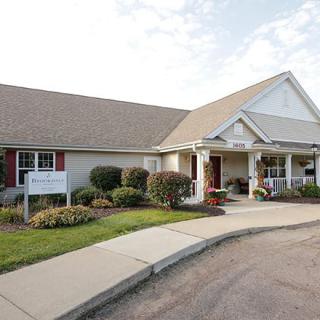
    Brookdale Monroe

    Monroe, MI

    4.1 from 67 reviews
    $3,460 to $4,900 / month

    pro Caring, individualized staff in a clean, homelike environment with engaging activities.

  • Medilodge Of Monroe

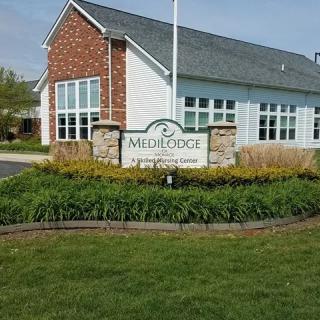
    Medilodge Of Monroe

    Monroe, MI

    4.2 from 104 reviews
     

    pro Friendly, compassionate staff with quality therapy services.

  • Beach Nursing Home Inc

    Beach Nursing Home Inc

    Monroe, MI

    3.3 from 53 reviews
     

    pro Visitation-friendly environment with potential care improvements through staff training.

  • The Oasis At Monroe Rehabilitation And Nursing Center

    The Oasis At Monroe Rehabilitation And Nursing Center

    Monroe, MI


    pro Extensive on-site amenities and 24-hour supervision.

  • Assisted Living at River Raisin

    Assisted Living at River Raisin

    Monroe, MI


    pro Comprehensive care with meals, activities, and 24/7 supervision.

  • Ihm Senior Living Community

    Ihm Senior Living Community

    Monroe, MI

    4.6 from 100 reviews
    $4,200 / month

    pro Extensive care and amenities with 24/7 support and restaurant-style dining.

  • Creekside Village

    Creekside Village

    Monroe, MI

    3.7 from 6 reviews
     

    pro Friendly staff, spacious rooms, affordable pricing, and a cozy cottage-like community.

  • Hampton Manor of Dundee

    Hampton Manor of Dundee

    Dundee, MI

    4 from 30 reviews
    $3,525 to $4,300 / month

    pro Brand-new, well-maintained facility with attentive staff and engaging activities.

Related Resources

  • list of drugs linked to dementiaA Thorough Discussion of Medications Potentially Linked to Dementia Risk

    Dementia, influenced by aging and certain medications, may be exacerbated by drug classes such as anticholinergics, benzodiazepines, and antipsychotics, which are associated with cognitive impairment. Regular medication reviews by healthcare professionals are crucial for older adults to manage risks and optimize cognitive health.

  • do dementia patients sleep a lotWhy Do Dementia Patients Sleep So Much? Understanding Oversleeping, Stages, and Care Approaches

    Dementia often results in disrupted sleep patterns, leading to excessive daytime sleeping due to factors like brain damage affecting circadian rhythms, medication side effects, and lack of structure in daily activities. Caregivers must monitor these changes closely, as oversleeping can increase risks such as malnutrition or dehydration, and provide necessary support and routines to enhance patient engagement and well-being.

  • when to move from assisted living to nursing home8 Key Indicators That Suggest It May Be Time to Transition from Assisted Living to Skilled Nursing Care
    The transition from assisted living to skilled nursing care is often prompted by complex medical needs that assisted living cannot meet, with key indicators including frequent health declines, increased falls, severe memory issues, and caregiver burnout. Families should recognize these signs early to discuss options with healthcare providers and prepare for the emotional and logistical aspects of moving to a facility that offers comprehensive medical support.