
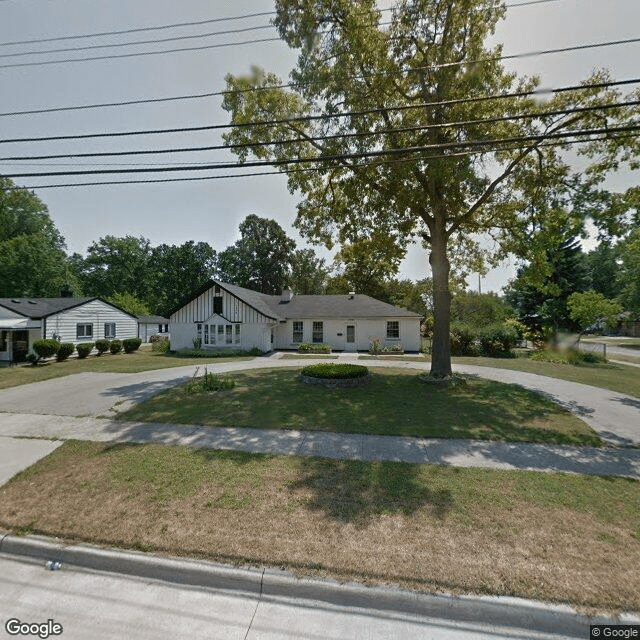
1504 E. Greig, Madison Heights, MI 48071
To contact a resident: (586) 360-6822
For more information about senior living options: (866) 208-4318
Sunny Acres AFC Costs & Pricing
Sunny Acres AFC offers a competitive pricing structure for its residents compared to the averages in Oakland County and the broader state of Michigan. For semi-private accommodations, Sunny Acres charges $2,500 per month, significantly lower than the county's average of $3,204 and state average of $3,191. Private rooms are also attractively priced at $3,000, while both Oakland County and Michigan reflect higher costs at $3,708 and $3,675 respectively. Even with its one-bedroom options priced at $3,500, Sunny Acres remains competitive against the county's average of $3,507 and the state's average of $3,384. These rates make Sunny Acres AFC an appealing choice for those seeking quality care without compromising their financial well-being.
| Floor plans | Sunny Acres AFC | Oakland County | Michigan |
|---|---|---|---|
| Semi-Private | $2,500 | $3,204 | $3,189 |
| Private | $3,000 | $3,708 | $3,674 |
| 1 Bedroom | $3,500 | $3,507 | $3,384 |
Memory care communities with a similar price nearby
-
from -$225 / mo
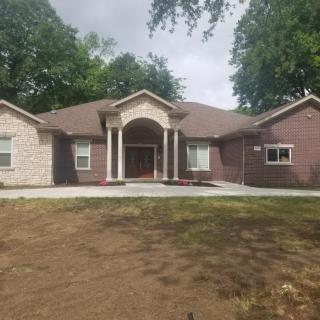
Pleasant Valley Family Care
$2,275 to $7,000 / month12.3 miles away -
About the same
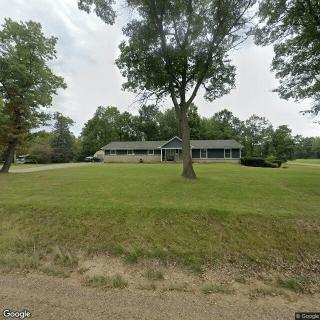
Lakeview Elderly Home
$2,500 / month23.1 miles away -
from +$380 / mo

Town Village Sterling Heights and The Gem Memory Care
$2,880 to $5,095 / month9.4 miles away -
from +$163 / mo
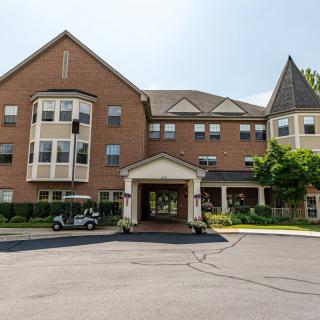
Clausen Manor
$2,663 to $5,227 / month18.7 miles away -
from -$267 / mo
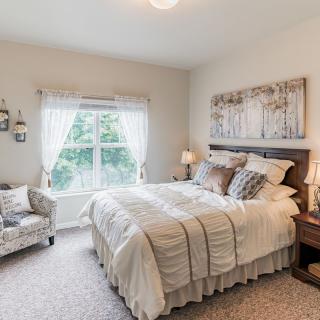
Town Village Sterling Heights
$2,233 / month9.4 miles away
Overall Review of Sunny Acres AFC
Pros
 Meng and her staff provide incredible care and love to residents.
- The small number of residents and the home-like atmosphere suit residents perfectly.
- Meng makes this a home with good food, tailored exercise, and fun.
- Care workers are exceptionally attentive and accommodating.
- The director is very nice.
Cons
 They would not send anyone to this place.
- They were nauseated by the awful smell throughout the building when they first walked in.
- They found the place dirty and filthy and could only think about leaving.
- There was only one resident outside sitting.
- The grass had not been cut in ages and the community looked shabby.
- They knew immediately this was not the place for their loved one.
Review
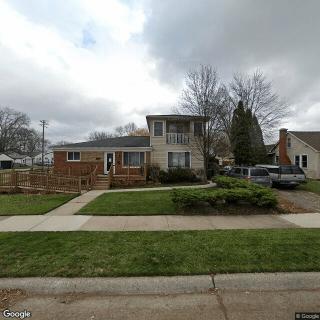
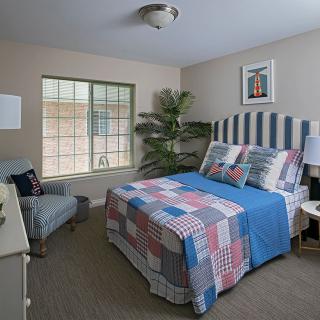
Sunny Acres AFC in Madison Heights is best suited for families seeking a small, home‑like assisted living option where care feels personal and deeply attentive. It works particularly well for residents who do better in an intimate setting with a caregiver-led routine, rather than in larger, more institutional environments. The facility’s promise centers on a home atmosphere, individualized attention, good meals, and activities tailored to capabilities, all under a hands-on owner who tends to remain closely involved in day-to-day caregiving.
Those considering alternatives should note who may not be ideal here. Families needing robust, around-the-clock medical oversight, a highly clinical environment, or meticulous, hospital‑grade upkeep will likely want to look elsewhere. The setting’s small size and homey vibe come with trade-offs in housekeeping standards and physical maintenance, and the campus may feel neglected to some visitors. For residents requiring strong odor control, spotless common areas, or frequent on-site medical staffing, a larger, more formal facility could be a better fit.
On the plus side, several reviewers highlight a few standout strengths that can meaningfully tilt the balance in favor of Sunny Acres. The owner, Meng, is repeatedly praised for creating a “home” feel and for giving residents genuinely attentive, accommodating care. Caregivers are described as especially attentive, with exercises and activities adapted to each person’s abilities, and meals that emphasize quality and enjoyment. For families prioritizing warmth, consistent personal interactions, and a caregiver culture, these elements can translate into meaningful daily comfort and satisfaction.
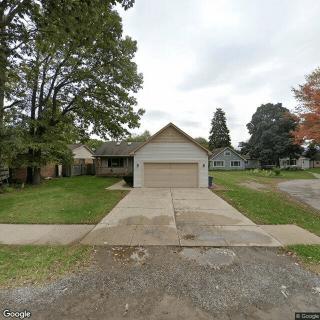
Yet the drawbacks draw a clear line where the decision gets tougher. Some reports describe an unpleasant odor and dirty conditions during visits, along with an exterior and grounds appearance that felt shabby to prospective residents. The shared sentiment across notes points to limited staffing realities: a very small number of residents (and correspondingly few caregivers) can raise concerns about responsiveness in emergencies or during busy periods. There is also mention of gender‑specific occupancy constraints and a model that relies largely on visiting doctors and specialists rather than on-site medical professionals, which may not meet the needs of residents requiring constant clinical oversight.
The pros and cons must be weighed against the resident’s priorities. The intimate, home‑like environment and the owner’s hands-on approach can substantially offset some operational limitations for individuals who prize daily warmth and highly personalized attention. However, for a senior whose health profile demands steady clinical supervision, predictable cleanliness, and consistently well‑maintained surroundings, the drawbacks may outweigh the benefits. Prospective families should verify current housekeeping standards, tour at different times, and ask direct questions about staff coverage, maintenance schedules, and how medical needs are coordinated in practice.
In the end, Sunny Acres AFC offers a credible, appealing option for a select cohort: seniors who thrive in a tight-knit, family‑style setting and whose care needs align with a small team and a strong personal connection to the caregiver. For those who value a pristine environment, robust on-site medical staffing, or a more conventional nursing home feel, alternatives, ranging from larger AFC homes to traditional assisted living and nursing facilities, should be explored. The recommendation is to schedule a thorough, firsthand visit, assess cleanliness and staff responsiveness on the day, and insist on clarity around medical services and occupancy arrangements before deciding.
 6 resident community capacity
 Assisted Living
 Board and Care Home
 Memory Care
 Respite Care
 Cable or satellite TV
 Dining room
 Fully furnished
 Garden
 Housekeeping services
 Move-in coordination
 Outdoor space
 Private
 Telephone
 Wi-Fi/high-speed internet available
 Detroit Metropolitan-Wayne County (23 miles away)
 24-hour supervision
 Activities of daily living assistance
 Assistance with bathing
 Assistance with dressing
 Assistance with transfers
 Diabetes diet
 Hospice waiver
 Meal preparation and service
 Medication management
 Mental wellness program
 Special dietary restrictions
 Transportation arrangement (medical)
 Transportation to doctors appointments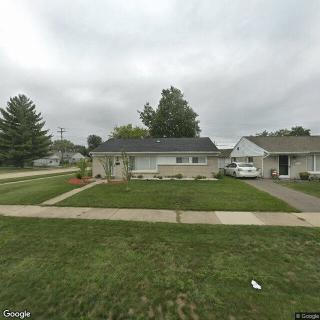


 Dementia, Paranoia, and Caregiver Guidance: Understanding the Connection
 Engaging Memory Care Activities That Enhance Quality of Life
 When to Transition from Assisted Living to Memory Care: Key Indicators, Steps, and Finding the Right Community