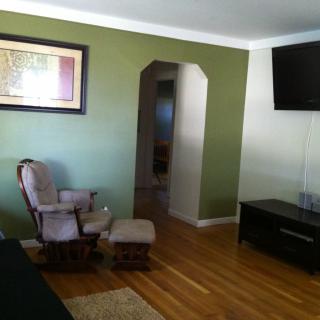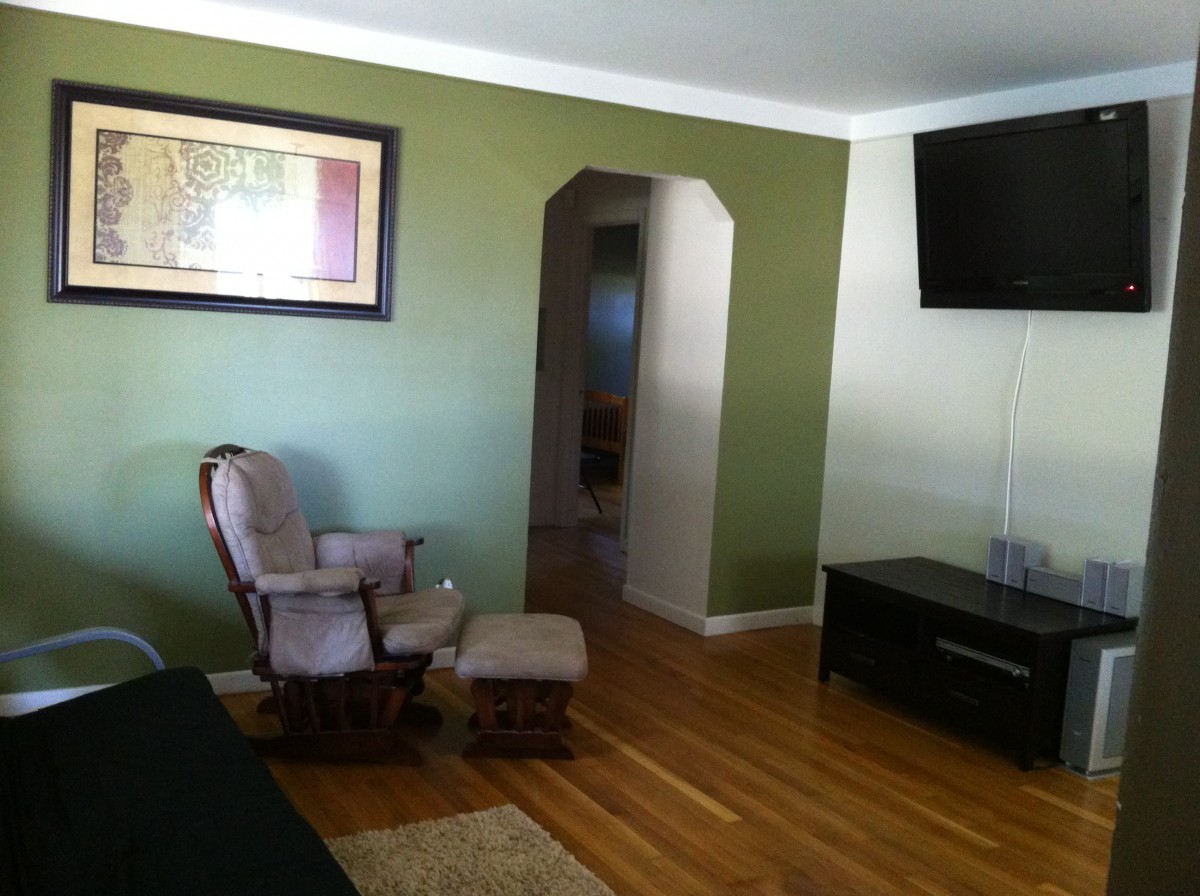
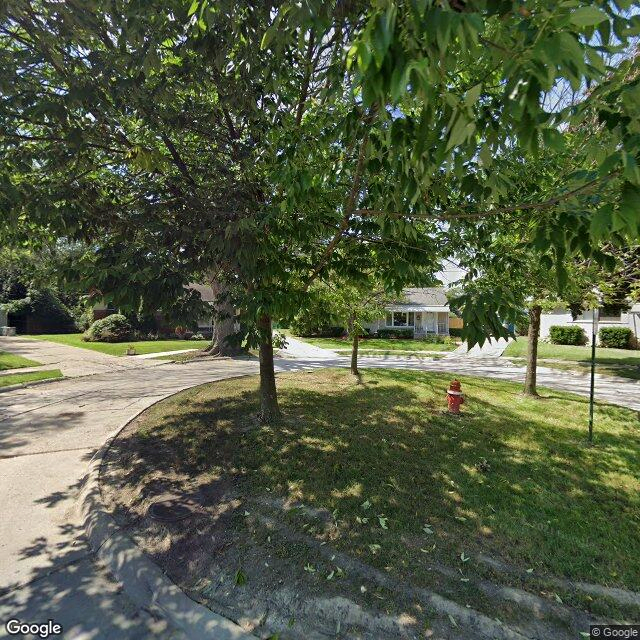
19103 Woodmont St., Harper Woods, MI 48225
To contact a resident: (313) 434-5810
For more information about senior living options: (866) 208-4318
Heavenly Comfort AFC Costs & Pricing
Heavenly Comfort AFC offers competitive pricing for its accommodations compared to both Wayne County and the broader state of Michigan. For a semi-private room, residents can expect to pay $2,300 per month, which is significantly lower than the county average of $2,860 and the state average of $3,191. Similarly, for a private room at Heavenly Comfort AFC, the monthly cost is set at $3,000 - this also comes in below Wayne County's rate of $3,335 and the state's average of $3,675. These cost advantages make Heavenly Comfort AFC an appealing option for those seeking quality care while maintaining manageable expenses.
| Floor plans | Heavenly Comfort AFC | Wayne County | Michigan |
|---|---|---|---|
| Semi-Private | $2,300 | $2,860 | $3,189 |
| Private | $3,000 | $3,335 | $3,674 |
Memory care communities with a similar price nearby
-
About the same
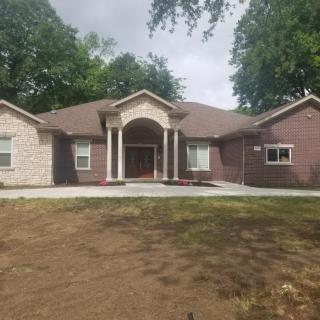
Pleasant Valley Family Care
$2,275 to $7,000 / month20.3 miles away -
About the same

Town Village Sterling Heights
$2,233 / month14.1 miles away -
from +$245 / mo

Westwood Inn
$2,545 to $3,995 / month16.7 miles away -
from -$100 / mo
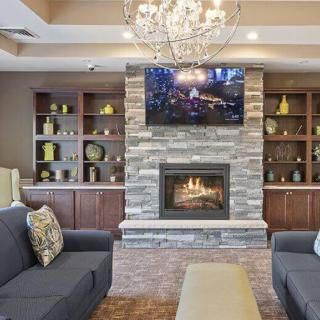
Hampton Manor of Clinton
$2,200 to $4,200 / month7.7 miles away -
About the same
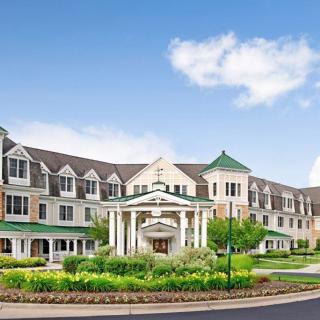
Sunrise Assisted Living of Bloomfield
$2,250 to $4,714 / month21.7 miles away
Overall Review of Heavenly Comfort AFC
Pros
 The place is nice.
- The staff are wonderful.
- The clients are well taken care of and very happy.
- Their son is doing well thanks to the care he is receiving at Heavenly Comfort.
- The place looks and smells clean.
- The neighbor is kept up nicely.
Review
Heavenly Comfort AFC in Harper Woods is best suited for families that prize a warm, home-like atmosphere where caregiving feels personal and constant. The community earns trust through staff that are described as wonderful, with residents who appear well cared for and genuinely happy. Cleanliness and maintenance are noticeable strengths, with the facility presenting a fresh, inviting environment and surrounding areas that look well cared for. This combination tends to translate into meaningful daily interactions, where residents are more likely to feel seen, assisted promptly, and connected to a stable routine. For families seeking a straightforward, relationship-driven caregiving experience in a neighborly setting, Heavenly Comfort AFC offers compelling alignment.
Yet, this is not a one-size-fits-all option. Those whose priorities include intensive medical oversight on site, or specialized memory-care programming, should consider alternatives with deeper clinical staffing and broader rehabilitation services. Budget-conscious families may also want to compare price points and value across nearby communities that offer a wider range of healthcare skilling or fewer limits on care hours. In short, when medical complexity or cost ceilings are high on the decision checklist, a careful side-by-side comparison is warranted to ensure the chosen community can meet both current needs and anticipated changes.
The strongest pro, staff quality and resident happiness, acts as a practical counterbalance to potential drawbacks. Consistently attentive caregivers can deliver reliable assistance, reduce confusion for residents, and shorten response times, which in turn preserves dignity and independence where possible. The positive sentiment from families, including a sense that “our son is doing well” under the care team, provides tangible comfort to prospective residents and their loved ones. Cleanliness, odor control, and well-kept surroundings further reduce stress for new residents during the transition, supporting smoother adjustments and better engagement in daily activities. While one review signals that not every experience will be flawless, the prevailing tone across most accounts is that the care experience markedly improves quality of life for residents.
That minority lower rating should not be ignored, but it does not erase the ecosystem of strengths present here. It serves as a reminder to perform due diligence: tour during multiple shifts, ask for specific examples of how care plans are individualized, and request direct conversations with caregivers about daily routines, medication handling, and how emergencies are managed. Prospective families should also probe into how social programming is tailored to varying energy levels, how meals are planned for different dietary needs, and how consistency is maintained on weekends when staffing patterns can shift. The absence of a large number of complaints suggests a generally reliable operation, but a balanced evaluation requires hearing both sides and verifying that the care framework matches personal expectations.
Maintenance of the physical campus supports the decision in a practical way. The facility’s cleanliness and the surrounding environment contribute to a sense of safety and comfort that is essential for new residents and their families. The anecdote about a neighbor being kept up nicely points to an overall stewardship mindset, which often correlates with stable staff morale and dependable routines. For families weighing options, these environmental signals, together with visible resident happiness, can either reinforce confidence or prompt deeper inquiry into whether the community can scale its level of attention as needs evolve. Concrete questions about transition plans, care coordination with external providers, and long-term care trajectories will clarify how Heavenly Comfort AFC handles change.
In the end, Heavenly Comfort AFC stands out as a solid choice for seniors who want dependable, affectionate care delivered in a clean, welcoming setting. The positive majority of reviews suggests a high likelihood of satisfying experiences, particularly for residents who thrive on personal attention and an engaged, sociable daily life. Potential entrants should weigh that strength against the realities of medical complexity, cost considerations, and the small risk of uneven experiences highlighted by a minority of reviews. The next prudent step is a structured visit: observe caregiver-resident interactions, review sample care plans, taste-test the dining options, and speak frankly with current families. If these checks align with personal goals, Heavenly Comfort AFC becomes a persuasive option in Harper Woods.
 Board and Care Home
 Day Program
 Memory Care
 Bath tubs
 Devotional services off-site
 Indoor common areas
 Outdoor common areas
 Private
 Respite or short term stays offered
 Ambulatory care
 Diabetic care
 Incontinence care
 Medication management
 Meals provided


 Comprehensive Insights on the Late Stages of Dementia: What to Expect and How to Provide Care
 Medications Associated with Dementia Risk: A Comprehensive Overview
 Guiding Your Journey: Understanding Power of Attorney for Elderly Parents