6500 Layton Rd, Fowlerville, MI 48836
To contact a resident: (517) 223-8850
For more information about senior living options: (866) 208-4318
Sunset Pines AFC Costs & Pricing
Sunset Pines AFC offers competitive pricing for its residential options, making it an appealing choice for potential residents seeking quality care. For a semi-private room, the monthly cost is $2,500, which is notably more affordable than the average costs in Shiawassee County at $3,098 and across Michigan at $3,191. Similarly, both one-bedroom and private accommodations are priced at $3,500, positioning them below the county's and state's respective averages of $3,254 and $3,384 for one-bedroom units and $3,471 and $3,675 for private rooms. This pricing structure not only highlights Sunset Pines AFC's commitment to providing accessible living arrangements but also reflects its dedication to delivering exceptional care without compromising on quality.
| Floor plans | Sunset Pines AFC | Shiawassee County | Michigan |
|---|---|---|---|
| Semi-Private | $2,500 | $3,098 | $3,189 |
| Private | $3,500 | $3,471 | $3,674 |
| 1 Bedroom | $3,500 | $3,254 | $3,384 |
Memory care communities with a similar price nearby
-
from +$300 / mo
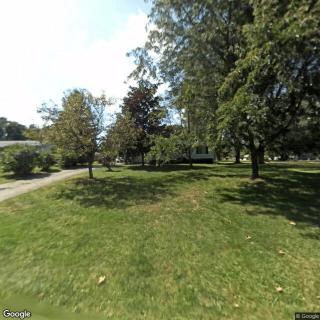
Dragonfly Manor
$2,800 to $3,000 / month6.6 miles away -
from +$300 / mo
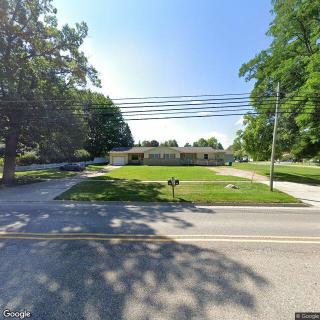
La Casa Place
$2,800 to $3,200 / month17.4 miles away -
About the same
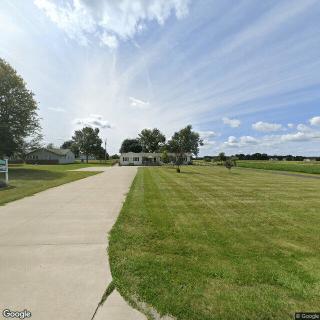
Craft Care Home
$2,500 / month24.0 miles away -
About the same
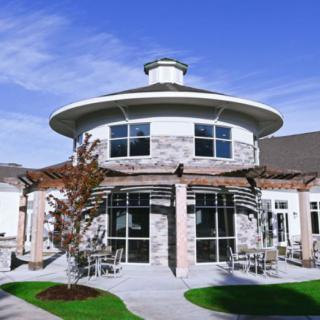
Vista Springs Timber Ridge
$2,500 to $4,000 / month22.4 miles away -
from -$400 / mo
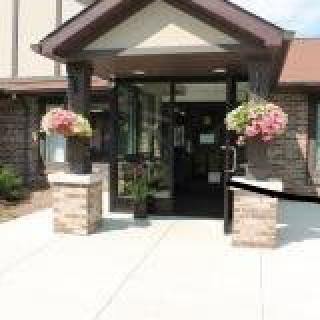
Vibrant Life Senior Living of Durand
$2,100 to $3,350 / month19.8 miles away
Overall Review of Sunset Pines AFC
Pros
 The staff at Sunset Pines is caring and professional.
- The owner-caregiver goes above and beyond to meet residents' needs.
- Sunset Pines is a clean, well-kept facility that feels like a home.
- The care at Sunset Pines is top-notch and highly recommended by families.
- Meals at Sunset Pines are enjoyable and help residents maintain their health and appetite.
- Families feel relieved to find such a wonderful place for their loved ones.
Cons
 It did not work out for the person who needed a little more skilled care.
Review
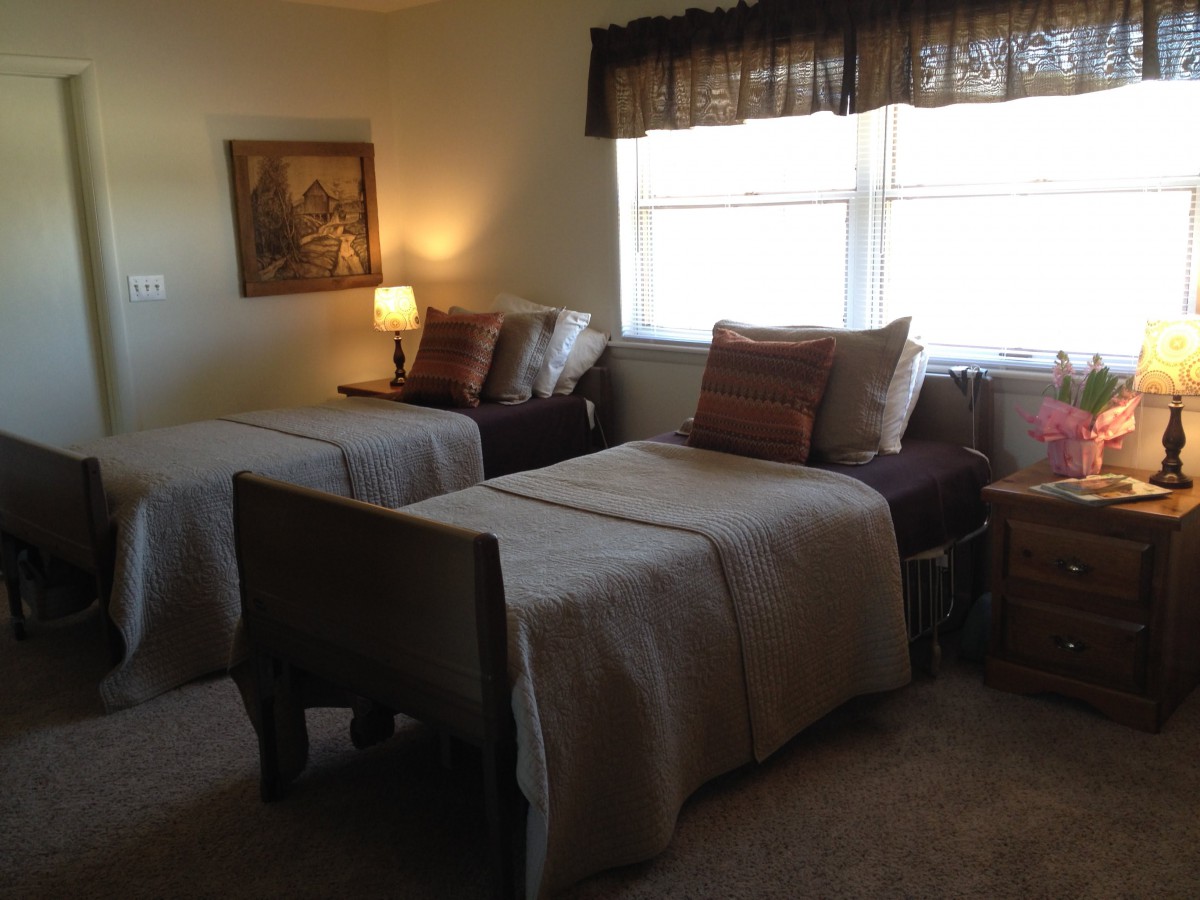
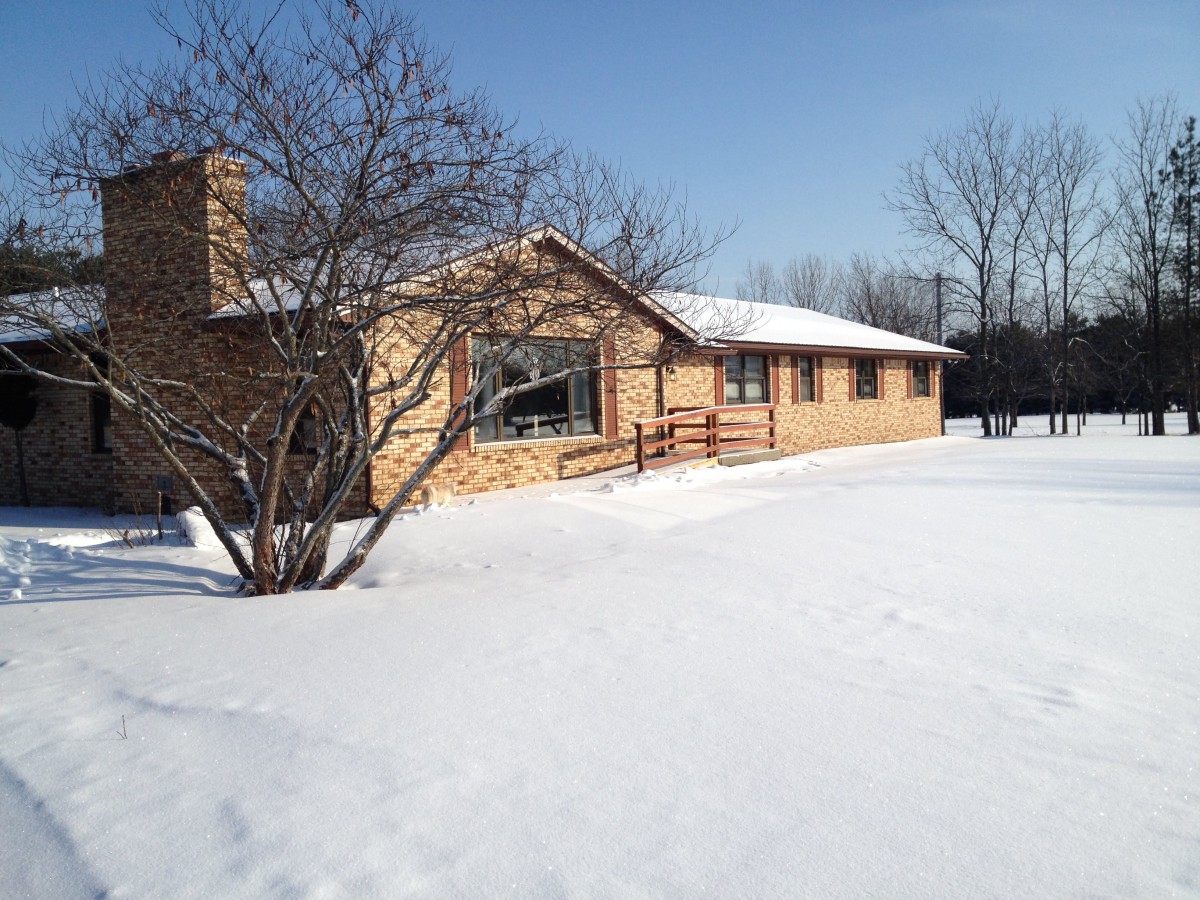
Sunset Pines AFC is best suited for families seeking a small, home-like assisted living option where a loved one can thrive on personal attention, comfortable surroundings, and everyday warmth. This community excels when a resident needs help with daily activities but not extensive medical supervision, and when family members value easy access to caregivers who know the resident well. For a 90-something parent who appreciates bright, cheerful spaces, reliable routines, and meals prepared with care, Sunset Pines provides a level of intimacy and responsiveness that larger campuses often struggle to match. The environment feels like a true home, and that sense of belonging is the defining strength for residents who want to stay engaged and supported without the bustle of a bigger facility.
Those who should consider alternatives are families whose loved ones require significant skilled nursing, complex wound or medication management, memory care with specialized programming, or 24/7 clinical oversight. While the staff and owners are highly devoted, the pace and scope of care at Sunset Pines are more aligned with assisted living than with comprehensive medical supervision or specialized dementia services. If a resident’s needs include frequent, intensive medical interventions or a structure that accommodates higher acuity levels, exploring other options, such as larger communities with dedicated nursing and memory-care wings, will likely yield greater fit and reliability.
The most compelling pros are the genuine, hands-on care, the owner-operator model, and the consistently clean, bright setting. Families repeatedly note that the owner-caregiver bends over backward to ensure every want and need is met, which translates into timely assistance, thoughtful responsiveness, and a level of trust that is hard to quantify but easy to feel. The staff comes across as caring, professional, and consistently kind, contributing to a sense of stability that resonates with both residents and visiting family members. The decor and maintenance reinforce the impression of a well-cared-for home, not a clinical institution, and that atmosphere dovetails with the positive impact of nourishing, well-prepared meals that residents clearly enjoy.
The positive features offset the apparent limitation of not offering heavy clinical services in two key ways. First, the home-like milieu and family accessibility mean a resident can sustain quality of life through companionship, familiar routines, and personal attention, which often matters as much as, if not more than, medical resources for many seniors. Second, the ability for family members to visit freely, observe daily life, and see their loved one thriving, evidenced by health improvements in some cases, argues that daily life is well-managed and emotionally supportive. Where a resident can feel at home and be well-fed, rested, and engaged, the absence of extensive skilled care becomes a calculated trade-off rather than a deficit.
For decision-makers in the moment, use the tour as a diagnostic tool: assess staff responsiveness, the availability of the owner-operators during visits, and how much one-on-one attention a resident receives in practice. Sample the meals and ask to observe a meal service, since dietary quality is repeatedly highlighted as a strength. Note how welcoming the space feels during family visits, and consider whether the resident’s preferred routines, snacks, activities, quiet times, could be sustained here. The emphasis on a cheerful, accommodating staff culture and a home-like environment should be weighed against the care level required by the loved one’s health status.
In the end, Sunset Pines AFC stands out as an excellent fit for families prioritizing warmth, accessibility, and a home atmosphere for a loved one who mainly needs assistance with daily activities rather than high-intensity medical care. It is less suitable for anyone whose condition calls for robust skilled nursing or specialized dementia-related programming. For those evaluating options, a candid assessment of care requirements alongside a visit to meet the owners, observe staff interactions, and sample the meals will yield a clear verdict: this community is a proven, heart-forward choice for sustained quality of life in a small, intimate setting.
 Board and Care Home
 Memory Care
 Dogs allowed
 Activities on-site
 Air-conditioning
 Bath tubs
 Cable or satellite TV
 Devotional services off-site
 Ground floor units
 Handicap accessible
 Indoor common areas
 Outdoor common areas
 Private
 Private bathrooms
 Respite or short term stays offered
 Wi-Fi/high-speed internet available
 Diabetic care
 High acuity care
 Incontinence care
 Medication management
 Anytime dining
 BBQs or picnics
 Birthday parties
 Live musical performances

 Dementia Behaviors: In-Depth Understanding and Effective Coping Strategies
 5 Early Indicators of Dementia and What You Can Do
 8 Important Indicators That Memory Care May Be Necessary